
16h05 ▪
5 min read
▪
by
Crypto ETF: Grayscale withdraws its Cardano, Hedera and Polkadot files in 190 seconds, without any explanation. Details here!
Crypto ETF: Grayscale withdraws its Cardano, Hedera and Polkadot files in 190 seconds, without any explanation. Details here!

The ETF market is experiencing a mixed quarter, as some products struggle to maintain their growth. ChainLink illustrates this situation with a fund whose value depends directly on a single asset. Launched on NYSE Arca in December 2025, Grayscale's product started with solid inflows. Since then, the drop in LINK has reduced its net asset value and slowed its net assets. The latest quarterly report thus confirms a marked slowdown, without signaling any massive investor withdrawals.

Bitcoin takes a hit, ETFs are bleeding, volumes are tanking. But Morgan Stanley isn't done yet. Is the crypto king losing its crown?

Grayscale wants to launch a Worldcoin ETF, but the token has already crashed 97 %. Is this a bold move or a costly mistake waiting to happen ?

Companies that bet on bitcoin to manage their cash flow are entering a new phase. The era of systematic accumulation seems to give way to arbitrations dictated by liquidity needs. Strategy provides an illustration with an unprecedented operation on its BTC reserves, immediately analyzed by Wall Street analysts. This choice goes beyond simple financial adjustment, as it reignites the debate on the ability of crypto-exposed companies to reconcile asset valuation and financing constraints.

Bitcoin ETFs show a negative result of $68M despite combined inflows of $121M from Ark Invest and Fidelity. Full analysis.

Grayscale sees Aave undervalued and promises it $175. Wall Street bankers are already buzzing, but the DeFi protocol remains cautious after the KelpDAO shock.
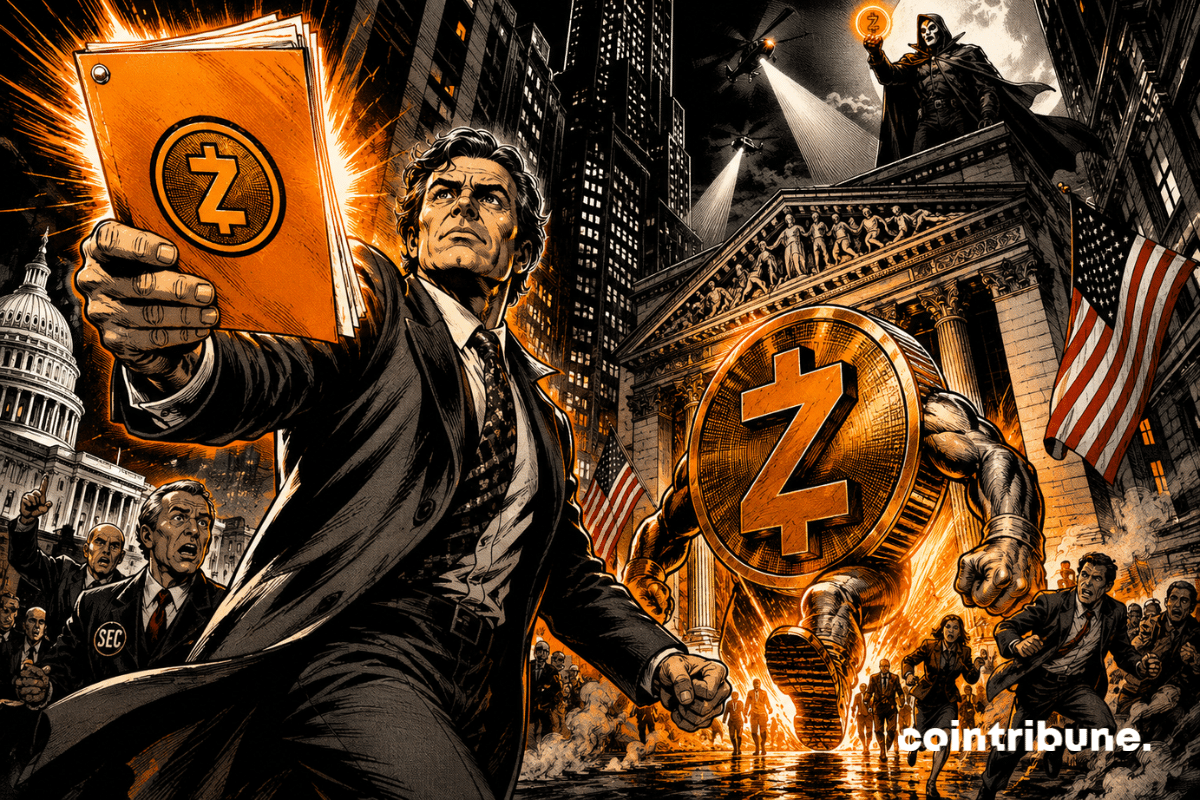
Earthquake alert on the crypto market! Grayscale has just filed the very first application for a spot Zcash (ZEC) ETF in the United States. Towards an explosion of privacy coins?
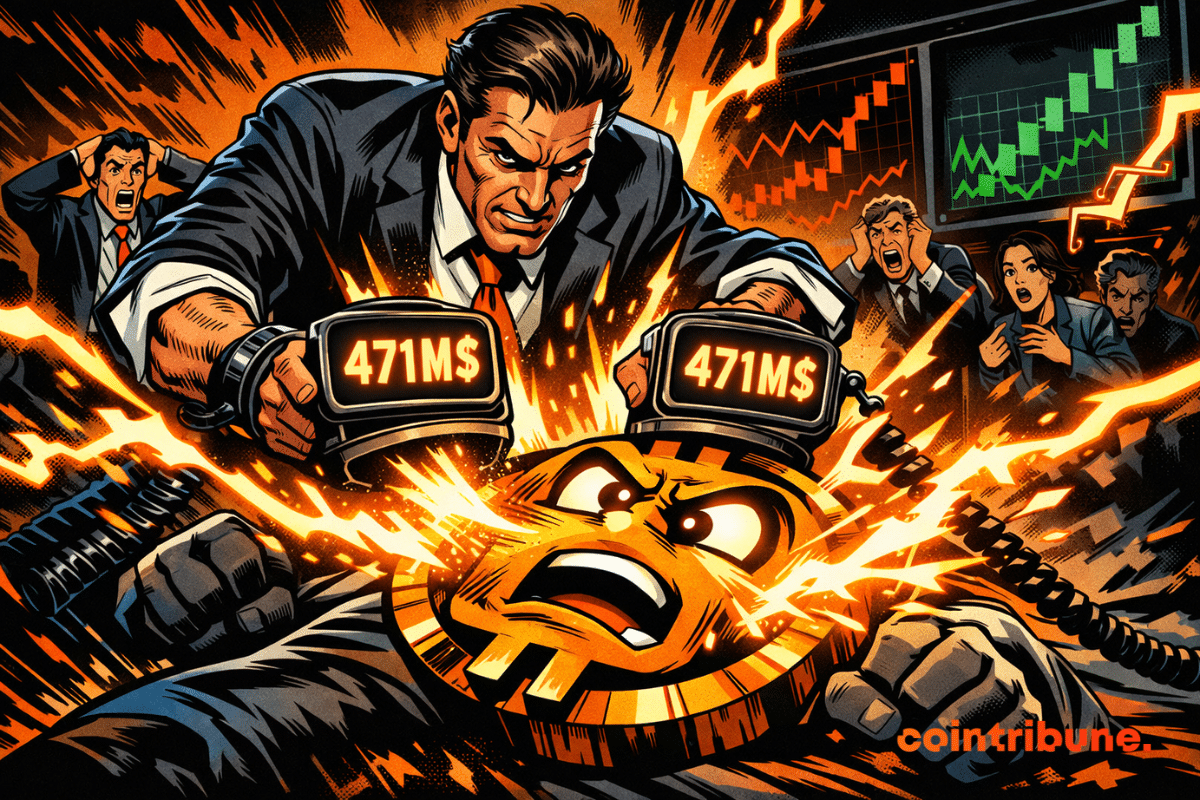
Crypto news: $471M net flows on Bitcoin ETFs in one day. Here is what this institutional signal really means.

Grayscale launches its Hyperliquid ETF, and here comes DeFi knocking at the Nasdaq's door, while altcoins join the table of the big players.

Grayscale Investments has increased Cardano’s ADA weighting in its Smart Contract Fund to 20.12%, up from 19.50%, marking another consecutive allocation boost. ADA now accounts for more than one-fifth of the portfolio, reinforcing its role as a core holding within the multi-asset vehicle. The move comes during a period of sustained price weakness for the token. Even so, the portfolio positioning suggests continued conviction in Cardano’s long-term role among leading smart contract networks.

For years, Bitcoin has been sold as an escape route. A rare asset, outside central banks, supposed to shine when the rest trembles. Except that in 2026, the soundtrack changes: at the slightest twitch in tech, Bitcoin coughs too. And that is more than a market detail. It is an open identity crisis.

Panic among crypto traders: capital is evaporating, the Fed is frowning, and even bitcoin is coughing. A chill wind is blowing across the blockchain world.

The crypto ETF dance does not slow down. It changes tune. After Bitcoin and Ethereum, now the market attacks more "political" tokens, more linked to ecosystems, thus more sensitive to regulators' scrutiny. And Grayscale, true to its style, does not timidly knock on the door: it files a dossier and forces the conversation.

Crypto markets appear to have moved past the leverage-driven stress seen in October, according to asset manager Grayscale. Recent research shared by the firm suggests derivatives activity has stabilized, supply pressure has eased, and market direction is now more closely tied to fundamentals and policy developments. As a result, price action may be better positioned to respond to upcoming regulatory and institutional shifts rather than past disruptions.
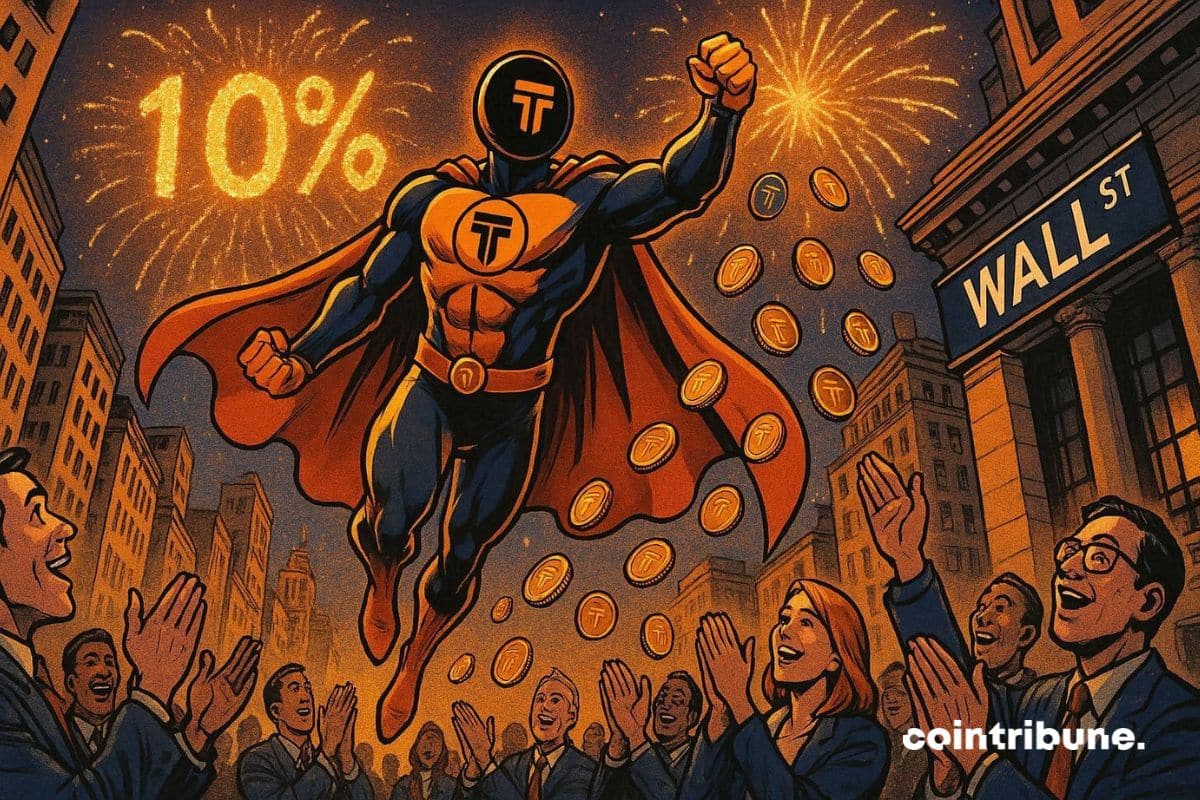
The Bittensor TAO token soars 10% after the launch of the Grayscale Bittensor Trust (GTAO). Between halving and institutional adoption, this crypto linked to decentralized AI attracts investors. Why could this project revolutionize the market?

Grayscale reaches a historic milestone. For the first time in the United States, a crypto ETF will pay its investors income from Ethereum staking. This unprecedented move disrupts traditional finance codes and paves the way for a new generation of investment products combining cryptos and on-chain yield. In a context where regulation is being structured and innovation becomes a strategic lever, this decision propels Grayscale to the forefront of a rapidly evolving market.

Grayscale has just filed a dossier with the SEC to launch a Bittensor ETF, a first in the United States. This project could revolutionize access to decentralized AI for institutional investors. TAO, the flagship token of Bittensor, is preparing for massive adoption. A historic milestone for crypto and artificial intelligence.
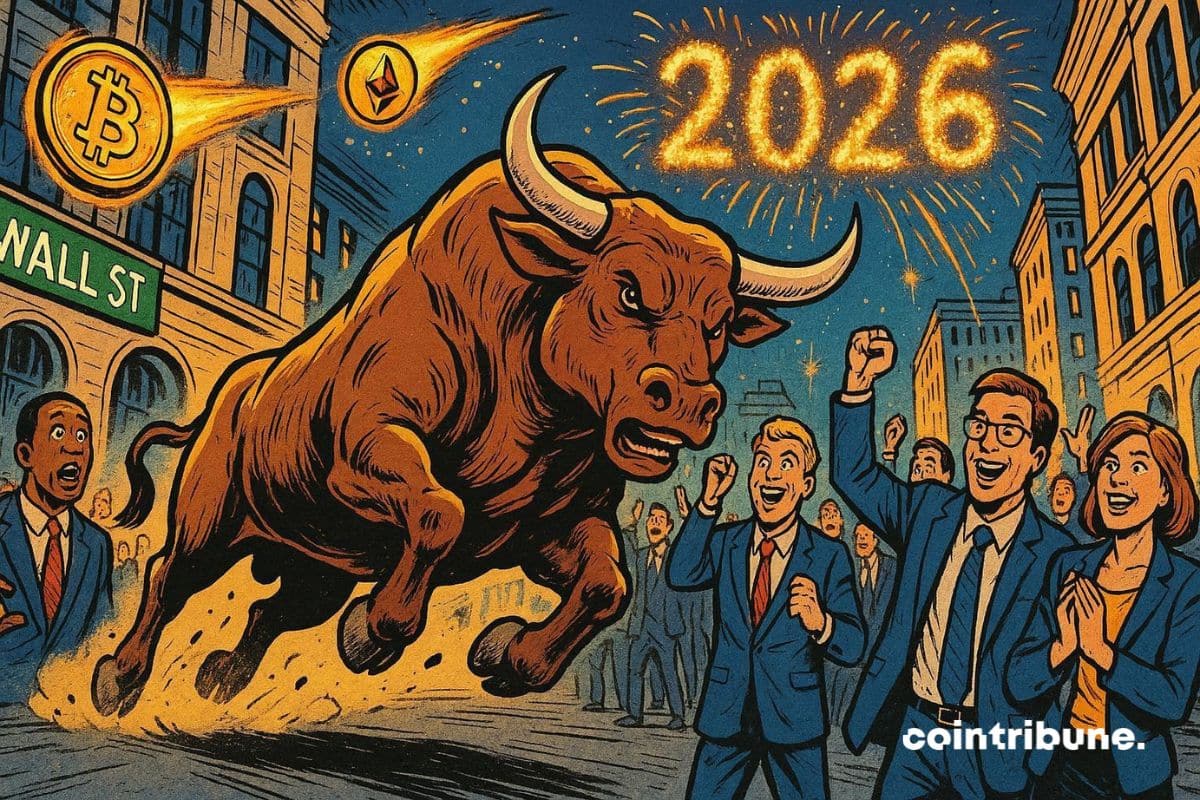
In 2026, cryptos could experience an unprecedented boom. Record public debt, finally clarified regulation, and massive adoption by institutions: Grayscale predicts a historic bull run. Bitcoin, Ethereum, and stablecoins are at the heart of this financial revolution. A year that will be decisive for investors!

When Grayscale tells us everything is fine for bitcoin, Naoris draws its anti-quantum shield. What if the enemy is not who we think it is?

Grayscale shakes up certainties. In its latest report, the asset manager anticipates a new ATH for bitcoin by June 2026, breaking with the traditional four-year cycle. Against a backdrop of rising public debt, inflationary pressure, and a changing regulatory framework in the United States, this projection relies on clear macroeconomic signals. At a time when trust in fiat currencies is eroding, Grayscale sees bitcoin as a safe haven asset undergoing a structural transformation. Such a vision challenges and redefines market benchmarks.

Bitcoin is positioned for strong growth in 2026 as shifting market dynamics and supportive macro conditions take effect.
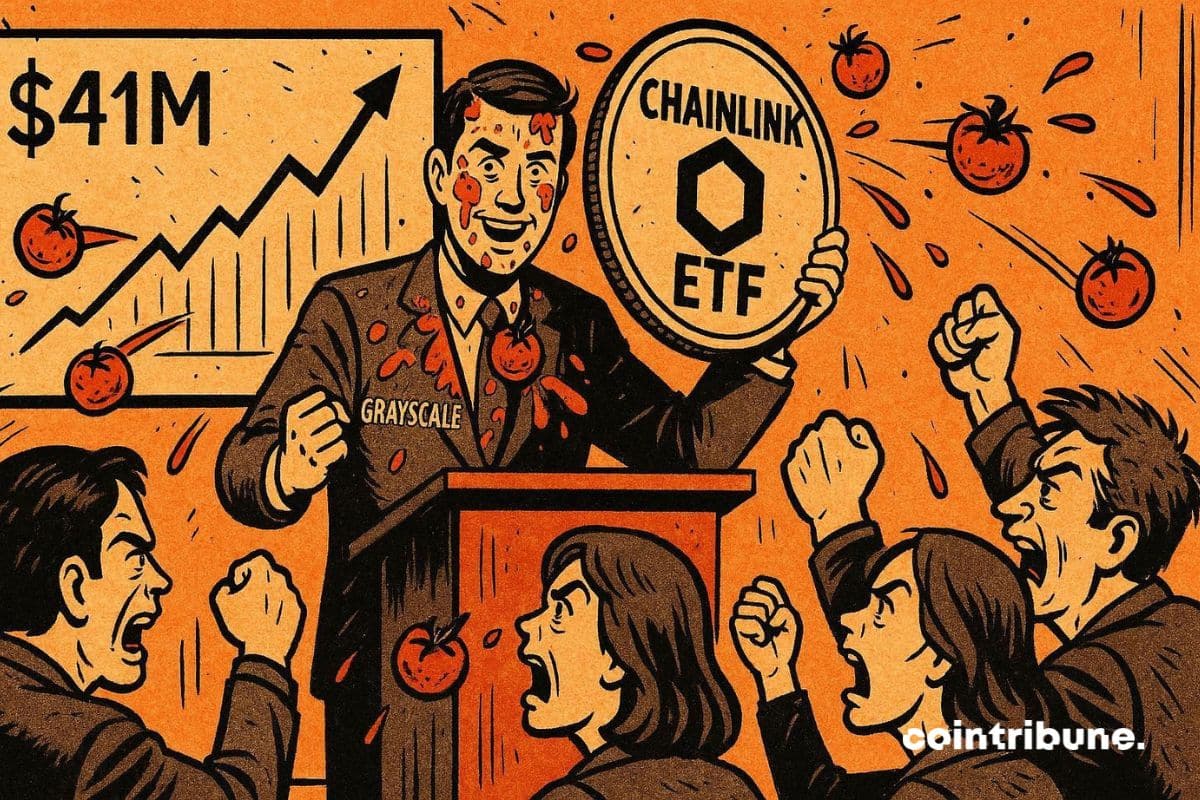
Grayscale's Chainlink ETF recorded $41 million in inflows on its first day, an impressive figure at first glance. Yet, experts are already talking about disappointment. Why does this launch, despite being solid, fail to convince? Analysis of a "blockbuster" that did not live up to its promises.
Could bitcoin's four-year cycle be living its last moments? This is the unexpected hypothesis put forward by Grayscale in a report published on Monday. According to the asset manager, the crypto king could break free from its historical mechanics as early as 2026, reaching new heights well before the usual deadline. This major challenge to a pillar of crypto analysis sparks as much hope as questions in a rapidly changing market.
Arthur Hayes is stirring debate across the crypto market with sharp criticism of Monad, a new layer-1 chain that launched with significant attention and industry backing. His remarks challenge the project’s early momentum and raise broader questions about high-valuation tokens supported by venture capital.
An ETF on a privacy coin? Grayscale dares where no one has gone before. Discover how Zcash could shake the US market.

Strong inflows returned to major crypto ETFs at the end of the week after several days of uncertainty across digital asset markets. Bitcoin, Ether, and Solana products all posted gains on Friday, hinting at early stabilization following sharp swings and heavy withdrawals earlier in the week. Sentiment remains cautious, but renewed allocations to key products suggest that some investors are selectively re-entering the market.

Bitcoin ETFs are attracting capital again: simple rebound or bearish trap? We deliver the details in this article.

BlackRock takes a staking cure for its Ethereum: a developing ETF that promises yield for large portfolios. Crypto, meanwhile, continues to trot towards Wall Street.
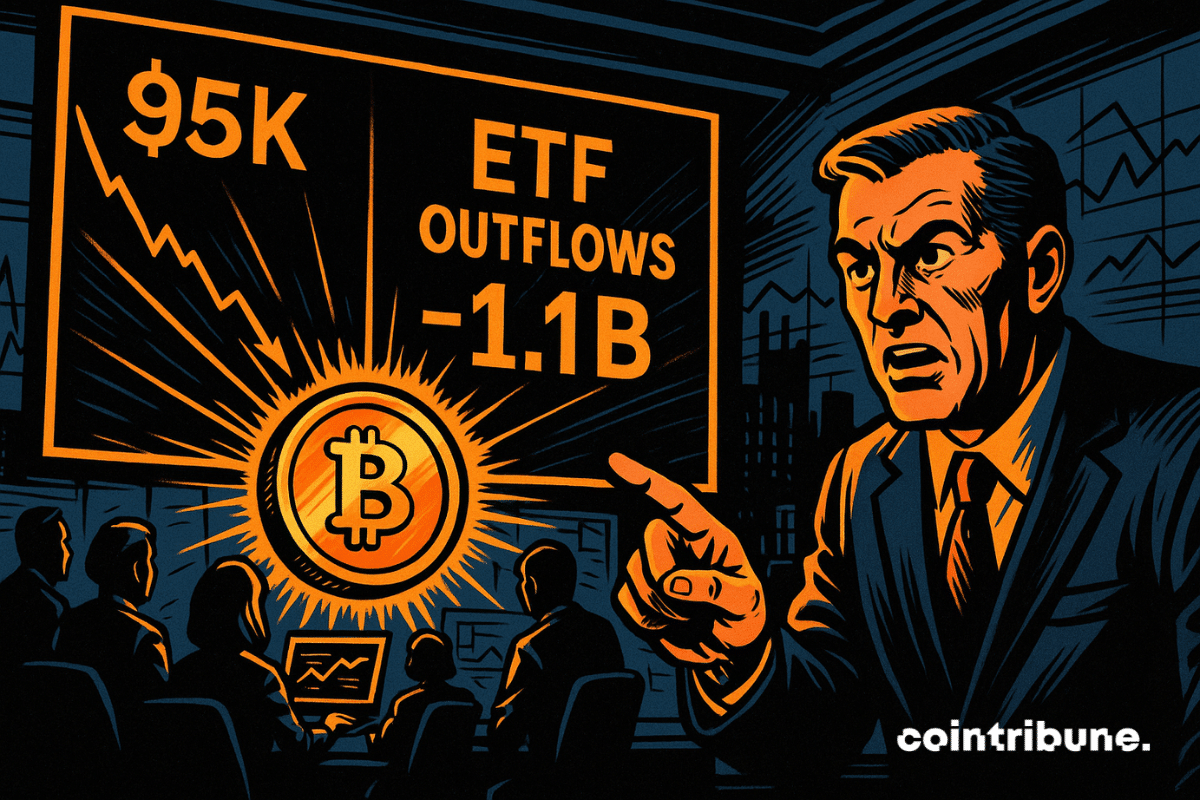
U.S. Bitcoin ETFs faced another difficult week as steady capital outflows added strain to an already uneasy market. Investor caution increased as withdrawals accelerated, pushing Bitcoin further below the $100,000 mark and signaling a broader loss of confidence in digital assets.