While the crypto world grimaces, Saylor puts another coin into the Bitcoin machine. Fourteen billion losses on the counter, and the gentleman keeps buying, like a firefighter playing with gasoline.
The old king gold coughs at the worst moment: cannons, oil, dollar, everything is shaken up. While Schiff grinds his teeth, Wall Street looks elsewhere, with a mocking grin.
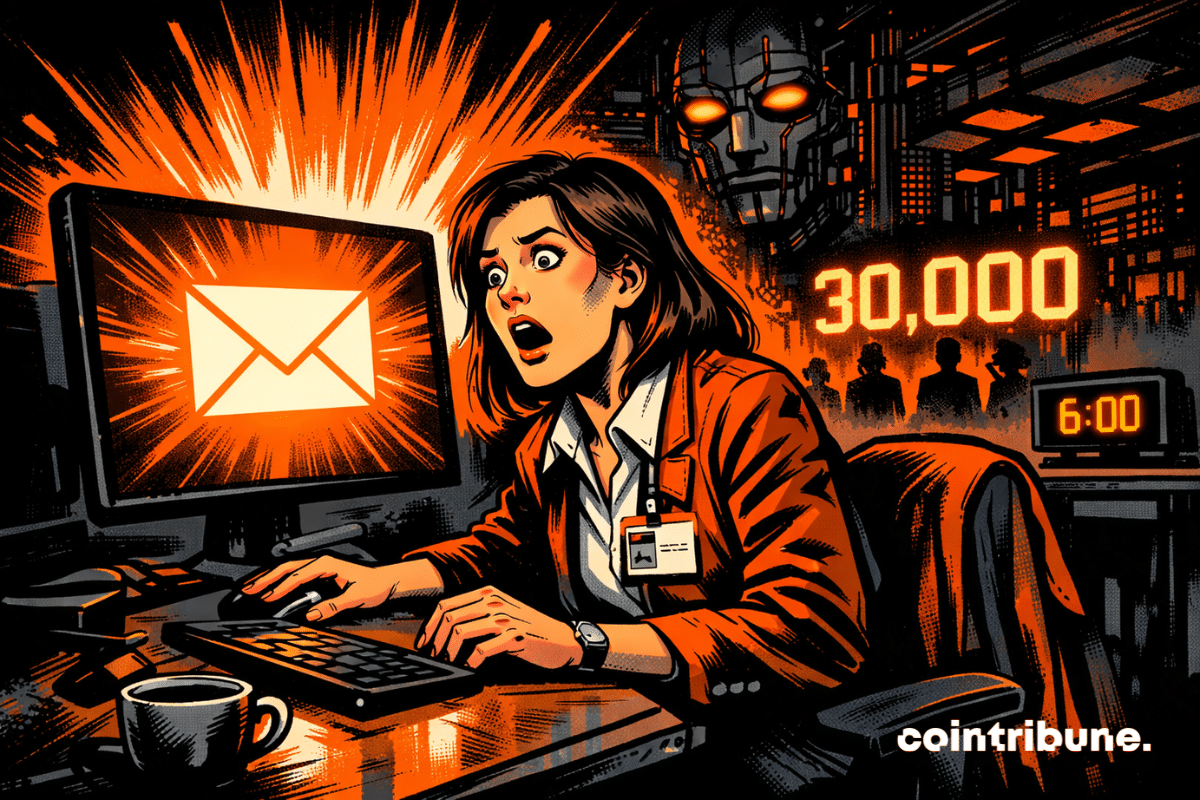
At Oracle, AI is no longer just used to sell cloud. It is also used to justify a social cut of rare brutality. At the beginning of April, the group launched a wave of global layoffs announced by email at dawn, in a context of massive spending on its data centers and increasing pressure on its cash flow.
While crypto coughs and retail pulls out its marbles, stablecoins swell driven by bots, boosted by yield, while tokenized dollar changes masters.
Bitcoin remains stuck between probable correction and technical recovery, in a tense, divided, and still hesitant crypto market.
A massive bet against bitcoin reveals a fragile crypto market, caught between macro tensions, ongoing war, and a slow, lasting recovery.
At Ethereum, whales are stirring, traders are holding their breath, and crypto is already sniffing the storm: a strange comeback, with record leverage and a quantum future lurking everywhere.
The key signal is simple: billions of dollars in ETH are leaving exchange platforms. In this case, this movement affects both OKX and Binance, two heavyweights of the market. For crypto, this kind of massive withdrawal is not just a technical detail. It changes the structure of the supply available for sale.
While Trump plays the war pause and oil heats up, bitcoin gets dizzy, while markets count shells, rates and cold sweats now.
Despite the price drop, bitcoin continues to attract online searches. Novices seek to understand, while experienced investors show signs of panic, perhaps signaling a future bullish cycle in the crypto market.
Bitcoin is going through a turbulent zone, but the numbers might tell a very different story. Economist Timothy Peterson just published an analysis that catches attention: according to him, the probability that bitcoin will end the year higher than its current level is 88%. Enough to rekindle hope or fuel debate.
The SEC under Atkins lets go of Binance and Sun, coincidentally just as Trump and his crowd are feasting on WLFI… Coincidence or nepotism? The defrauded voters want more.
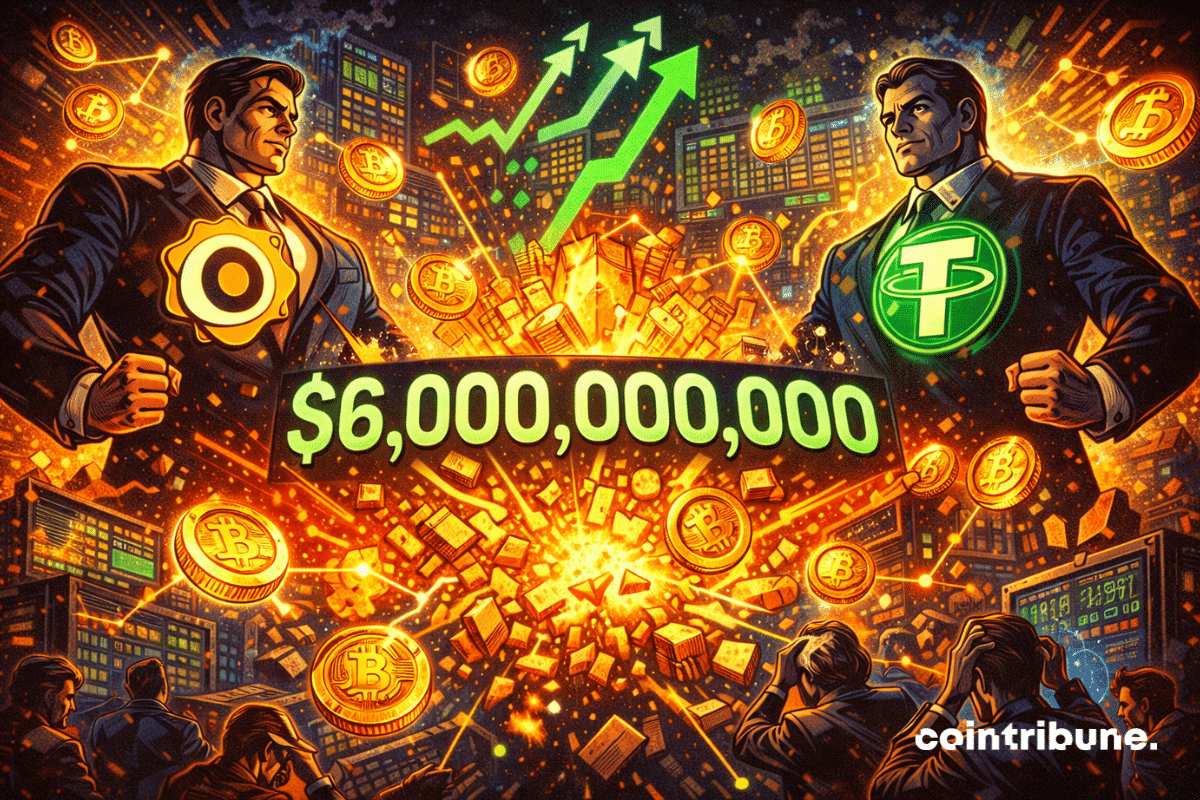
Digital gold bangs the 6 billion mark on the blockchain... Tether and Paxos are cashing in while Bitcoin coughs. But is it really gold or just a pretty lottery ticket?
Bitcoin leaves its digital gold costume, shaken by AI and regulations, to transform into a risky asset. Grayscale sounds the alarm: the party is over for calm investors.
Bitcoin plunges into the abyss, but BlackRock acts as savior with its ETF, displaying record volumes. Coincidence or strategy? Investors cling, hoping for an unlikely recovery.
Trump finally places his pawn at the Fed: Kevin Warsh. Monetary hawk, he promises discipline and rigor… While Wall Street and crypto collectively hold their breath.
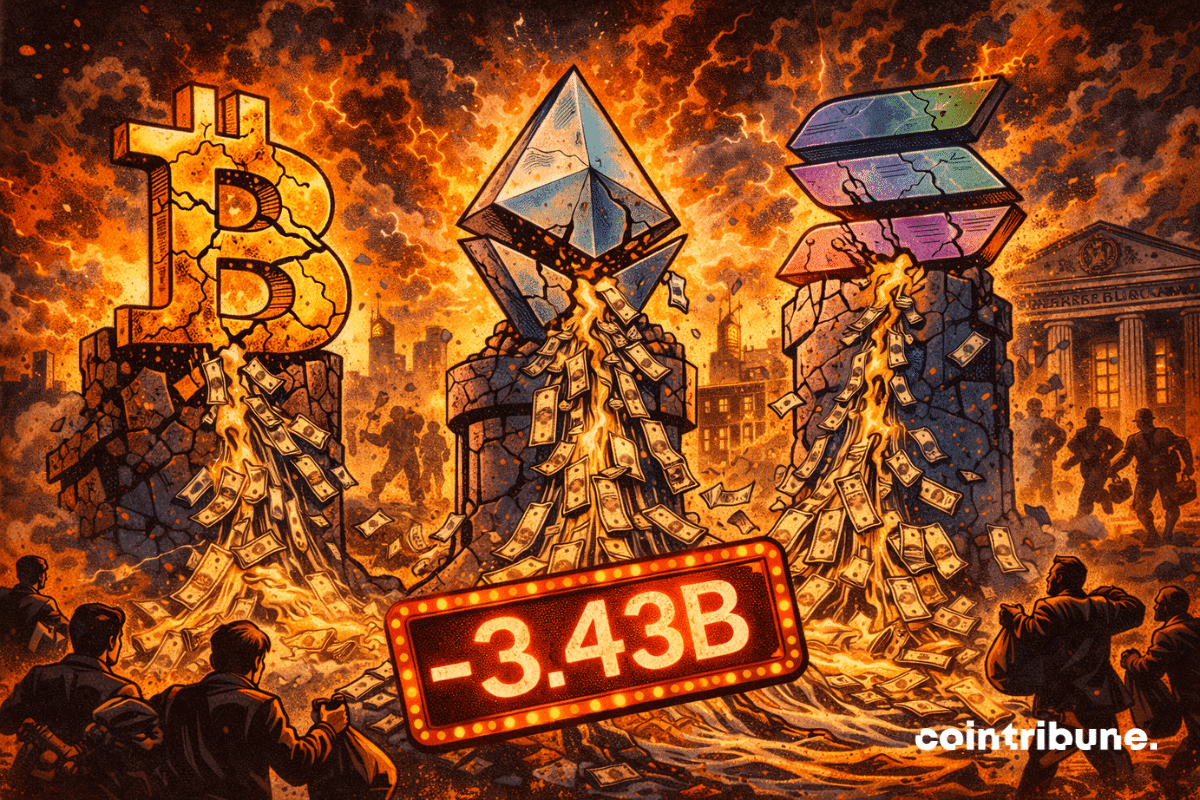
Panic among crypto traders: capital is evaporating, the Fed is frowning, and even bitcoin is coughing. A chill wind is blowing across the blockchain world.
Panic on the crypto planet: whales flee, the small ones bite the hook... what if this widespread fear was just a foretaste of a spectacular comeback?
When Washington argues, crypto collapses! Between shutdown threats, a thunderous Trump and triumphant gold, bitcoin discovers it is not truly a golden refuge.
The crypto market is going through a brutal digestion phase since the October shock. However, a message comes up from the professional desks. Indeed, many institutions believe that bitcoin is worth more than its current price. The idea is not new, but the timing is intriguing.
Bitcoin is trading around $87,000 as market momentum slows. Bloomberg’s Mike McGlone warns investors to stay cautious amid early 2026 market pressures.
Ukraine has just blocked access to Polymarket, a crypto predictive markets platform. The authorities consider that the service resembles unlicensed online gambling. This decision does not only target a site. It mainly reminds that as soon as there is a stake and a possible gain on an uncertain event, the line with gambling becomes very thin. And crypto does not offer automatic immunity.
End of the Web3 dream for Nike. The company quietly sold RTFKT, its NFT subsidiary. All the details in this article.
While traditional markets slow down between Christmas and New Year, the digital derivatives ecosystem is preparing to absorb a major technical shock. Indeed, this Friday will see the expiration of 27 billion dollars worth of options on Bitcoin and Ethereum, concentrated on the Deribit platform. A crypto version of Boxing Day, both feared and closely watched.
The Bank of Japan tightens the screws, cryptos fall, but Bitcoin, that old trickster, attracts big fish. Social panic, full ETFs: explosive cocktail or flash in the pan?
Cryptos falter, whales buy quietly, and small holders watch their tokens melt away like snow in the sun... Suspense guaranteed until summer 2026?
The quantum threat looms over Bitcoin. Charles Edwards, founder of the Capriole fund, issues a clear warning: without adequate protection by 2028, the king of cryptos could collapse. A prediction that resonates as the market is already experiencing turbulence.
While Powell gives mixed signals, bitcoin wavers: between rally promises and upsetting votes, traders hesitate... and ETFs sneeze.
When the EU regulates, it sometimes tailors the rules... MiCA stalls, ESMA heats up, states hesitate: in the crypto jungle, Brussels dreams of cutting local freedoms short.
Cardano shows weakened momentum. Its price remains under pressure after several weeks of decline, and some retail investors are gradually reducing their exposure. However, major ADA holders are strengthening their positions while small wallets decrease theirs. This divergence between the activity of large investors and that of retail frequently appears in the final phase of a bearish trend.