Tue 01 Jul 2025 ▪
6 min read
▪
by
It had been a long time since Bitcoin miners had been caught off guard by such a mining difficulty adjustment.
It had been a long time since Bitcoin miners had been caught off guard by such a mining difficulty adjustment.
The Norwegian government is considering temporarily suspending new bitcoin mining operations. This drastic measure, motivated by energy concerns, could reshape the landscape of European mining.
The American Bitcoin mining industry is going through a critical period. Between archaic tax regulations and growing economic pressure, miners are now demanding fair treatment compared to their counterparts in traditional commodities.

As Bitcoin enters a new phase of maturity, an unexpected phenomenon redefines its scarcity: every day, more BTC become inactive for ten years or more than new coins are mined. A silent but consequential reversal.
Driven by the promise of mining accessible from a smartphone, Pi Network had successfully mobilized a vast community. However, as volumes explode on centralized exchanges and official announcements struggle to convince, the project is going through an unstable period. Now, enthusiasm is giving way to doubts, fueled by opaque decisions and communication deemed disappointing. A strategic turning point seems inevitable, or else one of the most closely followed projects in the crypto sphere may disappear.
"While Bitcoin is catching its breath after a mining sprint, some miners are playing the capitalist ants. Not fools: produce, hold, and wait for it to soar. A strategy... not so cryptic."
Saylor assures us: the crypto winter is over. But when Bitcoin climbs to new heights, who picks up the shovels, and above all… who sells the picks?
Tether is set to open-source its Bitcoin Mining OS (MOS) by the fourth quarter of 2025. The move aims to make Bitcoin mining more accessible by allowing smaller operators to manage their own mining systems without relying on external software or services.

An unknown geek, armed with rented hash, snags $330,000 in bitcoin. Technical coincidence, bluffing move, or a silent revolution under the bits of solo mining?
When the crypto market wobbles, some bitcoin mining companies manage to come out on top. In May 2025, despite a tense consolidation phase for BTC, mining companies recorded their highest monthly revenues since the April 2024 halving. This remarkable result was achieved in a context of technical correction, where caution dominates trading. This resurgence in profitability, driven solely by the valuation of bitcoin, highlights the underlying tensions of an increasingly price-dependent model.
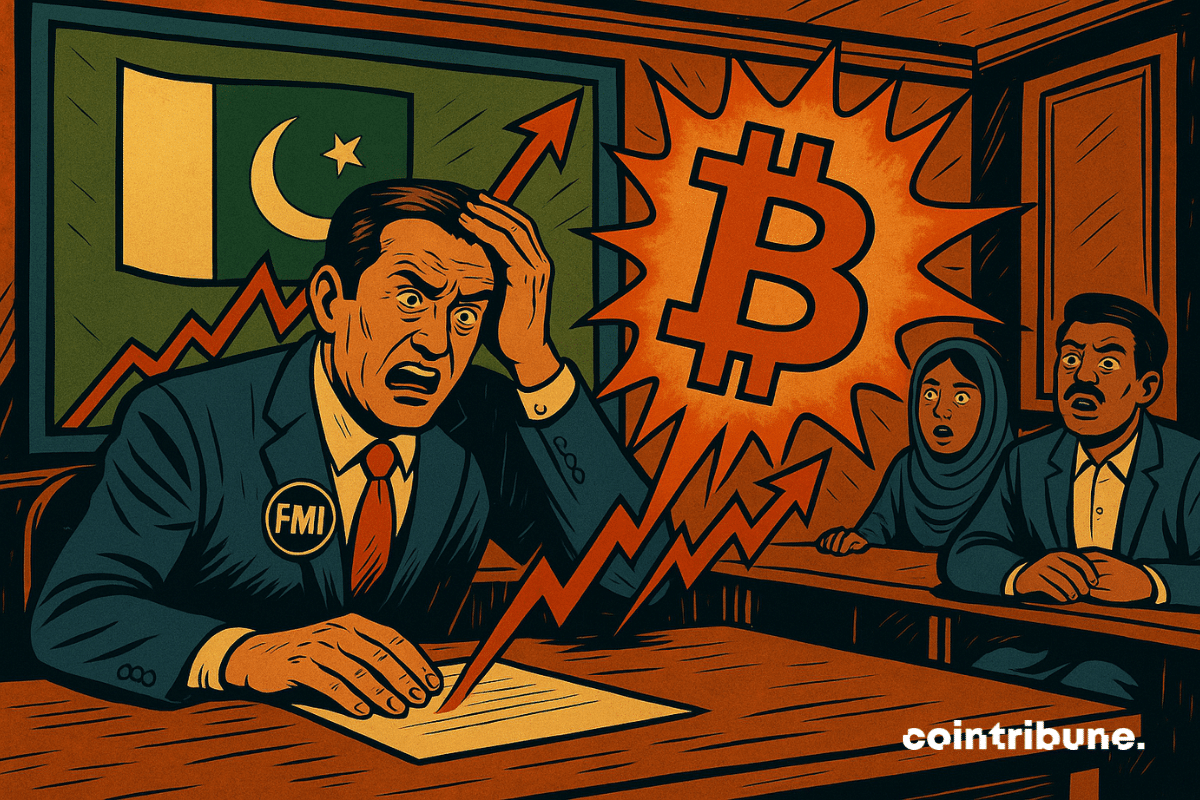
Pakistan wants to power up its machines to mine bitcoin, but the IMF, thermometer in hand, fears a diplomatic power outage. Who will falter, the state or crypto?
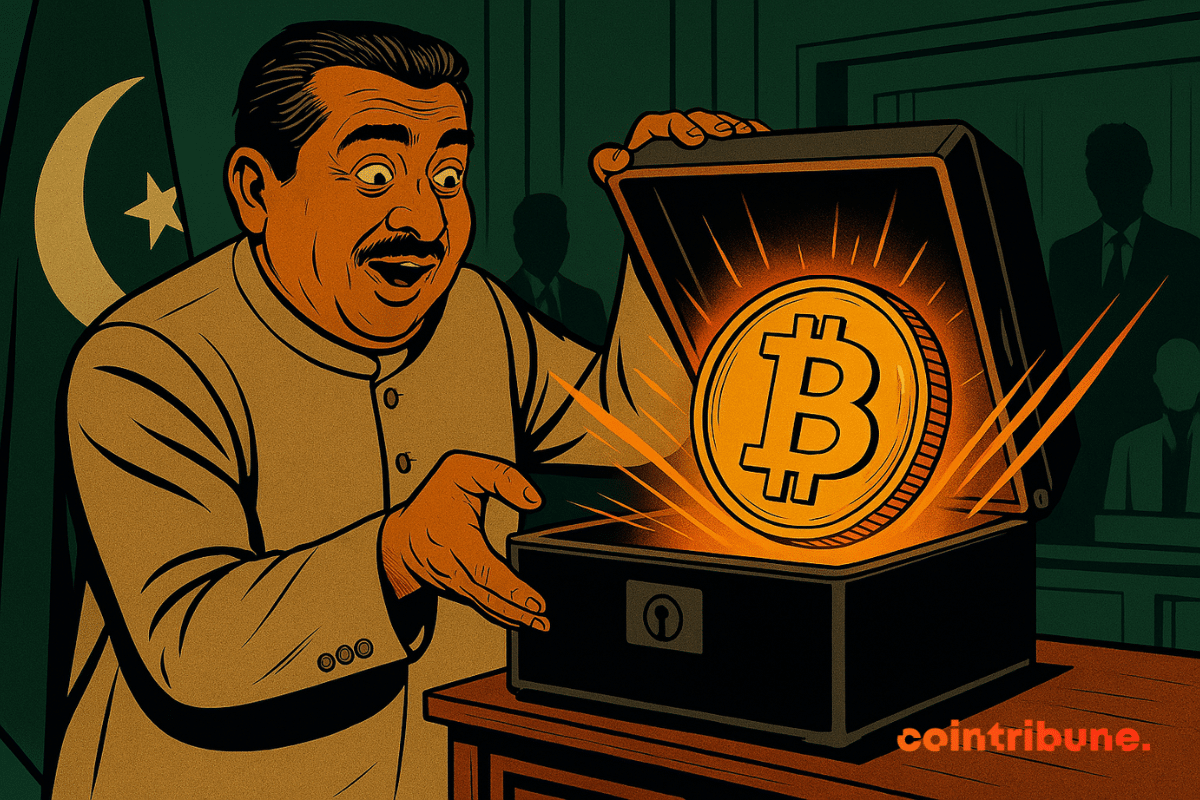
Pakistan reverses course: after shunning crypto, it now acquires a nice treasure of bitcoin. We await the IMF's reaction, not sure it will be gentle.

Launched as a revolution in mobile mining, Pi Network has captivated millions of investors before faltering under the weight of its own promises. Since the launch of its mainnet in February 2025, the project has faced setbacks: blocked tokens, lack of listing on major platforms, and ambiguity around its funding. The result is a drop of over 75% in price within three months and a disillusioned community. Behind the initial excitement, doubt is emerging about the actual viability of this "inclusive" cryptocurrency.
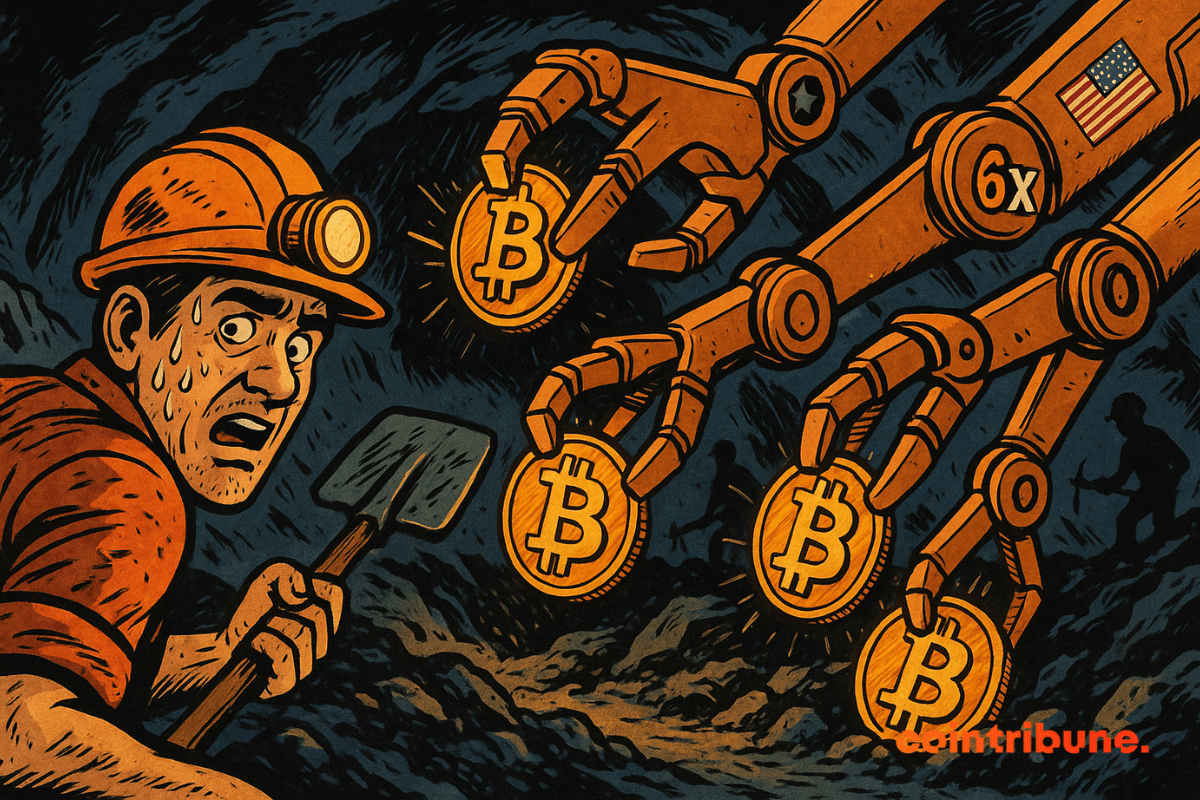
Institutional demand for bitcoin is skyrocketing. Last week, U.S. ETFs accumulated 18,644 BTC. In comparison, miners only extracted 3,150. An unprecedented gap is disrupting the traditional balance.
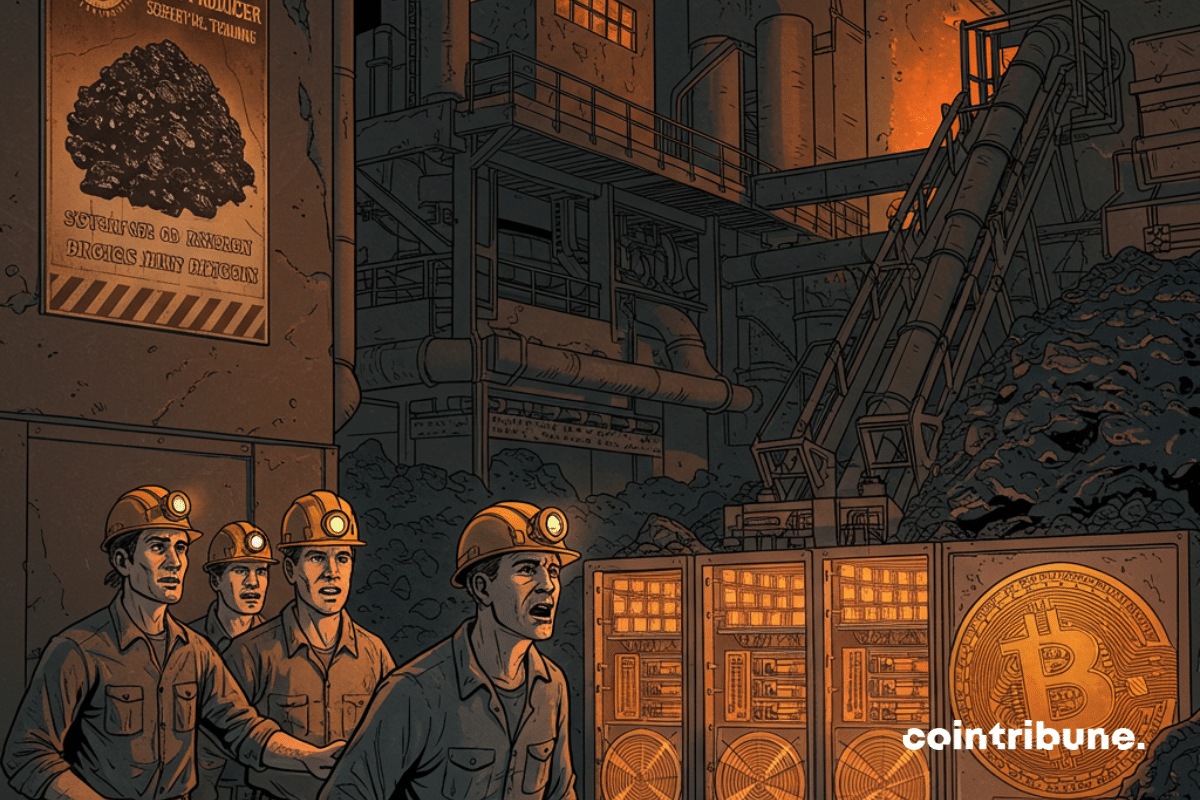
Invisible to the eyes of the markets, Alliance Resource Partners (NASDAQ: ARLP) has quietly opened a new front. Indeed, this American coal giant is using its surplus electricity to mine Bitcoin. As a result, $45 million worth of BTC now sits on the company's balance sheet. Thus, away from prying eyes, coal fuels more than just boilers. Let’s explore this bold transformation.
The blackout in Spain is an opportunity to remind that the Bitcoin industry could certainly have helped to avoid the disaster.
In March, publicly traded mining companies sold more than 40% of their newly mined bitcoin, marking the largest monthly liquidation since October 2024. This trend breaks with the accumulation strategy observed after the last halving.

American bitcoin miners are facing a new blow. The Trump administration has imposed heavy tariffs on mining equipment from Asia. As a result, costs are skyrocketing and the worst is yet to come...

"We do not defend nature. We are nature defending itself." This indigenous proverb illustrates the capacity of the natural world to survive crises without seeking absolute optimization. It reminds us that resilience is at the heart of living beings. Nature does not aim for speed or immediate efficiency, but for diversity and adaptation. Certain animal species, in particular, traverse the ages by evolving in response to threats. Similarly, Bitcoin does not rely on instant performance, but on its resilience due to its decentralized architecture. It follows the same laws of nature, being able to withstand multiple attacks and bans. The parallel drawn in this article between nature and Bitcoin raises an essential question about the model to adopt. Should we prioritize efficiency or resilience, in order to ensure the sustainability of a world in constant digital evolution?

The Pakistani government is seriously considering the possibility of using its electricity surplus for Bitcoin mining and hosting AI centers. This strategy aims to convert an energy surplus into a national economic lever.
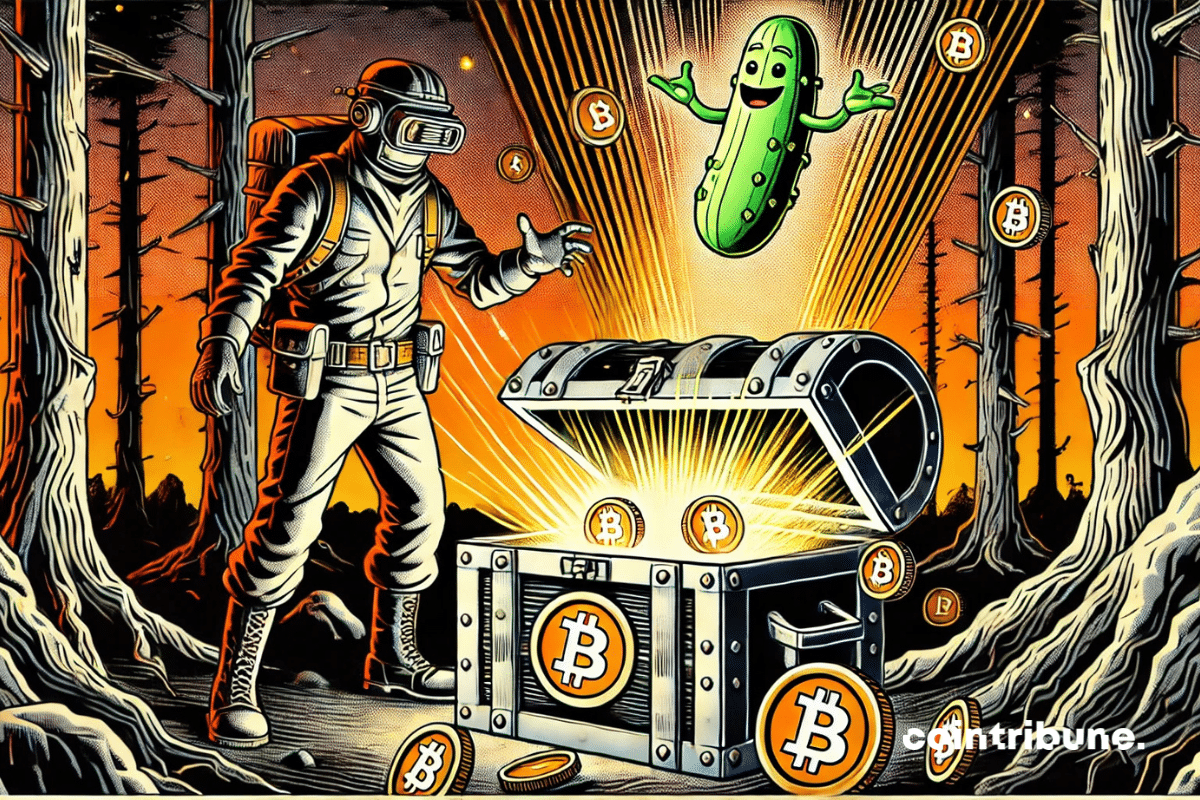
The famous video game franchise Fortnite has just integrated a replica of a Bitcoin mining farm into its latest update. This provocative reference has propelled the game-inspired memecoin "Dill Bits" to over 200%. A crypto nod that resonates beyond the virtual.

What if France became a hub of innovation for Bitcoin? While the debates on cryptocurrency often oscillate between fascination and distrust, Clara Chappaz, the delegated minister for Digital Affairs, opens an unprecedented door: exploiting French nuclear power to mine Bitcoin. A bold proposal, blending economic pragmatism and energy sovereignty. During…

Bitcoin miners can finally breathe: their revenues stabilize at 3.6 billion dollars, despite the Bitcoin halving in April 2024. But behind this apparent calm, a storm is brewing. Rising costs, dependence on Bitmain, pressure on fees... Will the model hold up much longer, or is it headed straight for disaster?

Bitcoin mining has never been a walk in the park, but lately, it has become downright arduous. The sector has to juggle a delicate equation: a hashprice that remains stagnant, increasing difficulty, and transaction fees melting away like snow in the sun. The result? Several miners will soon have to hang up their hats…
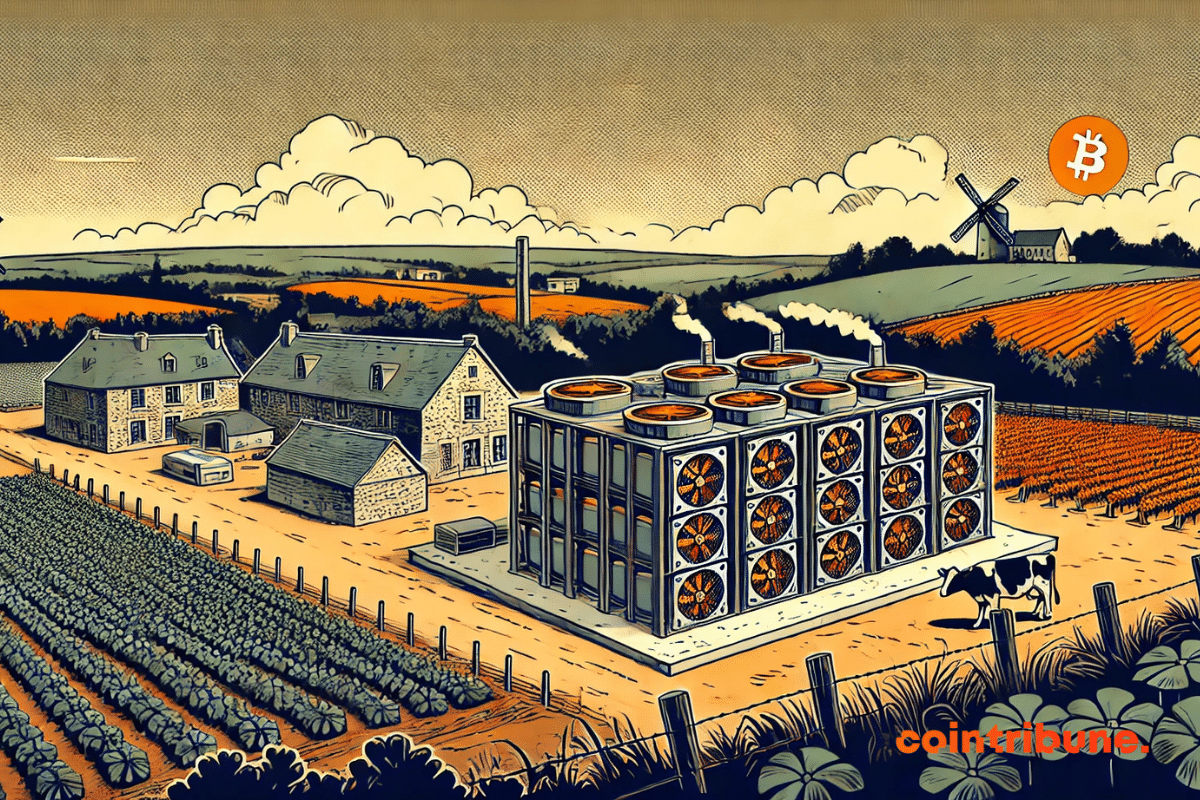
Normandy could soon host the first bitcoin mining farm in France, financed by the Sultanate of Oman. This unique project, at the intersection of energy, technological, and geopolitical issues, crystallizes French ambitions in the digital economy. At a time when energy sovereignty is becoming central, this initiative raises questions about the role that France wants to play in the global crypto ecosystem.
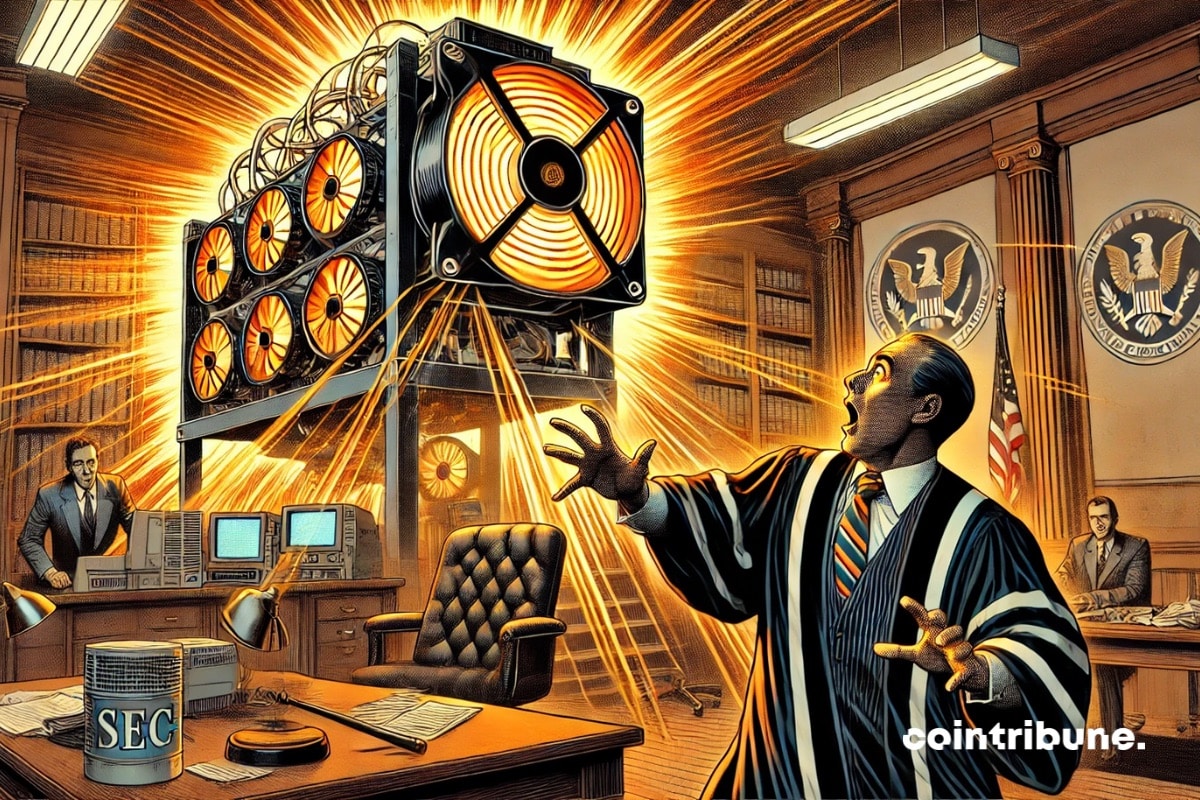
Ah, the SEC... that watchdog of the crypto markets that sometimes gives us cold sweats. But this time, it has decided to put away its whistle and offer us a little breath of fresh air. On March 20, 2025, in an (almost) historic statement, the Securities and Exchange Commission clarified a point that many miners were waiting for like the thaw of spring: NO, mining in Proof-of-Work (PoW) does not constitute an offer of securities!

A tiny device challenging the monsters of Bitcoin mining, a chance worthy of a miracle, and there is a solitary miner pocketing $260,000 under the astonished gaze of the industry.
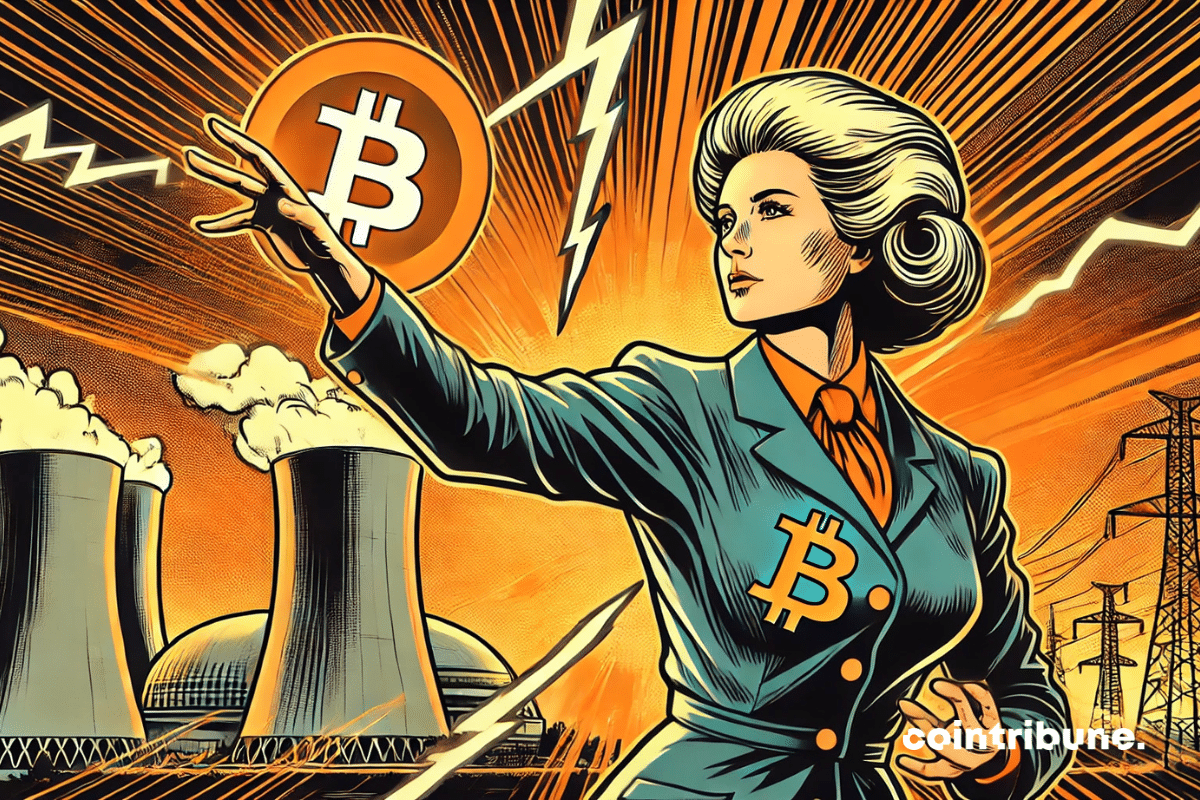
Nuclear energy and cryptocurrencies: an unlikely marriage? Marine Le Pen, a significant figure in the French political landscape, has shaken things up by linking these two worlds. During a visit to the Flamanville EPR, she outlined a vision where surplus nuclear electricity would power Bitcoin mining.
Bitcoin has just experienced an unexpected hiccup: its mining difficulty has decreased for the first time in four months. A fragile breath in an ecosystem accustomed to constant escalation. However, behind this seemingly technical number lies a much more tumultuous story. Amid site closures, rapid updates, and survival strategies, the mining sector is navigating a silent storm. What if this decline were a symptom of a deeper transformation?

The Bitcoin network continues to surprise. While analysts expected a slowdown in hashrate after the April 2024 halving, the computing power mobilized by mining companies has just reached a historic record of 833 exahashes per second (EH/s), an increase of 9% in just a few days. This surge in power is explained by the massive investments made by mining companies, which anticipated the reduction in block rewards by strengthening their infrastructure. However, a surprising contrast emerges: despite a price hovering around 100,000 dollars, transaction fees are at historically low levels, which undermines the profitability of mining companies and raises questions about the economic balance of the network.