Sat 20 Sep 2025 ▪
7 min read
▪
by
France is preparing to give up its surplus nuclear energy to an American bitcoin miner instead of favoring the French solution.
France is preparing to give up its surplus nuclear energy to an American bitcoin miner instead of favoring the French solution.
The Bitcoin network has never been stronger. Its mining difficulty has just reached an all-time high at 142.3 trillion, up 29.6% since January. This figure reflects both the rise in hashrate power and the growing pressure on mining companies. While the blockchain strengthens against potential attacks, technical and economic requirements impose an increasingly tough selection among sector players.
On CNBC, Eric Trump stated that Bitcoin has "taken the role of gold in today’s world," elevating crypto to the status of a strategic safe haven asset. This media appearance coincides with the launch of American Bitcoin, a mining and BTC holding company he is close to. Far from a mere announcement, this statement fits within a dynamic where publicly traded companies are beginning to integrate bitcoin at the heart of their reserve strategy.
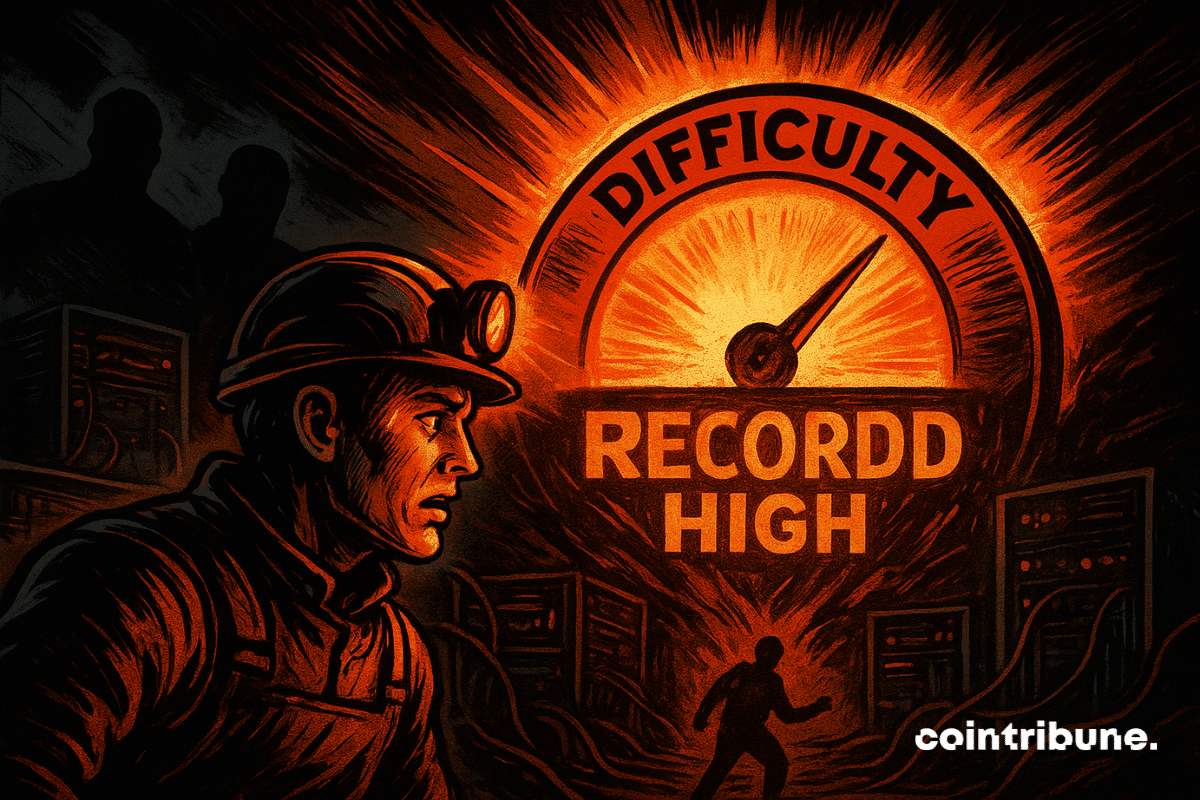
Bitcoin mining difficulty touched a new all-time high as the crypto market descended into volatility following the latest US job data. After hitting an all-time high (ATH) in August, market commentators projected that the difficulty of Bitcoin mining would decrease. However, the mining difficulty has steadily increased as the month progressed, with large players dominating the space.
In August, bitcoin miners generated revenues close to 1.65 billion dollars, a level almost identical to that of July. This maintenance reflects an impressive resilience of the sector, despite a context marked by rising costs and energy pressure. But behind this apparent stability lie structural vulnerabilities that raise questions: can the current mining model really hold in the long term?
Behind Bitcoin's apparent stability, an imbalance threatens the network's sustainability. Since April, transaction fees have dropped by more than 80%, shaking the remuneration model of mining companies. Amid the rise of ETFs and after a demanding halving, it is Bitcoin's internal economy that is faltering. Lower fees, fewer incentives, more risks to protocol security, the crisis is here, structural, and raises a question the ecosystem can no longer ignore.

The United States and the presidential circle are all-in on bitcoin while Europe continues to fall behind.
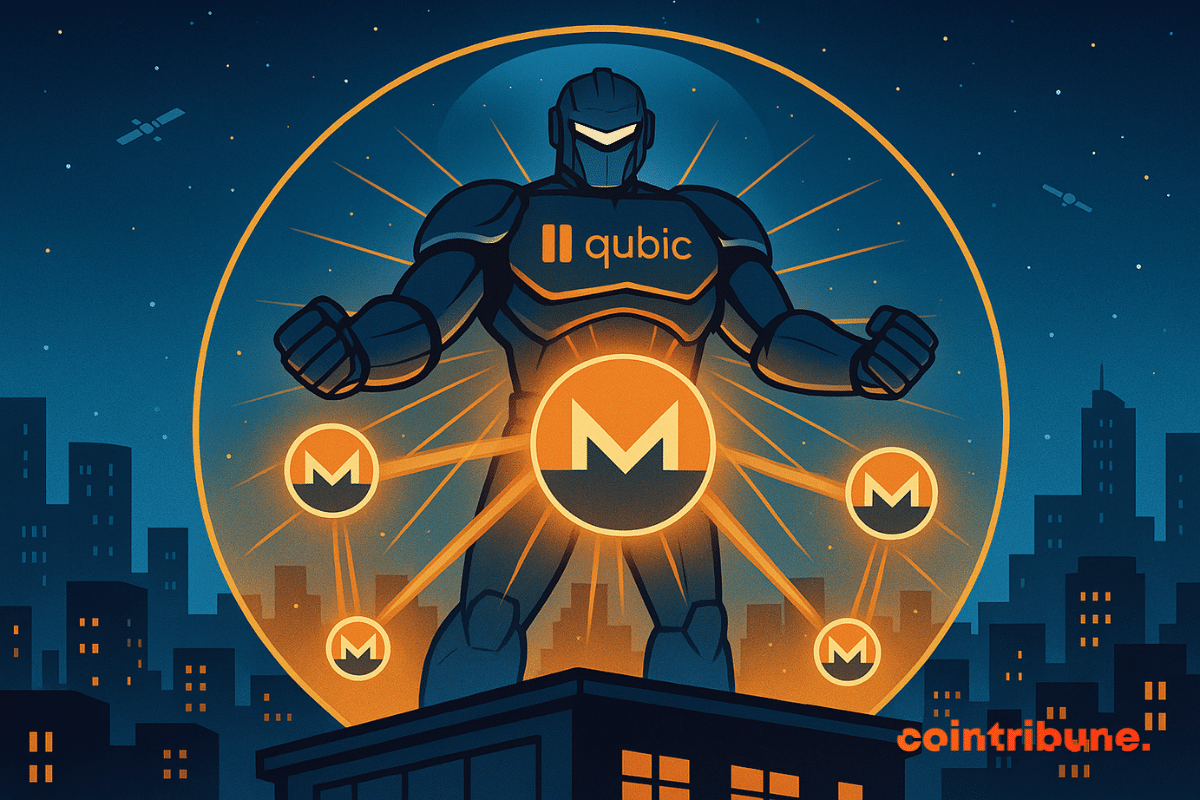
An exceptional technical show of force is currently shaking the crypto ecosystem. Qubic now controls 58% of Monero's (XMR) total hashrate during its marathon periods, setting a new record of computational power while simultaneously proving that technical innovation and responsibility can coexist. This remarkable performance illustrates the unique capabilities of the Qubic network and its revolutionary vision of Useful Proof of Work.
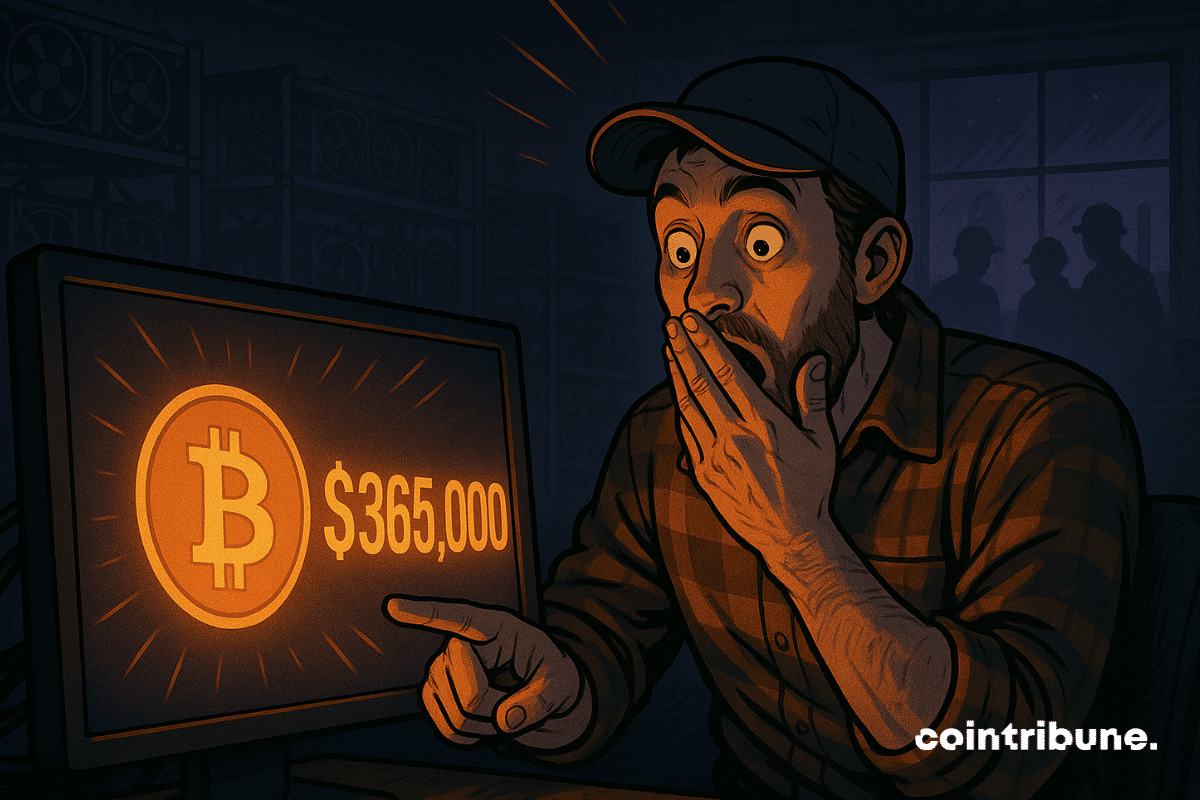
A solo Bitcoin mining success earned an independent miner $365,000 from block number 910,440.
While mining profitability erodes and hashprice declines, the Bitcoin network records an unprecedented power rebound. On August 18, the hashrate climbed to 966 EH/s, nearing a historic peak, despite nearly zero transaction fees and growing economic pressure on mining companies. This striking contrast between economic tension and technical robustness raises questions: how does the mining ecosystem manage to maintain, or even strengthen, its security in such an unfavorable context?
When energy-hungry AI comes to steal the watts from bitcoin, things heat up in data centers! And the miners, they dig... to stay connected.
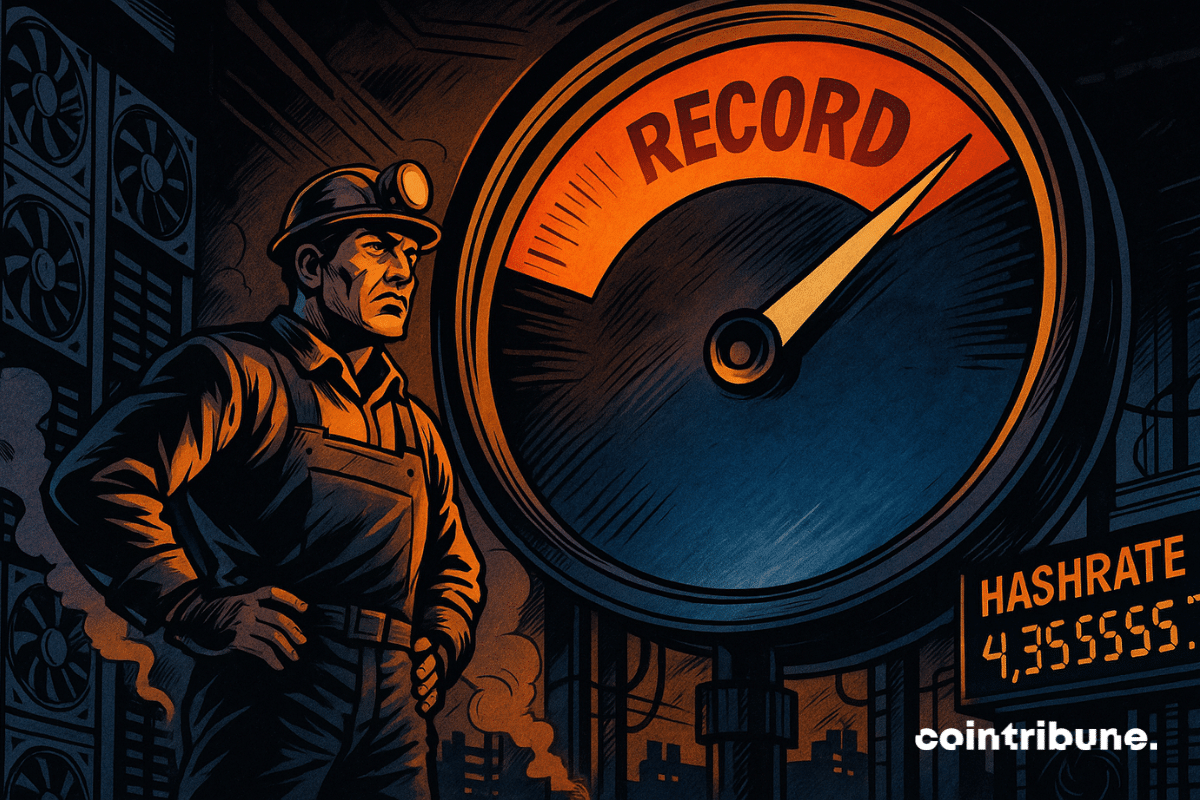
In a few days, one of the key indicators of the robustness of the Bitcoin network experienced a striking turnaround. On August 8, the hashrate reached a historic peak before declining sharply, a sign of a sudden adjustment in the computing power mobilized to secure the blockchain. This reversal, occurring while BTC still hovers near its annual highs, rekindles debates on the balance between technical performance and economic constraints for mining specialists.
MARA Holdings, American Bitcoin mining giant, plans to acquire 64% of Exaion, a subsidiary of EDF specializing in data centers and artificial intelligence. This operation, estimated at 168 million dollars, reflects the group's desire to diversify its revenue sources while strengthening its BTC accumulation strategy.
The Qubic network (QUBIC) surprised by temporarily reaching 52.72% of Monero’s (XMR) total hashrate, with a computing power of 3.01 GH/s. This technical performance, although brief, shows the power of this project.
Is bitcoin undervalued? A key indicator, the "Energy Value" from Capriole Investments, estimates that its "fair value" reaches 167,800 dollars, 45% above its current price. Designed by Charles Edwards, this model is based on the energy power used by the network. The unprecedented gap it reveals revives the debate about the true valuation of the asset and the market's ability to close this gap in the coming months.
The Bitcoin network has just crossed a new milestone with a mining difficulty reaching an all-time high of 127.6 trillion. While this figure indicates enhanced security, it raises crucial questions about the sector's economic balance. Between maintained profitability and a frantic technological race, does this escalation mark the beginning of a new era of mining?
Bitcoin miners generated $1.66 billion in July, a record since the 2024 halving. Profitability, difficulty, projections: the mining economy is undergoing major changes. Discover the key figures, trends to watch, and what August holds.
While the price of bitcoin is holding steady, its mining difficulty is climbing sky-high: a technical record that may hide more gold than speculation…
As distrust settles in the crypto ecosystem, Pi Network fuels tensions with a controversial decision: a voluntary token lockup in exchange for a mining bonus that can rise up to 200%. In a context of free-falling prices and lethargic liquidity, the initiative provokes the outrage of a community already tested by technical delays and the lack of use cases.
Argo Blockchain risks delisting from Nasdaq after its shares fell below $1 for over 30 days, sparking investor concerns.
Bitcoin’s computational power has recorded an uptick in the previous day, surging close to previous levels—a trend that is viewed as a net positive for miners. As the higher hash rate boosts the blockchain’s security and robustness, miners benefit from increased profits.
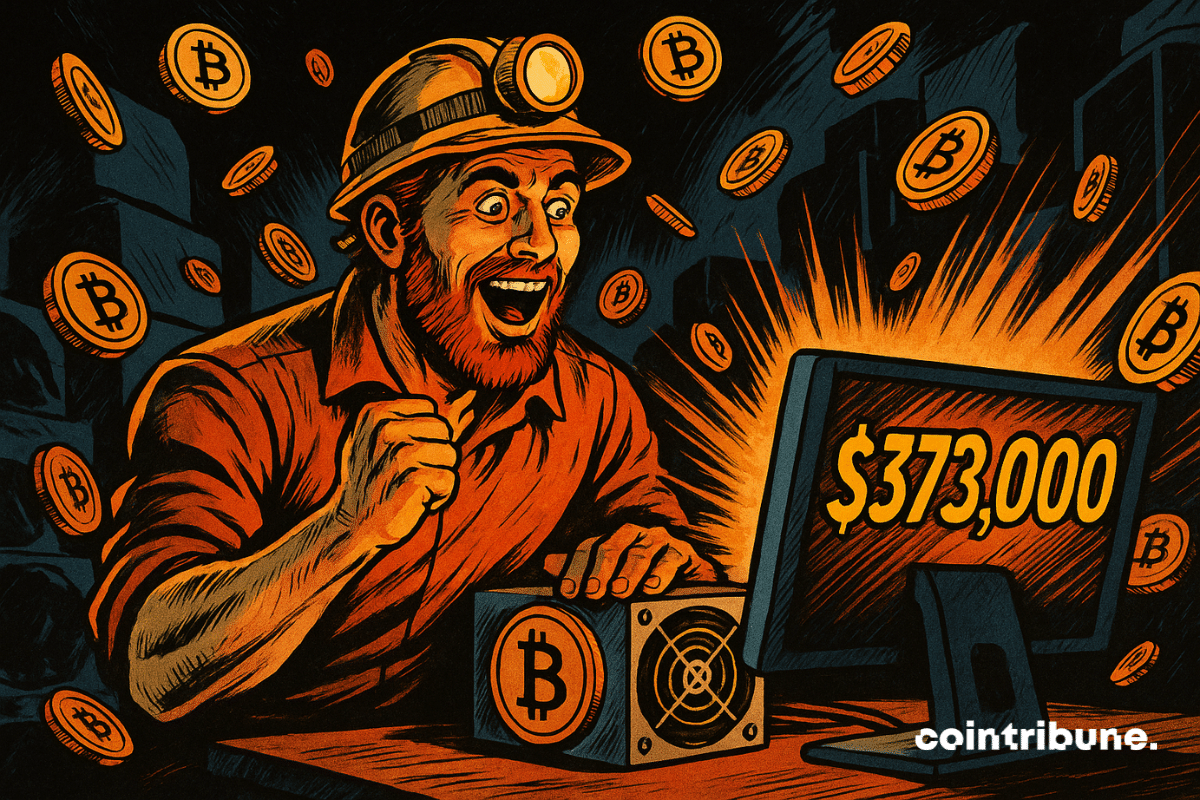
In a world where Bitcoin mining seems reserved for industrial giants, a solitary miner has just defied the odds. With a simple machine and a good dose of perseverance, he earned $373,000 by solving a block all on his own. A rare achievement that reminds us that, in the realm of Bitcoin, boldness still has its place.
Mara Holdings, one of the largest publicly traded Bitcoin mining firms, has released a bold financing plan: the company aims to raise up to $1 billion through a debt sale to support its Bitcoin acquisition strategy and operational needs.
A new survey by Bitcoin mining platform GoMining shows a surprisingly large knowledge gap among crypto users, one that may be slowing mainstream adoption. Despite being valued at over a trillion dollars, Bitcoin is still a mystery for most of its users. The GoMining survey, conducted among over 2,600 respondents across North America and Europe, found that more than 70% of Bitcoin users don’t feel confident explaining how it works.
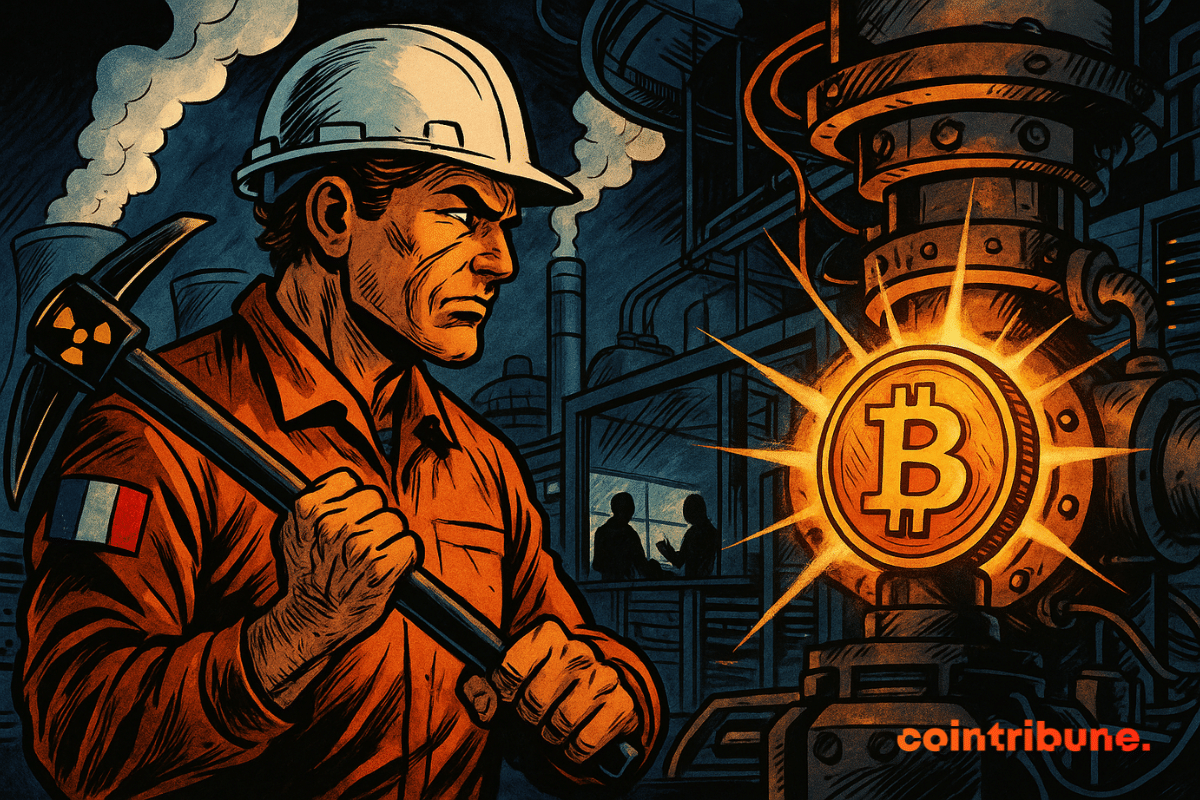
When the Assembly knits bitcoin to recycle excess electricity, power plants smile, miners get busy... and digital gold suddenly becomes more French than a baguette under the arm.
Digital asset exchange Bitfinex has spotted an interesting trend: grassroots demand for Bitcoin has outpaced supply. Bitfinex’s recent findings come at a time when the apex asset continues to carve strong upward price trajectories amid interest from top industry players. More so, this supply shock indicates the growing appeal of the OG crypto among new market participants despite its high value.
While Moscow electrifies its farms and Beijing mines quietly, Washington subtly pulls the strings: but who is really pulling the strings of bitcoin in this strange energy game?

Bitcoin may be trading near all-time highs, but on-chain activity shows very different things. Despite BTC hovering around $109,000, the network’s mempool, the queue of unconfirmed transactions waiting to be included in a block, is almost empty. As of Saturday, fewer than 5,000 transactions were waiting in line. That's dramatically lower than the 150,000+ seen during Bitcoin’s last major run-up in late 2024.

While Bitcoin mining now seems to be reserved for industrial giants equipped with powerful ASICs, an improbable feat challenges this logic. A solo miner, armed with only 2.3 PH/s, mined a block on his own via Solo CK, earning about $350,000. This almost impossible statistical achievement recalls the more open beginnings of the network. In an increasingly centralized ecosystem, this isolated victory revives the fundamental question: is the Bitcoin network still accessible to independents?
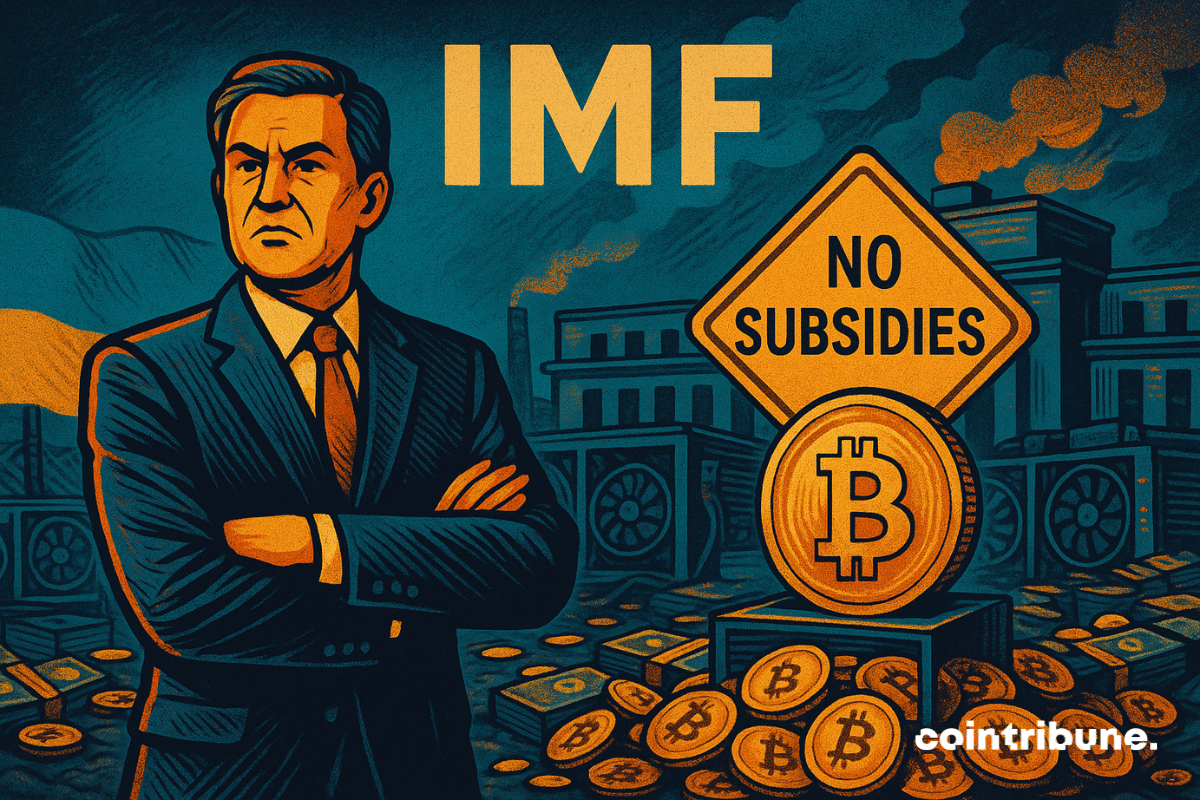
The International Monetary Fund has rejected Pakistan’s proposal to subsidize electricity for crypto mining operations, citing concerns over market distortions and energy infrastructure strain.