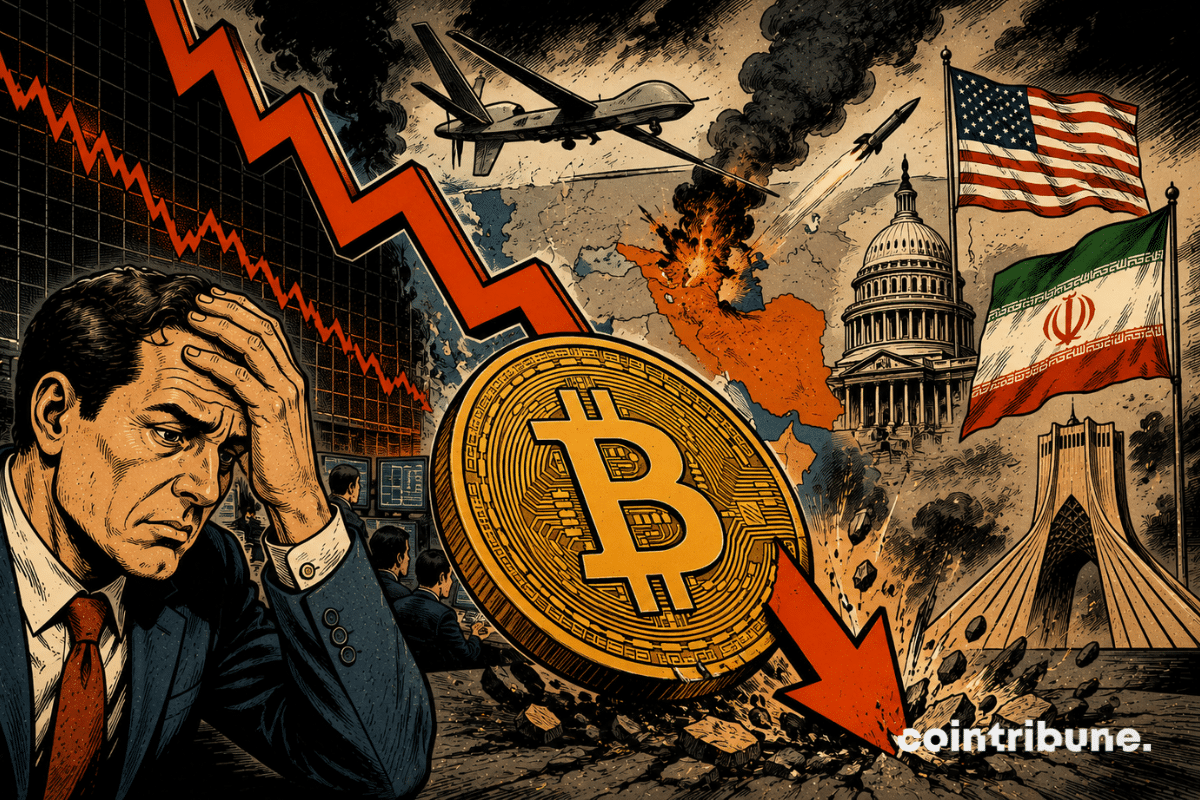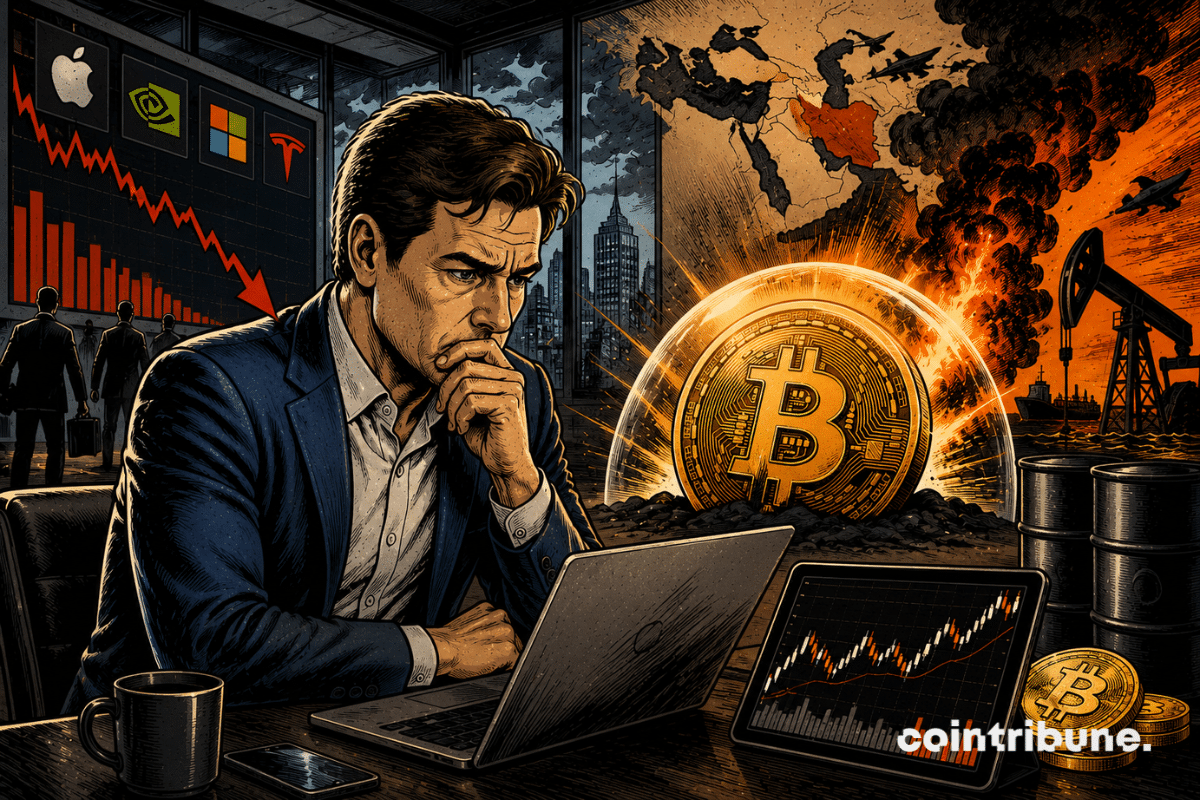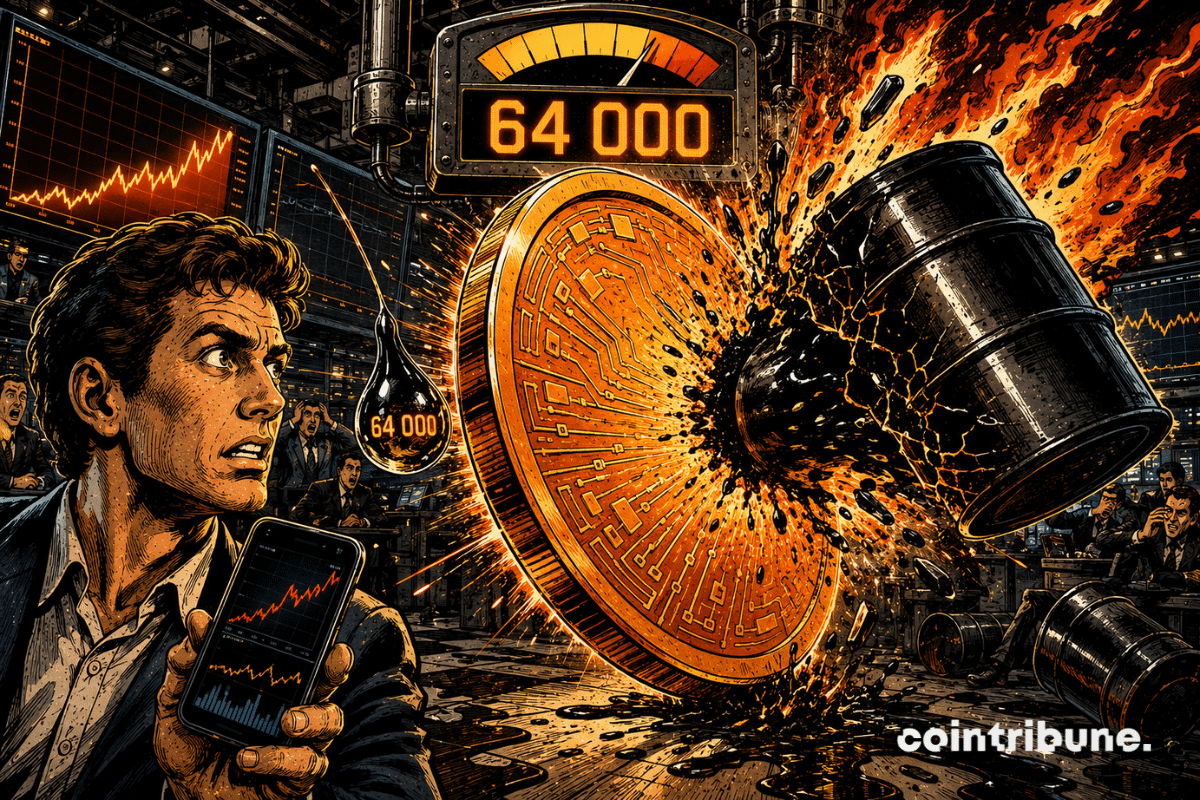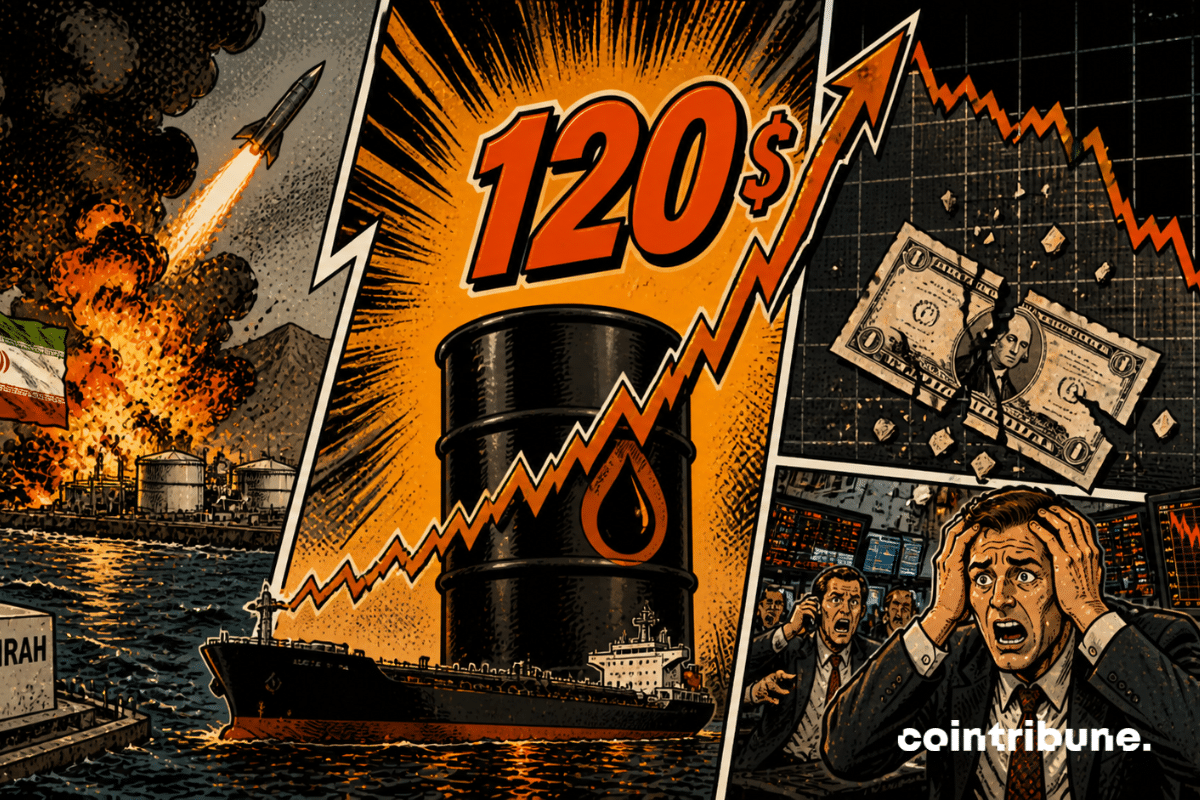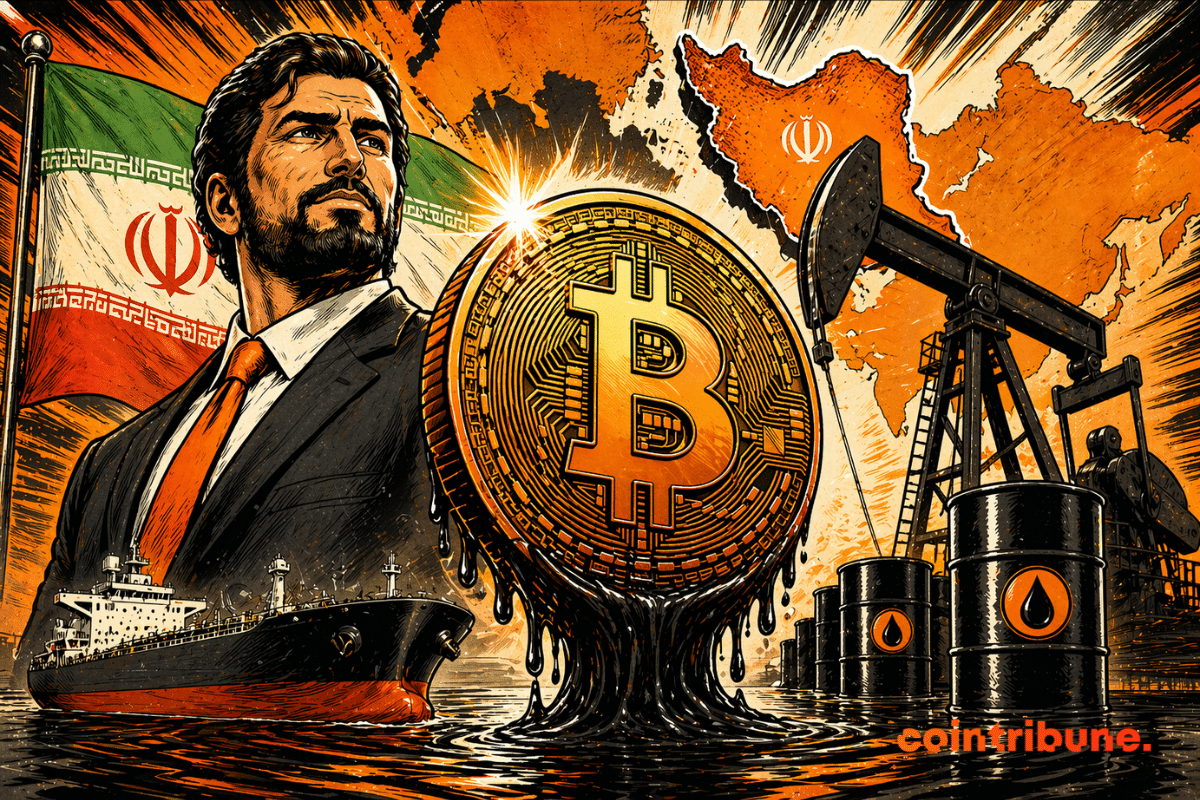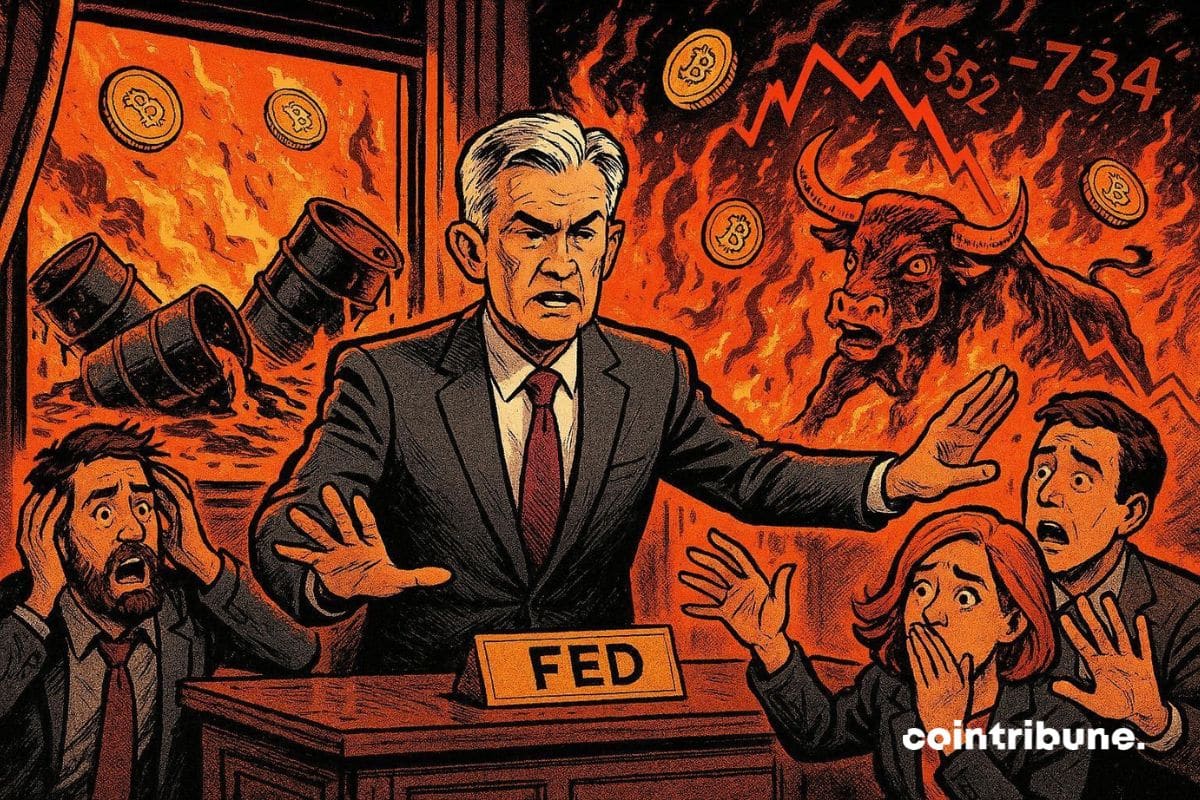
On March 30, 2026, the Fed reassured bond investors, but oil at $105 and geopolitical tensions erased 1.3 trillion dollars in the stock market. Stocks and cryptos collapse: why does this day mark a turning point for investors?
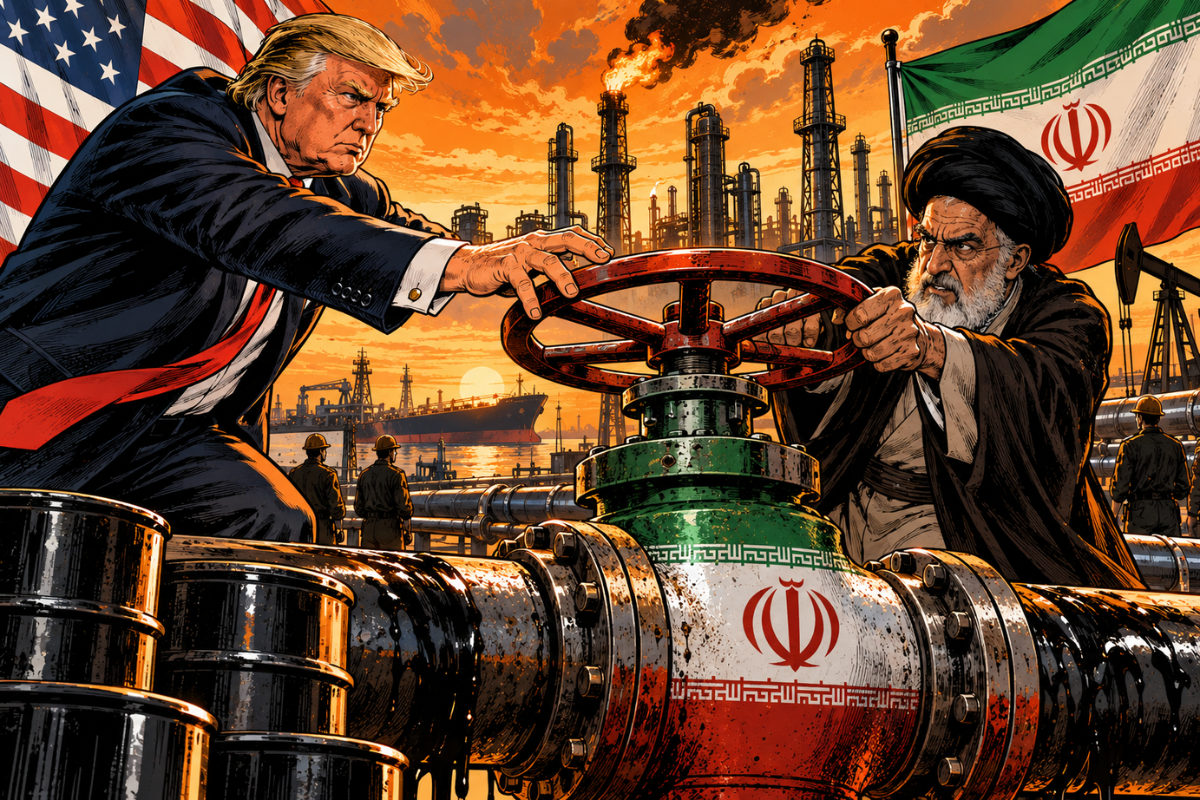
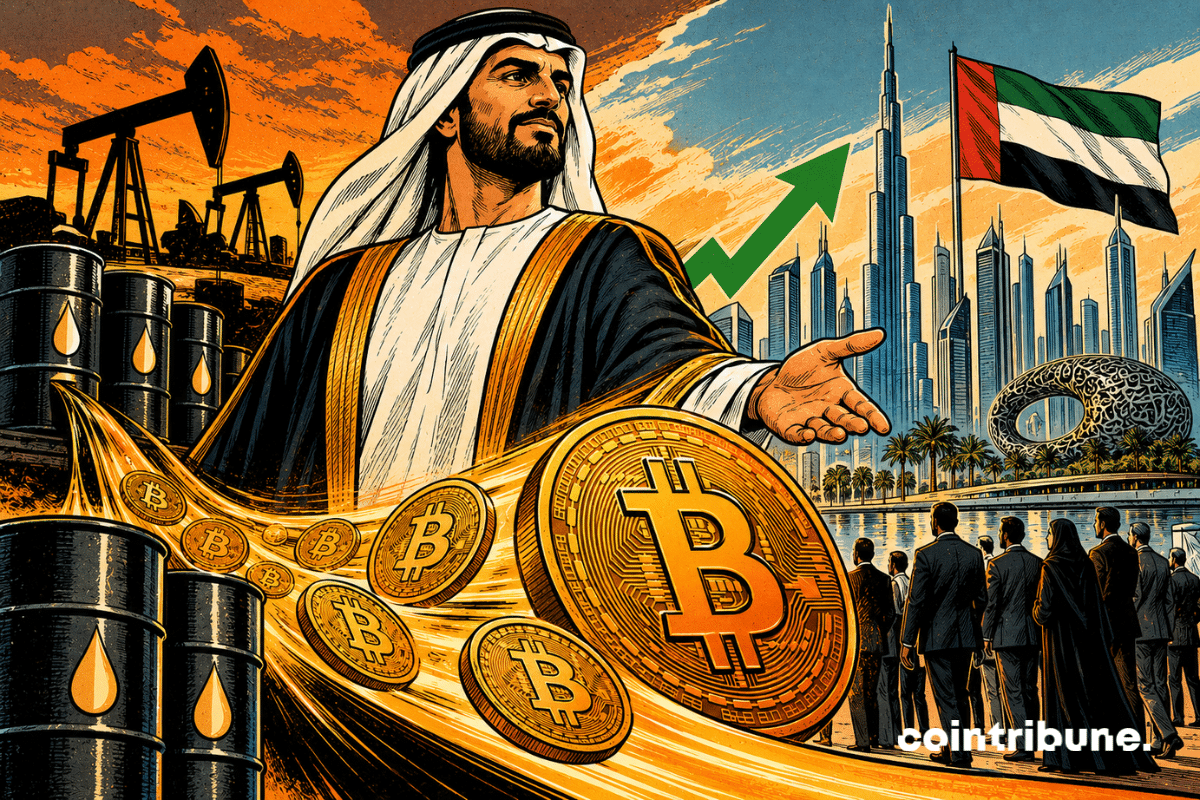
The Strait of Hormuz has been blocked for several weeks, disrupting one of the main axes of global oil trade. To maintain its exports, Saudi Arabia has pushed its East-West pipeline to full capacity. This technical response is not enough to compensate for the market disarray. The rapid rise in crude prices reveals a structural fragility in global supply amid growing geopolitical tensions.
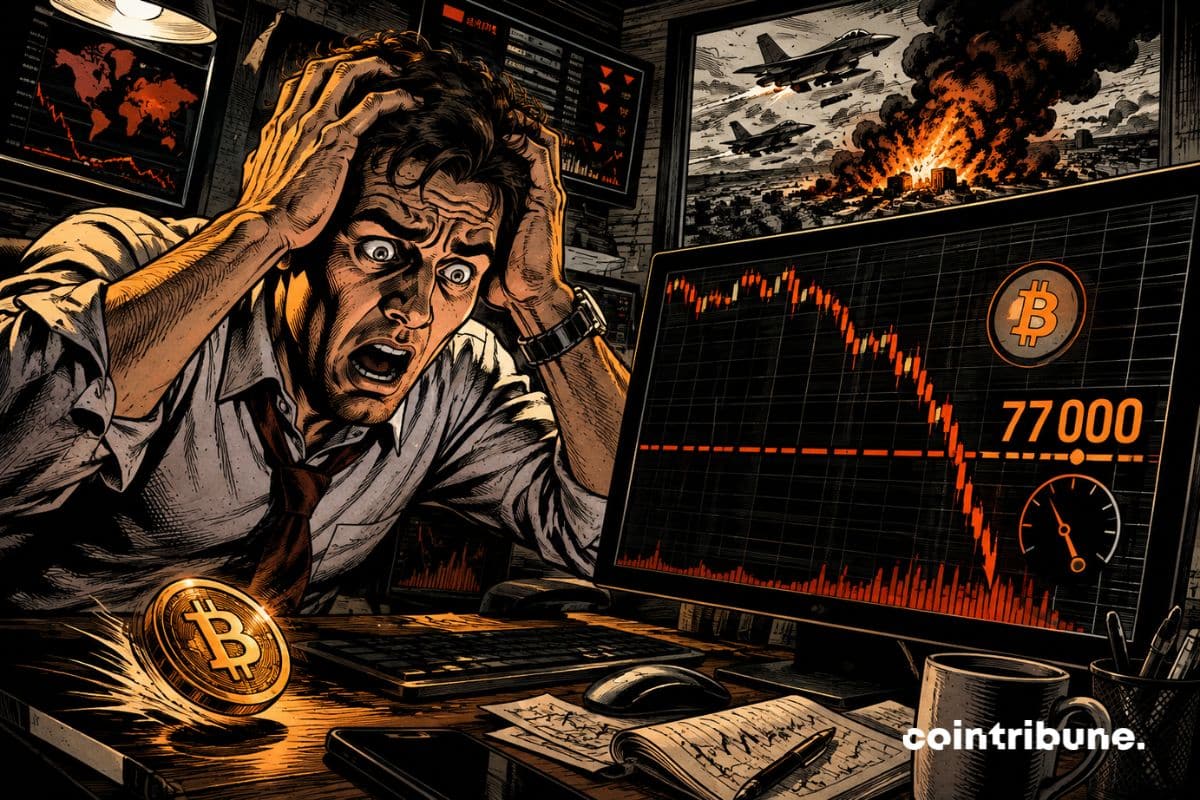
Bitcoin falls back below 66,000 dollars, driven by a shock from energy markets. The rise in oil revives inflationary tensions and reshuffles the cards of monetary expectations. This movement recalls a now well-established reality: cryptos evolve in close correlation with macroeconomic dynamics. In this context, investors adjust their exposure to a more uncertain environment.
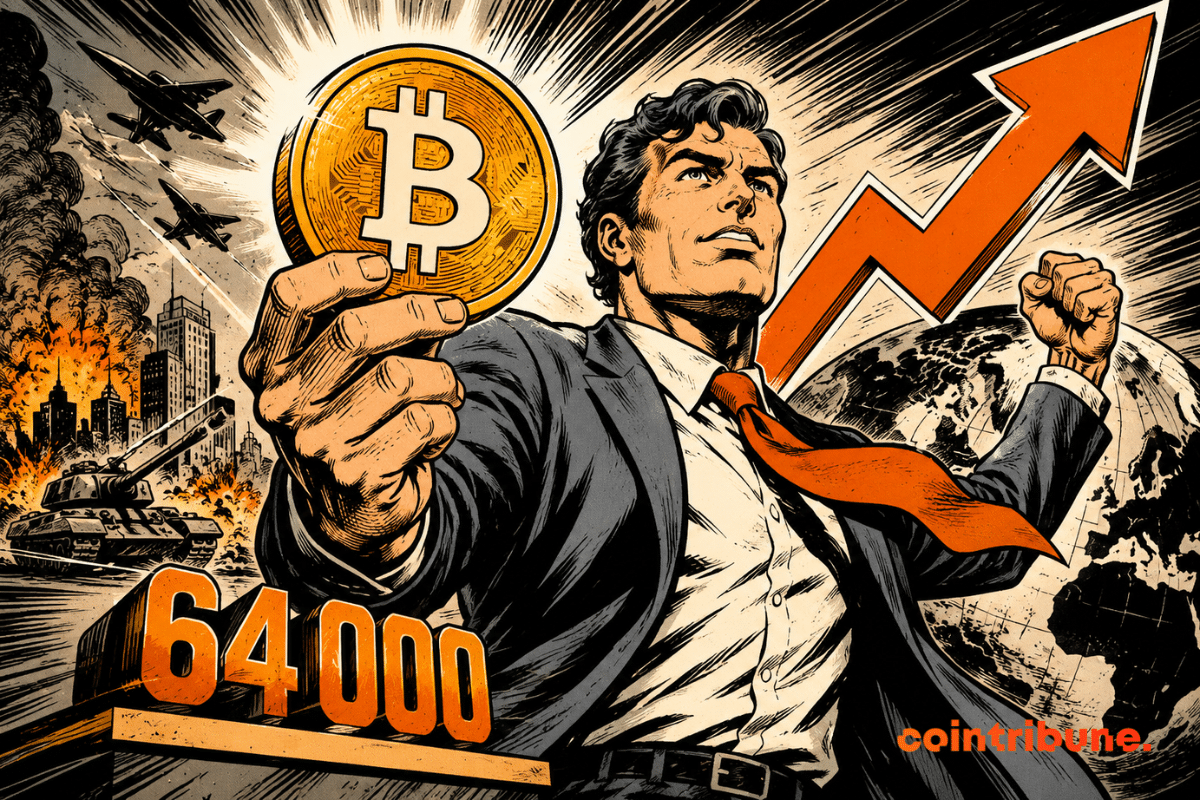
Bitcoin briefly crossed 71,000 dollars before falling back around 70,000, caught in a stream of conflicting information between Washington and Tehran. In a few hours, the hope for easing gave way to doubt, revealing a market now closely dependent on geopolitical tensions. This sequence illustrates a turning point: BTC no longer responds only to its fundamentals, but to international balances that redefine its environment.
Oil prices fell within hours, driven by a sudden change in the Middle East context. The announcement of a ceasefire triggered an immediate market reaction, causing Brent and WTI to plummet. This rapid correction reflects investors adjusting their expectations in light of reduced geopolitical tensions.
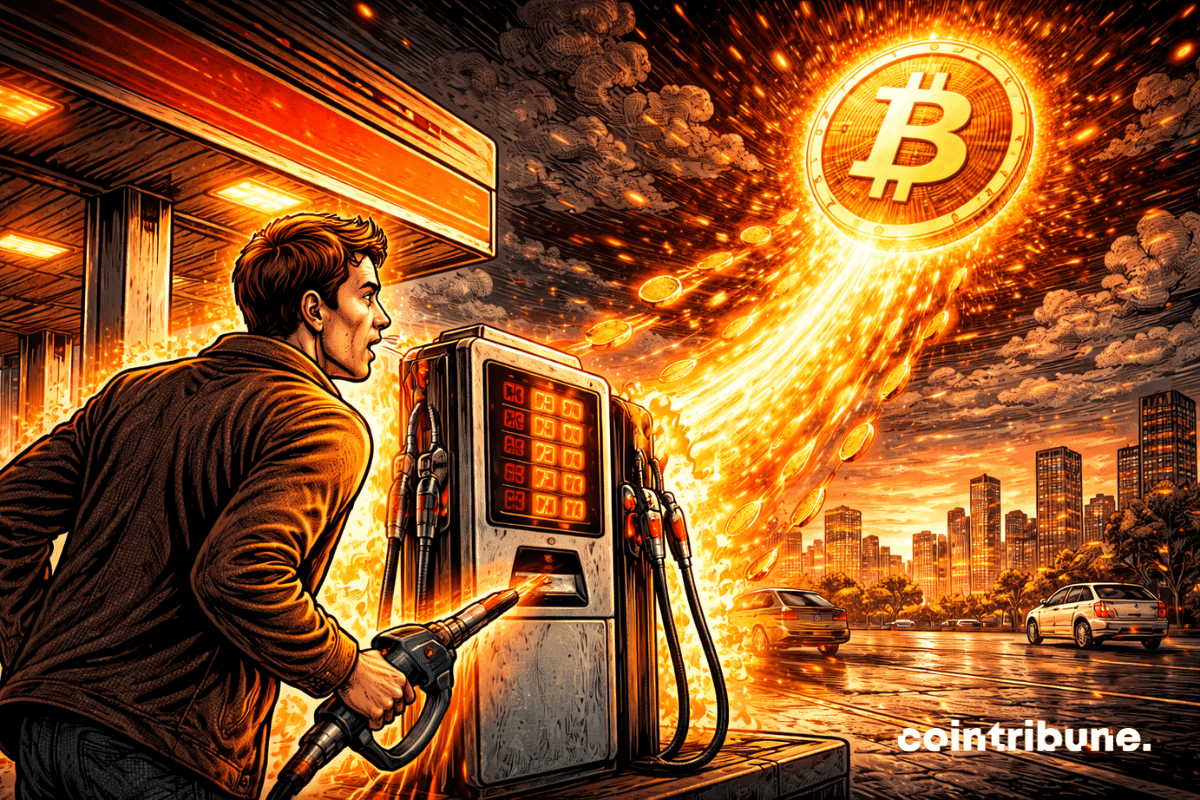
The sudden surge in oil prices puts bitcoin back at the center of the macroeconomic game. In just a few sessions, American crude posted one of its most significant increases, reviving a key market question: can energy shocks trigger a new bullish cycle for cryptos? Several analysts are now watching for a possible domino effect. In this tense climate, could bitcoin capitalize on this situation and aim for a major rally in the coming weeks?
This Sunday evening, bitcoin fell nearly 2% at the very moment when oil jumped by about 20%, driven by fears of shortages due to the escalation in the Middle East. This sudden divergence reveals a deeper shift. Faced with energy risk, the speculative narrative fades, and BTC becomes an asset exposed to geopolitical shocks again.
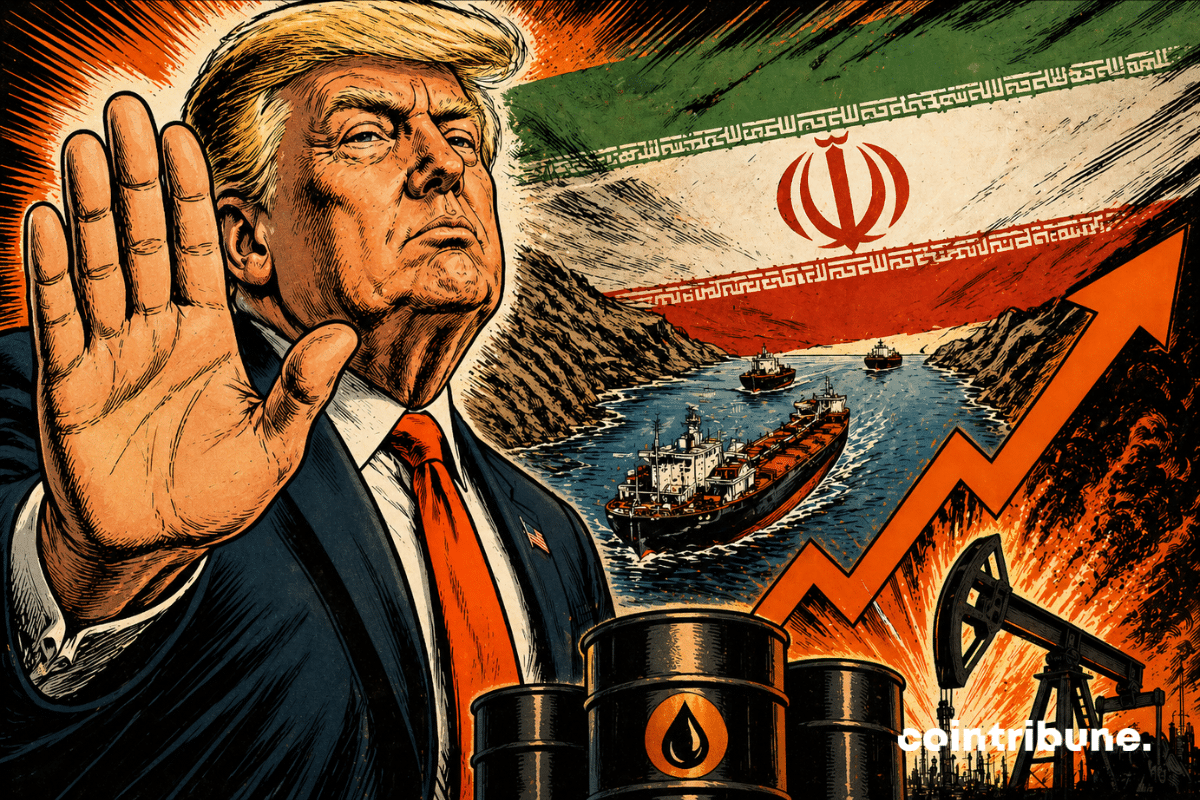
A resurgence of tensions around Iran was enough to send oil markets soaring. In a few hours, crude prices took off, fueled by fears of a lasting conflict in the Middle East and major disruptions in global supply. Investors now monitor every signal coming from the region, aware of possible chain effects on strategic energy routes. Between US firmness, logistical risks, and alerts from industry players, black gold is once again a central indicator of global economic balances.
Bitcoin is going through a period of strong turbulence as geopolitics, energy, and Fed decisions reshape the entire crypto market. Between persistent inflation, extreme volatility, and institutional investors' withdrawal, the leading cryptocurrency faces unprecedented macroeconomic pressure.
U.S. President Donald Trump said Saturday that reviving Venezuela’s oil industry will be a central focus of Washington’s intervention following the removal of President Nicolas Maduro, framing the effort as both a geopolitical and economic play. Speaking from Mar-a-Lago, Trump said U.S. energy companies are expected to take a leading role in repairing the country’s oil infrastructure while the United States oversees a temporary transition of power.
While Donald Trump promises to revive the Venezuelan economy through a strong comeback of its oil industry, the major players in the American oil sector remain skeptical. Behind the stated ambition, the facts are relentless: crumbling infrastructure, political instability, and widespread distrust in the markets. Both Wall Street and the oil majors see this project as a high-risk gamble, with colossal costs and no guarantee of success. Venezuela's rebound under Trump might well remain an illusion.
The dollar pulls the strings, Maduro falls, Kiyosaki philosophizes... and bitcoin rises! Simple coincidence? Not sure, but it's worth a little tour behind the scenes of oil.
For the first time since the start of the conflict in Ukraine, Washington and Brussels are coordinating a series of major economic sanctions against Russia. Directly targeting the energy sector, these measures aim at Rosneft, Lukoil and gas exports. The objective is to dry up the revenues that fuel the Kremlin's war effort. This financial offensive marks a strategic turning point, with immediate consequences on the markets and expected repercussions on the Russian economy, already weakened by three years of international pressure.
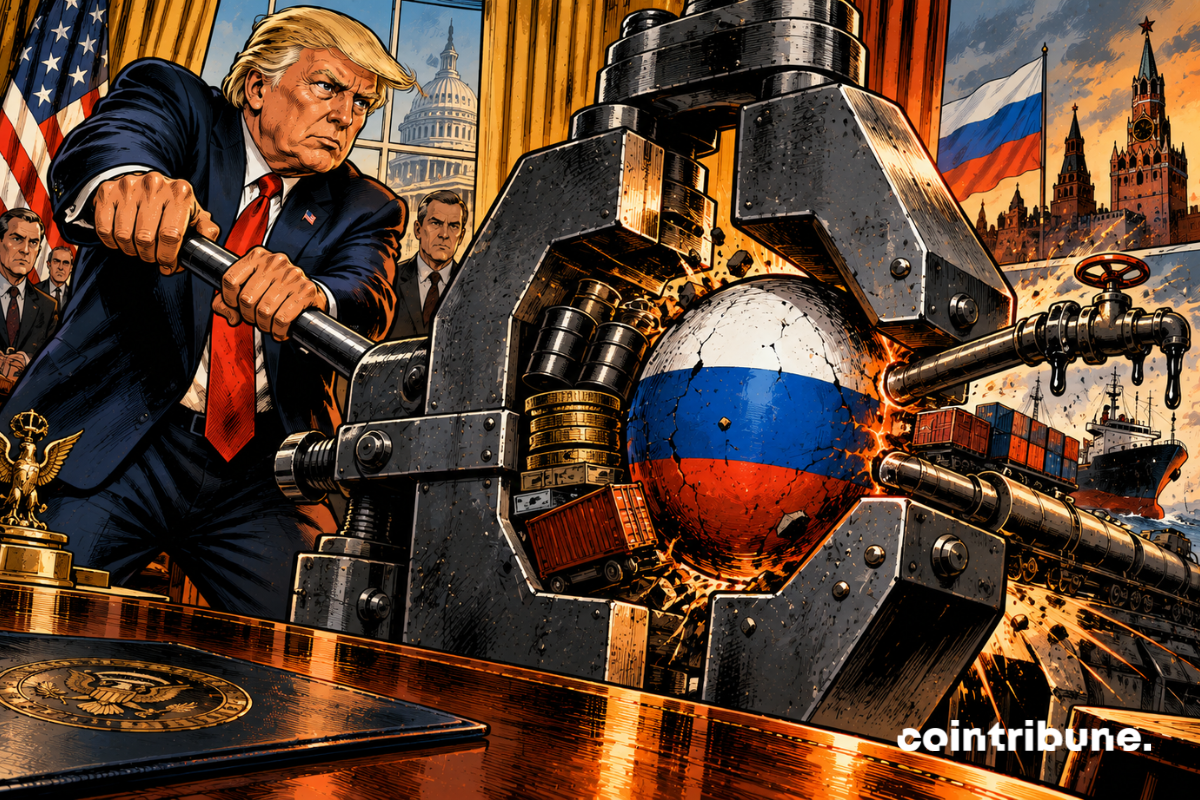
As the war in Ukraine enters a critical phase, Donald Trump throws a wrench in the diplomatic pond. The American president stated that no new sanctions against Moscow would be taken as long as NATO countries continue to buy Russian oil. This statement exposes the persistent fractures within the Alliance and revives the question of its strategic coherence towards Russia.
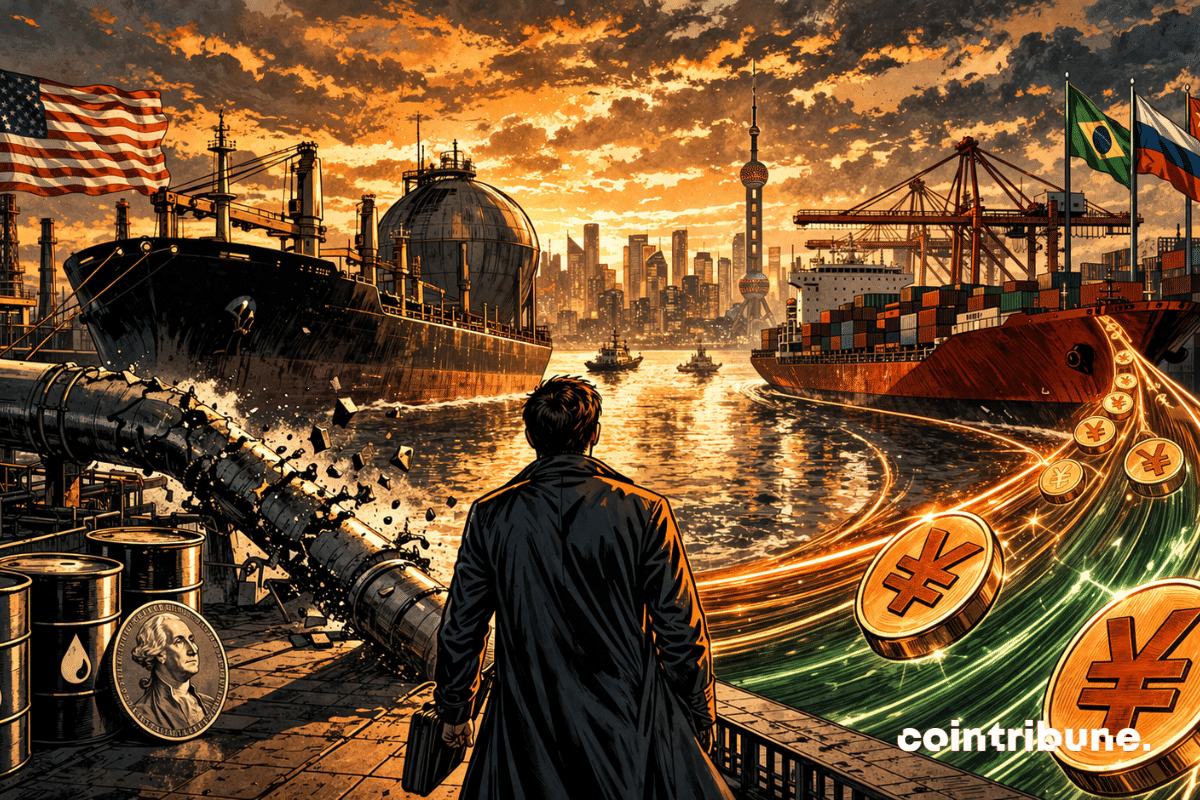
American crude is losing ground. This week, the Indian Oil Corporation (IOC), India’s leading public refiner, turned its back on shipments from the United States to refocus on the Middle East and West Africa. This logistical rebalancing, seemingly technical, reflects a strategic shift: the rise of energy alliances within the BRICS, the decline of the dollar in oil trade, and the assertion of a new economic order.
Ambani, once favored by Trump, ends up grilled by Russian oil. When the Indian economy irks Uncle Sam, it smells like hot oil and diplomatic frying.
Saudi Arabia, Russia and their partners within OPEC+ announce a coordinated increase in oil production of 547,000 barrels per day. A strategic decision that disrupts the fragile balance of the global market and could reignite geopolitical tensions, as the standoff between Washington and Moscow intensifies.
Donald Trump's surprise announcement of a ceasefire between Iran and Israel has caused a real earthquake in the energy markets. Oil prices plunged by more than 5%, while global stock markets soared. Is this geopolitical calm sustainable?
As an American strike targeting Iranian nuclear sites raised fears of a regional escalation, bitcoin briefly fell below $99,000 before making a swift rebound. In less than 24 hours, the asset erased its losses, defying usual panic logics. This sequence reveals a strategic mutation: bitcoin is no longer just a speculative asset; it is becoming an indicator of resilience against geopolitical shocks.
On June 8, 2025, a tanker under American and European sanctions discreetly docked in Japan, delivering Russian crude to a local refinery. This act, far from negligible, reveals a silent fracture in the Western consensus on energy. While the G7 has been trying for two years to isolate Moscow, Tokyo prioritizes its energy security. This episode, both symbolic and strategic, could subtly reshape the lines of a transforming global energy order.
Missiles in the Middle East, markets in turmoil: while the economy catches a cold, some are making a fortune off barrels... and others prefer to flee into solid gold. Guess who is pulling the strings?
For two years, Russia has been showing an economic growth of over 4%, a figure that could pale in comparison to many European economies. Yet, behind these seemingly solid indicators, the reality on the ground is quite different: high inflation, degraded consumption, persistent shortages. The country, largely transformed into a "war economy", seems to be reaching the limits of a model based on military spending and energy rents.
Vivek Raman, co-founder of Etherealize and a former Wall Street banker, is leading an unprecedented charm offensive. He now presents Ethereum as the "digital oil" poised to revolutionize traditional financial institutions.
As the conflict in Ukraine bogs down, the European Union crosses a strategic threshold. On May 20th, Brussels adopted a 17th round of sanctions targeting previously less exposed entities: the Russian ghost fleet, a logistical pillar of oil evasion. This maneuver, synchronized with London, marks a turning point in the economic war waged against Moscow. By hardening its stance, the EU aims to weaken the opaque circuits financing the Russian military effort and maintain pressure on its foreign supporters.
As oil prices plummet and demand remains sluggish, OPEC+ surprises by announcing a massive increase in its production starting in June. Eight members of the cartel break with recent caution and reignite uncertainty in an already tense market. Behind this turnaround lies a possible geopolitical and economic turning point, between a strategy of recovery and calculated risk-taking. This decision could reshape global energy balances.
Why has debt become uncontrollable and how will Bitcoin benefit from it?
In light of the deadlock in the conflict in Ukraine, Donald Trump is changing his tone and threatening Moscow with an economic sledgehammer. The American president, who has so far been measured towards the Kremlin, is now brandishing the card of tariff sanctions on Russian oil. The stated objective is indeed to force Vladimir Putin to move towards a ceasefire. A shocking statement that fractures diplomatic balances and elicits reactions even in European capitals, at a time when the slightest tension can redefine the global geopolitical chessboard.
Russia is at a major economic turning point, burdened by surging military expenditures and an escalating energy crisis. As financial resources dwindle, the cost of the conflict in Ukraine becomes unsustainable. By 2025, rising military spending and falling energy revenues will confront the country with an unprecedented economic challenge.
In the midst of a volatility session, crude oil has seen a spectacular turnaround, driven by major geopolitical signals. This resurgence, far more than a technical rebound, fits into a broader strategic dynamic. As markets scrutinize the link between raw materials and cryptocurrencies, this development reconfigures the balances within energy markets.
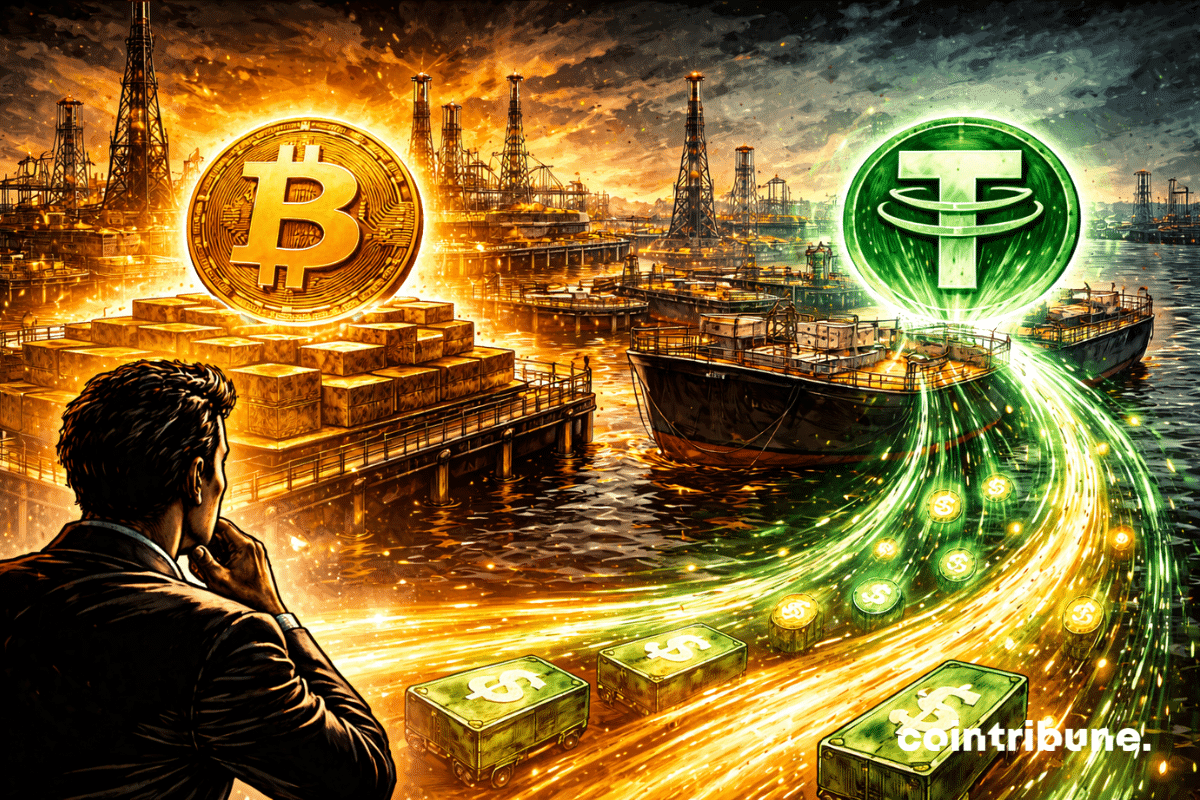
In the shadow of the economic restrictions imposed by the West, Moscow is charting a new path for its energy trade. In the face of exclusion from the international financial system, Russia has found an alternative solution: the use of Bitcoin (BTC) and Tether (USDt) to bypass sanctions and ensure the continuity of its oil exports.