Sat 28 Feb 2026 ▪
5 min read
▪
by
Putin wants an AI of his own, pure and hard. His engineers tinker with made in USA copies. Meanwhile, Moscow floods Europe with deepfakes. Masterful art.
Putin wants an AI of his own, pure and hard. His engineers tinker with made in USA copies. Meanwhile, Moscow floods Europe with deepfakes. Masterful art.
The European Union is about to take a major step in its economic war against Moscow. It plans to outright ban all crypto transactions involving Russian entities. A radical decision, but will it be enough to stop the machine?
U.S. President Donald Trump said Saturday that reviving Venezuela’s oil industry will be a central focus of Washington’s intervention following the removal of President Nicolas Maduro, framing the effort as both a geopolitical and economic play. Speaking from Mar-a-Lago, Trump said U.S. energy companies are expected to take a leading role in repairing the country’s oil infrastructure while the United States oversees a temporary transition of power.
Faced with a colossal budget deficit and persistent Western sanctions, Moscow is ready to cross a historic milestone: issuing sovereign bonds denominated in yuan for the first time. More than a mere financial maneuver, this decision marks a strategic turning point towards a deliberate dedollarization and strengthened monetary integration with the BRICS. By betting on the Chinese currency, Russia aims both to stabilize its public finances and to structure a new circuit for its energy revenues outside Western channels.

In a world where energy shapes geopolitical power dynamics, the crisis plaguing Gazprom reveals the fractures of a once-unshakeable giant. A pillar of the Russian economy and a strategic instrument of the Kremlin, the company is facing a brutal decline in its revenues, exacerbated by the loss of its European markets and international sanctions. Now forced to cut its workforce in a historic manner, Gazprom finds itself at a decisive stage, where its strategic choices will determine not only its future but also that of the Russian economy.
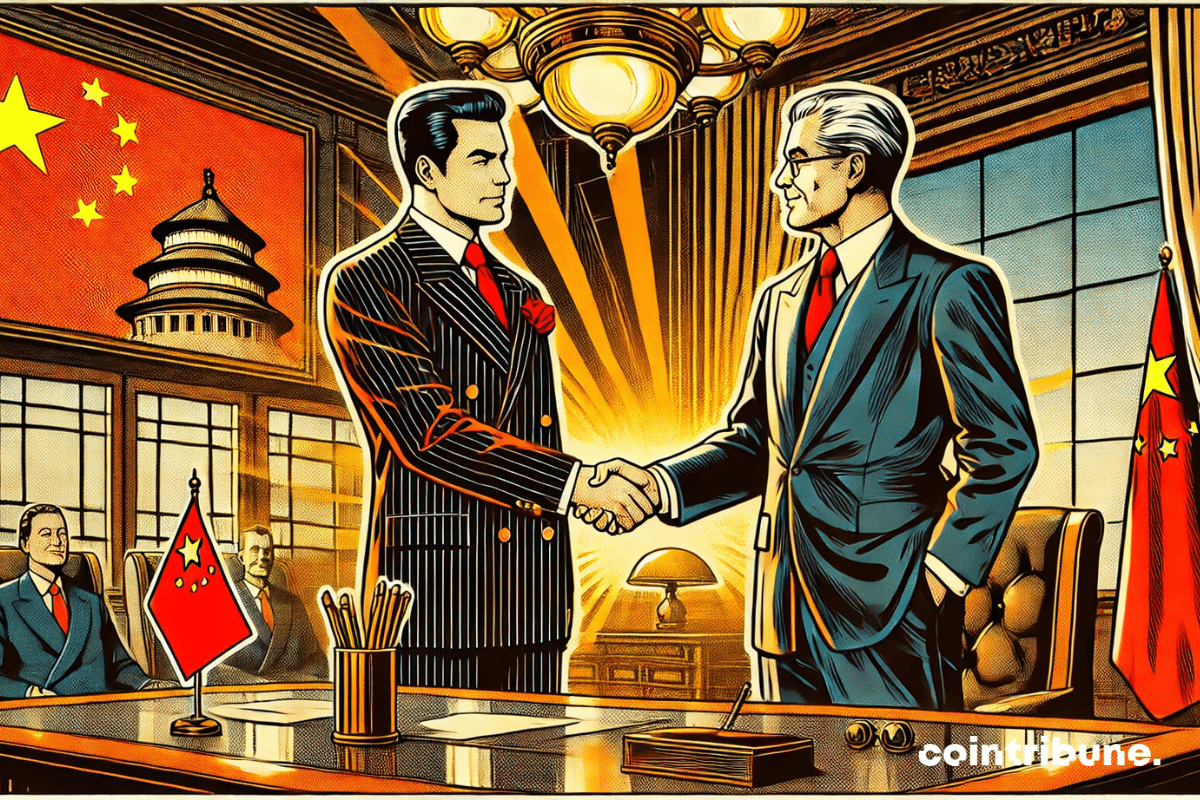
Global economic relations are evolving under the influence of geopolitical tensions and the strategic repositioning of major powers. In this context, China and Russia are strengthening their trade partnership, which is set to reach a historical record of 240 billion euros in 2024. This growth illustrates a strategic rapprochement bolstered by Western sanctions against Moscow and Beijing's desire to expand its influence. More than just an economic alliance, this cooperation sends a clear signal to the United States and the European Union, which aim to limit their dominance on the global stage. Thus, the surge in trade flows, increased use of the yuan in transactions, and the restructuring of international financial circuits now raise the question of the long-term consequences of this Sino-Russian agreement.
As Europe slowly becomes aware of its lag, Russian bitcoin miners are anticipating large investments from the BRICS.
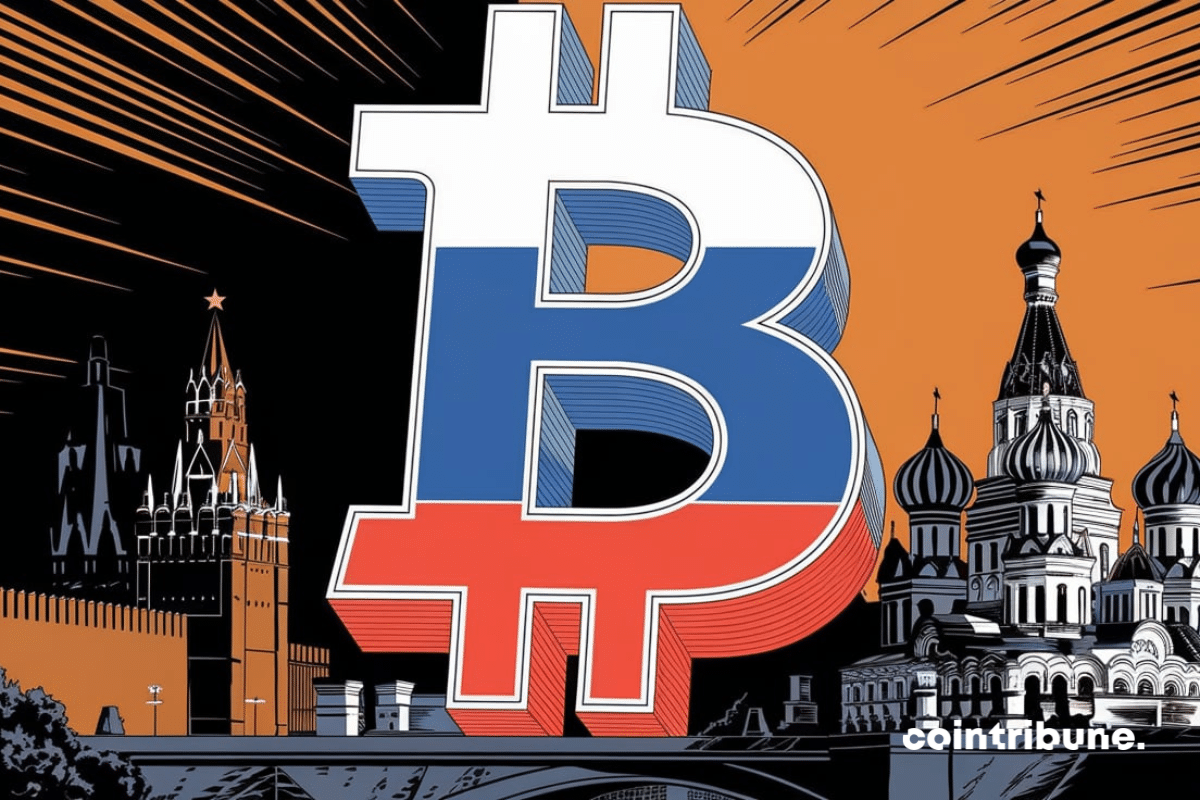
After the United States and Brazil, it is now Russia's turn to consider integrating bitcoin into its foreign exchange reserves!

As global economic tensions redefine financial and political alliances, the role of the US dollar and potential alternatives is coming to the forefront. At the Valdai forum in Sochi, Vladimir Putin clarified Russia's stance on the use of the dollar in response to US sanctions that restrict its access to this currency. This statement is made in a global context where several nations, particularly within the BRICS, are exploring alternatives to the monetary dominance of the United States. Analyzing this Russian strategy, which combines pragmatism with the exploration of new economic options, helps to better understand the current issues and the prospects for a new international financial balance.

The Russian economy is increasingly turning towards China, notably through the massive adoption of the yuan for its international trade. This significant dependence on the Chinese currency, a direct consequence of Russia's exclusion from the global financial system, further intrigues Beijing, which seeks to strengthen its global influence and avoid Western reprisals.
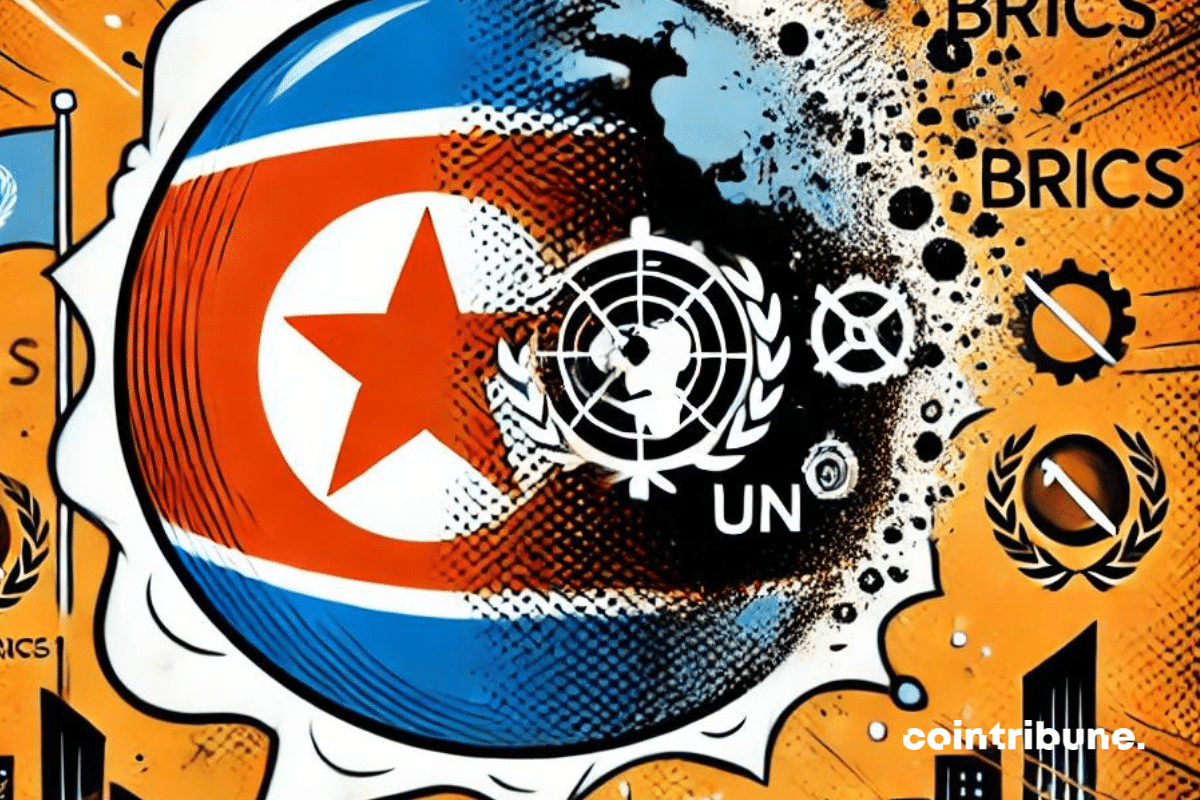
In an increasingly polarized world, geopolitical alliances play a crucial role in redefining power balances. North Korea, traditionally isolated on the international stage, seems to be intensifying its efforts to align with economic blocs like the BRICS, amid growing ties with Russia. This strategy could have major implications, not only for Pyongyang's diplomacy but also for global geopolitics. The notable absence of North Korea at the United Nations General Assembly in favor of a BRICS event in St. Petersburg is a warning sign.
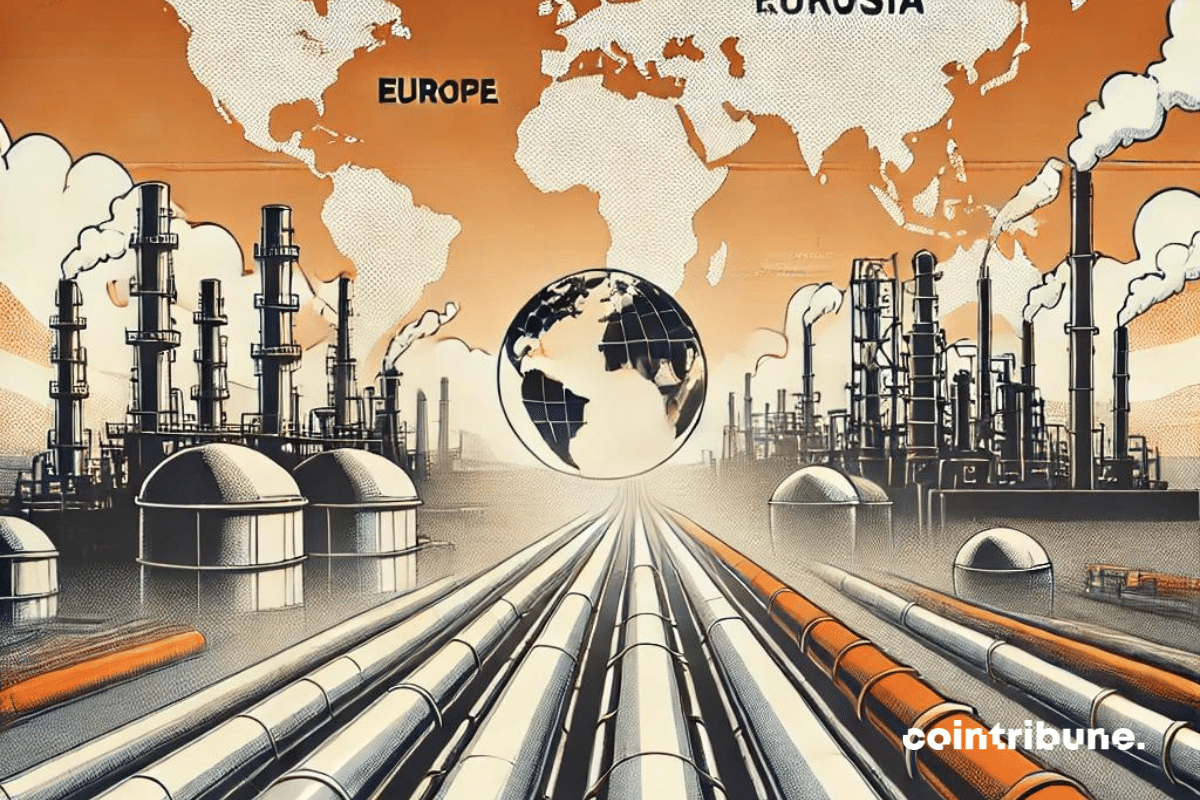
Despite increasing economic sanctions, Russia continues to find creative ways to circumvent Western bans. According to the CERA report, the Russian Federation sold nearly 2 billion dollars worth of oil to Western countries through intermediaries. This figure illustrates the ingenuity with which the Kremlin keeps its economy afloat despite the restrictions.

The dramatic devaluation of the Libyan dinar has recently attracted the attention of international observers. Libyan authorities attribute this sharp decline to a wave of counterfeit banknotes, the origin of which seems to point to Russia. This revelation raises crucial questions about Moscow's involvement in Libya's economic affairs, a country already plagued by conflict and chronic political instability.
When we talk about a monetary revolution, it's not just about crypto. Russia, in particular, stands out as a key player. With an ambitious plan for 2025, the country aims to reshape the global financial landscape, going beyond merely integrating its digital currency and forging deep strategic alliances. Let's decode this bold Russian strategy together.