After the closure of Garantex, Russia did not lose its channels for circumventing sanctions. It multiplied them. Five new crypto platforms have taken over, according to an alarming report from Elliptic.
The scene takes place in Saint Petersburg, but one might almost want to classify it under "absurd robberies." A 21-year-old unemployed man tries to steal cryptocurrencies using airsoft grenades. Noise, smoke, lots of panic, but no satoshi will leave the digital vaults of the platform.
As the war in Ukraine enters a critical phase, Donald Trump throws a wrench in the diplomatic pond. The American president stated that no new sanctions against Moscow would be taken as long as NATO countries continue to buy Russian oil. This statement exposes the persistent fractures within the Alliance and revives the question of its strategic coherence towards Russia.
The cryptocurrency sector keeps surprising. Tether, already known for its USDT stablecoin, has just announced the launch of a new player: USAT. This dollar-backed stablecoin stands out with a clear ambition: to comply with new American legislation while consolidating the greenback's influence in the digital age. But the real surprise comes from its leadership: Bo Hines, former White House crypto advisor, now leads this strategic project.
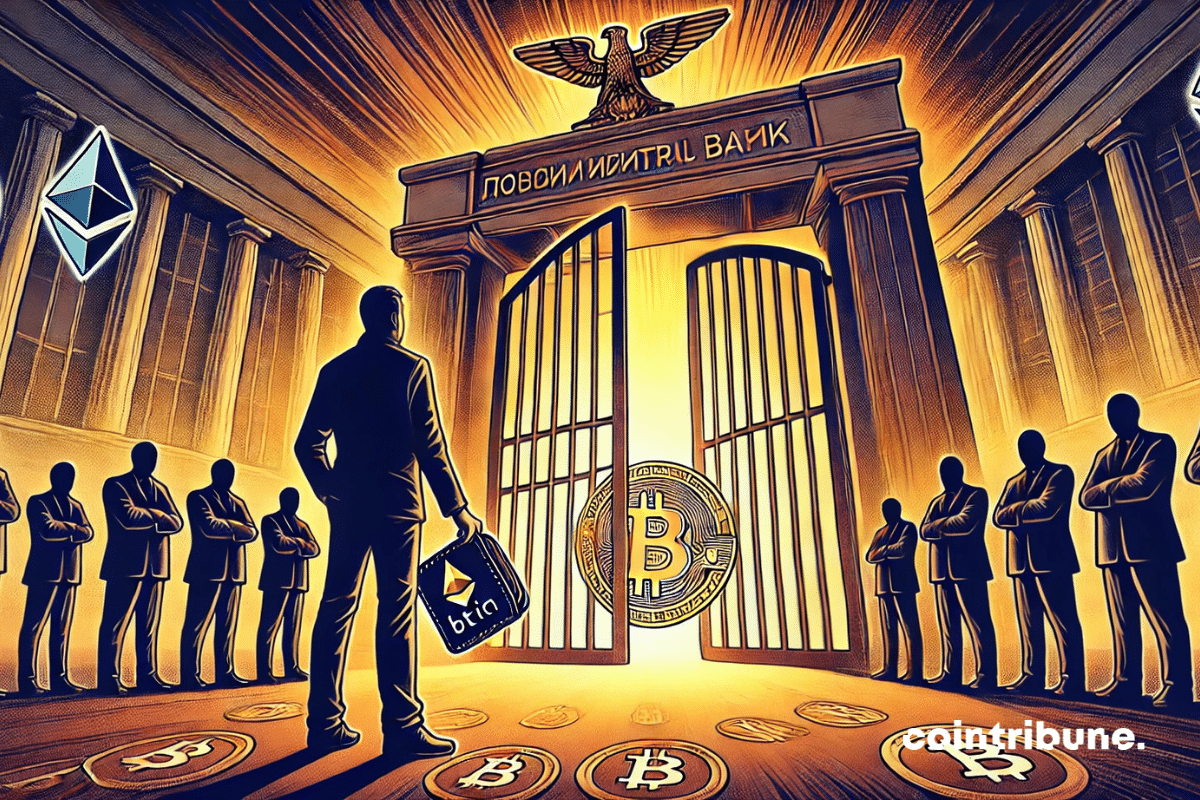
New project: a crypto bank could be launched in Russia. We deliver all the details in this article.
By seeking to isolate his rivals, Donald Trump could well get the opposite effect. Under the pressure of his trade sanctions, the countries of the BRICS bloc, long divided, are beginning an unprecedented strategic rapprochement. As tensions rise, China, India, Russia and their partners seem more willing than ever to cooperate economically and diplomatically.
While the trade war intensifies, Beijing and Moscow show their determination. In July, their exchanges jumped to $19.14 billion, an annual record that contrasts with the gloom of the first half of the year. This rebound occurs as Donald Trump threatens China with new tariffs, after sanctioning India for its Russian oil purchases.
Rio is set to host a high-stakes BRICS summit, marked by two historic absences: Xi Jinping and Vladimir Putin. The Chinese president is withdrawing for the first time since 2013, while his Russian counterpart remains in the Kremlin, targeted by an arrest warrant from the ICC. At a time when the bloc wants to assert itself against the dollar and strengthen its influence, these withdrawals weaken the group's unity and raise doubts about its geopolitical trajectory.
Russia no longer tests. It imposes. By decreeing the mandatory integration of the digital ruble into the national banking and commercial system, Moscow leaves no room for doubt. The transition to a controlled, programmable, and centralized currency is underway. Gone are the ambiguities of experimentation, making way for the architecture of an unprecedented monetary system where each transaction could, tomorrow, be traced, regulated... or even blocked. This choice is not merely technological: it is political, strategic, almost ideological. For behind the apparent modernization of payments lies a much larger game.
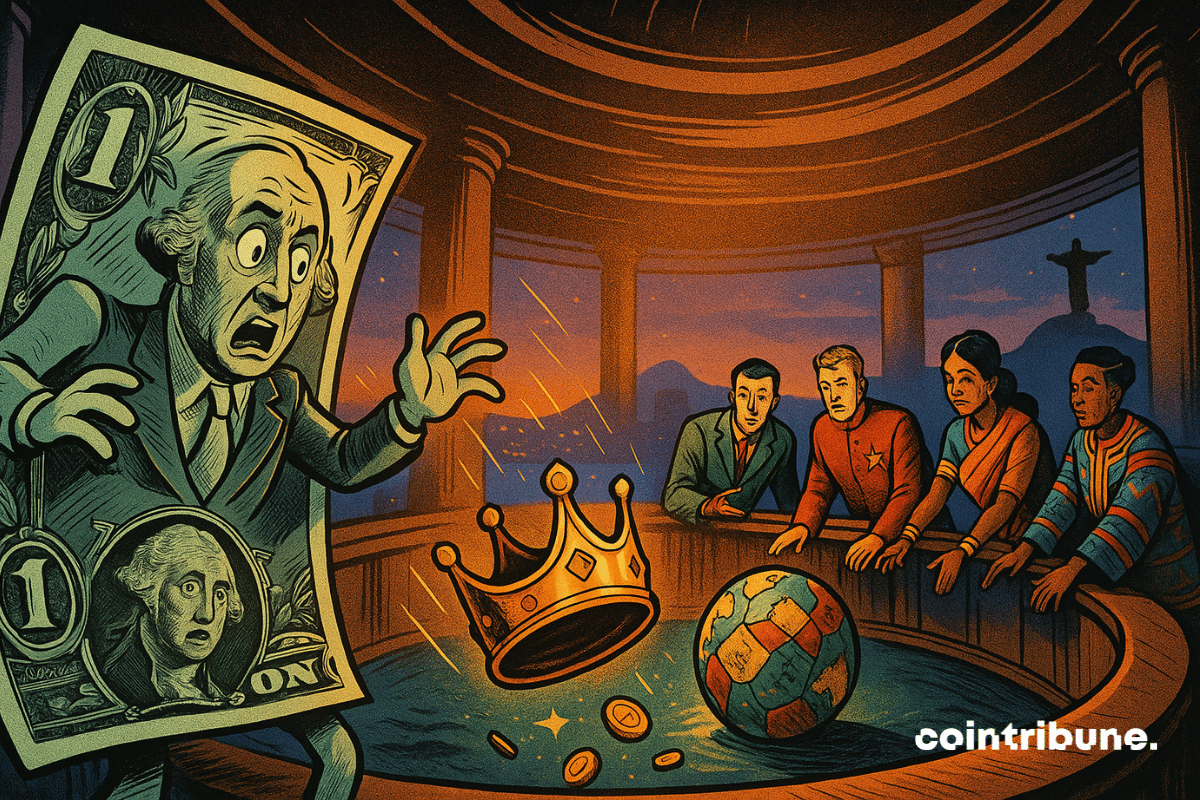
Can the dollar lose its global supremacy? What was once speculation is now taking a concrete diplomatic turn. As the BRICS summit approaches in Rio, major emerging economies are placing local currency transactions at the heart of their strategy. This shift occurs within a context of growing geopolitical tensions and demands from the Global South for a more balanced financial system. Behind this dynamic lies a possible redefinition of the rules of global trade.
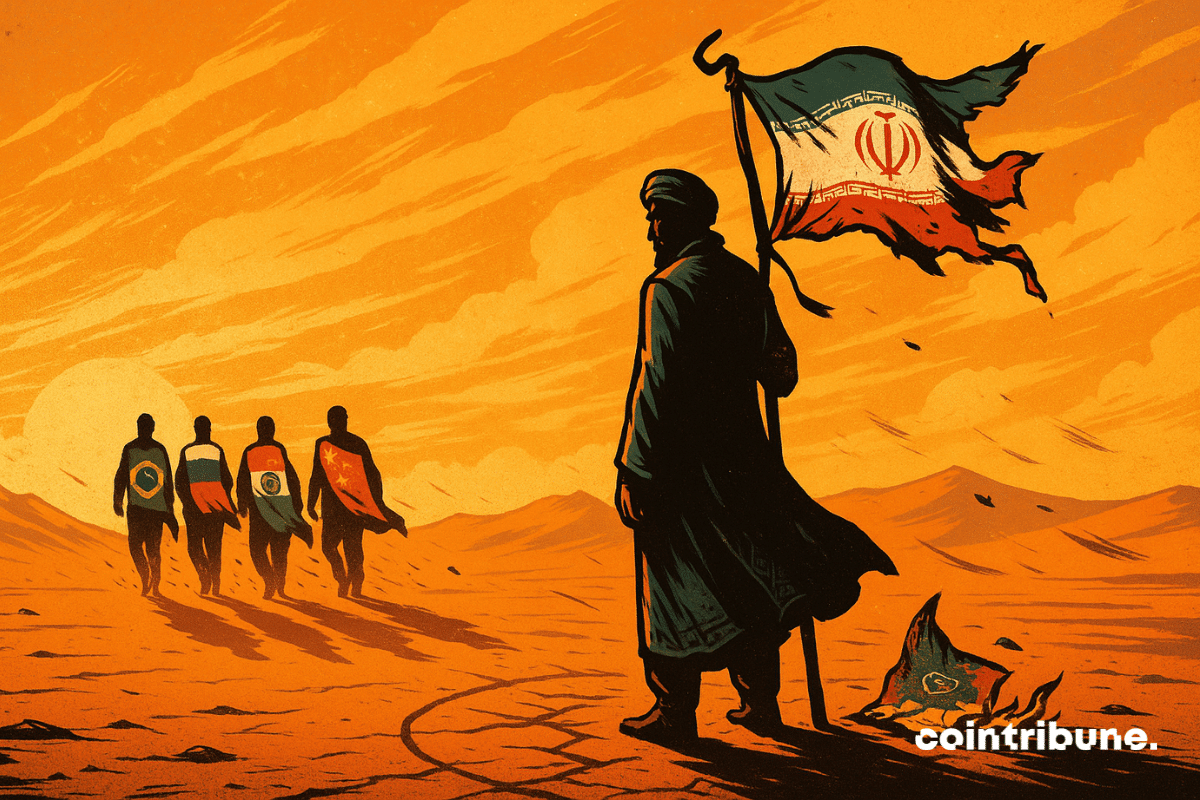
While Israeli strikes target sensitive Iranian sites and Tehran responds with missiles on Tel Aviv, the military escalation is redefining balances in the Middle East. However, a strategic absence intrigues: that of the BRICS. A newcomer to the bloc, Iran was counting on solid support against its sworn enemy. Yet neither Moscow, nor Beijing, nor New Delhi are committing. This silence exposes the limits of an alliance that Tehran saw as a counterweight to Western hegemony.
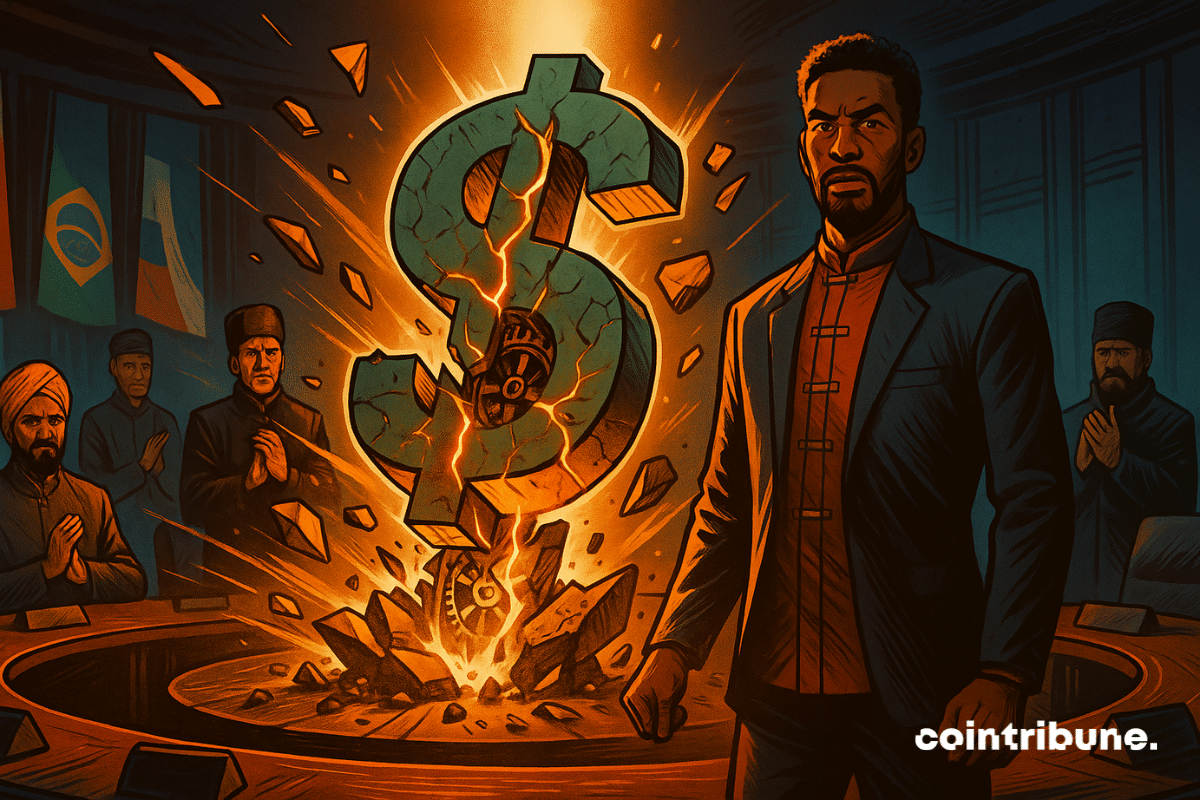
A discreet yet massive shift is redefining the global monetary balances. Indeed, over 90 countries, led by the BRICS, are abandoning the dollar in their international exchanges. In its place, the yuan, the ruble, or the rupee are gradually taking over. This strategic realignment, far from being a mere technical adjustment, challenges the financial order built around the United States since the post-war period. A stated desire for economic sovereignty and a direct challenge to American hegemony over global flows are at the root of this movement.
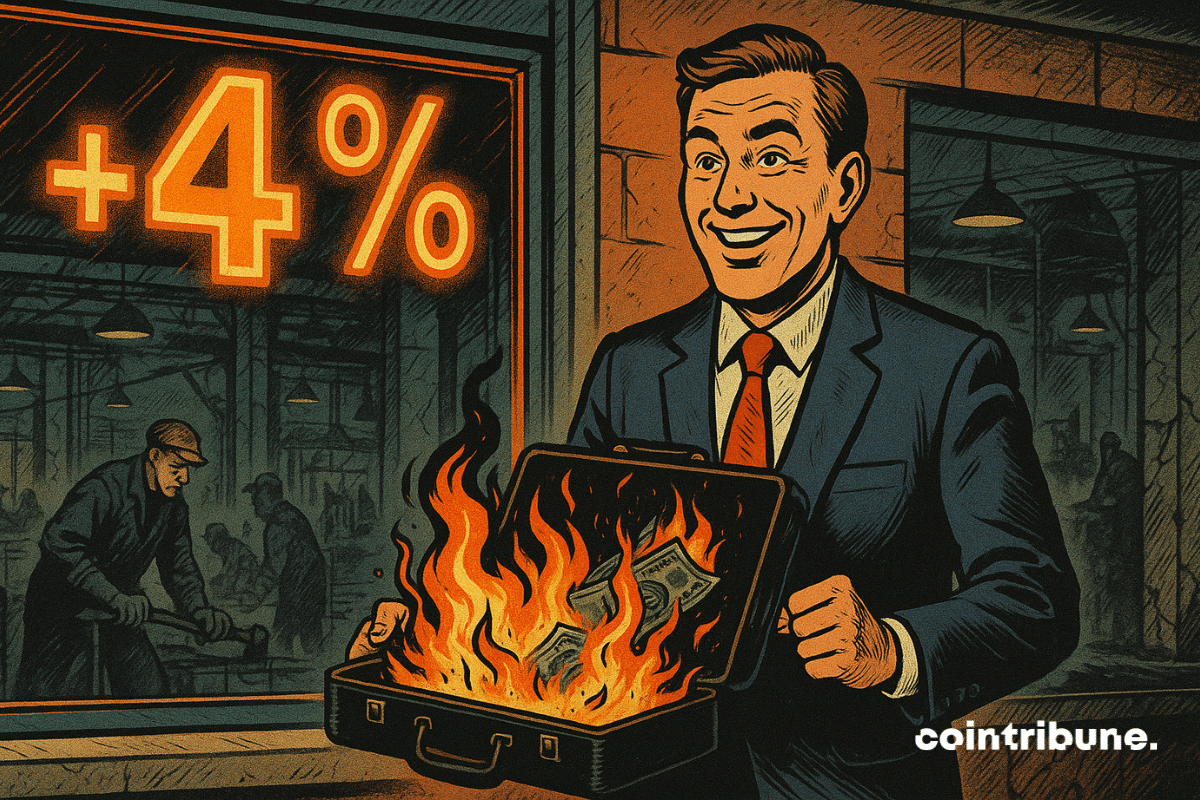
For two years, Russia has been showing an economic growth of over 4%, a figure that could pale in comparison to many European economies. Yet, behind these seemingly solid indicators, the reality on the ground is quite different: high inflation, degraded consumption, persistent shortages. The country, largely transformed into a "war economy", seems to be reaching the limits of a model based on military spending and energy rents.
Russia's largest bank reaches a historic milestone by offering structured bonds backed by Bitcoin. This initiative by Sberbank is part of a broader strategy by Moscow to circumvent Western sanctions.
As the conflict in Ukraine bogs down, the European Union crosses a strategic threshold. On May 20th, Brussels adopted a 17th round of sanctions targeting previously less exposed entities: the Russian ghost fleet, a logistical pillar of oil evasion. This maneuver, synchronized with London, marks a turning point in the economic war waged against Moscow. By hardening its stance, the EU aims to weaken the opaque circuits financing the Russian military effort and maintain pressure on its foreign supporters.
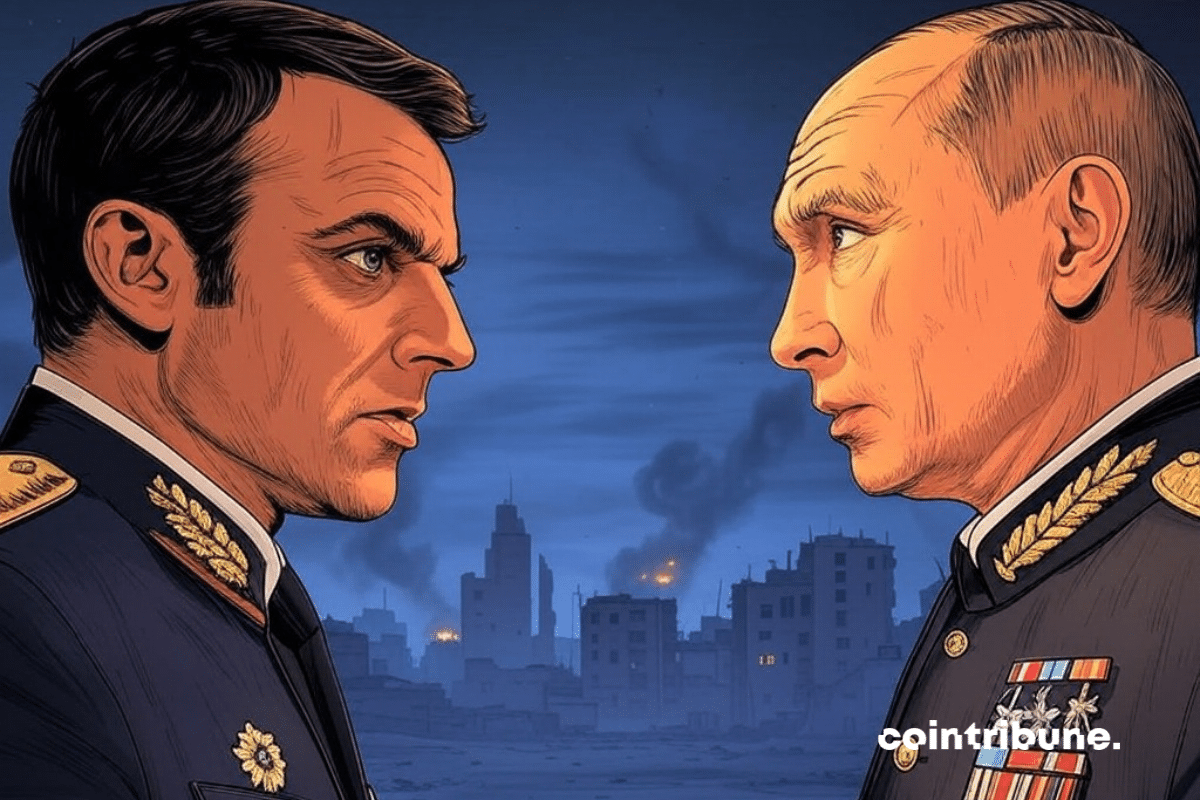
As the conflict in Ukraine reaches a critical juncture, Kyiv and its Western allies are proposing a comprehensive, unconditional ceasefire for 30 days. Supported by Washington and major European capitals, this initiative aims to create a pathway for negotiations. However, beyond the call for a truce, one question looms: will Moscow see this as a genuine hand extended or a tactical maneuver concealing a strategic advantage for Ukraine? The answer could reshape the balance of power diplomatically.
As oil prices plummet and demand remains sluggish, OPEC+ surprises by announcing a massive increase in its production starting in June. Eight members of the cartel break with recent caution and reignite uncertainty in an already tense market. Behind this turnaround lies a possible geopolitical and economic turning point, between a strategy of recovery and calculated risk-taking. This decision could reshape global energy balances.
Russia, an influential member of the BRICS bloc, has just crossed a historic monetary milestone: in February, more than half of its imports were settled in rubles. This strategic advancement, confirmed by the Central Bank, is part of a clear break with the dollar-dominated system. As tensions with the West escalate, Moscow is redirecting its trade towards partners deemed "friendly," thus redefining global financial balances and accelerating its trajectory towards strengthened economic autonomy.
The Russian Ministry of Finance is exploring the possibility of developing its own stablecoin. This comes after recent U.S. sanctions and actions by Tether, which blocked wallets linked to the Garantex exchange. This initiative primarily aims to avoid dependency risks associated with foreign stablecoins, such as USDT.
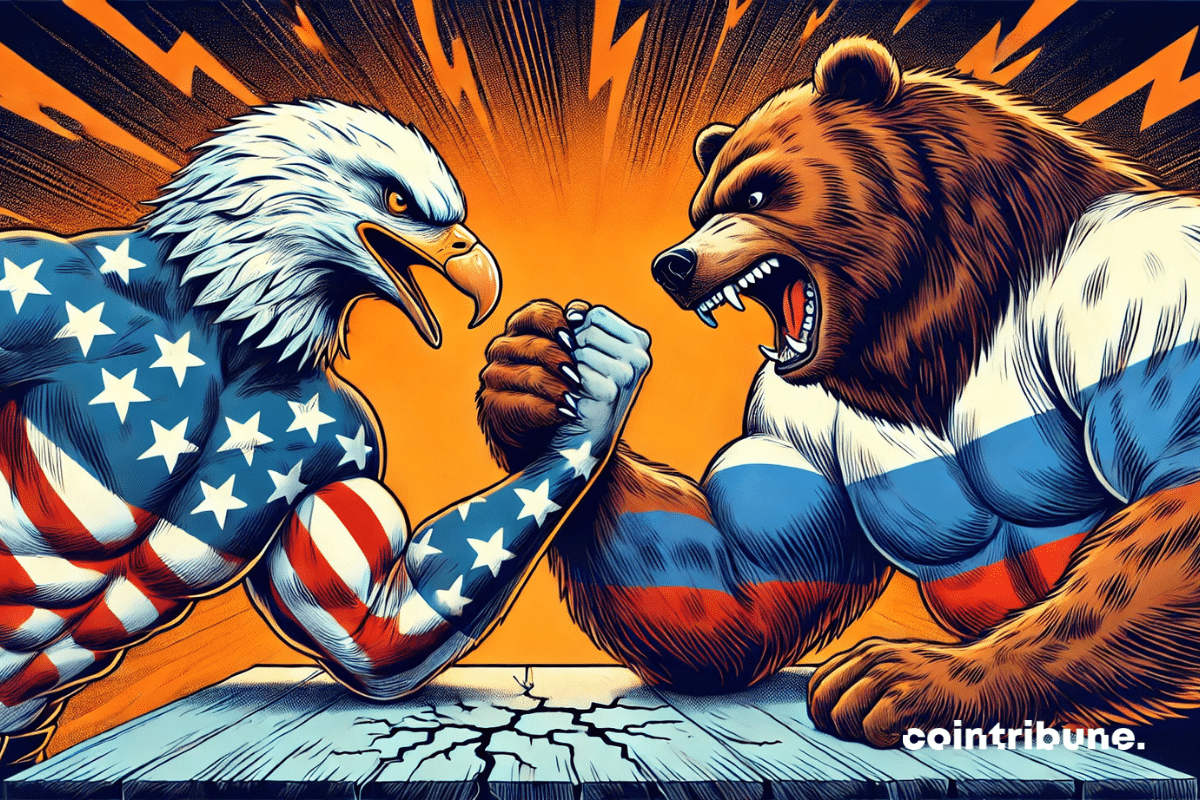
In light of the deadlock in the conflict in Ukraine, Donald Trump is changing his tone and threatening Moscow with an economic sledgehammer. The American president, who has so far been measured towards the Kremlin, is now brandishing the card of tariff sanctions on Russian oil. The stated objective is indeed to force Vladimir Putin to move towards a ceasefire. A shocking statement that fractures diplomatic balances and elicits reactions even in European capitals, at a time when the slightest tension can redefine the global geopolitical chessboard.
Russia is at a major economic turning point, burdened by surging military expenditures and an escalating energy crisis. As financial resources dwindle, the cost of the conflict in Ukraine becomes unsustainable. By 2025, rising military spending and falling energy revenues will confront the country with an unprecedented economic challenge.
The USA-Ukraine summit was recently held in Riyadh and resulted in more ambitious ceasefire proposals than expected. "The ball is now in Russia's court" has become the American talking point on this issue. Meanwhile, Europe appears to be accelerating its military reassertion in an increasingly tense geopolitical context.
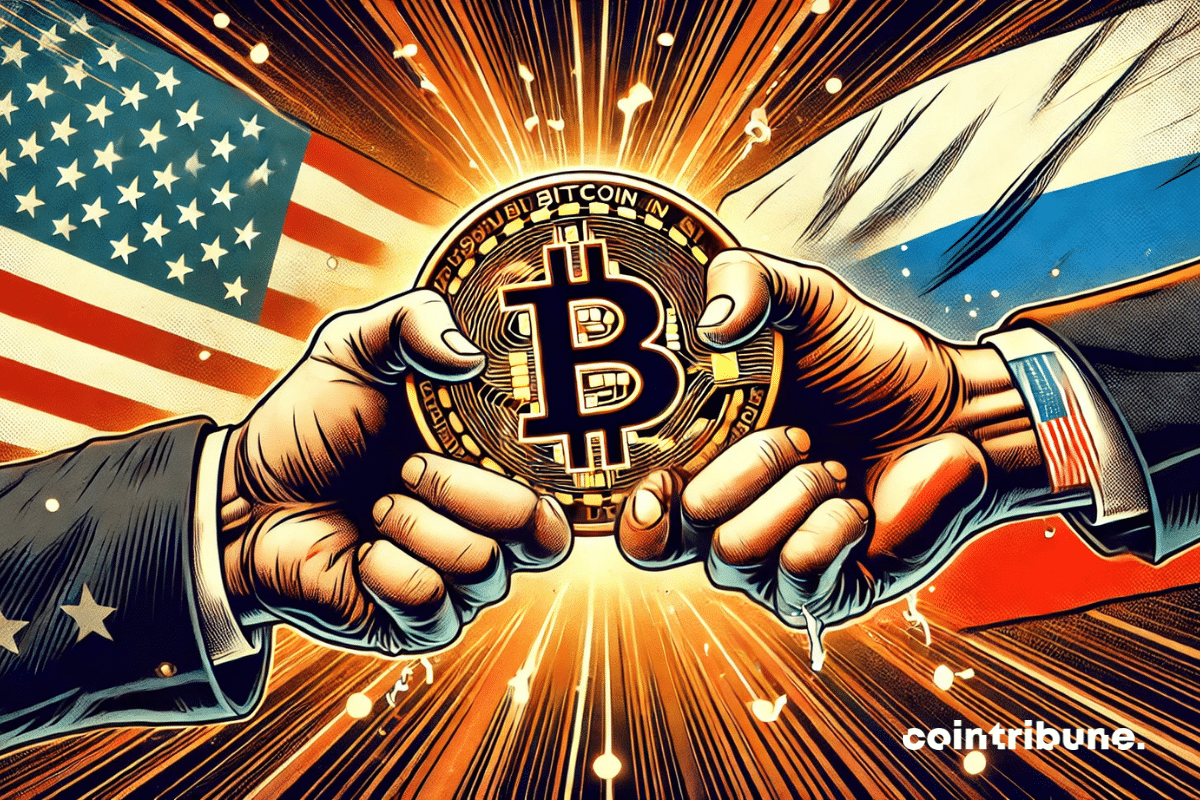
Moscow is stepping up now that Washington has embraced bitcoin. Soon a Russian strategic reserve?
As cryptos disrupt traditional financial systems, Russia is taking a paradoxical approach. The central bank proposes to open exchanges to qualified investors while maintaining a cautious distance. This maneuver seems to balance control and innovation, but could it be hiding a more restrictive strategy?
The fragile balance of the conflict in Ukraine has just experienced a new twist. Donald Trump, the American president, discussed the possibility of imposing massive bank sanctions and high tariffs against Russia. This statement comes as Moscow intensifies its strikes on Ukrainian infrastructure, while Washington's position wavers between conditional support for Kiev and seeking a diplomatic solution. However, this posture of firmness is accompanied by contradictory decisions, raising questions about Trump's true intentions in foreign policy.
As cryptocurrencies divide global geopolitics, Russia is carving a unique path. Vladimir Putin, while acknowledging the intangibility of bitcoin, categorically refuses its integration into national reserves. This position contrasts with that of Donald Trump, a fervent advocate of a crypto-sovereign America. Between technological fascination and strategic caution, Moscow plays a subtle balance on the digital chessboard.
Donald Trump unveils his radical strategy to counter the monetary ambitions of the BRICS. In response to their proposal for a common currency, he threatens to impose 100% tariffs against any country that adopts it. This tough approach masks secret negotiations that could reshape the global monetary order.
In a world where energy shapes geopolitical power dynamics, the crisis plaguing Gazprom reveals the fractures of a once-unshakeable giant. A pillar of the Russian economy and a strategic instrument of the Kremlin, the company is facing a brutal decline in its revenues, exacerbated by the loss of its European markets and international sanctions. Now forced to cut its workforce in a historic manner, Gazprom finds itself at a decisive stage, where its strategic choices will determine not only its future but also that of the Russian economy.
The BRICS project to create a common currency is generating growing interest among economists and analysts, as it could redefine global financial balances. For decades, the US dollar has dominated as the main reserve currency, giving the United States substantial economic and geopolitical power. During their summit in 2024 in Kazan, Russia, the leaders of the BRICS intensified their discussions on establishing an alternative called "Unit," designed to facilitate exchanges within the bloc. This project fits into a broader strategy aimed at reducing their dependence on the dollar, in the context of increasing geopolitical tensions and economic sanctions. At a time when many countries are seeking to diversify their reserves and bypass the constraints imposed by the current monetary system, can this initiative truly shake the dollar's supremacy?
Global economic relations are evolving under the influence of geopolitical tensions and the strategic repositioning of major powers. In this context, China and Russia are strengthening their trade partnership, which is set to reach a historical record of 240 billion euros in 2024. This growth illustrates a strategic rapprochement bolstered by Western sanctions against Moscow and Beijing's desire to expand its influence. More than just an economic alliance, this cooperation sends a clear signal to the United States and the European Union, which aim to limit their dominance on the global stage. Thus, the surge in trade flows, increased use of the yuan in transactions, and the restructuring of international financial circuits now raise the question of the long-term consequences of this Sino-Russian agreement.