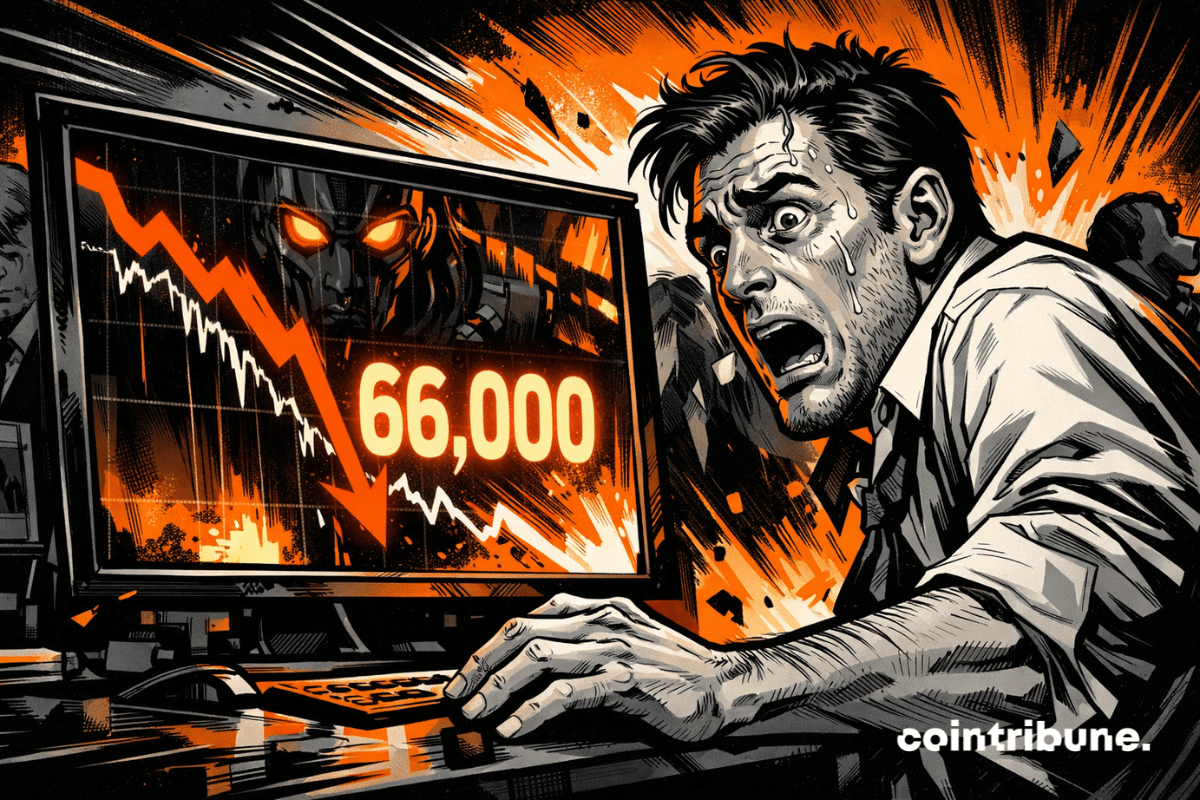
Bitcoin has just erased its hard-earned gains after last week's crash. The world’s leading cryptocurrency falls back towards $65,000, a collateral victim of a panic that hits the tech sector hard. Even precious metals are not spared.


Central bank digital currencies (CBDCs) are moving closer to reality across much of the world. Policymakers often present them as faster and more efficient tools for payments and cross-border transfers. Yet billionaire investor and founder of Bridgewater Associates, Ray Dalio, argues that control remains at stake with such systems.
Bitcoin and the broader crypto market posted modest gains over the past 24 hours, even as fresh U.S. labor data complicated expectations for near-term rate cuts. January’s jobs report showed that hiring remained firm, but growth across several sectors appeared restrained. Markets had hoped for weaker data to strengthen the case for monetary easing. Instead, traders were left facing mixed signals.
Did bitcoin really hit the bottom at $60,000? Michael Terpin, CEO of Transform Ventures, warns of a new drop to $40,000 before a sustainable recovery. Between historical cycles and market fragility, his analysis divides experts.
Ondo Finance integrates Chainlink to bring live pricing to tokenized U.S. stocks, allowing them to serve as collateral in Ethereum DeFi.
Despite recent volatility and bitcoin falling below its production cost, the American investment bank maintains an optimistic outlook for crypto assets. Institutional flows are expected, according to it, to revive the market this year, provided the regulatory framework clears up. Will these expected flows be enough to reverse the trend?
Tokenized money market funds and digital bank deposits are moving beyond experimentation and into early financial infrastructure, executives said Wednesday at Consensus Hong Kong 2026. Speakers from Franklin Templeton, SWIFT and Ledger described an industry shifting from pilot programs to real-world deployment. Adoption remains small relative to global capital markets, but institutions are increasingly building systems designed for round-the-clock settlement and on-chain access.
Sam Bankman-Fried is seeking to reopen his criminal case tied to the collapse of FTX. The former crypto executive has requested a new trial, arguing that newly surfaced witness testimony could weaken key aspects of the prosecution’s case. Convicted on multiple fraud-related counts, Bankman-Fried now claims jurors did not see a complete and accurate picture of certain evidence. His filing frames the issue as one of fairness in the trial process rather than a disagreement with the verdict itself.
While the crypto market wavers and investors hold their breath, every statement from a sector leader becomes a decisive signal. Michael Saylor, co-founder and executive chairman of Strategy, reappears at the center of the game at a critical moment. As rumors of bitcoin sales spread, he answers frankly. Between prolonged price drops, loss-making results, and stock market tension, his statement sounds like an act of faith, or a risky bet, to defend a strategy that has become emblematic.
Braden Karony, former SafeMoon CEO, was sentenced to eight years in prison for defrauding investors and misusing company funds.
Bitcoin hit $60,000 last week amid widespread panic. According to research firm K33, this plunge is not just another correction but indeed the end of capitulation. So, is the worst really behind us?
The standoff between the European press and Google has reached a new level. On February 10, 2026, the European Publishers Council filed an official complaint with the European Union authorities. It accuses the American giant of mining press articles to train its artificial intelligence tools, without ever asking for permission, and without paying a single cent to the newsrooms concerned.
Ethereum falls below a major psychological threshold. Blockchain indicators show unexpected accumulation. Analysis.
Beast Industries has acquired Step to help teens and young adults develop practical money skills through mobile banking and financial education.
Crypto security efforts across Ethereum are getting a fresh boost as scams continue to drain funds from everyday users. In response, the Ethereum Foundation has launched a new partnership aimed at reducing losses and improving real-time visibility into emerging threats across the ecosystem.
While bitcoin and Ethereum make headlines with their ETFs, Ripple chooses the right moment to assert itself with XRP. From February 11 to 12, the company is hosting the XRP Community Day 2026, a global digital event dedicated to its native asset and innovations of the XRP Ledger. This initiative occurs within a context of growing institutional interest, driven by massive flows into XRP ETFs. For Ripple, it is more than a community meeting: it is a strategic demonstration on a global scale.
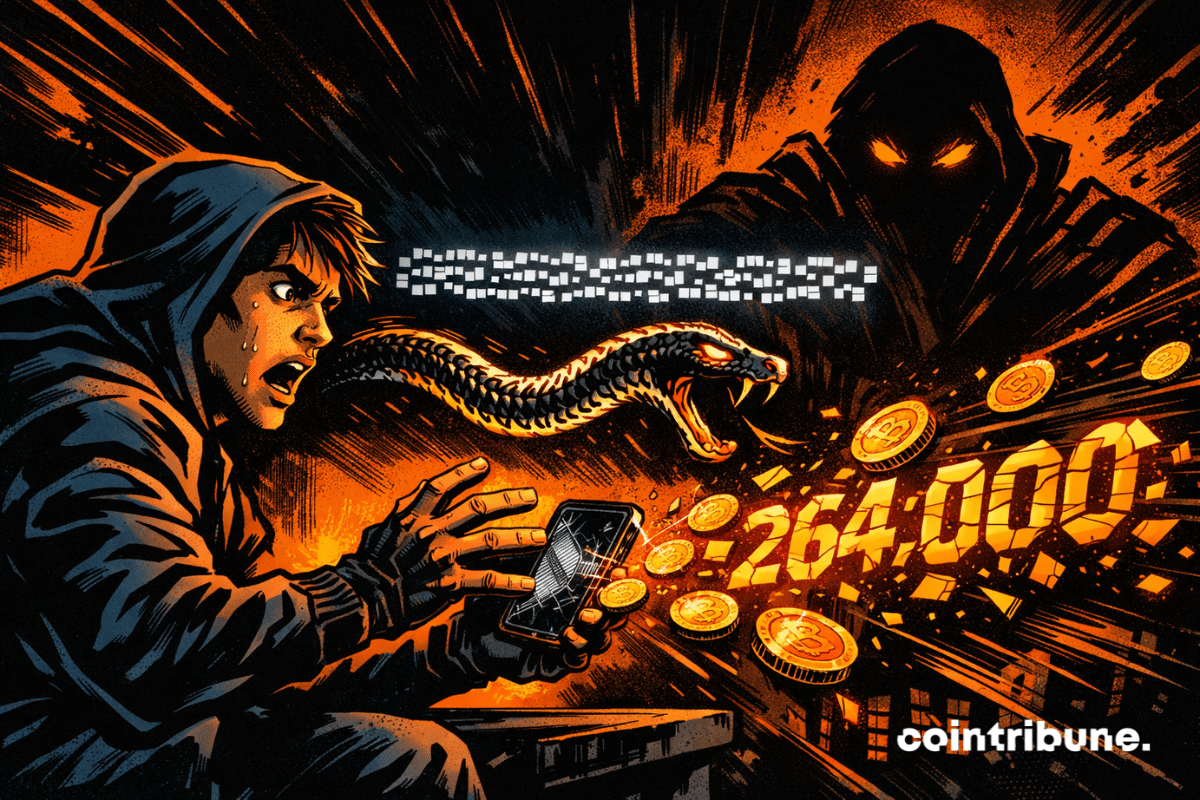
Crypto market on alert: Phantom faces controversy after a $264,000 theft. We give you all the details in this article.
The fragile calm of the crypto market has shattered. In a few sessions, bitcoin fell sharply to nearly $60,000, reviving doubts about the strength of the bullish cycle. This 32% correction since the halving prompts questions: simple turbulence or market pivot point? A study by Kaiko Research puts forward a strong hypothesis: bitcoin may have reached the midpoint of the bear market.
In just 24 hours, the Bitcoin market wiped out more than 250 million dollars of positions, catching thousands of traders off guard. Why this brutal purge? What signals should be watched to avoid getting trapped?
Cryptocurrencies under close watch, the AMF gives an ultimatum to crypto companies: get MiCA approval or shut down. A headache for small players, a shock for the crypto-sphere.
The European Union is about to take a major step in its economic war against Moscow. It plans to outright ban all crypto transactions involving Russian entities. A radical decision, but will it be enough to stop the machine?
For the first time since 2022, bitcoin is sending a bottom signal, a rare technical indicator that could mark a historic turning point. With critical price levels to watch and varied scenarios, investors wonder: is it time to buy?
Polymarket has escalated its dispute with U.S. state regulators by filing a federal lawsuit against Massachusetts, arguing that prediction markets fall under exclusive federal oversight. At the center of the case is whether individual states can restrict event-based contracts already regulated at the federal level. Ultimately, the ruling could determine how prediction markets operate across the United States.
After three weeks of heavy selling, outflows on crypto products are clearly calming down, a signal often more telling than the price. They fall to $187M for the week, versus $3.43B in the previous two, which clearly changes the mood. At the same time, the price decline slows and Bitcoin briefly touched $60,000, a level that shifts from a panic reflex to a more rational reading.
While bitcoin was falling sharply to 60,000 dollars, Michael Saylor surprised the entire market. His company Strategy invested 90 million dollars to buy 1,142 BTC at a price well above the market rate. This choice, far from trivial, raises questions about the accumulation strategy of one of the largest BTC holders in the world. Why buy so high in a declining market? And what are the consequences for investors and the sector’s dynamics?
Top VCs debate why non-financial crypto and Web3 use cases struggled, weighing weak demand against regulatory and operational challenges.
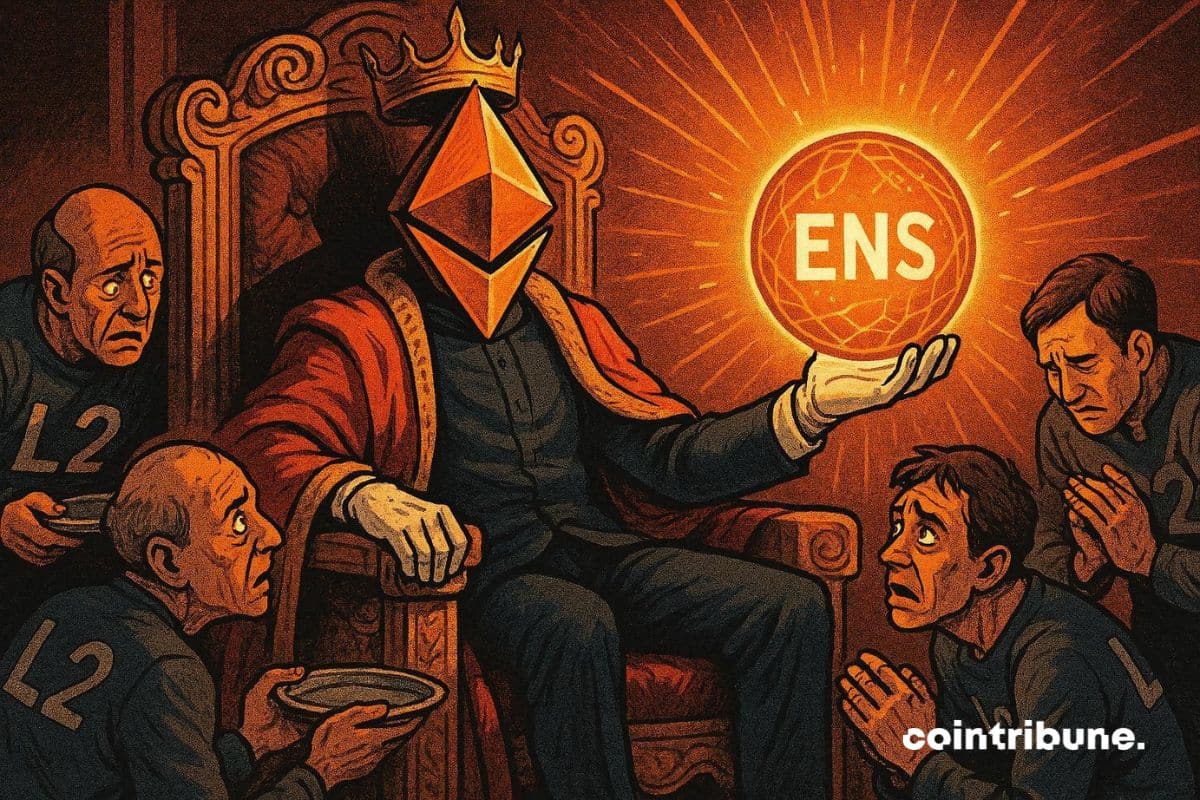
ENS has just disrupted the crypto ecosystem by abandoning Namechain for Ethereum L1. A bold decision driven by a 99% drop in gas fees and unexpected scalability. Why this strategy could redefine the future of L2s in the crypto ecosystem?
Digital asset manager CoinShares has played down concerns that quantum computers could pose a near-term threat to Bitcoin, arguing that only a small portion of coins are realistically exposed to such attacks. While fears around quantum technology have fueled market anxiety in recent months, the firm says current risks remain largely theoretical and far from actionable.
The standoff over the succession at the head of the Federal Reserve intensifies. While a Republican senator blocks any progress as long as the investigation targeting Jerome Powell is not completed, the Treasury Secretary proposes a bold strategy: why not fight both battles at once? A political chess game that could redefine the Fed's future.
Payments firm Block Inc. has begun notifying hundreds of employees that their roles could be cut during annual performance reviews. As per reports, the move is part of a broader restructuring as the company adjusts its business focus. Workforce changes may affect up to one in ten staff members. Management is pushing to align teams with revised product priorities and cost targets.