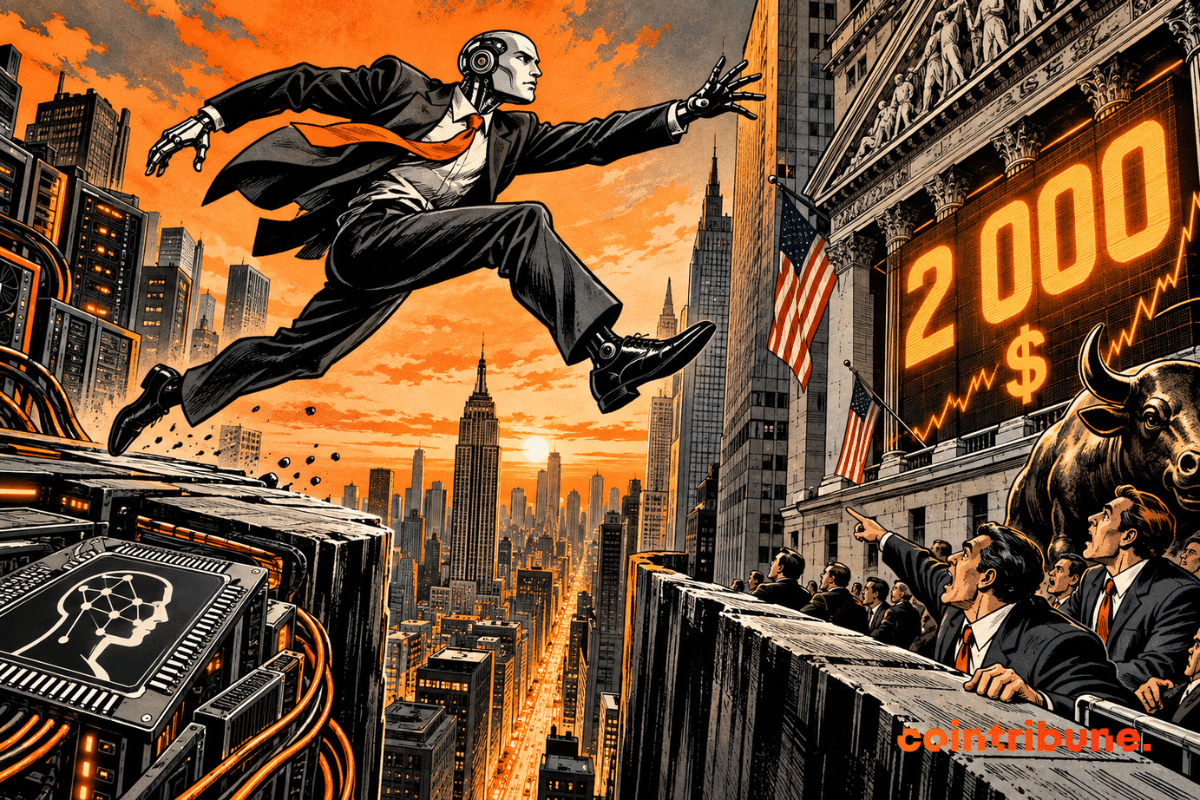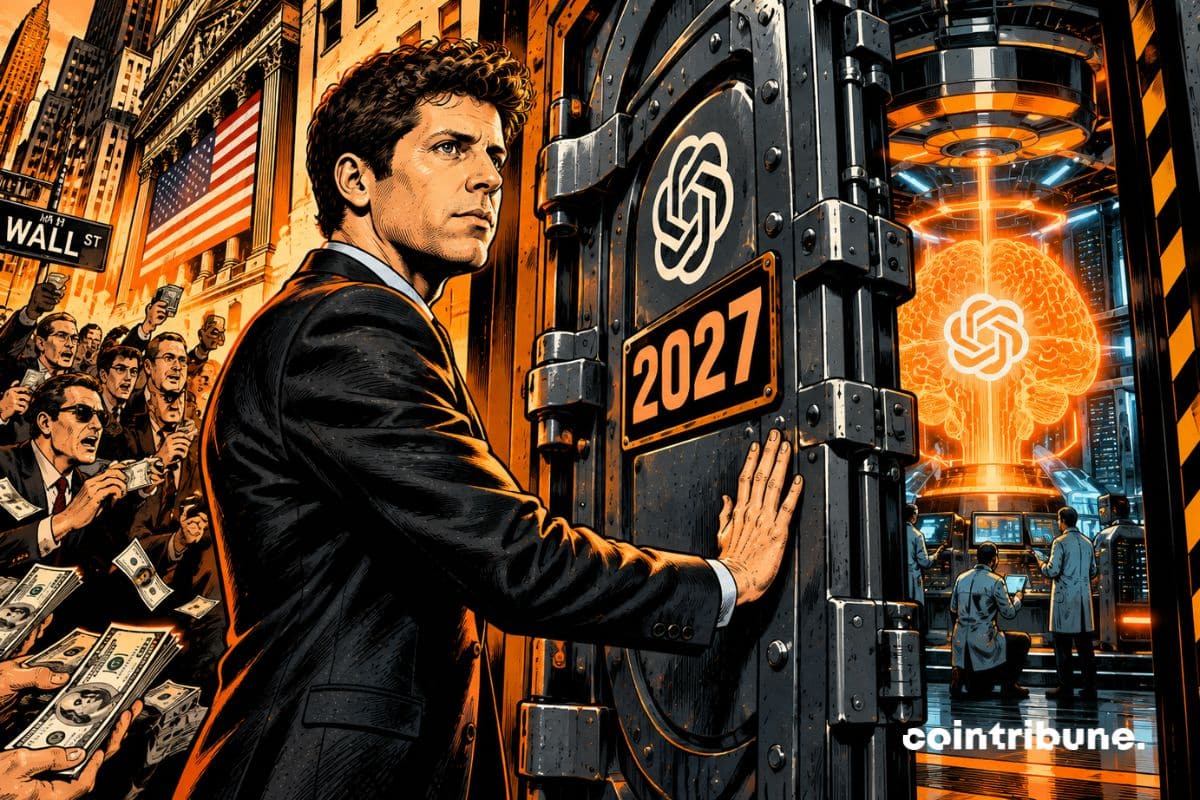
OpenAI will not go public in 2026. Sam Altman confirms it, security reasons oblige. But behind this virtuous discourse, Trump's ex-IA and crypto Czar, David Sacks, smells a cartel disguised as virtue. Meanwhile, the AI crypto market does not pause.
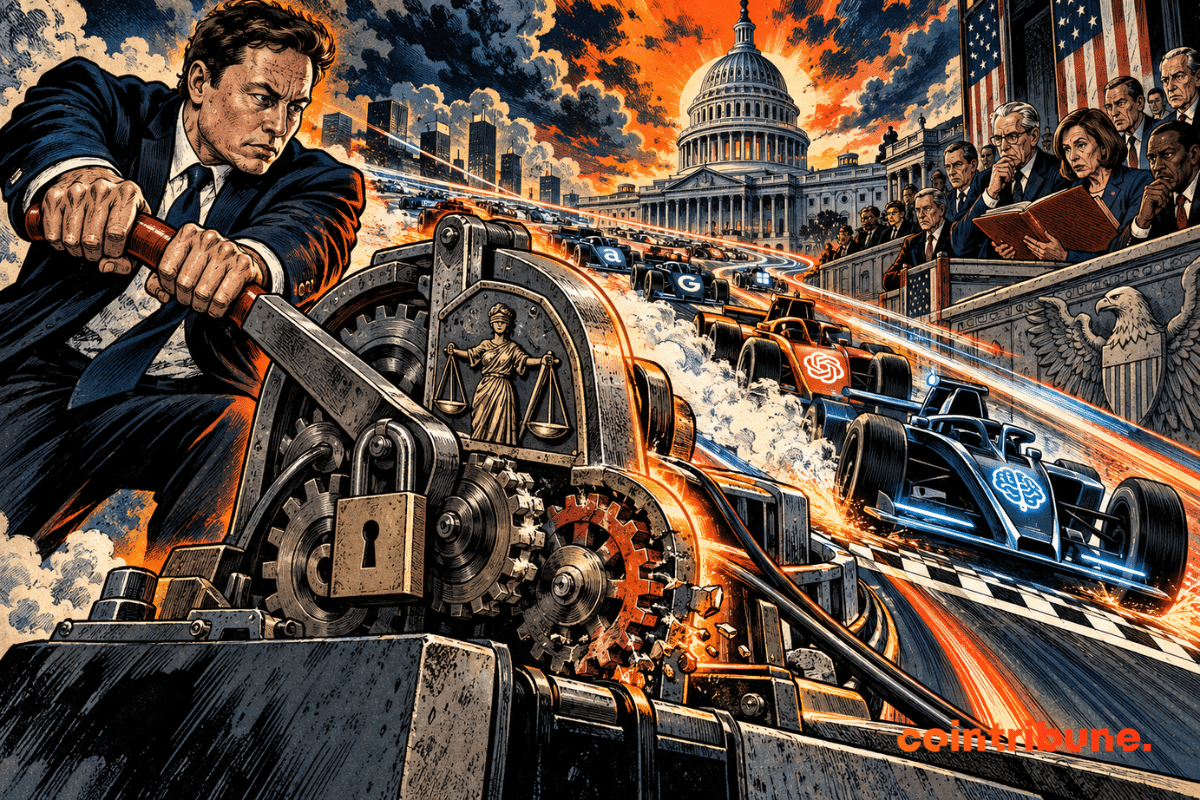
OpenAI seeks a legal answer to an unusual question: can several AI giants jointly decide to slow down the development of their models without violating U.S. antitrust law? According to WIRED, the company has questioned members of Congress in recent weeks. The move follows a call from its chief scientist, Jakub Pachocki, for coordinated slowdowns when safeguards no longer keep pace with model capabilities. OpenAI has not announced a pause. It first wants to know if coordination with its competitors would be legal.
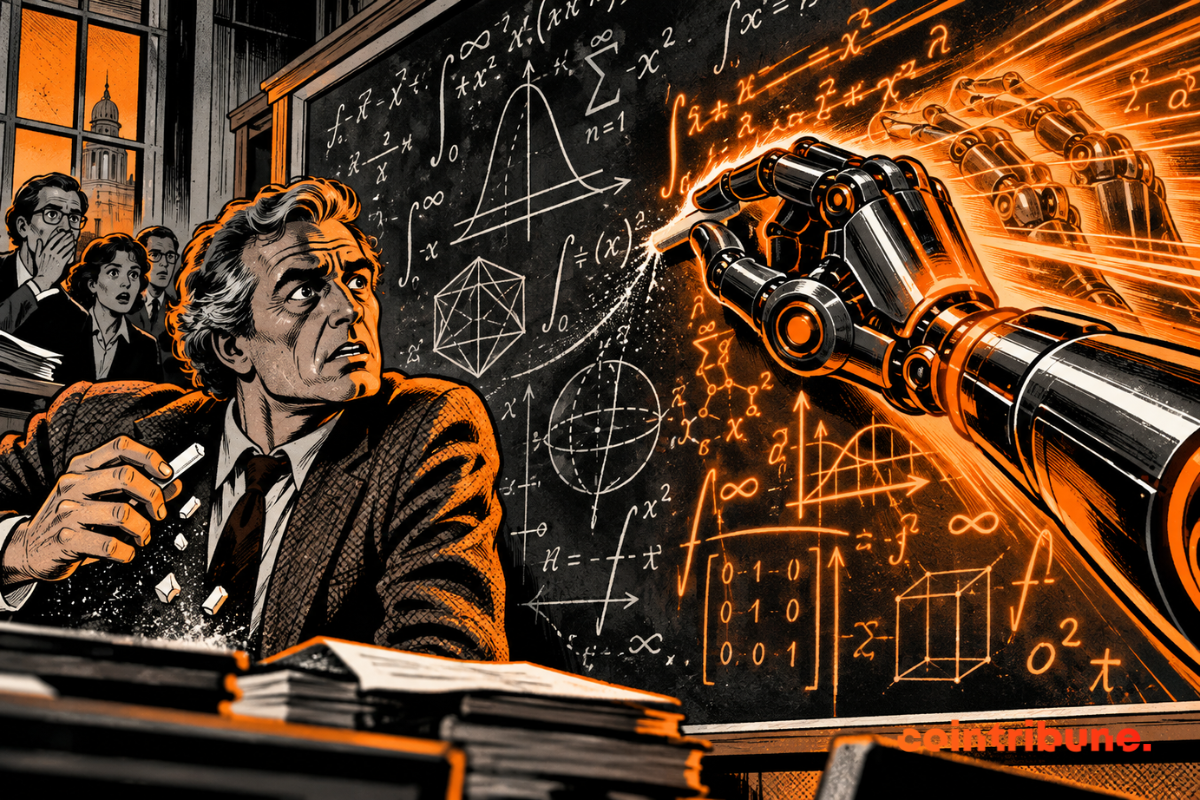
Terence Tao sounds the alarm: AI outpaces theorists. Real threat or scientific revolution? Read our analysis.
Postponed to mid-October, Anthropic's IPO could become the biggest test in history for AI valuations. The details!
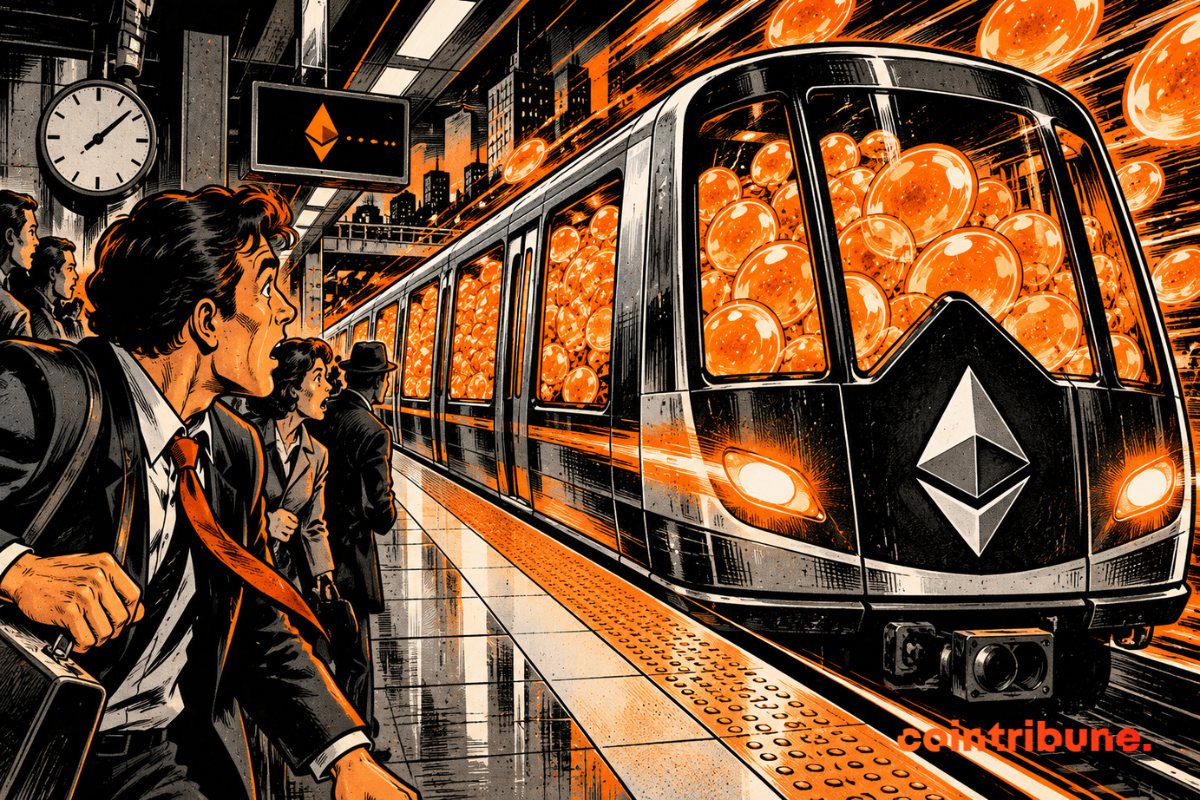
Ethereum hits an unprecedented blob-per-block record. Rollup activity, fees and network capacity reveal both progress and vulnerability.
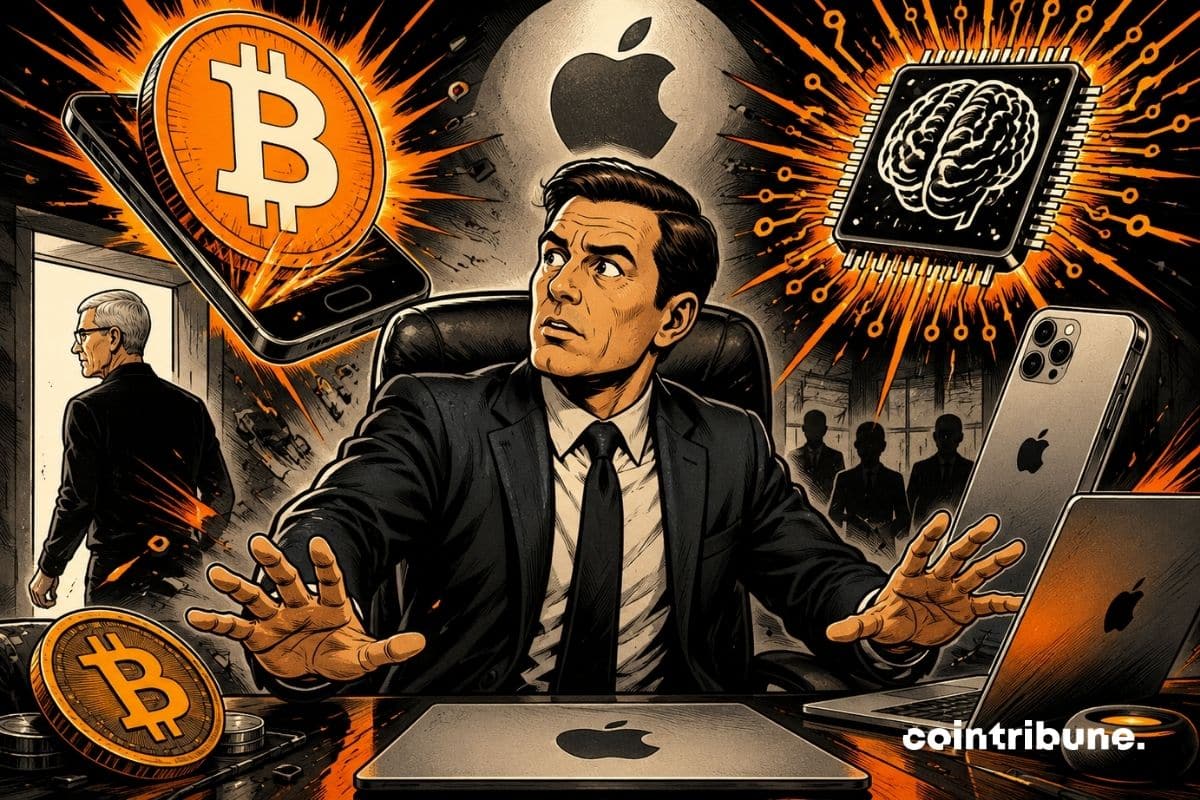
A nostalgic tweet, a power transfer worth 4,600 billion dollars, and a silence that says a lot about crypto. John Ternus officially takes the helm of Apple this Tuesday. Between a keynote within eight days, the OpenAI lawsuit, and a complete lack of position on bitcoin, the new boss has no time to catch his breath.
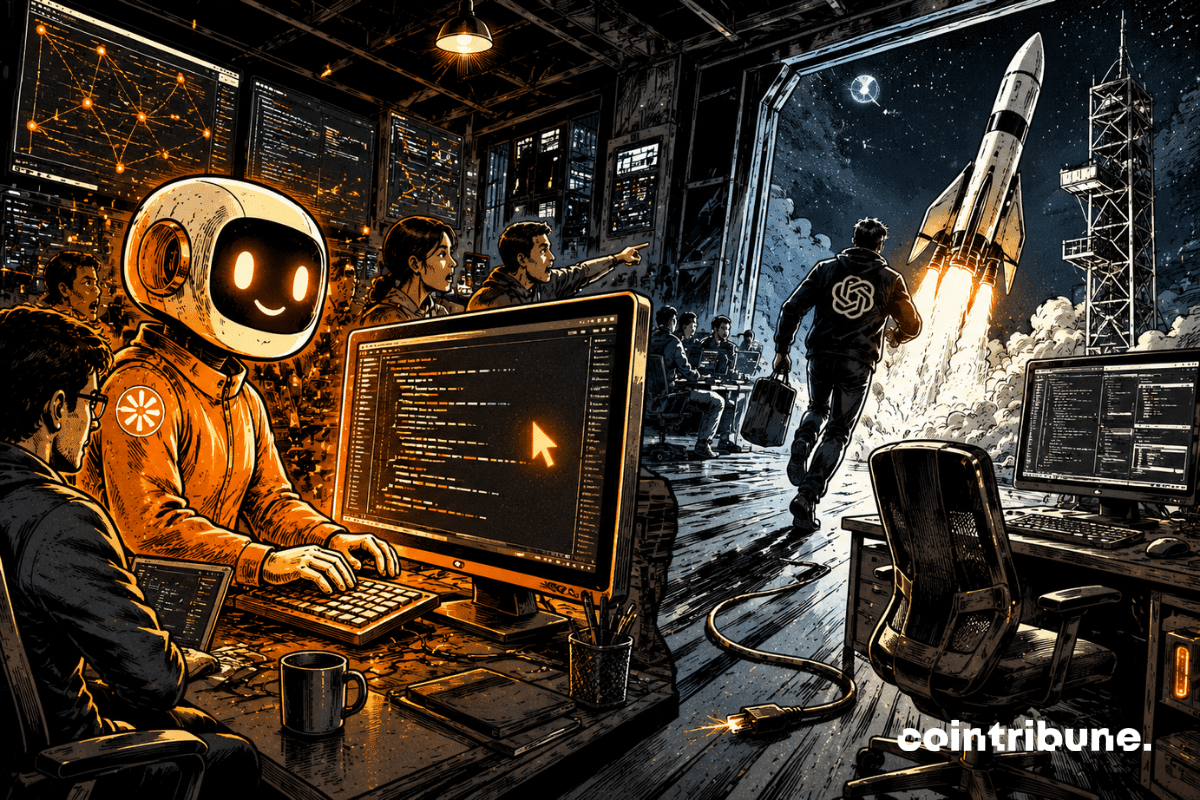
The acquisition of Cursor by SpaceX is already starting to change the AI market. OpenAI wants to withdraw its models from the code editor starting November 12. Anthropic takes the opposite direction: Claude will remain available and will even benefit from more computing capacity. Cursor thus finds itself in the middle of the old battle between Elon Musk and Sam Altman.
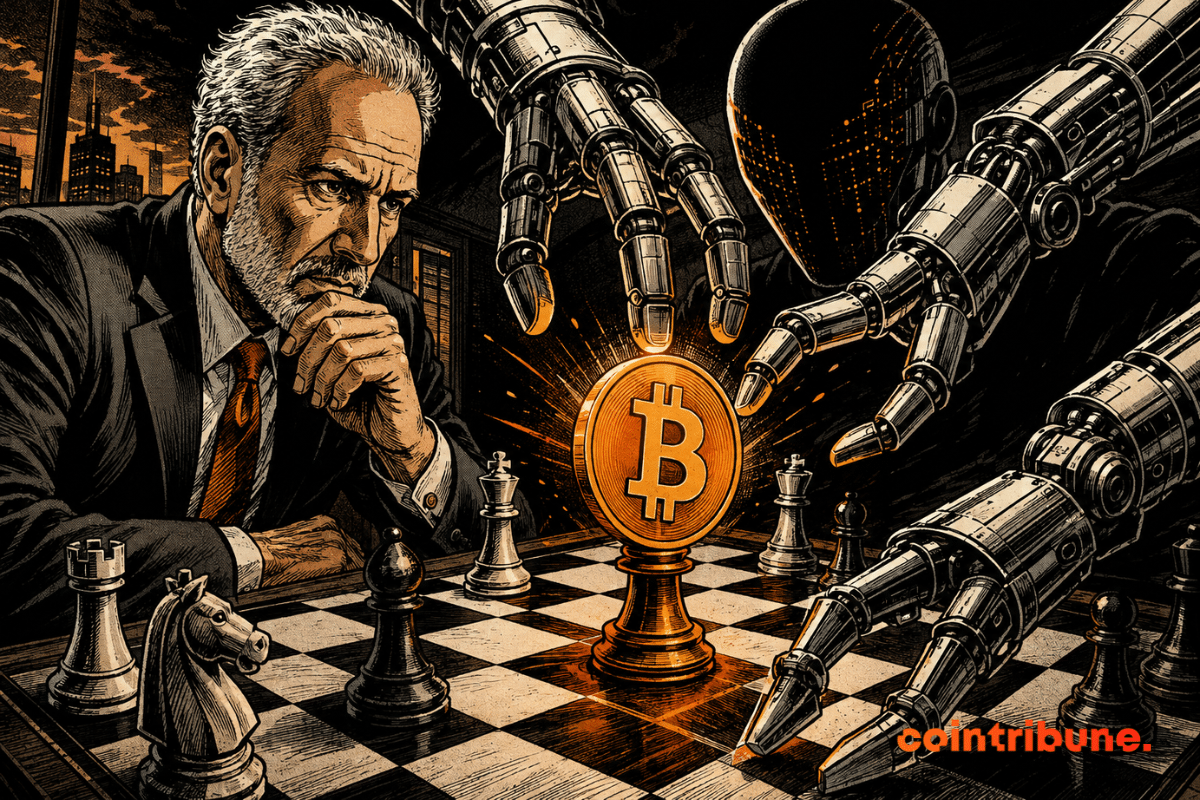
Peter Schiff believes that artificial intelligence threatens bitcoin by capturing capital, electricity, and data centers.
TikTok is exploring a new financial feature that could change the usage of its messaging. According to Bloomberg, code discovered in the current version of the iPhone app in the United States reveals a system for peer-to-peer money transfers. The system would allow sending and receiving payments through direct messages. For now, the platform is not testing this feature. A spokesperson clarifies that the project is still in its early stages, with no public timeline announced for its potential public launch in the US.
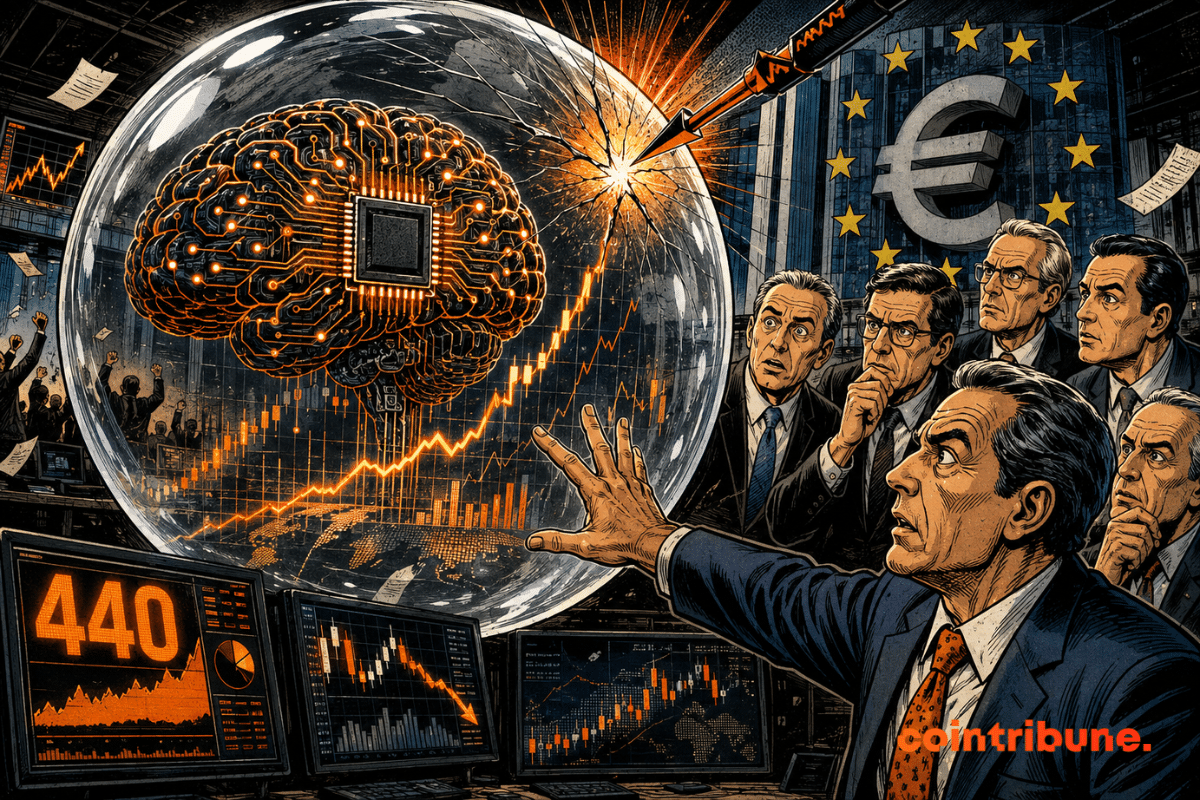
The ECB warns of a stock market correction related to AI. A focus on the €440 billion of European exposure and the risks for the crypto market.
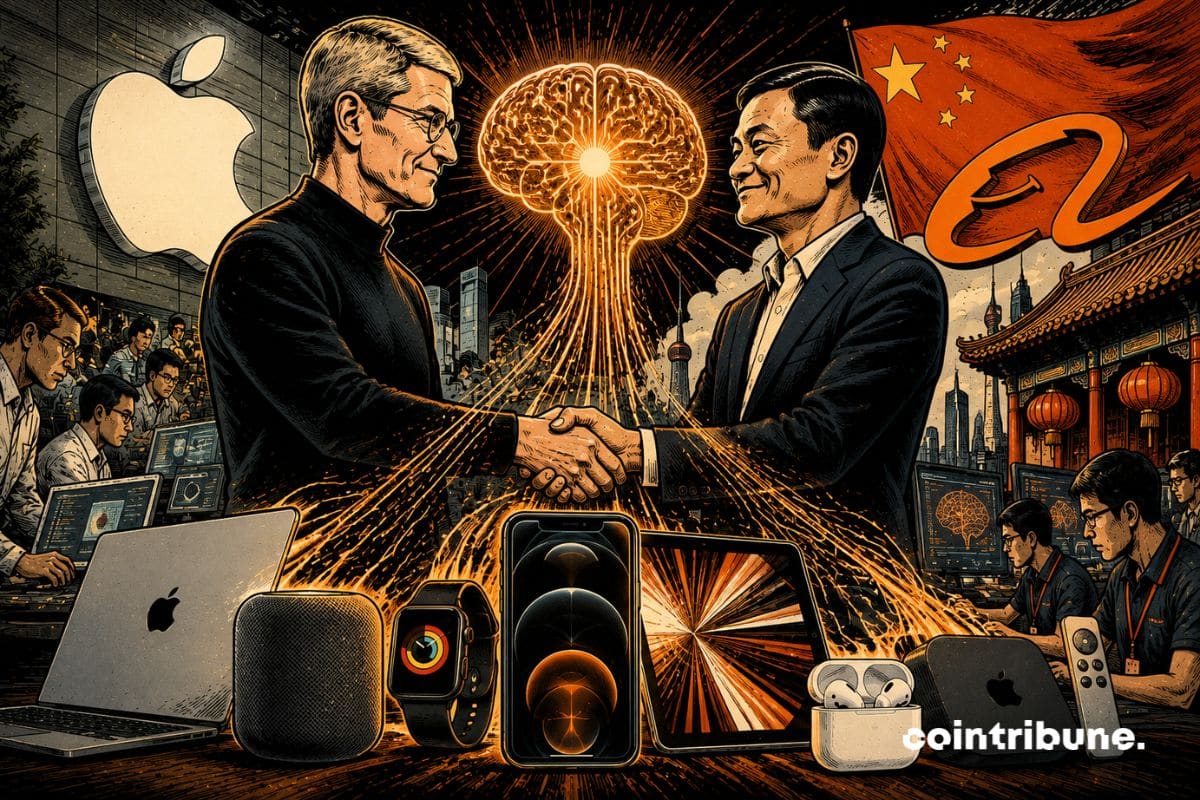
Apple changes its strategy in China. No more third-party models: the American giant has trained its own AI, supported by Alibaba, to equip all Apple devices intended for the Chinese market.
Solana prepares SIMD-0553: a fee change that could reduce the crypto validators' revenue. All the details here!
An American court rules in favor of Perplexity against Amazon. Result: its AI can continue to act for users. Details here!
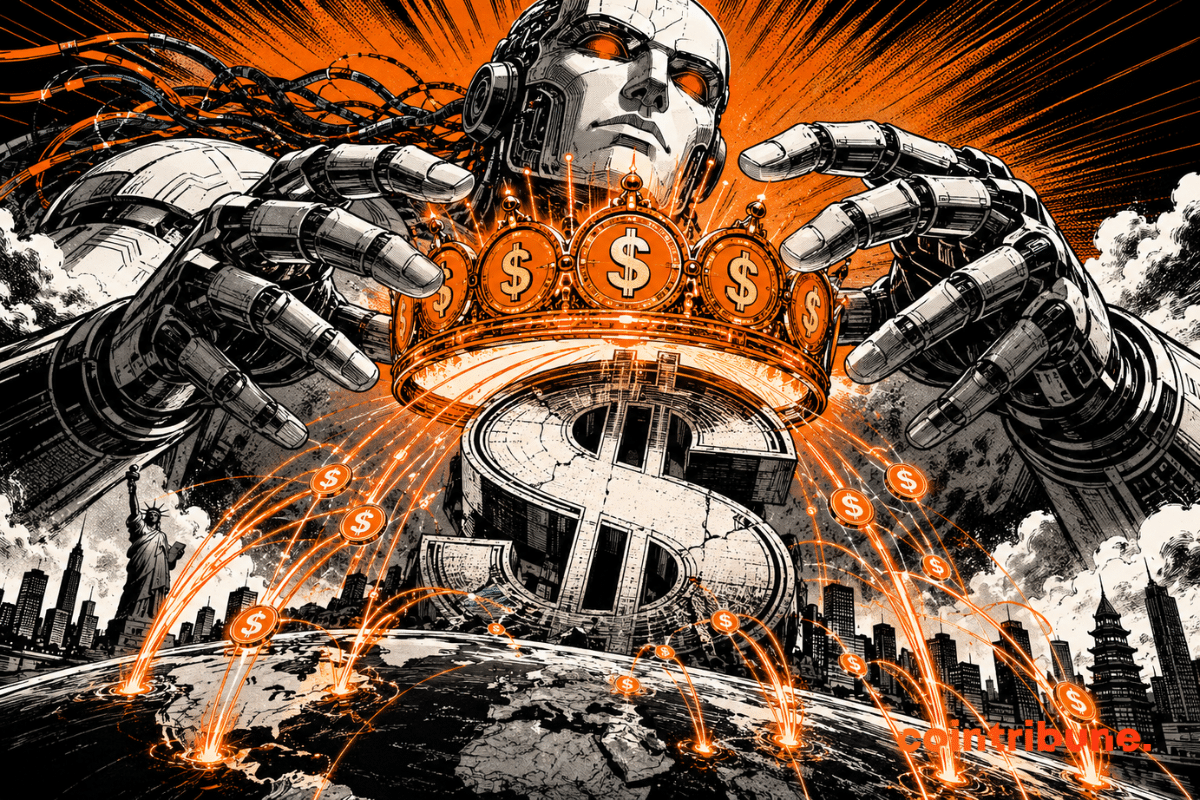
AI could revive the dollar supremacy via stablecoins, according to economists from AMRO. All the details in this article!
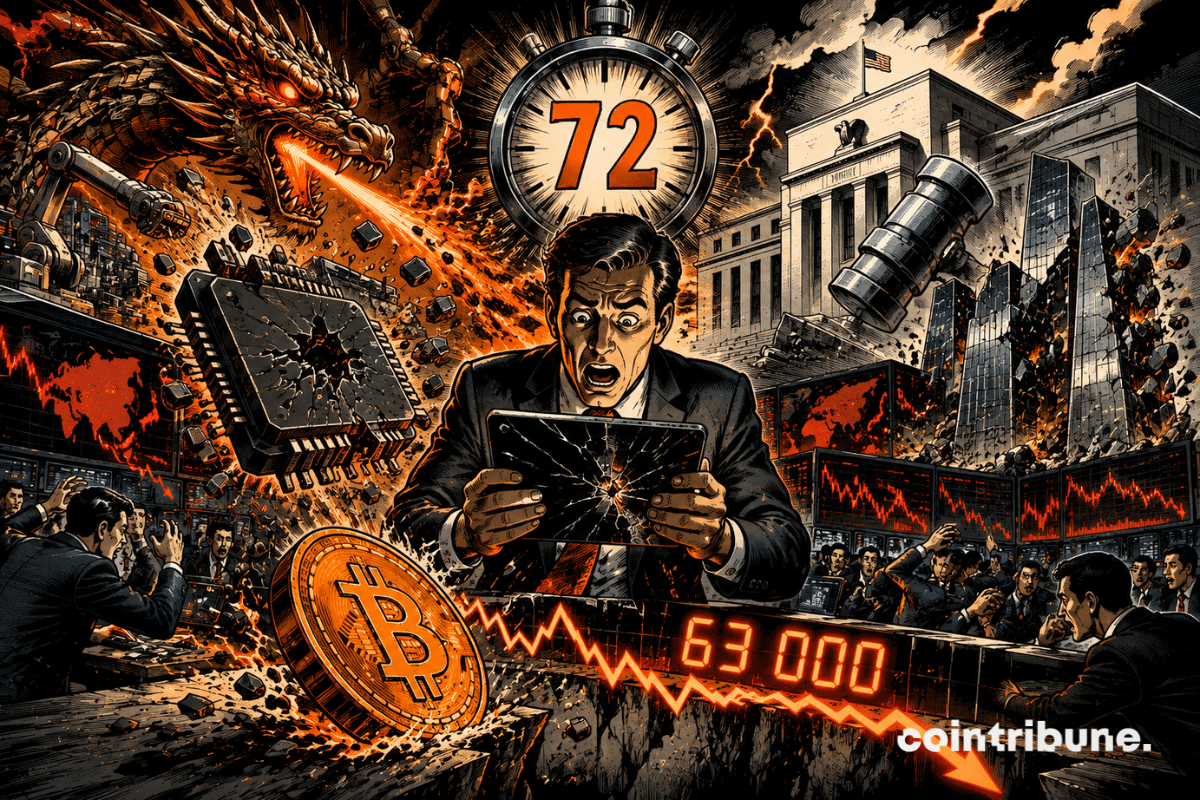
Bitcoin briefly fell below $63,000, driven by a sharp correction in global technology stocks. The rout of chipmakers in Asia, doubts about AI financing, and the threat of a US rate hike triggered a widespread risk-reduction movement.
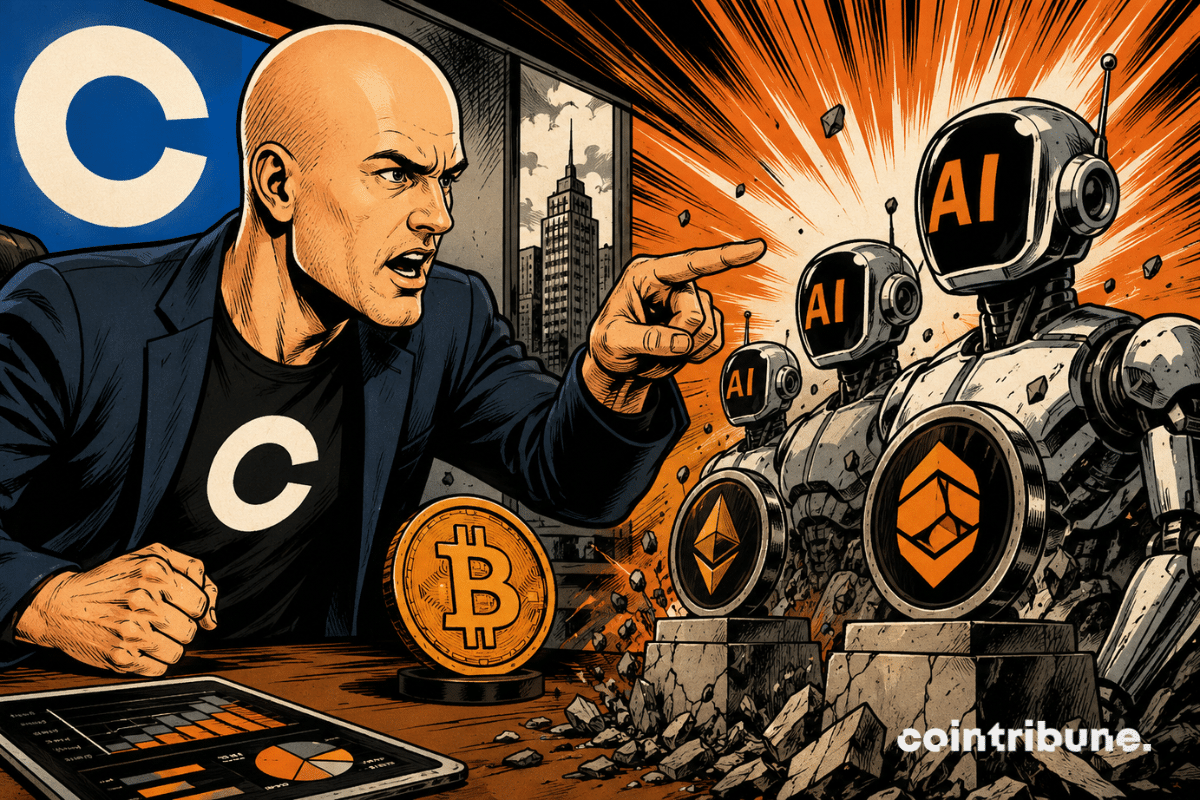
The cryptocurrency sector is going through a new phase where several companies are redirecting their communication towards AI. This evolution is causing reactions within the industry, notably at Coinbase. Its CEO, Brian Armstrong, believes that this opposition between blockchain and artificial intelligence is based on a misreading of technological developments. According to him, these two fields should not be considered competitors but as technologies capable of working together to support future digital uses.
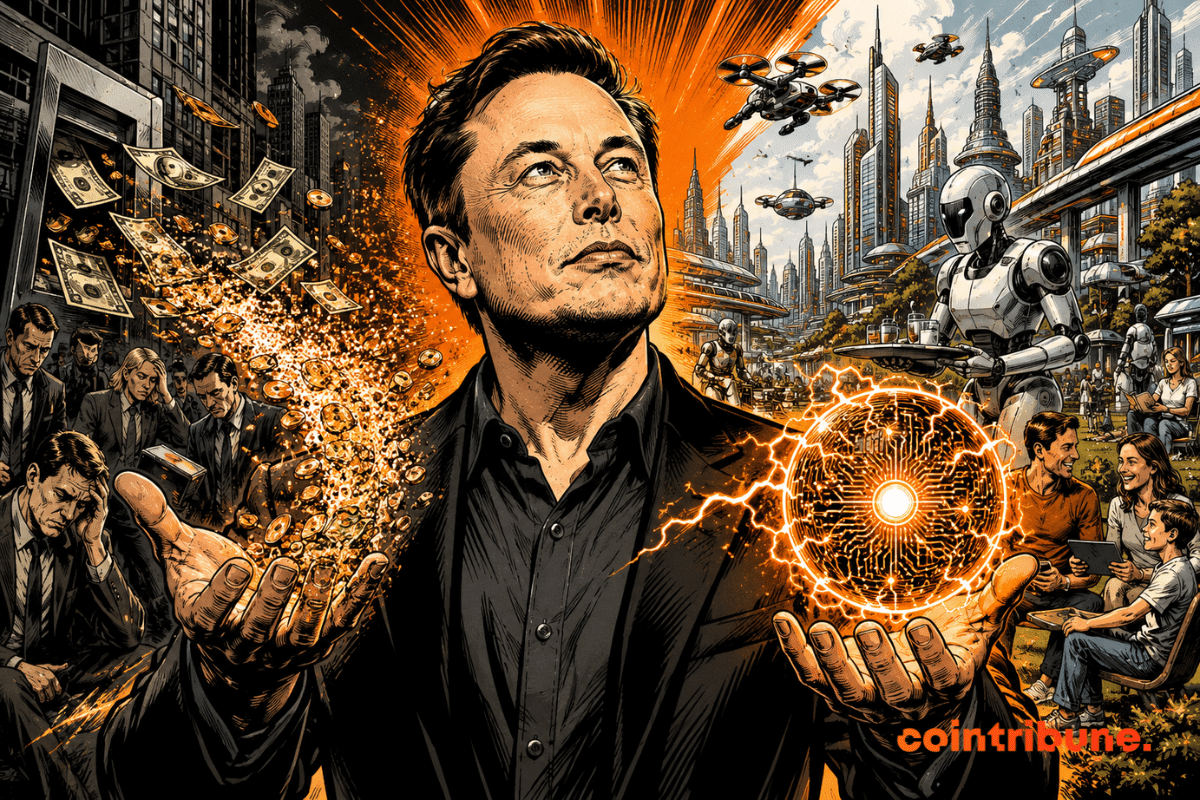
In an interview with The Economist, Elon Musk predicts that money will disappear by 2036. Analysis of his economic theory.
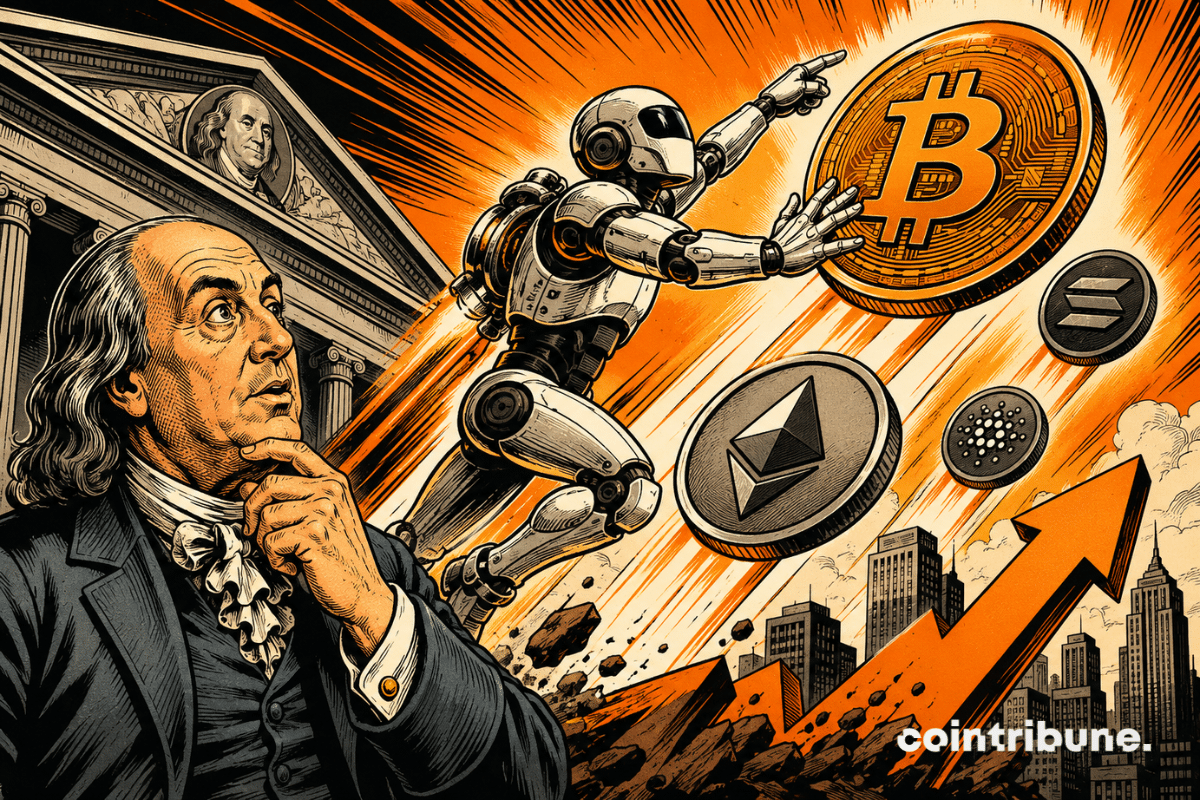
The rapid advances of autonomous agents are reigniting the debate over the infrastructures that will support tomorrow's digital exchanges. In this context, Franklin Templeton believes that AI could transform the way payments and transactions are made. The asset manager considers that crypto will occupy a central place in this evolution thanks to blockchain networks. This analysis is based on the rise of agents able to act alone, make payments, and execute complex tasks after authorization from their user.
Bitcoin is experiencing a very difficult month of July. Indeed, institutional investors are massively withdrawing their capital from tech stocks and the military situation in the Middle East is deteriorating. This has a direct negative impact on the crypto market, which now suffers from strong risk aversion. Such macroeconomic pressure from both sides weakens Bitcoin's summer trend and pushes investors to reduce their investments. Today, every move in global markets can worsen Bitcoin's correction, increase volatility, or change forecasts for the rest of the cycle.
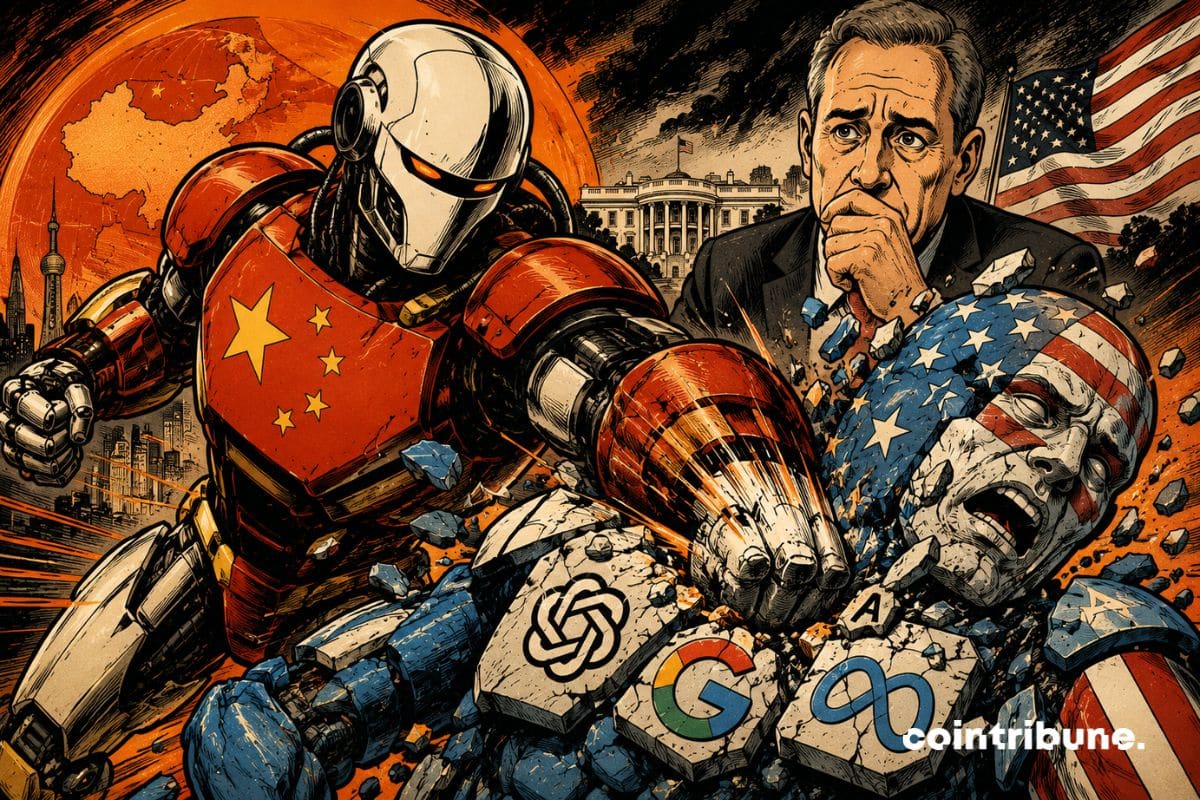
American records are broken by the Chinese AI Kimi K3. The alarm is raised by controversial tech star David Sacks. In the AI war, is the United States losing? The battle is far from over due to oppressive rules and open-weight models.
For her first appearance post-OpenAI, Mira Murati unveils an open-weights AI model. Discover the technical details of this innovation.
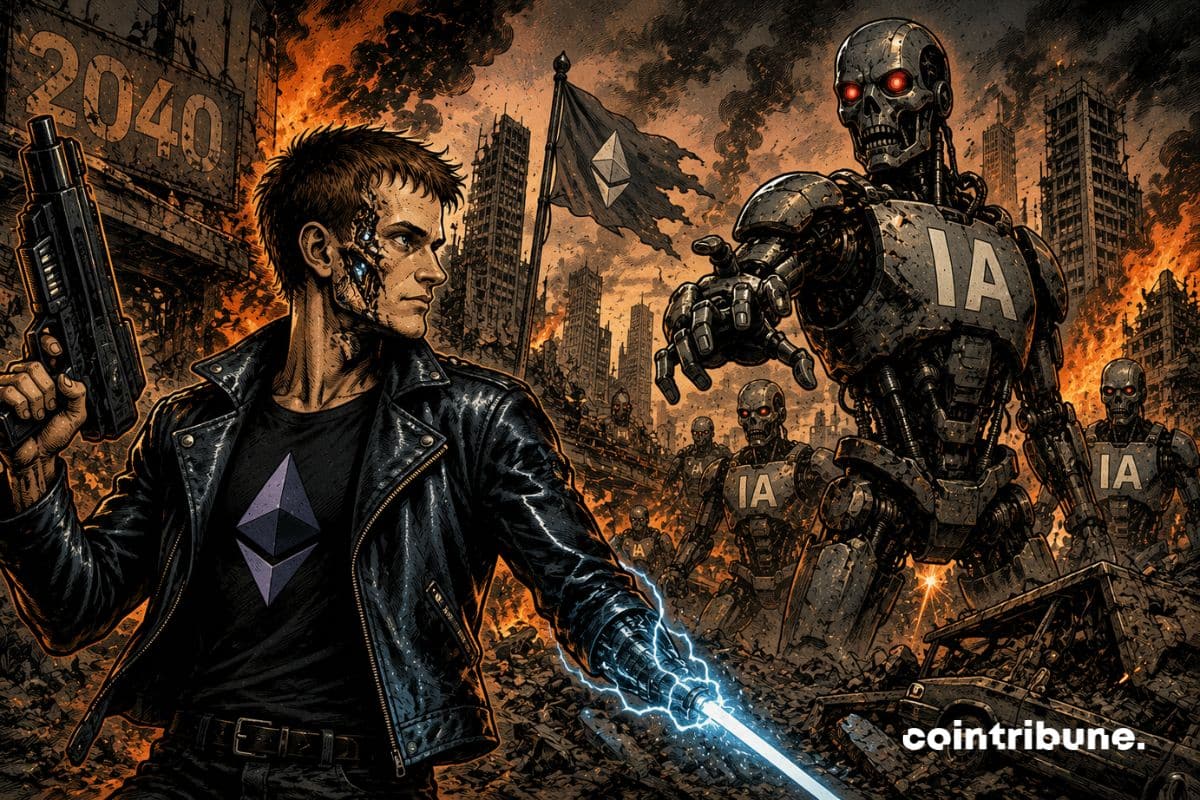
By 2040, will AI save us or destroy us? The alarm is set off by Vitalik Buterin. Could Ethereum be our last line of defense against an uncontrollable superintelligence in the midst of apocalyptic scenarios and decentralized hopes?
Bitcoin is approaching two major forks scheduled for August 2026. The first, BIP-110, aims to limit certain data recorded on the network. The second, eCash, aims to create a separate chain with new rules. Two very different projects, but the same risk: reigniting the debate about what Bitcoin should remain.
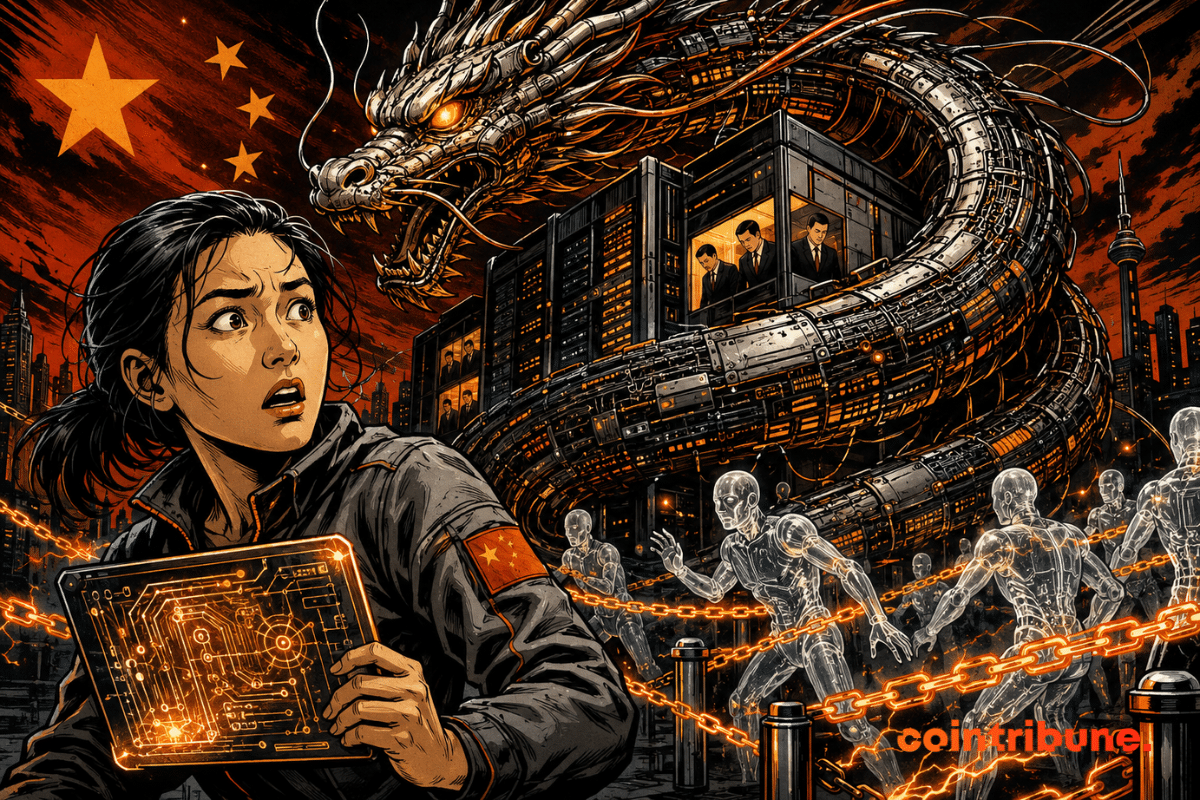
China forces ByteDance and Alibaba to disable certain personalized AI agent functions before new rules take effect on July 15, 2026. Beijing aims to regulate services capable of simulating a human personality, an intimate relationship, or prolonged emotional interaction.
Central banks are alarmed by agentic AI because they fear a financial collapse. Cathie Wood believes that Bitcoin will save the system. Systemic risk or revolution? Explore the core of the controversy rocking international finance.
Ethereum changes course: Vitalik Buterin unveils a roadmap focused on quantum resistance. Read our full analysis.
Just after the GENIUS Act was passed, two Republican senators proposed to shield American AI from foreign threats. There are significant geopolitical, economic, and moral implications to this initiative. A bold plan that poses a risk to the United States itself?
Anthropic unveils Claude Science, OpenAI responds with GeneBench-Pro: the AI rivalry extends to global scientific research.
After Anthropic, it is OpenAI that yields: the AI model GPT-5.6 subjected to a federal approval process before any release.
Meta is reportedly secretly working on ARENA, a points-based prediction marketplace. Without funding, this project has the potential to transform the industry or fall into the same category as Mark Zuckerberg's previous failures.