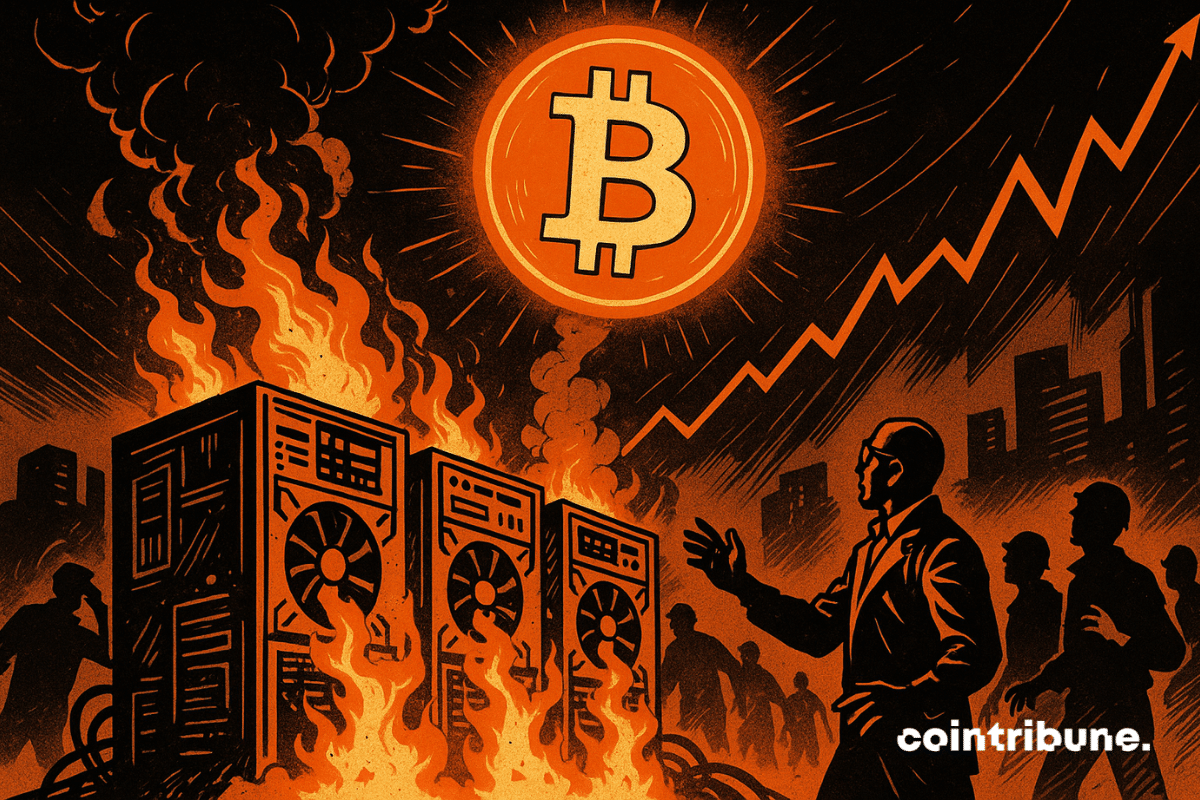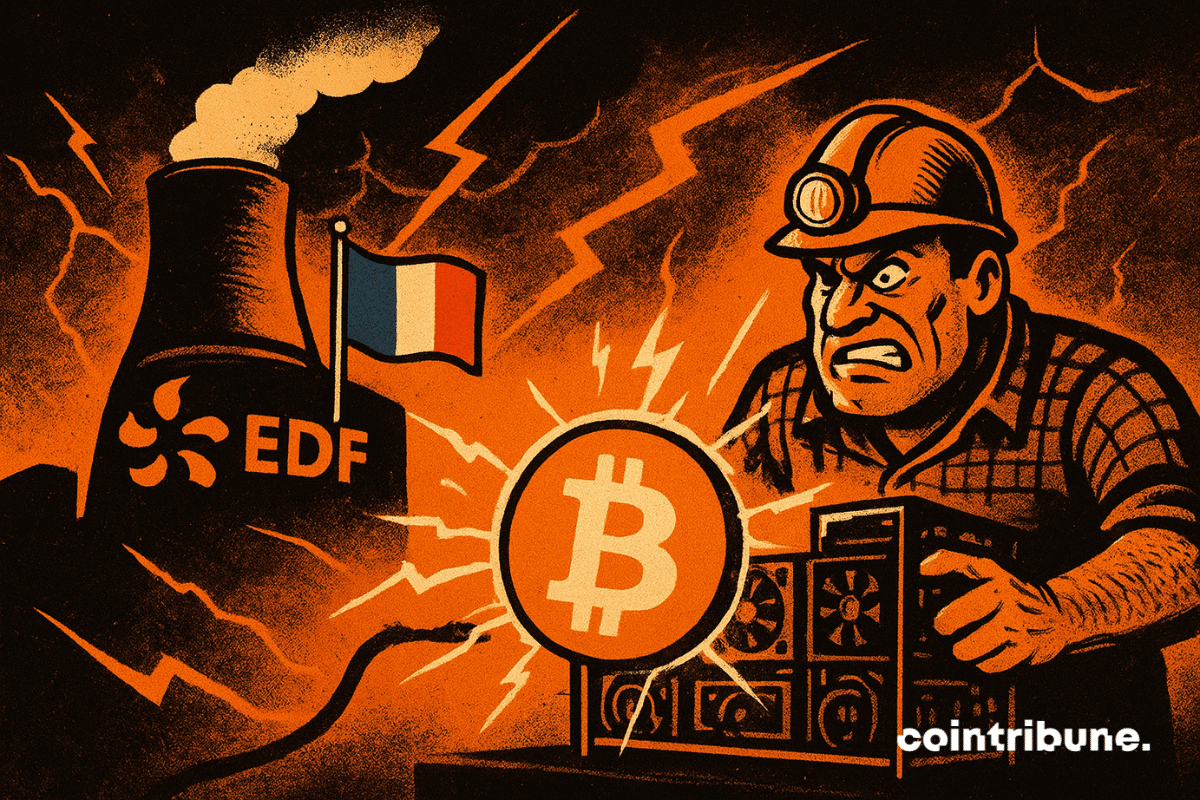
"While Bitcoin is catching its breath after a mining sprint, some miners are playing the capitalist ants. Not fools: produce, hold, and wait for it to soar. A strategy... not so cryptic."
As geopolitical tensions shake traditional markets, Bitcoin continues to demonstrate its resilience with remarkable cyclical performance. According to Glassnode, the leading cryptocurrency has shown a gain of 656% since 2022, a progression that draws the attention of analysts.
June 13, 2025 marks a turning point in the Iran-Israel conflict. Massive Israeli strikes targeted the heart of the Iranian military infrastructure. Iran retaliated later that evening with 300 ballistic missiles, crossing a new threshold in this long-standing war.
While some stash their gold under the mattress, Binance piles up billions in bitcoin... and no need for a Swiss safe for crypto to keep shining!
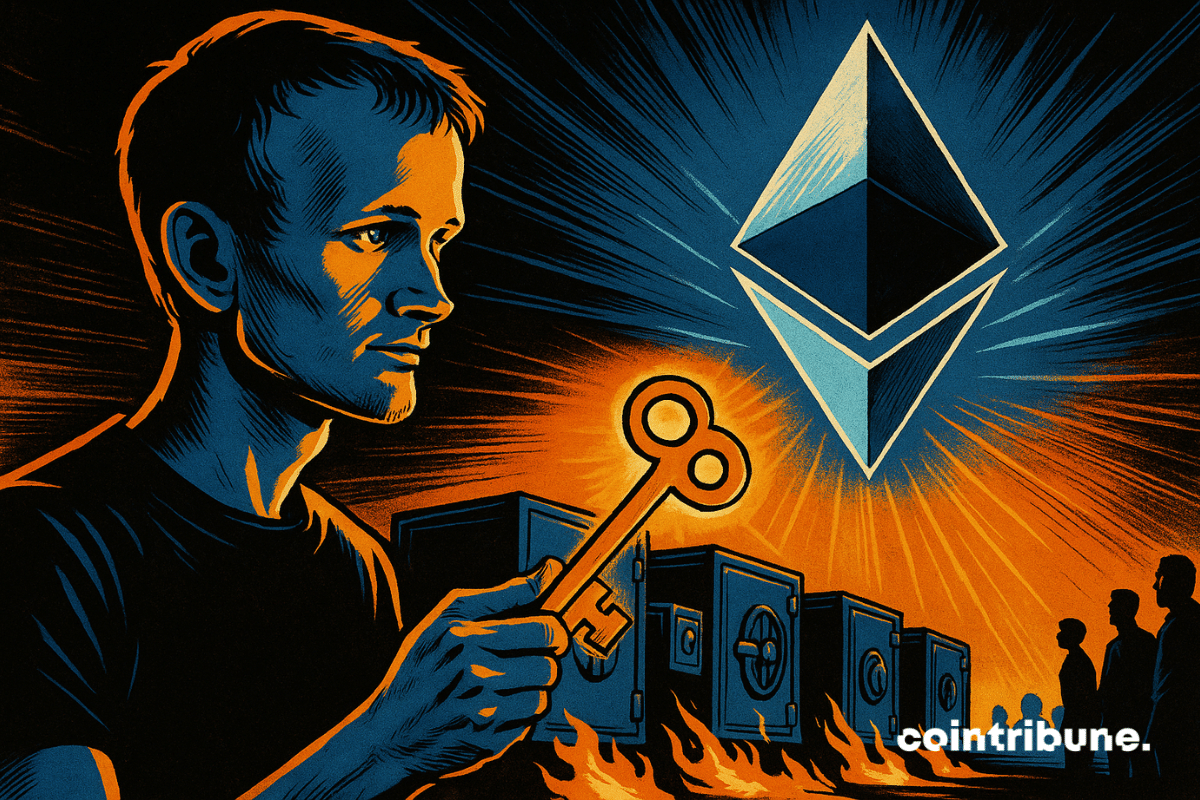
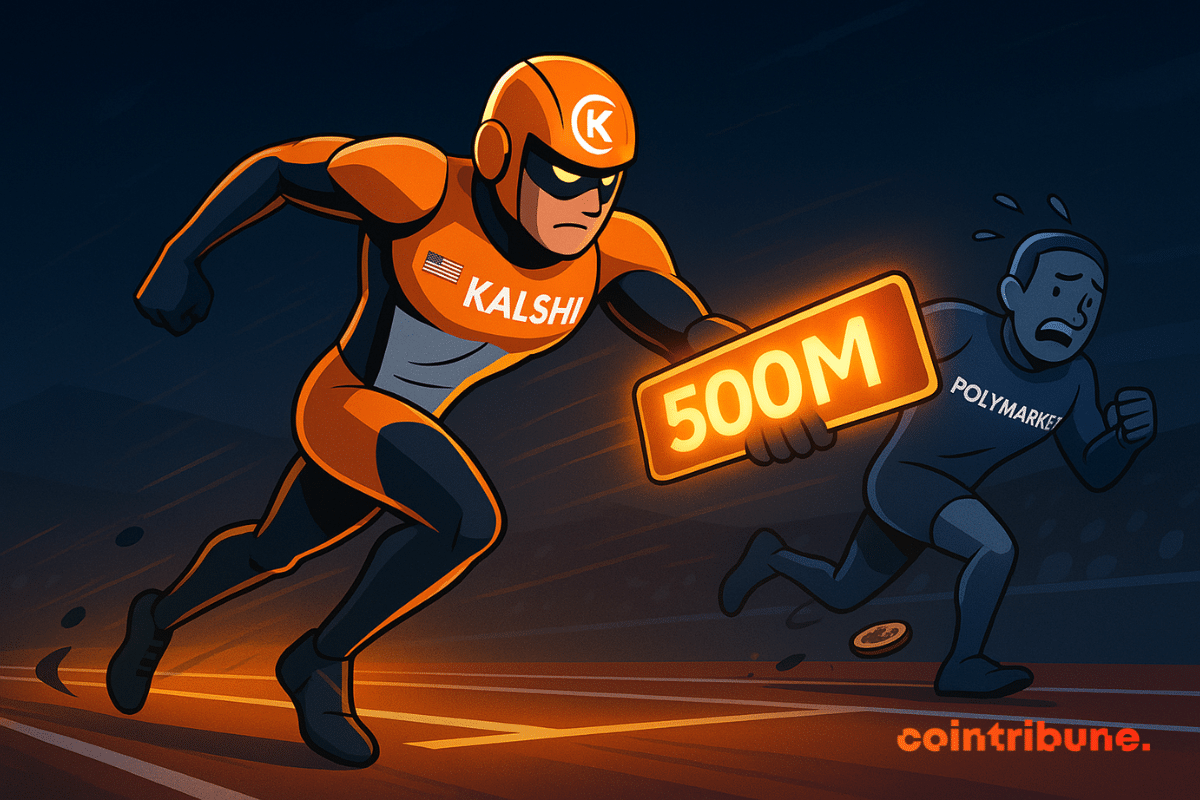
Despite a sluggish market, Ethereum rekindles interest on two major prediction platforms. Far from institutional analyses, it is thousands of anonymous traders injecting millions of dollars into a bet as bold as it is unexpected: seeing ETH climb to $6,000. This speculative resurgence, fueled by Polymarket and Kalshi, awakens interest around an asset whose trajectory seemed frozen. Behind these bets, a conviction persists: the major movements of Ethereum are not behind, but yet to come.
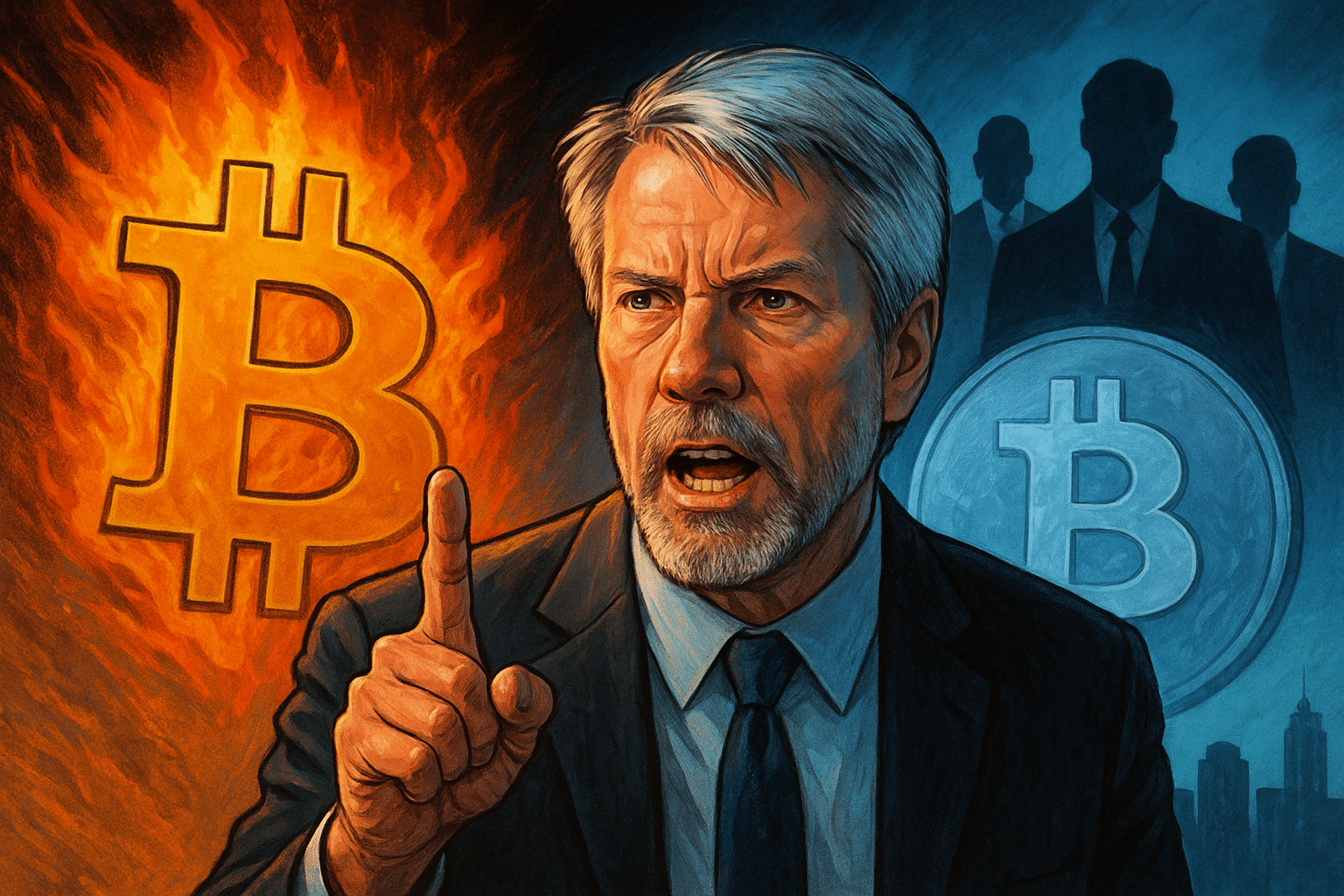
As tensions mount between Israel and Iran, Michael Saylor revives the machine. The co-founder of Strategy (formerly MicroStrategy), a fervent advocate of bitcoin, suggested this weekend a new massive purchase of BTC. This announcement comes in an explosive context, with targeted strikes in Tehran and risks of regional escalation. Against the grain of traditional markets, Saylor confirms his accumulation strategy, once again defying the logic of cycles and crises.
In a world where every geopolitical explosion shakes the financial markets, crypto seems strangely unflappable in the face of recent tensions between Israel and Iran. Yet, this apparent serenity may only be temporary. How long can greed, an irrational but powerful driver, keep the sector afloat?
Schiff gets carried away, gold soars, bitcoin wavers. What if behind the raging tweets lies a discreet farewell to the digital utopia?
Israeli airstrikes against Iran are disrupting the calculations of the American Federal Reserve (Fed). While Donald Trump is ramping up pressure for monetary easing, central bankers must now contend with a new factor of uncertainty: the geopolitical escalation that is driving oil prices up.
The world is faltering, but Bitcoin holds strong. While missiles rain down in the Middle East and traditional markets hold their breath, an almost surreal dynamic is taking shape: investors are pouring billions into Bitcoin ETFs. Under normal circumstances, so-called "risky" assets flee at the slightest geopolitical tremor. But here, it's the opposite. It seems as if Bitcoin is in the process of changing its status: from speculative asset to emerging safe haven. This very real metamorphosis is rooted in a series of recent events that it would be reckless to ignore.
Seven giants align for Solana ETFs, the SEC plays the waiting game: suspense, thrills, and staking in the plush backrooms of the American regulatory temple. Stay tuned...
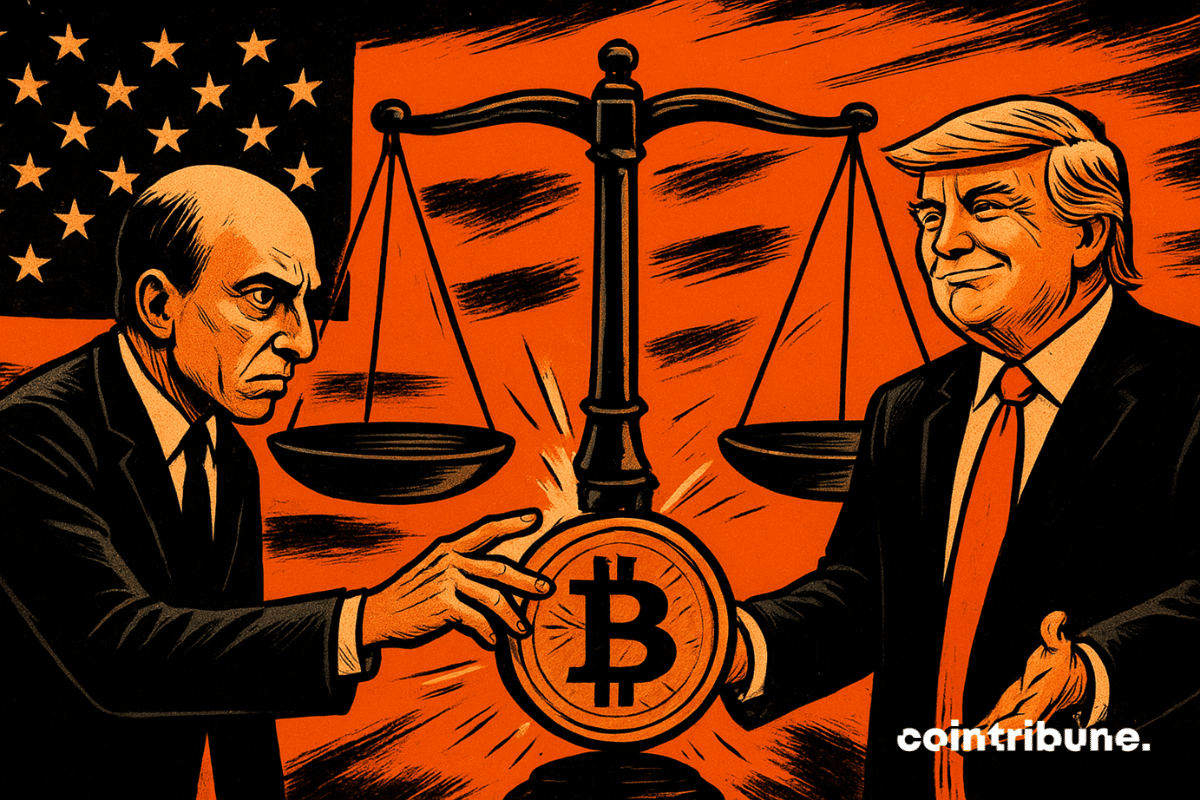
The announcement fell like a stone in a pond: Trump Media and Technology Group (TMTG) has taken a decisive step. The Securities and Exchange Commission (SEC) has officially approved the registration of its financial agreement related to Bitcoin. This approval gives the company a free hand to integrate crypto into its cash strategy. And like its founder, the initiative is anything but timid.
At a time when financial distrust spreads in a click, a TikTok video posted at the end of May has reignited fears of increased state control. It claims that starting from October 2025, any transfer of more than 800 euros between individuals would be blocked for 24 hours for tax verification. Within a few days, the rumor has caused unrest among thousands of French citizens. What does the regulation actually say? And why is this viral announcement completely unfounded?
And what if the greatest store of value of tomorrow was no longer backed by a state, but coded into a protocol? In a world plagued by inflation and soaring sovereign debt, Bitcoin is increasingly establishing itself as a credible alternative to U.S. Treasury bonds. Hunter Horsley, CEO of Bitwise, argues that this transition is no longer a marginal theory, but a fundamental trend driven by growing adoption and disenchantment with traditional safe havens.
Donald Trump generated over 600 million dollars in 2024, with a major portion coming from the crypto universe. This figure, drawn from a financial disclosure document signed on June 13, confirms the president's strategic entrenchment in the crypto ecosystem. Between memecoins bearing his name and large-scale DeFi operations, Trump is no longer just observing the market: he is becoming a central player, with major financial and political stakes.
Ethereum is beginning to show signs of renewed strength after a quiet stretch. Over the past week, the digital asset has risen more than 3%, despite a brief pullback in the last 24 hours. That short-term dip hasn’t dampened interest. In fact, recent data shows Ethereum may be setting the stage for a more sustained upward move.
As the crypto market desperately seeks direction, the U.S. Senate is set to lay the groundwork for a legal framework for stablecoins. The vote on June 17 could very well reshuffle the deck for both institutions and digital giants.
As Israel bombs, Iran fumes, and the markets stir, the old wolves of Bitcoin are shopping. Panic among traders, calm among strategists…
The real estate credit market, long stagnant, is beginning a clear recovery. In two months, the demand for loans has almost doubled, driven by a decrease in rates and a reopening of bank lending. After two years of blockage due to the sharp rise in the cost of money, this turnaround was expected. However, is this improvement sustainable or just a simple catch-up effect? While April marks a turning point, the sector is questioning: are we witnessing the beginning of a cycle or a fragile pause?
Cardano is launching a strategic offensive in the field of decentralized finance. Charles Hoskinson, its iconic founder, is proposing to invest 100 million dollars in ADA to boost the DeFi ecosystem of the blockchain. But will this ambitious initiative be enough to reposition Cardano against an increasingly aggressive and innovative competition?
Polkadot wants to trade its tokens for bitcoin in the midst of a cryptocurrency storm. A bold maneuver that shakes purists... and makes lurking maximalists smile.
SharpLink innovates by becoming the first company listed on Nasdaq to hold a reserve of Ethereum.
Concerns grow over Malta’s quick crypto licensing under MiCA, raising questions about fair enforcement across the EU.
While attention is focused on upcoming regulations and emerging ETFs, a lesser-known technical indicator is reshuffling the deck. XRP is seeing a fourfold increase in its realized market capitalization compared to that of Solana. This capital shift suggests a deeper and unexpected market dynamic, counter to the visible enthusiasm for Solana. Behind this metric, a change in investor perception seems to be emerging, giving XRP a central role once again in the altcoin arena.
A scam involving NFTs is shaking up the world of professional football. In Spain, six high-profile players, including an Argentine world champion and two former stars of FC Barcelona, are the subject of a judicial investigation. Accused of lending their image to a blockchain project resembling fraud, they are said to have helped ensnare thousands of investors. The case, with complex financial ramifications, sheds light on the possible excesses when sporting fame and crypto technologies intertwine without safeguards.
The stock market has its moods, but sometimes, it is mostly its fears. And this Friday, fear prevailed over everything else. An Israeli strike against Iran was enough to cause an immediate shock on global markets, reminding everyone that indices are never completely disconnected from the sound of bombs. In New York, the Dow Jones dropped more than 600 points right at the opening. A brutal collapse that owes nothing to chance, but everything to geopolitics. In this unstable equation, volatility has become the norm again, and the stock market a sounding board for the real world.
American retail giants Amazon and Walmart are currently exploring the issuance of their own dollar-backed stablecoins. This initiative, still in the exploratory phase, could ultimately disrupt the online payment landscape and further reinforce the hegemony of the US dollar.
While the bombs are falling, Solana climbs, XRP gets excited, and ETFs stir the crypto pot. Should we see geniuses or arsonists behind these digital surges?
In just a few hours, cryptocurrencies have faltered under the weight of a major geopolitical event. Following Israeli strikes in Iran, over one billion dollars in positions were liquidated, taking with them the market's recent gains. This is not just a simple episode of volatility, but a tangible sign that these assets, which stem from a promise of sovereignty, remain exposed to real-world shocks.
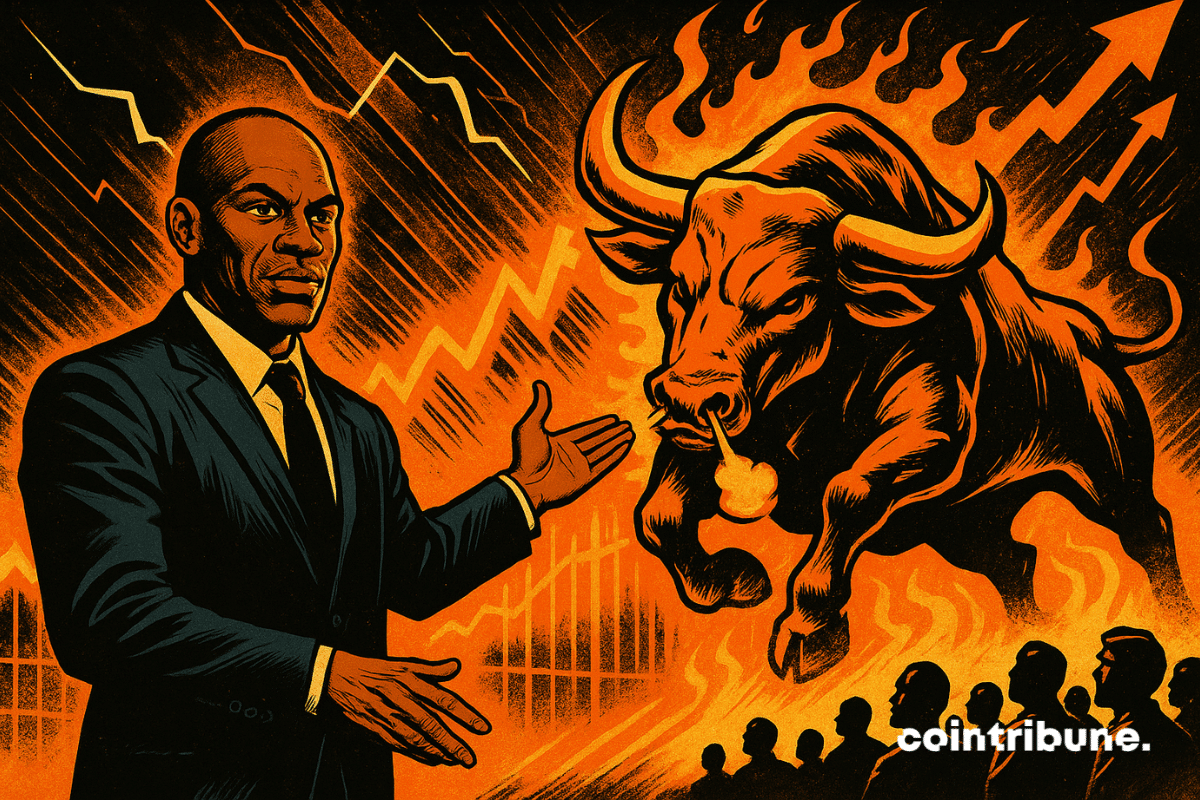
When Novogratz reads into the bubbles, he sees a seven-figure bitcoin. Prophecy? Deception? Or just a calculated bet from a mogul well-positioned to pull the strings?