Sat 23 Aug 2025 ▪
5 min read
▪
by
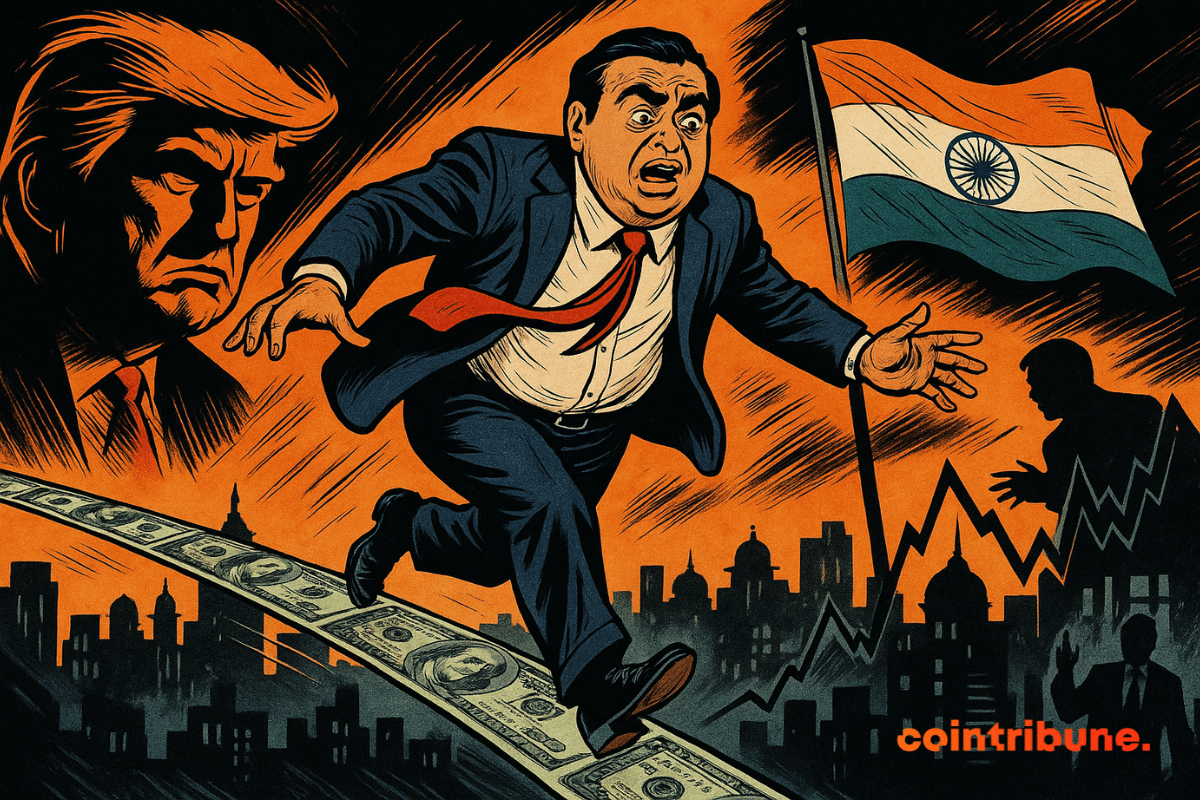
Ambani, once favored by Trump, ends up grilled by Russian oil. When the Indian economy irks Uncle Sam, it smells like hot oil and diplomatic frying.
Ambani, once favored by Trump, ends up grilled by Russian oil. When the Indian economy irks Uncle Sam, it smells like hot oil and diplomatic frying.
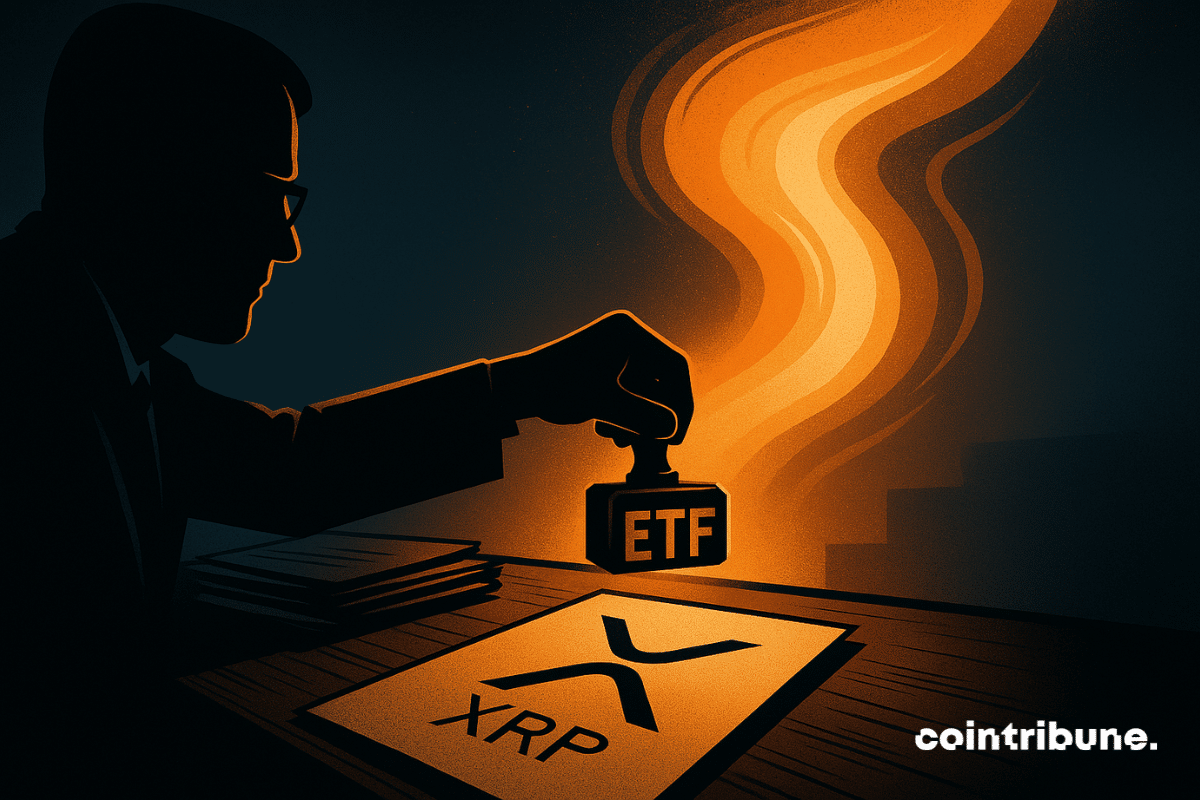
This Friday, seven heavyweights in asset management, including Grayscale, Bitwise, and 21Shares, simultaneously amended their filings with the SEC as part of the proposal for a spot ETF based on XRP. Such a coordinated offensive, unprecedented for this asset long on the fringe of the institutional field, reflects a strategy of adapting to the demands of the American regulator. In a still unclear regulatory climate, these steps mark a possible turning point for the integration of XRP into institutional portfolios.
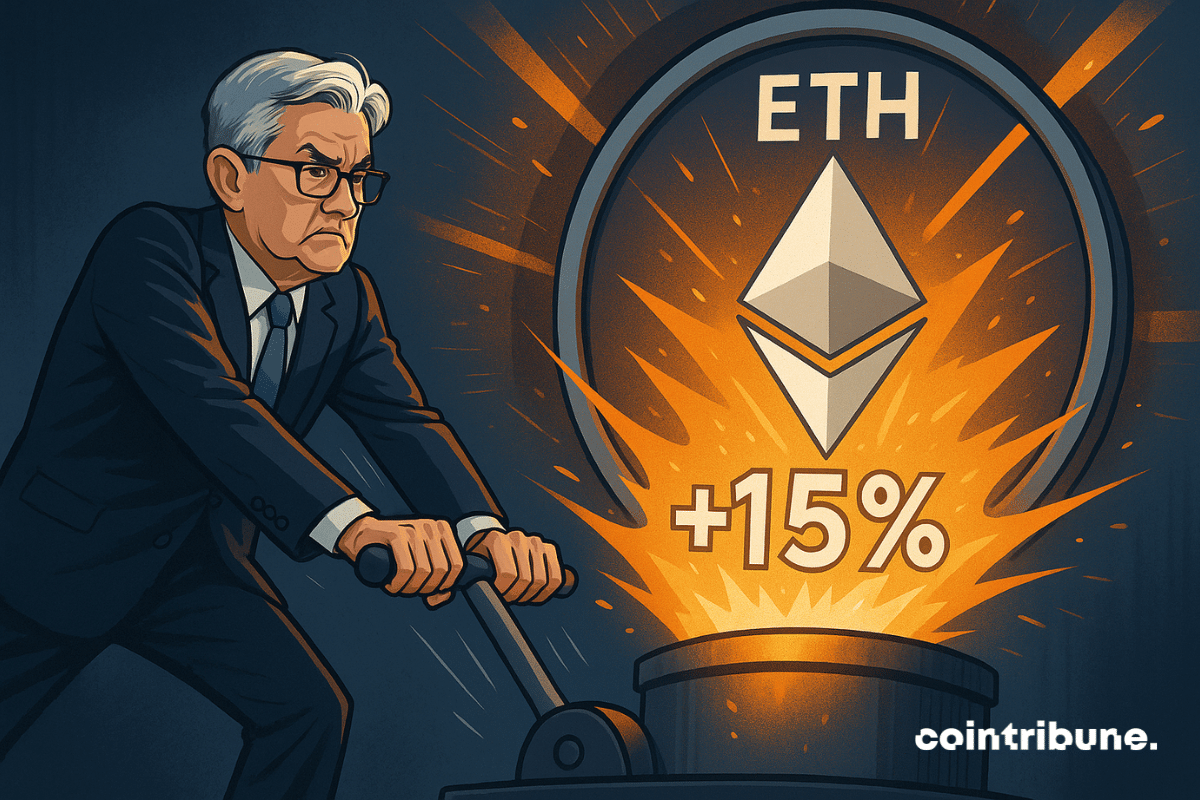
While traditional markets seek new momentum, Ethereum confirms its central role in the digital financial ecosystem. This Friday, ETH crossed a historic threshold at 4,880 dollars, surpassing its 2021 record. This symbolic peak is part of a global crypto market rally, driven by a more accommodative tone from the Fed and renewed interest from institutional investors. The event marks a strategic turning point for Ethereum, now seen not merely as a speculative asset but as a pillar of future financial infrastructures.

The announcement of the launch of mUSD, Metamask's native stablecoin, marks a strategic milestone for the crypto ecosystem. Indeed, by partnering with Bridge, a Stripe subsidiary, and the decentralized infrastructure M0, Metamask is not just adding a feature: it is reshaping the contours of decentralized finance as we know it.

Jerome Powell caught everyone off guard at Jackson Hole by adopting a much more accommodative monetary stance. This unexpected change in tone immediately boosted risky assets. Bitcoin, at the forefront, broke through $116,000. This strategic reversal could mark a major turning point in the Fed's direction.
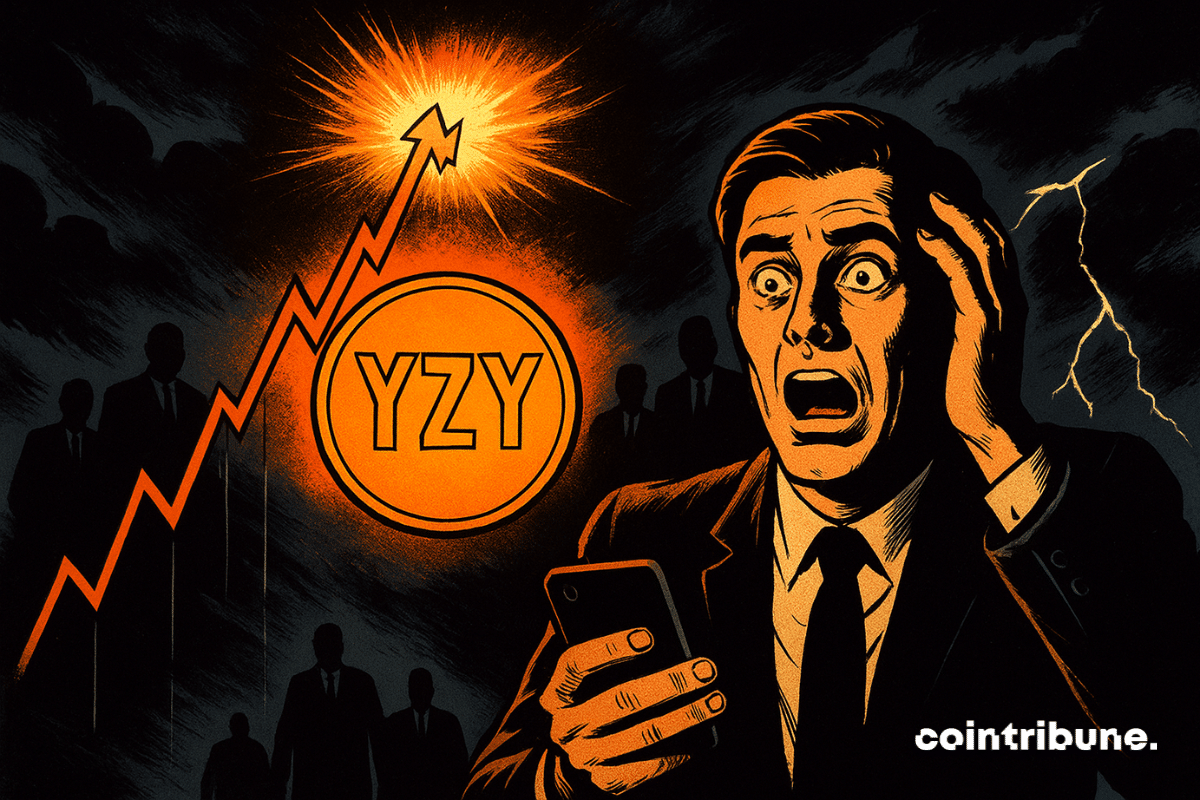
Rapper Kanye West, who now goes by Ye, entered the cryptocurrency market with a splash after unveiling his YZY token on Solana. Within 40 minutes of its launch, the token briefly reached a market capitalization of $3 billion. But momentum soon died away when news leaked out about insider control and suspect trading practices arousing suspicion amongst traders and analysts.

A high-ranking U.S. Department of Justice (DOJ) official has sparked fresh crypto regulatory chatter after stating that the department will not prosecute blockchain software developers who do not hold criminal intentions. As expected, this statement has triggered mixed reactions from different corners of the cryptosphere.

Trump-backed DeFi project World Liberty has launched its USD1 stablecoin on Coinbase, expanding trading access and market adoption.

Hyperliquid has just smashed a world record that redefines the meaning of efficiency. The young decentralized exchange is now generating $1.127 billion in annual revenue, with only 11 contributors. That comes out to a staggering $102.4 million per employee. No company, crypto or traditional, has ever reached this level of productivity.
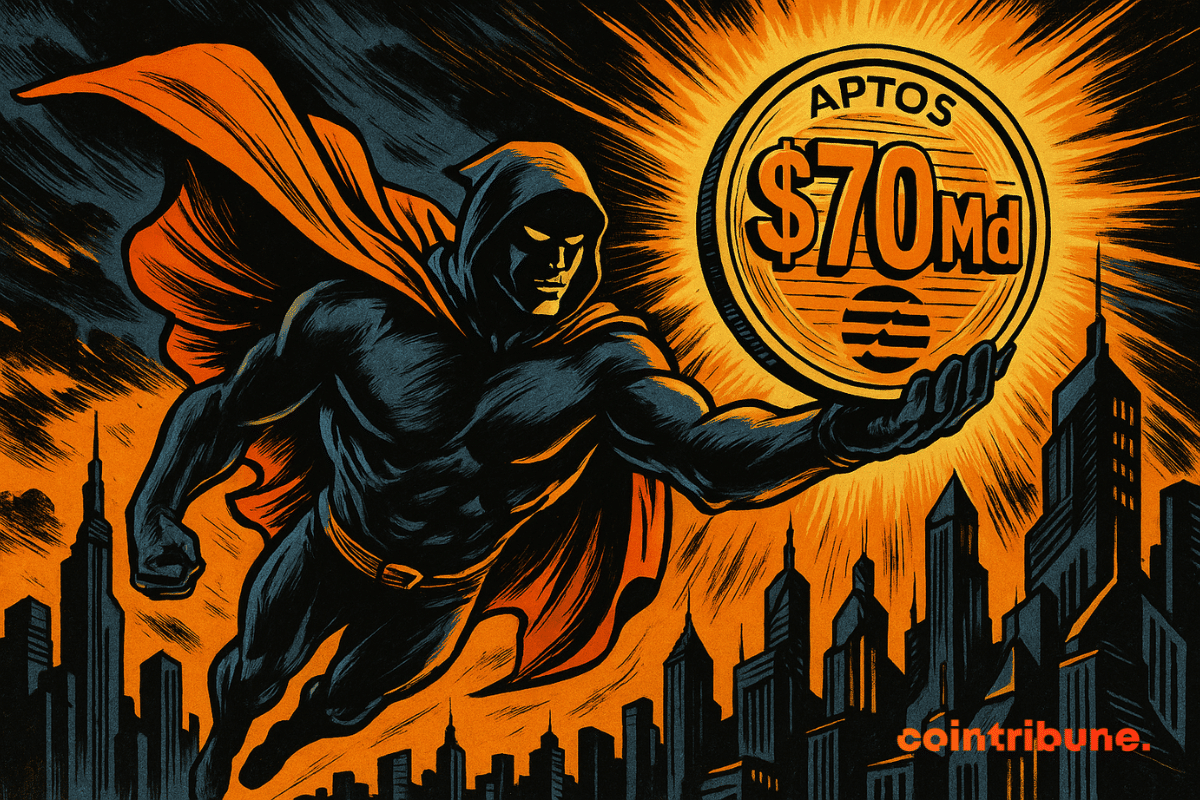
The boom of stablecoins and the crypto industry breathed a contrastive and lively breath. To some speculative frenzy responds the quest for efficiency of others. Amid this turmoil, Aave advances by leaps and bounds. Backed by $70 billion in aggregated deposits, the protocol expands its territory on Aptos, a non-EVM blockchain designed for performance. A disruptive strategy, designed to chase speed, security, and new liquidity flows all at once. A new chapter of DeFi is being written, between institutional ambitions and technical pragmatism.

Starknet governance has approved SNIP-31, a proposal that will allow Bitcoin to be staked on the Ethereum Layer 2 network. With 93.6% of voters backing the measure, the upgrade introduces Bitcoin into Starknet’s consensus process alongside its native token, STRK.
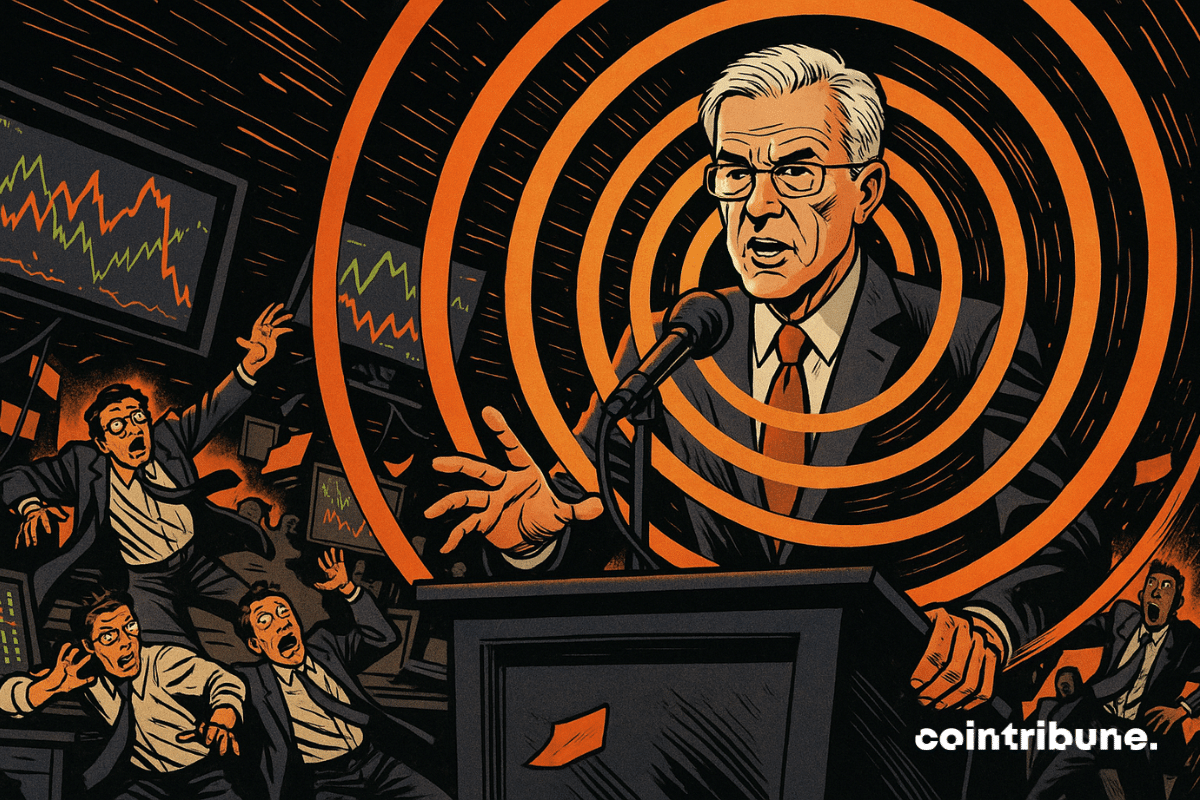
This Friday, the chairman of the Federal Reserve could deliver his last major speech, in a tense economic context and under unprecedented political pressure. Wall Street, the White House, and all markets are waiting for clear signals. Rate guidance, stance on inflation, Fed independence: every word will count, and could weigh heavily.

While bitcoin captures media attention with its ETFs, Ethereum is advancing more quietly, but delivering superior performance. According to JPMorgan, this progress is no coincidence: record inflows into ETFs, growing appetite from companies, favorable regulatory signals… All concrete levers that reposition Ethereum no longer as a follower, but as a central player in the institutional crypto dynamic.
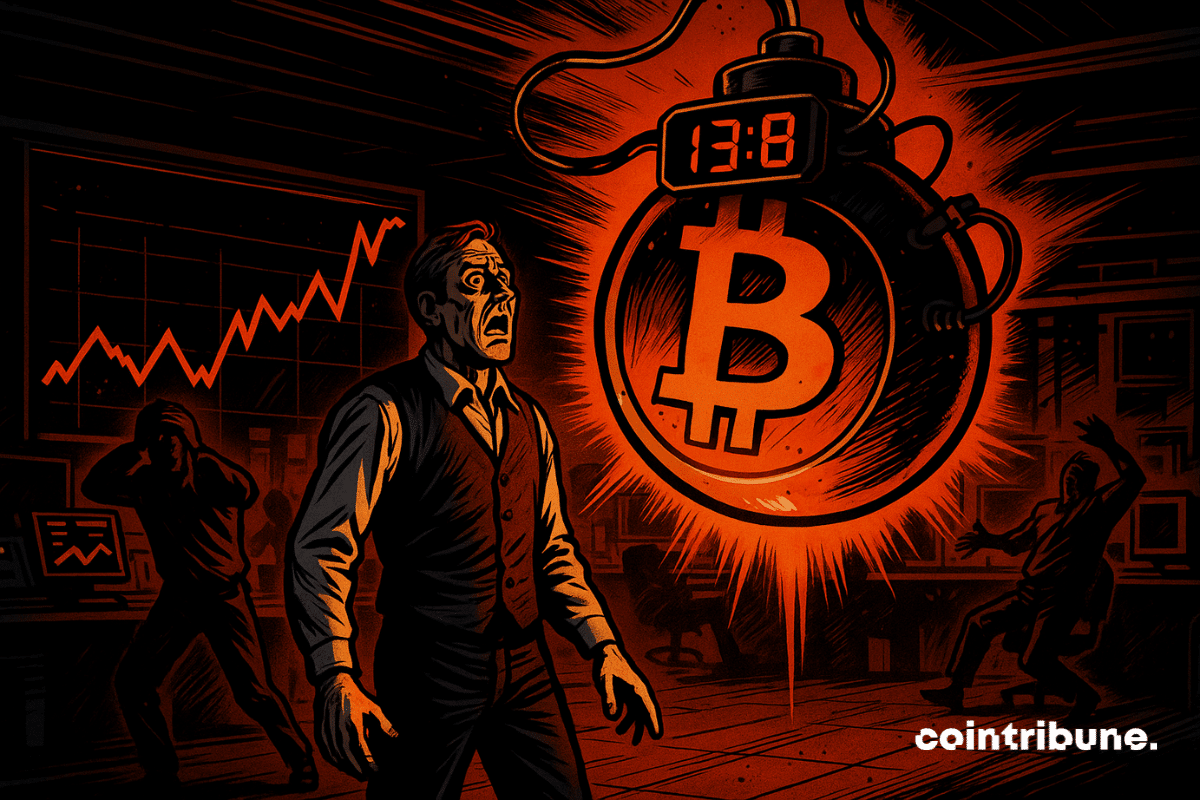
On August 29, $13.8 billion worth of Bitcoin options will expire, a deadline that could dictate the market trajectory. BTC just hit its lowest point in six weeks, heightening tensions between weakened buyers and sellers determined to defend their positions. More than just a technical event, this clash over derivatives crystallizes the uncertainty surrounding Bitcoin's immediate future.
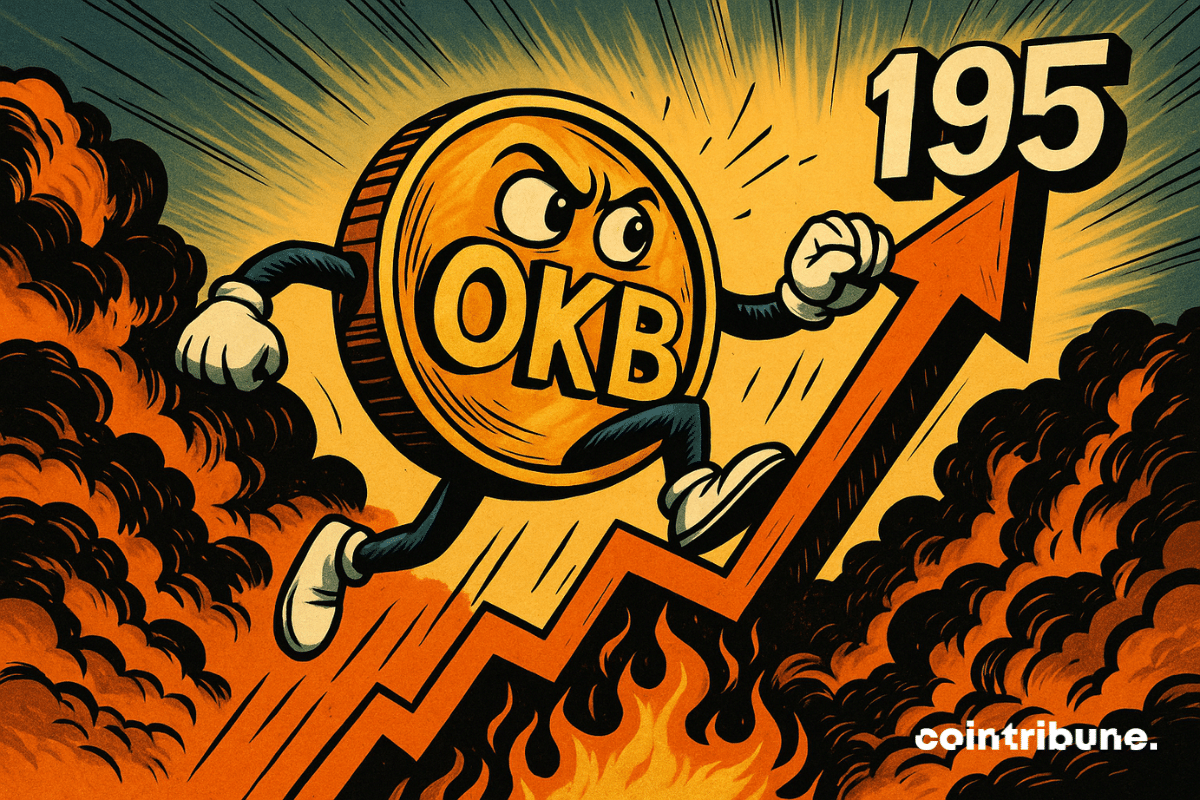
While Bitcoin catches its breath, OKB burns 93% of its reserve, soars to the sky, flirts with a liver crisis… and quietly builds its kingdom on X Layer.

Global cybersecurity is facing an unprecedented challenge: organizations must simultaneously comply with NIS2, prepare for post-quantum migration (NIST 2030-2035 deadlines), and implement a truly operational zero-trust. This convergence of constraints creates a unique window of opportunity for solutions that solve multiple problems at once.

Ethereum sees near-record daily transactions and active addresses, with institutional and whale activity shaping market interest.

Altcoins, including Chainlink, BNB, and Ethereum, are posting strong gains as Bitcoin’s momentum slows, hinting at a potential shift in the crypto market.
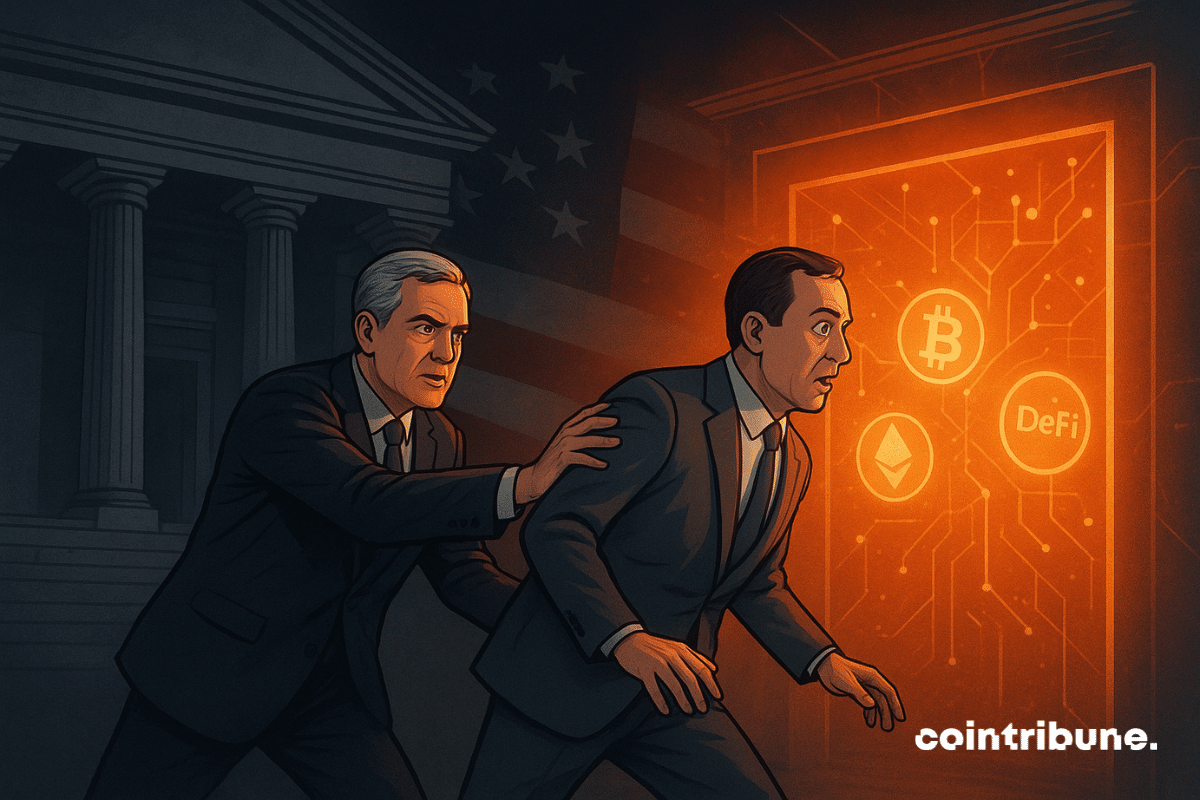
Federal Reserve Governor Christopher Waller has urged key personalities within the U.S. financial space to approach DeFi and stablecoins without fear. Waller believes that the crypto sector is here to stay and will continue to drive advancement in the U.S. payments system.

China is reportedly weighing whether to authorize yuan-backed stablecoins. It would be a major reversal of its restrictive crypto stance. According to Reuters, sources familiar with the matter say the State Council will review a roadmap later this month that could open the door to stablecoin issuance tied directly to the Chinese yuan.

When AI becomes too cold, even geeks cry. Altman puts heart back into the machine, after blundering faster than he codes. GPT-6, backlash or mirage?

Bitcoin reached a peak above 124,000 dollars… before collapsing below 115,000 in a few days. This brutal drop was not limited to the price. It triggered a massive capitulation of short-term investors, with billions liquidated at a loss. This rare on-chain shock reveals a deep psychological shift in the market. The bullish sentiment is wavering, and one question arises: is this a simple correction or the beginning of a lasting retreat?

Despite the drop in their popularity, NFTs still show 3.62 billion dollars in sales in 2025. Since 2017, they have accumulated 71.55 billion, with the majority on Ethereum. After the 2021-2022 boom followed by the 2023 slowdown, the market has stabilized. Less speculative, NFTs are now anchored in more concrete digital uses.

A group of crypto companies, financial institutions, and regulatory authorities has launched the Beacon Network. This network allows the rapid detection and freezing of stolen funds on the blockchain, bringing together players like Coinbase, Binance, Kraken, PayPal, and Ripple, alongside security researchers and law enforcement.
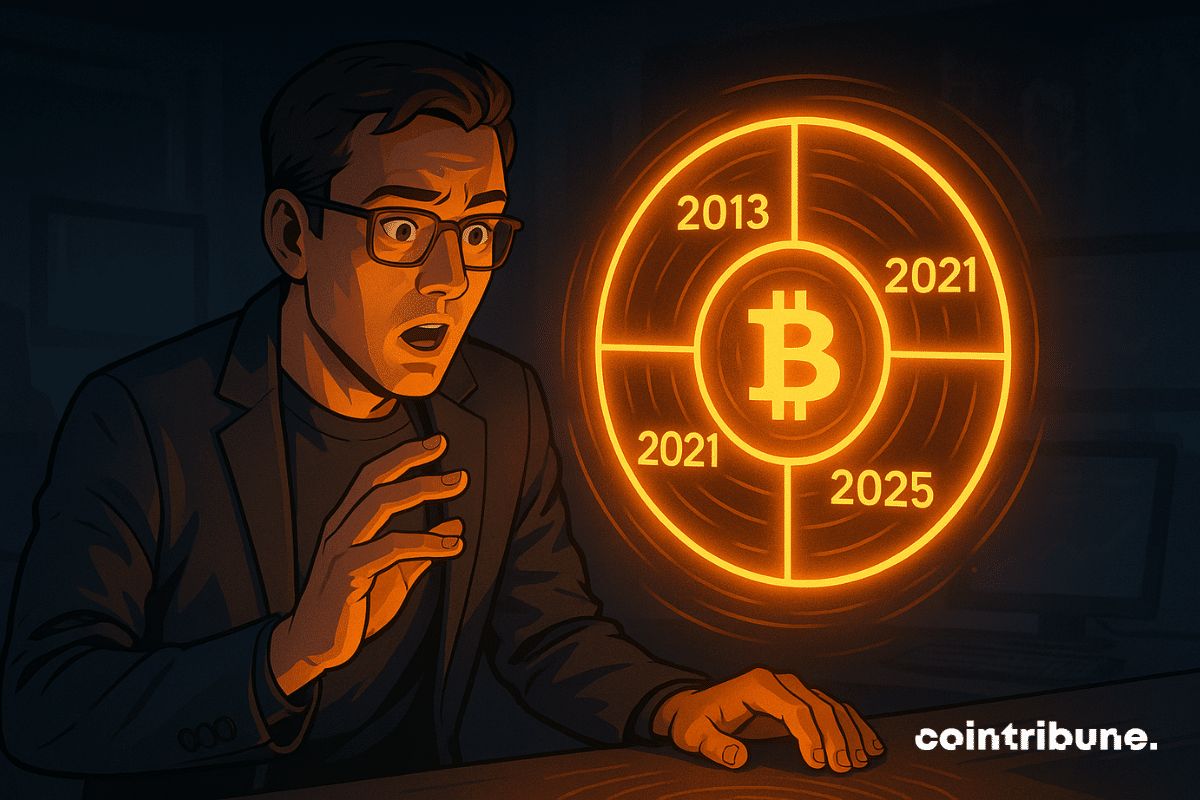
Despite predictions announcing the death of Bitcoin's traditional four-year cycle, Glassnode's analysis reveals troubling signals. The recent price movement echoes historical patterns, suggesting that the famous cycle could still dictate market pace. But this time, the stakes are different.

Elon Musk, a leading figure in tech and accustomed to strategic breakups, shook the American political scene by suggesting the creation of his own movement, the "America Party." The announcement, spectacular, promised a redefinition of the electoral game. But to everyone's surprise, the project is now suspended.

Bitcoin wavers approaching Jackson Hole. On Wednesday, August 21, the asset dropped sharply, reaching a 17-day low. This sudden decline rekindles suspicions of manipulation, as some analysts point to strange liquidity movements in order books, evoking the shadow of whales. Others urge caution, recalling that the nervousness could also come from macroeconomic uncertainty, as the highly anticipated speech by Jerome Powell, Fed chairman, looms on the horizon.

Bitcoin plunges to 113,000 dollars, triggering panic among retail investors. Technical analysis, institutional strategy, and potential bearish trap: discover why this correction could hide an unexpected buying opportunity for the most strategic.
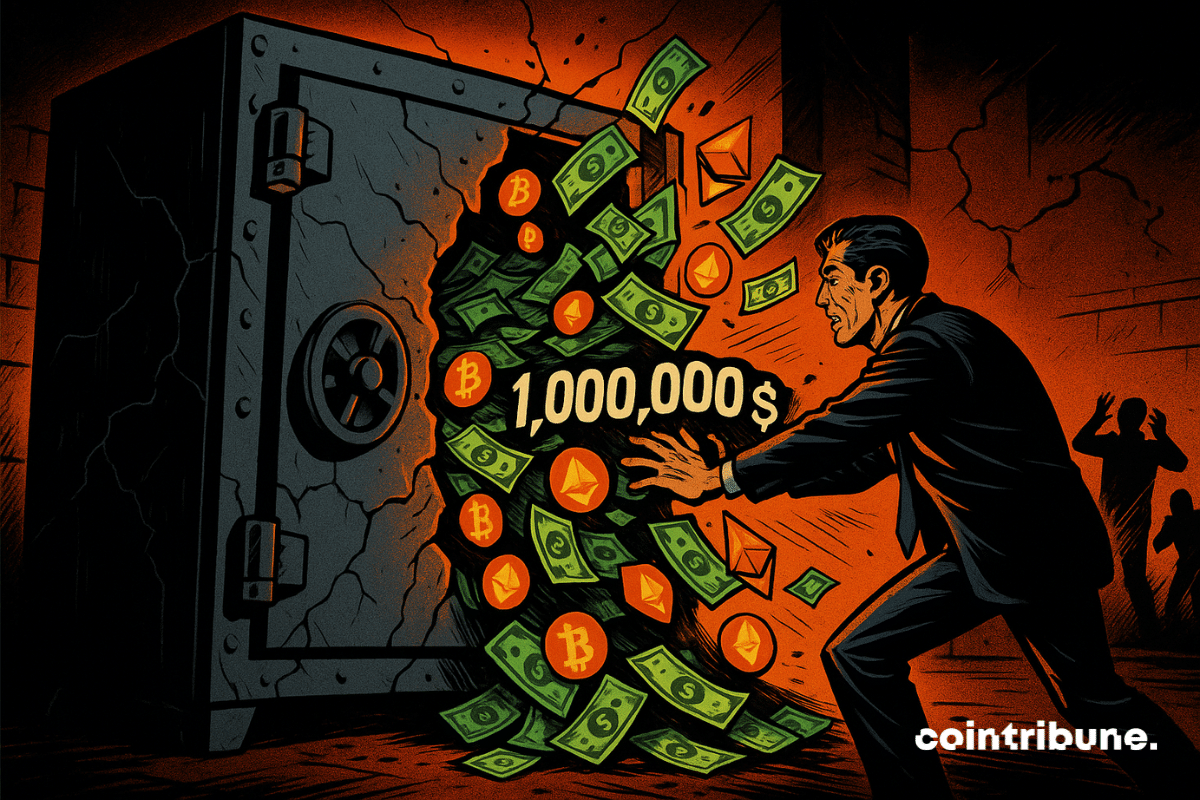
Crypto ETFs are going through their strongest turbulence zone in weeks. In a single session, nearly one billion dollars were withdrawn from funds backed by bitcoin and Ether, in a fragile market context. This wave of withdrawals, which coincides with a sharp drop in prices, reveals a reversal in investor sentiment. As the two flagship assets falter, institutional investor confidence also seems to be retreating.

After a difficult month marked by a drop in revenue and the breakthrough of LetsBonk, Pump.fun regains its leadership. The memecoin platform recaptured 73% market share, generating 13.48 million in one week, a record performance. This rebound is part of the broader recovery of the crypto sector, driven by renewed interest in memecoins.