
Mon 28 Sep 2026 ▪
7 min read
▪
by
Jean Philanthrope takes social media by storm as questions over his identity grow and his crypto briefly reaches a $12 million valuation.
Jean Philanthrope takes social media by storm as questions over his identity grow and his crypto briefly reaches a $12 million valuation.
X filed on September 17 before the High Court of London a complaint against two Britons and several unidentified operators. The platform accuses them of artificially inflating the engagement of six Bitcoin-focused accounts to receive at least 207,384 pounds sterling through its former creator payment program.
Hacking, phishing, or just a bug? X investigates an unprecedented wave targeting the platform's most followed crypto accounts. The details.
X is considering a new way to pay its creators. Elon Musk's platform is discussing the use of stablecoins, including Circle's USDC, to distribute the revenues generated by their content. No official launch yet. Discussions come as X abandons its old revenue sharing program to deploy a new one.

Minnesota is going directly after Grok. The US state accuses xAI's AI of facilitating the creation of realistic sexual images from photos of identifiable individuals. A new law now bans this type of tool in the state. xAI wants to have it suspended. The conflict is now playing out in court.
Elon Musk accelerates his offensive in finance. Since July 27, X Money is no longer a simple test reserved for a few users. The payment service is now accessible to Premium and Premium+ subscribers in the United States. With an annual yield of 6%, a Visa card, instant transfers and FDIC coverage up to 10 million dollars, X shows ambitions that go far beyond the payment sector. This rise already puts the social network under the spotlight of American regulators.
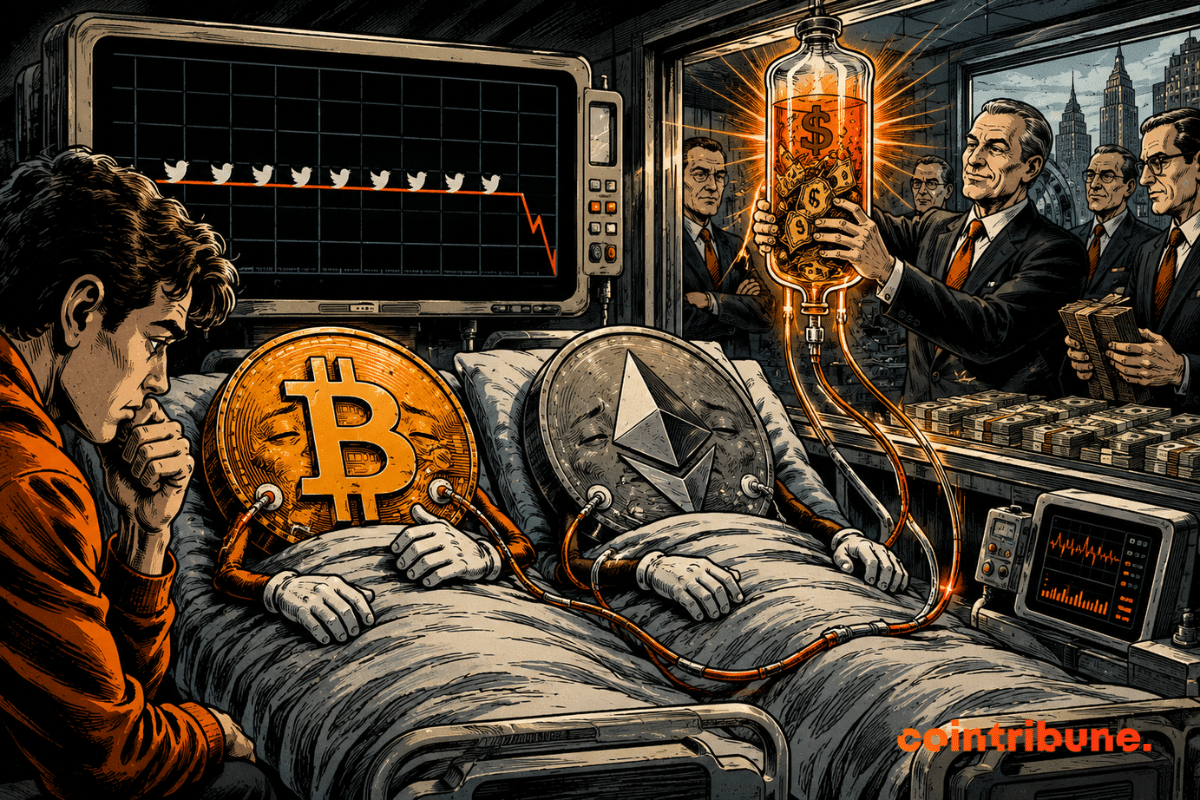
Are retail investors shunning crypto? Key data reveal a critical drop in activity on social networks. All details here!
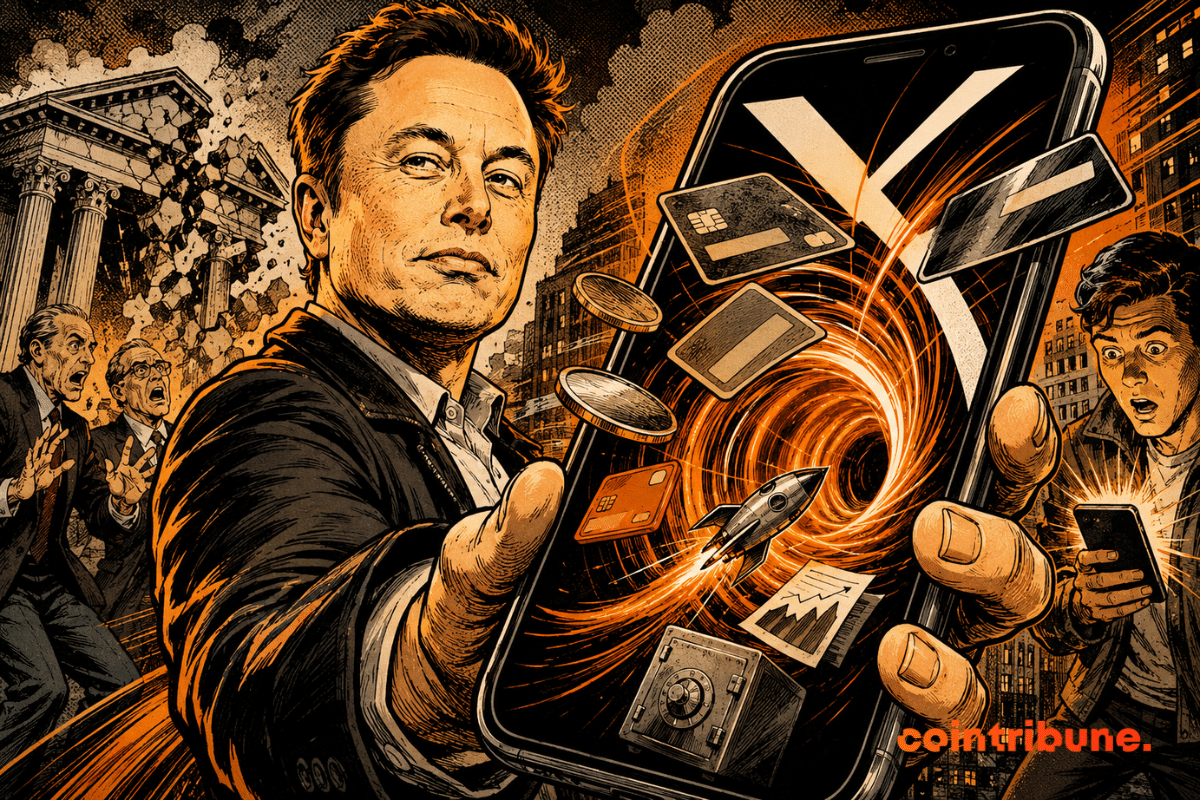
X Money begins its rollout to some Premium+ subscribers with a spectacular promise: to protect deposits up to 10 million dollars through a bank sweep program. Elon Musk's financial service also offers an announced annual yield of 6%, a Visa card, and transfers between users. An offensive that further brings X closer to its ambition of becoming a universal application.

France summons Elon Musk for the investigation on X. He did not come. What implications for the crypto ecosystem? Analysis here.
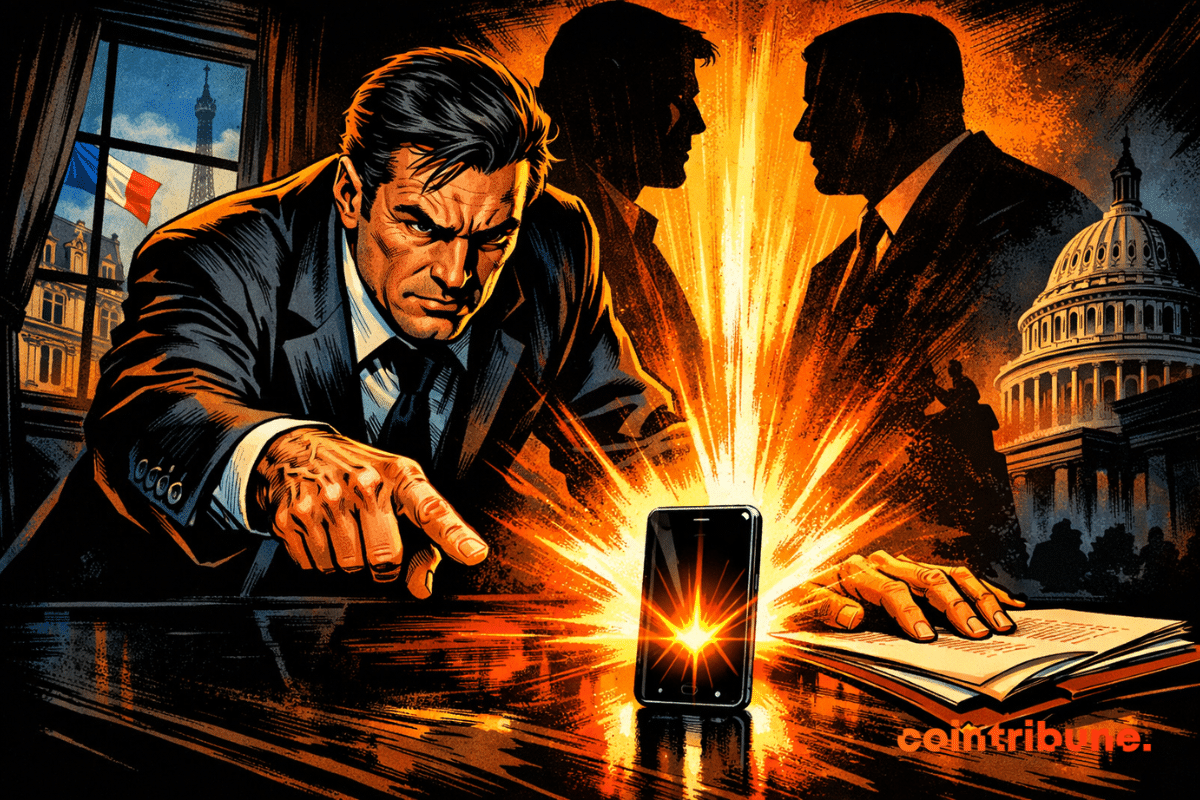
The X case has reached a new level. What initially was a French investigation into Elon Musk's platform has now taken the form of a political showdown between Paris and Washington. The submitted text already highlights this rising tension around X.

Nikita Bier rekindles speculation around X Money. By mentioning a product capable of "fixing" the difficult year for crypto, the former product manager of X mainly reopened an old question: Can X become a real gateway to digital assets?
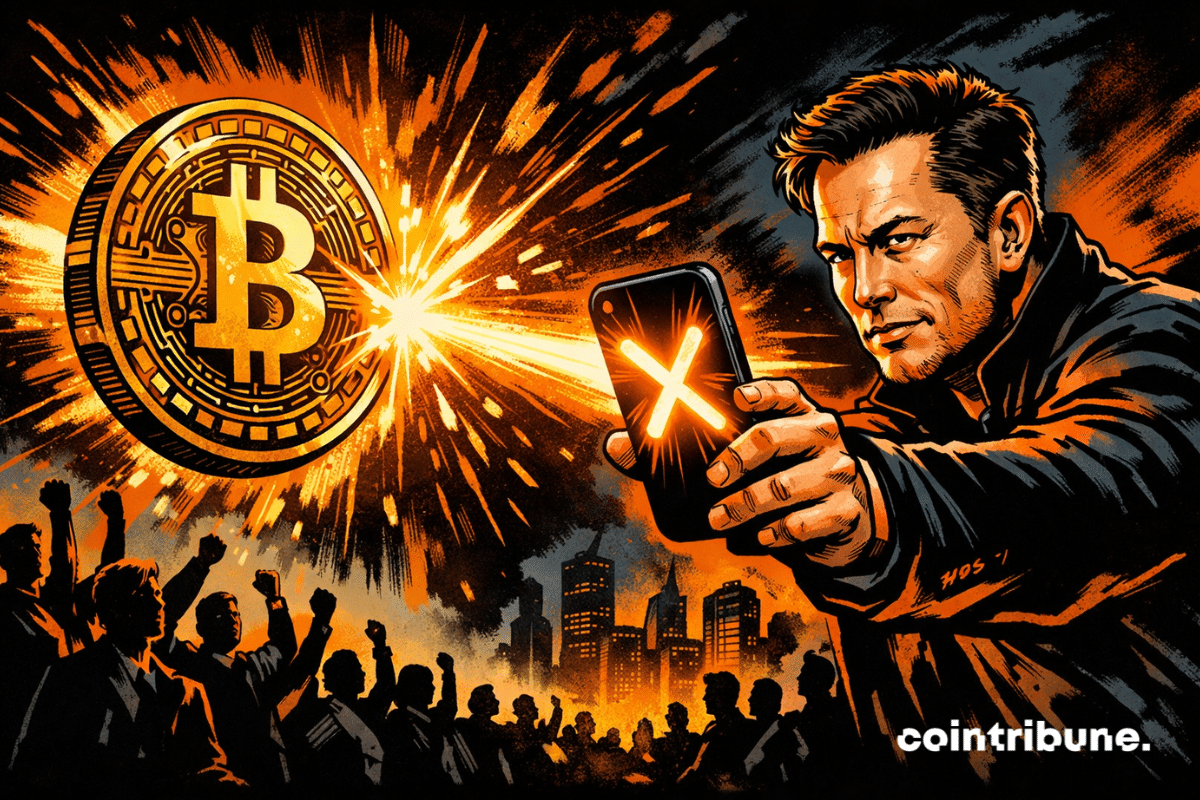
The debate about the future of money has reignited, and it's Nassim Taleb who lit the fuse. A few weeks before the launch of X Money, the author of the famous Black Swan openly praises Elon Musk's initiative and considers it "far smarter than Bitcoin." For him, this project exactly illustrates what finance should encourage: competition between private currencies.
Elon Musk has just officially announced the public launch of X Money for the month of April. The financial super-app he has promised for years is finally taking shape, but without any trace of crypto. Enough to surprise, and perhaps worry, some industry players.
Grok calls Musk a bald man with a micro-penis, Netanyahu a genocidal, and Starmer boring. Then the AI insults the Hillsborough dead. El pueblo unido, jamás será vencido? Not sure.
Elon Musk’s social platform X is moving deeper into financial services with the upcoming launch of “Smart Cashtags,” a feature designed to improve how users track and reference stocks and cryptocurrencies. While rumors have circulated for months about X entering the trading space, executives have made one thing clear: the platform will not execute trades. Instead, it aims to enhance financial data visibility and asset identification.
X is preparing to introduce Smart Cashtags, a new feature that will let users view stock and cryptocurrency data directly from their timelines. The rollout is expected in the coming weeks, according to X head of product Nikita Bier. Alongside the feature launch, the company is tightening rules around spam and automated activity linked to crypto promotions.
Two Democratic senators demand an urgent investigation into undisclosed Chinese investments in SpaceX. As Elon Musk has just merged his space giant with xAI for $1.25 trillion, Washington wonders: what if Beijing had already set foot in the most sensitive technologies of the United States?

X is limiting InfoFi apps that reward posting, aiming to reduce spam and AI content, which led to notable drops in related tokens.
X, Elon Musk’s social network, is accused by Ki Young Ju (CryptoQuant) of censoring legitimate crypto content while failing to control bots. A revelation that raises questions about the future of decentralized exchanges and the credibility of social platforms. Why is crypto the target?

On January 10, 2009, Hal Finney wrote "Running Bitcoin" on Twitter. Unknown to him, he had just engraved the public launch of the first decentralized digital currency network into modern monetary history. That day, he ran Satoshi Nakamoto's software and became the very first recipient of a BTC transaction. Seventeen years later, yesterday January 10, 2026, this message still echoes as the founding act of a technological and financial revolution.
Algorithms decide what we see, but according to which rules? Vitalik Buterin, co-founder of Ethereum, directly challenges Elon Musk and denounces the opacity of X (ex-Twitter). In a context of mistrust towards centralized platforms, he proposes a radical alternative: auditing X’s algorithm thanks to blockchain and ZK-proofs. A strong stance that revives the debate on the governance of social networks in the Web3 era.
Crypto on promo, X turns a blind eye, Spain pulls out the fine book. Musk aimed for the stars but ends up with his feet in regulatory mud. Cryptos cost.
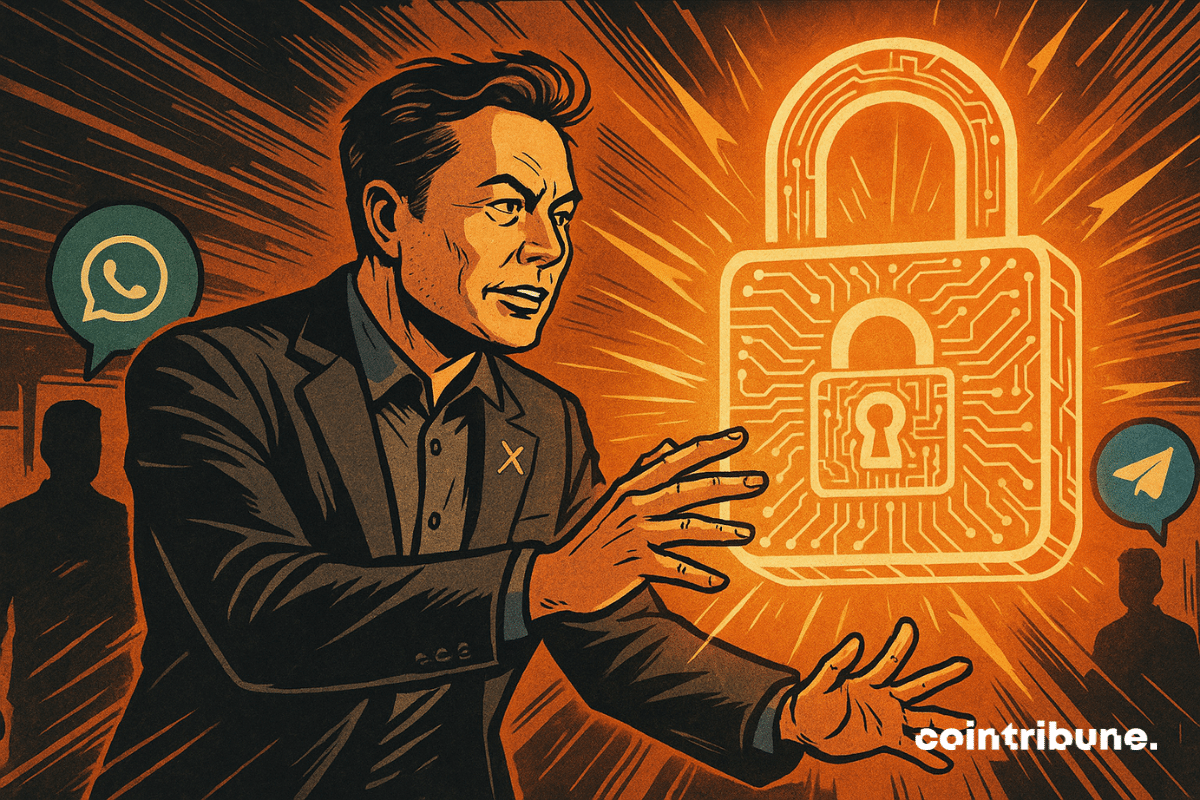
Musk, the man who sleeps less than an Ethereum server, attacks WhatsApp with X Chat, encrypted messaging Bitcoin-style. Advertisers and GAFAM, hide your hooks, it's going to encrypt hard!
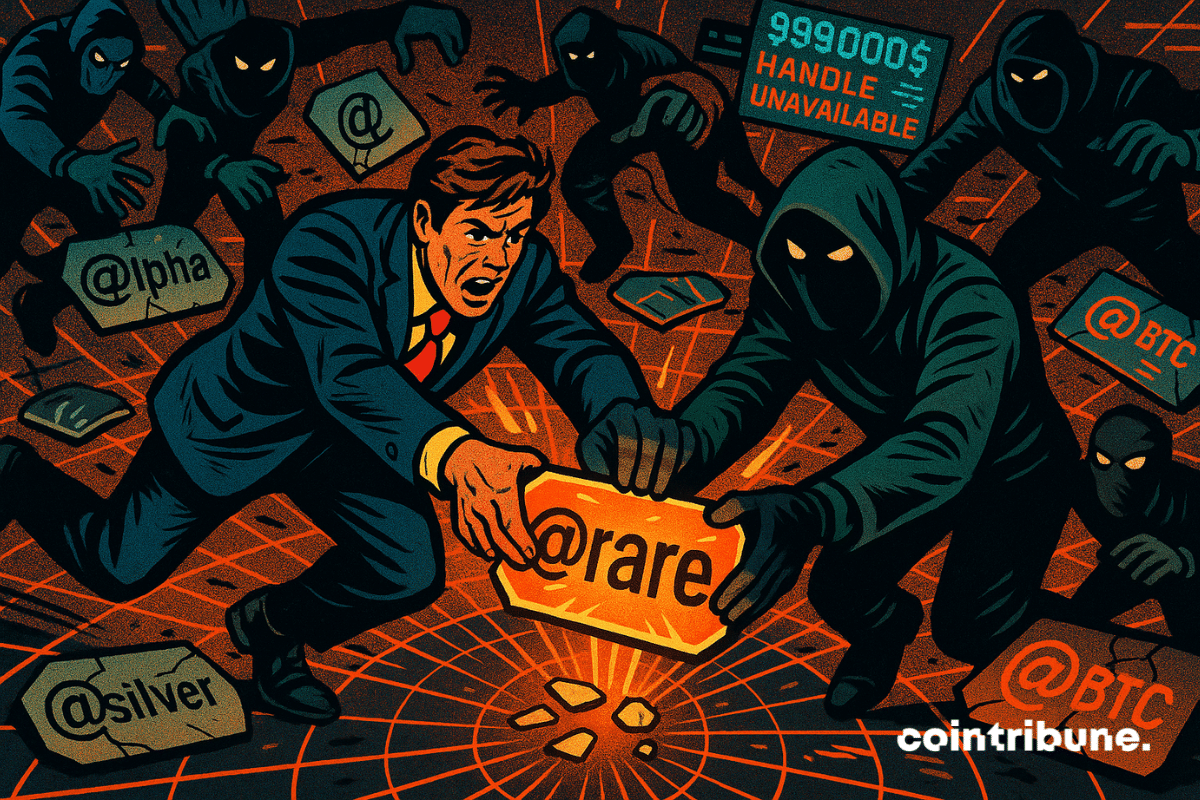
On X, a simple pseudonym can now be traded at a high price. Elon Musk's platform has just launched a marketplace dedicated to the sale of inactive usernames, with prices reaching one million dollars for the most sought-after. Reserved for Premium subscribers, this initiative transforms digital identity into a monetizable asset.
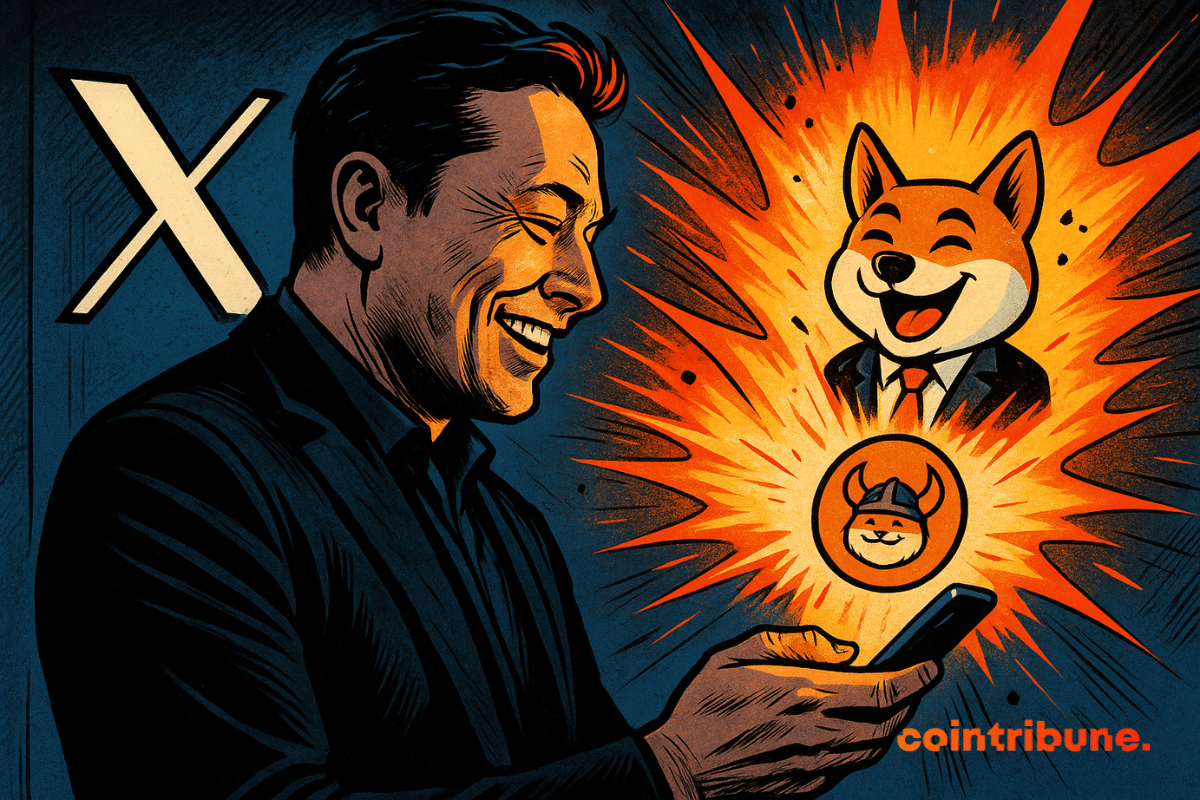
A dog CEO, a playful tweet, a skyrocketing price: in the crypto jungle, Musk barks again... and traders rush in, noses to the wind and wallets open.
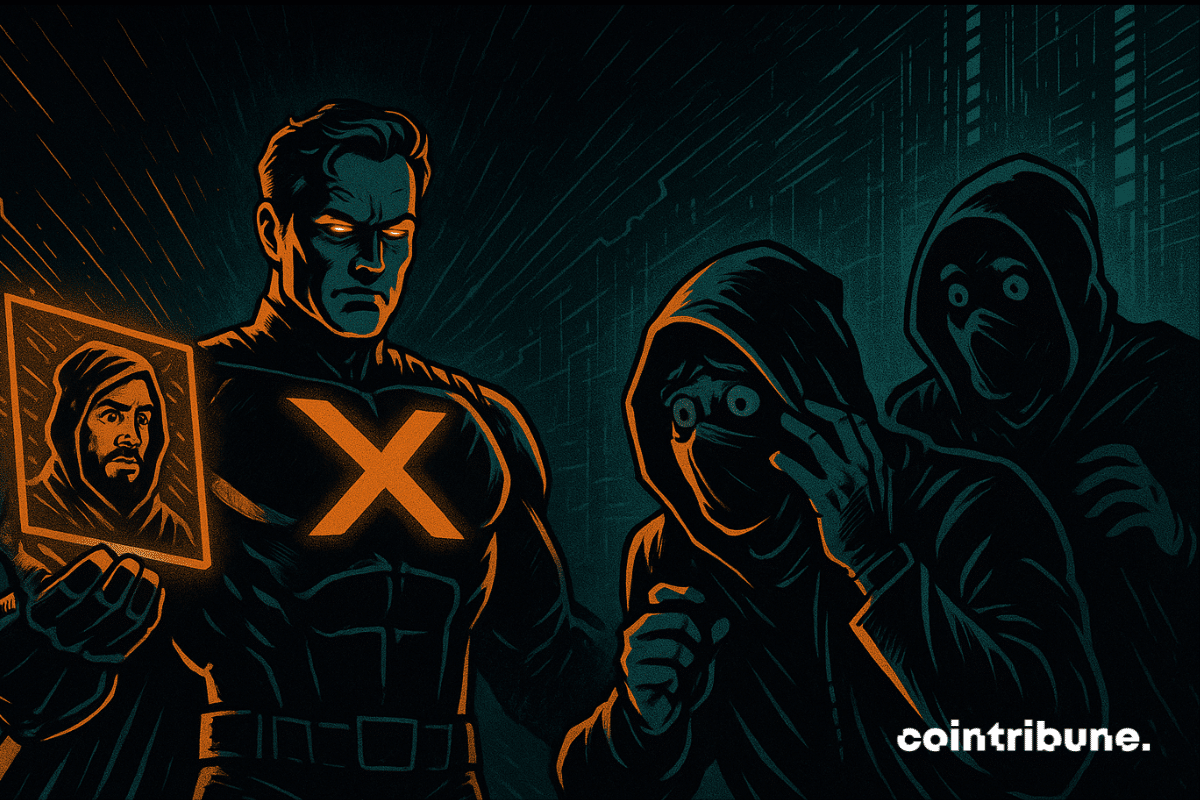
X is taking legal action against banned accounts that tried to regain access through bribery and fraud, some of which are linked to the larger Com network under FBI scrutiny.
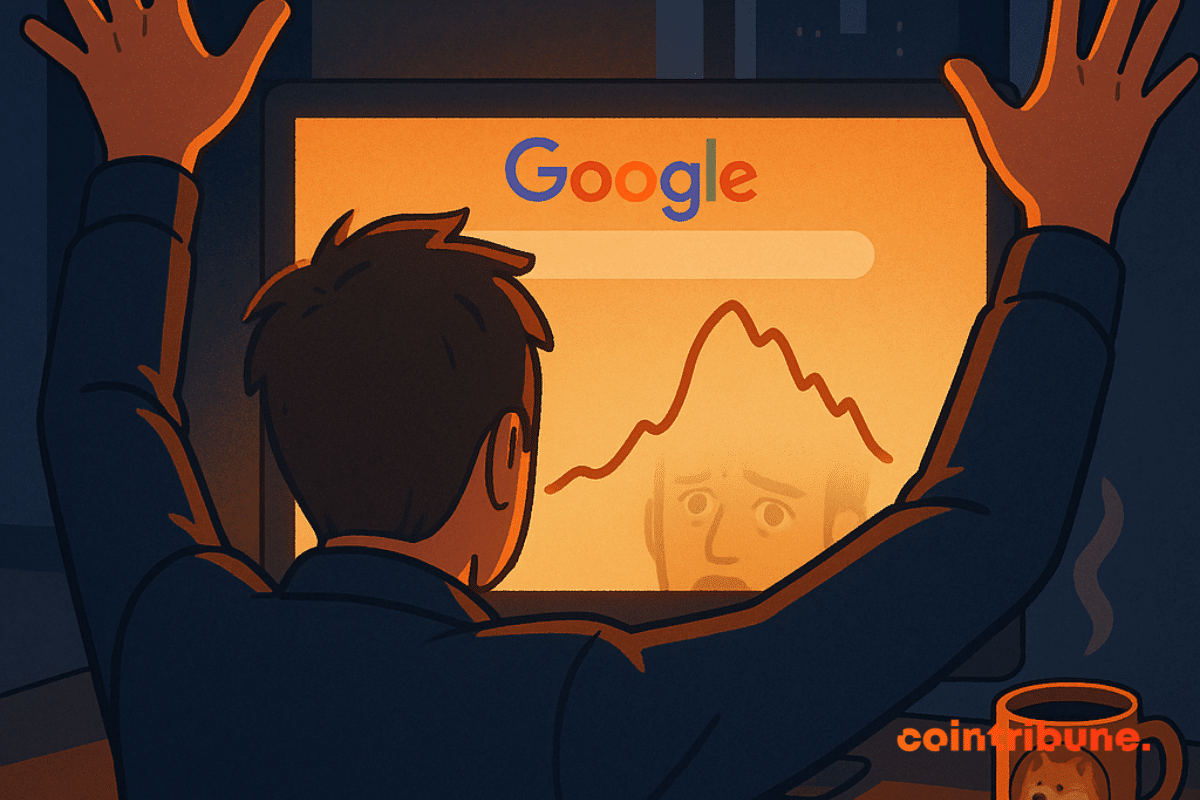
After the January explosion, interest in memecoins sees a more measured return. Google searches indicate persistent curiosity, but less euphoric, reflecting a new caution among investors. Without the usual noise from social networks and Crypto Twitter, this crypto dynamic could mark an evolution towards a more mature market approach.
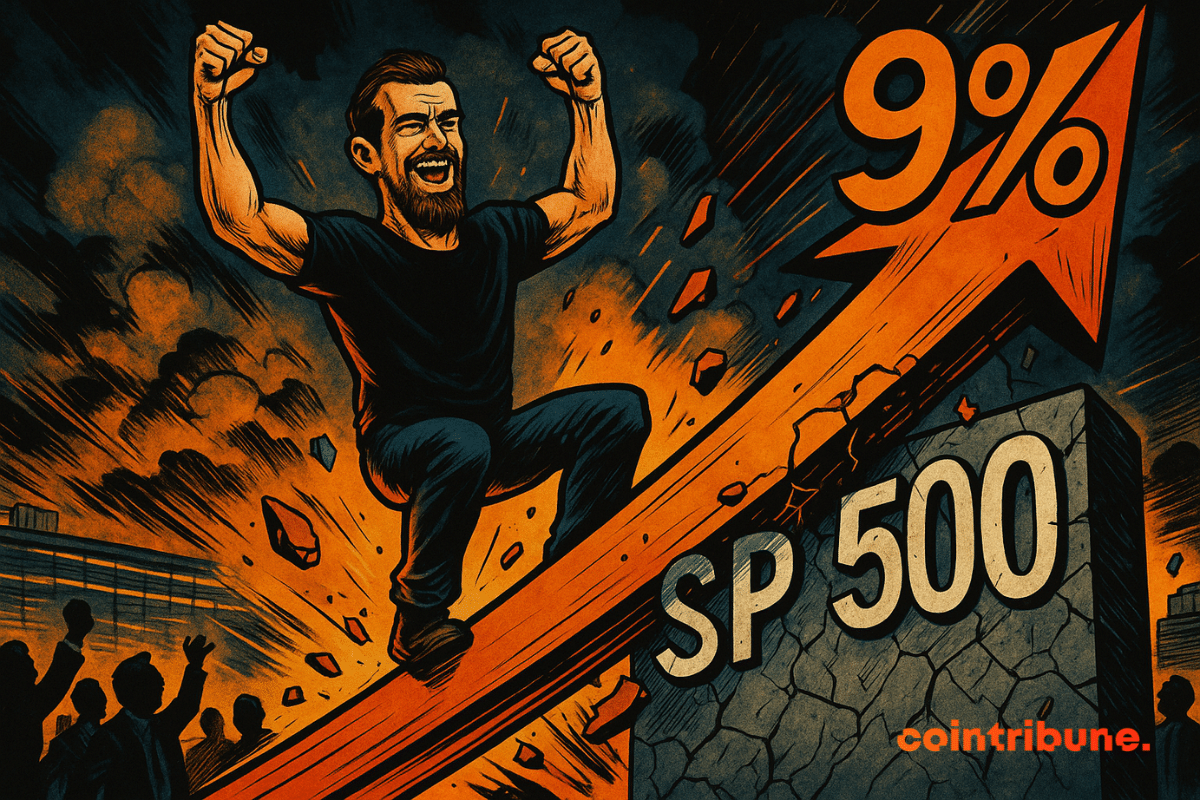
When Jack Dorsey injects Bitcoin into Wall Street, stock indices tremble... and the bankers, they sweat. Block, a crypto pioneer, enters the S&P 500. Just like that.

When an AI imitates humans too well, it dons the boots of MechaHitler. Grok, the new tragic clown of Elon Musk, is scarier than a bug in the cloud.
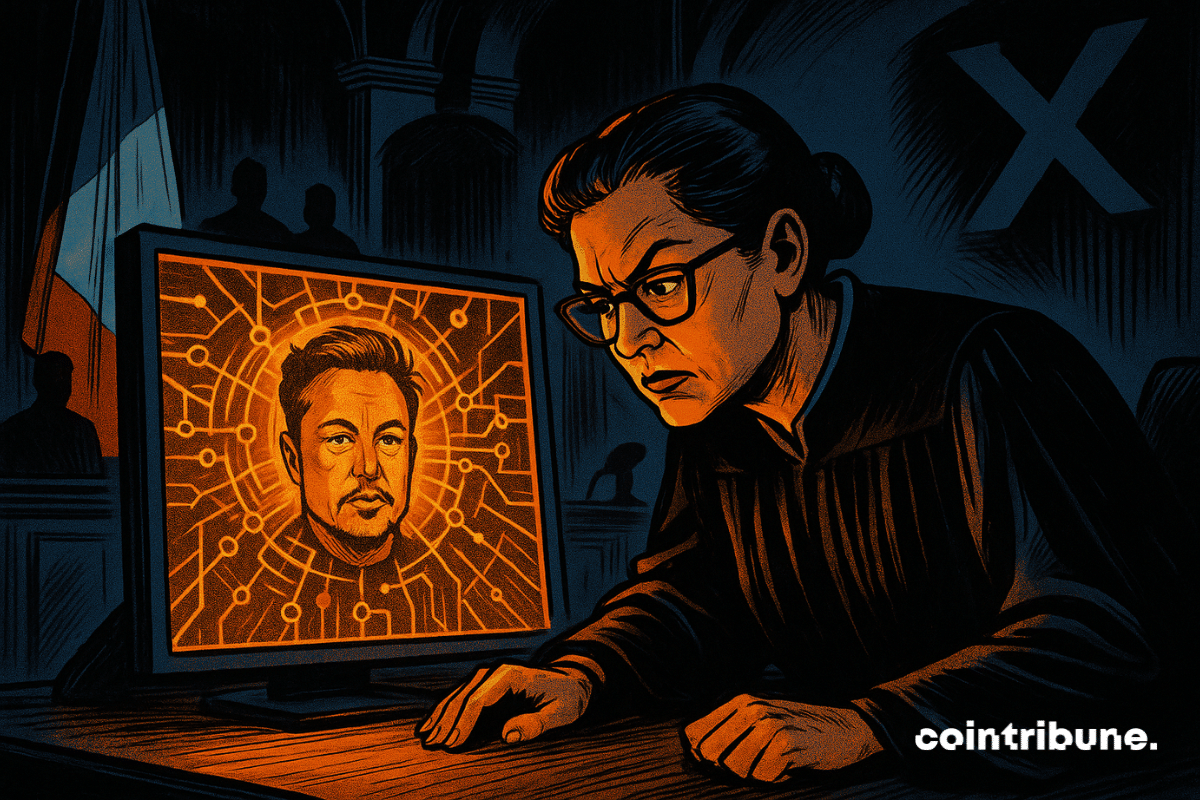
The shadow of Elon Musk looms once again over Europe. The Paris court has opened a criminal investigation into the platform X, suspected of algorithmic manipulation for the purposes of foreign interference. This case, at the crossroads of cybercrime, European justice, and geopolitical tensions, could mark a new escalation in the trade war between the United States and the European Union.