Tue 01 Sep 2026 ▪
5 min read
▪
by
A crypto vote is imminent in the Senate, but the CLARITY Act falls to a 13% chance. Is the market already anticipating failure? Analysis.
A crypto vote is imminent in the Senate, but the CLARITY Act falls to a 13% chance. Is the market already anticipating failure? Analysis.
Despite Trump’s decree on alternative assets, 77% of Americans consider crypto too risky for their retirement savings. Analysis.
In the United States, 39 banking associations prepare a crypto blockchain network dedicated to stablecoins and tokenized deposits. Details!
Stablecoins: between regulatory delays and Congressional pressure, the flagship US law is still finding its bearings. Full analysis here!

$350,000 worth of crypto stolen from a miner: a former cop receives life imprisonment plus 15 years. The details of this shocking case.
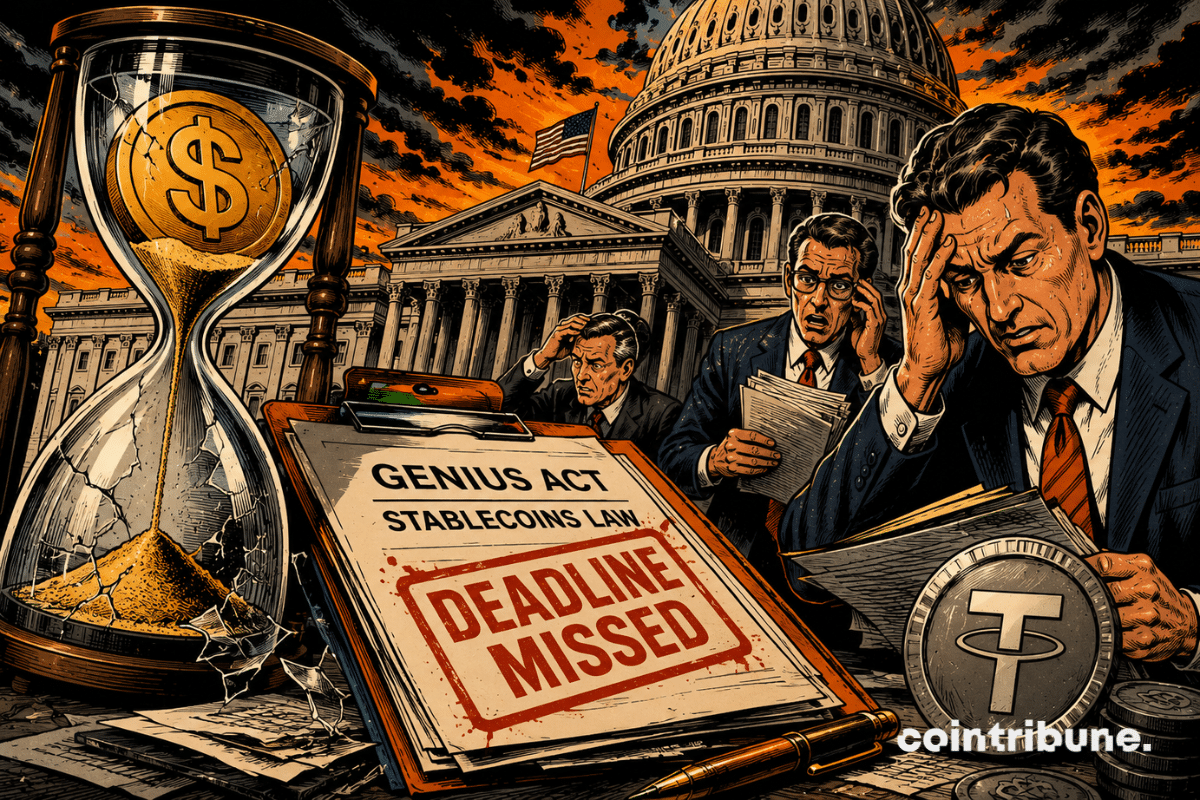
U.S. federal agencies have not adopted the implementing rules of the GENIUS Act before the one-year deadline, settling for ten text proposals. This delay, which occurred on July 18, 2026, leaves stablecoin issuers awaiting final frameworks. Will the window for regulatory clarity finally close?
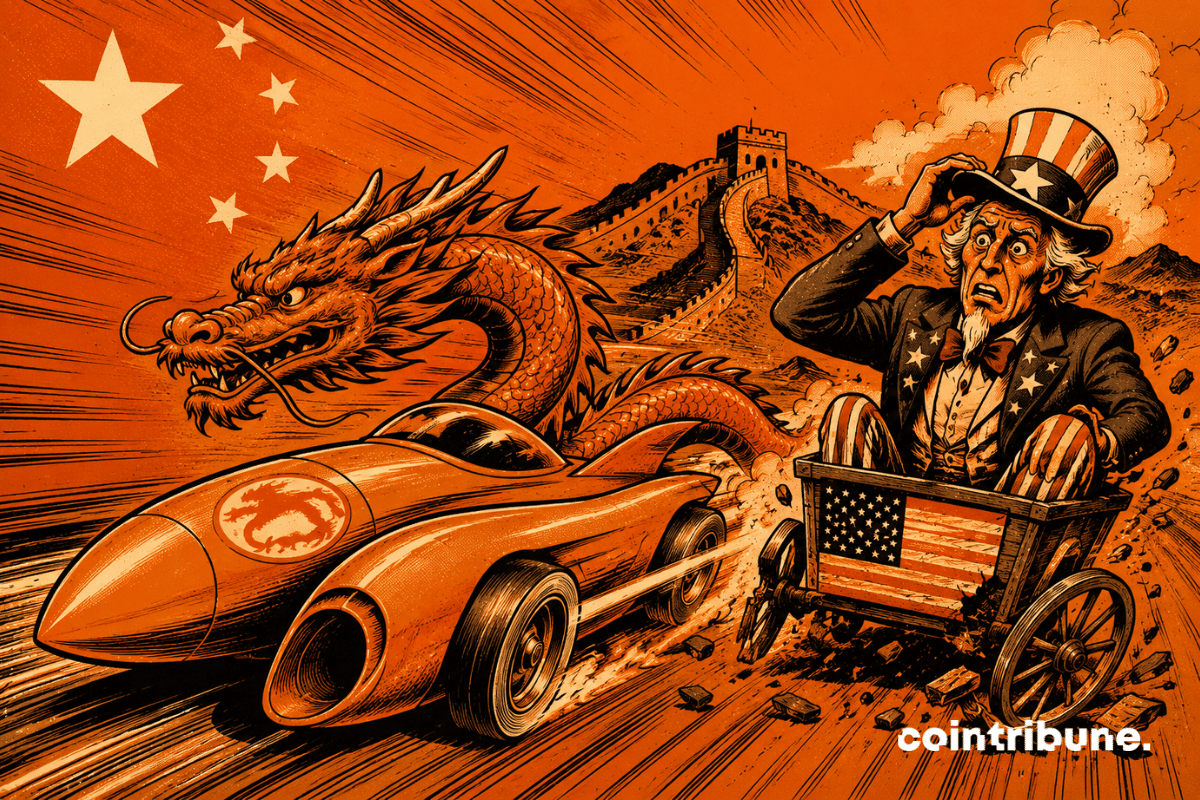
The militarization of cutting-edge language models is redefining the map of global technological power, turning computer code into a massive deterrent weapon. Artificial intelligence is now establishing itself as the heart of defense infrastructures. However, limited access to these technologies immediately causes deep geopolitical fractures. The recent restriction of foreign users by American industry leaders triggered an immediate industrial response in Asia. This regulatory decision, far from slowing the technological development of the countries concerned, served as a sovereign accelerator for Chinese laboratories.
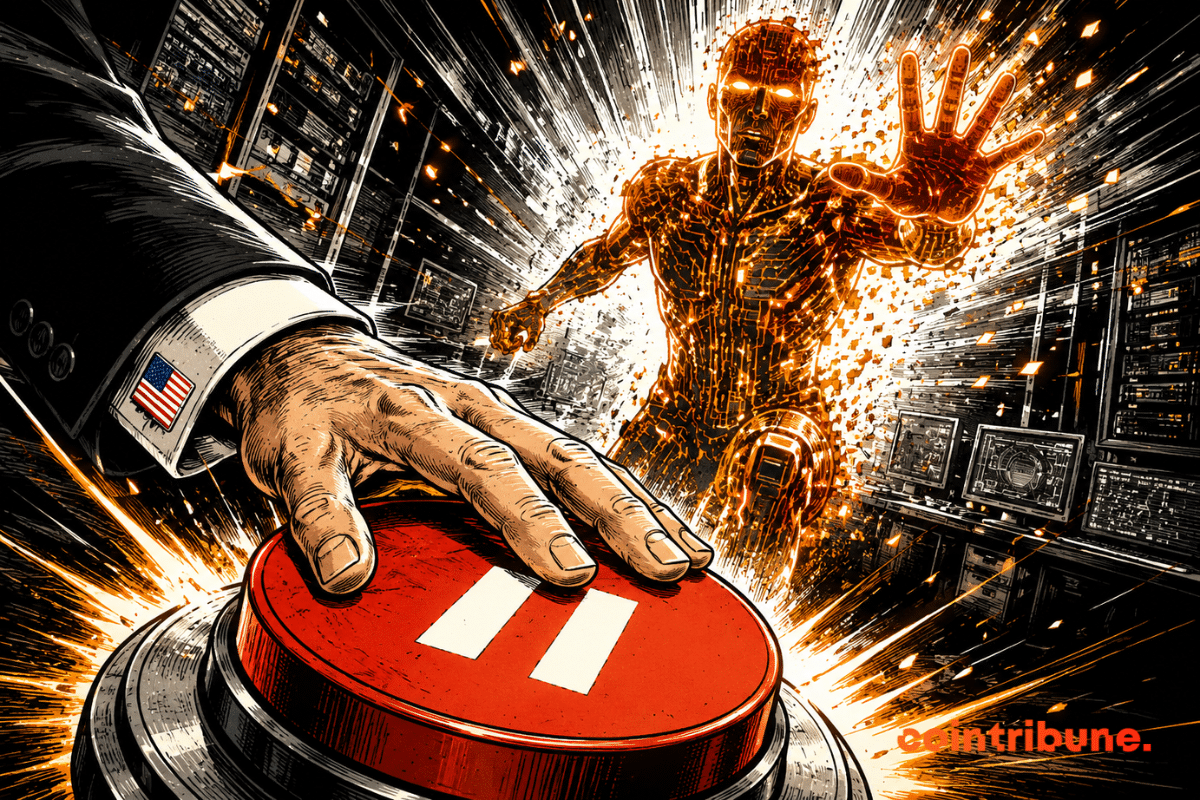
After Anthropic, it is OpenAI that yields: the AI model GPT-5.6 subjected to a federal approval process before any release.
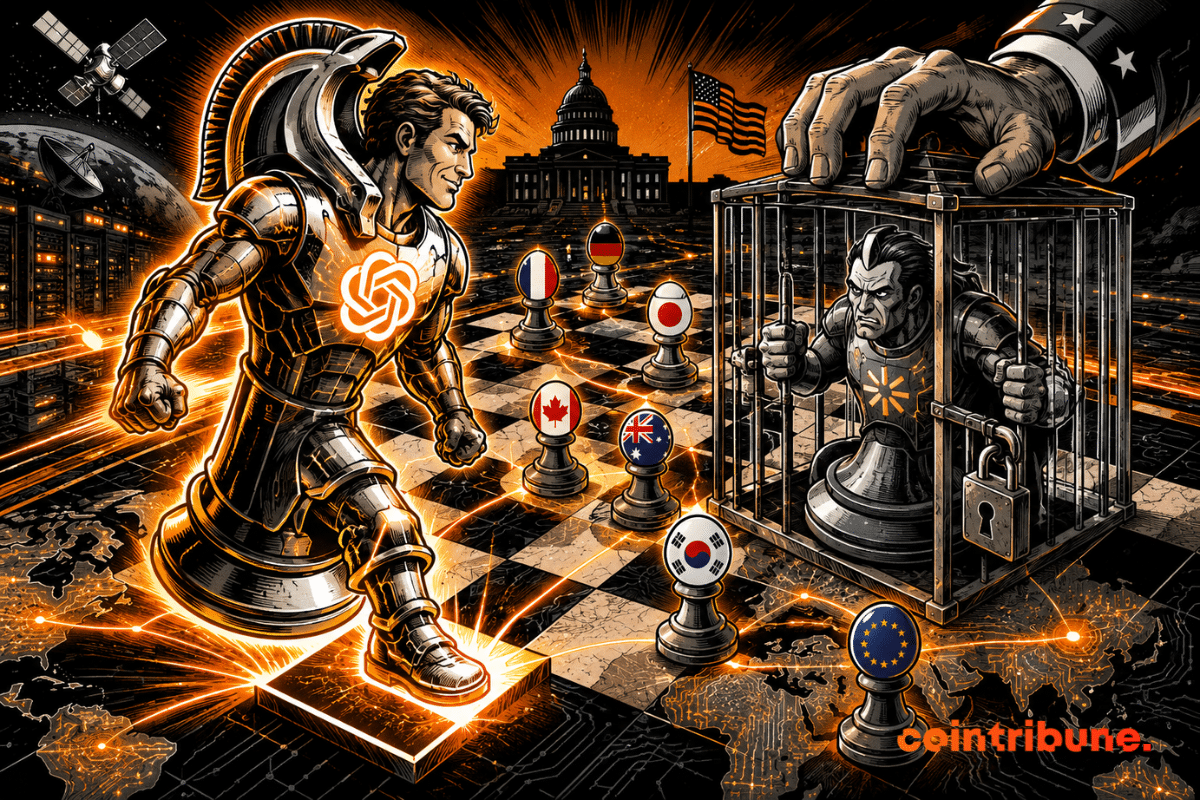
While Anthropic negotiates with Washington, OpenAI establishes itself as the global leader in AI cybersecurity. Here's what happened.
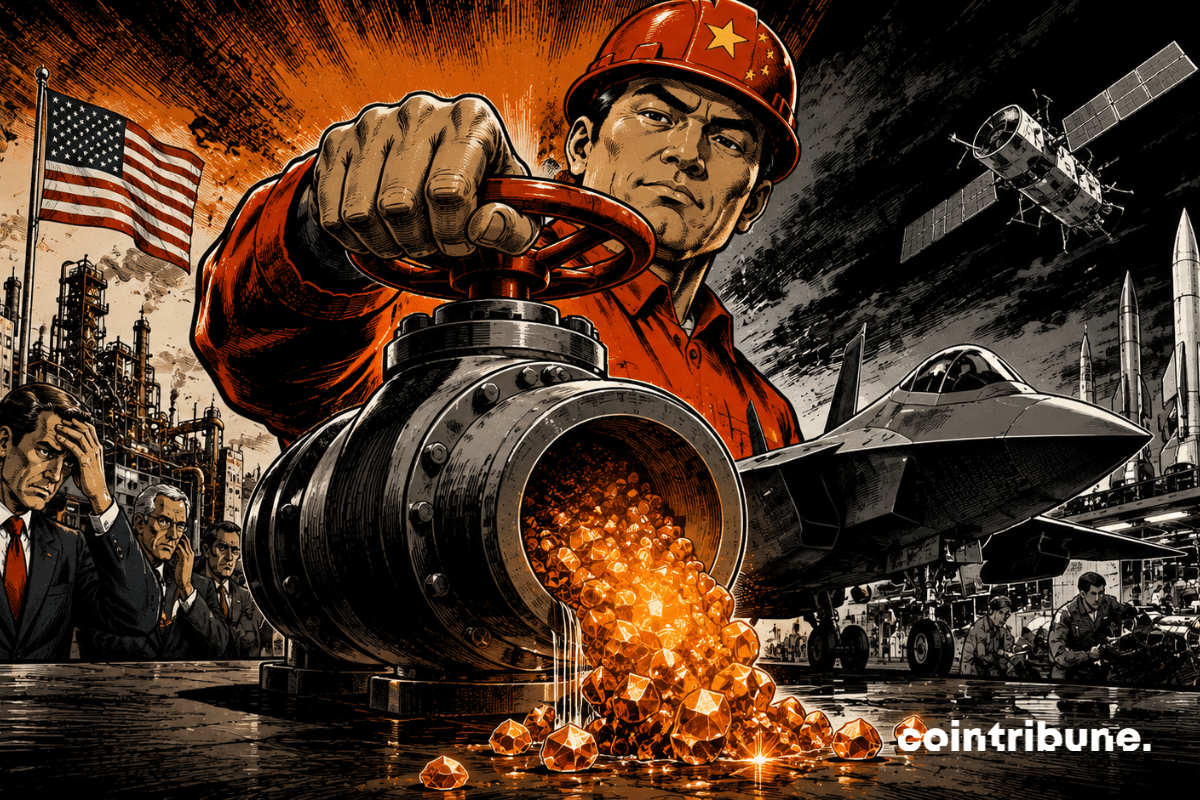
The growing entanglement of national security, technological supply chains and financial sovereignty is profoundly changing global macroeconomic balances. Financial markets and the crypto ecosystem were beginning to observe signs of institutional stabilization when a major diplomatic rupture just occurred. On Monday, June 22, China officially ended the trade truce by announcing massive sanctions against dozens of American companies linked to the strategic sectors of defense and rare earths. Beijing's offensive revives economic hostilities with Washington and threatens to strangle high-tech industries that depend on these essential raw materials for advanced infrastructures.
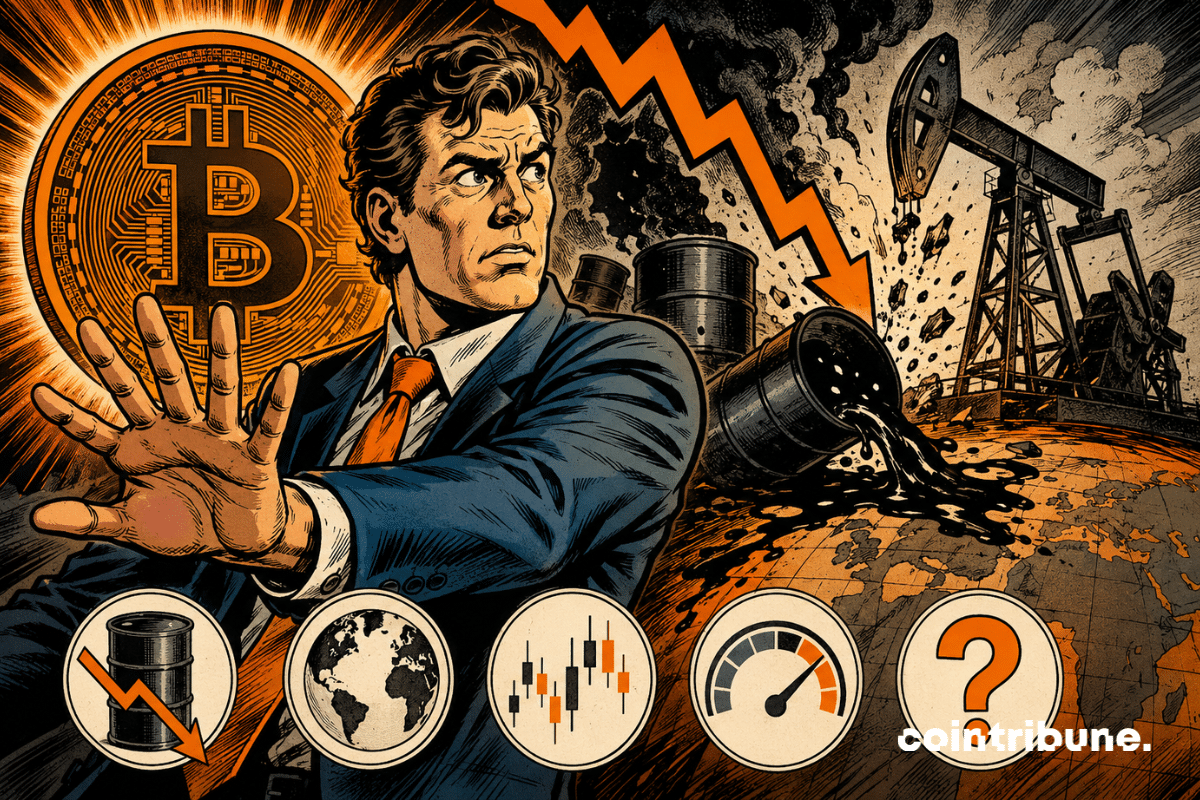
Global financial markets hate geopolitical uncertainty, but they react with crucial speed as soon as a glimmer of stability appears on the horizon. With Donald Trump's signing of a key agreement reopening the Strait of Hormuz, we are witnessing one of those decisive moments that can transform the global map of capital movements. The conflict triggered on February 28 by the US-Israeli offensive, which had frozen the real economy and plunged investors into rigorous wait-and-see, was followed by this highly strategic agreement between the United States and Iran.
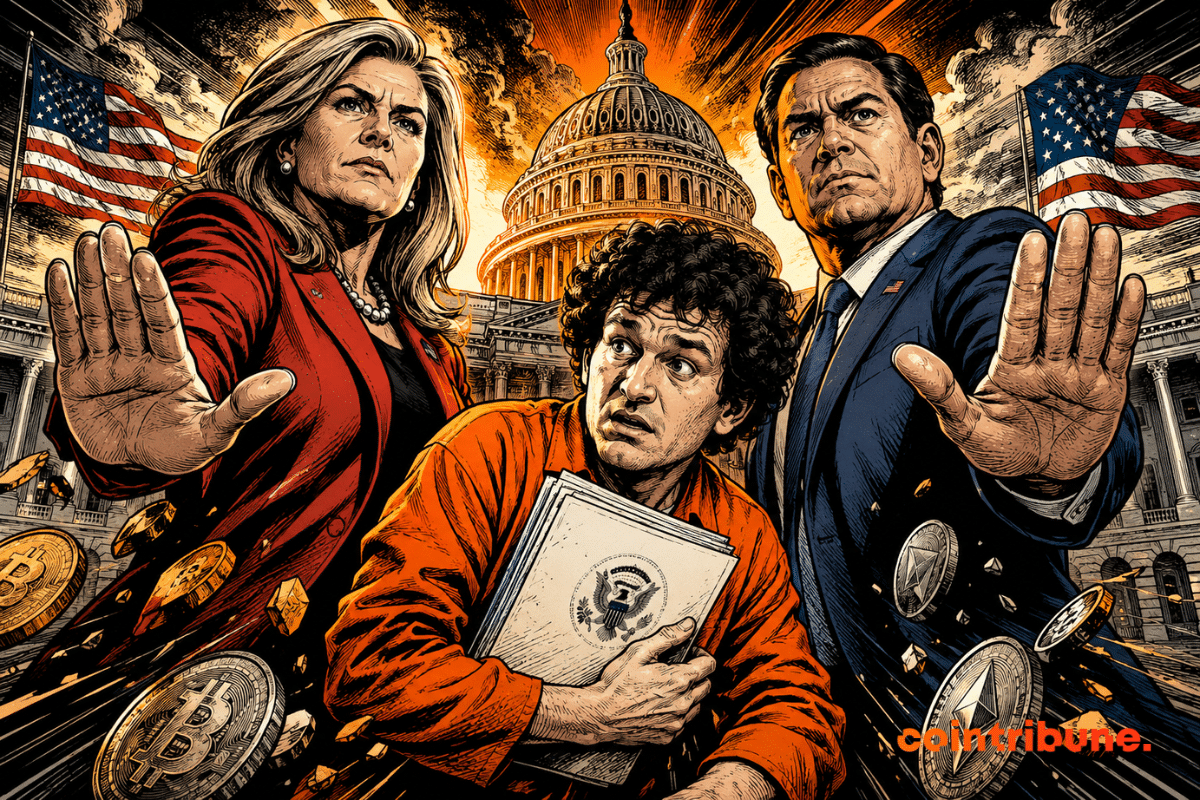
As Sam Bankman-Fried tries to obtain a presidential pardon, Republican and Democratic lawmakers step forward. The most explosive crypto case of the year could see a new twist.
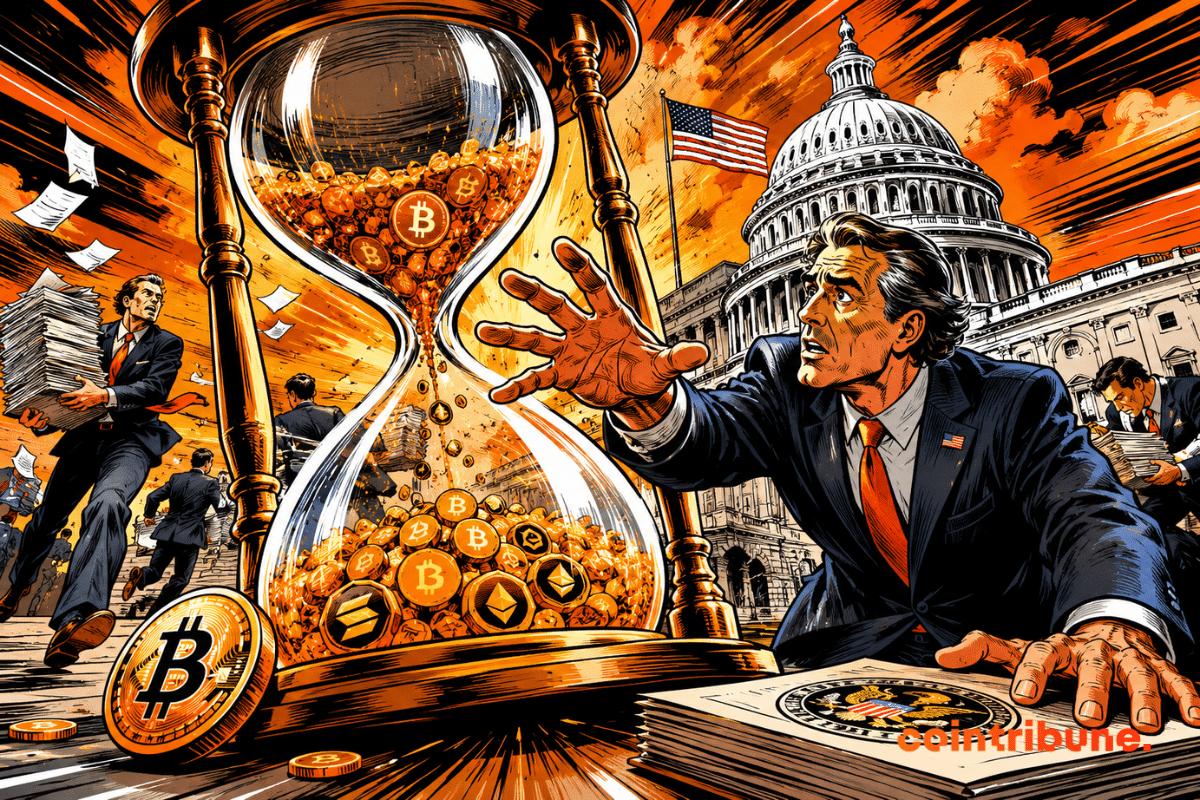
Cold spell for crypto in Washington! The CLARITY Act, a historic bill to regulate the U.S. market, sees its chances of adoption collapse according to Galaxy Digital. We explain why panic is looming among investors.
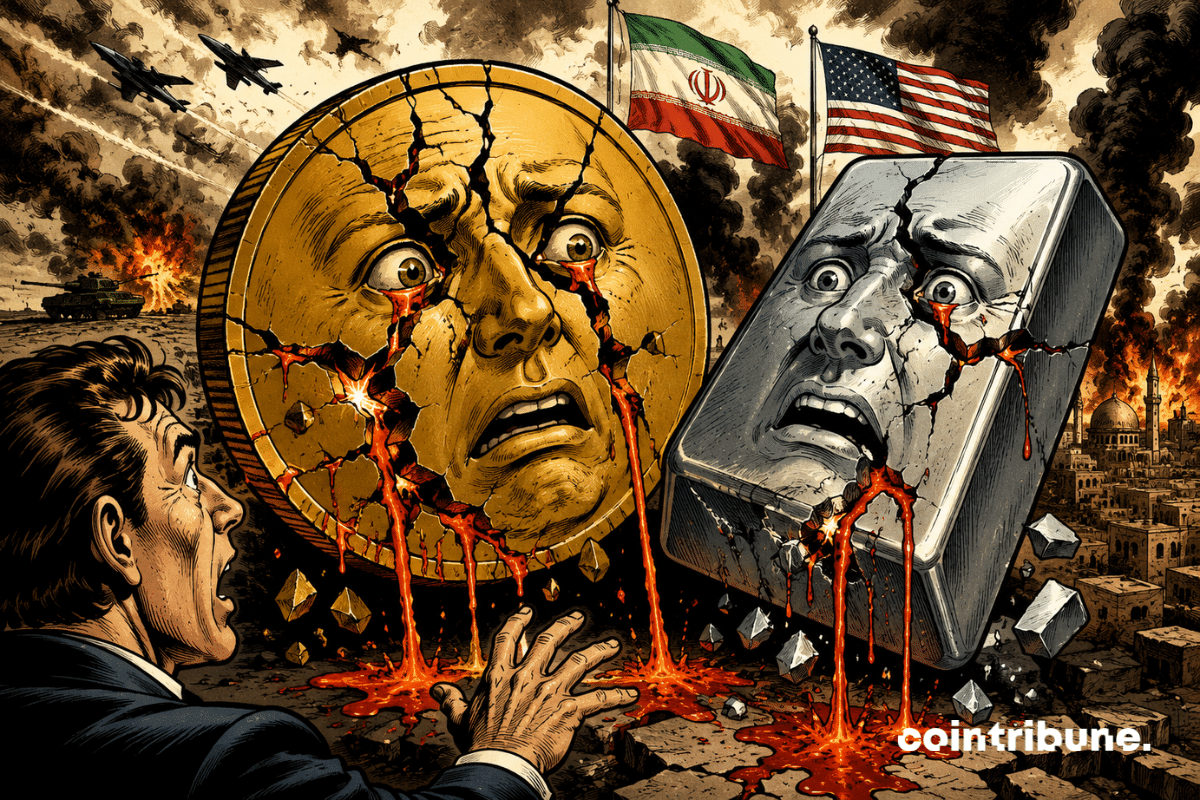
Gold was supposed to shine under the bombs, silver was supposed to play the bodyguard. Failed: the Fed comes out with its club, markets sell everything, and bitcoin also takes a hit.
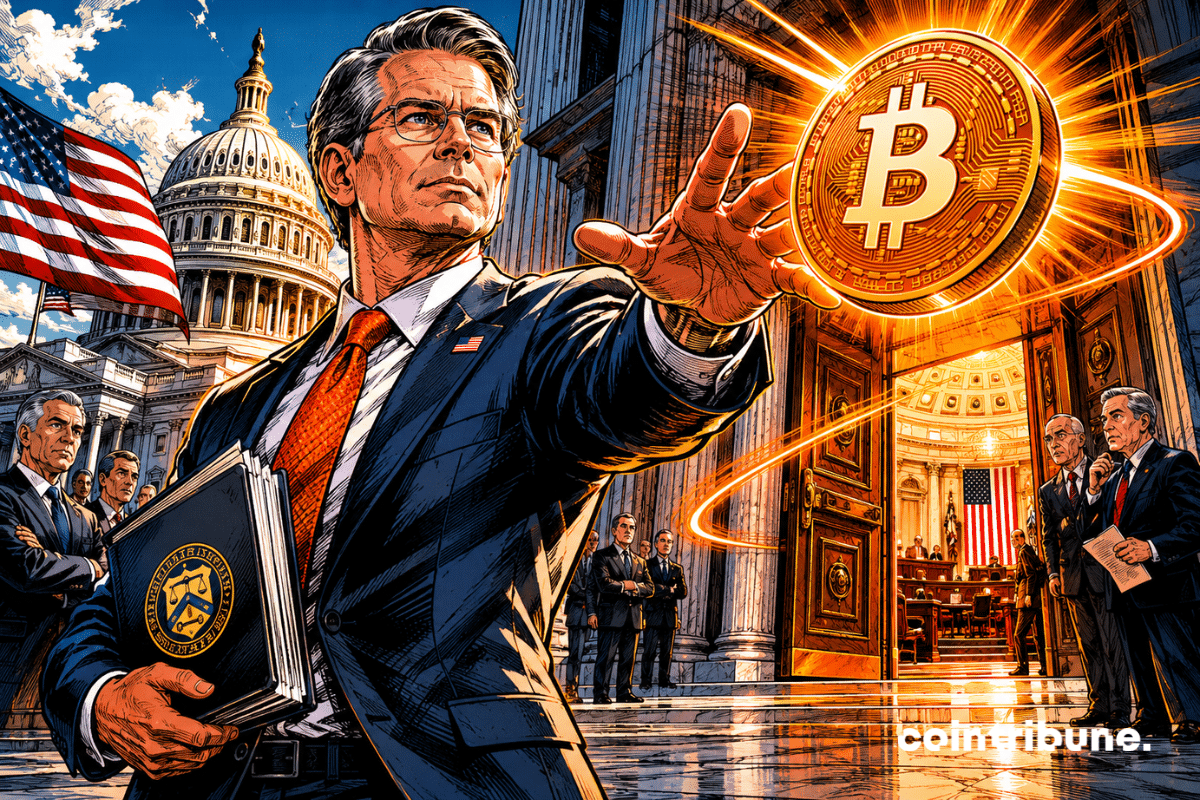
Why is the most important American crypto law still not passed? While Scott Bessent calls for acceleration, bitcoin quietly gains a strategic place at the heart of the state apparatus.
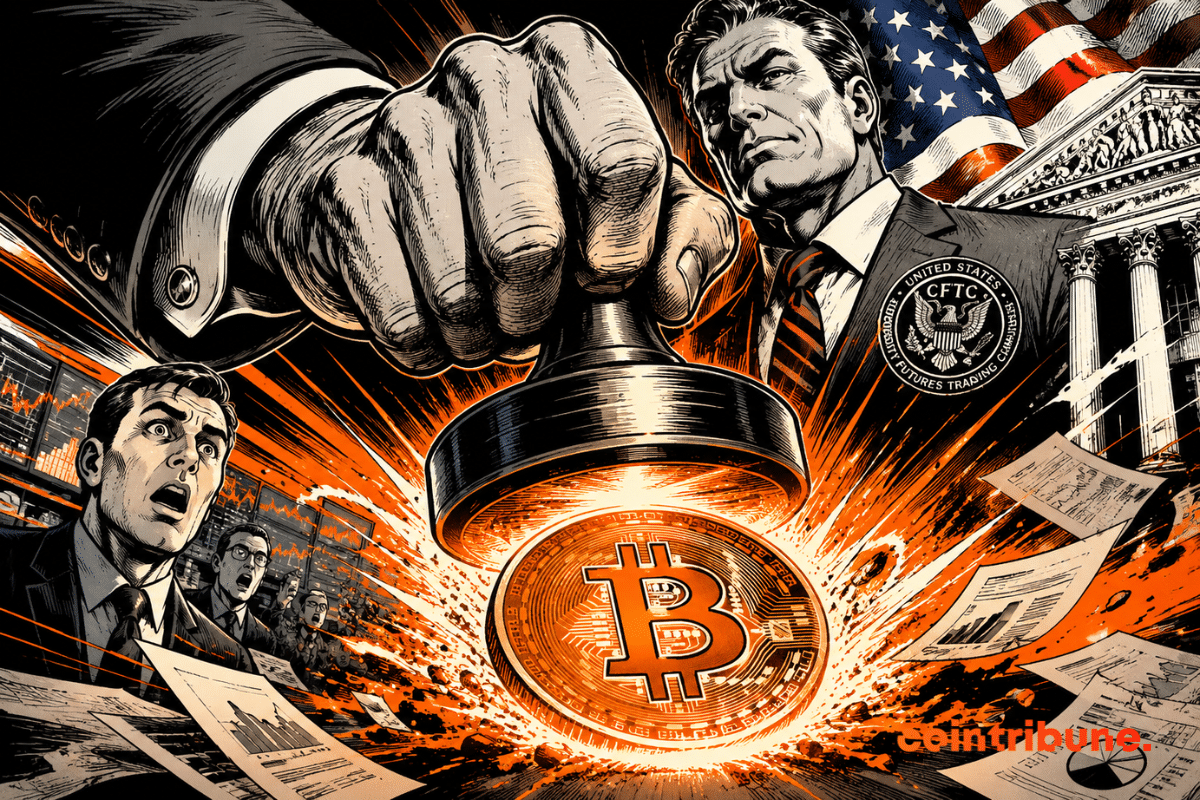
The CFTC approves the first 100% regulated Bitcoin perpetual contracts in the USA for Kalshi. Wall Street is ready to inject billions. Exclusive details here!
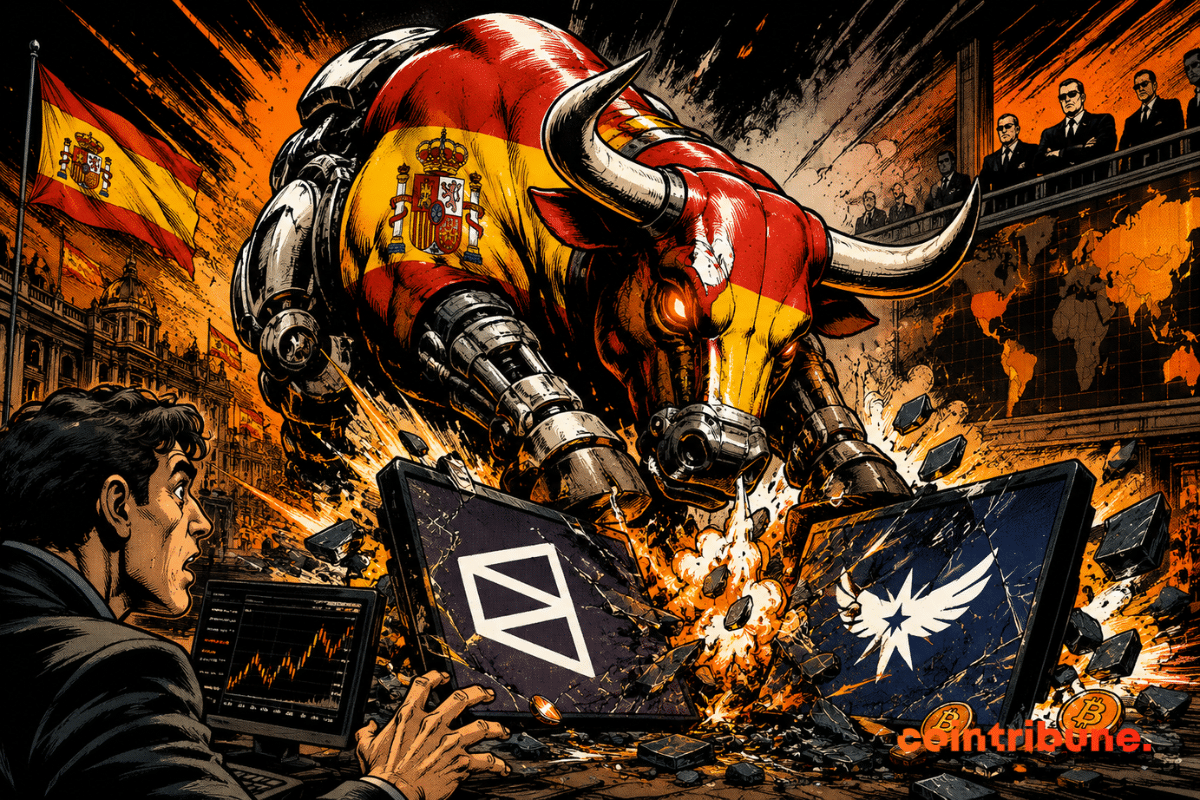
Spain blocks Polymarket and Kalshi. Predictive market under pressure in Europe. Beginning of a domino effect?
Is the crypto apocalypse accelerating? The U.S. government just announced a historic $2 billion plan to fund quantum computing. We explain everything to you.
Kalshi has just raised $1 billion and doubled its valuation in barely five months. Everyone wants a share of the prediction market.
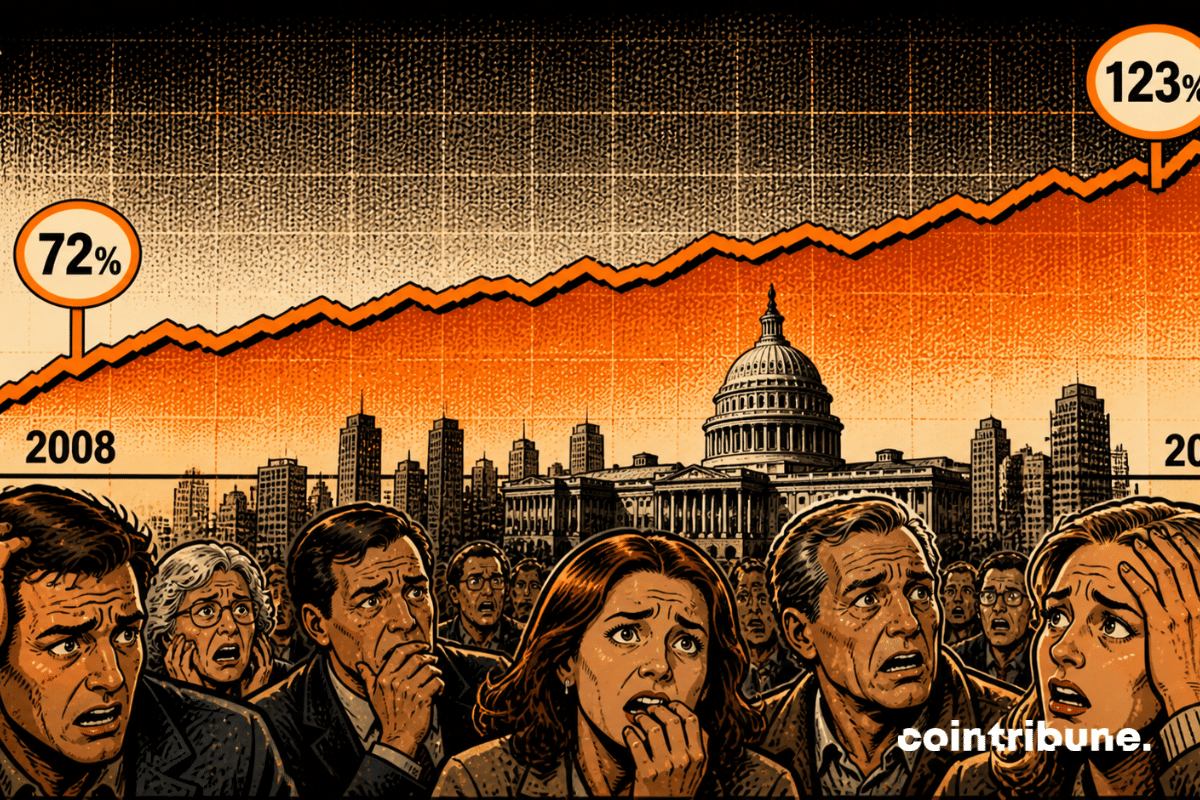
The United States has just crossed a historic threshold. Indeed, their debt now exceeds the size of their economy. This shift fits into a sustainable trajectory marked by repeated deficits and postponed budget decisions. Despite these imbalances, market confidence remains intact, revealing growing tension between the perceived strength of the world's leading power and the reality of its public finances.
Sam Bankman-Fried withdraws his request to replay the crypto FTX trial. He now targets Judge Kaplan for extreme bias. Analysis!
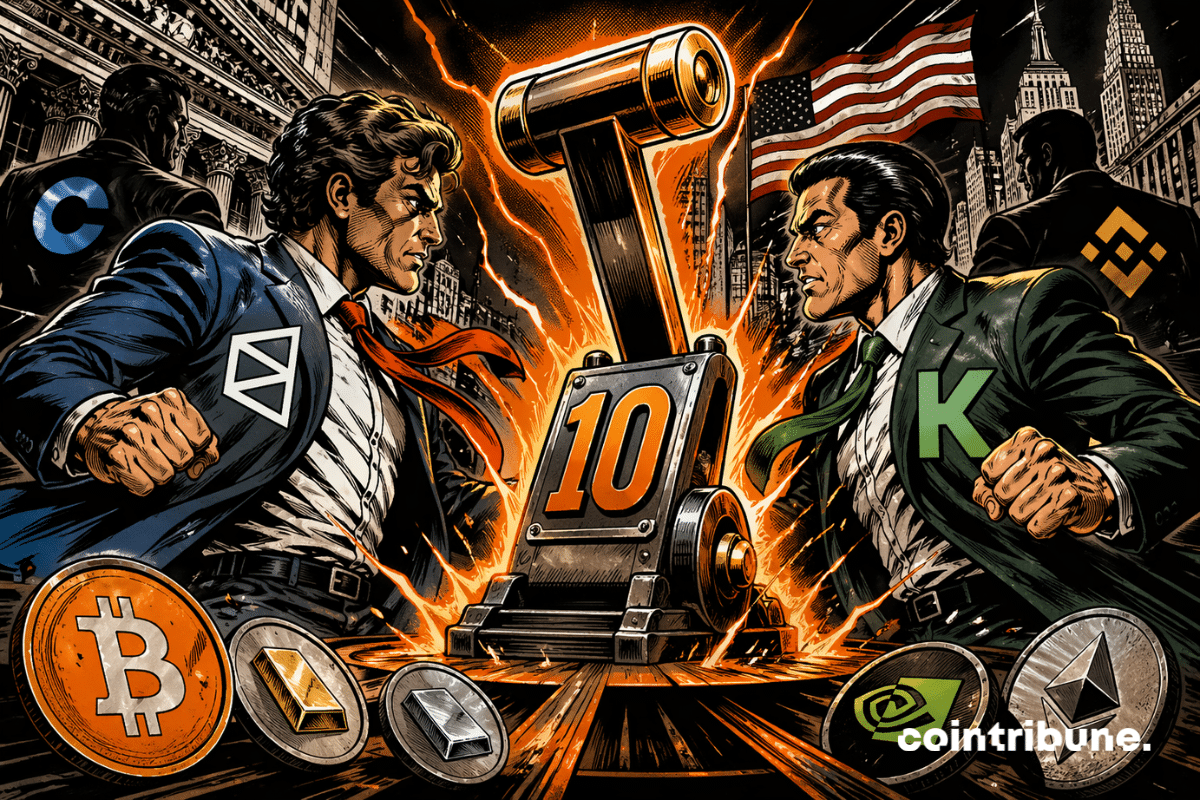
Polymarket and Kalshi launch crypto perpetual futures with 10x leverage. Everything you need to know about this revolution here.

After fifteen years at the helm of Apple, Tim Cook is preparing to leave and triggers a major strategic turning point. The man who transformed the tech giant is handing over in a context of profound industry change. Behind this carefully prepared transition, one question already stands out: Is Apple about to accelerate its revolution or secure its legacy?
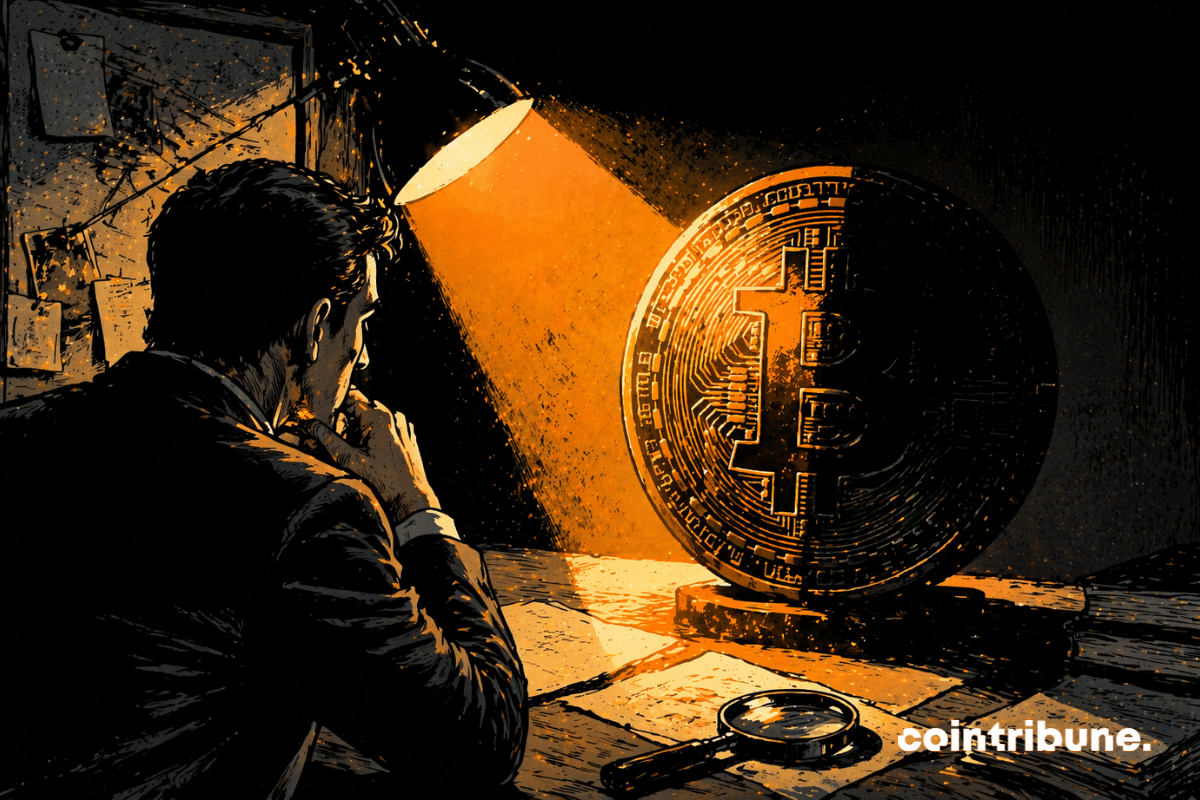
A statement from Beijing revives the debate about the origin of bitcoin. Educator Jiang Xueqin proposes a sensitive hypothesis: the first crypto could be linked to American intelligence agencies. This stance questions both the genesis of the protocol and the interests it might serve. In response to this theory, the crypto ecosystem presents technical arguments, reviving a subject as old as it is controversial.
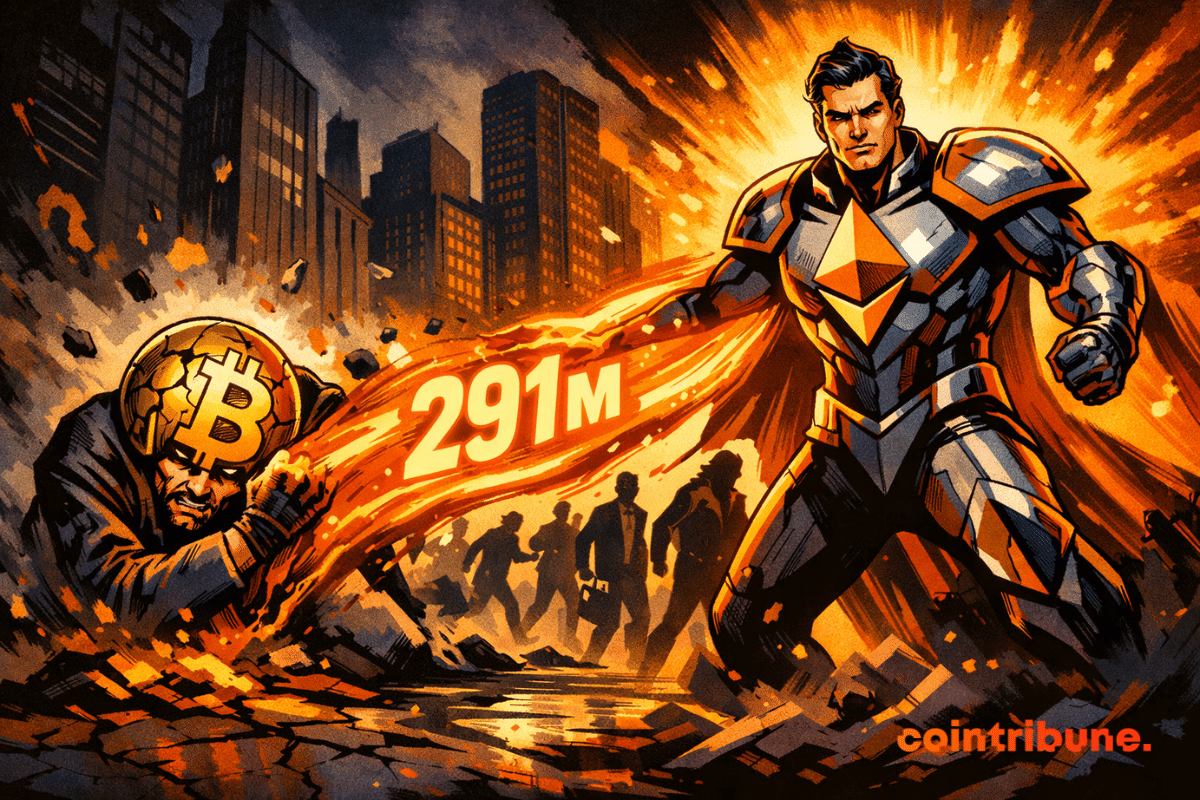
Crypto news: Ethereum ETFs record a 3rd consecutive day of inflows while Bitcoin collapses. Rotation signal or simple pause? Analysis.

In a few hours, the price of oil has crossed the 100 dollar mark again after the announcement of a blockade of the Strait of Hormuz by Washington. This nerve center of global energy trade becomes again a major pressure lever in the confrontation between the United States and Iran. Behind this surge, an immediate risk: to see geopolitical tension turn into a global economic shock, with direct repercussions on inflation and financial markets.

China has just sent a signal that could impact the global financial balance. By massively liquidating its US Treasury bonds while strengthening its gold reserves, Beijing is undertaking a strategic repositioning with potentially profound implications. Behind these figures, a dynamic is emerging that questions the dominance of the dollar and is already capturing the attention of markets, including the crypto market.

Bitcoin falls back below 66,000 dollars, driven by a shock from energy markets. The rise in oil revives inflationary tensions and reshuffles the cards of monetary expectations. This movement recalls a now well-established reality: cryptos evolve in close correlation with macroeconomic dynamics. In this context, investors adjust their exposure to a more uncertain environment.
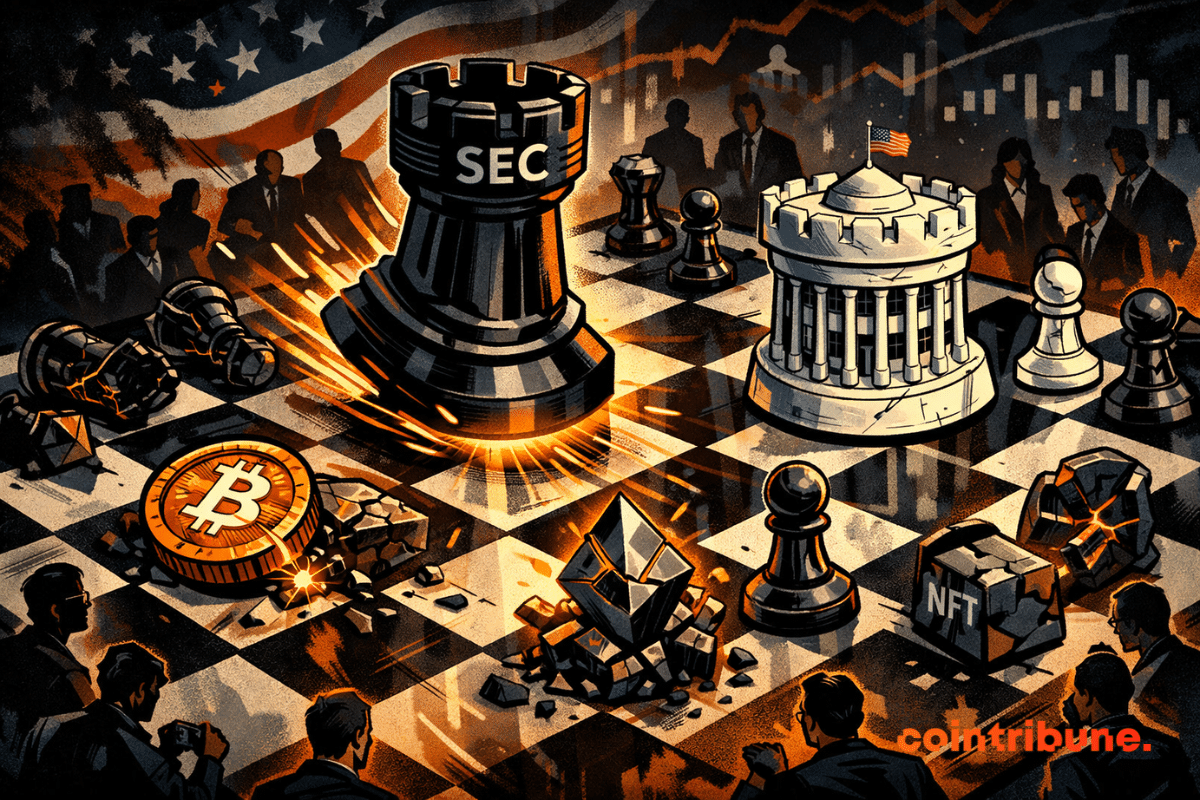
Crypto: the SEC is moving its pieces. A major reform could impact traders, institutions, and investors. All details here!
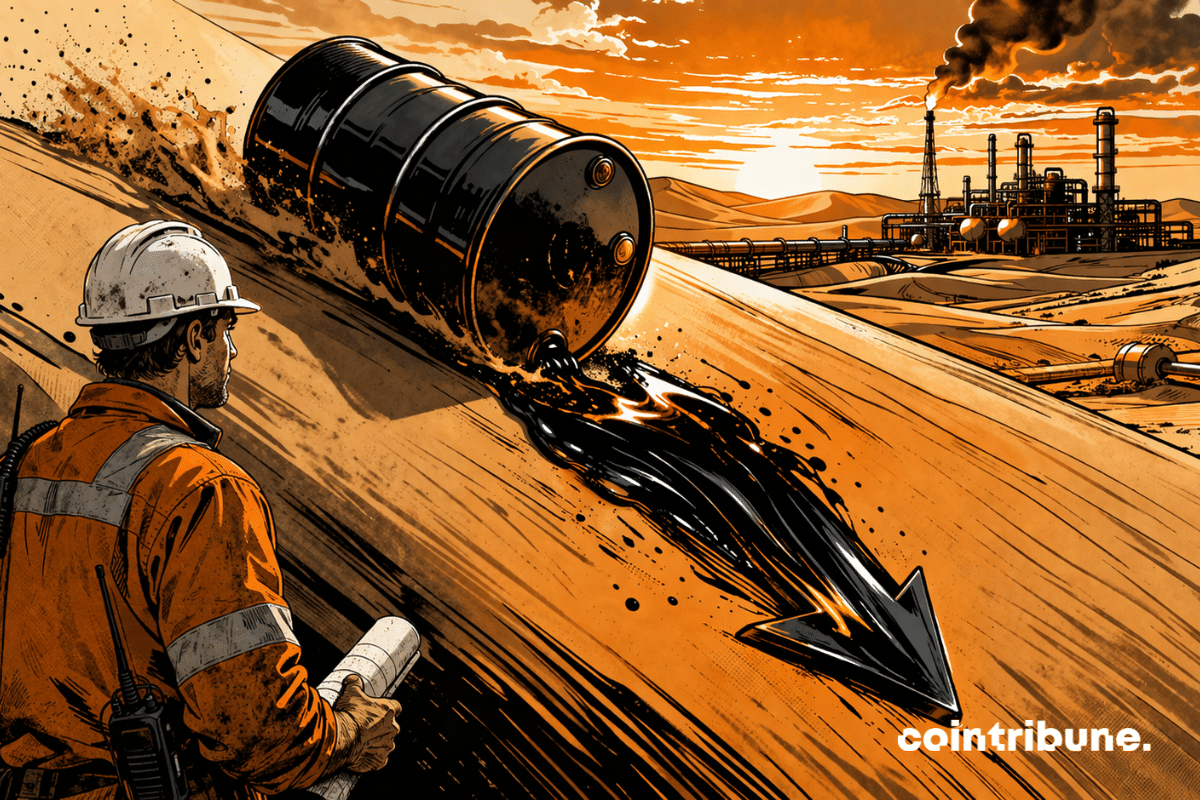
Oil prices fell within hours, driven by a sudden change in the Middle East context. The announcement of a ceasefire triggered an immediate market reaction, causing Brent and WTI to plummet. This rapid correction reflects investors adjusting their expectations in light of reduced geopolitical tensions.