Tokenized Exposure or Real Stock Ownership? Bitget Stocks 2.0 Brings Both Into One Platform
Bitget has launched Stocks 2.0, expanding its stock ecosystem with two ways to access U.S. equities from one platform: tokenized stock exposure through rTokens and real U.S. stock access through Stock+. The launch is part of Bitget’s broader Universal Exchange vision, where users can access crypto, tokenized assets, commodities, equities, and other global markets within a single account environment.

In Brief
- Bitget Stocks 2.0 combines tokenized U.S. stock exposure (rTokens) and real U.S. stock ownership (Stock+) in one platform.
- Users can choose between crypto-native flexibility with rTokens or broker-backed ownership with dividends and corporate actions through Stock+.
- The launch advances Bitget’s Universal Exchange vision by bringing crypto, equities, and tokenized assets into a single account ecosystem.
As more investors manage crypto, equities, and other assets side by side, the separation between digital asset platforms and traditional brokerage accounts is becoming less practical. According to the Bitget User Asset Allocation Report 2026, 52% of users globally now hold equities alongside crypto, while 35% hold gold or other precious metals. Among high-value users, 74% said they plan to expand across crypto, equities, and commodities in 2026 to manage risk more actively.
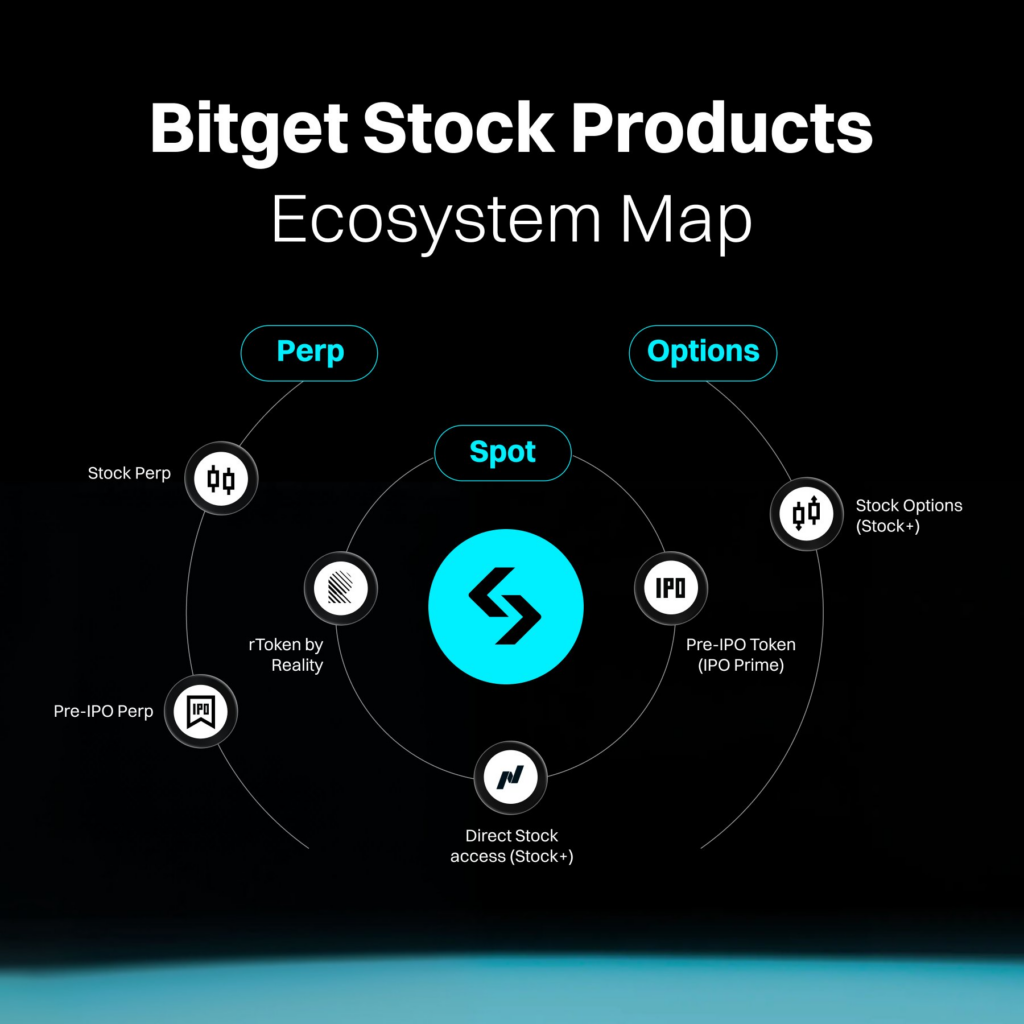
Bitget Stocks 2.0 responds to that shift by bringing two equity access models into one ecosystem. Through rTokens, users can access tokenized U.S. equity exposure designed for crypto-native workflows. Through Stock+, eligible users can purchase real U.S. stocks and ETFs through U.S.-licensed brokers using USDC.
Two ways to access U.S. equities
Bitget Stocks 2.0 is built around a practical distinction between tokenized equity exposure and real U.S. stock ownership.
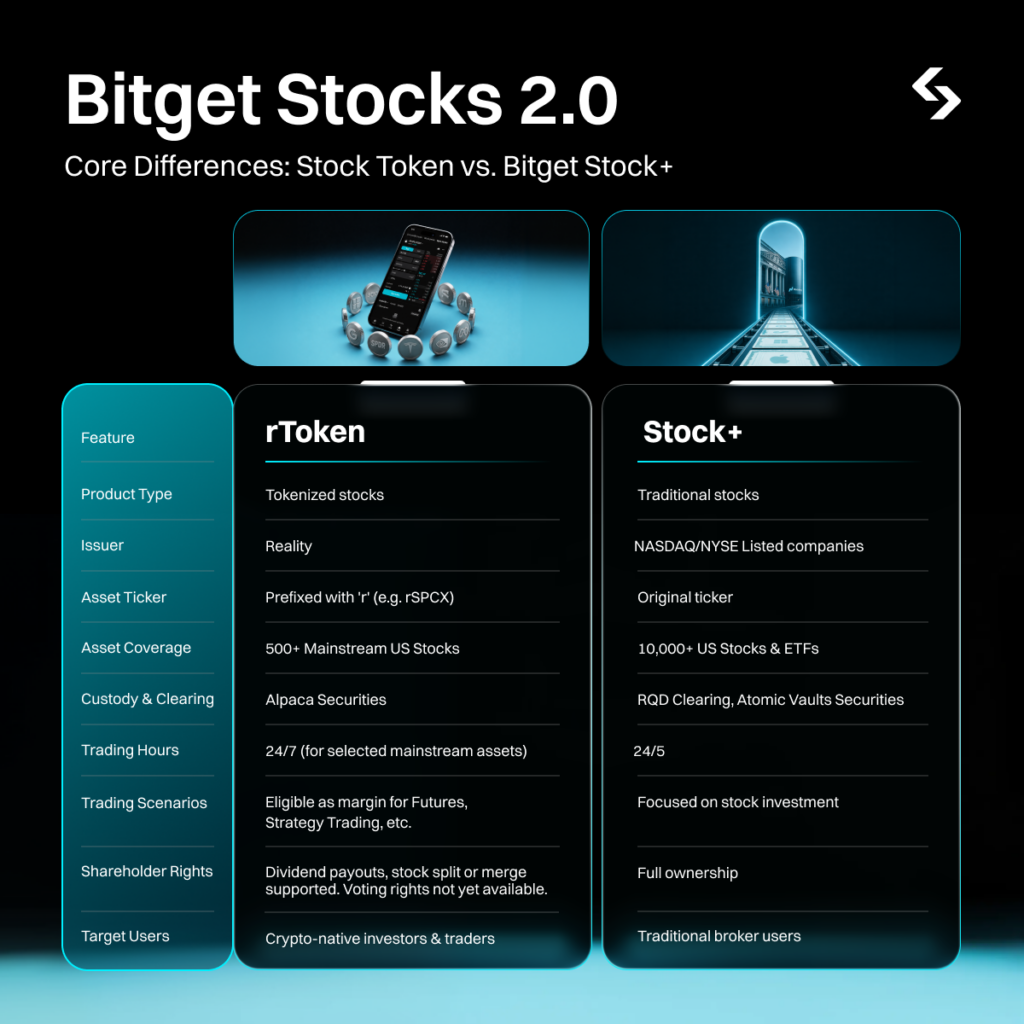
The first route is rTokens, issued through Reality, a regulated RWA issuance platform within the Bitget ecosystem. rTokens give users tokenized exposure to U.S. stocks and ETFs with dividends, including major names such as Tesla, NVIDIA, SpaceX. As of July 2026, the exchange supports more than 500 U.S. stocks and ETFs through tokenized stock products, while Reality’s rToken product suite surpassed $100 million in assets under management less than one month after launch.
The second route is Stock+, which gives eligible users access to real U.S. stocks and ETFs through U.S.-licensed brokers. Through Stock+, users can purchase full or fractional shares using USDC, with investments starting from as little as 0.0001 shares. The product supports more than 10,000 U.S.-listed stocks and ETFs for eligible users, along with cash dividends, stock split adjustments, other corporate actions, and stock transfer support.
At the beginning of July, Bitget also extended Stock+ with U.S. stock options, giving eligible users access to options contracts on leading U.S.-listed companies. This adds another traditional-market instrument to the platform, allowing users to approach directional trading, earnings-cycle strategies, and downside exposure management within the same broader stock product suite.
This gives Stocks 2.0 a dual structure. rTokens are designed for tokenized exposure inside a crypto-native environment. Stock+ is designed for users who want positions to behave more like conventional equity holdings. Together, they expand Bitget’s equity ecosystem from tokenized stock access into a broader model where users can choose how each U.S. equity position should function.
Access and ownership as separate use cases
Bitget Stocks 2.0 separates U.S. equity access into different use cases instead of forcing all users into one model.
rTokens are designed for users who want tokenized U.S. stock exposure inside a digital-asset environment. Their core benefit is capital efficiency. rTokens can function as productive collateral inside Bitget’s account structure, especially for professional clients using a Unified Trading Account. This means users can maintain U.S. stock exposure while trading derivatives, use tokenized stock positions as margin without selling them, borrow crypto assets against tokenized equity collateral, and allocate assets more flexibly across main and sub-accounts. For more advanced users, this can support hedging, arbitrage, or delta-neutral strategies.
Another benefit is its resilience from de-pegging. During U.S. market hours, rTokens are designed to reflect the price and liquidity of the underlying U.S. stock market, helping reduce the price-divergence issues.
rTokens also address the compliance and backing question. They are positioned as tokenized equity products backed by corresponding U.S. shares, rather than purely synthetic exposure. This is important because tokenized stocks need to serve two roles at once: they must be usable in crypto-native infrastructure while still giving users confidence that the exposure is connected to real underlying assets.
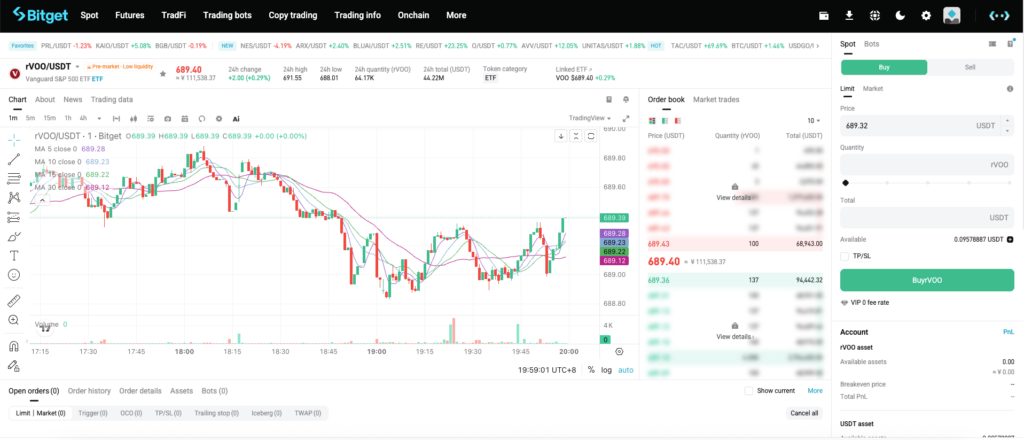
Stock+ serves a different need. It is built for eligible users who want real U.S. stock ownership through U.S.-licensed brokers while funding and managing positions with USDC. Its core benefit is direct ownership. Users can access real U.S. stocks with familiar equity-market features such as dividends, voting rights where applicable, and conventional portfolio tracking.
Stock+ is also designed to reduce migration friction. It supports inbound transfers from participating brokers, giving users a path to consolidate existing U.S. stock holdings inside Bitget. For users already holding equities elsewhere, this makes Stock+ more than a new trading feature; it becomes a way to bring existing stock positions closer to their crypto portfolio.
The third benefit is familiarity. Stock+ follows a more traditional brokerage-style experience, including market data, order entry, and portfolio views. This lowers the adaptation cost for users who already understand stock trading but want to access it through a stablecoin-funded, crypto-connected platform.
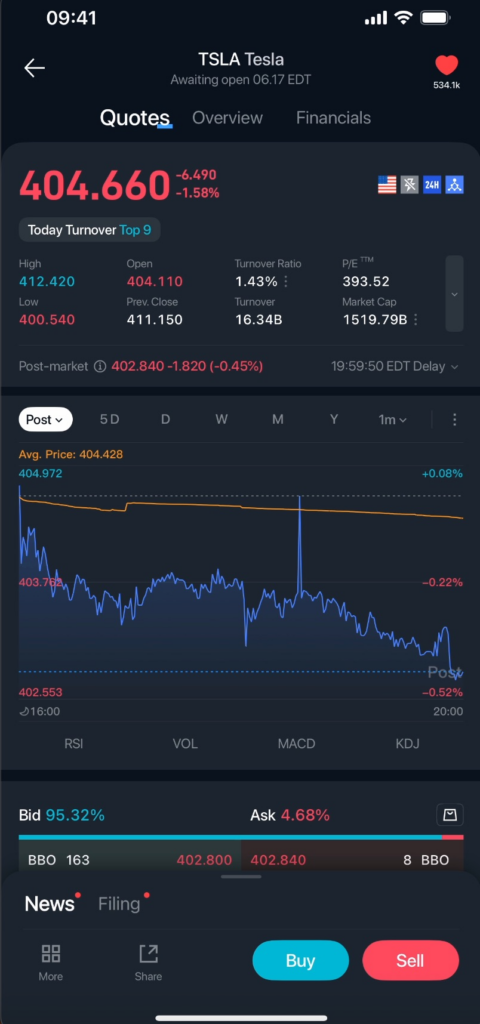
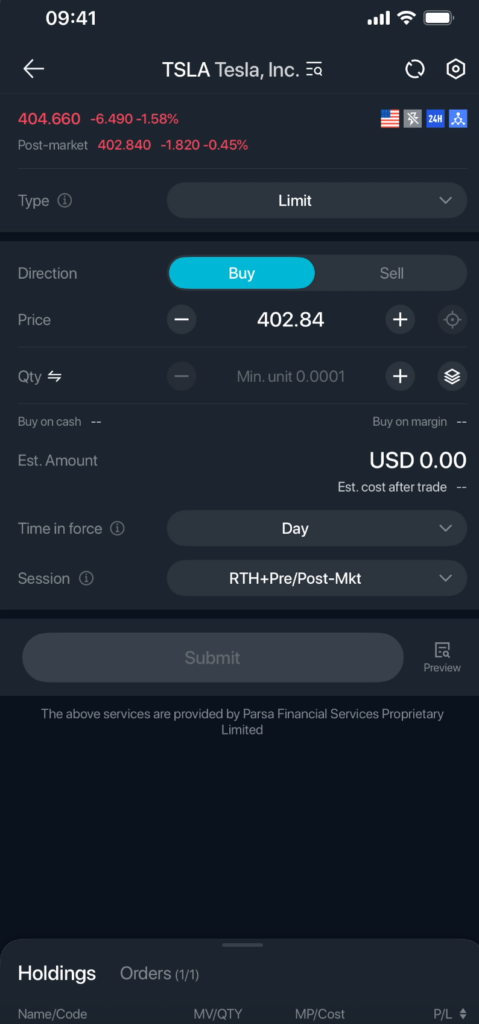
U.S. stock options add a more advanced strategy layer to this structure. They are not a replacement for rTokens or Stock+, but an extension of the same equity ecosystem. For eligible users, options provide access to contracts on leading U.S.-listed companies, allowing them to trade bullish or bearish views, respond to earnings cycles, and manage downside exposure.
Stocks 2.0 v.s. traditional broker
If users can already open a traditional brokerage account to buy U.S. stocks, what is the real point of Bitget Stocks 2.0?
The answer depends on the user. For someone who only wants a standalone stock account, traditional brokerages already serve that purpose. Stocks 2.0 is aimed more directly at users who already live inside a digital asset environment and want U.S. equities to become part of that same financial workflow.
The first advantage is account consolidation. Many crypto users hold capital on exchanges, trade in stablecoins, and manage portfolio activity across digital asset tools. Moving into U.S. equities through a traditional broker often means another onboarding process, another funding route, another interface, and another place to monitor idle cash. Stocks 2.0 reduces that fragmentation by allowing users to access tokenized stocks and real U.S. stock positions from within Bitget.
The second advantage is digital asset funding. Stock+ allows eligible users to use USDC to purchase real U.S. stocks and ETFs. For users already holding stablecoins, this creates a more direct path from crypto balances to equity exposure. It also makes U.S. stock access feel less like a separate financial routine and more like an extension of the existing account.
The third advantage is the availability of two operating modes for the same market. Traditional brokers generally focus on direct stock ownership. rTokens add another layer by allowing stock-linked exposure to interact with crypto-native tools, including unified margin systems and selected yield products. This gives users a way to use equity exposure more actively within the broader exchange ecosystem.
The fourth advantage is portfolio design. Stock+ supports inbound transfers from participating brokers, giving users a path to consolidate existing U.S. stock holdings inside Bitget. rTokens, meanwhile, are built for users who want tokenized assets to move more flexibly across digital asset infrastructure and connect with DeFi-oriented use cases.
This is what makes Stocks 2.0 different. For users managing both digital assets and traditional market exposure, the value lies in having both models available from one platform.
The takeaway: a more flexible model for equity access
Bitget Stocks 2.0 expands how users can access U.S. equities, but the right choice depends on what each user needs from a position.
rTokens may appeal to users who prioritize tokenized utility, capital efficiency, and integration with crypto-native tools. Stock+ may be more suitable for eligible users who want real U.S. stock ownership, broker-supported holdings, dividends, corporate actions, and USDC-funded access.
This makes Bitget Stocks 2.0 less of a one-size-fits-all product and more of a framework for different equity access needs. Its value lies in giving users more routes into U.S. markets, while making the distinction between tokenized exposure and real ownership clear.
If you’re interested in learning more about RWA tokenization and real stock trading, please visit here.
Maximize your Cointribune experience with our "Read to Earn" program! For every article you read, earn points and access exclusive rewards. Sign up now and start earning benefits.

The Cointribune editorial team unites its voices to address topics related to cryptocurrencies, investment, the metaverse, and NFTs, while striving to answer your questions as best as possible.
The views, thoughts, and opinions expressed in this article belong solely to the author, and should not be taken as investment advice. Do your own research before taking any investment decisions.