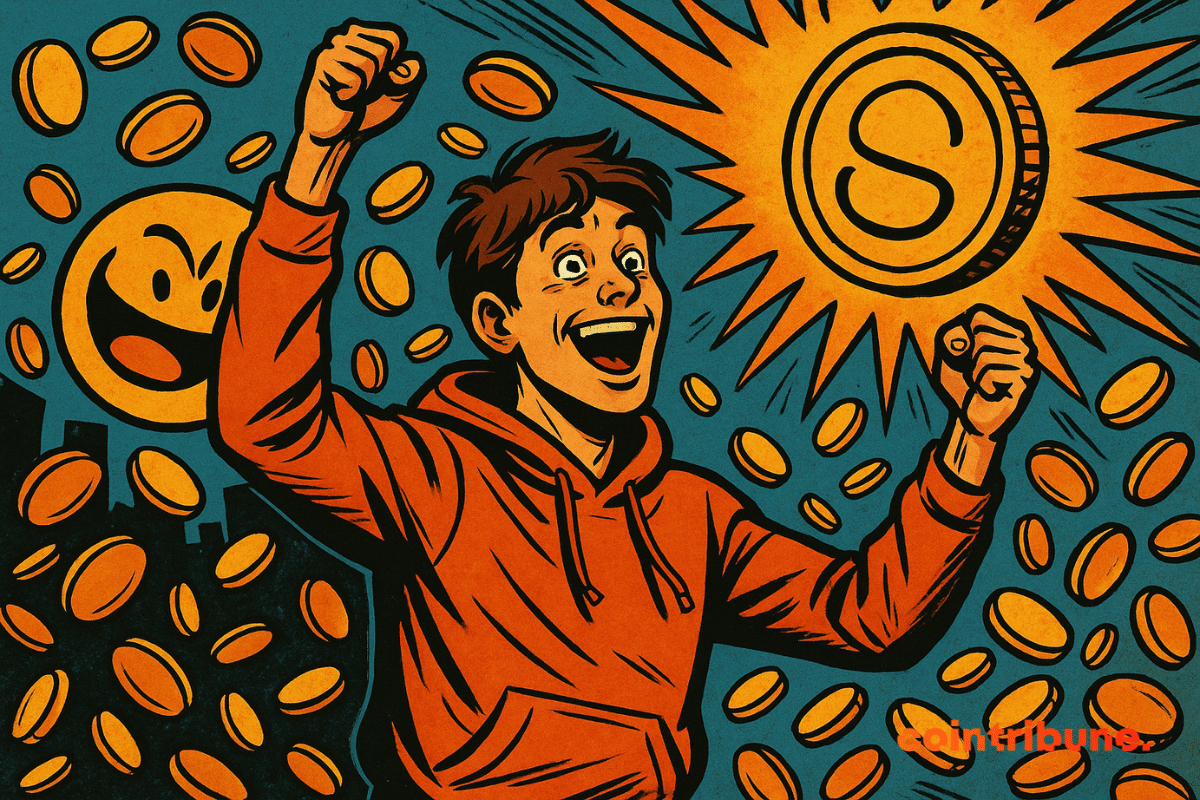
Solana is deploying record volumes and seeing its TVL climb, but the price remains stuck below $130, held back by resistance. The crypto market is still waiting for the trigger for a rally.
Global trade is wobbling under the effect of a new escalation between Washington and Beijing. Donald Trump is reigniting the tariff offensive against China, rekindling a trade war that marked his previous term. Beijing, far from backing down, is deploying a firm response, determined to defend its strategic interests. This renewed showdown between the two superpowers resonates well beyond customs, threatens global economic balances, and stirs tensions in international markets. A confrontation whose implications could be felt well beyond American and Chinese borders.
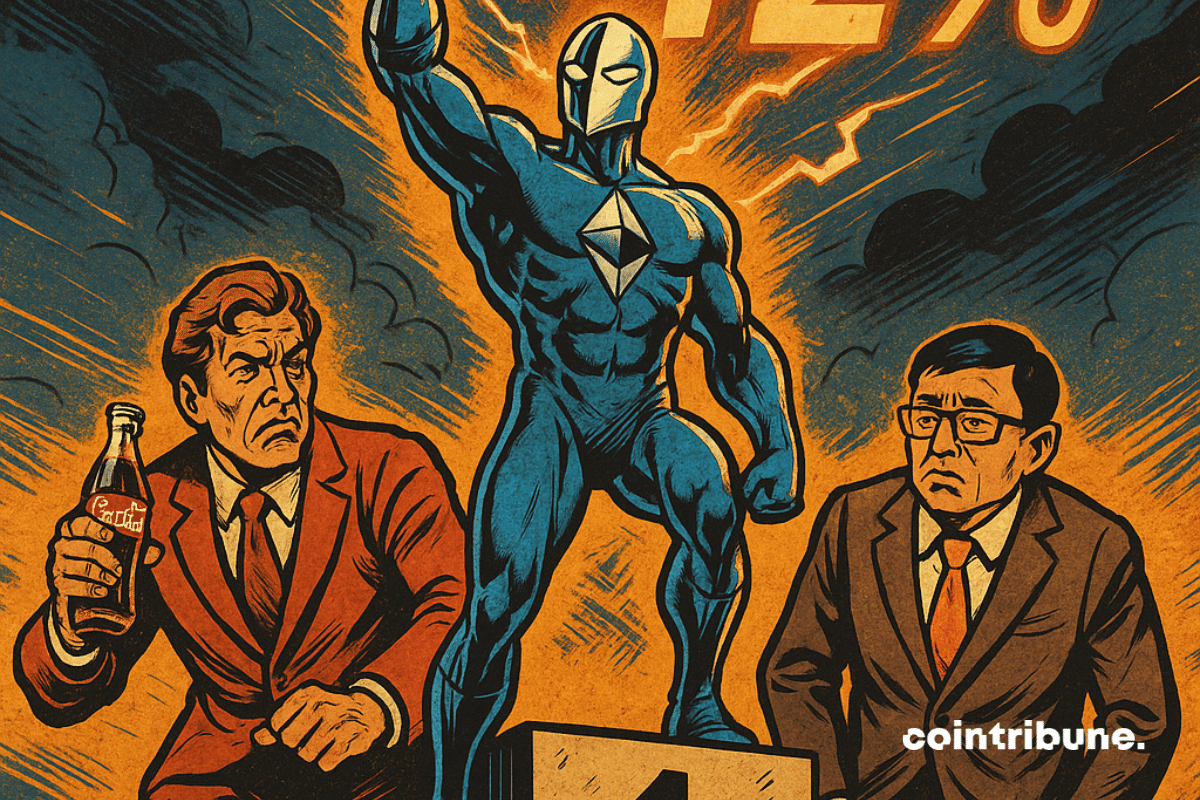
Ethereum is wobbling, and the shadow of previous bear cycles resurfaces. In just three months, ETH has lost more than 65% of its value, bringing speculators and investors to a major psychological threshold: $1,000. This drop would not be a simple correction but an echo of the crashes of 2018 and 2022. As indicators slide into panic zones, the prospect of a definitive floor fuels both the hope of a rebound and the fear of prolonged capitulation.
The trade war orchestrated by Donald Trump has reached an unprecedented level, with record tariffs of 104% imposed on Chinese products. This sudden, almost surreal escalation has caught the crypto markets off guard, immediately plunging bitcoin into a downward spiral. But is this decline sustainable or merely a masked opportunity?
Binance makes a significant move by announcing the removal of 14 tokens from its platform starting April 16. This unprecedented decision, guided by a community vote and enhanced quality criteria, marks a turning point in the giant exchange's strategy for selecting crypto projects.
In a move that further intensifies the economic tensions between Donald Trump and China, the White House announced the imposition of an additional 104% tariffs on Chinese imports. This measure comes after China has evidently maintained its own 34% duty on American exports.
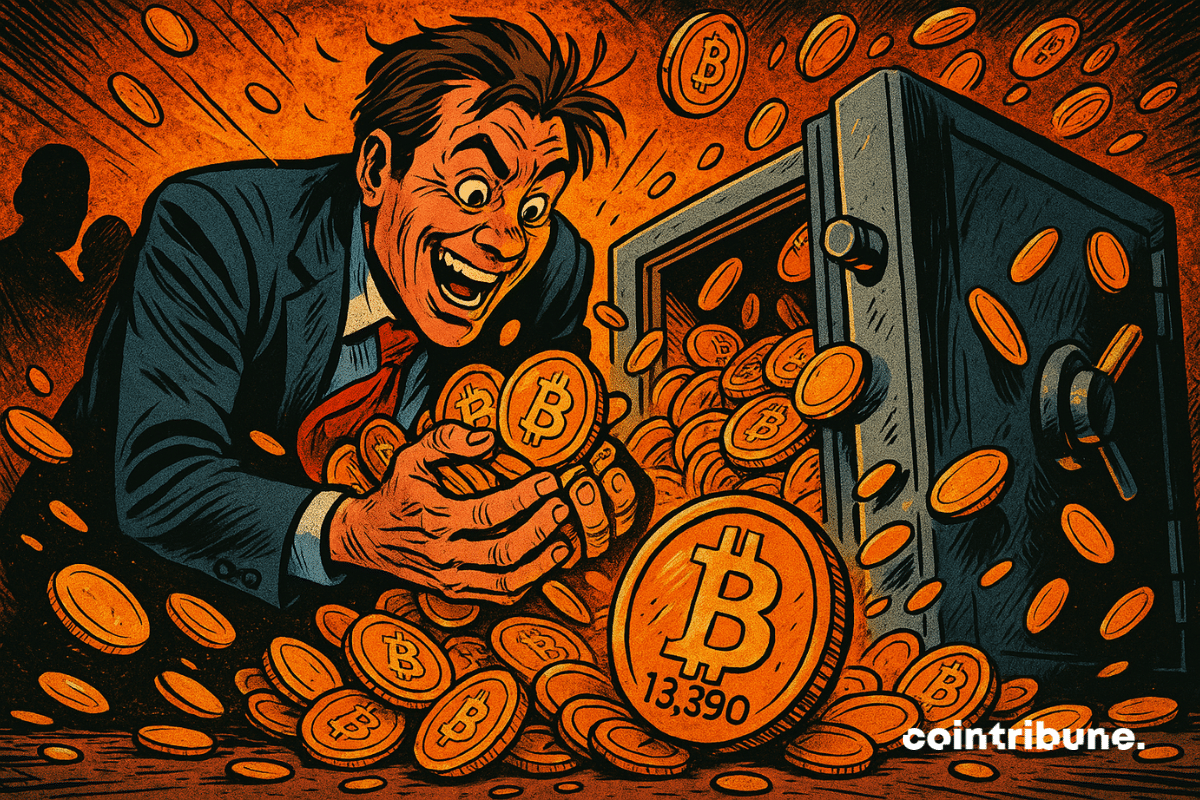
Michael Saylor, an emblematic figure of Bitcoin, has long wielded his strategy as a banner of absolute hodl. However, a recent filing with the SEC has begun to crack this narrative. The man who promised to bequeath his BTC to a dedicated foundation is now considering selling — at least under duress. A turnaround that raises questions: how far can one challenge financial and regulatory realities in the name of conviction?
James Murphy is suing the U.S. government under a FOIA complaint, hoping to obtain documents regarding the identity of Satoshi Nakamoto, following revelations from a DHS agent about a meeting in 2019.
Global stock markets regained some stability on Tuesday after three days of historic turbulence, despite worsening trade tensions triggered by Donald Trump's new protectionist measures.
The crypto landscape, shaken by adverse winds in recent weeks, is finally showing signs of resilience. As Bitcoin grazed $75,000 before bouncing back toward $80,000, altcoins like XRP and Dogecoin recorded gains of 10%, giving the market a breath of fresh air. This upswing comes as overall market capitalization returns to November levels, a time marked by Donald Trump's election. A technical rebound, massive liquidations, and a ripple effect among traders: decoding a relief that is as brutal as it is unexpected.
The investment of 686,567 ADA by Cardano during the crypto market crisis: a winning or risky strategy? Analysis.
WLFI, whose partner is the Trump family, is testing its stablecoin with a USD1 airdrop. While this initiative attracts attention, it also raises concerns about regulation.
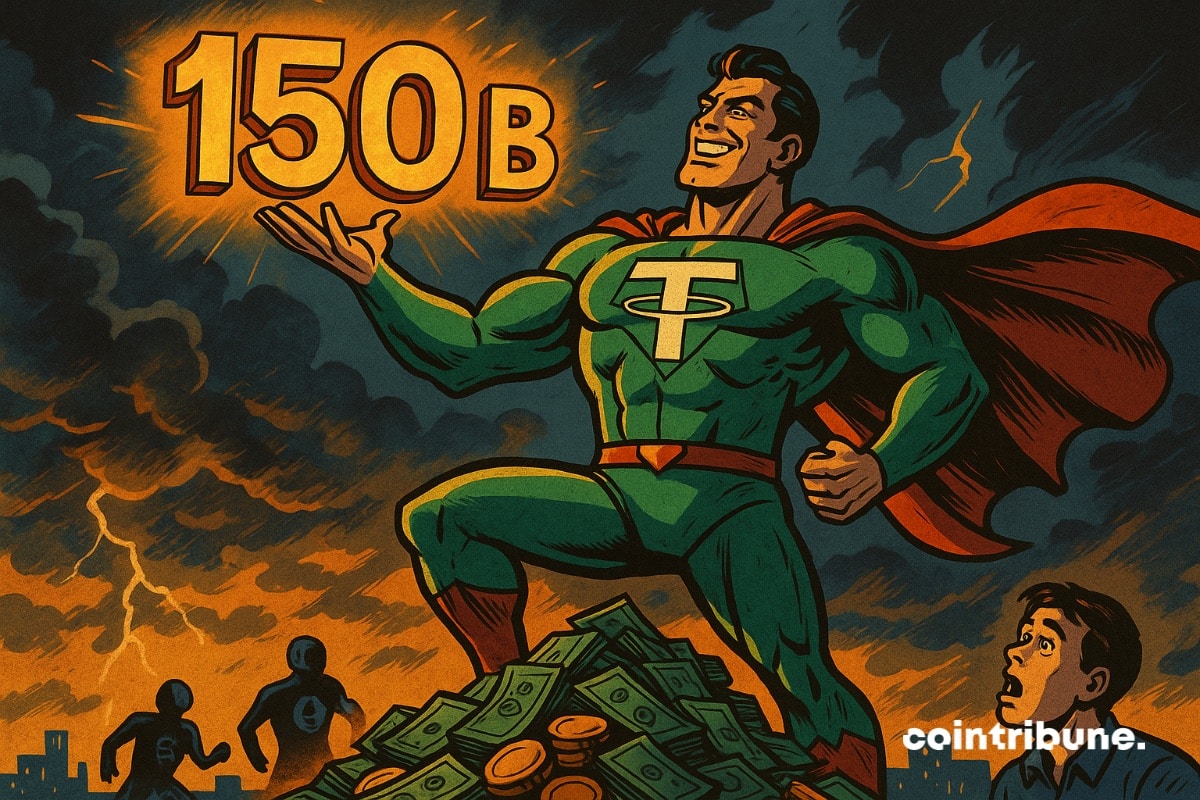
Tether, the leader of USDT, is preparing a new American stablecoin aimed at financial institutions. This strategic project emerges as Washington moves towards a regulatory framework for these dollar-backed digital currencies.
The crypto market is regaining its colors after the "Black Monday" on April 7, which led to over one billion dollars in liquidations within 24 hours. Currently, the global crypto market capitalization stands at 2.53 trillion dollars, up 3.08% in a day, signaling a possible return of investor confidence.
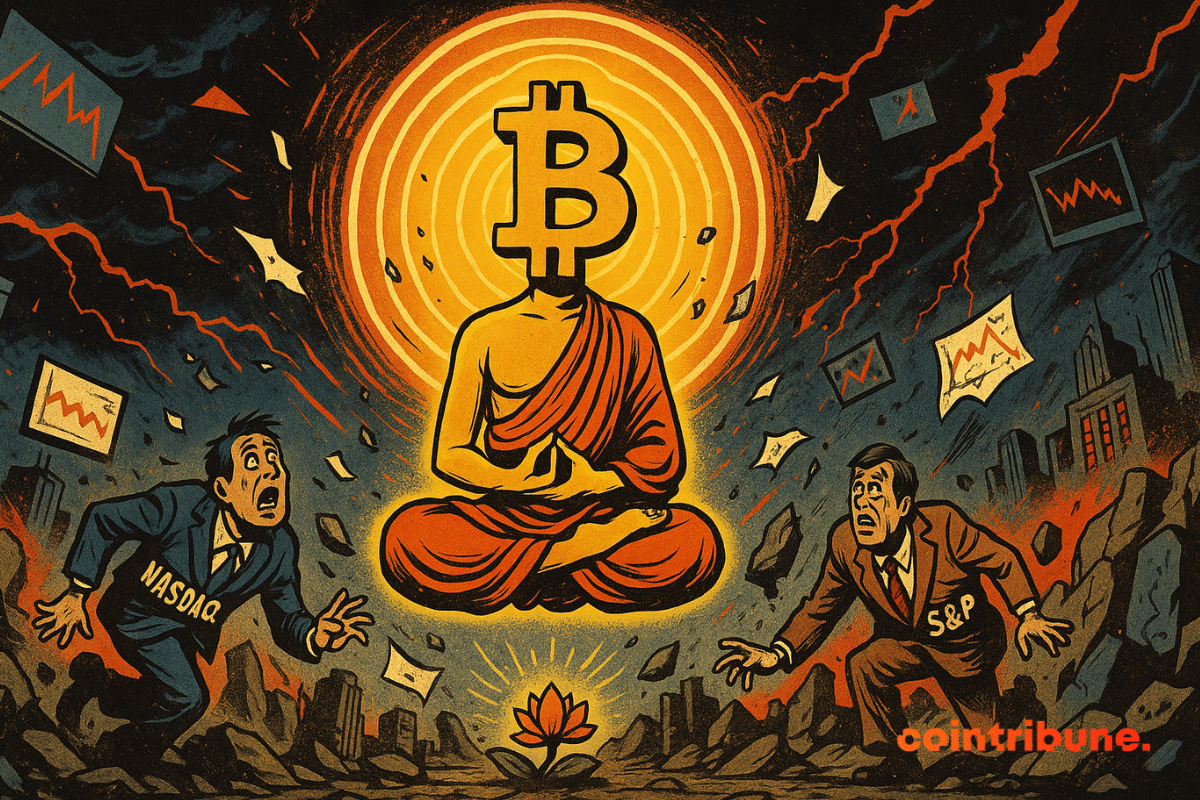
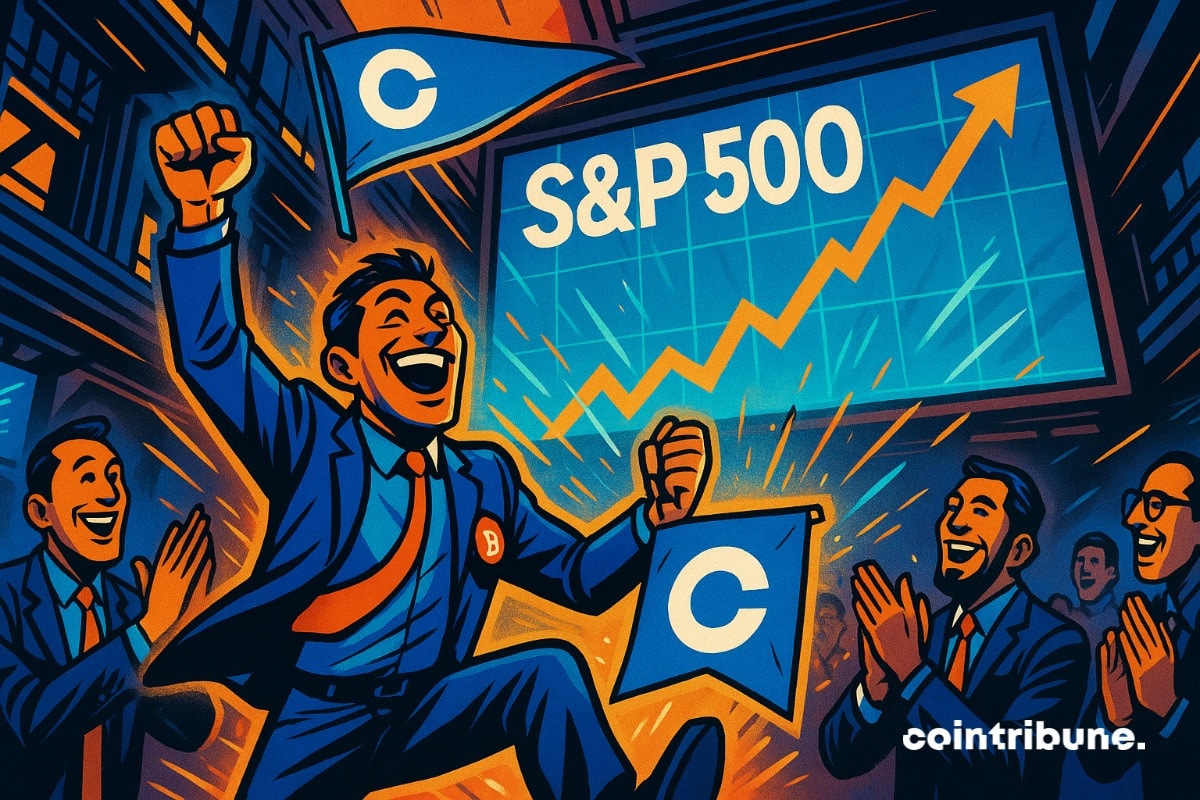
Bitcoin is catching everyone off guard. Amid a stock market collapse triggered by Trump's new tariffs, the cryptocurrency is showing unexpected resilience. While the S&P 500 and Nasdaq are plummeting, and gold is struggling to reassure, BTC is gaining ground. This movement shakes up the certainties about its correlation with traditional markets and rekindles the debate: is Bitcoin establishing itself as a fully-fledged asset during systemic crises?
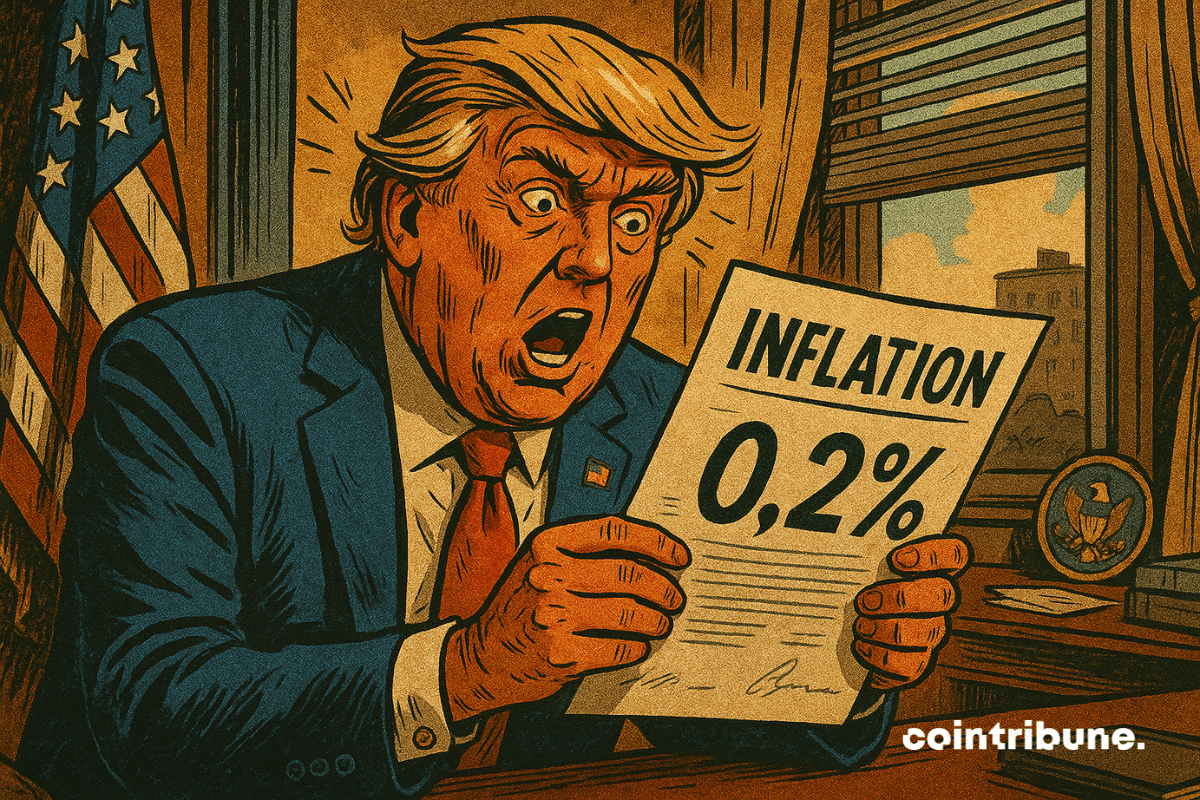
Donald Trump reignited trade tensions with China on Monday, April 7, by threatening to impose "additional" tariffs of 50% on Chinese products. This new escalation would occur as soon as April 9, if Beijing does not reverse its decision to retaliate against the U.S. customs offensive. China had indeed announced an increase of its own tariffs to 34% on American imports, effective April 10.
A new trade confrontation is beginning between the two shores of the Atlantic. Through the announcement of a 20% tariff on all European products, Washington directly targets exports from the Old Continent. France, on the front line, faces the threat of a major economic shock. Between the vulnerability of strategic sectors and diplomatic urgencies, Paris must react quickly. Behind this American decision lies much more than a tariff battle: the entire architecture of transatlantic trade relations is at stake.
1 Zettahash, a technical victory for Bitcoin, but a chilling economic blow for miners: a record power that hides compressed margins and falling prices.
After a bleak week, the CAC 40 fell by 8%, shaken by the trade war, market volatility, and grim economic outlooks, with a rebound still uncertain.
The highly anticipated launch of the REAL token, backed by former UFC champion Conor McGregor, has faced a crushing failure. Despite significant media buzz, the sealed auction launched on April 5, 2025, did not meet the financial targets set. The project led by Real World Gaming (RWG) failed to raise the necessary funds, and the team is forced to reimburse the crypto investors.
After five months of suspension, the memecoin creation platform Pump.fun is gradually reintroducing its live streaming feature. This relaunch is accompanied by new moderation measures and comes in a challenging context for the memecoin ecosystem.
After reaching a new historical record at the beginning of the year, bitcoin recorded a decline of over 15% in the first quarter of 2025. This situation is causing concern among many short-term investors who are leaving the market with significant losses, comparable to those observed during the FTX collapse.
Bitcoin, often regarded as a safe haven against the volatility of traditional markets, finds itself this week caught in a global storm fueled by trade tensions between the United States and the rest of the world. Following a series of economic shocks, some analysts do not hesitate to compare the current situation to a Black Monday 2.0. But is it really the end of the bull market for Bitcoin or just a simple correction phase? Here are five key points to remember this week to understand the challenges Bitcoin is facing.
As clouds gathered over the crypto landscape, a lightning bolt split the sky: Ethereum, an indispensable pillar, lost 14% of its value in 24 hours. A brutal drop, amplified by the liquidation of an Ethereum whale for $106 million on Sky, the DeFi platform rebranded in August. Behind these numbers lie cold mechanisms, ruthless mathematical ratios, and a chain reaction cruelly reminiscent of the fragility of decentralized ecosystems. What if this debacle reflected a market still too sensitive to geopolitical shocks, such as Donald Trump's recent customs announcements? A deep dive into the guts of algorithmic carnage.
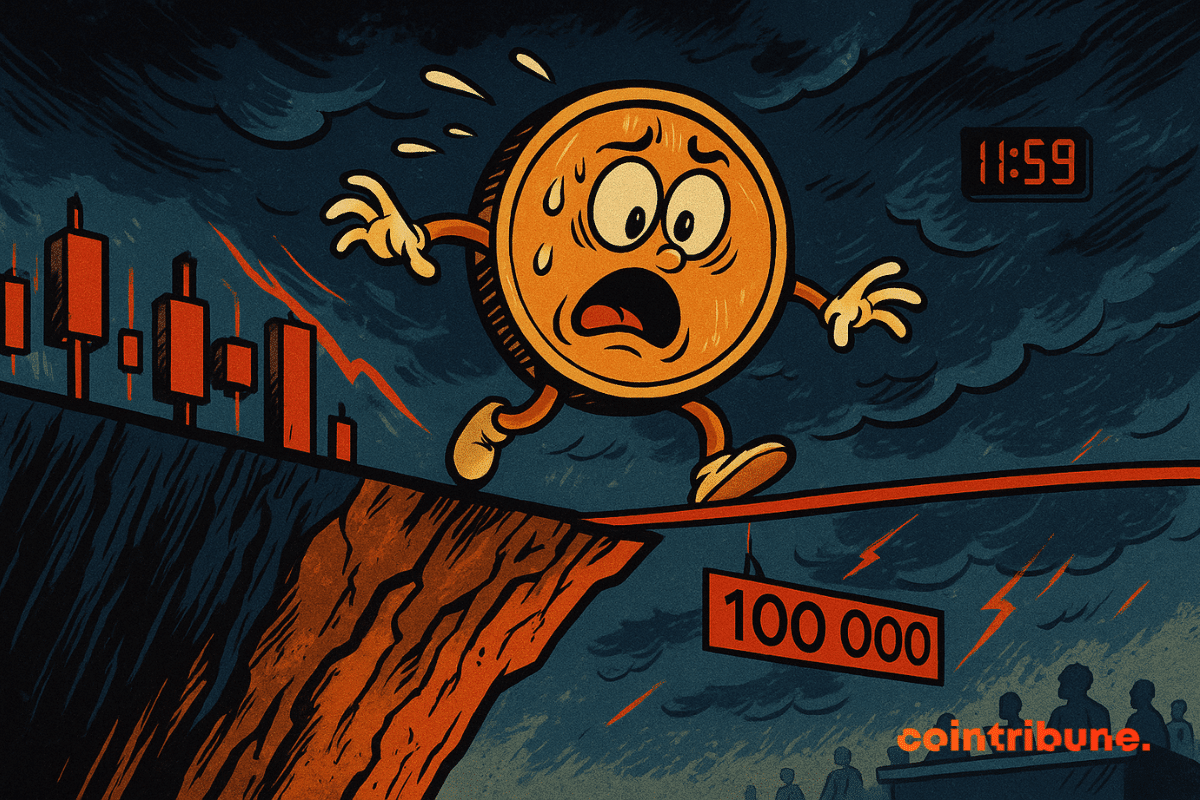
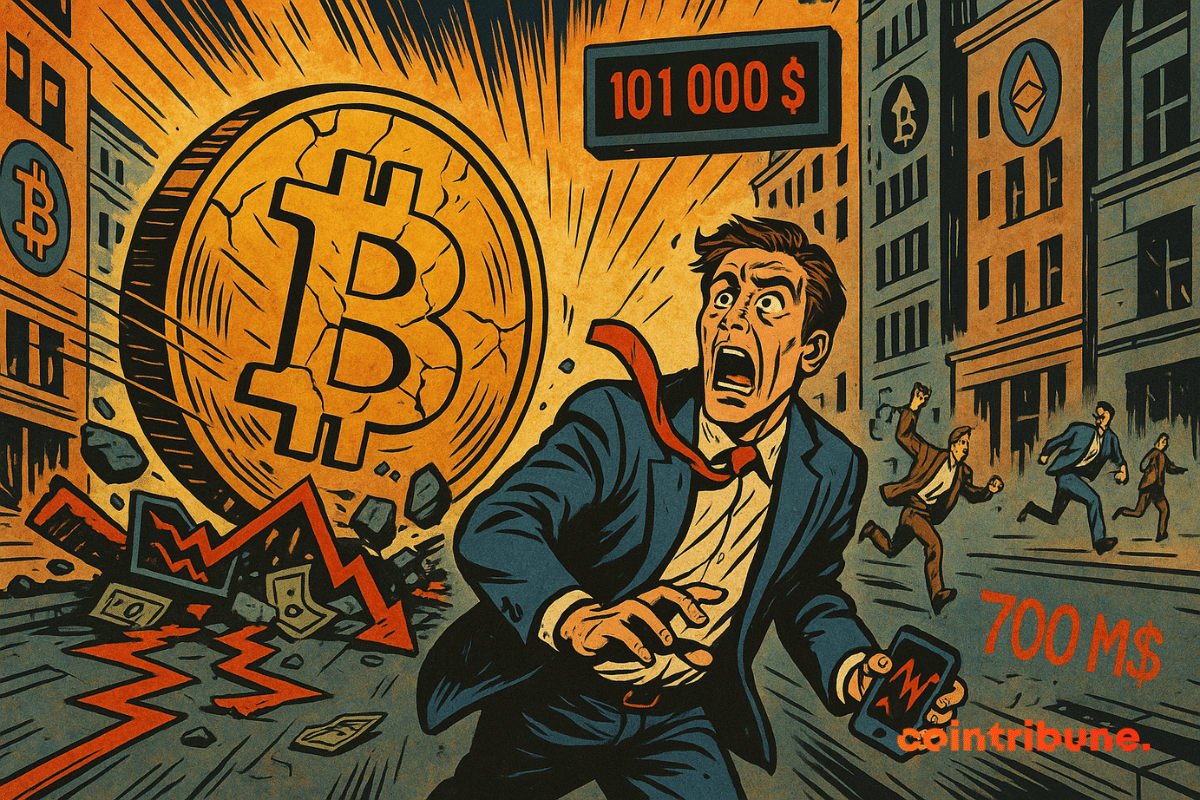
The storm is hitting crypto. On the night of April 7, 2025, Bitcoin collapsed below the symbolic threshold of $75,000, hitting an intraday low of $74,637! In just 24 hours, the leading cryptocurrency lost more than 10%, triggering a shockwave across the entire market.
Trump's new taxes destabilize the markets. What are the consequences for the American economy? The full analysis here!
Decentralized exchange platforms are continuing their expansion in the crypto universe, challenging the supremacy of centralized players, despite a recent incident on Hyperliquid that resulted in a loss of several million dollars.
The amount of Ethereum available on exchanges has just dropped to its lowest level since 2016. A strong signal, as on-chain movements trigger growing interest among analysts looking for leading indicators. This scarcity on exchanges could signal an imminent imbalance between supply and demand, which could lay the groundwork for a potential tightening of availability in the market.
The Trump administration has just triggered a real commercial earthquake. Through the imposition of a universal customs tax of 10%, soon raised to 34% for certain countries, Washington is reviving an aggressive protectionist strategy. This decision, counter to multilateral rules, threatens to reconfigure global trade and is already prompting reactions from more than 50 states. In a tense international context, this major shift could well mark the beginning of a new era of economic confrontation.
The FTX saga continues to shake the crypto ecosystem. Nearly 400,000 creditors of the now-bankrupt platform risk permanently losing their rights to refunds, estimated at over $2.5 billion. The cause: the failure to adhere to the mandatory identity verification process, the famous KYC (Know Your Customer).