Fri 17 Apr 2026 ▪
4 min read
▪
by
Bitcoin under pressure: the most vulnerable miners are massively liquidating their reserves. A worrying dynamic for the crypto market.
Bitcoin under pressure: the most vulnerable miners are massively liquidating their reserves. A worrying dynamic for the crypto market.
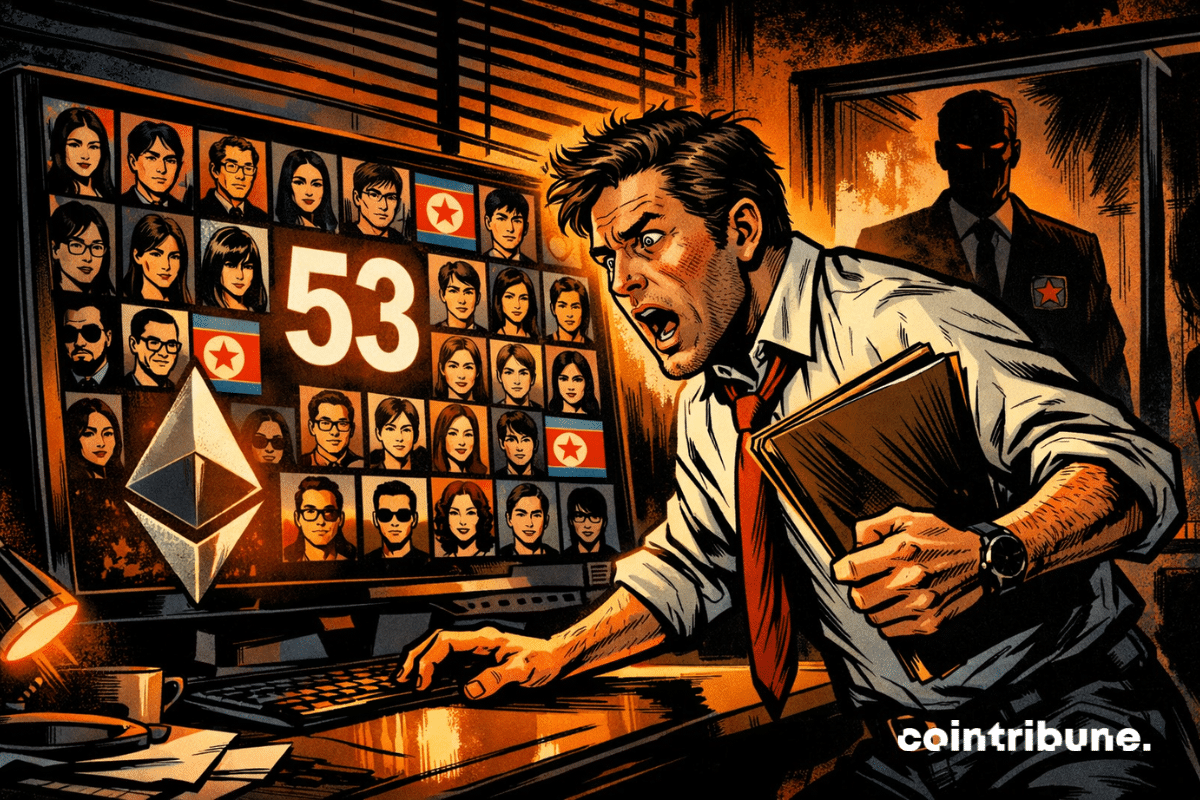
The threat is no longer theoretical. The Ethereum Foundation claims to have helped identify about 100 IT workers linked to North Korea in 53 crypto projects in just six months, through its ETH Rangers program. This figure is striking because it shows that infiltration is no longer limited to spectacular hacks. It also involves hired profiles, integrated, then left as close as possible to sensitive accesses.
A statement from Beijing revives the debate about the origin of bitcoin. Educator Jiang Xueqin proposes a sensitive hypothesis: the first crypto could be linked to American intelligence agencies. This stance questions both the genesis of the protocol and the interests it might serve. In response to this theory, the crypto ecosystem presents technical arguments, reviving a subject as old as it is controversial.
Geopolitical tensions are already reshaping global financial circuits. In this unstable context, bitcoin could change dimension. According to Bitwise, BTC would no longer be just a reserve asset comparable to gold, but a monetary tool used in strategic exchanges between states. A shift fueled by concrete cases and valuation projections that revive a radical hypothesis: a bitcoin capable of exceeding one million dollars.
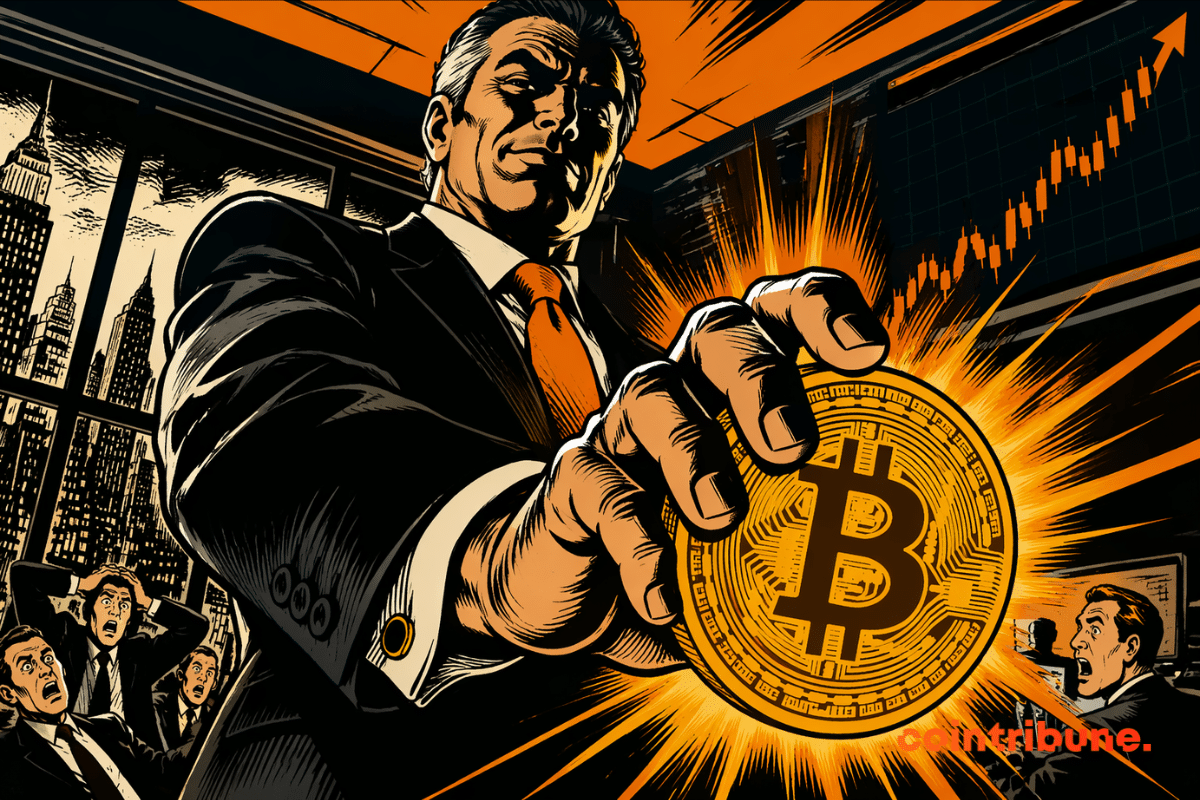
BlackRock restarts bitcoin accumulation with over 500 million dollars bought in 48 hours, confirming the return of institutional investors and reinforcing the hypothesis of a new bullish cycle in the crypto market.
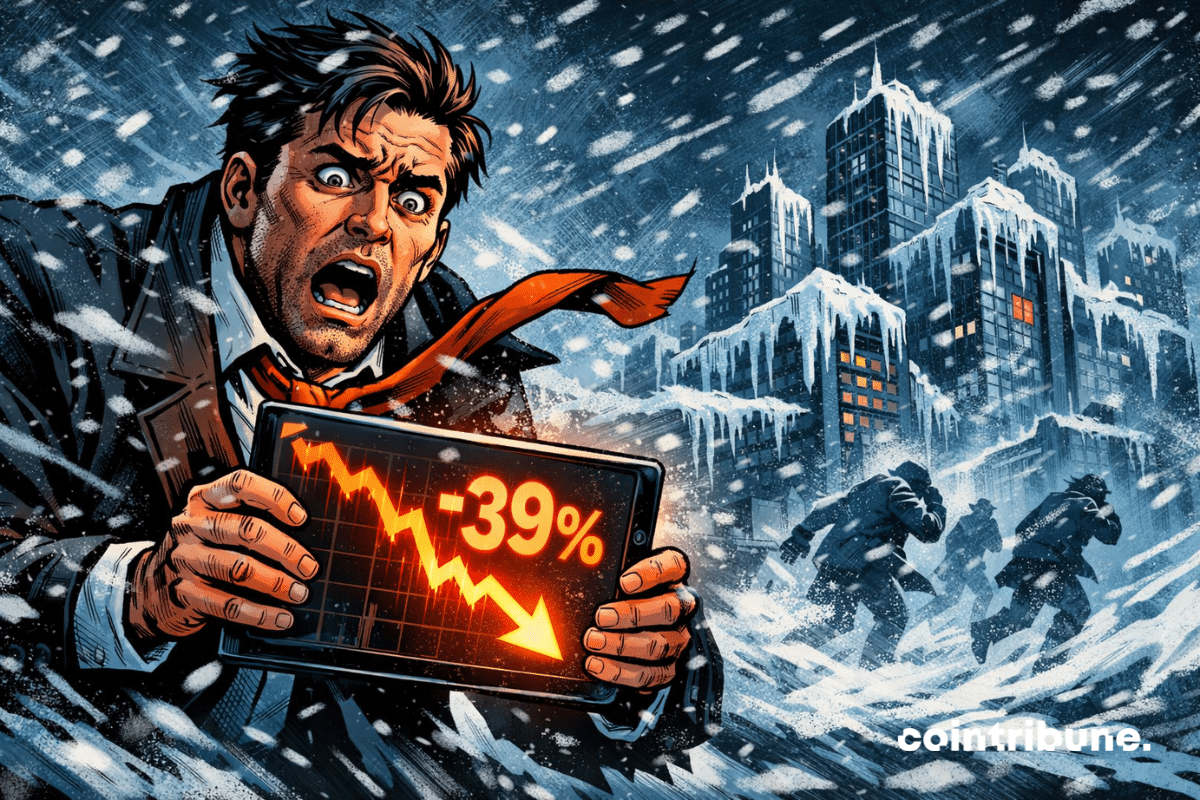
The crypto market is going through a zone of severe turbulence. In the first quarter of 2026, trading volumes on centralized platforms plummeted by 39%, confirming what many feared: a well-established crypto winter. And the signals for the second quarter are hardly reassuring.
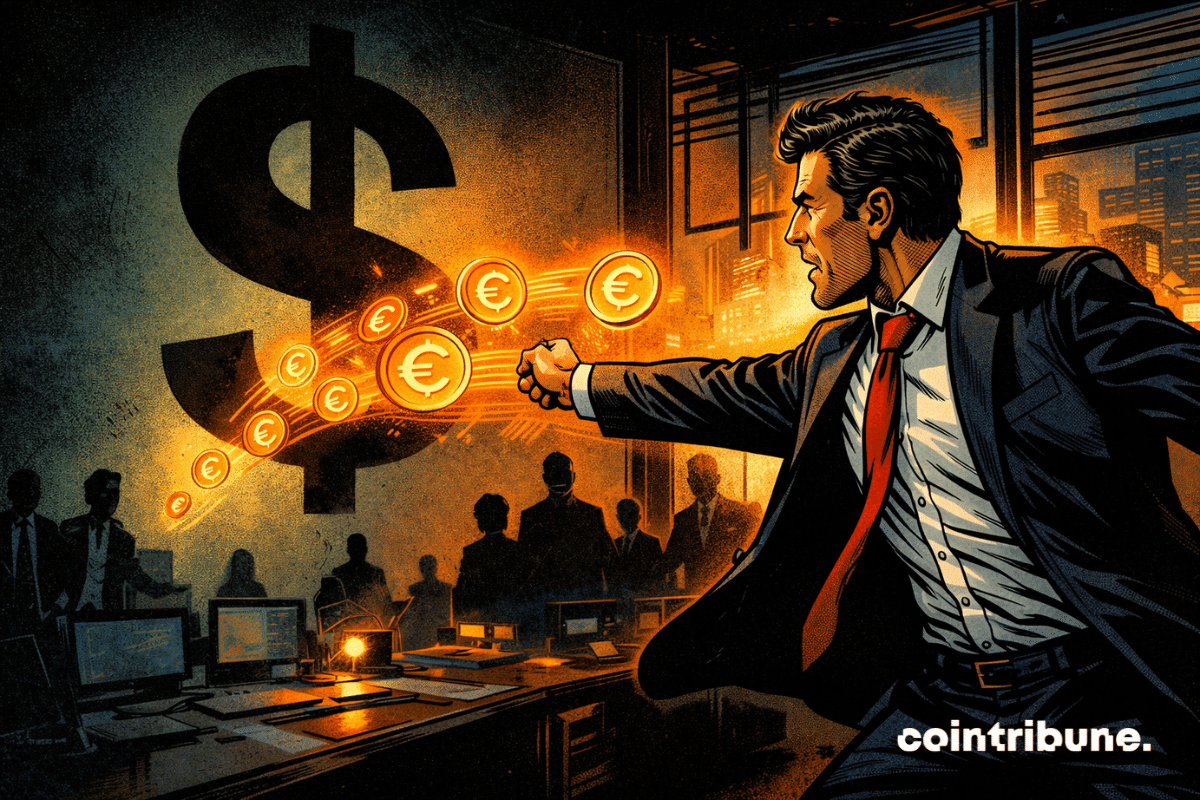
Europe no longer wants to watch the stablecoin market from the sidelines. In Paris, French Finance Minister Roland Lescure clearly pushed for more stablecoins pegged to the euro, with a simple idea behind this signal: to reduce the continent's dependence on payment infrastructures dominated by the dollar and non-European actors.
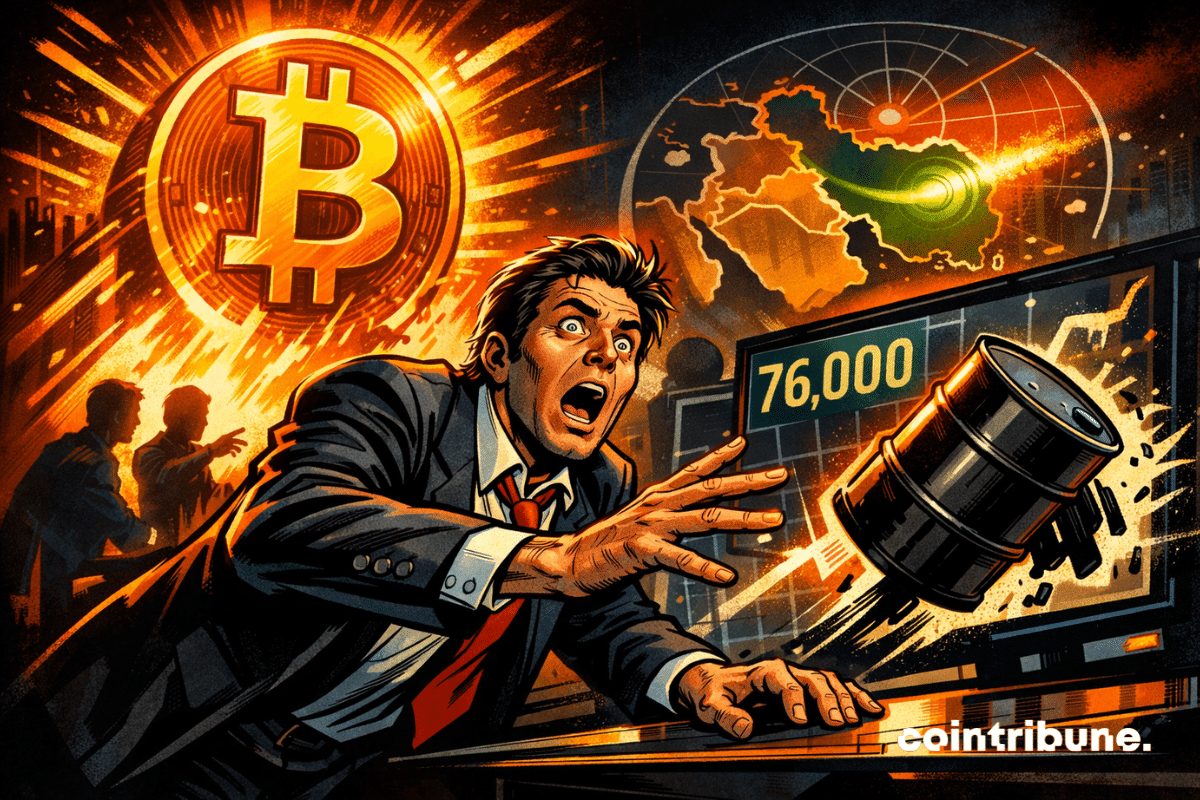
An Iranian announcement was enough to move two markets at once. On one side, oil fell sharply. On the other, bitcoin gained altitude, passing above 76,000 dollars with an intraday peak around 78,000 dollars on Friday.

As digital uses evolve, a question arises at Paris Blockchain Week 2026: how to simplify value exchanges in a world where banking systems and blockchain infrastructures coexist? OZAPAY provides a concrete answer with a hybrid super app that aims to streamline payments, regardless of the system used. Between traditional finance and crypto, users still face unnecessary complexity: multiplicity of tools, fragmented experiences, dependence on intermediaries. This is precisely the area the Parisian fintech has chosen to invest in.
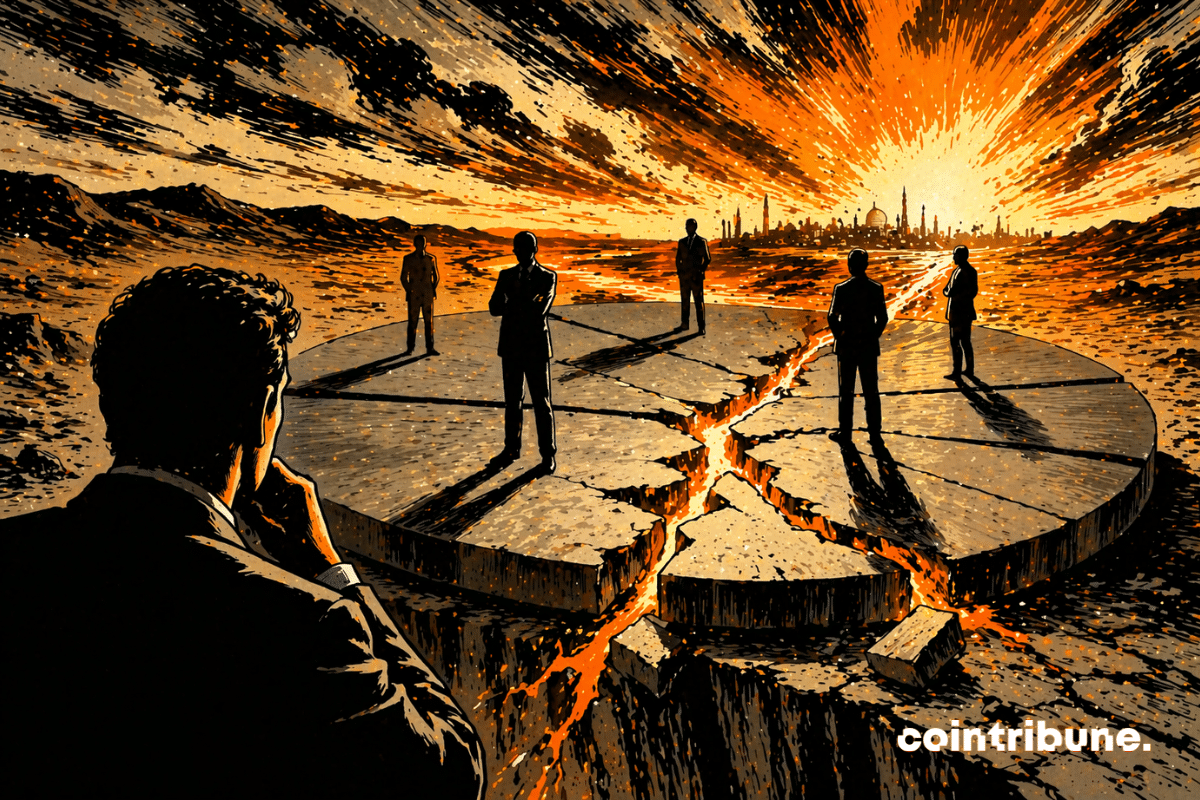
The great powers reveal themselves in crises, and BRICS may have just missed their moment. While the war involving Iran could have marked a turning point, the bloc remained silent, unable to display a common position. This silence raises questions about its real credibility in face of its global ambitions. Behind the image of a counter-power to the West, this sequence mainly exposes deep divisions and structural weaknesses that rhetoric is no longer enough to mask.