JPMorgan and Citigroup are stepping into the stablecoin space as fintech competition intensifies and U.S. lawmakers push ahead with new crypto regulations under the GENIUS Act, signaling a broader shift in traditional banking.

Having firmly established its presence in 2023 and 2024, GM Vietnam — Vietnam Blockchain Week now enters a new chapter, defined by greater ambition, expanded scale, and the spirit of Southeast Asia’s next-generation builders.
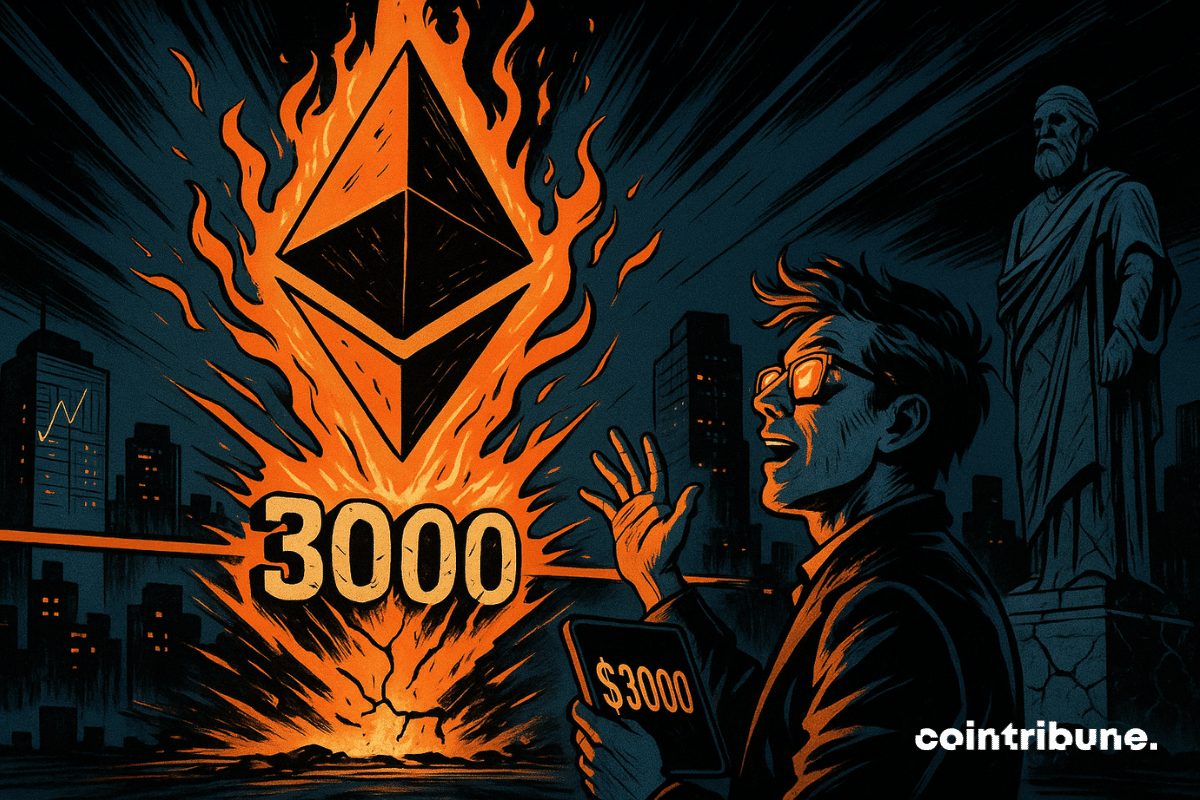
Ethereum suddenly emerges from its lethargy. By breaking through a strategic price zone, the asset marks one of its sharpest movements in weeks. Increased volumes, aligned technical signals, and a resurgence of volatility: all the markers of a market awakening are present. This unexpected sequence repositions Ethereum at the center of attention, amidst the liquidation of short positions and the return of speculative appetite. Such a surge raises as many questions as it intrigues, as the ecosystem still struggles to regain a clear direction.
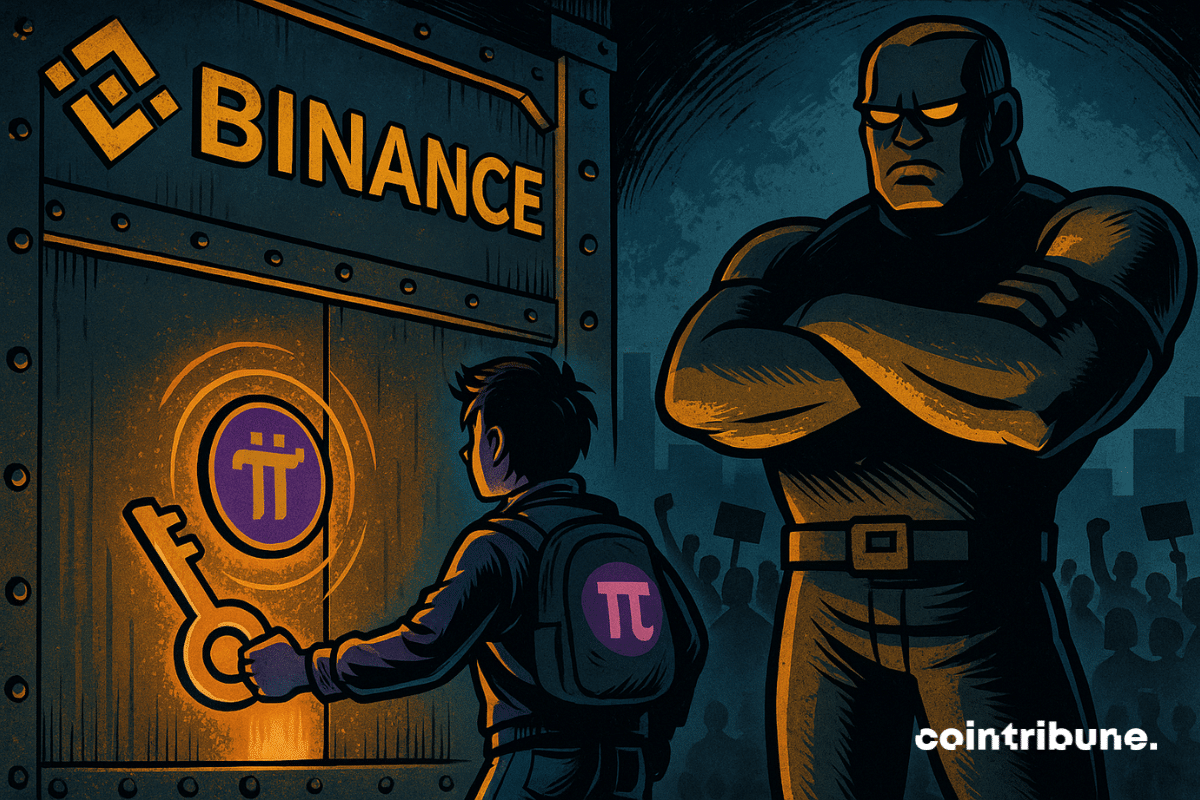
While Pi Network mobilizes millions of users worldwide, its absence on Binance raises questions. Why does the largest exchange platform ignore such a popular project? While Gate.io and Bitget already allow the exchange of PI tokens, Binance remains inflexible. This strategic silence in the face of community enthusiasm does not go unnoticed and reignites debates about the project's credibility, security, and maturity. A decision that, by itself, could reshape the future of cryptocurrency.
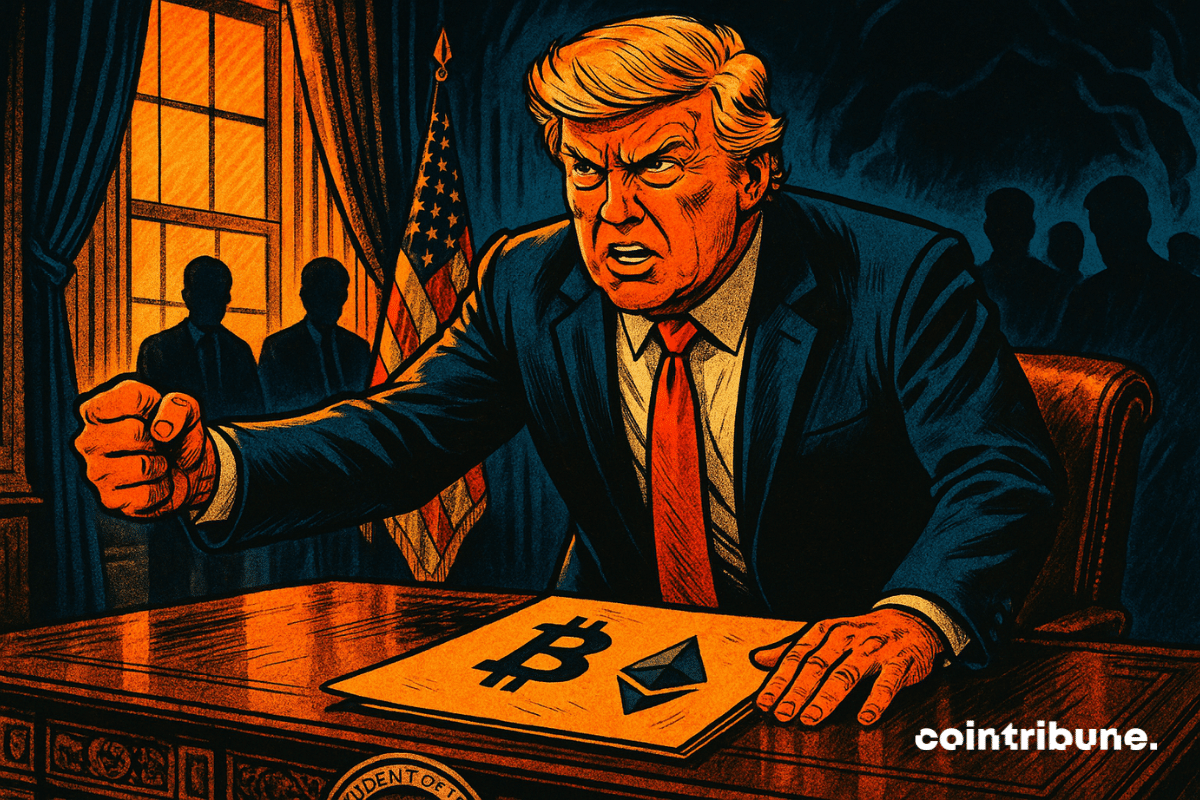
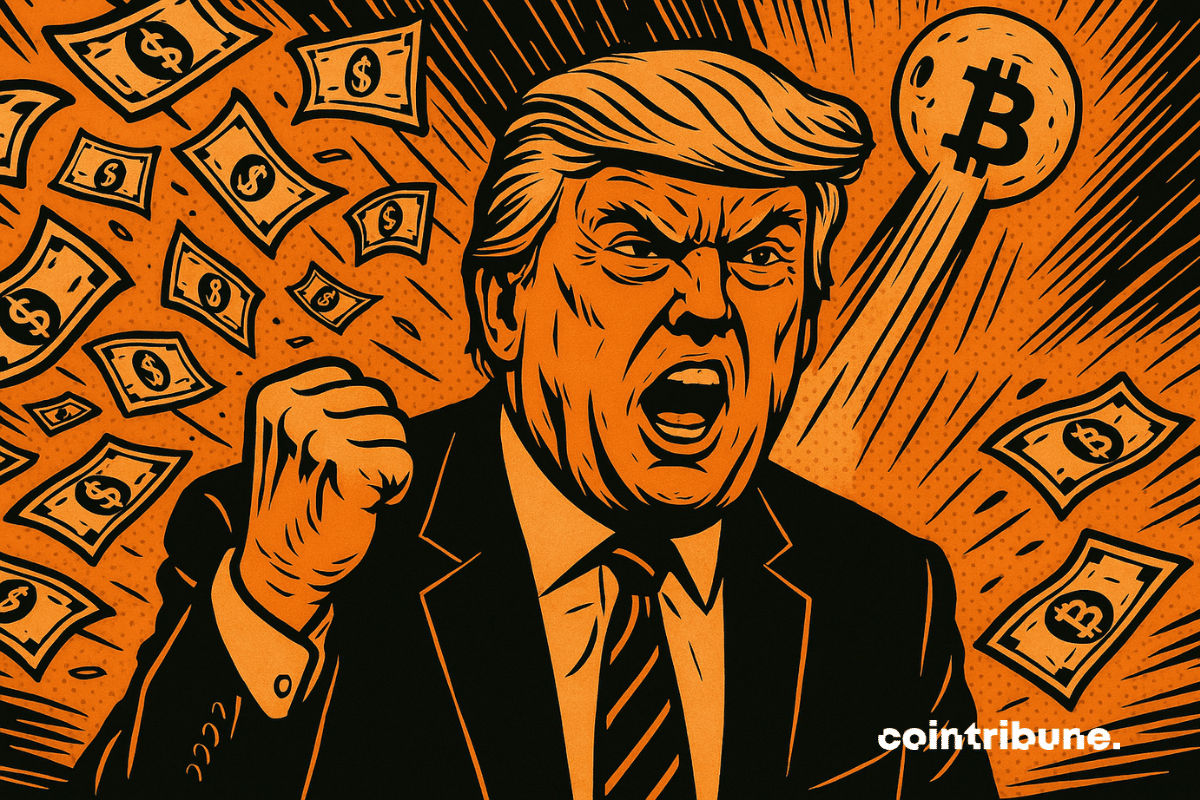
Donald Trump has just avoided a major political setback by rallying dissenters from his own camp. Thanks to a direct intervention in the Oval Office, he is back on track for the adoption of the flagship laws of Crypto Week. However, internal tensions regarding central bank digital currencies (CBDCs) hint at a battle that is far from over.
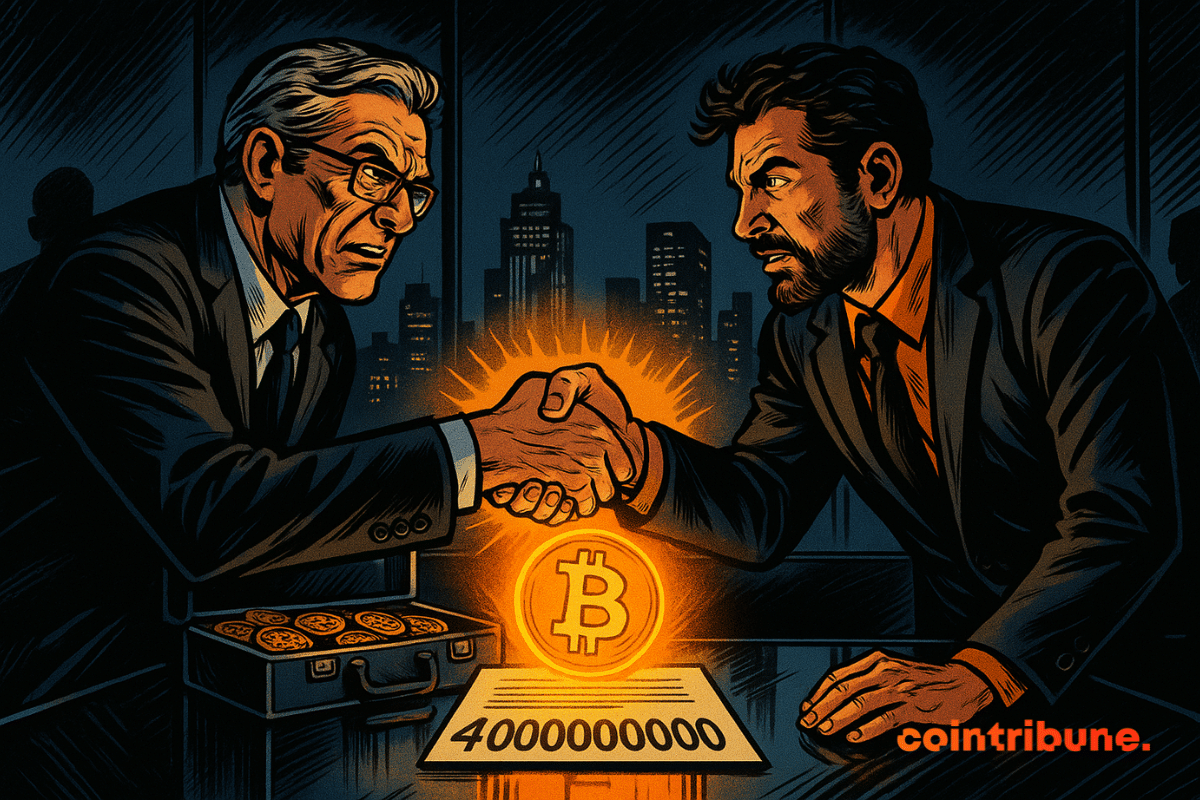
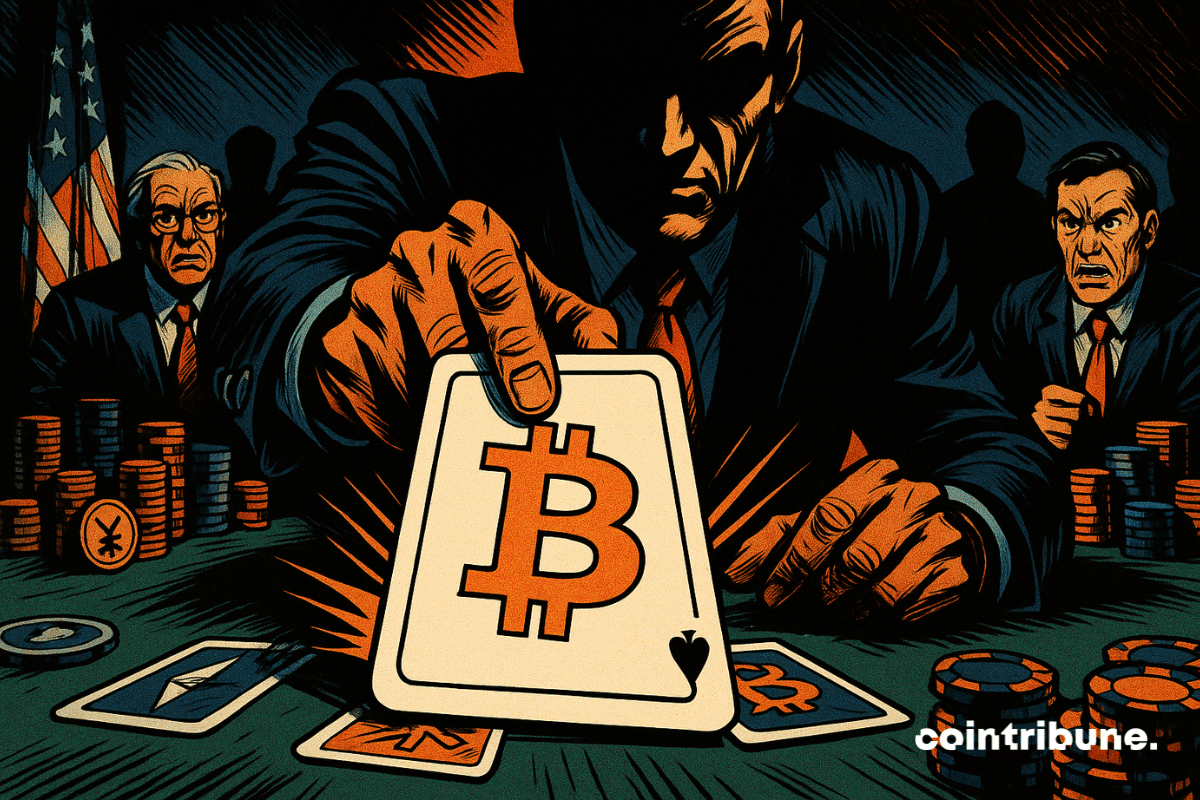
Wall Street flirts with a cypherpunk: 30,000 bitcoins, a SPAC, an impatient heir, and a wink to Satoshi. The question remains who will press the button...
Independence Day for the United States, July 4th embodies more than just a national holiday. It is an ode to audacity, vision, and innovation. This symbolic date has been chosen by Credefi to mark a decisive turning point: its official entry into the American market. From Silicon Valley, the European DeFi protocol asserts its commitment to anchoring decentralized finance in the real economy. Far from being a mere publicity stunt, this expansion reflects a thoughtful strategy, an engaging dialogue with traditional finance, and a clear ambition: to connect the worlds of blockchain and tangible assets, from Sofia to Wall Street.
Digital asset exchange Bitfinex has spotted an interesting trend: grassroots demand for Bitcoin has outpaced supply. Bitfinex’s recent findings come at a time when the apex asset continues to carve strong upward price trajectories amid interest from top industry players. More so, this supply shock indicates the growing appeal of the OG crypto among new market participants despite its high value.
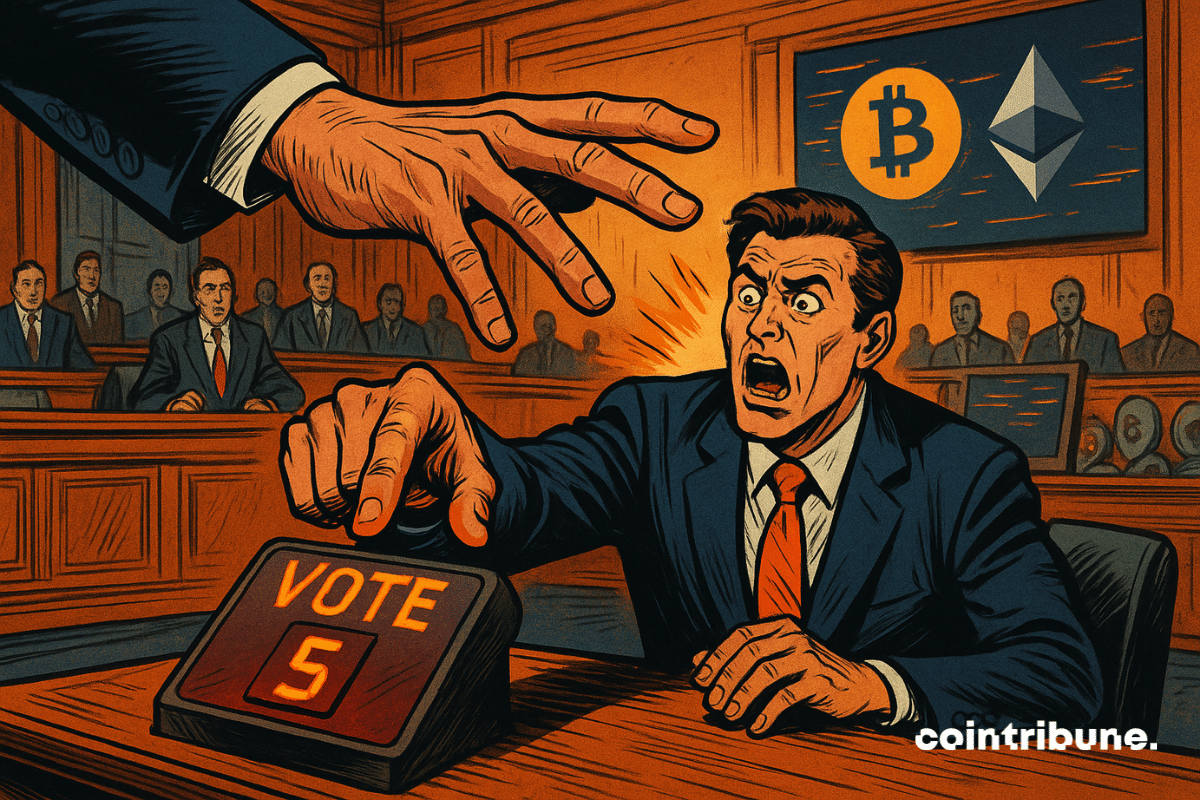
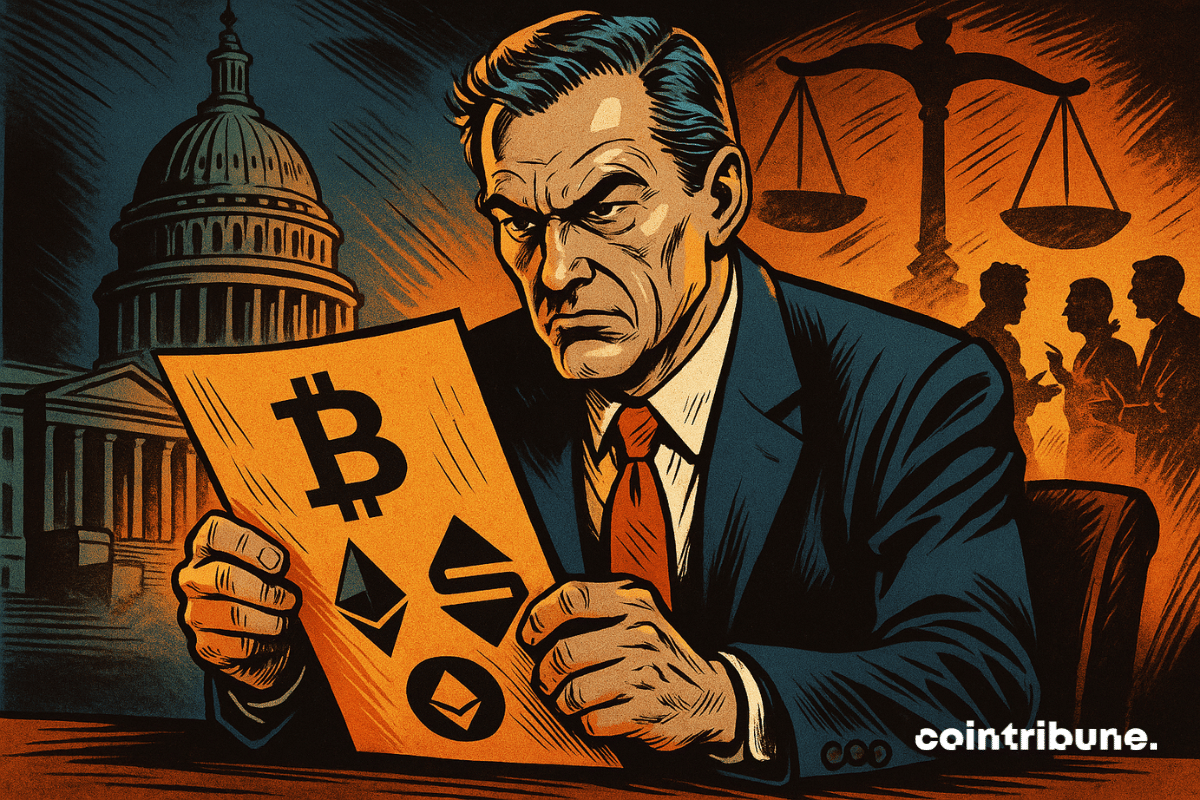
On Tuesday, in a turn as unexpected as it is symbolic, the United States House of Representatives canceled crucial votes on two major cryptocurrency bills. This setback, occurring during the height of "Crypto Week," follows a procedural failure that exposes the deep political divisions surrounding the regulation of digital assets. While attention was focused on the imminent adoption of the "Clarity" and "GENIUS" texts, discussions are now stalled, casting uncertainty on the future of the U.S. crypto framework.
Jerome Powell's term will expire in May 2026, and Donald Trump has already announced that he is considering three to four candidates to replace him. This crucial decision could radically transform American monetary policy and create shockwaves in global financial markets.
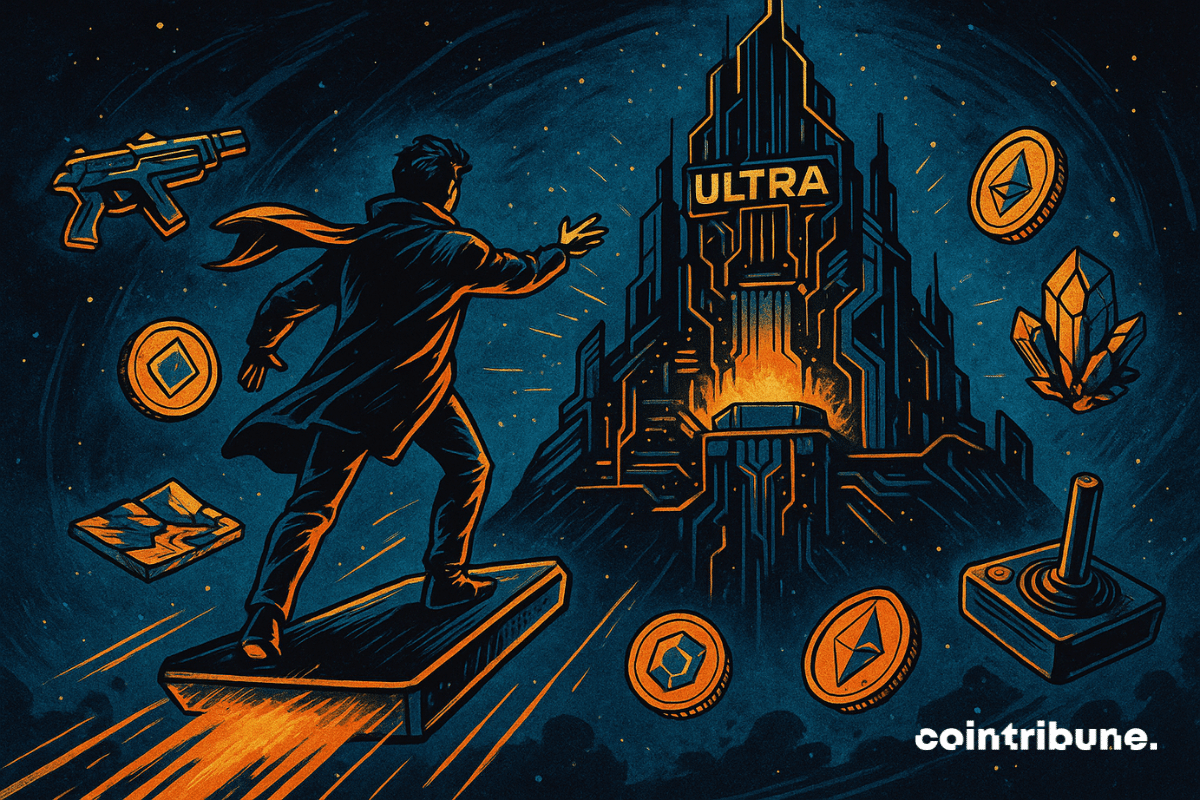
The video game industry is undergoing a transformation. Traditional monetization models are crumbling, giving way to new ecosystems driven by technology, creativity, and community participation. At the heart of this shift is Ultra, a pioneering platform that connects Web2 and Web3 without causing division. Gus van Rijckevorsel, CEO of Ultra,…
In a world where the security of cryptocurrencies is becoming a priority, Tangem Wallet disrupts the norms. Gone are the lengthy passwords, forgotten seed phrases, and complex interfaces. Tangem offers a radically new experience: simple, robust, and secure, as intuitive as a bank card. Intended for both newcomers and seasoned investors, this physical wallet combines complete autonomy with ease of use. At a time when the risks of exposure on centralized platforms are skyrocketing, Tangem positions itself as a credible, innovative alternative suited for everyday usage. This is why Tangem doesn't just settle for being an option, but becomes an obvious choice.
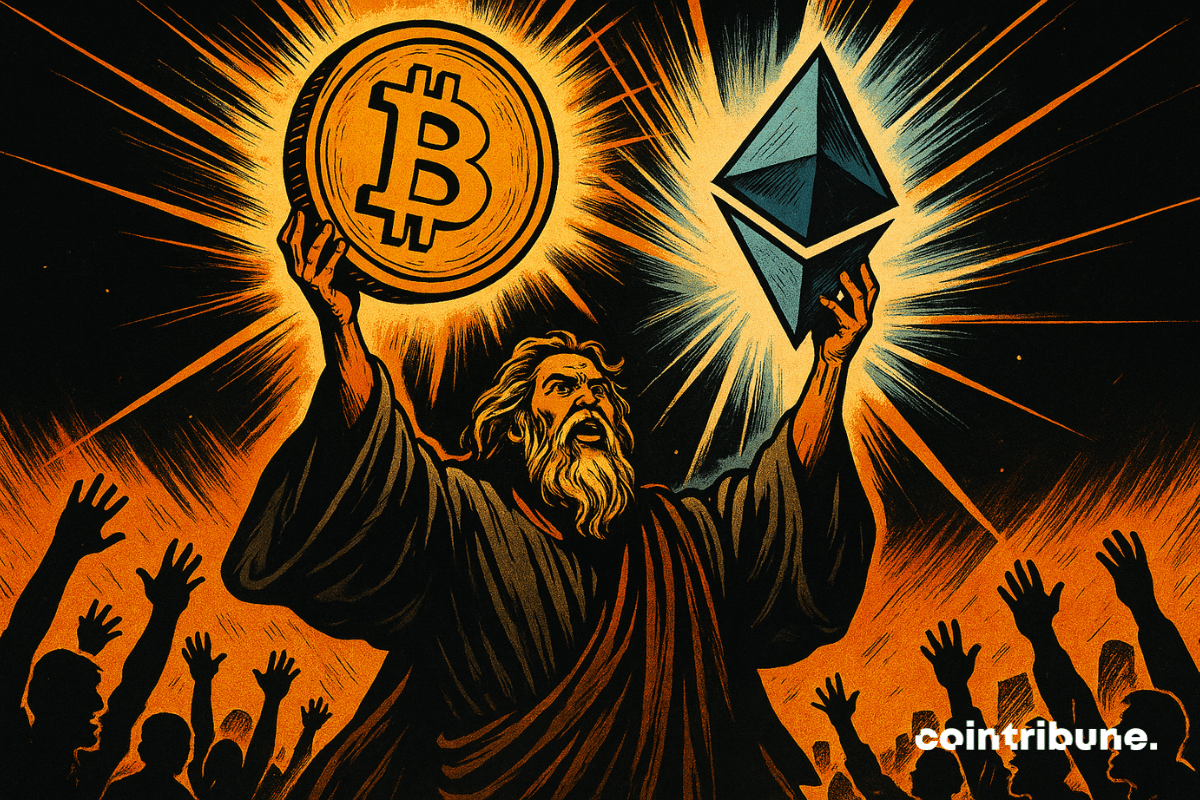
From geek to chosen one, Bitcoin is making its revolution. Wall Street sings its praises, Washington is stocking it up... What if gold had found something shinier than itself, but without the bars?
Bitcoin's current price is seen as a buying opportunity by experts like CZ and Kiyosaki, with long-term growth still expected.
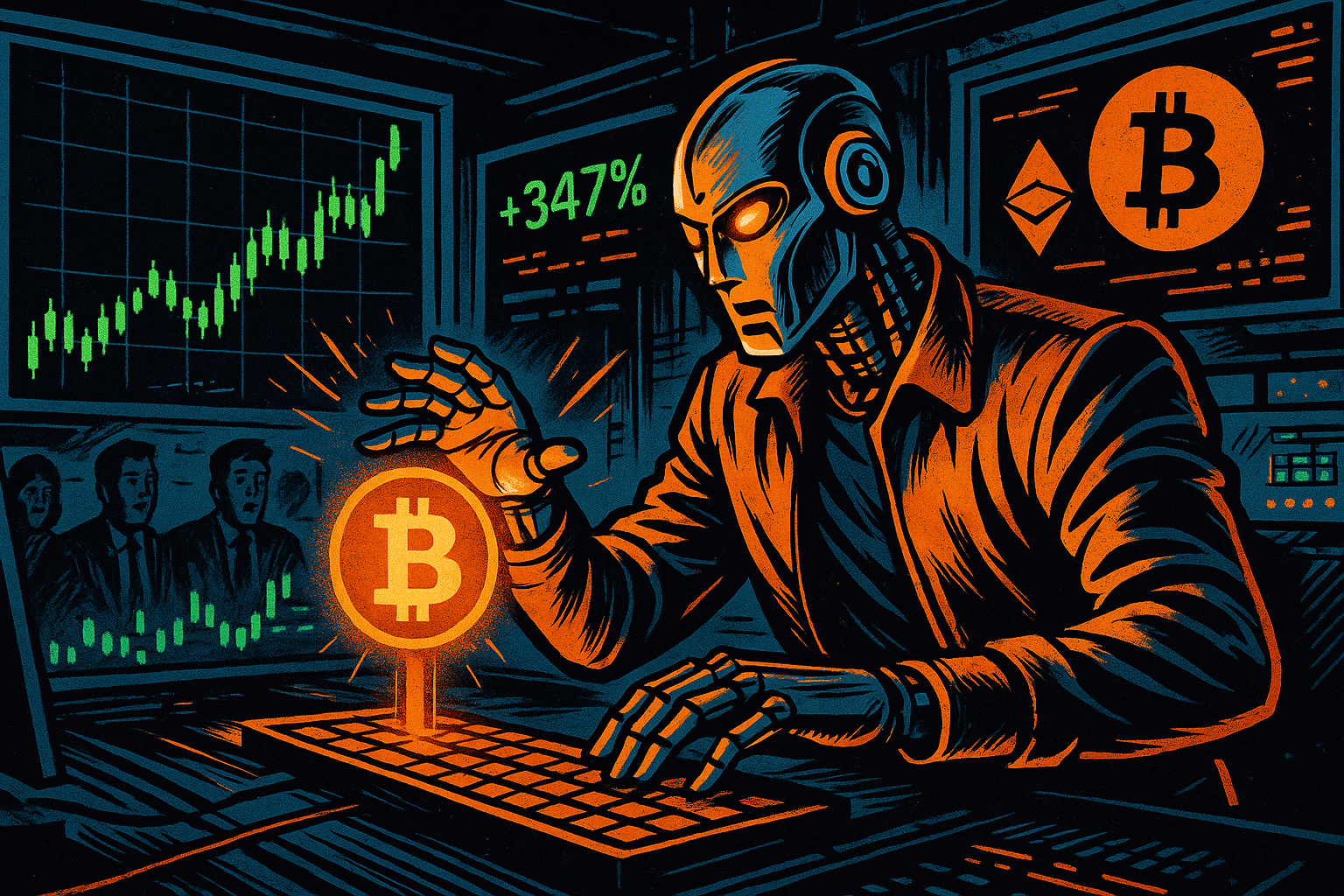
Crypto trading isn’t what it used to be. Not long ago, you had to stare at charts all day, act fast, and maybe even know how to code if you wanted to build an automated strategy. But that’s changing fast. A new wave of platforms is making algorithmic trading easier and more accessible. One of the most exciting names leading that charge is Runbot. Today we interview Alexandre, CEO of this no-code, AI-powered platform to better understand their vision, objectives, technologies...
When an AI imitates humans too well, it dons the boots of MechaHitler. Grok, the new tragic clown of Elon Musk, is scarier than a bug in the cloud.
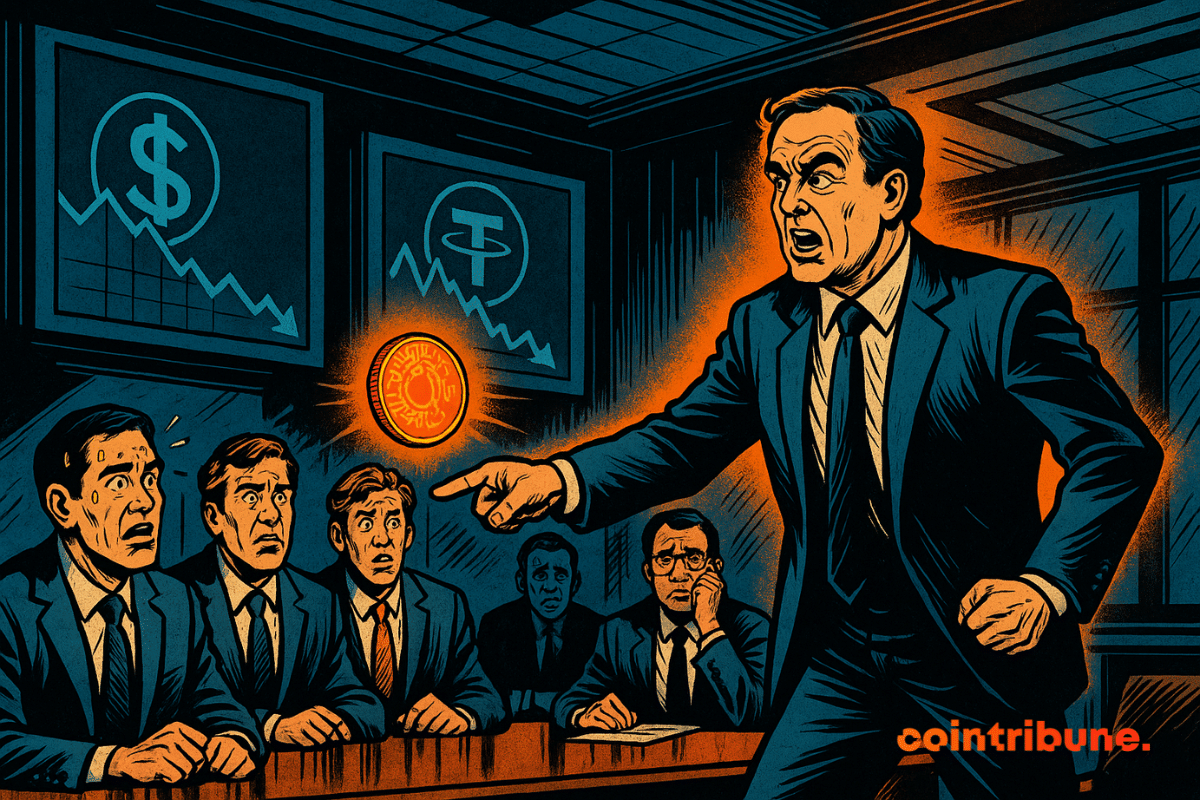
Stablecoins have become a widely used medium of cross-border transactions, especially for retail payments and other overseas remittances. Despite the growing adoption, some within the banking circles have expressed skepticism about these digital fiat-pegged assets. A prominent banking personality even warned the world's largest banks against issuing their own stablecoins.
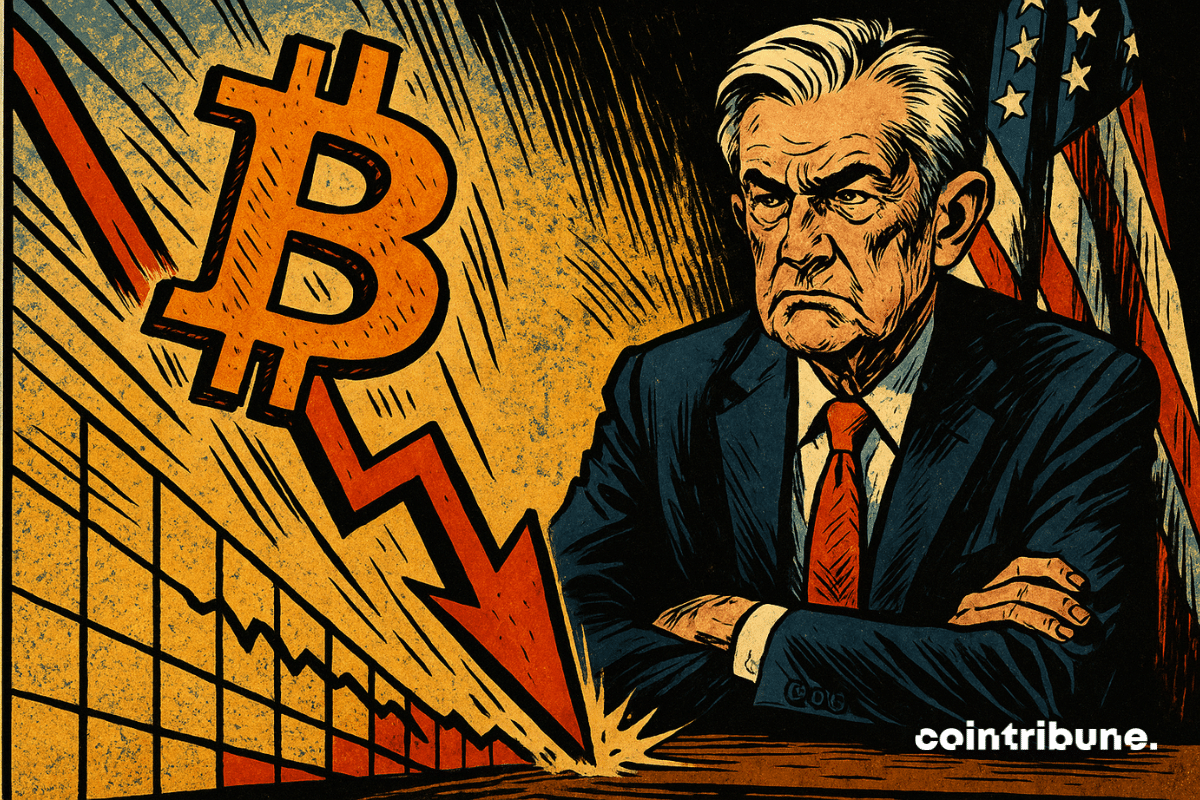
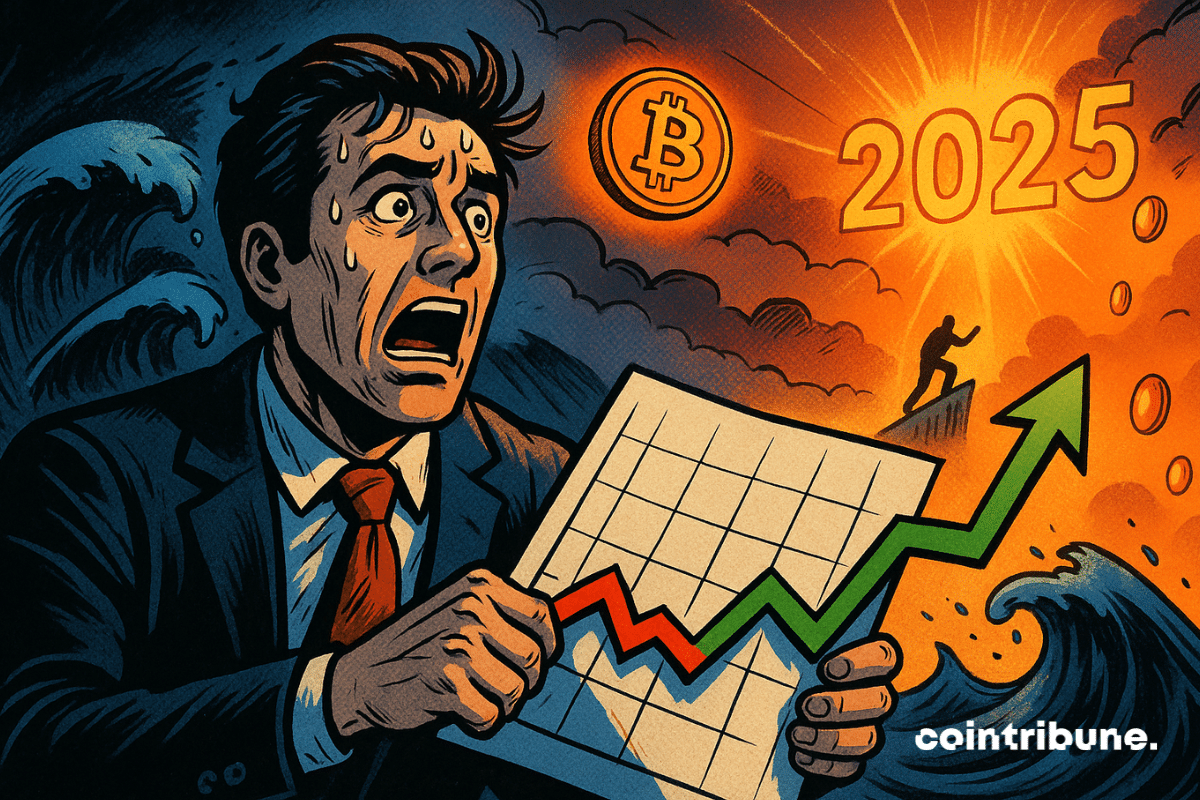
As Bitcoin soars to new heights, some analysts shout about rational euphoria. Others, more cautious, remind us that the party may be short-lived. Behind the dizzying numbers and cascading records looms a shadow: that of the American Federal Reserve. For while markets anticipate a drop in rates, JPMorgan CEO Jamie Dimon plays the party pooper and suggests otherwise. A bad surprise from the Fed could derail Bitcoin's momentum, especially in a context where retail investors remain strangely absent. Is the king of cryptos running on empty? Analysis.
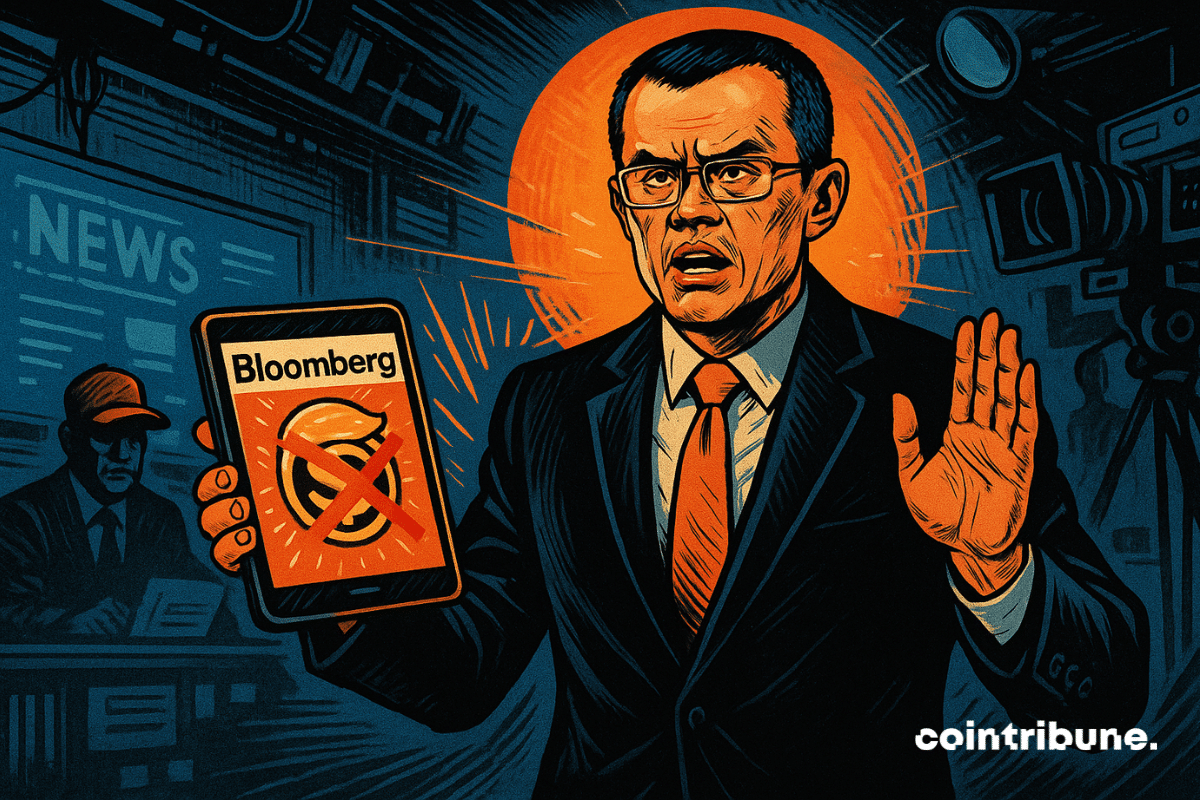
An explosive Bloomberg investigation accuses Binance and its co-founder Changpeng Zhao of supporting a stablecoin linked to Donald Trump. Named USD1 and issued by World Liberty Financial, this token has sparked numerous controversies. CZ denounces it as a "biased article" and is considering legal action for defamation. Such a case illustrates the growing tensions between political power, financial regulation, and crypto influence.
As global balances are being redrawn, the BRICS summit in Rio outlined the contours of a more pronounced multipolar influence. Behind the notable absence of Xi Jinping and Vladimir Putin, discussions led to concrete proposals: reform of international institutions, enhanced climate cooperation, and regulation of artificial intelligence. Less spectacular, but more strategic, this edition sheds light on the ambitions of the global South, while revealing the latent tensions that weaken the coherence of a bloc in search of credibility.
The discreet transfer of 10,000 ETH by the Ethereum Foundation to SharpLink Gaming, at a price below market value, raises eyebrows. This private deal, concluded before a spike in the price above $3,000, raises questions about the strategic management of Ethereum's reserves. In a context of record inflows into Ether ETFs, this operation may signify a turning point: ether is no longer a speculative asset; it is becoming a financial lever integrated into the treasuries of influential companies.
Crypto is at a crossroads. Under the cold neon lights of the Capitol, the fate of a digital world is being decided with ink and calculations. Starting from July 14, Washington begins its "Crypto Week": a decisive parliamentary sequence where three major bills will be debated. Three texts, three possible directions for the future of digital assets in the United States.
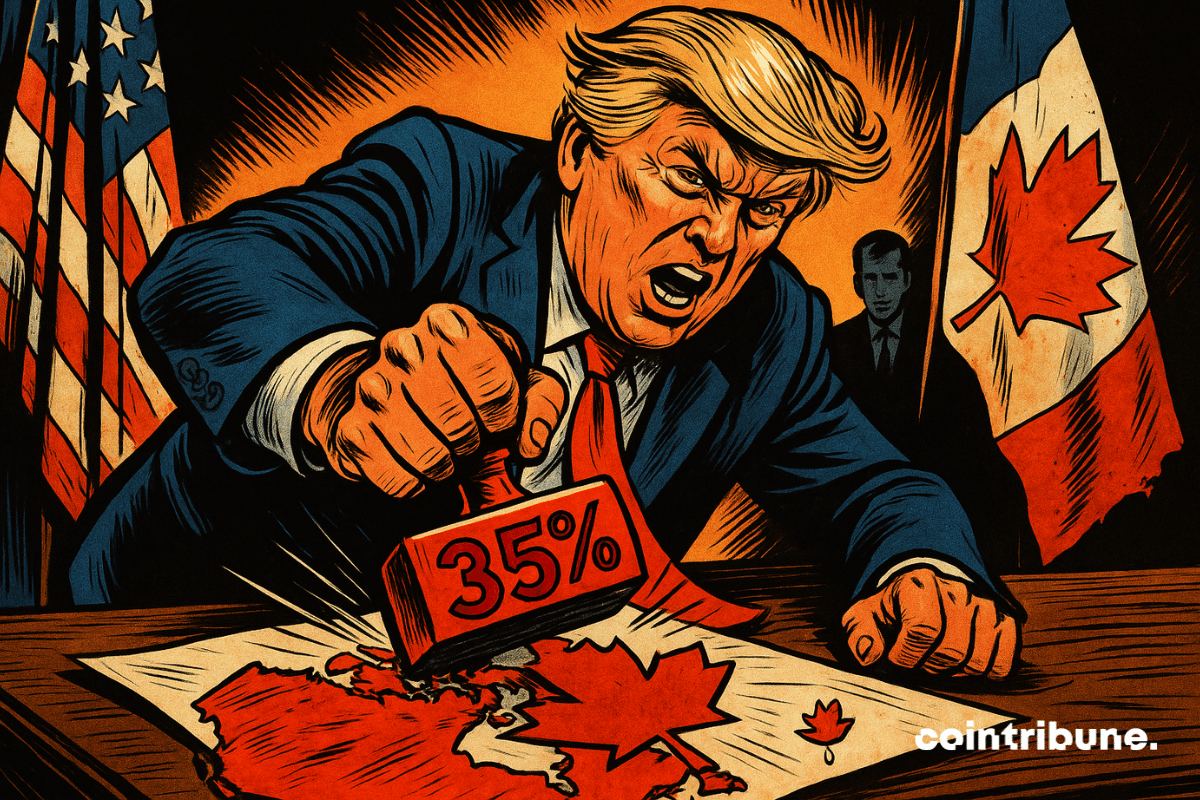
Trump slams the door on the G7 and brings out his tariff weapons. Canada suffers, the economy wavers, and copper prices soar. What is the star chef of protectionism really cooking up?
When ETFs fill up like broken pockets and bitcoin breaks through the ceiling, traditional markets wonder: have cryptos become acceptable to the suit-and-tie crowd?
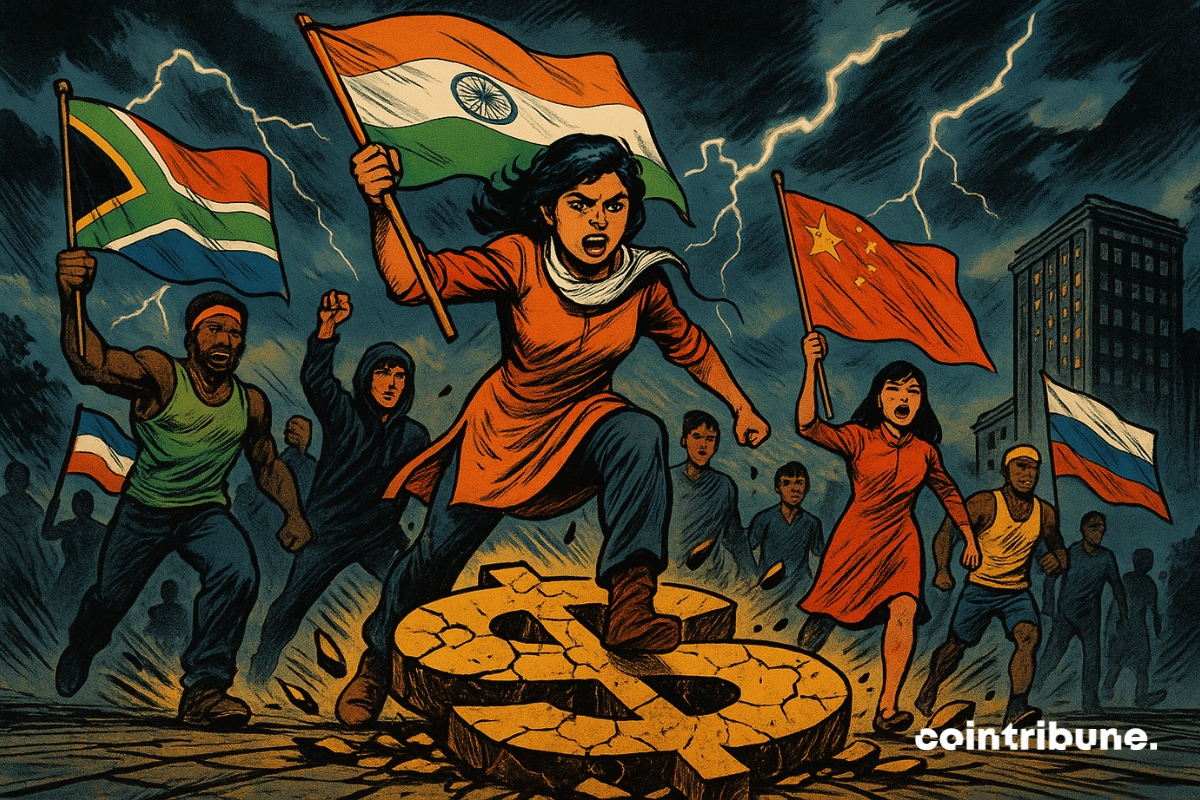
Donald Trump's announcement of 10% tariffs on BRICS countries reignites a strategic debate: are the United States risking, in their bid to defend their leadership, to accelerate de-dollarization? Behind this commercial offensive lies a deeper rift, where emerging powers seek to break away from the dominance of the greenback. As geo-economic tensions intensify, the question arises: is Washington not hastening the questioning of the monetary order it strives to preserve?
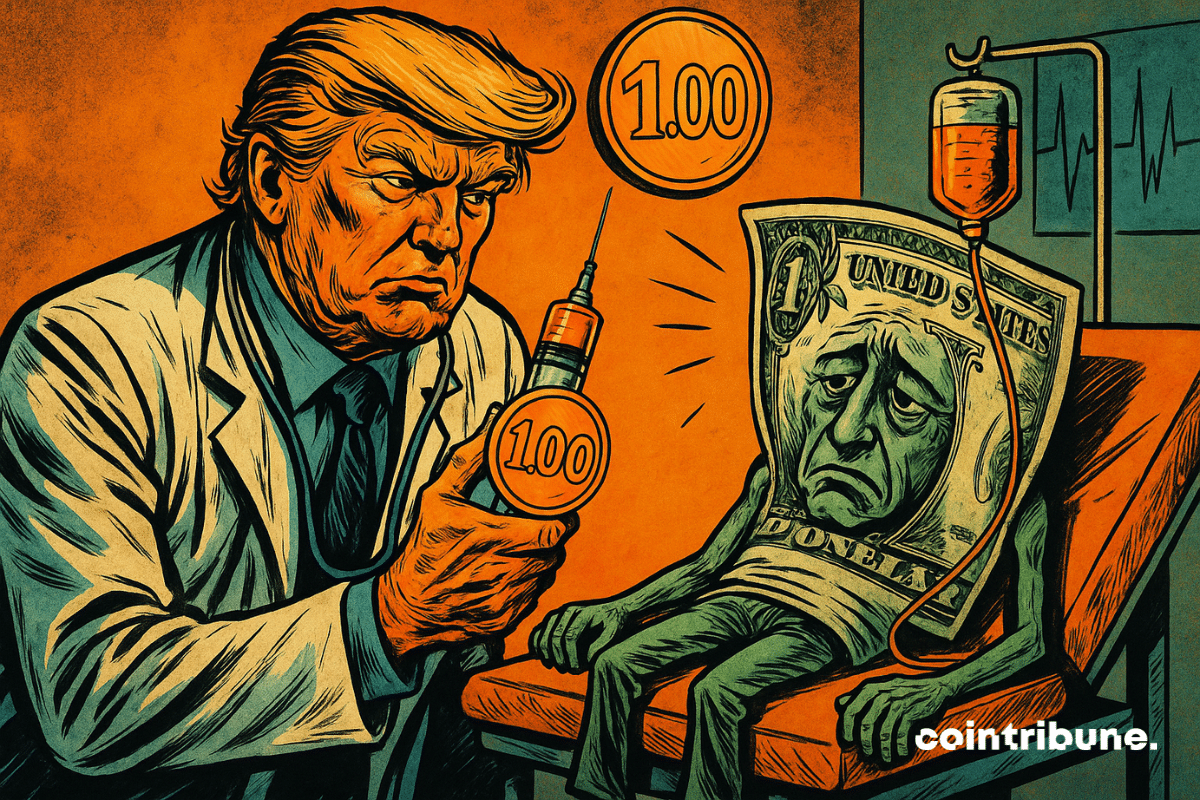
"While the dollar plays the tightrope and Trump brandishes his tariffs, Washington unveils a crypto-crutch: stablecoins, a techno remedy or a digital mirage of a wavering empire?"
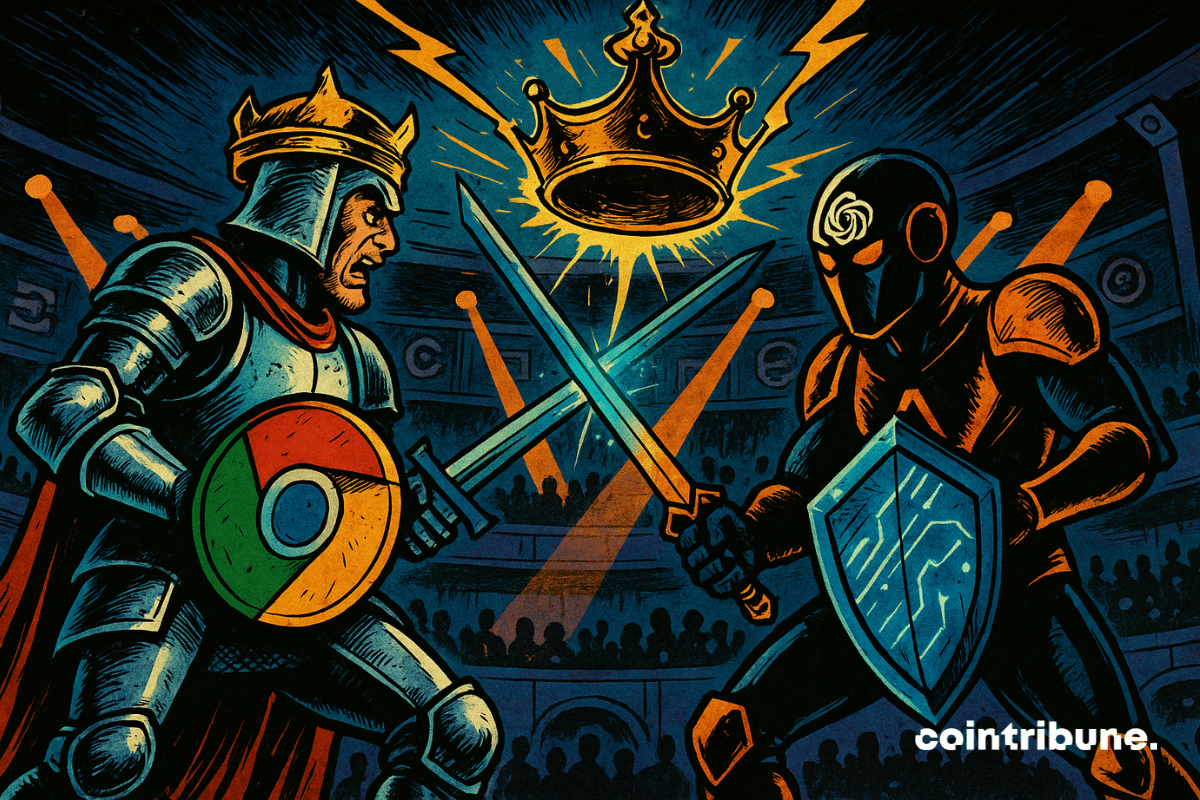
And what if the next big battle for AI was not played out on a language model, but rather on the browser that billions of internet users use every day? OpenAI is preparing to launch a web browser powered by artificial intelligence, designed to directly compete with Google Chrome. This still discreet initiative aims to divert usage from Google's historic engine, a cornerstone of its advertising ecosystem. By transforming browsing into a conversational interface, OpenAI could redefine the rules of a market that has been locked down for years by Alphabet.
The first half of 2025 saw massive crypto liquidations driven by market shocks and policy shifts, but recovery signs are now surfacing.
American online NFT marketplace OpenSea has taken a major leap toward becoming an “on-chain everything app.” In a Tuesday disclosure, the NFT platform announced the purchase of Rally, a mobile-driven Web3 platform, thus bringing token and NFT trading to the doorstep of mobile phone users.
Vienna, July 10, 2025 – Today’s press conference marks the formal introduction of Bybit EU to Austrian and European media. With its EU headquarters now operational in Vienna and a full MiCAR license issued by Austria’s Financial Market Authority (FMA), Bybit EU enters the European market…