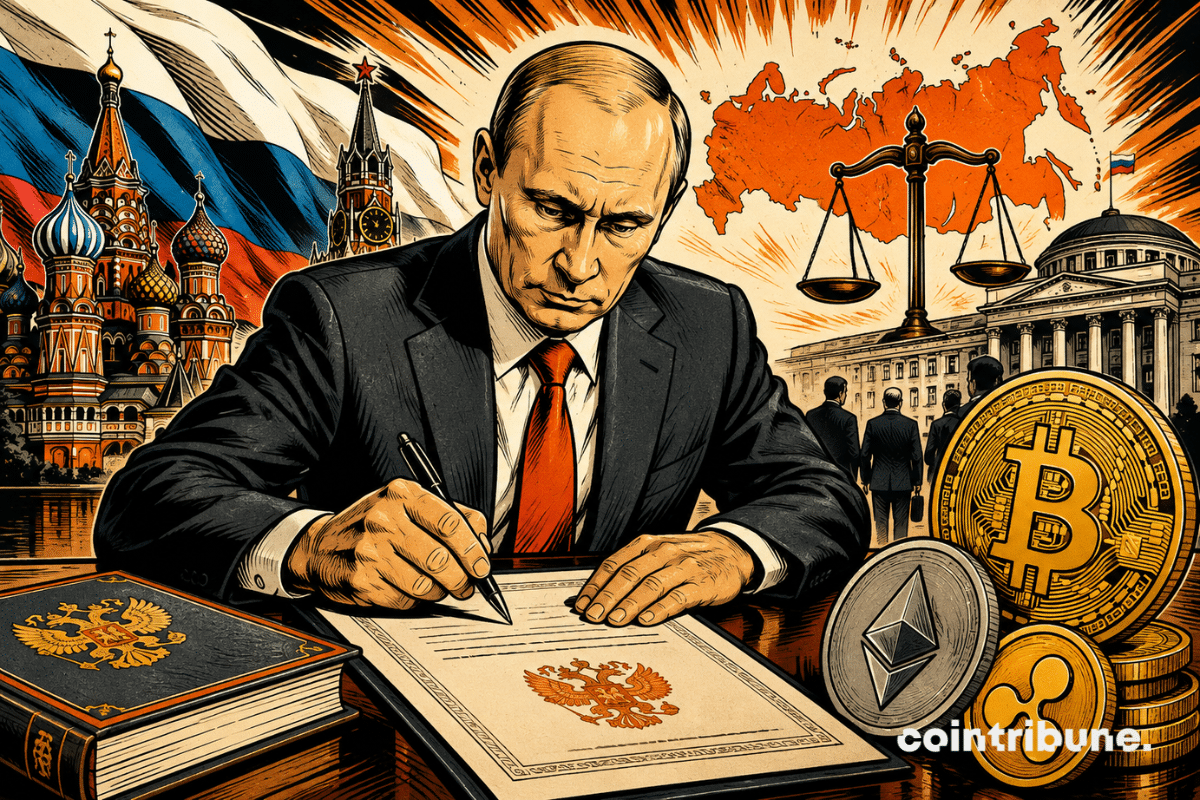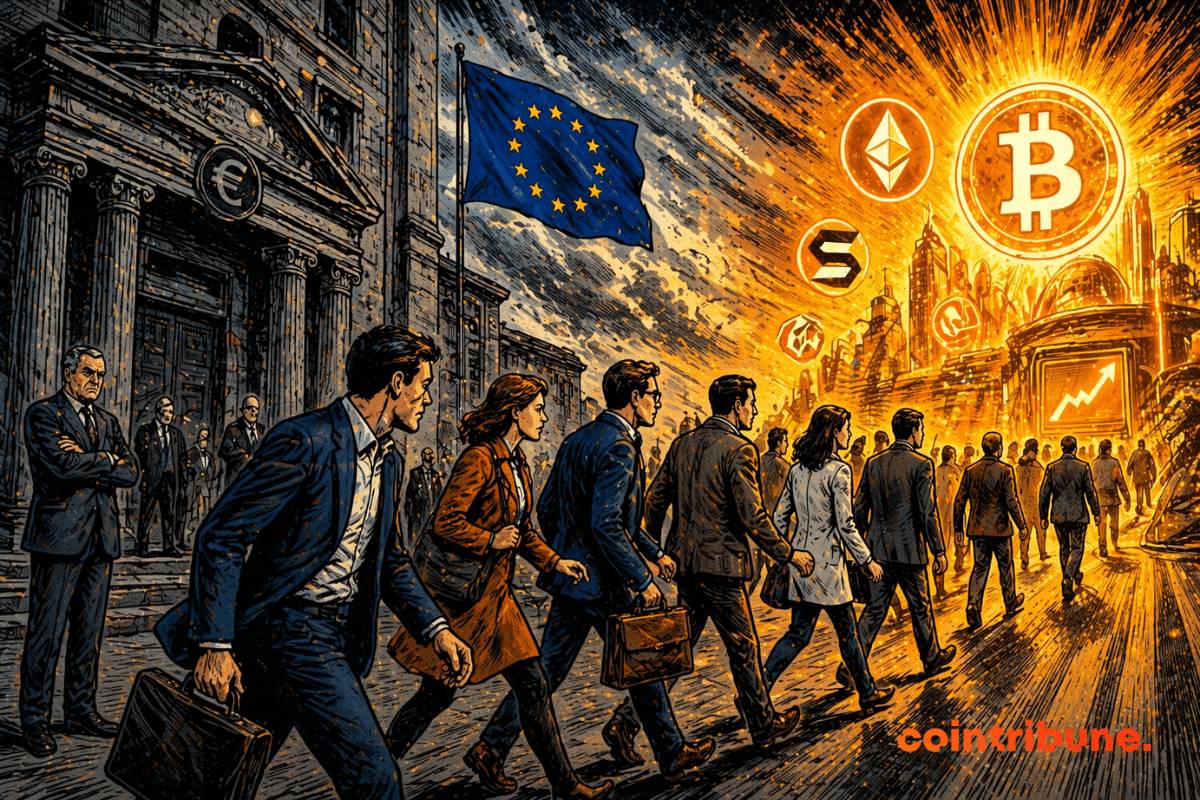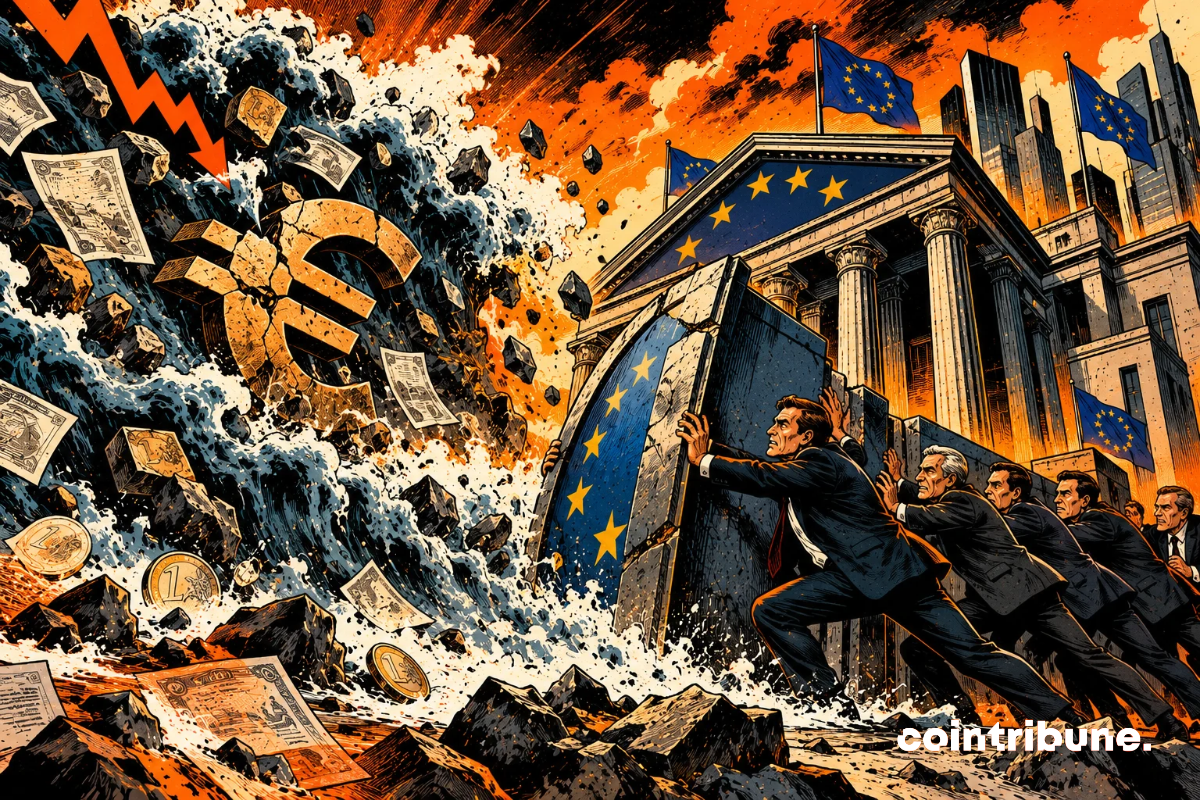
MiCA tightens the screws, bankers count their clients, and crypto shows up at the counter without an appointment. In Europe, even safes are beginning to eye their neighbors.
Generative AI is now at the heart of debates on global financial stability. Joachim Nagel, president of the Bundesbank, has issued a severe warning: Anthropic's Mythos model could expose European banking systems to unprecedented risks. Will Europe be able to respond before it's too late?
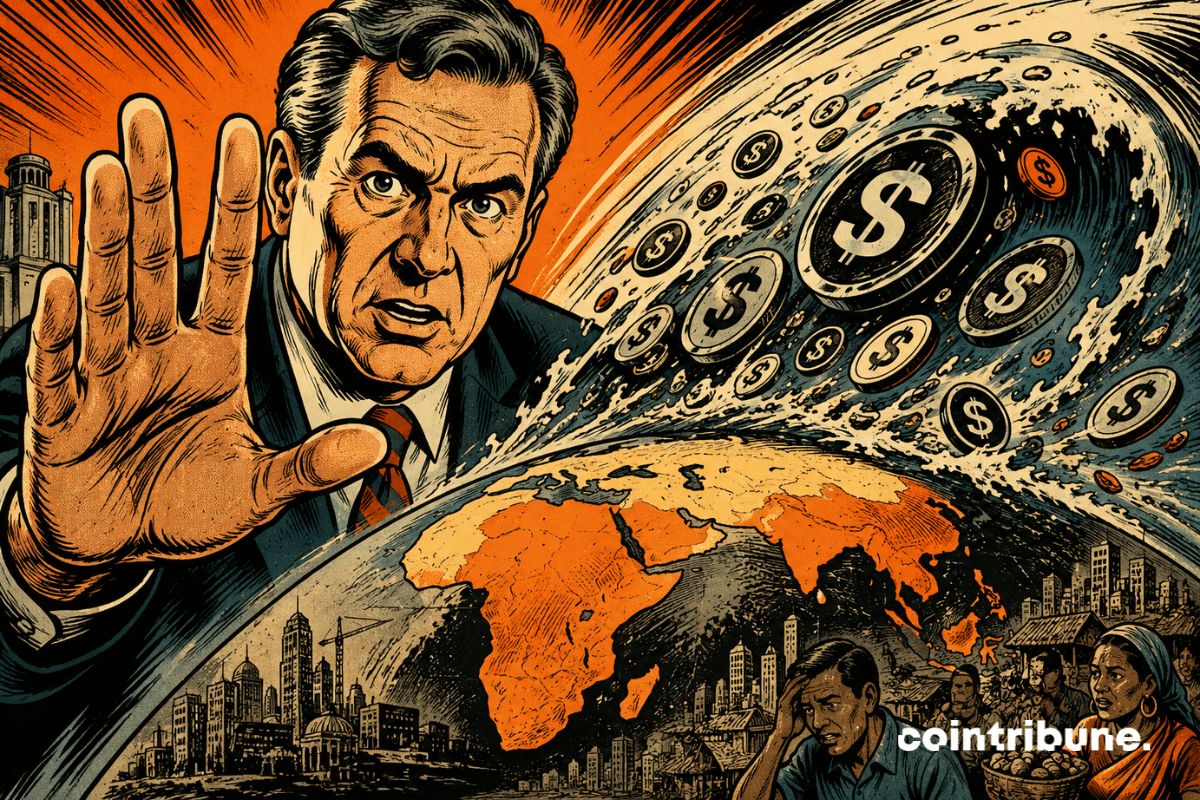
98% of stablecoins depend on the dollar, a threat to Europe. The Bank of France demands urgent tightening of MiCA rules. Why this decision? What risks for investors and markets? Analysis of the issues and proposed solutions.
Bitcoin is the great absentee from the Basel III revision, and Pierre Rochard sounds the alarm. Without clear rules, American banks risk finding themselves in a costly gray area... Regulatory uncertainty with explosive consequences!
BNP Paribas takes a major step by offering 6 Bitcoin and Ether ETNs from March 30, 2026, for its customers in France. A first that democratizes access to cryptos via regulated products.
At Morgan Stanley, fees are shaved down to the bare minimum, turning bitcoin into a trendy loss leader, while Wall Street sharpens its teeth to snatch distracted savers.
Crypto is establishing itself as a key factor in transforming the financial system. Mark Cuban highlights a structural weakness of banks, linked to their dependence on complex internal processes. Faced with these limitations, blockchain and decentralized technologies could gradually redefine financial infrastructures.
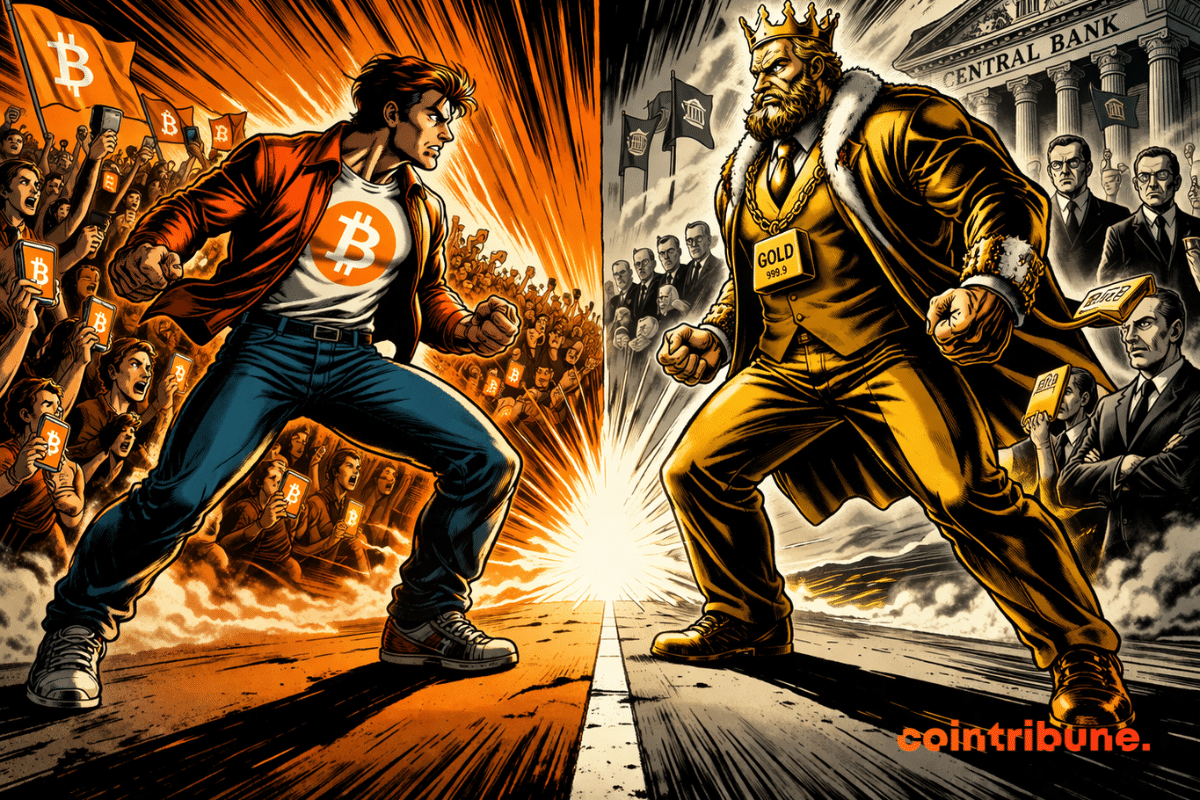
While states are piling up gold like nervous squirrels, individuals cling to bitcoin, revealing a strange division of the global monetary power.
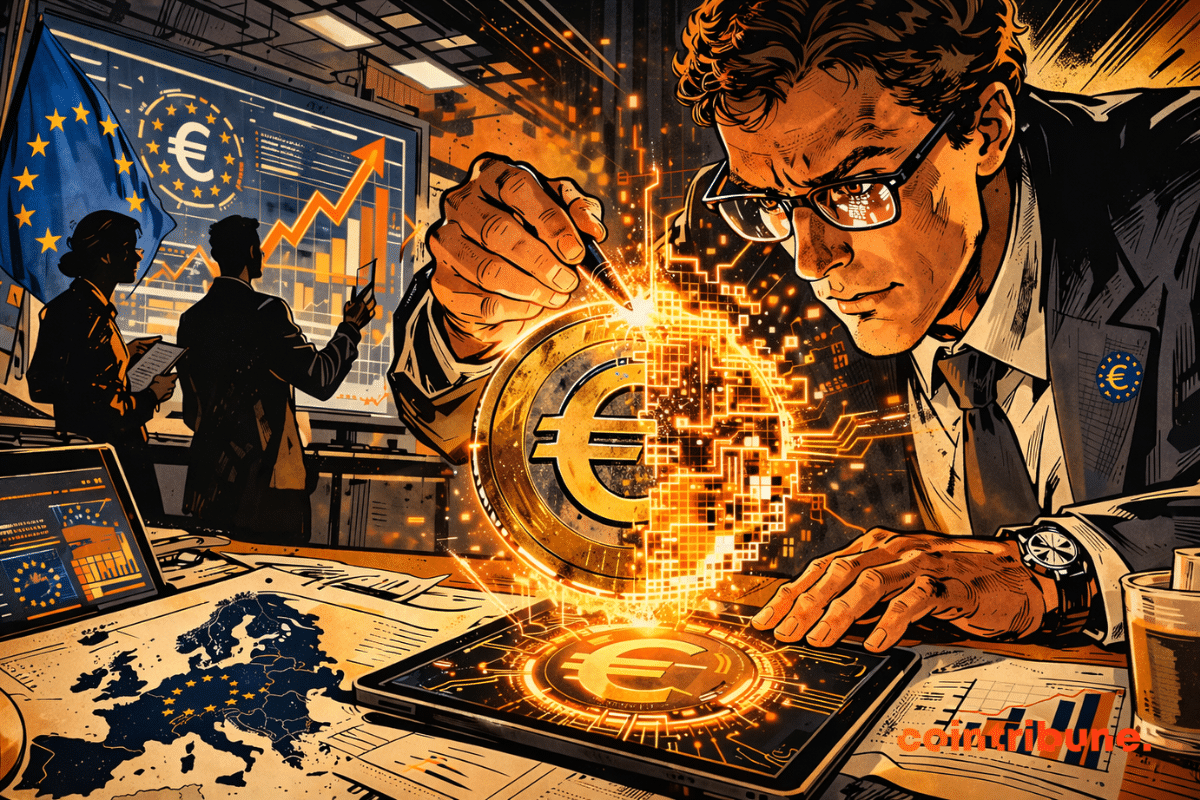
The ECB accelerates the development of the digital euro by launching calls for applications to structure its integration into payments, ATMs, and infrastructures in Europe.
American senators prefer bankers' quarrels to crypto laws. Result: the CLARITY Act is rotting in drawers. Meanwhile, DeFi waits. Patience.
Lagarde packing up? The ECB denies it, but the euro is already sweating. Macron wants to place his protégé. The Germans grit their teeth. Atmosphere in Frankfurt.
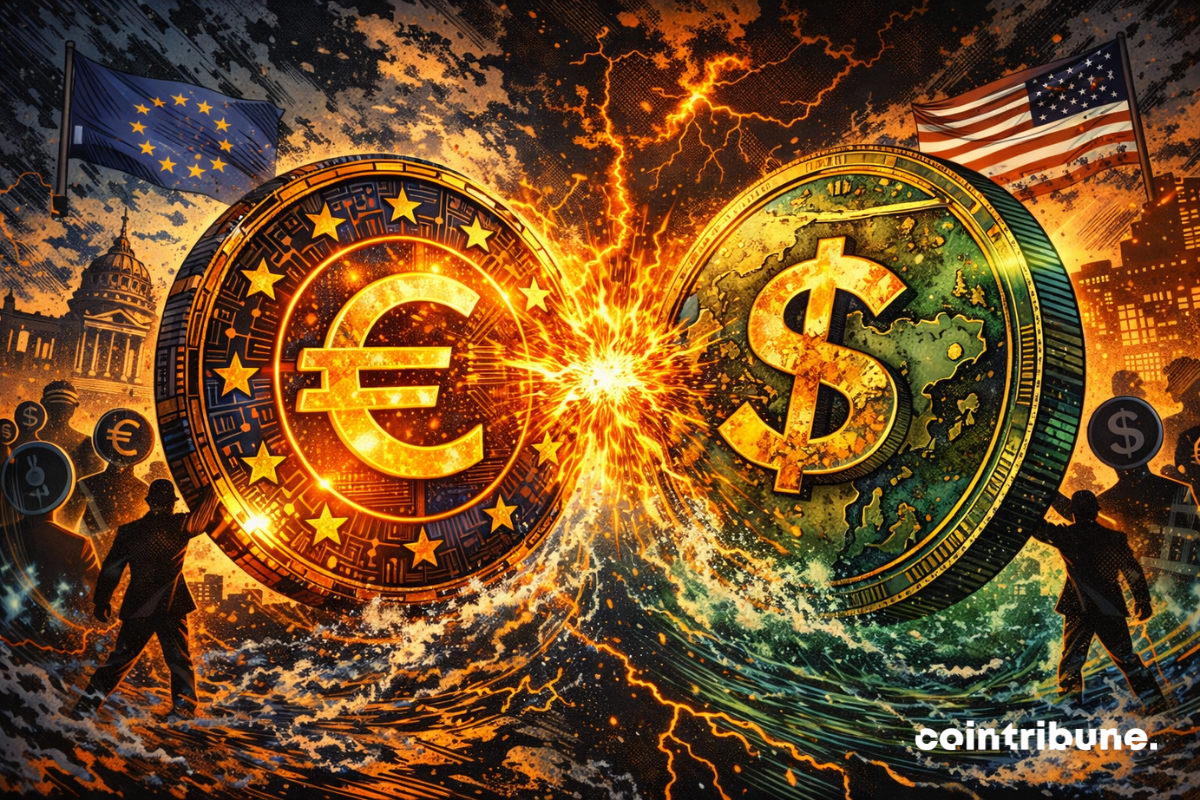
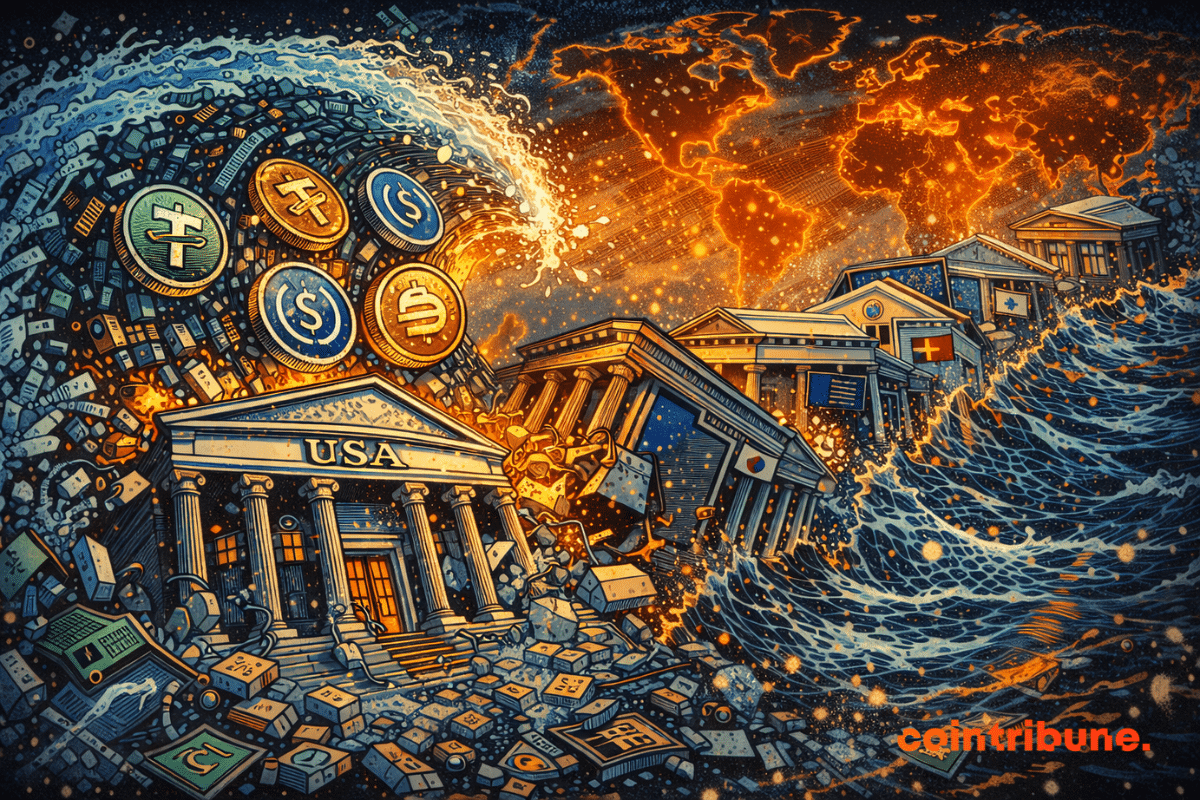
Washington throws its dollar stablecoins onto the Old Continent. Berlin says no. The Bundesbank draws its digital euro and its own stablecoins. The currency war is declared.
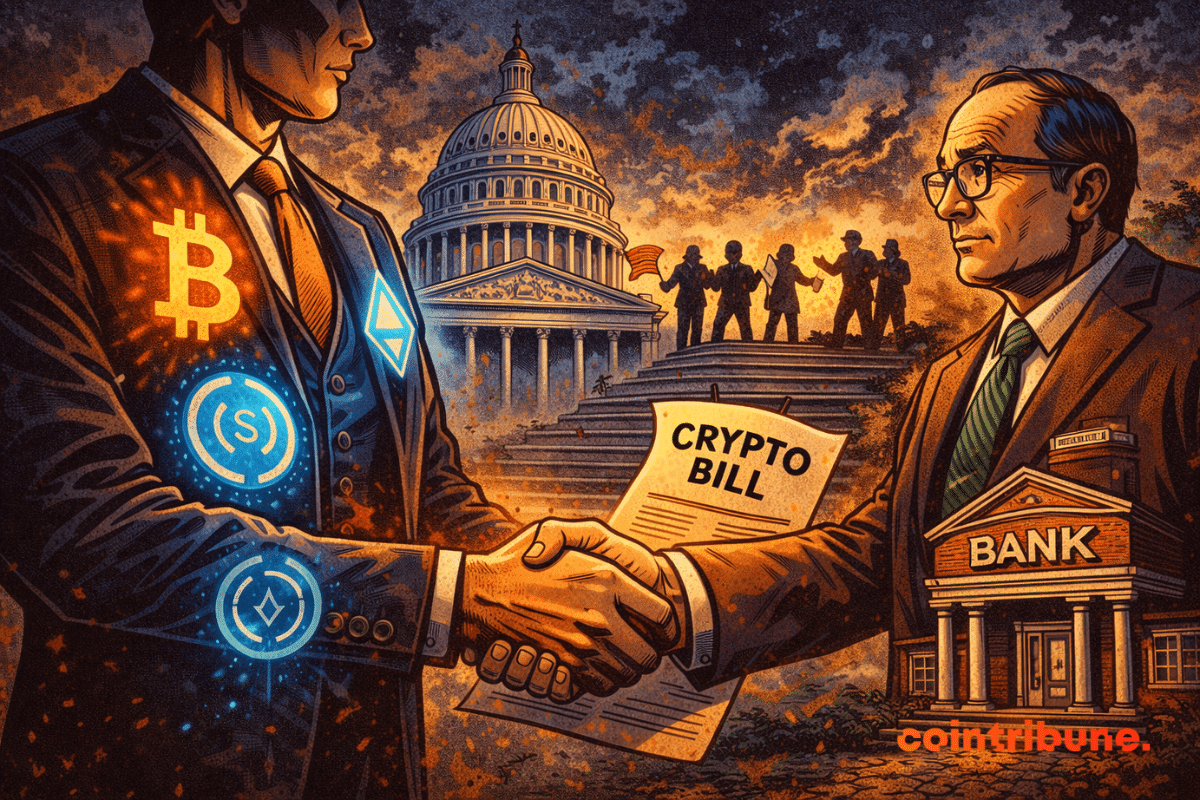
Washington on loop mode: crypto lobbies offer keys to local banks, but the Senate still hesitates. Towards an unlikely alliance to save the law? To be continued...
The White House will meet banks and crypto companies on Monday to address stalled digital asset legislation and bridge industry divisions.
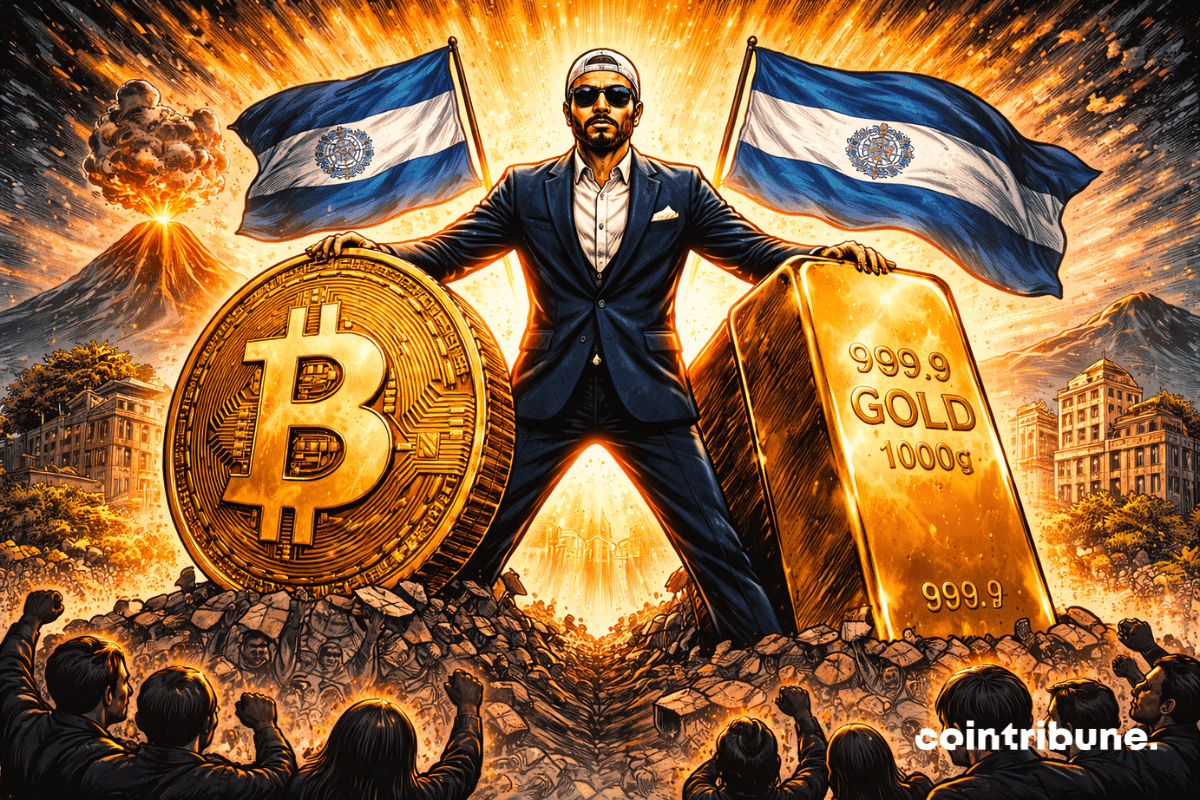
While the great powers hesitate, El Salvador stacks gold and bitcoin. Bukele dreams of a treasure safe from crises... and the Fed's lessons.
When crypto shakes Wall Street: Standard Chartered fears that stablecoins siphon off bank deposits. Subdued panic in glass towers and bankers' cafes.
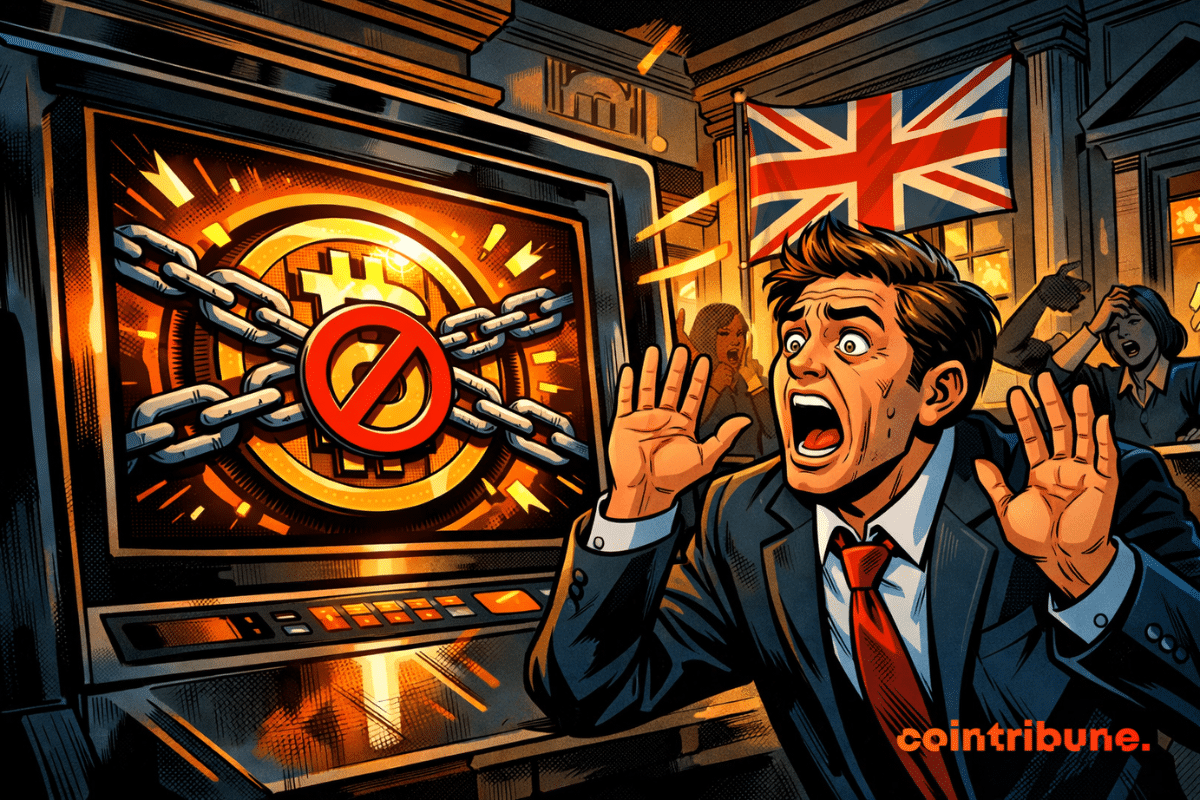
A new industry report says most major UK banks are making it harder for people to move money to crypto exchanges. According to the findings, banks are widely blocking or limiting payments, even when customers use regulated platforms. Industry leaders warn that these practices are slowing growth and pushing innovation out of the country.
While small wallets tremble, banks are piling up bitcoin. CZ watches, half amused, half worried: the crypto Wild West is changing sheriffs without warning.
While the US Supreme Court plays the role of economic arbitrator, Bitcoin itself meditates at $90,000, like a tired crypto king waiting for a judge to revive its digital crown.
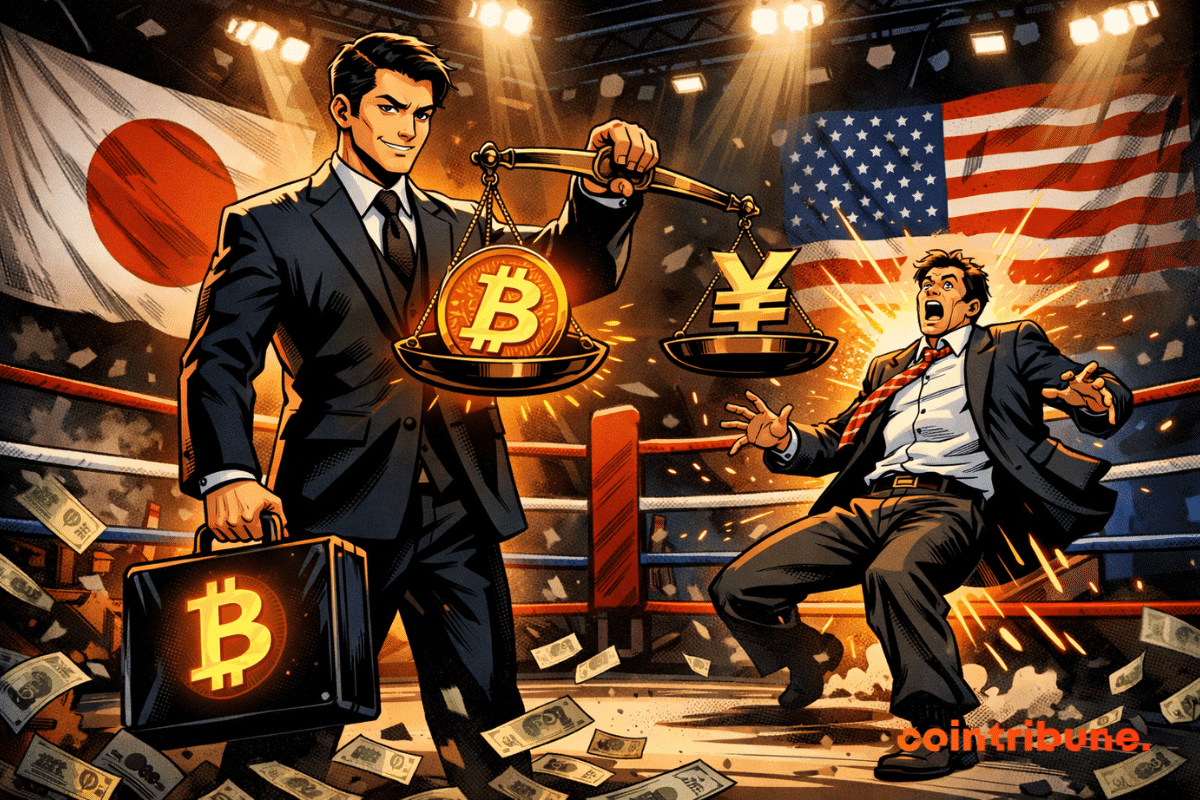
When the yen drowns, Metaplanet rows towards bitcoin: a strategy that makes Tokyo smile... except creditors. While Japan goes into debt, others stack BTC.
While Beijing is making its e-yuan grow, Washington debates whether cryptos can offer rewards. What if the real danger is not what we think?
Coinbase CEO Brian Armstrong has warned US lawmakers against reopening the recently passed GENIUS Act, arguing that changes could reduce competition in the stablecoin market. He accused major banks of pushing Congress to weaken the law to protect their own interests. The comments come as debate grows over how stablecoins should be regulated in the United States.
The Bank of Japan is about to break with three decades of accommodative monetary policy. An almost certain rate hike puts markets under pressure. Contrary to usual expectations focused on the Fed or the ECB, it is Tokyo that worries. For bitcoin, the prospect of a stronger yen and the drying up of the carry trade revives fears of a liquidity shock. In an already fragile market, this pivot could redefine short-term balances.
Washington hardens its tone. The Office of the Comptroller of the Currency (OCC), the American banking regulator, denounces banking practices deemed discriminatory. In an unprecedented report, the agency accuses several major banks of restricting access to financial services for sensitive sectors, including cryptocurrencies. This phenomenon of "debanking," long denounced by the industry, could now be considered illegal. A strong signal sent to Wall Street, as the Trump administration intends to restore fair access to the banking system.
The OCC has clarified that U.S. banks can hold and use cryptocurrency to cover blockchain network fees, offering clearer guidance for digital asset operations.
Italy supports the European Central Bank's (ECB) digital euro project but sets its conditions. Italian banks, while welcoming this digital sovereignty initiative, request a financial effort spread over time. Facing heavy investments, the Italian banking sector wants to avoid a budget shock. Will this stance resonate with other European countries?
USDT and USDC are losing ground as new stablecoins and banks entering the market challenge their long-standing dominance.
Deutsche Bank analysts highlight Bitcoin’s growing role alongside gold as a potential asset for central bank reserves and global finance.
Deutsche Bank predicts Bitcoin could join gold in central bank reserves as markets mature and volatility eases, signalling growing institutional adoption.
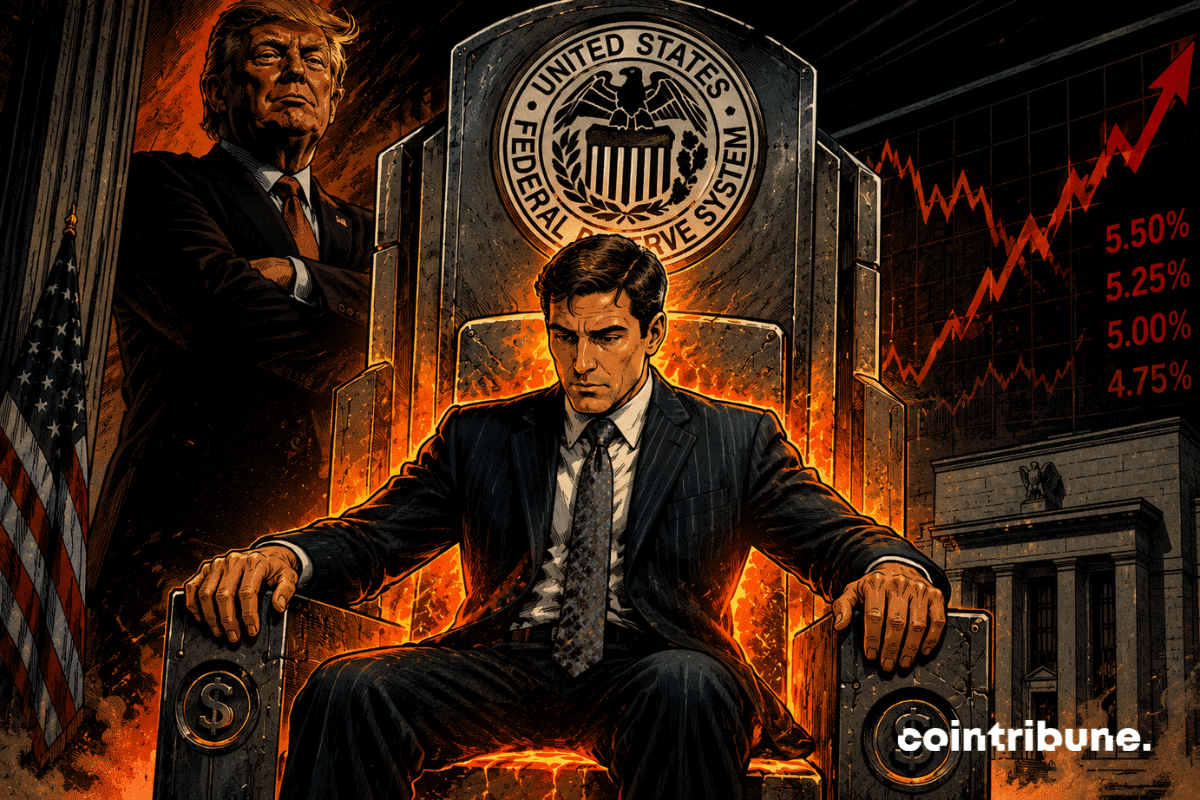
The ECB freezes its rates, the FED is preparing to cut them... What if, in this monetary ping-pong, it was ultimately the real economy that served as the lost ball?