Bitcoin accelerates and moves back above $100,000: find our complete analysis and the current technical outlook for BTC.
While Wall Street soars amid easing tensions between Washington and Beijing, Bitcoin has dropped below $102,400 on May 12. An unexpected decline that contrasts with the prevailing optimism and institutional momentum of recent weeks. Why hasn't BTC benefited from the market euphoria? With just hours before the release of the U.S. CPI, investors are questioning whether this is simply profit-taking or an early sign of deeper macroeconomic stress.
Bitcoin surpasses $105,000 and some investors are already thinking about selling. However, according to a recognized expert, there is no clear signal justifying this. A key indicator shows that bulls are still in the game. Here’s how to interpret this signal… and avoid giving in to panic.
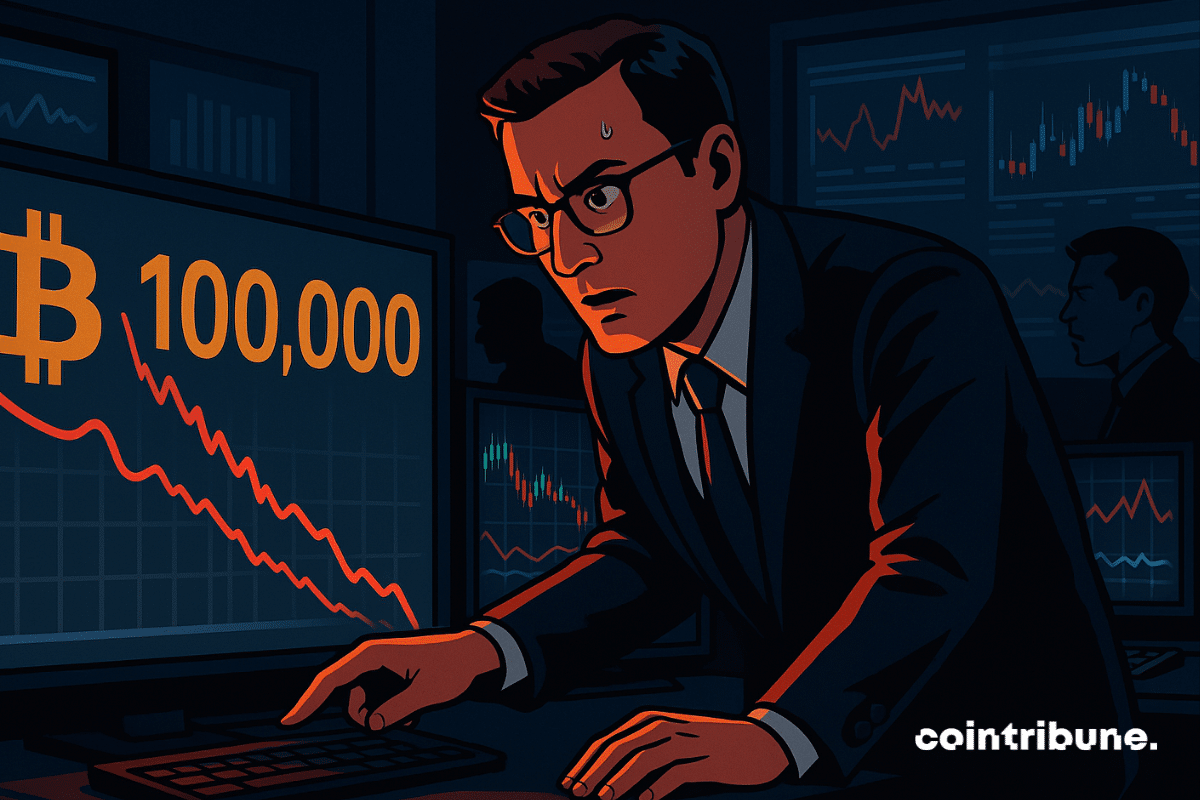
In the span of a few hours, the crypto market was hit by a brief correction. While bitcoin seemed firmly established above $100,000, a sudden reversal changed the trend, sweeping away the bullish momentum. Over $700 million in positions were liquidated, which brought BTC below $101,000. This rapid and unexpected drop destabilized investors, once again confirming the vulnerability of a market where confidence can shift in an instant.
The U.S. and China agree to pause tariffs for 90 days, boosting crypto market optimism with Bitcoin and others seeing strong gains.
Michael Saylor strikes again. The head of Strategy has just purchased an additional 13,390 bitcoins for $1.34 billion, reinforcing his dominance in the institutional market. What's the next step? Raising $84 billion to continue his buying frenzy. A strategy that fascinates as much as it worries financial experts.
There are days when markets scream, but few know how to listen. A sudden Bitcoin surge, a flood of institutional capital—and yet, most internet users miss the signal. Why? Because raw information isn’t opportunity until it becomes actionable. In this era ruled by ETFs and bots, one key question emerges: can you monetize these signals without being glued to your screen? The answer is yes—if you have the right tool and a strategy that reads between the lines of the order book.
As financial markets waver under the weight of monetary tensions and macroeconomic uncertainties, Bitcoin ETFs have reached a historic milestone with $40 billion in cumulative inflows. This symbolic threshold represents much more than just a record. It confirms the integration of Bitcoin into regulated portfolios and reveals a profound transformation in crypto investment. From now on, Bitcoin is establishing itself as a durable component of institutional financial architecture.
A Japanese company has just dethroned an entire country in the race for bitcoin. By surpassing El Salvador, Metaplanet transforms an ambition into a statement of power. Behind this meteoric rise, a radical vision of the global monetary future is emerging. Are we on the brink of a new era where companies dictate the rules?
The world of investing has been revolutionized over the past decade by the democratization of ETFs and passive management. However, this investment strategy is beginning to show signs of worrying fatigue. With potentially overvalued markets and anemic return forecasts for the next decade, it becomes urgent to question ETFs.
Under the guise of progress, Paris is rolling out the red carpet for crypto lombard credit... but the banks couldn't care less, and Bercy is already pulling out the calculator to tax the bold.
While panic looms over small investors, the whales are resurfacing at Binance, depositing their digital gold, and patiently waiting for the storm to pass.
As Ethereum cheerfully crosses the $2,600 mark this week, a thrill runs through the crypto community. Behind this skyrocketing rise of 37% lies a rare technical signal: maintaining the price above the realized price of $1,900. An indicator that, combined with the Petra update, paints an unprecedented bullish scenario. But why does this symbolic threshold electrify the experts? A deep dive into the insides of a boiling market.
When New Hampshire chose to integrate bitcoin into its reserves, the initiative resonated little beyond its borders. But today, the echo has become global with Taiwan studying the same strategy, considering allocating 2.5 billion dollars to it. A strong signal of a possible global monetary shift.
After a long dry spell, altcoins are finally showing signs of awakening. Ethereum has just surged more than 32% in a week, reviving hopes for a true "altseason." As Bitcoin's dominance reaches 65% of the total market capitalization, many analysts see it as a precursor to an imminent shift.
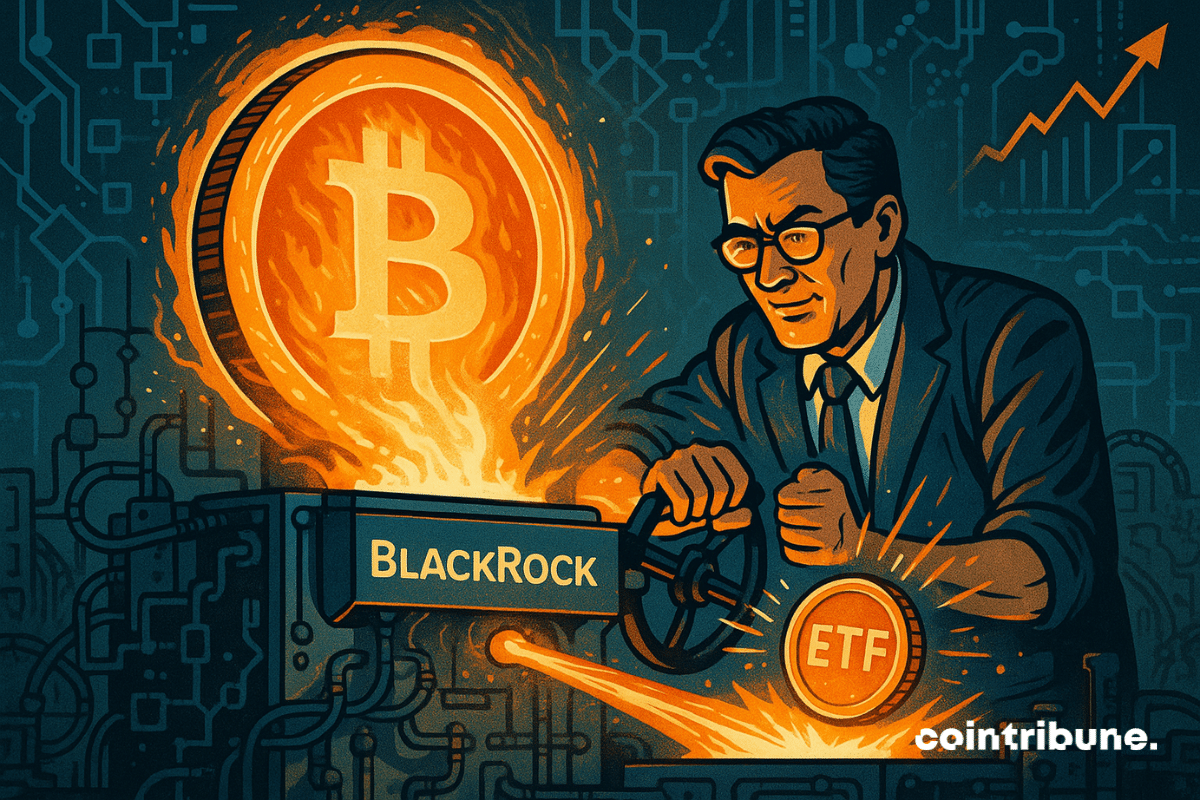
The prestigious investment bank Goldman Sachs is increasingly strengthening its position in the crypto ecosystem. With a $1.4 billion stake in BlackRock's Bitcoin ETF, it now stands as the largest institutional holder of this financial product. What does this massive investment reveal about the future ambitions of the banking giant?
The European Union is ending anonymity in crypto transactions. Starting July 1, 2027, any transfer exceeding €1,000 will be required to reveal the precise identity of the sender and the recipient. According to Paschal Donohoe, president of the Eurogroup, these new anti-money laundering rules (AMLR) clearly place blockchain and digital assets under the direct oversight of European authorities. For crypto enthusiasts, this measure represents both a necessary revolution and a painful betrayal.
Bitcoin is still struggling to reach the symbolic target of $150,000, despite a recent rebound to $104,000 recorded on May 8th. Michael Saylor, founder of MicroStrategy and a staunch advocate of Bitcoin, has clearly identified the culprits behind this slowdown: opportunistic investors, whom he labels as tourists or weak hands, who exit the market at the slightest sign of quick gains.
Bitcoin has once again crossed the symbolic threshold of 100,000 dollars, rekindling investor optimism. Analysts are now pointing towards a new historic peak beyond 110,000 dollars by the end of May. What are the factors driving this renewed confidence?
A flagship asset of the 21st century, bitcoin fascinates as much as it divides. While its price already defies traditional financial standards, some experts predict a surge towards one million dollars. Long considered marginal, these projections are now gaining traction in economic influence circles. Financial institutions, renowned investors, and regulatory figures are sketching a future where BTC could become an essential store of value in a world shaken by inflation, monetary distrust, and a rapidly accelerating institutional adoption.
Changpeng Zhao, also known as CZ, the former CEO of Binance, speaks directly to investors who panic during bitcoin corrections. As the flagship cryptocurrency reaches historical highs, his message resonates as a golden rule for jittery investors. How to keep calm when the markets are in turmoil?
Bitcoin is experiencing a spectacular surge, with over 344,000 new wallets created in just 48 hours. This explosion of adoption, fueled by the fear of missing out (FOMO), marks an unexpected return of a phenomenon often perceived as outdated. While the growing enthusiasm around BTC demonstrates renewed confidence, this dynamic also raises questions about the strength and sustainability of this rise, as well as its potential long-term repercussions.
The Bitcoin DeFi ecosystem shows contradictory signals. The Rootstock platform records a spectacular increase in its network security in the first quarter of 2025, even as the total value of investments and user activity significantly decline.
BlackRock's Bitcoin ETF records 18 consecutive days of gains. A powerful bullish signal for BTC? Analysis.
Morgan Stanley estimates that bitcoin is now significant enough to be considered an international reserve currency.
The bitcoin market has recently freed itself from its winter timidity. Fueled by a resurgence of optimism in financial markets, it has reached its highest level since January. Good news is piling up: an unexpected trade agreement, rising global indices, and a massive influx of digital capital. This combination of factors creates fertile ground for bitcoin.
Arizona makes a significant move in the emerging world of digital assets. In May 2025, the state makes headlines by announcing the creation of a strategic bitcoin reserve (SBR). This bold decision demonstrates an unprecedented political will. It illustrates how dollars forgotten by citizens can be transformed into a forward-looking position. More than just a symbolic gesture, it represents a step toward the integration of bitcoin into the dominant economic landscape.
A turning point has just been reached in the history of global assets. On May 8, Bitcoin surpassed Amazon in market capitalization, entering the top 5 largest valuations in the world. This milestone not only reflects market performance but also crystallizes the rise of a decentralized network against a giant of traditional tech. This clash between two economic visions redefines financial hierarchies and emphasizes the growing foothold of cryptocurrencies in global balances.
The realization of gains from large cryptocurrency wallets occurs at a time of growing dominance of BTC, increasing interest from institutional capital, and a price pattern similar to what preceded the rally in early November when Donald Trump won the presidential election in the United States. Despite the strengthening of BTC's narrative as a store of value, Trump himself tests the resilience of bitcoin, as the Republican insists on his tariff war while pressuring the Federal Reserve (Fed).
A single message from Donald Trump was enough to electrify the markets. The announcement of a potential trade agreement between the United States and the United Kingdom propels bitcoin close to 100,000 dollars! Between tough politics and stagnant monetary decisions, BTC returns to the center of the game.