Sun 25 Jan 2026 ▪
4 min read
▪
by
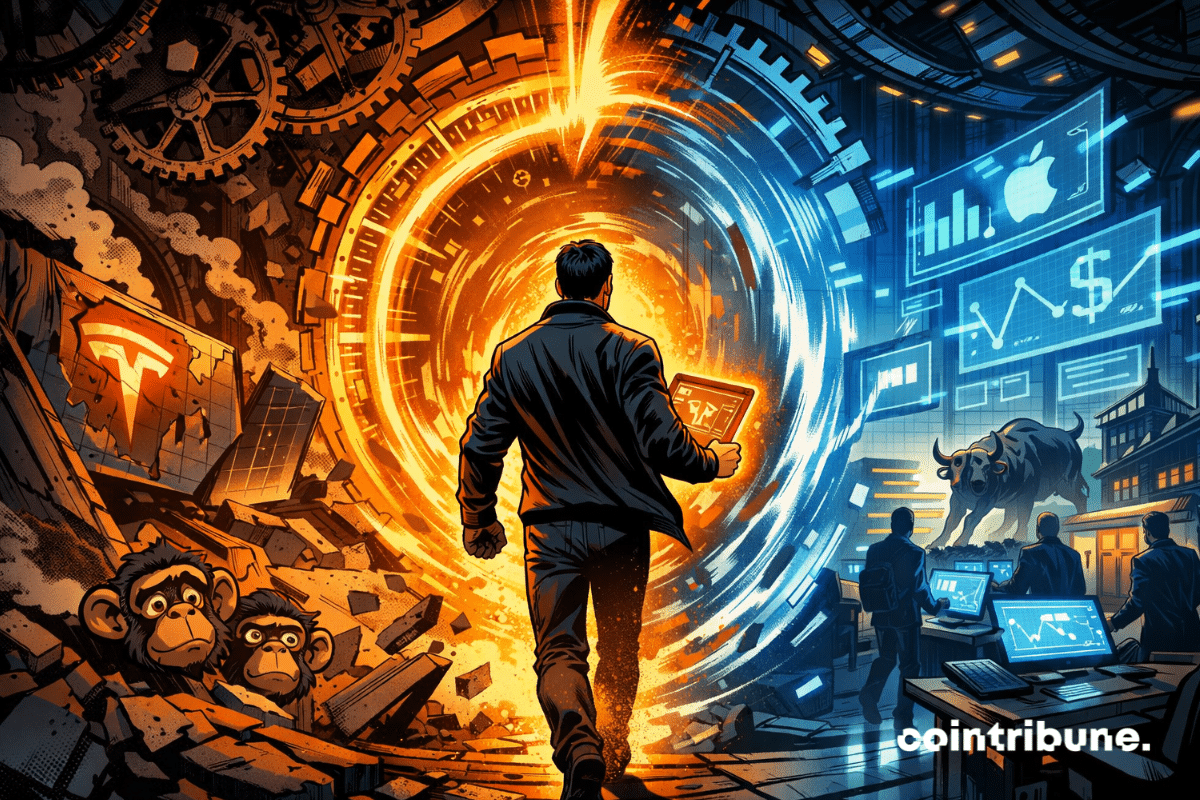
Binance is bringing back tokenized equities after its 2021 debut, offering investors a bridge between traditional stocks and crypto markets.
Binance is bringing back tokenized equities after its 2021 debut, offering investors a bridge between traditional stocks and crypto markets.

Solana is taking a new bet: making hardware a driver for crypto adoption. And, this week, the scenario took an unexpected turn. The token linked to the Seeker smartphone, $SKR, jumped more than 200% in a few days, according to CoinGecko data. The movement followed the TGE and the airdrop associated with Solana Mobile's second phone: a $500 Android, designed from the start for on-chain uses. Everyone expected volatility. But the speed and magnitude of the increase clearly awakened the market.

XRP Ledger continues to show strong on-chain activity while Ripple leadership outlines where the crypto market may head next. New network data points to steady usage, low costs, and large transaction volumes. At the same time, Ripple executives are setting expectations for how institutions may engage with crypto in the coming years.
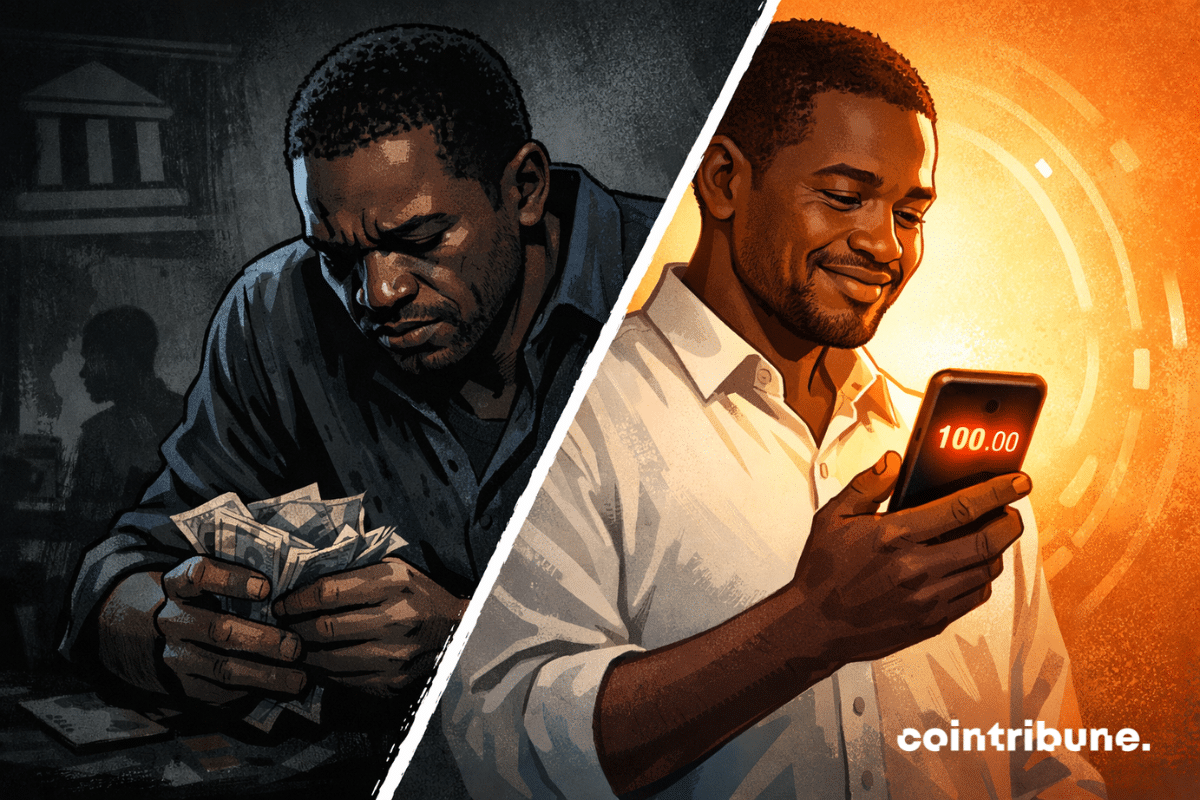
Stablecoin adoption is rising across Africa as individuals and businesses search for faster cross-border payments and protection from rising prices. Speaking at the World Economic Forum in Davos, economist Vera Songwe said stablecoins are filling gaps left by costly remittance systems and weak local currencies. Growing usage is also drawing closer attention from regulators across the continent.

In a network where every line of code can become a manifesto, the slightest technical signal takes on the appearance of a political declaration. BIP 110, supported by a growing fraction of Bitcoin nodes, illustrates this internal tension. Behind this seemingly minor proposal lies a clear intention: to tighten control over data insertion into the blockchain and defend a stricter vision of the protocol.
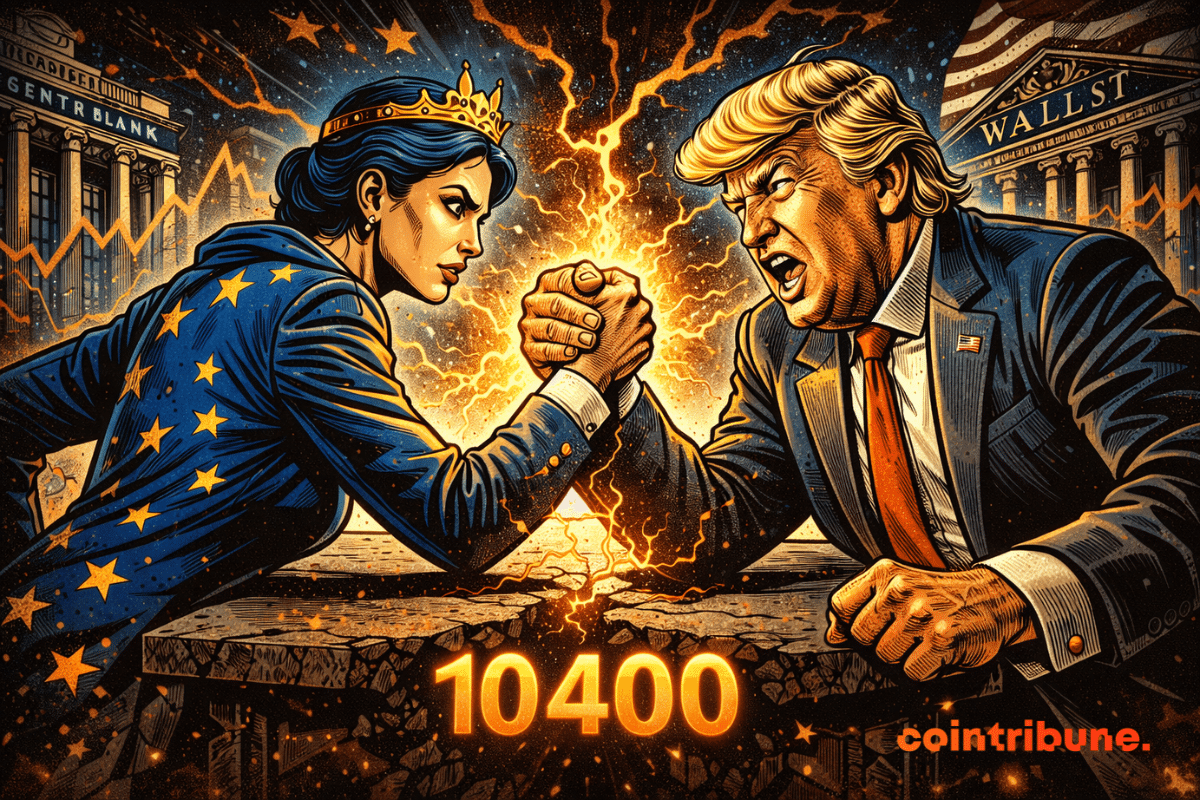
Trump acts tough with Europe, but financiers of the Old Continent are sharpening their response: a stock market exodus that could make him swallow his "America First."

Can a simple meme trigger a frenzy in the crypto market? That's exactly what a White House post showing a penguin alongside the US president caused. Within hours, the memecoin PENGUIN, unknown the day before, soared in value by more than 350 times. With no announcement, no news, this Solana token attracted a massive speculative wave, illustrating once again how the attention economy brutally reshapes market dynamics.

While US markets showed mixed signals this Friday, another trend emerged on the sidelines of major indices: the strong rise of shares linked to bitcoin mining. This contrast with the Nasdaq’s dynamic and the Dow’s decline raises questions about a possible repositioning of investors towards crypto-correlated assets, ahead of key economic decisions. A careful reading of these movements reveals much more than a simple technical variation.

While quantum computers sharpen their circuits, Ethereum brings out the heavy artillery: cryptographers, millions, and devnets. The blockchain wants to last a hundred years, even if it ages before us.
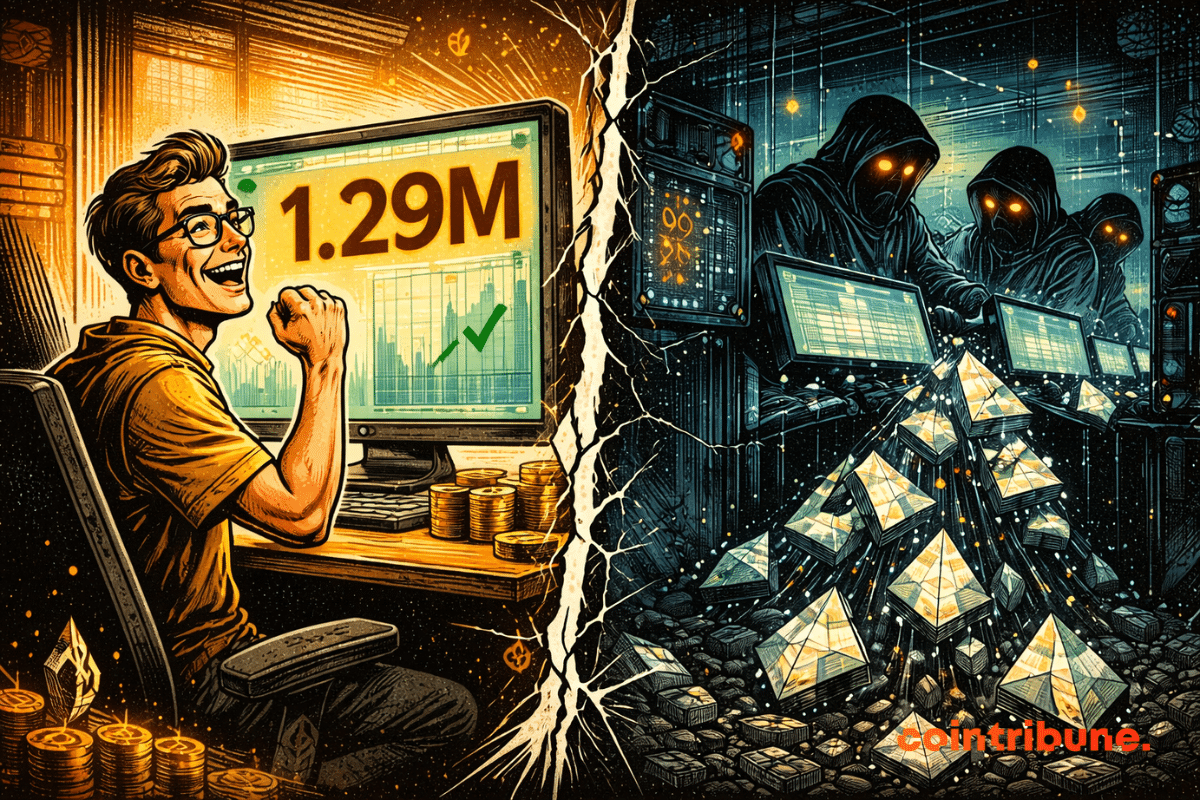
Ethereum is rejoicing, its counters are exploding! Except that 80% of the activity might be clever spam. Progress? Or just hackers who learned how to do sales?
UBS Group AG is preparing a move that could bring crypto investing into its private banking business. Plans are taking shape to give selected high-net-worth clients access to digital assets, marking a shift in how the Swiss bank approaches the sector. The effort reflects growing client demand, ongoing regulatory review, and UBS’s wider push into blockchain-based finance.

BlackRock’s 2026 Thematic Outlook positions Ethereum as core financial infrastructure rather than a speculative asset. The report frames the network as a potential “toll road” for tokenized assets—capturing value through issuance, settlement, and transaction fees as real-world assets move onchain. For investors, the central question is whether growth in tokenization activity can translate into durable economic demand for ETH.

Coinbase is forming an expert panel to tackle future quantum threats and strengthen blockchain security before the technology becomes a real risk.

The security of crypto data falters once again. The French platform Waltio, specializing in tax declarations, was the victim of a massive leak of sensitive information. In response, an investigation was opened by the French authorities, mobilizing the National Gendarmerie. This incident rekindles concerns about the vulnerability of services related to cryptos, including those outside the blockchain. As the use of tax tools becomes widespread, users' trust is severely tested.

The crypto ETF dance does not slow down. It changes tune. After Bitcoin and Ethereum, now the market attacks more "political" tokens, more linked to ecosystems, thus more sensitive to regulators' scrutiny. And Grayscale, true to its style, does not timidly knock on the door: it files a dossier and forces the conversation.
In a context of persistent tensions between the crypto ecosystem and U.S. regulation, the SEC has just taken an unexpected step. The agency has definitively dropped its civil action against Gemini Trust, marking the end of the Gemini Earn case. This decision, legally qualified as "dismissal with prejudice," raises questions about the regulator's strategic shift regarding crypto yield products, and what this might imply for future relations between platforms and authorities.

A public reserve in Bitcoin without tax or debt? Kansas proposes a shock law that disrupts traditional financial codes.
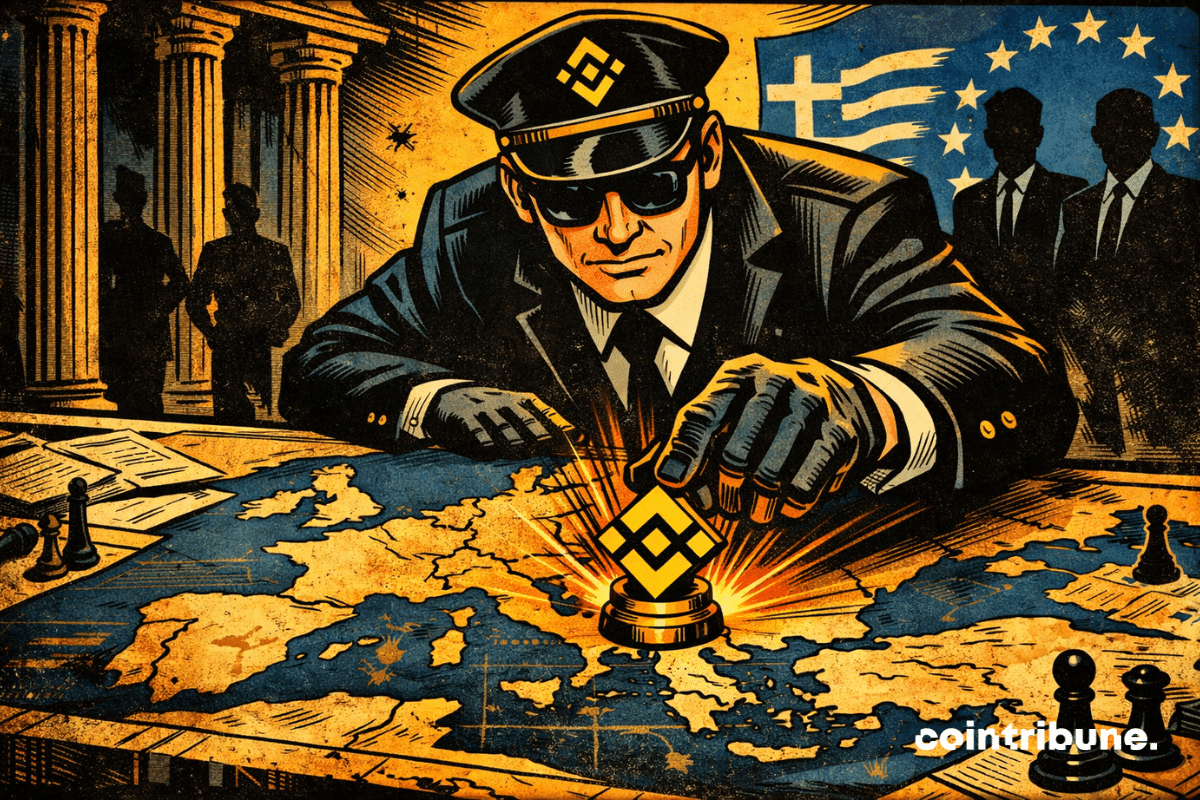
Binance, the crypto giant, trades its wild escapades for the toga of Athens: Greek regulation, European ambition... and a well-timed snub to its old demons.
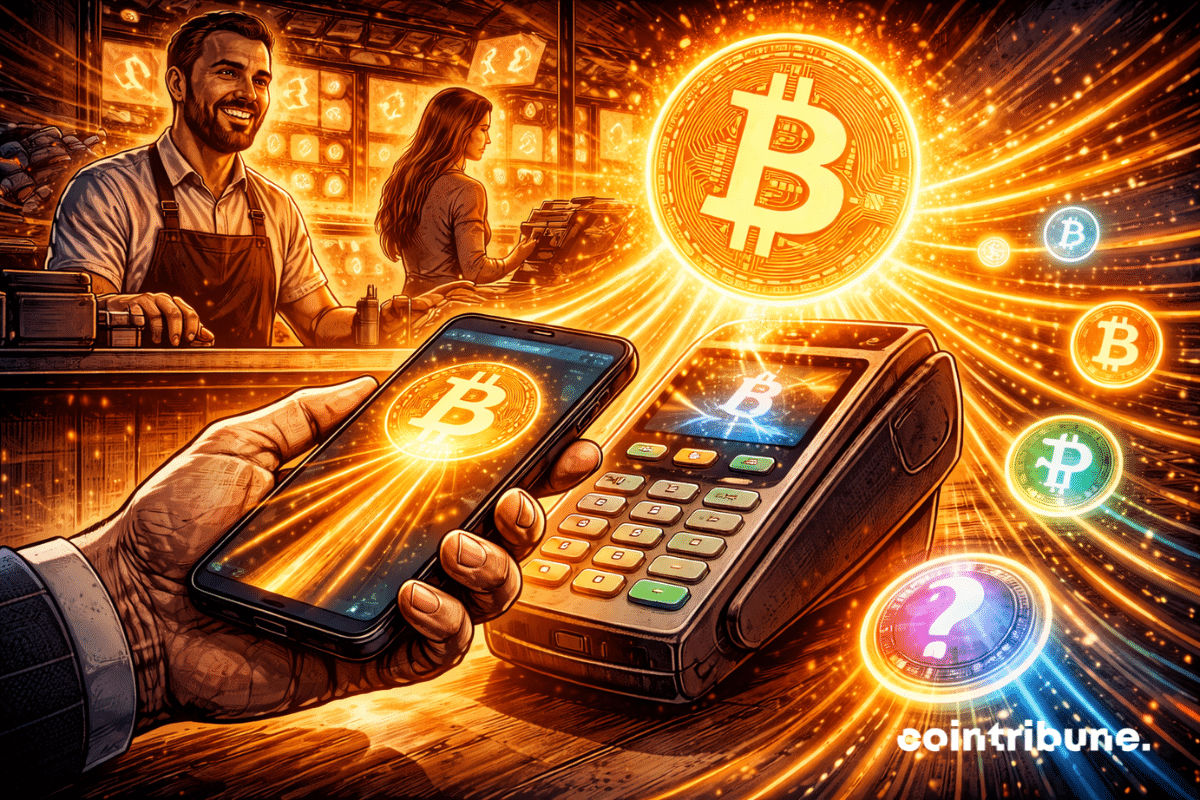
In 2025, bitcoin was not content to be just a store of value. It established itself as a central tool in digital payments. According to a Coingate report, it dominates the market again with 22.1% of transactions, driven by increasing adoption by businesses. This renewed interest marks a strategic turning point. Crypto is no longer on the sidelines, it is now integrated into real economic flows.
Nasdaq has just pushed open a door that many still found "locked": that of position limits on options linked to spot Bitcoin and Ether ETFs. Behind the jargon, there is a simple idea: to stop treating crypto products as tolerated guests, and to bring them in through the main door of "classic" derivatives.
At the Devconnect conference in Buenos Aires, Ethereum's co-founder issued an unprecedented warning: the elliptic curves securing Bitcoin and Ethereum 'are going to die.' With a 20% probability that quantum computers could break current cryptography before 2030, the crypto industry has less than four years to migrate to quantum-resistant systems.
While gold breaks records and nears $5,000 an ounce, a part of the Bitcoin camp keeps hammering the same idea. The BTC market hasn’t really started yet.

Bankers were pretending to ignore crypto; now they dive in completely, renaming stablecoins as "infrastructures." PwC rejoices: the future is already tokenized.
At Davos 2026, AI establishes itself as the new playground for private equity giants. OpenAI and Anthropic show record valuations, fueled by investors' FOMO. But could this frenzy overshadow interest in crypto and bitcoin?
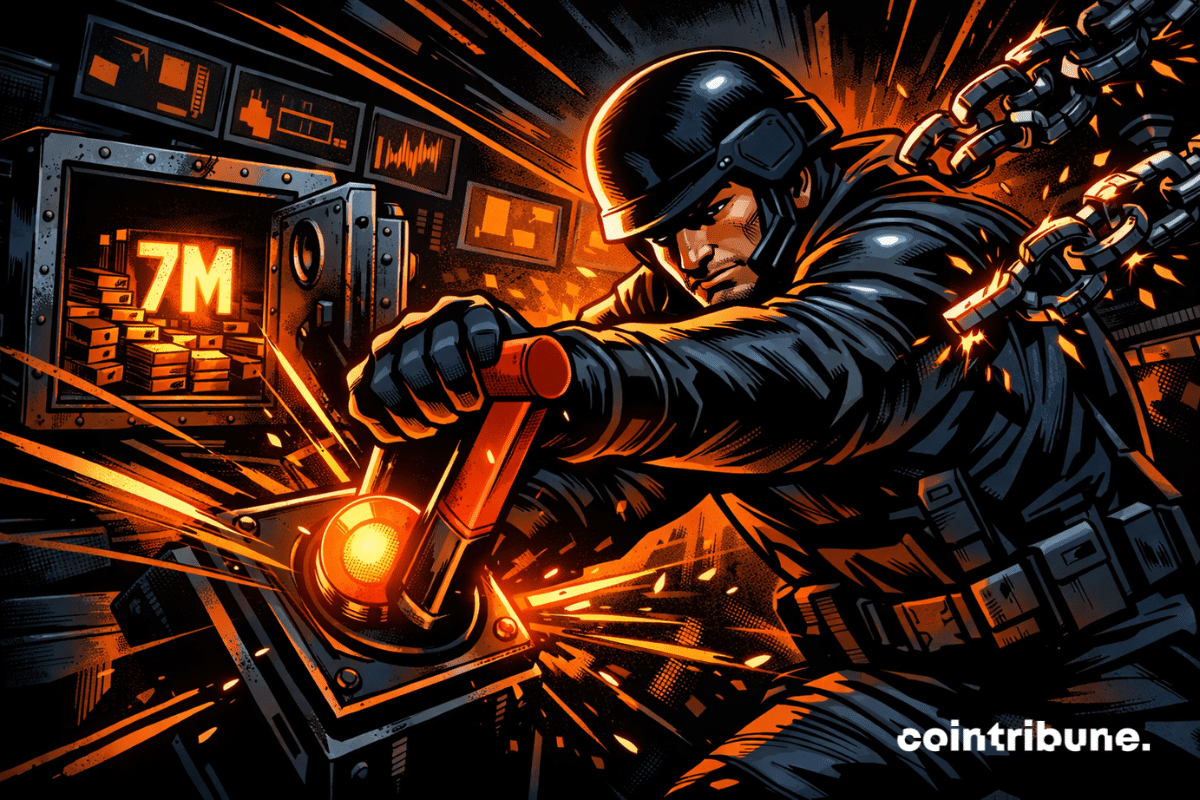
Saga, a Layer-1 blockchain protocol, has paused its Ethereum-compatible SagaEVM chainlet after a $7 million exploit triggered unauthorized fund transfers. The attack involved assets being bridged out of the network and swapped into Ether. Although the affected chainlet remains offline, Saga says the broader network continues to operate normally.
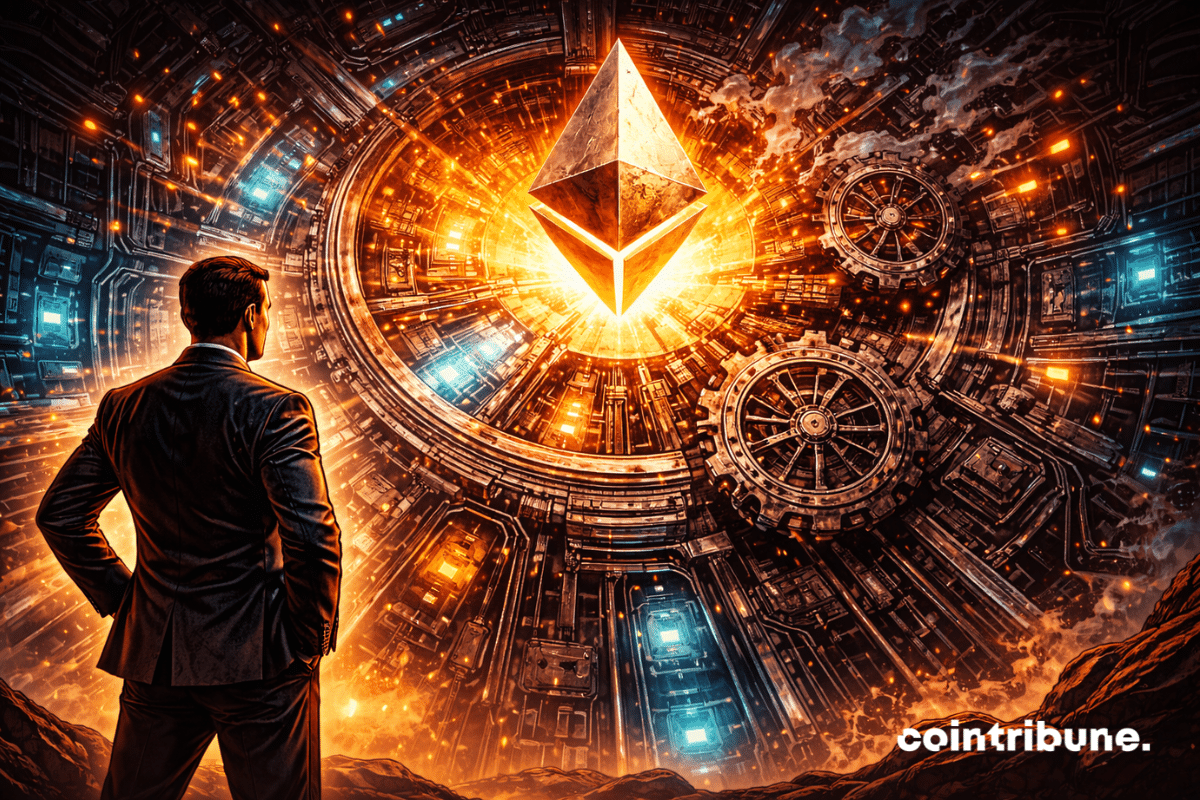
Ethereum may have chained updates, but doubt persists about its ability to generate sustainable activity. In a report published this Wednesday, JPMorgan analysts question the real effects of the Fusaka update, which nevertheless caused an immediate surge on the network. Behind the technical gains, the question of economic viability remains unresolved. The blockchain co-founded by Vitalik Buterin faces limits that even its latest advances do not seem able to correct.
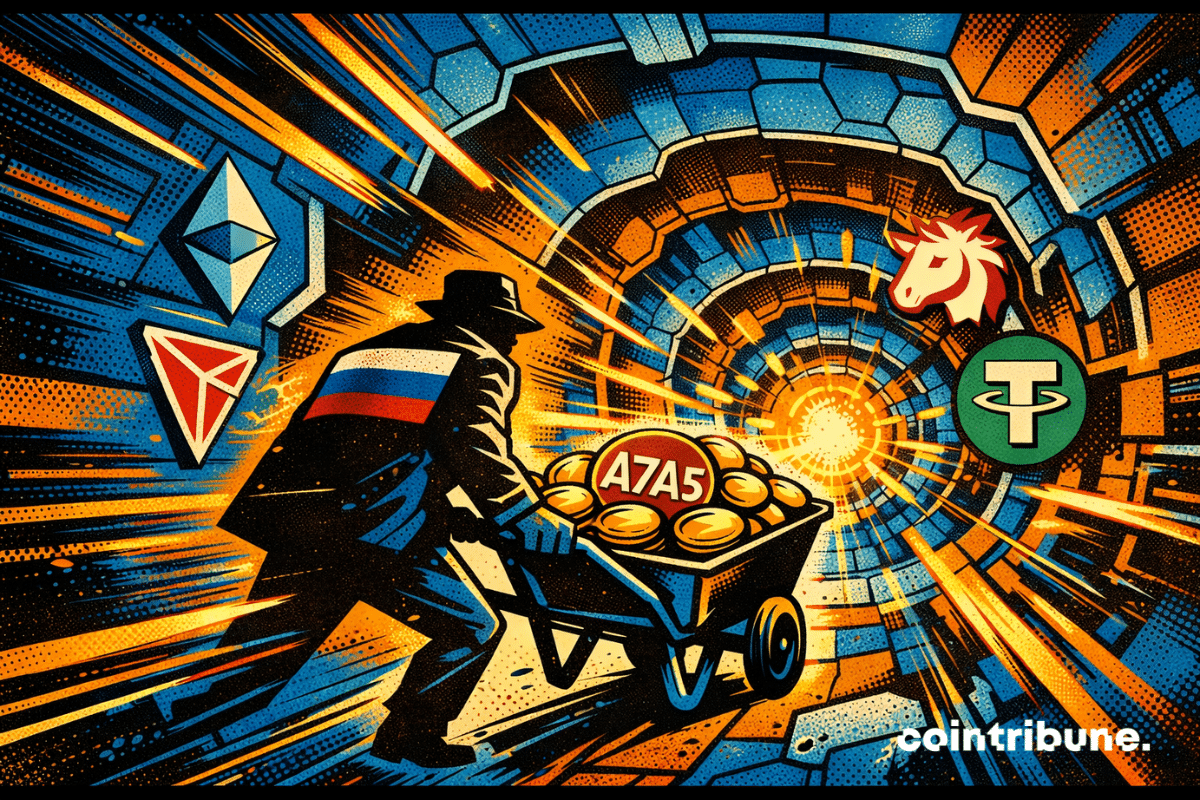
The crypto A7A5, Moscow’s digital weapon? This token allowed Russia to move billions despite the Western embargo.

Donald Trump accuses JPMorgan of having closed his accounts for political reasons and demands 5 billion dollars before the Florida courts. By directly targeting CEO Jamie Dimon, the president reignites the explosive debate on "debanking," a practice that fuels tensions between the political and financial spheres. This case questions the neutrality of major American banks. While Trump denounces ideological exclusion, JPMorgan, on its side, rejects any accusation of discrimination.
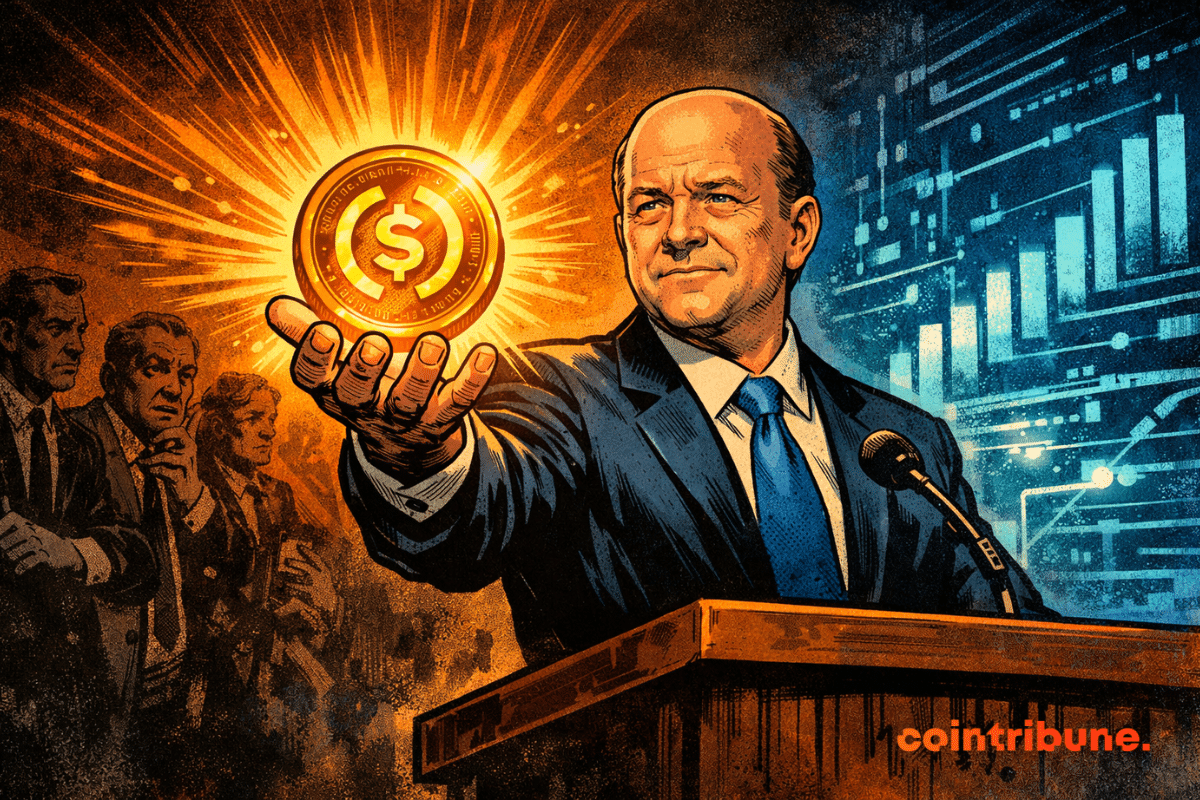
In Davos, the head of Circle promises that stablecoins will not blow up banks. What if crypto became the secret weapon... of AI? Allaire swears no, or almost.
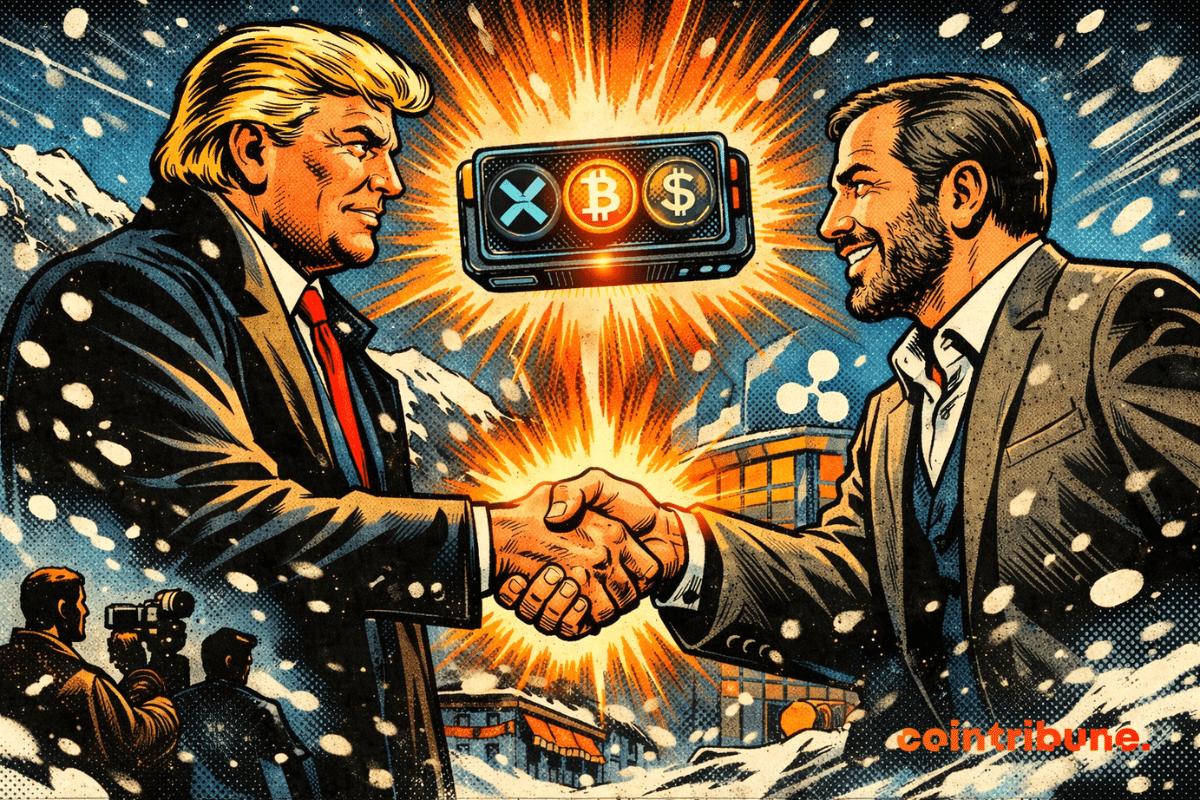
Davos 2026: Ripple and Trump unite to transform the United States into a crypto empire. All the details in this article.