The wandering dog of crypto seeks refuge, torn between a heavenly ascent and an abyssal fall, as the market oracles whisper uncertain prophecies.
Crypto markets are often shaken by political announcements, but rarely with such intensity. Donald Trump, the President of the United States, unveiled an unprecedented project: the creation of a national strategic crypto reserve. Indeed, in an environment where the regulation of these assets in the United States remains a hot topic, this announcement triggered a spectacular surge in the market, with Bitcoin briefly surpassing $95,000. However, behind this frenzy, major uncertainties remain. The project still needs to pass through Congress, and some experts are questioning its real feasibility and lasting impact. Between hope and caution, the crypto community remains suspended over the evolution of this matter.
Financial markets often evolve in line with political decisions, and the crypto universe is no exception. This Sunday, Donald Trump rekindled investors' attention by announcing that his crypto reserve project would include several major assets, including XRP, Solana, and Cardano. Initially, bitcoin seemed absent from this list, raising doubts about the former president's stance on it. A quick adjustment then corrected this, as he stated that bitcoin and Ethereum would obviously be included. This turnaround triggered a surge of optimism and a price spike, but the enthusiasm was short-lived. Within less than 24 hours, the market reversed. The cause was the growing concerns about the tariffs that Trump plans to impose, which rekindles fears of economic instability.
Brussels wields MiCA, Binance complies: nine stablecoins face regulatory guillotine. The ailing European crypto market witnesses the burial of USDT and others.
Cryptocurrencies go through cycles of euphoria and doubt, where some projects disappear as quickly as they appeared. However, after six years of development, Pi Network has finally launched its native token, generating unprecedented enthusiasm among investors and market observers. Between promises of massive adoption and regulatory uncertainty, the asset today evolves in a volatile environment where every movement is closely scrutinized. While PI has recorded spectacular growth since its introduction, forecasts for March 2025 suggest a possible surge.
Donald Trump sparked an uproar by announcing that the strategic reserve of bitcoins would also include other cryptocurrencies.
Stock Market: spectacular rebound of the markets. Europe is coming out on top while Wall Street plunges! The details in this article.
David Sacks, recently appointed by Donald Trump as the "czar" of cryptocurrencies and artificial intelligence, has confirmed that he sold all his crypto assets before taking office. This decision aims to avoid any conflict of interest as he is set to play a key role in American technological regulation.
Donald Trump's announcement regarding the creation of a national cryptocurrency reserve, including Bitcoin (BTC), Ethereum (ETH), XRP, Solana (SOL), and Cardano (ADA), has stirred reactions within the crypto industry. While this initiative aims to strengthen the position of the United States as a sector leader, Coinbase CEO Brian Armstrong believes that a reserve composed solely of Bitcoin would be the best option. Here's why.
Amid revolutionary announcements, technological advancements, and regulatory turbulence, the crypto ecosystem continues to prove that it is both a territory of limitless innovations and a battleground of regulatory and economic challenges. Here is a summary of the most significant news from the past week surrounding Bitcoin, Ethereum, Binance, Solana, and Ripple.
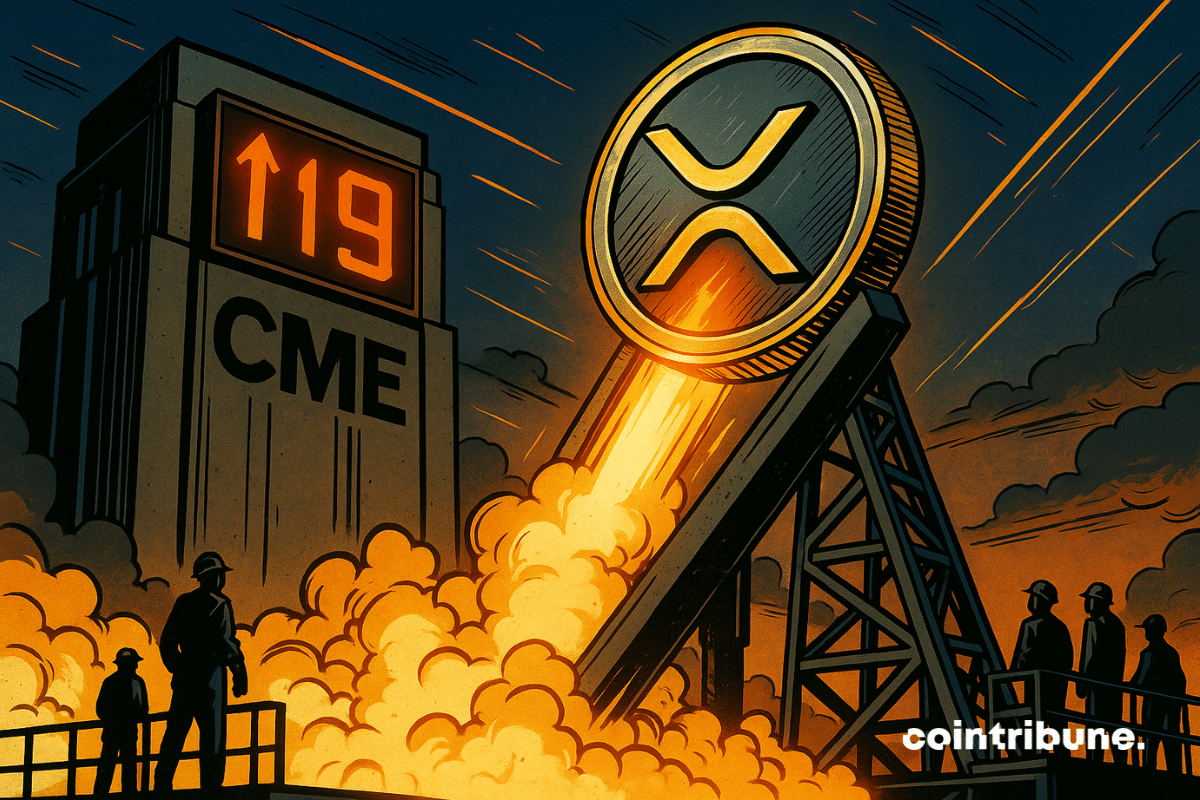
With a snap of the presidential fingers, XRP enters history. The SEC falters, Garlinghouse exults: a new era blows over crypto.
The recent announcement by President Donald Trump regarding the creation of an American strategic reserve including several altcoins has shaken the market. While Bitcoin rose by 10%, its dominance in the crypto market briefly fell below the symbolic threshold of 50%, a first in a long time.
The debate about the future of fiat currencies and the rise of cryptocurrencies is intensifying. As the United States faces sustained inflation and record debt, some experts are questioning the viability of the traditional financial system. Robert Kiyosaki, entrepreneur and author of the bestseller "Rich Dad Poor Dad", has never hidden his skepticism towards the US dollar. He has once again reignited the debate, labeling the American currency as a "scam". Furthermore, he claims that Bitcoin represents the future. His statements, although extreme for some, resonate with many investors concerned about monetary instability and loss of purchasing power.
The crypto market is experiencing a spectacular surge following an unexpected announcement from U.S. President Donald Trump. With the formalization of the establishment of a strategic crypto reserve, a national fund aimed at holding several major cryptocurrencies, he has triggered a massive wave of buying in the market. Investor enthusiasm has pushed some assets to unprecedented levels in weeks, with Cardano (ADA), XRP, and Solana (SOL) leading the most significant gains. However, behind the market euphoria, this initiative also raises criticism and questions regarding its motivations and real implications.
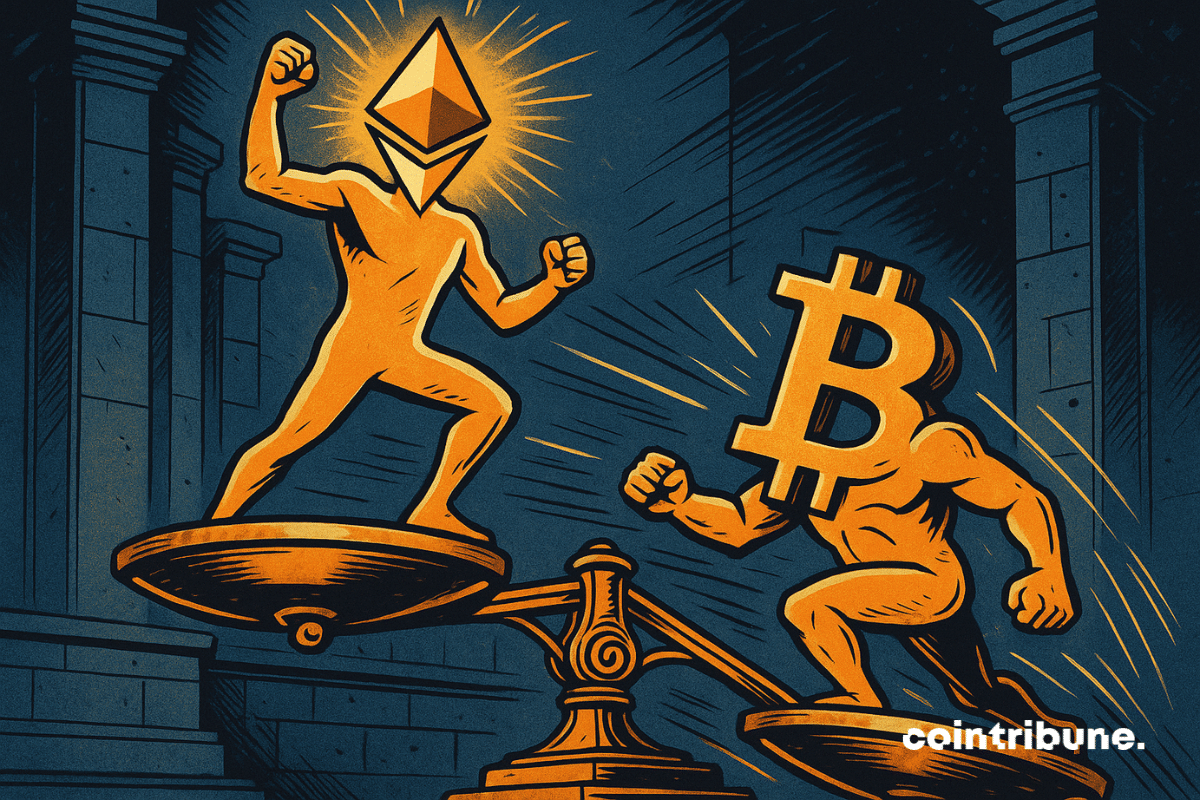
In the crypto universe, where each upgrade can rewrite the rules of the game, Ethereum is preparing for a silent revolution. Pectra, its upcoming hard fork, will not merely optimize lines of code. It embodies a strategic metamorphosis, capable of resetting the economic balances of the network. As ETH struggles to keep pace with Bitcoin's frantic rhythm, this update could inject a new dynamic. What if Pectra is the missing spark to propel the bullish cycle of 2025?
The cryptocurrency market has just experienced one of the most spectacular increases in its history. In just four hours, more than $330 billion was injected, causing a shockwave throughout the entire sector. This sudden explosion of liquidity raises many questions: is it an institutional influx, a speculative event, or a paradigm shift in the economy? What are the implications for investors and the industry? While volatility remains the driving force of the crypto ecosystem, this episode could very well mark a major turning point.
Michael Saylor, co-founder and executive chairman of Strategy (formerly MicroStrategy), announced impressive profits of $2.6 billion generated by the company's bitcoin investments over the first two months of 2025. This result validates his strategy of massive accumulation, despite recent market turbulence.
On March 2, 2025, American President Donald Trump announced the creation of a "Strategic Cryptocurrency Reserve" specifically including XRP (Ripple), SOL (Solana), ADA (Cardano), BTC (Bitcoin), and ETH (Ethereum). This initiative aims to strengthen the crypto industry in the United States, following what Trump describes as "corrupt attacks" from the previous administration.
The Ethereum Foundation recently announced a major restructuring of its leadership, with the appointment of Hsiao-Wei Wang and Tomasz Stańczak as co-executive directors. This strategic change aims to enhance technical expertise and governance of the network, in the context of increasing challenges for the Ethereum ecosystem.
Like a ship in the midst of a storm, Bitcoin sways, capsizes, and sees its passengers jumping into the water. Only the seasoned sailors remain on board, confident in the future clear-up.
Does bitcoin have a place in national reserves? For the Swiss National Bank, the answer is clear: no. Between excessive volatility and lack of liquidity, the SNB rejects the idea of integrating cryptocurrency into its balance sheet, despite pressure from bitcoin advocates.
The global economy is evolving under the pressure of increasing trade tensions. As the United States imposes new tariffs, Europe finds itself facing a strategic dilemma. Balancing its traditional alliances and diversifying its economic partnerships, the continent is now looking towards the BRICS. This organization, once seen as a counterweight to the G7, is today consolidating its position by forging closer ties with Europe. This shift could redefine the economic and political power dynamics on a global scale.
Artificial intelligence has just crossed a new milestone, and this time, a storm is brewing. GPT-4.5, the latest creation from OpenAI, is crushing the track with an outrageous ambition: to dominate by size. While 2025 is already overwhelmed by announcements of rival models – such as Claude from Anthropic or…
The past few weeks have been tough for crypto investors. Indeed, they have been marked by a prolonged market downturn and a growing sense of distrust. Bitcoin, the engine of the sector, has nonetheless recorded a spectacular rebound. Thus, it surpassed $84,000 after having dropped to as low as $78,248. This turnaround raises an essential question: is this a true signal of recovery or just a brief surge before a new phase of turbulence? In the shadow of this rise, major altcoins like Ethereum (ETH), Solana (SOL), and XRP have experienced mixed performances. Some may take this opportunity to regain ground, while others remain under pressure.
The crypto market has just experienced one of its most violent downturns in months. After reaching an all-time high of $109,000 on January 20, Bitcoin plummeted by 28%. This drop wiped out billions of dollars in market capitalization in a matter of weeks. Such a brutal reversal comes amid an environment of economic tension and turmoil in the financial markets. But beyond a mere technical correction, several major events contributed to this decline. From macroeconomic fears, record cyberattacks, to political disillusionment, let's look back at the causes of this tumble and its implications.
The crypto world is currently witnessing an unprecedented mobilization in favor of Roger Ver, nicknamed "Bitcoin Jesus." Accused of tax evasion by the U.S. Department of Justice (DOJ), Ver is facing possible extradition from Spain, where he risks 109 years in prison. This situation is highly displeasing to the founder of Ethereum, Vitalik Buterin, who is taking a stand in favor of Roger Ver.
"Binance, accused of pulling the strings of the grand crypto ball, defends itself. Meanwhile, Solana wavers, and investors search for a culprit. A twist of fate or mere panic?"
The Bitcoin market has just experienced a brutal correction. In the span of 48 hours, a massive wave of capitulation has resulted in more than $2.16 billion in realized losses for investors. Behind this drop lies a well-known pattern for analysts: weak hands, often the most recent entrants, have liquidated their positions at a loss. Far from being trivial, this wave of hasty selling raises questions about market strength and investor psychology in the face of sudden corrections.
Solana is bonding like a cat escaping the downpour, but the storm of March 1st is approaching, ready to clip its wings.
Bitcoin's volatility is once again at the heart of discussions. While the cryptocurrency briefly fell below $79,000, Standard Chartered Bank believes that the correction could intensify, bringing BTC into a range between $69,000 and $76,500 by Monday. This projection is based on several market indicators, including the selling pressure from massive Bitcoin ETF outflows and the increase in short positions by hedge funds. Should this decline be viewed as a simple correction or a signal of a deeper reversal?