Fri 02 May 2025 ▪
3 min read
▪
by
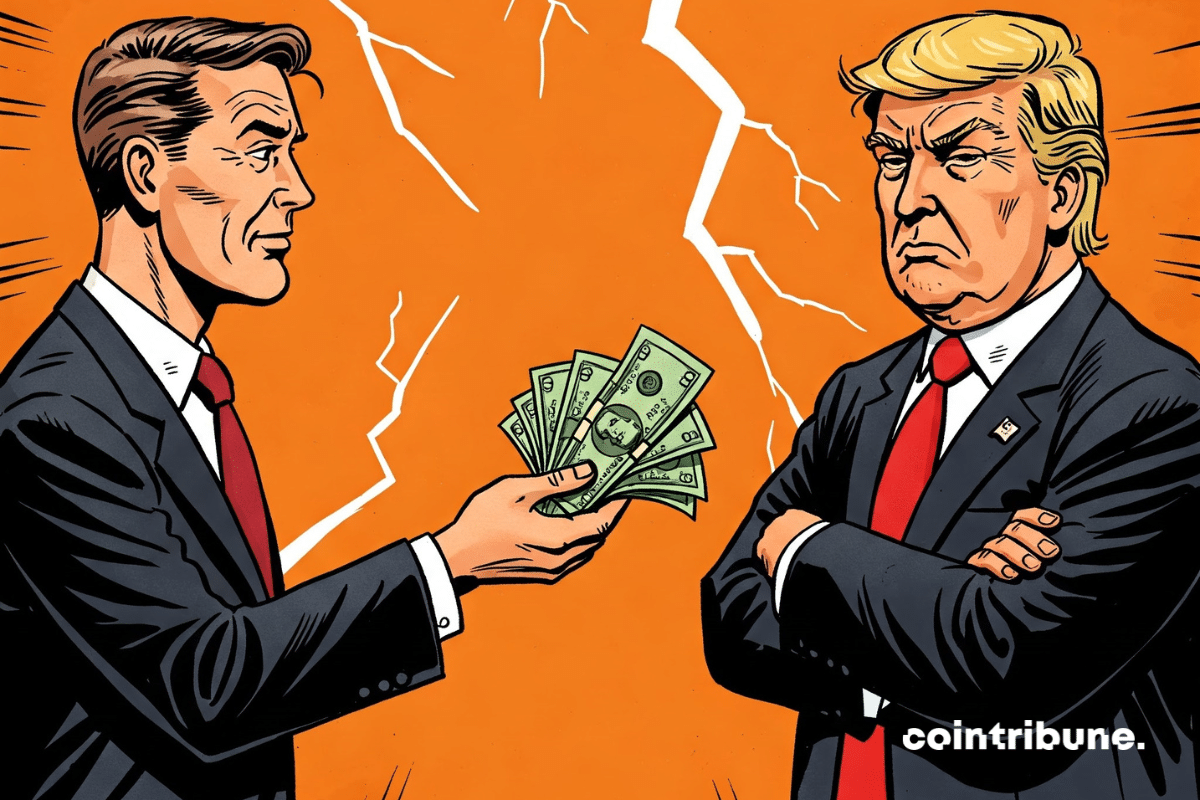
The EU is trying to avoid a trade war that would harm its economy. This article explains how.
The EU is trying to avoid a trade war that would harm its economy. This article explains how.
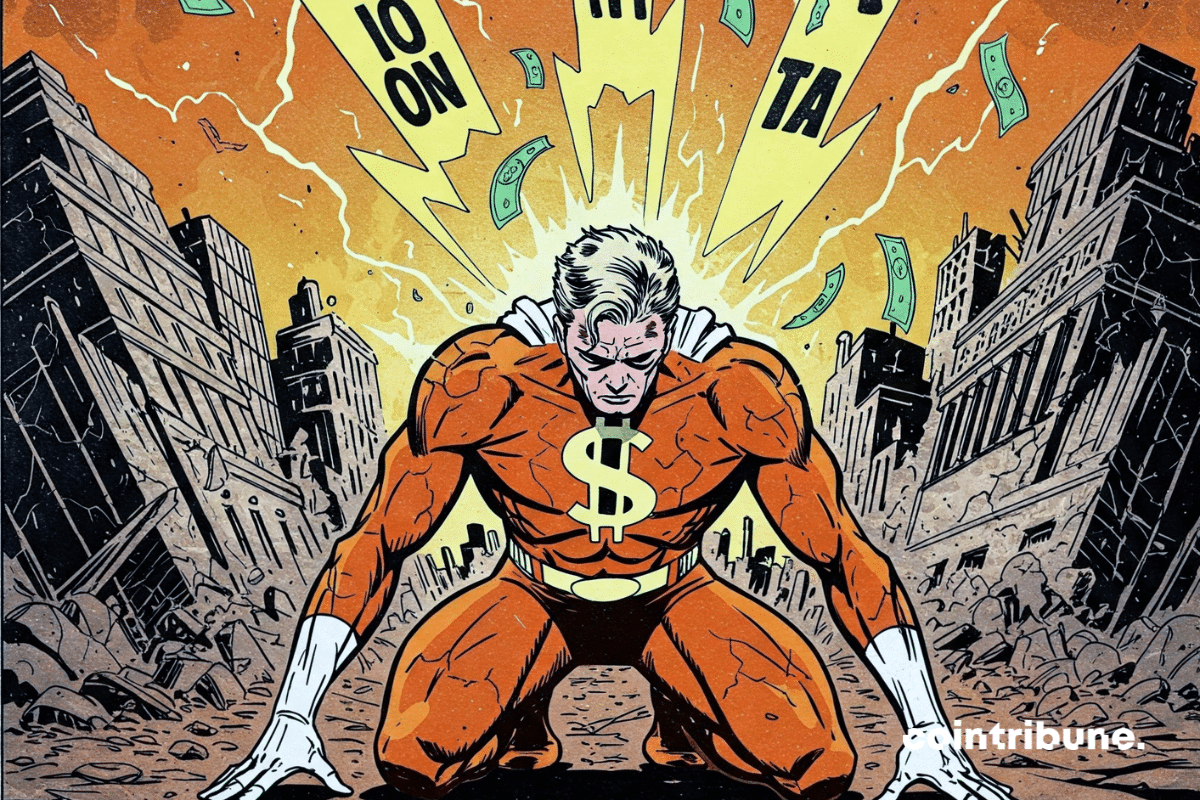
The American economy is declining for the first time since 2022. Heading towards a recession? Discover some key figures in this article!

In the midst of a commercial battle, the European Union agrees to negotiate the elimination of tariffs on Chinese electric vehicles. Supported by massive subsidies, these low-cost models disrupt the balance of the European market. This turnaround marks a turning point, as Europe, torn between industrial protectionism and ecological transition, opens itself to a risky compromise. In a key sector, this rapprochement could reshuffle the cards between two rival powers, linked by competition as much as by interdependence.

The surprising decision by U.S. President Donald Trump to temporarily suspend reciprocal tariff rights has quickly reassured the markets and reduced the prospects of an economic recession.
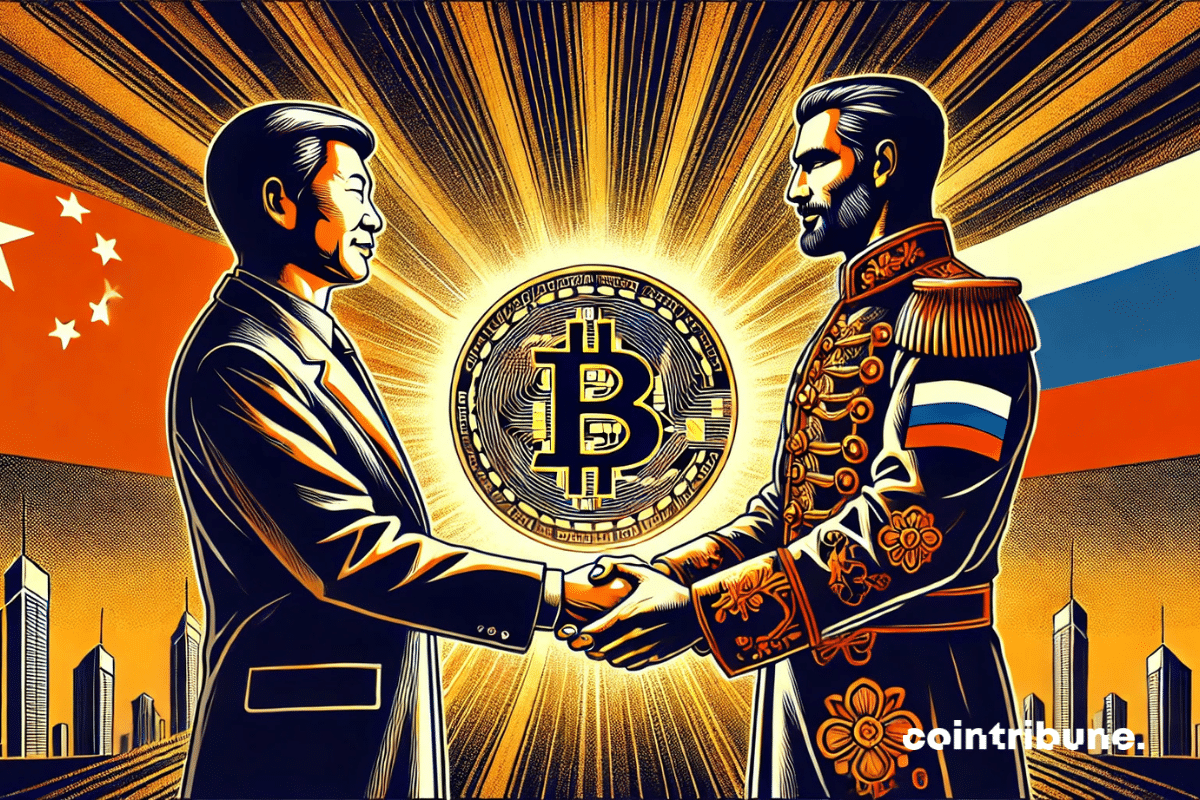
As the BRICS intensify their dedollarization strategy, Beijing and Moscow are taking an unprecedented step: using bitcoin to settle certain trade transactions. This initiative, revealed by VanEck, marks a symbolic turning point in the internationalization of cryptocurrencies. It reflects a clear intention to break free from financial circuits dominated by the West, aiming to give bitcoin a new geopolitical role. This shift could herald a new monetary order in which cryptocurrencies redefine the levers of economic sovereignty.

Global trade is wobbling under the effect of a new escalation between Washington and Beijing. Donald Trump is reigniting the tariff offensive against China, rekindling a trade war that marked his previous term. Beijing, far from backing down, is deploying a firm response, determined to defend its strategic interests. This renewed showdown between the two superpowers resonates well beyond customs, threatens global economic balances, and stirs tensions in international markets. A confrontation whose implications could be felt well beyond American and Chinese borders.
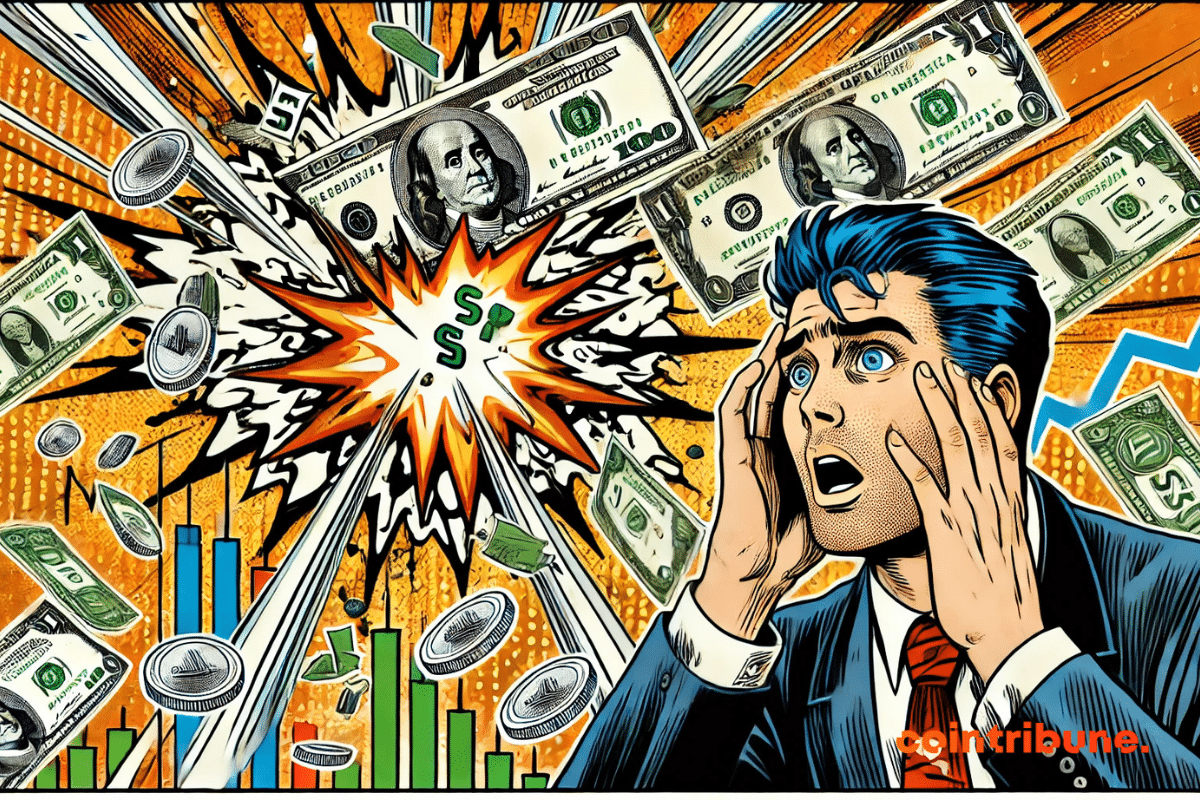
Trump's new taxes destabilize the markets. What are the consequences for the American economy? The full analysis here!
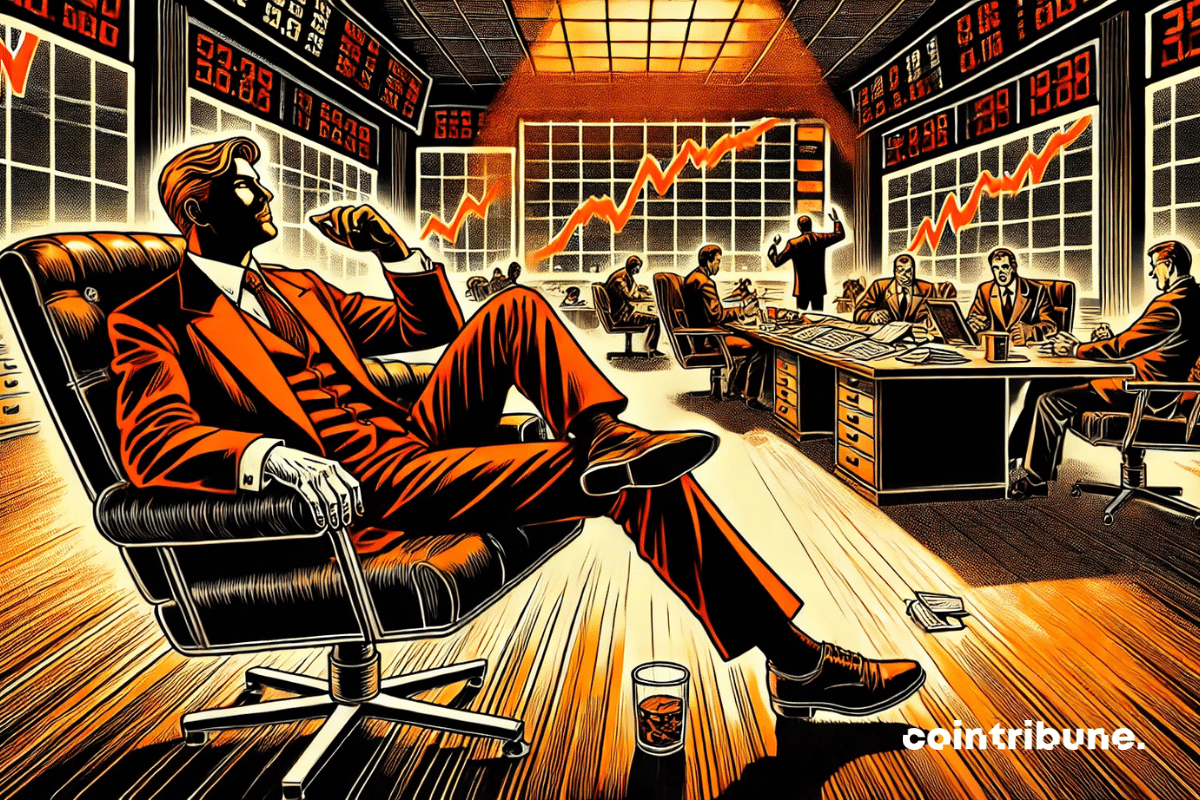
Donald Trump is once again making his mark at the helm of the United States. By launching a vast tariff offensive against almost all of the country's trading partners, the president is triggering an economic and diplomatic earthquake. Wall Street is falling, allies are worried, and Beijing is retaliating. This decision, as much strategic as ideological, marks the overt return of hard protectionism and places American economic sovereignty at the center of the global game.

Donald Trump has caused an economic shockwave by announcing significant tariffs targeting almost all countries in the world. The figures presented by the White House are being thoroughly analyzed by experts and raise questions among the United States' trading partners.

Under a heavy fiscal sky, cryptos and stocks waver. Trump's "Liberation" resembles a storm. The wind shifts, and hopes dwindle, one tweet after another.
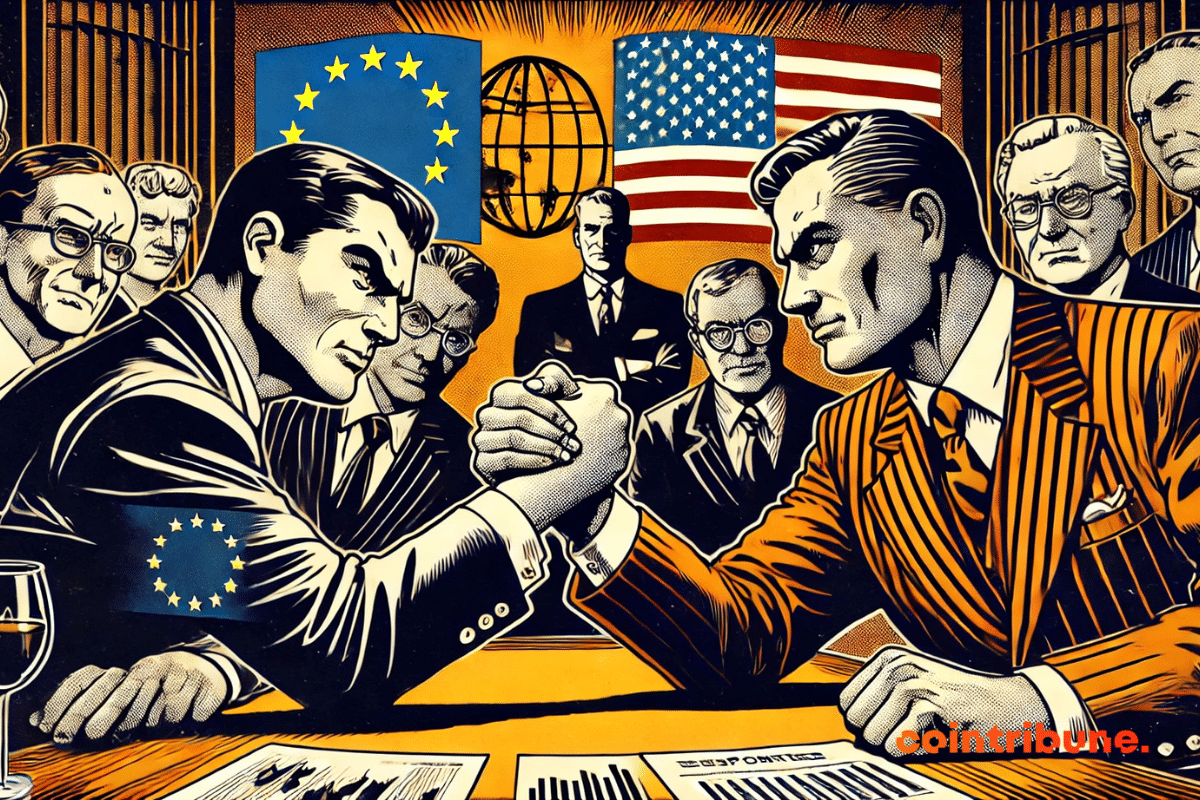
Tensions between Washington and Brussels are taking a disturbing turn. While transatlantic trade represents a colossal market of $9.5 trillion, the new tariffs imposed by Donald Trump risk upsetting an already fragile balance. A trade war between the two economic powers could lead to increased production costs, a drastic drop in trade, and growing instability for businesses.
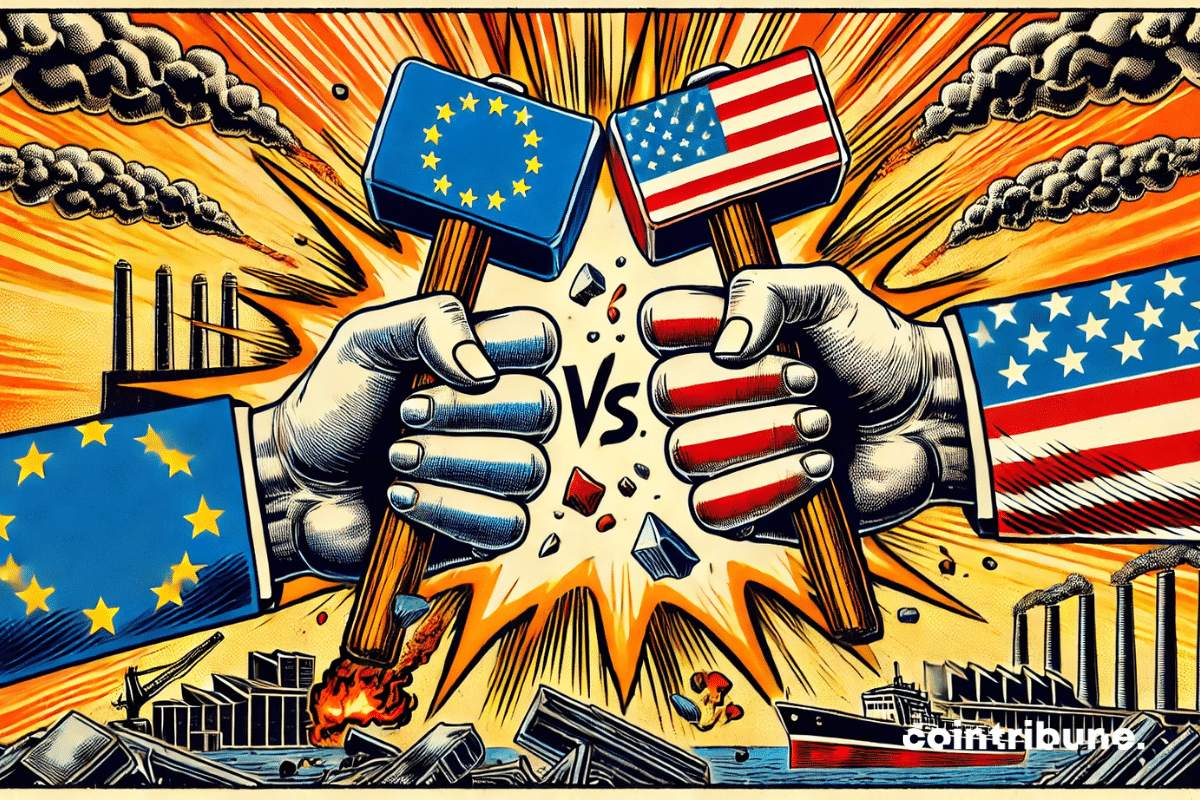
The EU defends its economy against new American sanctions. We provide all the details in this article.
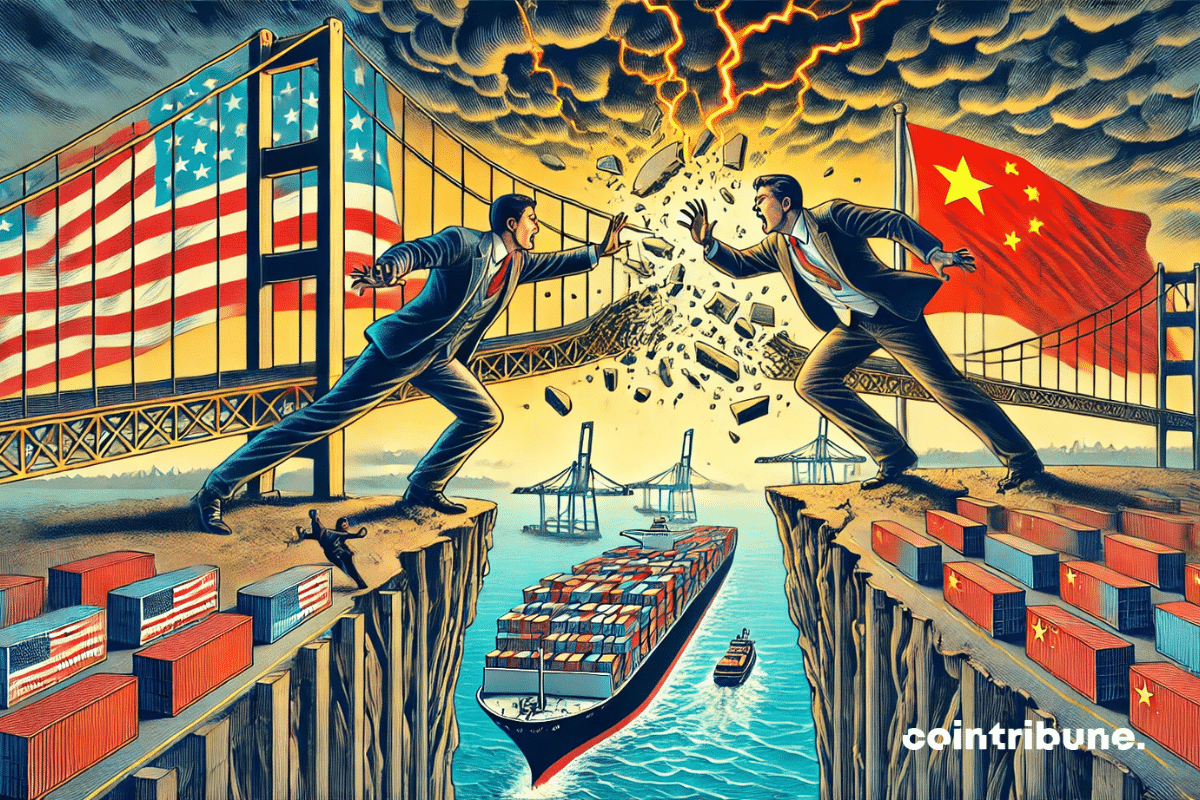
The global economic scene is in full turmoil. In just a few months, trade tensions between China and the United States have reached a new level, severely impacting the foreign trade of the Asian giant. Official figures released by Chinese customs indicate a brutal slowdown, much more pronounced than expected, in exports and imports. In the background, a declining internal consumption and an uncertain economic climate amplify concerns. As Beijing sets an ambitious growth target, this halt raises many questions about the country's ability to maintain its dynamism in the face of repeated attacks from Washington.
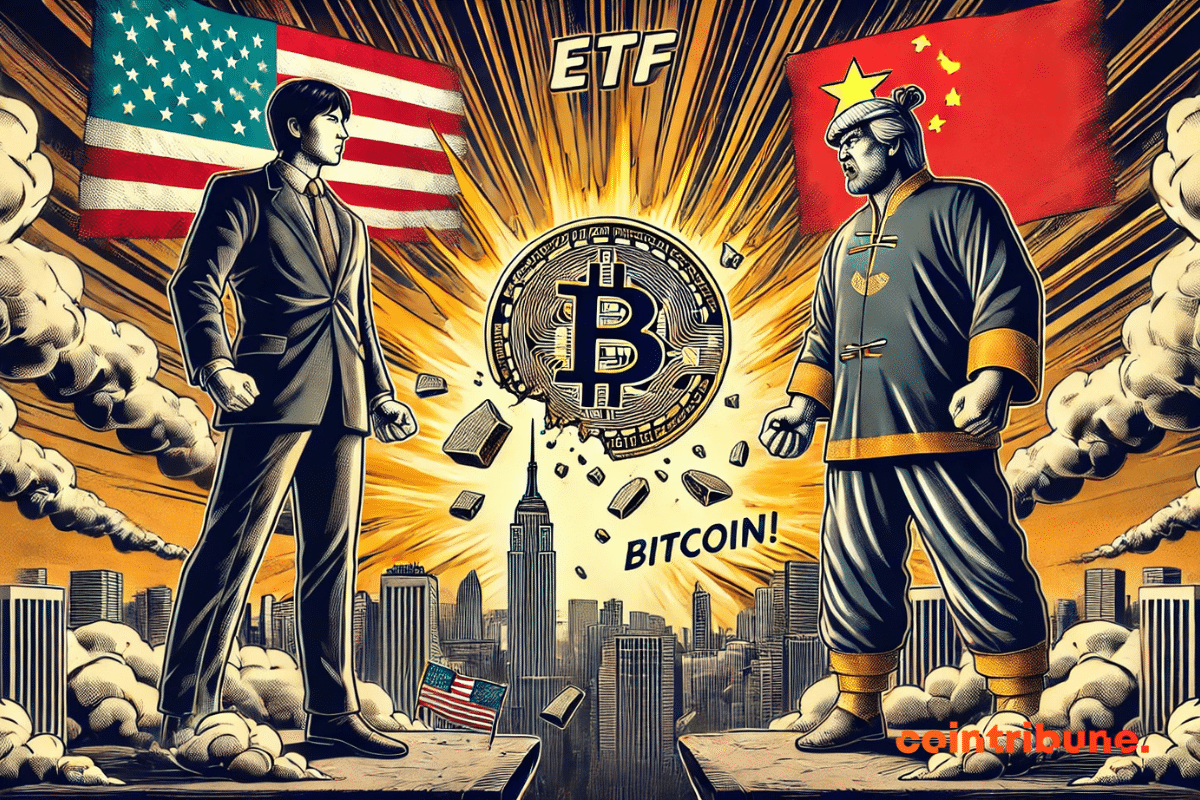
In the whirlwind of Sino-American tensions, Bitcoin ETFs lost $1.14 billion in two weeks, victim of a geopolitical cataclysm, amid tariff threats and market uncertainty.
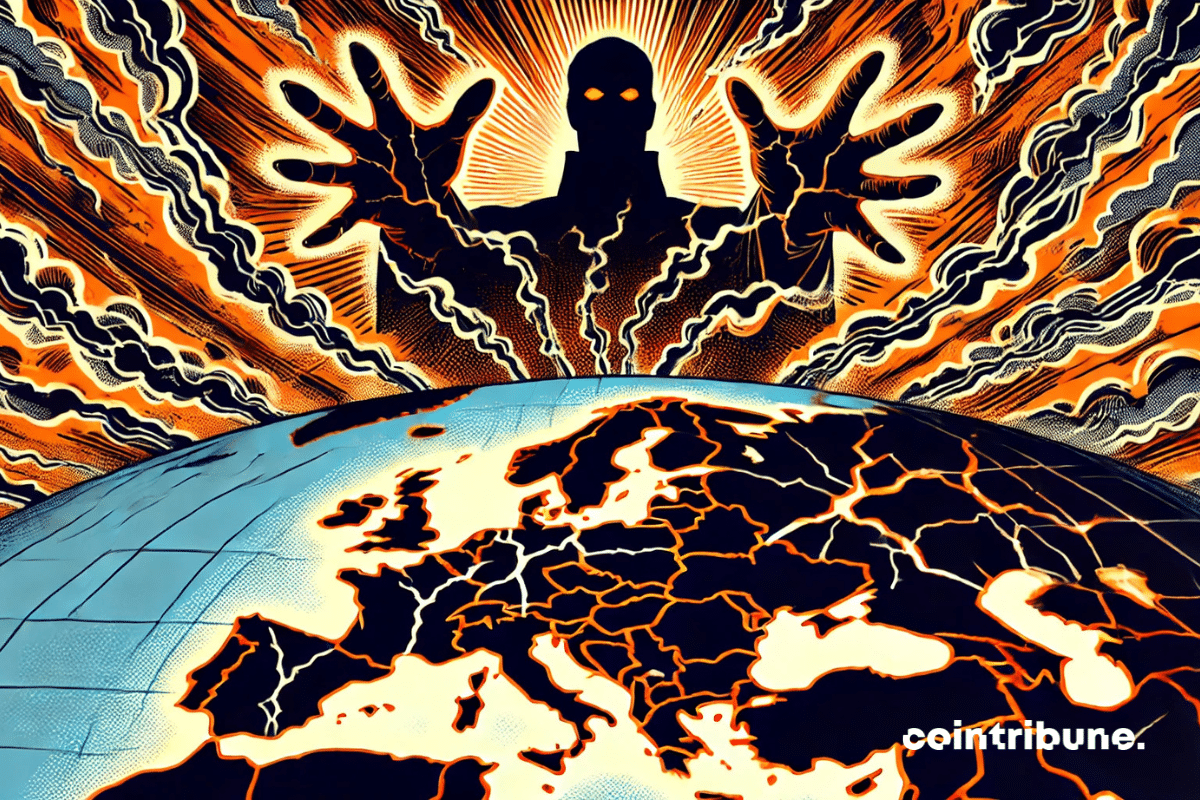
Europe, threatened by the Trump storm, is on a knife's edge. Laurent Saint-Martin urges unity to counter the shadow of a destructive trade war looming.

Like a cowboy drawing his six-shooter, Trump unleashes reciprocal tariffs, awakening old economic ghosts and sowing panic for Bitcoin in the stock markets.
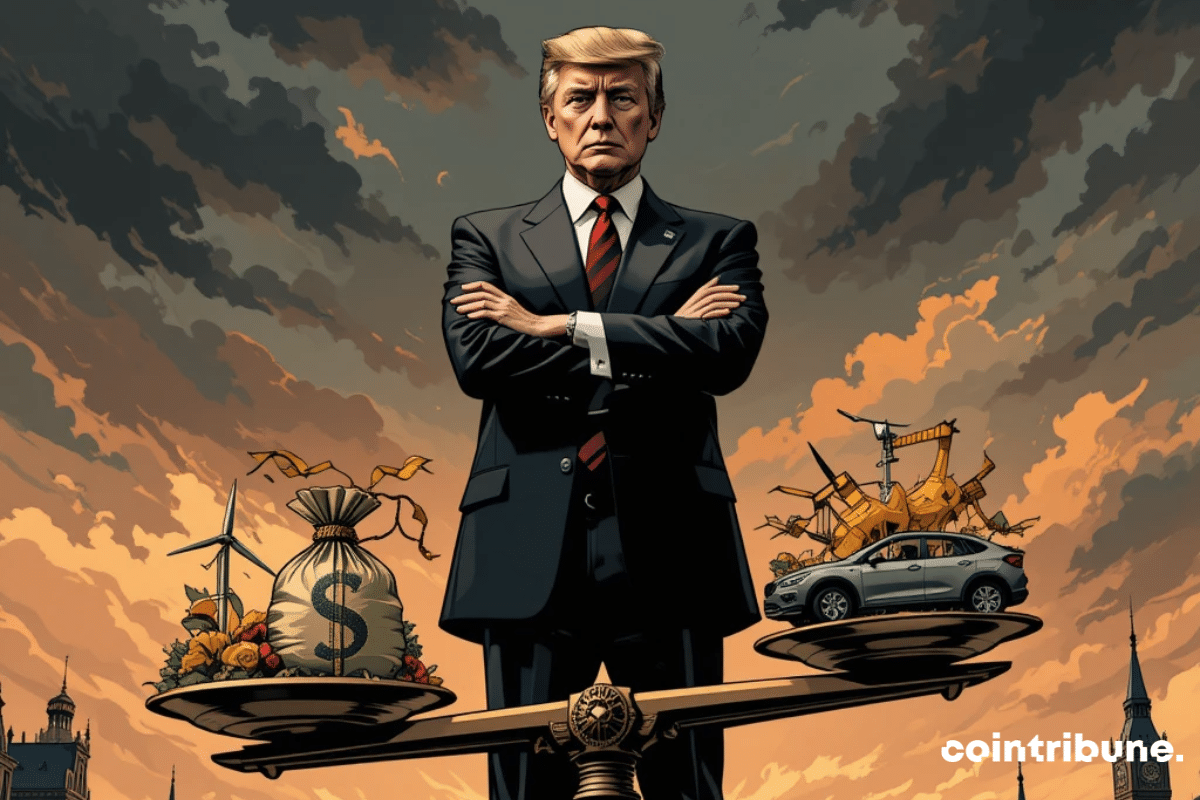
"America First" roars Trump, hammering taxes and drilling like a refrain. The Green New Deal expires, the economy trembles, the euro wonders.
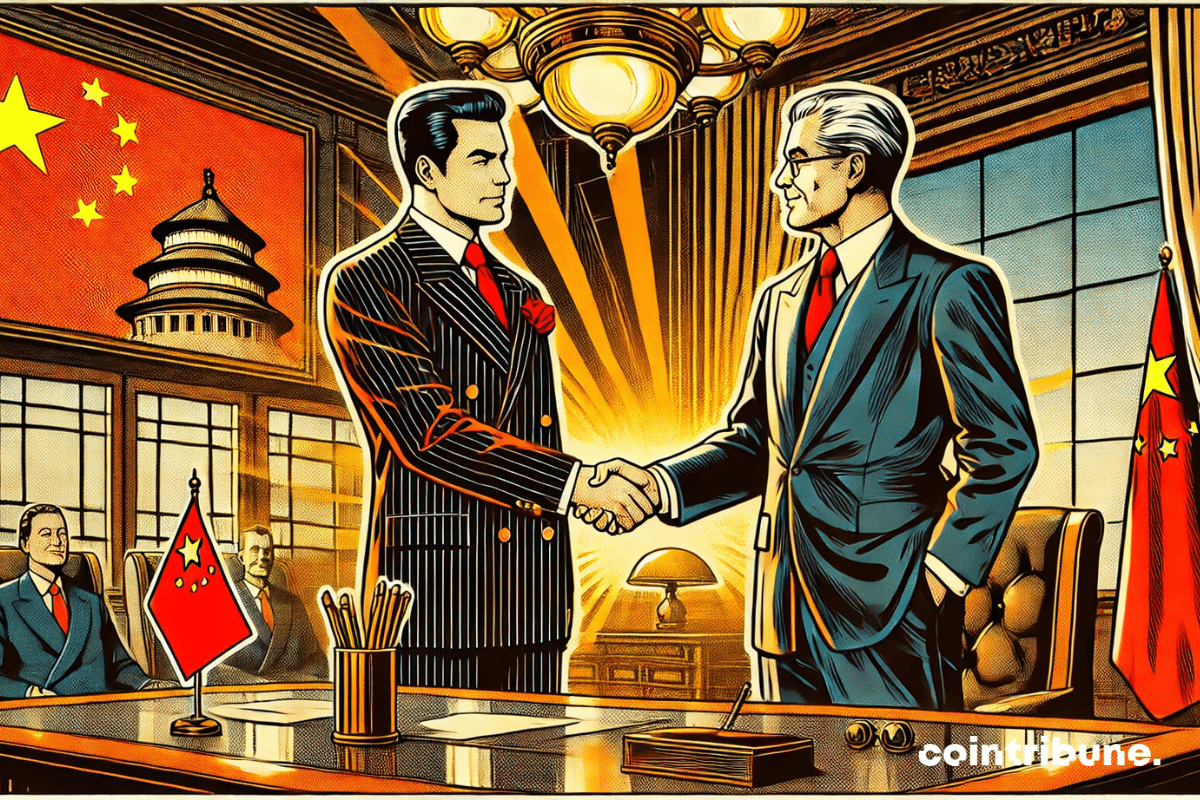
Global economic relations are evolving under the influence of geopolitical tensions and the strategic repositioning of major powers. In this context, China and Russia are strengthening their trade partnership, which is set to reach a historical record of 240 billion euros in 2024. This growth illustrates a strategic rapprochement bolstered by Western sanctions against Moscow and Beijing's desire to expand its influence. More than just an economic alliance, this cooperation sends a clear signal to the United States and the European Union, which aim to limit their dominance on the global stage. Thus, the surge in trade flows, increased use of the yuan in transactions, and the restructuring of international financial circuits now raise the question of the long-term consequences of this Sino-Russian agreement.
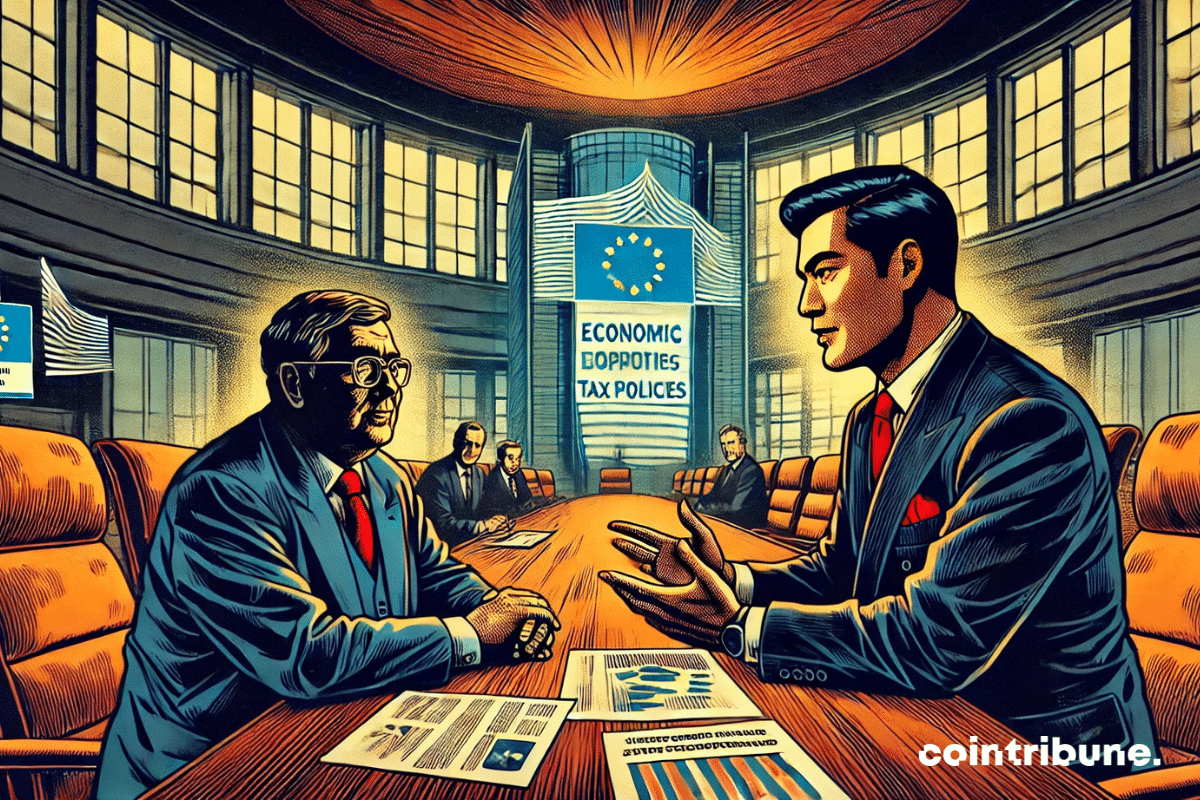
Trade tensions between the European Union and China are reaching new heights. Indeed, for several months, Brussels has been targeting Chinese companies accused of benefiting from public subsidies, which distorts competition. Under the Foreign Subsidies Regulation (FSR), the EU has launched several investigations, particularly against CRRC, the Chinese giant in railway equipment, and manufacturers of solar panels involved in European projects. In response to these investigations, Beijing has reacted strongly and denounced discriminatory practices. This standoff, which reflects deep divergences over the rules of international trade, could redefine the balance of power between the two economic powers. While the EU seeks to protect its market, China is concerned about a tightening of regulations that would hinder the expansion of its industrial champions. In this context, investors and companies are preparing for a significant climate of uncertainty, where every political decision can influence the dynamics of exchanges between Europe and the world's second-largest economy.

When a country imports more than it exports, its economy weakens and its dependence on external markets increases. In November 2024, France's trade deficit stood at 7.3 billion euros, which represents an improvement of 0.3 billion euros compared to the previous month. This slight reduction in the deficit is primarily explained by an increase in energy exports, which grew faster than imports. However, this improvement does not call into question the structural fragility of French foreign trade. Despite this temporary improvement, the imbalance between exports and imports remains critical. The domestic industry struggles to compete with international competition, and the trade balance remains largely in deficit. This situation raises questions about the competitiveness of French companies and their ability to sustainably establish themselves in foreign markets. Thus, the evolution of the deficit in the coming months will largely depend on the energy situation and the economic policies implemented to rectify the trade balance.
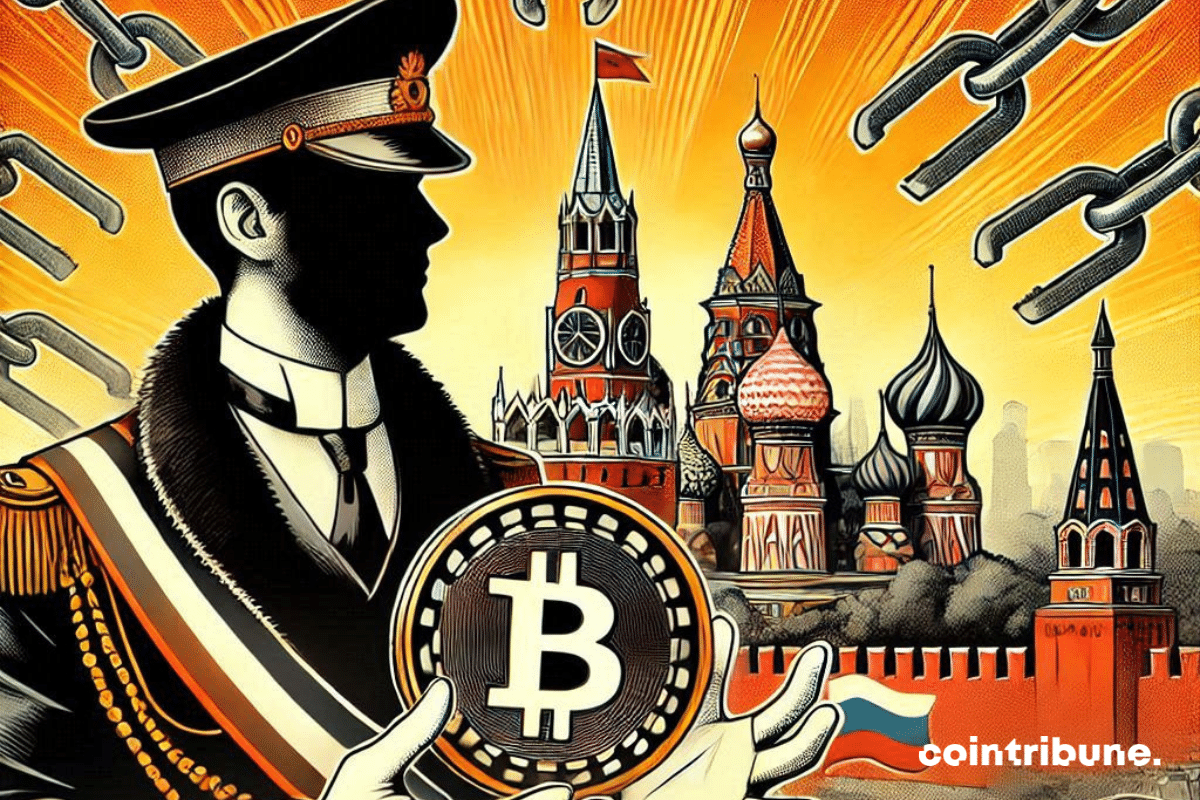
Under the shadow of sanctions, Moscow embraces Bitcoin, the digital gold. Siluanov dreams of free exchanges and a digital empire free from the dollar's grip.

Tensions between the United States and the European Union are escalating once again. Donald Trump, known for his aggressive trade policy, has targeted the European trade surplus, which he describes as "huge." The elected American president threatens to impose heavy tariffs if European countries do not reduce this imbalance by significantly increasing their purchases of American oil and gas. This strategy aligns with the continuity of his protectionist rhetoric aimed at enhancing the competitiveness of the United States on the global stage.

Recently, the United States announced new sanctions aimed at restricting the export of semiconductor technologies to China. These measures are intended to hinder China's ability to acquire and produce advanced technologies necessary for its military modernization. China is reacting violently!

A wave of panic is sweeping across the crypto market. While Bitcoin was nearing highs close to $100,000, it experienced a sharp drop below $96,000 this Sunday, November 24, 2024. This event, accompanied by massive liquidations of over $500 million, shakes investor confidence and raises questions about the underlying dynamics of the market.

In a new escalation of international trade tensions, China has officially filed a complaint against the European Union with the World Trade Organization (WTO). This action follows the EU's decision to impose significant tariffs, ranging from 8% to 35%, on electric vehicles imported from China. According to the European Union, these taxes aim to correct what is deemed unfair competition due to Chinese state subsidies. In response to this measure, China retaliates and denounces an infringement on free trade principles. This conflict arises as both economic powers attempt to position themselves as global leaders in ecological transition and technological innovation.

Sheetz customers will soon pay for their coffee with Bitcoin! Flexa ensures a hassle-free checkout.

Chinese Commerce Minister Wang Wentao recently expressed his "serious concerns" to his American counterpart Gina Raimondo, amid rising tensions that threaten the world's economic balance.

The American and Western hegemony is being challenged by the rise of China. As Beijing continues to strengthen its economic influence across the globe, perceptions vary significantly depending on the income levels of nations. This analysis explores how China is reshaping the global economic landscape and the contrasting reactions from different regions of the world to this evolution.
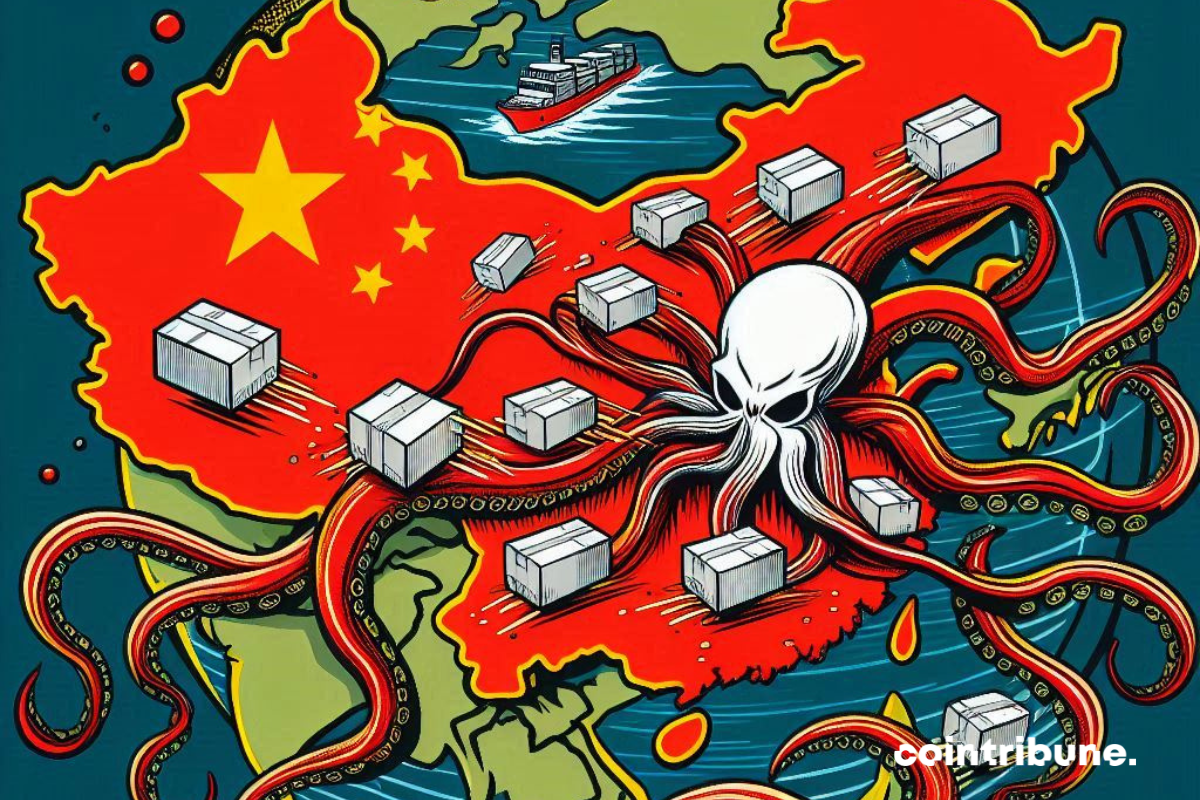
Chinese Exports: The world alarmed by the Asian giant
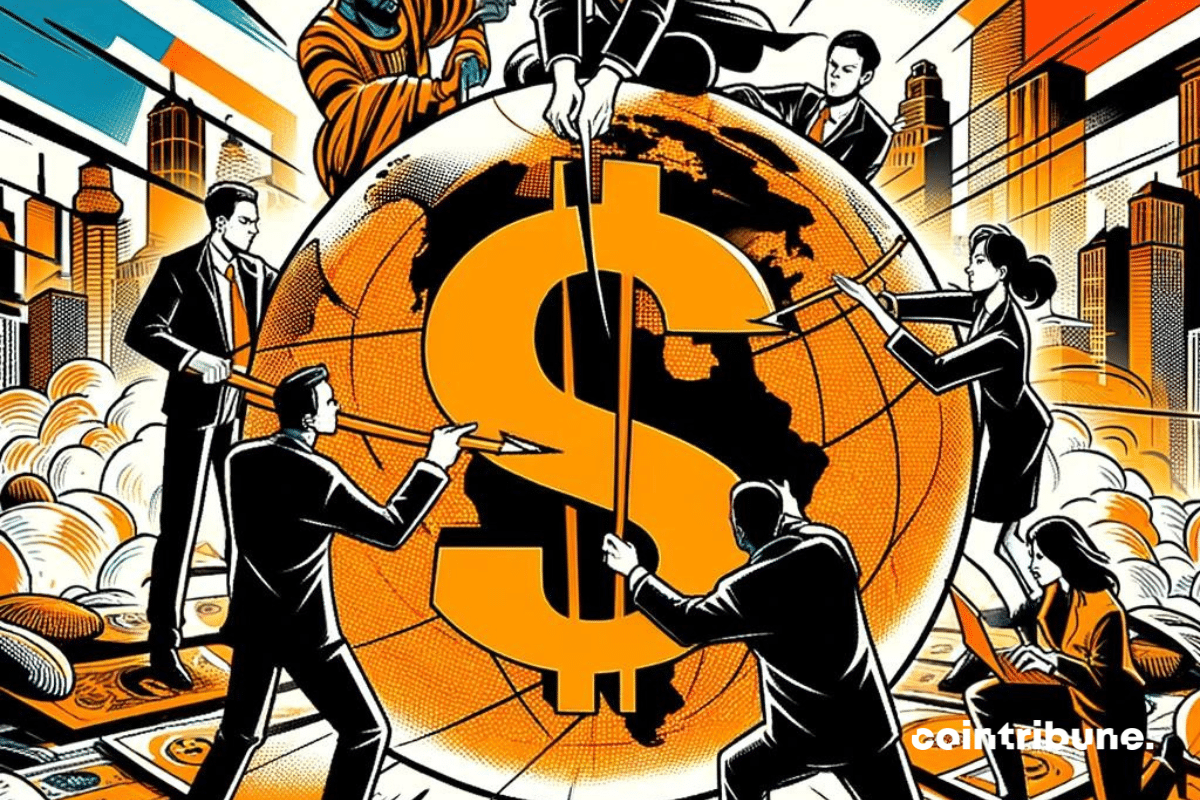
The BRICS plan to break away from the reliance on the US dollar will have a significant impact on the United States. An effect that, according to analysts, will affect three vital sectors of the American economy, including banking and finance, technology, and trade. This is not to mention the consequences of a debt crisis.