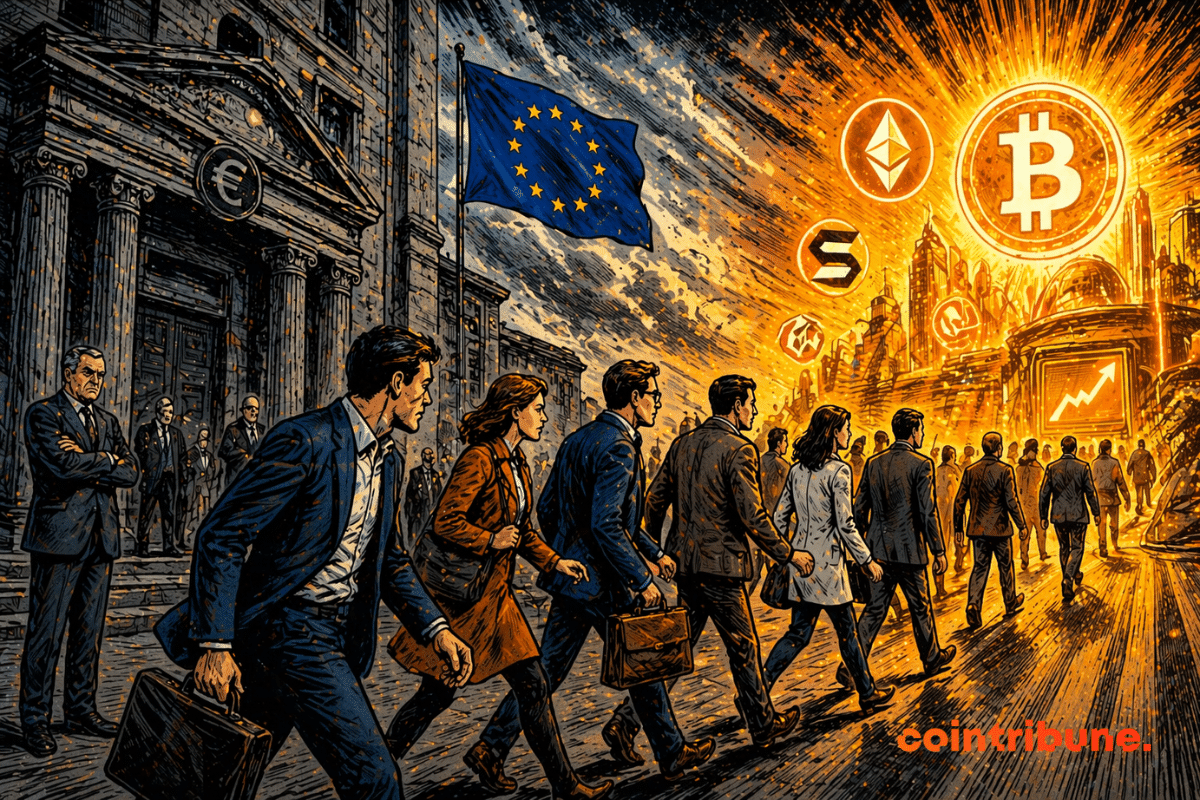
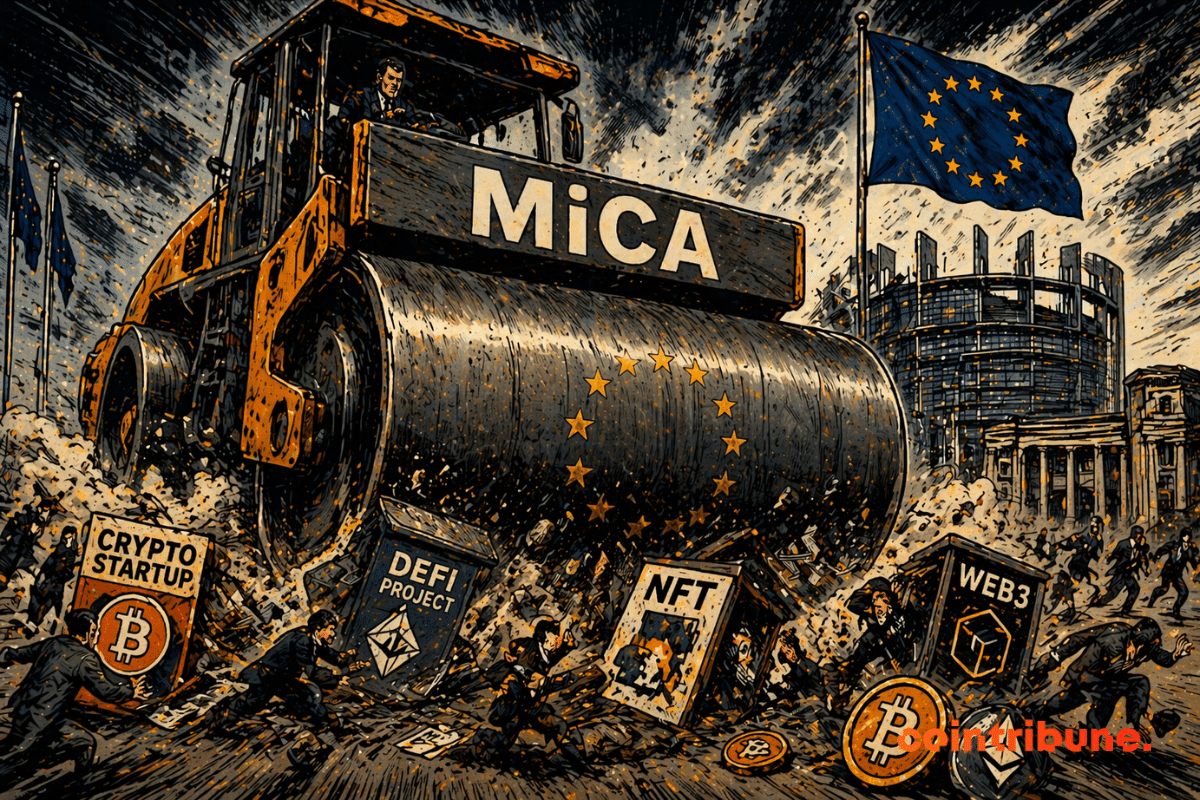
Brussels brings out its big regulatory comb, small crypto players are already losing feathers. Officially, investors are protected. Unofficially, some are already looking at the exit, suitcase in hand.
MiCA tightens the screws, bankers count their clients, and crypto shows up at the counter without an appointment. In Europe, even safes are beginning to eye their neighbors.
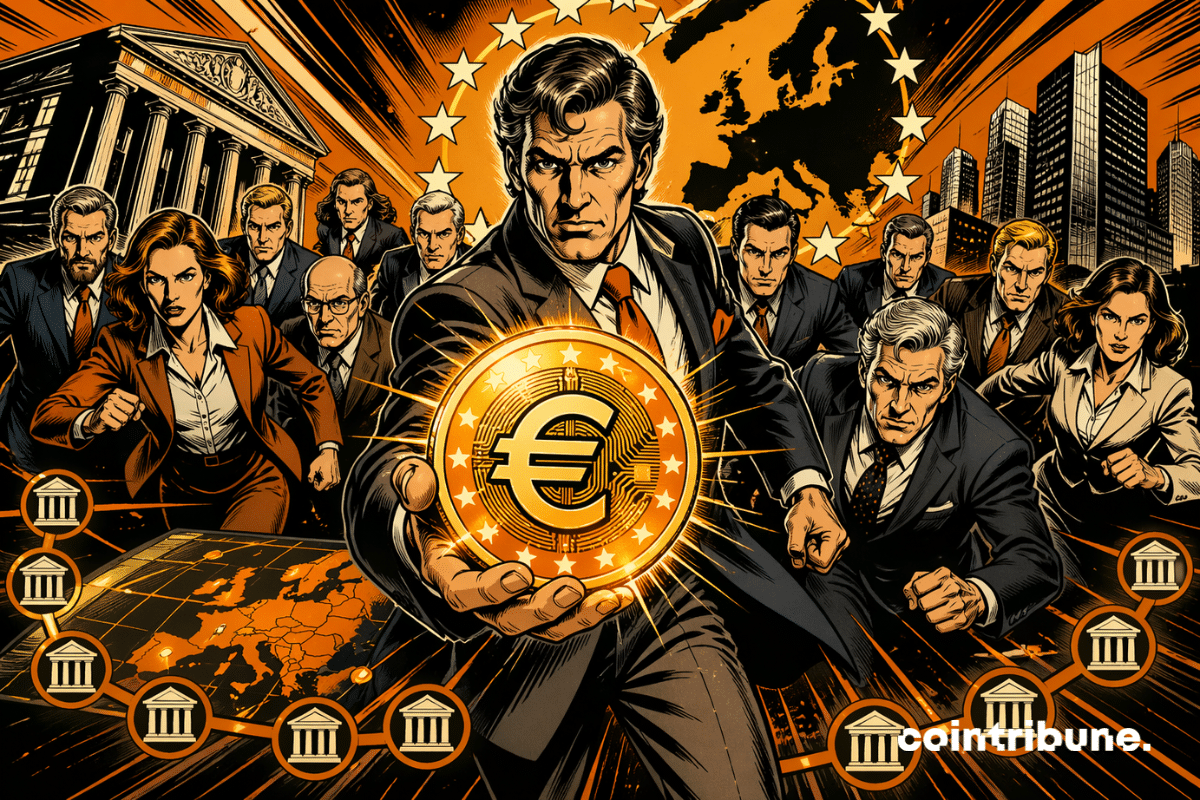
European banking is accelerating in the stablecoin field. The Qivalis consortium, now presented as a group of 12 major European banks, has chosen Fireblocks to build the infrastructure of a euro stablecoin compliant with MiCA, aiming for a launch in the second half of 2026 under Dutch supervision.
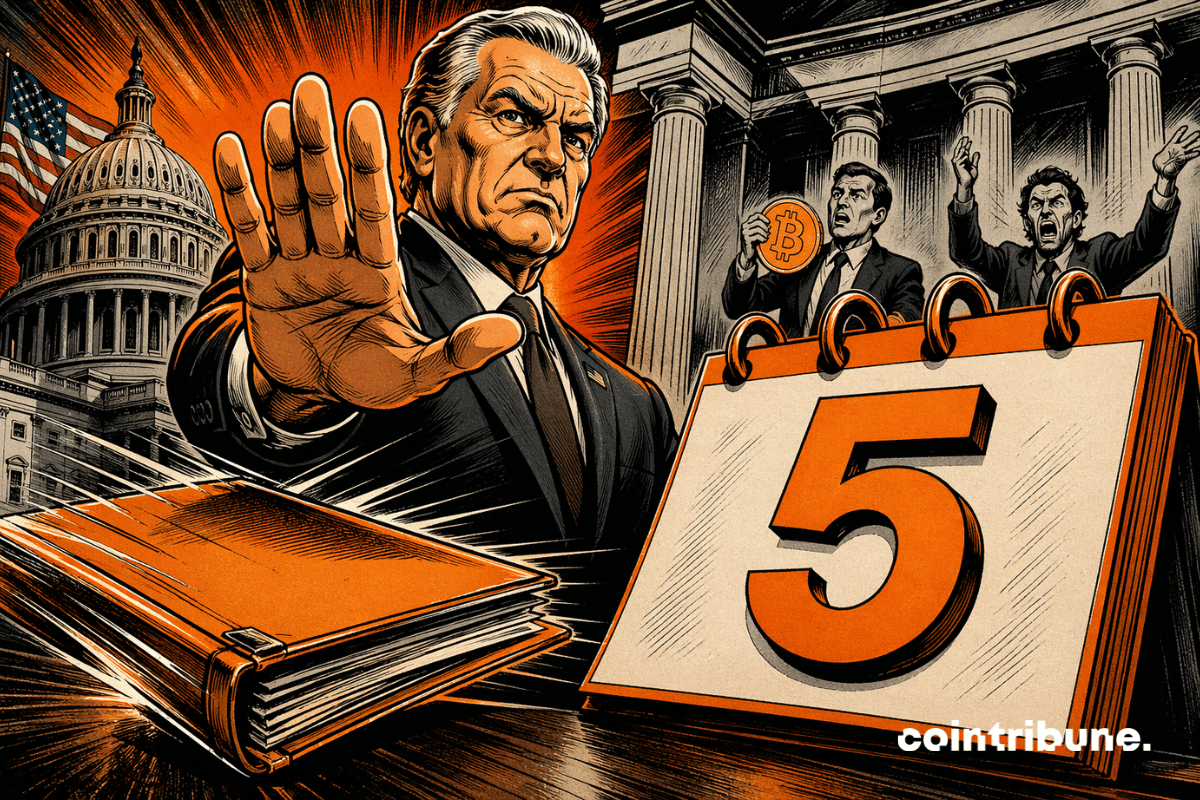
The crypto file is still progressing, but not as fast as expected in Washington. A Republican senator wants to postpone the next step of the CLARITY Act, a crucial text to regulate the digital asset market in the United States, until May.
In Warsaw, crypto is no longer only about wallets but about drawn knives. The president blocks, Tusk fumes, Zonda stirs, and MiCA waits outside in the rain.
Brussels unveils its gadget to protect children, then an expert almost whistles it apart. Durov smirks, tech coughs, and Europe still swears it is watching.
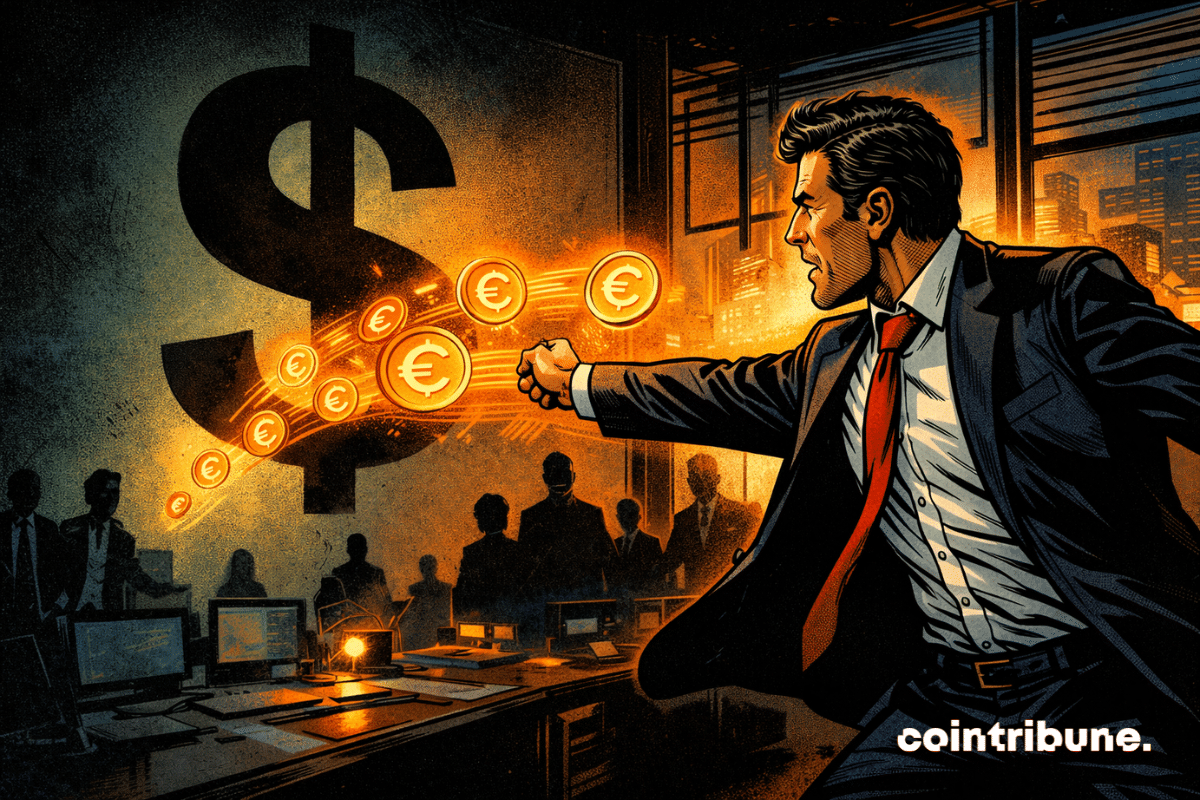
Europe no longer wants to watch the stablecoin market from the sidelines. In Paris, French Finance Minister Roland Lescure clearly pushed for more stablecoins pegged to the euro, with a simple idea behind this signal: to reduce the continent's dependence on payment infrastructures dominated by the dollar and non-European actors.
In Frankfurt, flashy cryptos are often snubbed, but well-groomed tokenization is pampered. Moral: blockchain is allowed in the lounge, provided you take off your shoes, stablecoins, and crazy ideas.
Crypto has settled into the French landscape but without causing a clear shift. In 2026, the topic no longer frightens as much. It intrigues, it circulates, it joins conversations. Yet, when it comes time to buy, France is still moving forward in small steps.
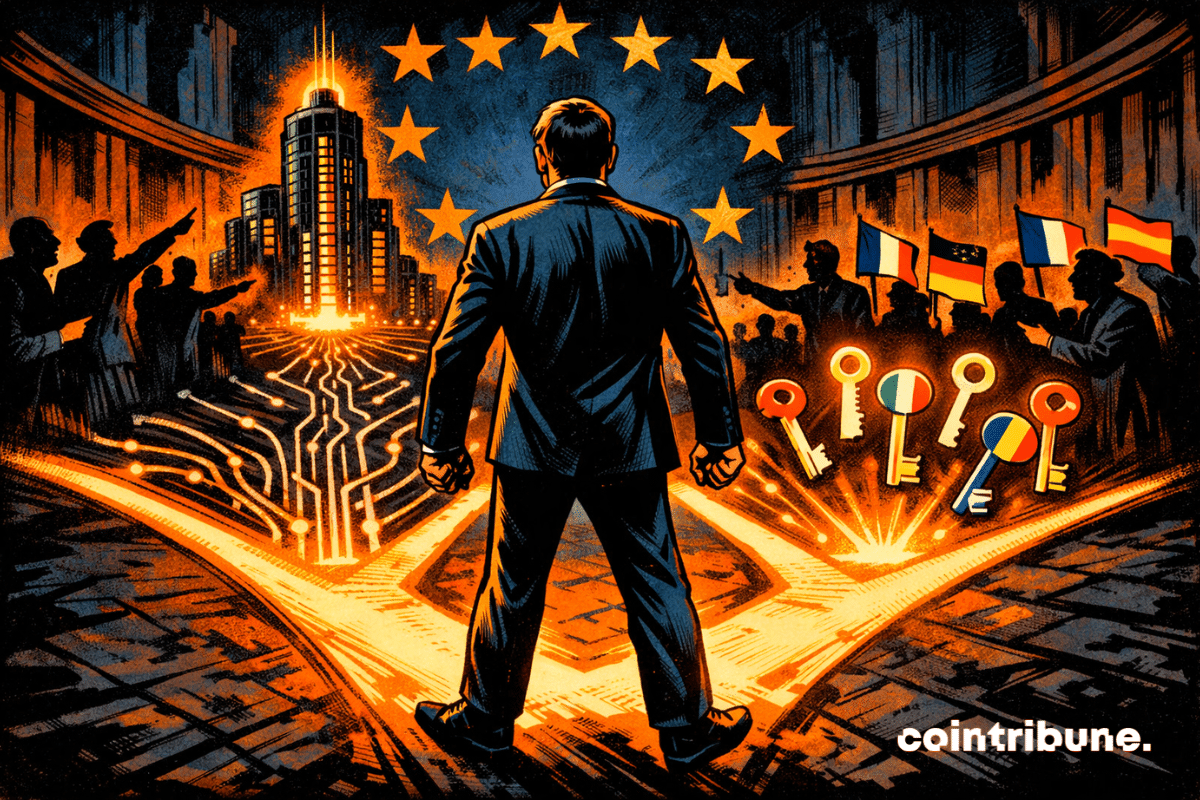
Europe is entering a new phase of its crypto regulation. The debate is no longer about the need to regulate the sector. It is now about a more sensitive question: who should really hold the steering wheel, Brussels or the national authorities?
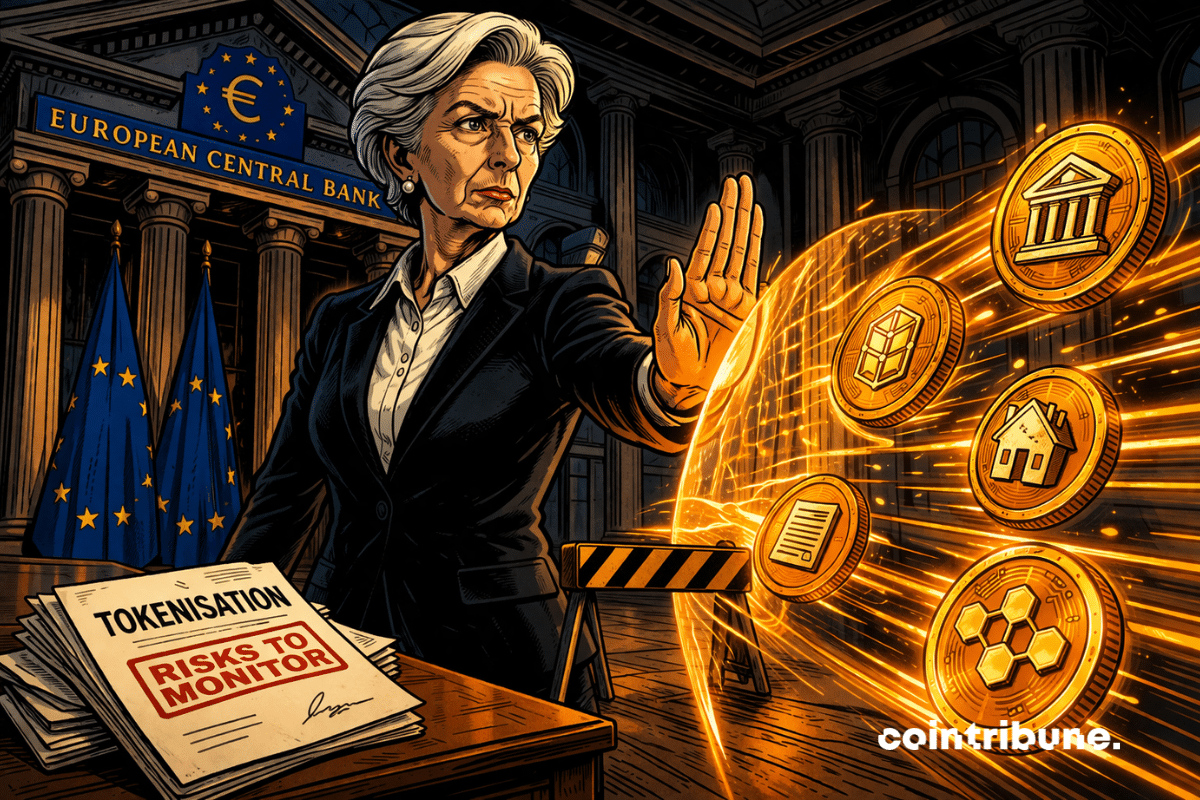
While crypto is booming, the ECB tightens the screws, refuses overly free stablecoins, and quietly prepares its own financial playground.
A crypto bank joins the first regulated European blockchain market. We provide you with all the details in this article.
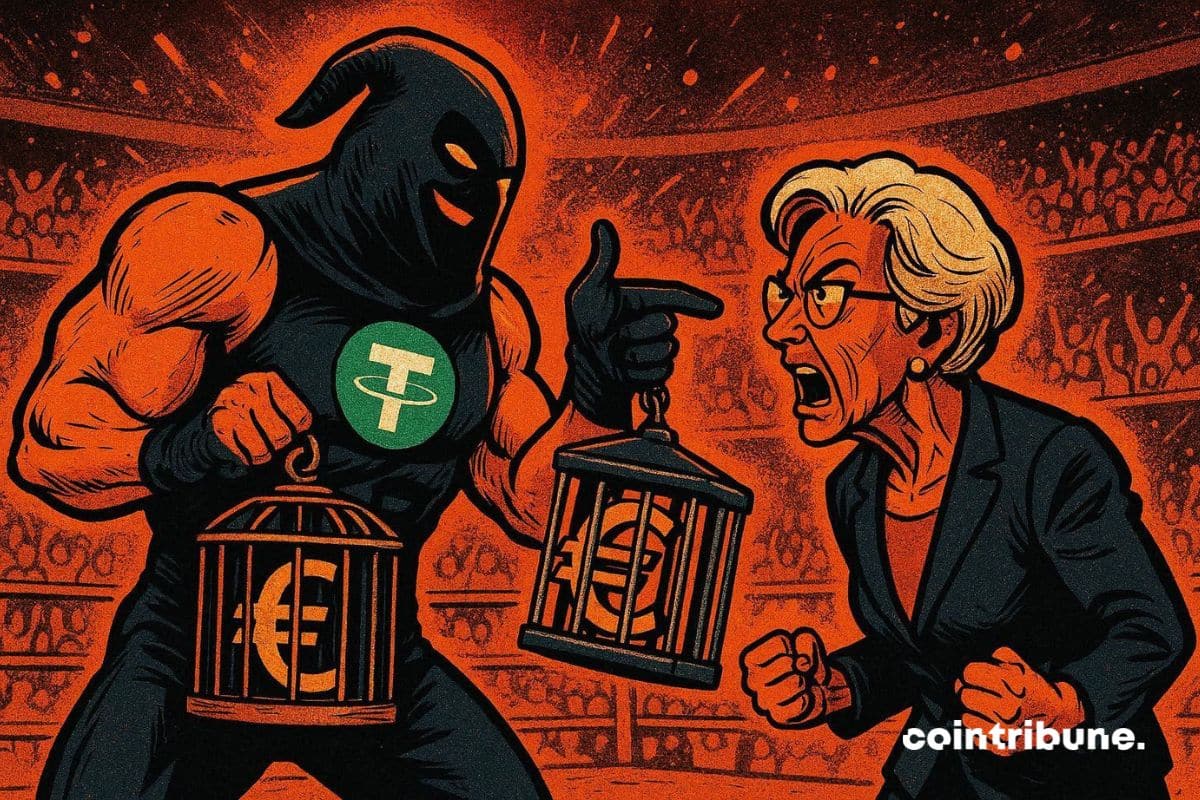
Stablecoins seriously worry the ECB. With a market of 300 billion dollars, their growth threatens the EURO and European monetary sovereignty. Why and how could these digital assets disrupt the old continent's economy?
Putin wants an AI of his own, pure and hard. His engineers tinker with made in USA copies. Meanwhile, Moscow floods Europe with deepfakes. Masterful art.
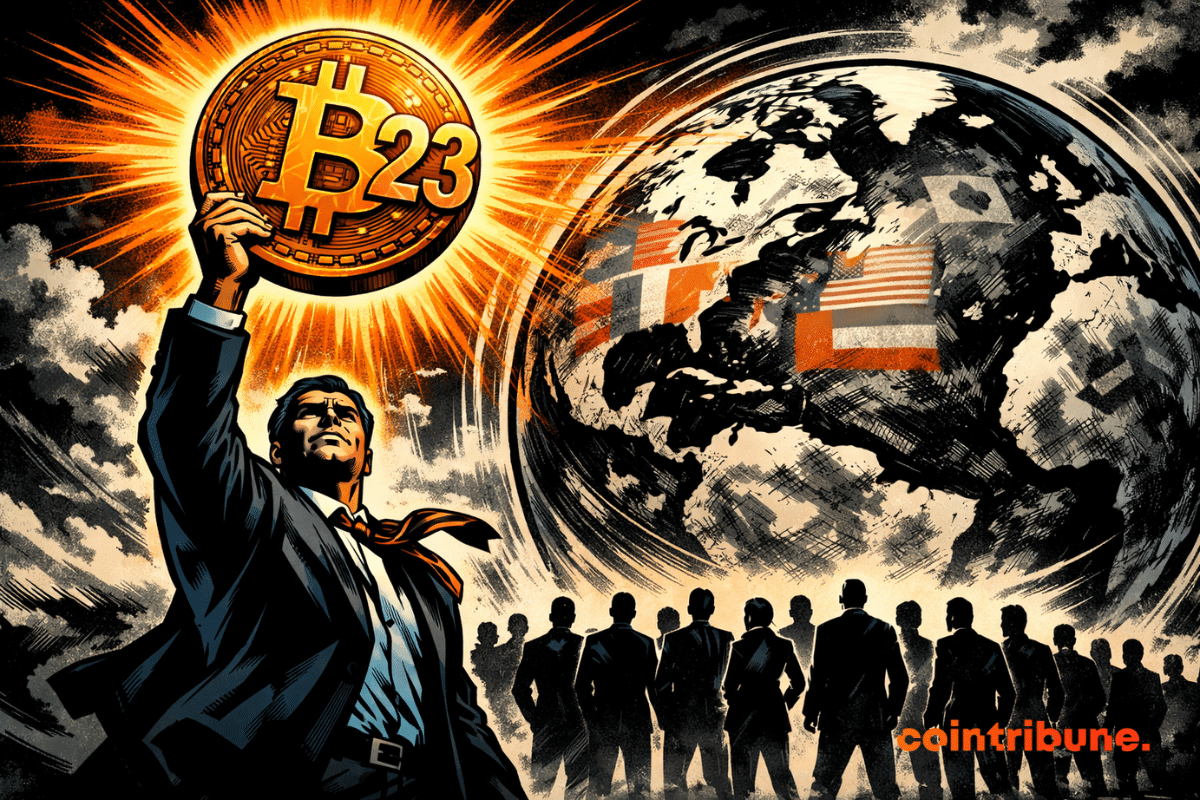
Bitcoin is increasingly moving from private portfolios to public balance sheets. A new report from River indicates that governments are no longer passive observers of the market. Today, 23 countries hold BTC in some capacity, marking a meaningful expansion of state-level participation.
European investors now have a new way to access Bitcoin-backed corporate yield. 21Shares has launched an exchange-traded product (ETP) tied to preferred shares issued by Strategy, the company led by Michael Saylor and widely recognized as the largest public holder of Bitcoin.
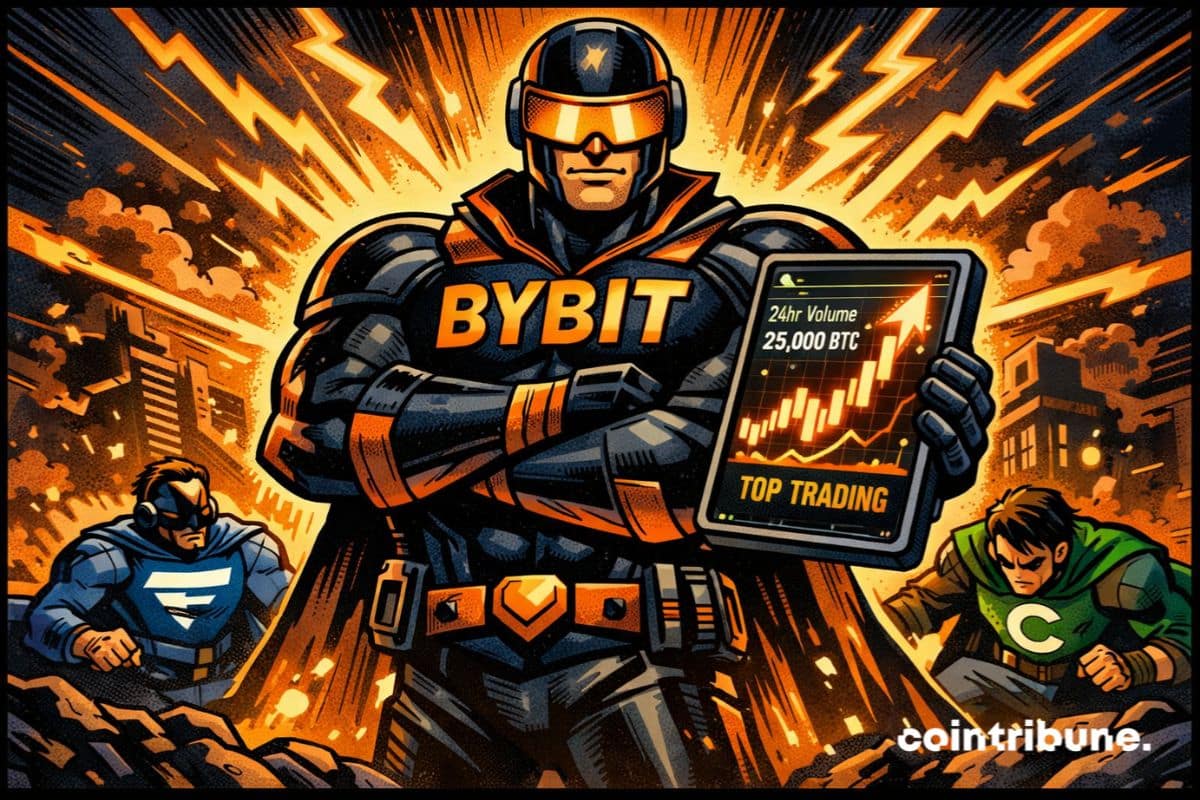
In the world of cryptocurrencies, some platforms stand out due to their growth, technology, and ability to meet regulatory challenges. Bybit, founded in 2018 by Ben Zhou, is among those players that quickly established themselves in the global crypto trading market. With a varied offer and a robust technical architecture, the platform addresses both beginners and professional users. Present in more than 160 countries, it now extends its services in Europe through Bybit EU, an entity compliant with EU requirements. This detailed article will allow you to know everything about Bybit EU, its service offerings, trading products, regulatory aspects, and its market position.
Launched in 2018, the crypto exchange Bybit quickly won millions of users thanks to robust technology, diversified services, and a high-performance trading platform. In 2025, the company strengthens its presence in France through its new European entity, Bybit EU, designed to comply with the requirements of the MiCA regulation. This European version of the platform aims to offer a secure, compliant environment tailored to the regulatory specificities of the French market. But for many French investors, questions remain: Is Bybit EU really usable in France? How to register and use its services legally? This complete guide reviews Bybit EU [Bybit: Everything to know about the leading crypto platform]: legal compliance, local accessibility, available tools, fund security, and practical services. The goal is to enable French users to understand under which conditions the platform can be used with confidence, taking into account the specific constraints of their country of residence.
Lagarde packing up? The ECB denies it, but the euro is already sweating. Macron wants to place his protégé. The Germans grit their teeth. Atmosphere in Frankfurt.
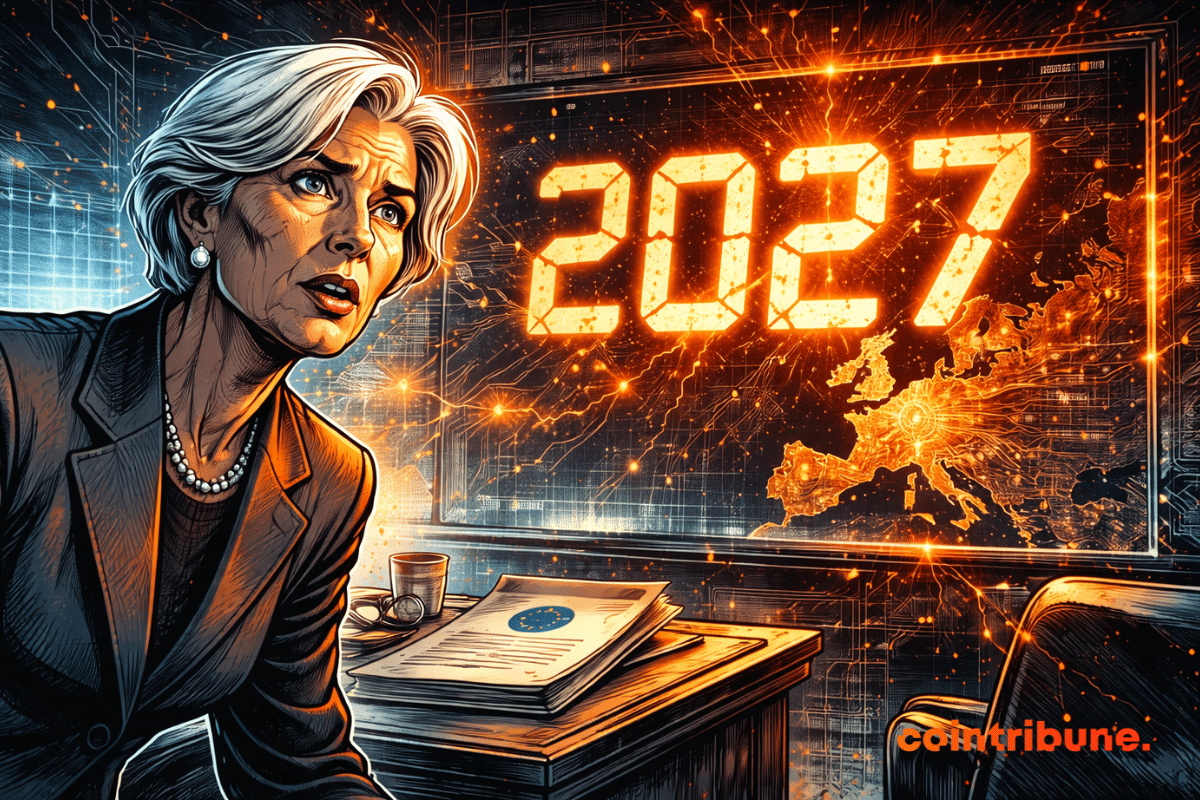
The digital euro is moving out of the laboratory into concreteness. The European Central Bank now sets a precise schedule: payment service providers will be selected as early as 2026, followed by the launch of a one-year pilot in 2027. After years of studies and consultations, the project reaches an operational milestone. Behind these deadlines lies a global ambition: to sustainably embed the digital euro at the heart of the European payment system and redefine the balance of power in the Eurozone.
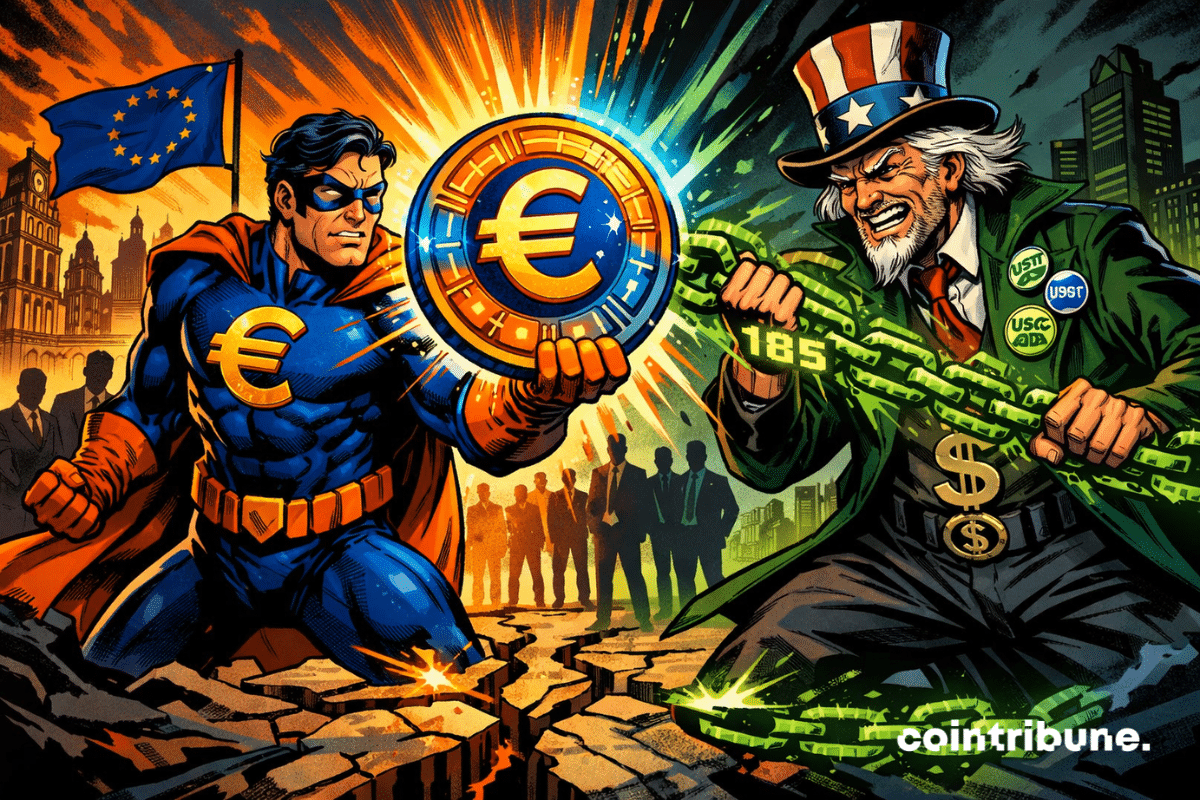
Washington throws its dollar stablecoins onto the Old Continent. Berlin says no. The Bundesbank draws its digital euro and its own stablecoins. The currency war is declared.
In Munich, the applause did not dispel the unease. One year after the verbal attacks of 2025, the transatlantic relationship remains marked by distrust. Facing still wary European leaders, Marco Rubio tried to reaffirm the strength of the partnership between the United States and Europe. But behind the diplomatic formulas and historical references, one question remains: are words enough to compensate for political decisions that have permanently weakened trust?
The Euro prepares its grand return to the world stage. By expanding the EUREP, the ECB strikes a historic blow to strengthen the liquidity and influence of the European currency. A decision that could redefine the financial balance against the Dollar and the Yuan.
The European Parliament has taken a decisive step in the development of the digital euro, endorsing a resolution that confirms its strategic importance for monetary sovereignty and the future of payments in Europe.
The standoff between the European press and Google has reached a new level. On February 10, 2026, the European Publishers Council filed an official complaint with the European Union authorities. It accuses the American giant of mining press articles to train its artificial intelligence tools, without ever asking for permission, and without paying a single cent to the newsrooms concerned.
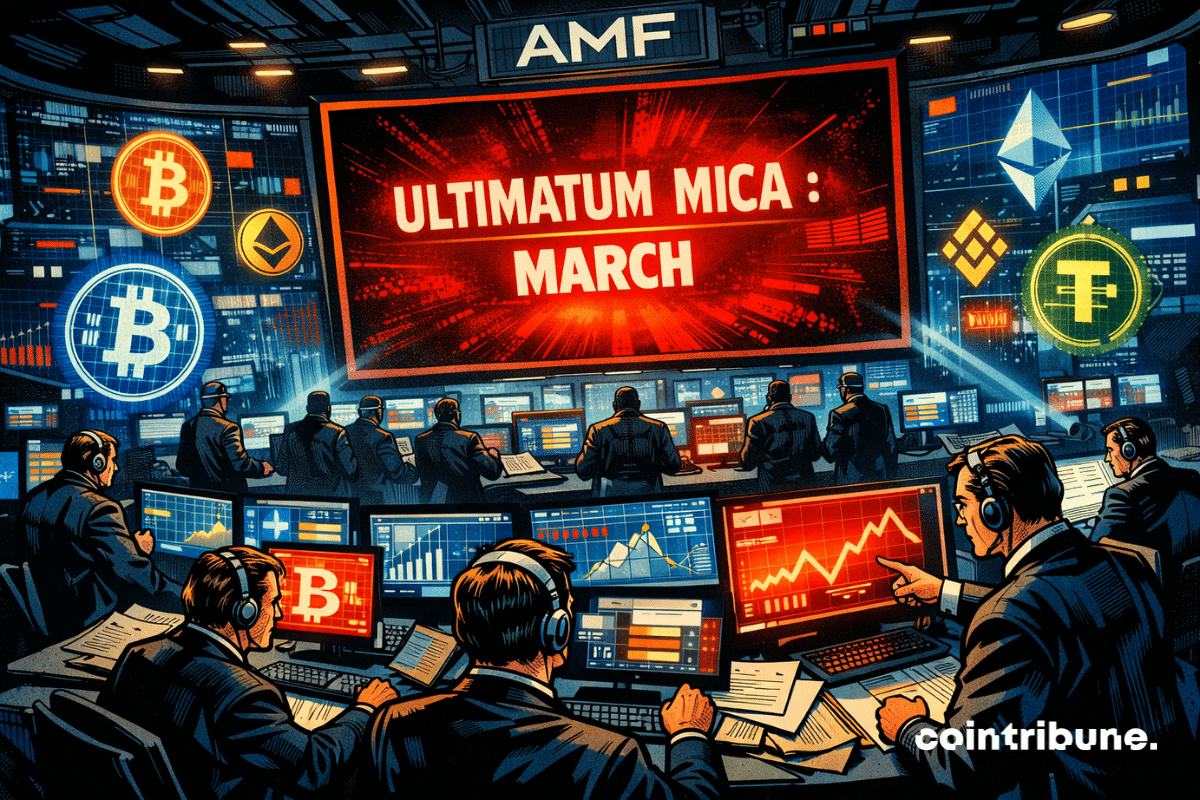
Cryptocurrencies under close watch, the AMF gives an ultimatum to crypto companies: get MiCA approval or shut down. A headache for small players, a shock for the crypto-sphere.
European companies developing tokenized securities are urging EU lawmakers to act quickly, warning that existing rules are stalling growth in regulated on-chain markets. Industry participants argue that prolonged delays could divert capital and trading activity to the United States, where tokenization is advancing under established market frameworks. These calls come ahead of a parliamentary debate on the future of Europe’s digital market infrastructure.
Gemini, the crypto exchange founded by the Winklevoss brothers, exits international markets, downsizes, and now bets on prediction markets, a booming sector, with a risky but strategic wager.
BBVA joins a banking consortium to launch a euro stablecoin against dollar stablecoins. All the details in this article!
When Elon Musk's AI imagines itself as a scandal artist, French justice arrives. Grok draws too well... and especially where it shouldn't.