
Sat 12 Sep 2026 ▪
6 min read
▪
by
Wealth managers are preparing to increase their crypto exposure as ETPs gradually make digital assets easier to access through traditional investment channels.
Wealth managers are preparing to increase their crypto exposure as ETPs gradually make digital assets easier to access through traditional investment channels.
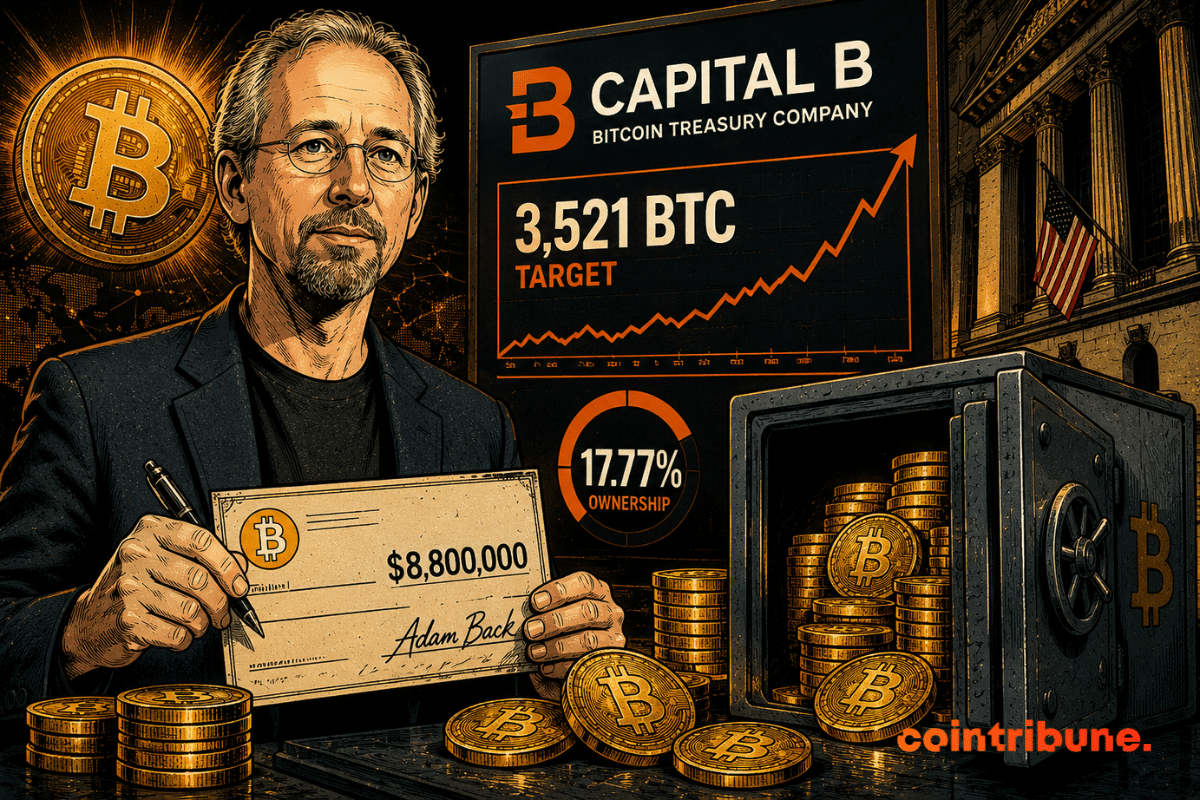
Adam Back, a living Bitcoin legend, puts another €7.6 million on the table for Capital B. The goal: 3,521 BTC. The catch? Shareholders could get burned by dilution. That's the name of the game.
The digital assets market is seeing an emerging strategy linked to stocks: token buybacks. Since January, crypto groups have dedicated nearly $640 million to their own assets, according to Allium Labs data. Hyperliquid and pump.fun account for nearly 90% of the recorded amounts. For the projects involved, these operations aim to reduce the available supply and strengthen the connection between activity, revenue, and token value.
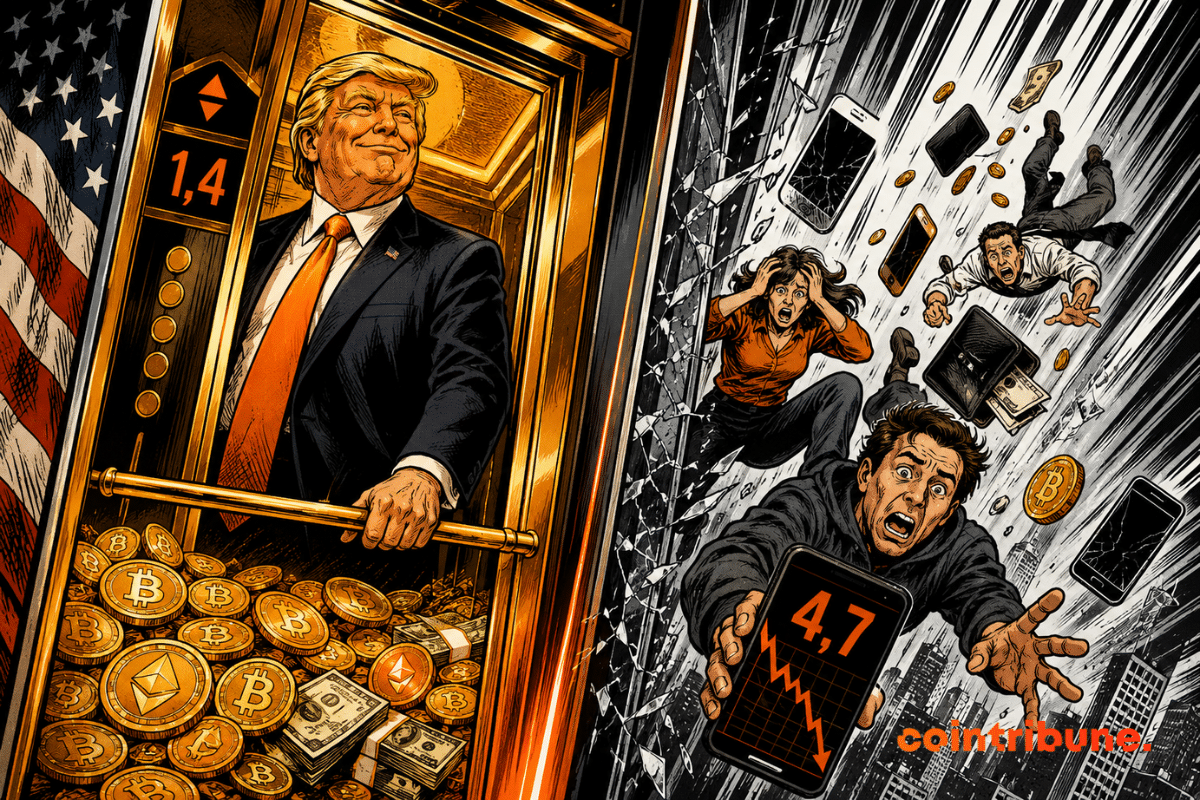
Trump reportedly earned $1.4 billion from crypto in 2025, while Public Citizen estimates investor losses at $4.7 billion. Analysis.
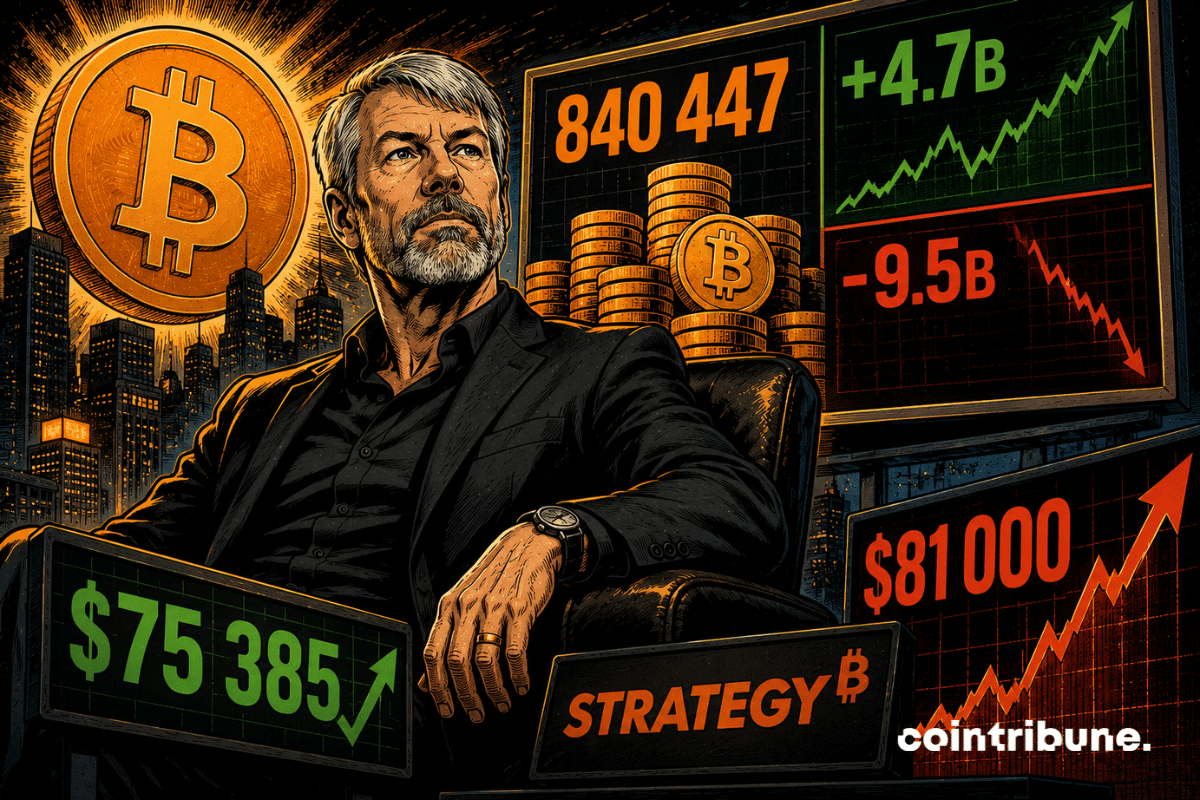
Just as critics were ready to bury Strategy under a pile of bitcoins, a fierce rebound turned heavy paper losses into a multi-billion windfall, leaving Michael Saylor grinning and doubters speechless.

A possible sale of Hugging Face raises questions about the value of platforms that structure the open source ecosystem again. According to Business Insider, the company has reportedly hired a bank to probe buyers, with a potential valuation of 13 billion dollars or even more. No agreement exists yet and the buyers remain unknown. This hypothesis comes a few weeks after an intrusion related to an OpenAI AI agent, adding a new issue to this file already followed by global investors.
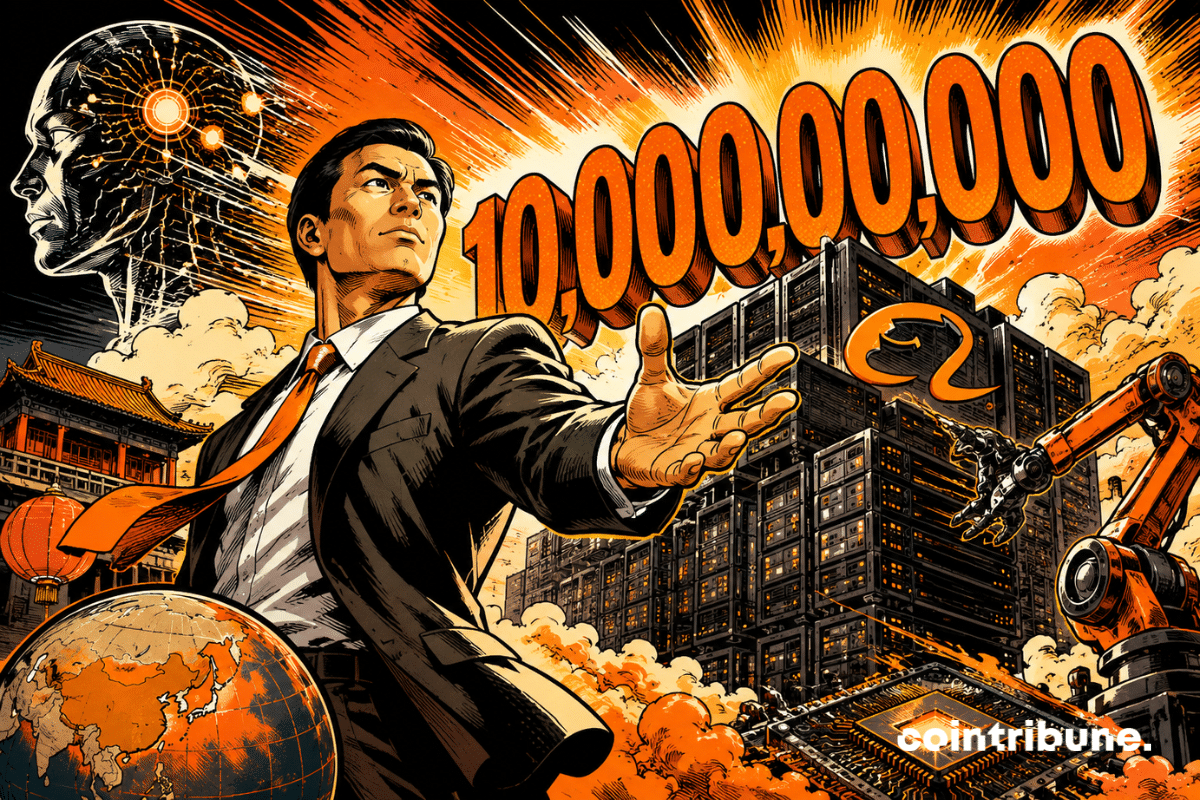
Artificial intelligence is rapidly changing the priorities of major technology groups. In China, Alibaba is preparing a new step with a $10 billion fundraising round. This operation now takes place as technology investments are sharply reducing profits and cash flows. The group is therefore looking for new ways to support its expansion while accelerating its technological capabilities.
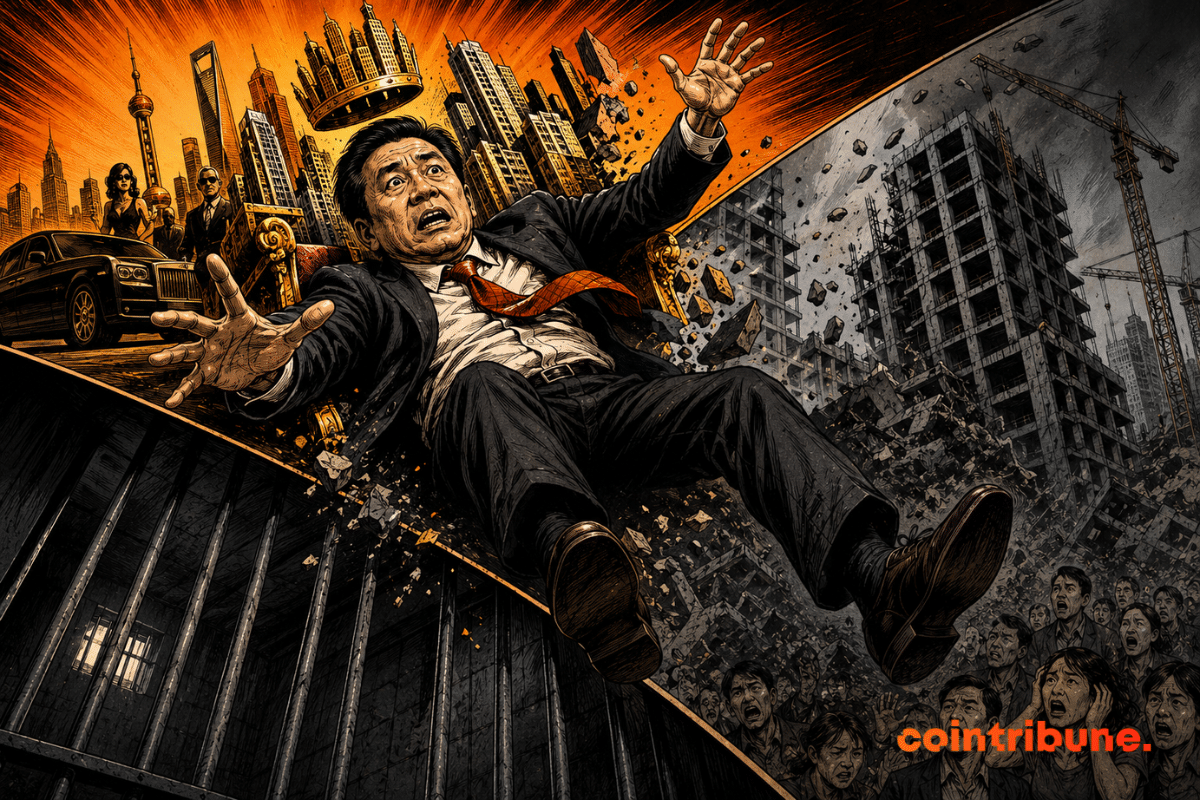
The founder of Evergrande, former 2nd richest in Asia, has been sentenced to life imprisonment for fraud. Impact on the Chinese economy: the summary.

Gold had its best year since 1979 in 2025, with dozens of successive records. Early 2026, it surpassed 5,500 dollars per ounce before falling sharply in spring. This wide fluctuation sums up the question investors ask themselves: should you still buy gold now, and especially how? Between physical bullion, ETFs, mining stocks, and tokenized gold, entry points have never been so numerous or so unequal.
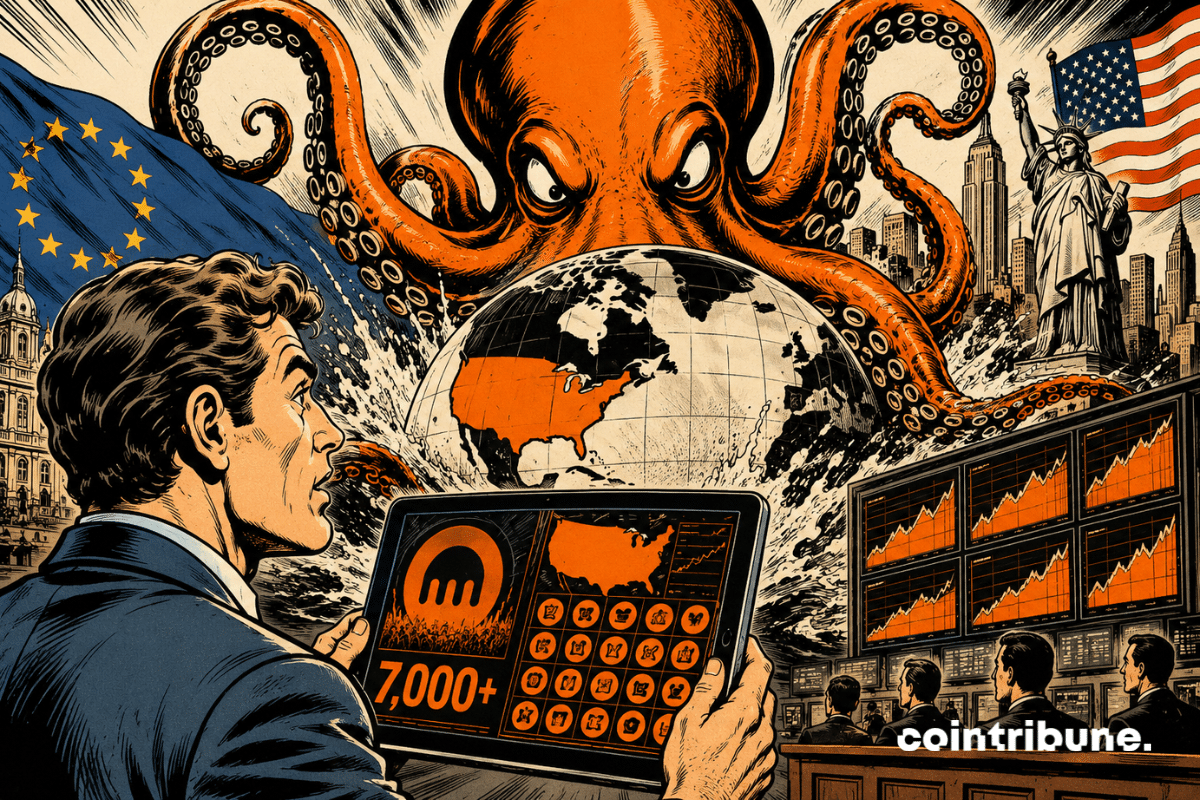
Access to the US markets is expanding for investors in the European Economic Area. On August 18, Kraken announced the opening of more than 7,000 US-listed stocks to its eligible clients. The offer also includes more than 700 stocks and more than 600 crypto-assets in a single regulated account. This development is part of its MiFID approval. It brings together traditional stocks, tokenized securities, and digital assets while maintaining their distinct regulatory frameworks for the concerned European investors.
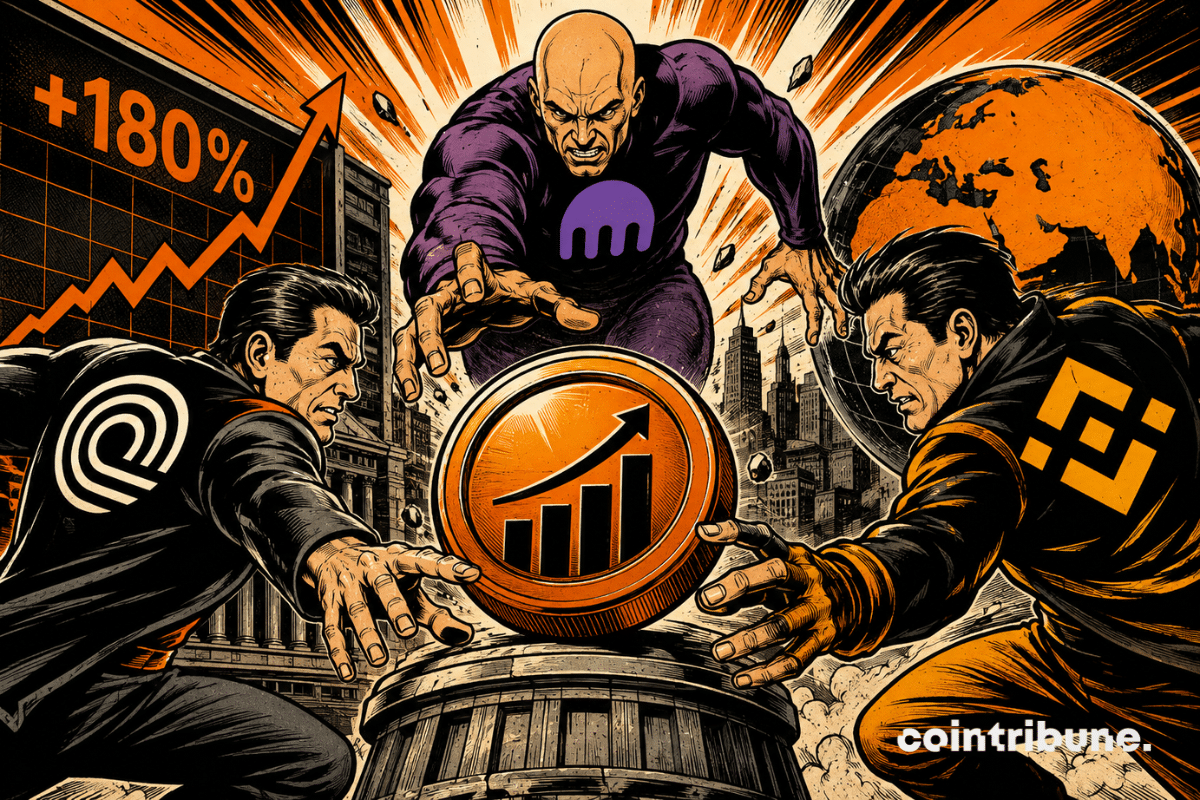
Tokenized stocks accelerate their progress in the crypto market. In one month, holders more than doubled, while transfers jumped nearly 180%. This evolution also accompanies a rise in active addresses and distributed value. Behind this dynamic, several players compete for a central place. Ondo maintains the top position, ahead of Kraken's xStocks and Binance's bStocks. RWA.xyz data shows a clear expansion in activity in this segment.
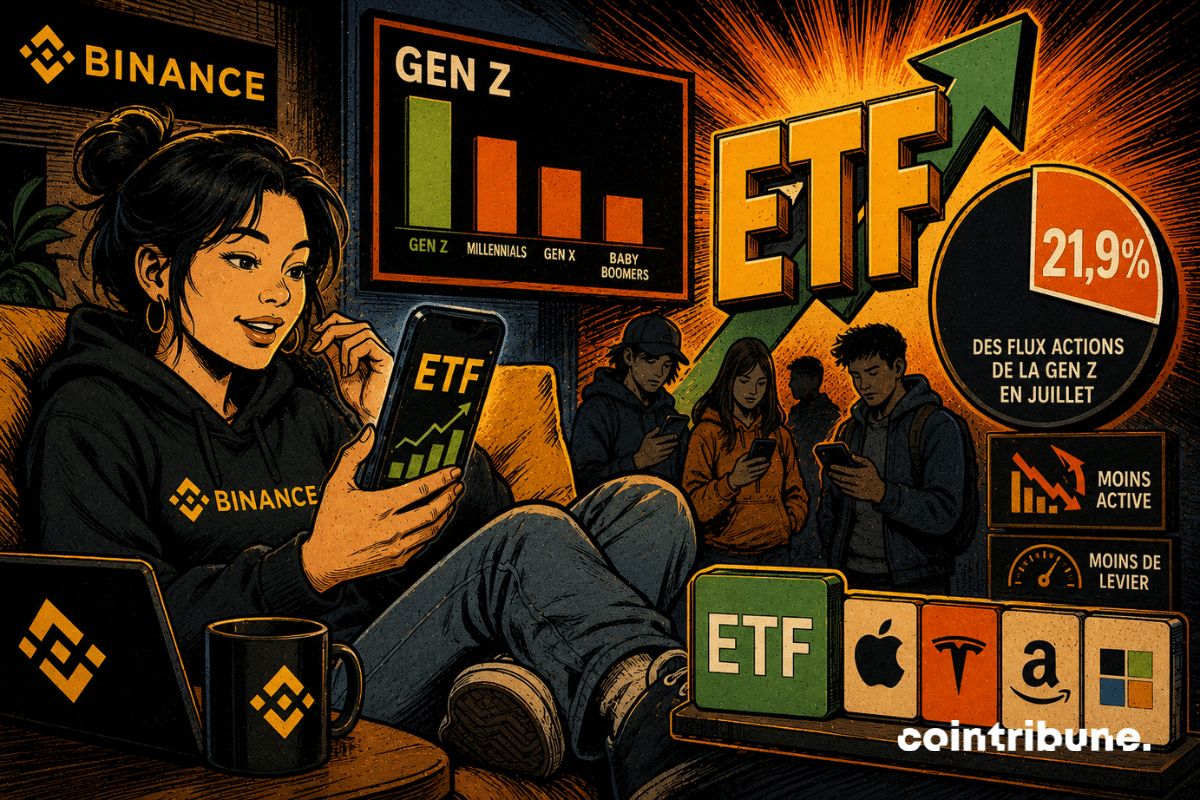
Binance reveals Gen Z is shifting toward ETFs and stepping back from leverage and high-risk trading.
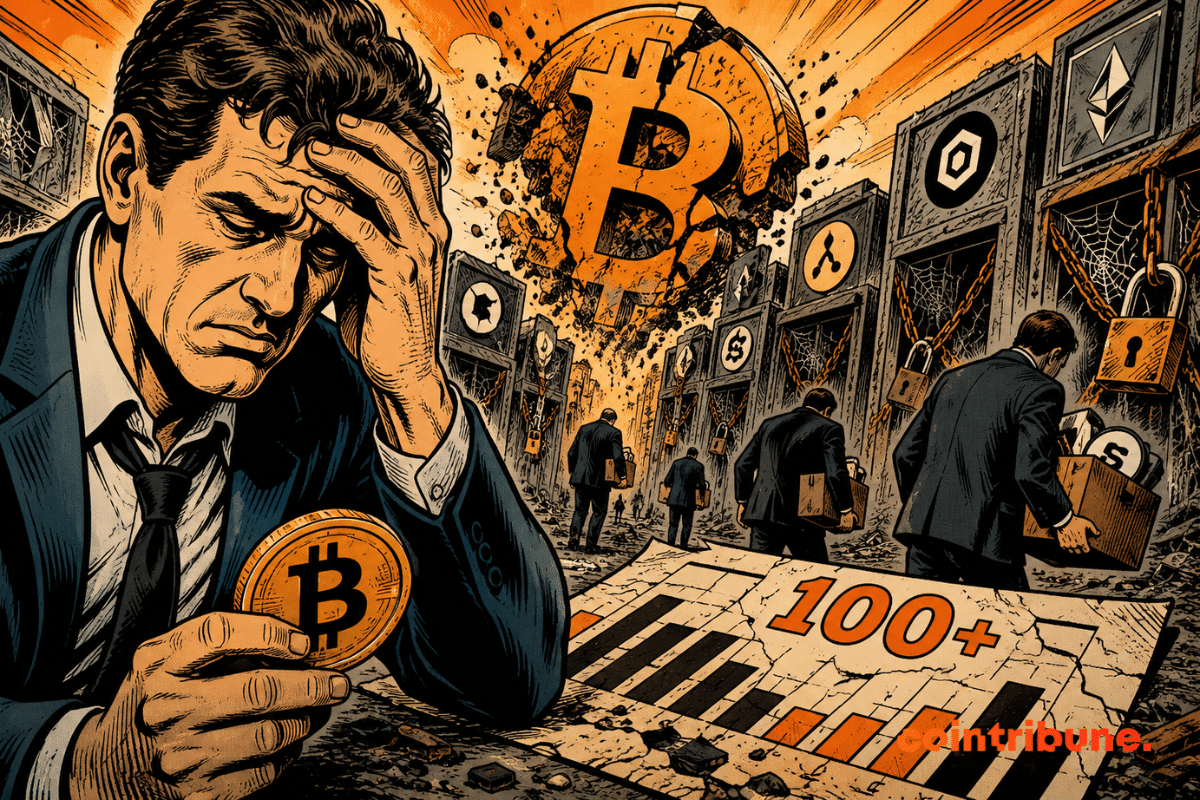
In 2026, more than 100 crypto projects have shut down, filed for bankruptcy, or ceased operations, according to RootData. This wave has affected exchanges, wallets, DeFi, NFTs, and some blockchains. In late July, BitMEX, BitMart, Movement Labs, and Storj Labs announced their closure or bankruptcy filings within a single week. Meanwhile, Moonbeam stopped producing blocks on July 31. The sector is therefore entering a broad and highly visible phase of consolidation.
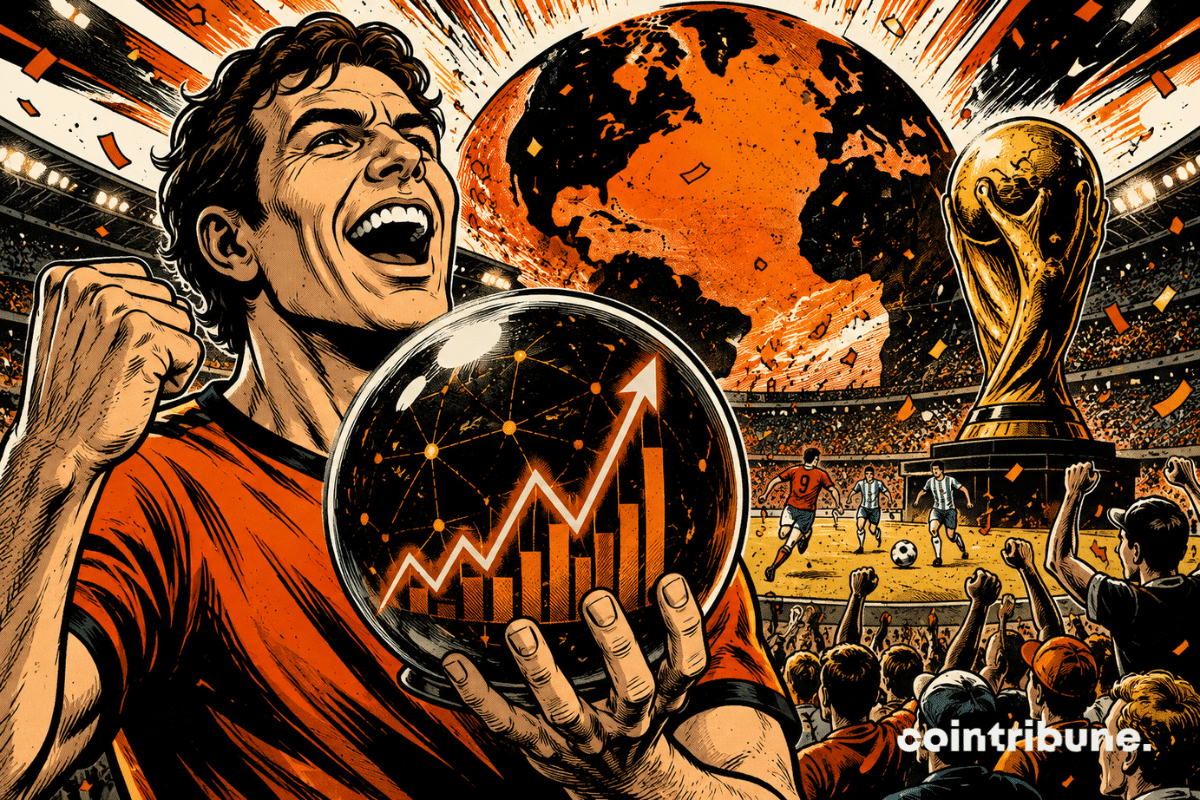
The 2026 FIFA World Cup marked a new step for the blockchain ecosystem. According to data published by Chainalysis, predictive markets recorded unprecedented activity thanks to the worldwide excitement around the competition. Decentralized betting, digital collectibles, and the participation of hundreds of thousands of users illustrated the magnitude of the phenomenon. These results also show that major sports competitions accelerate the use of blockchain-based applications.
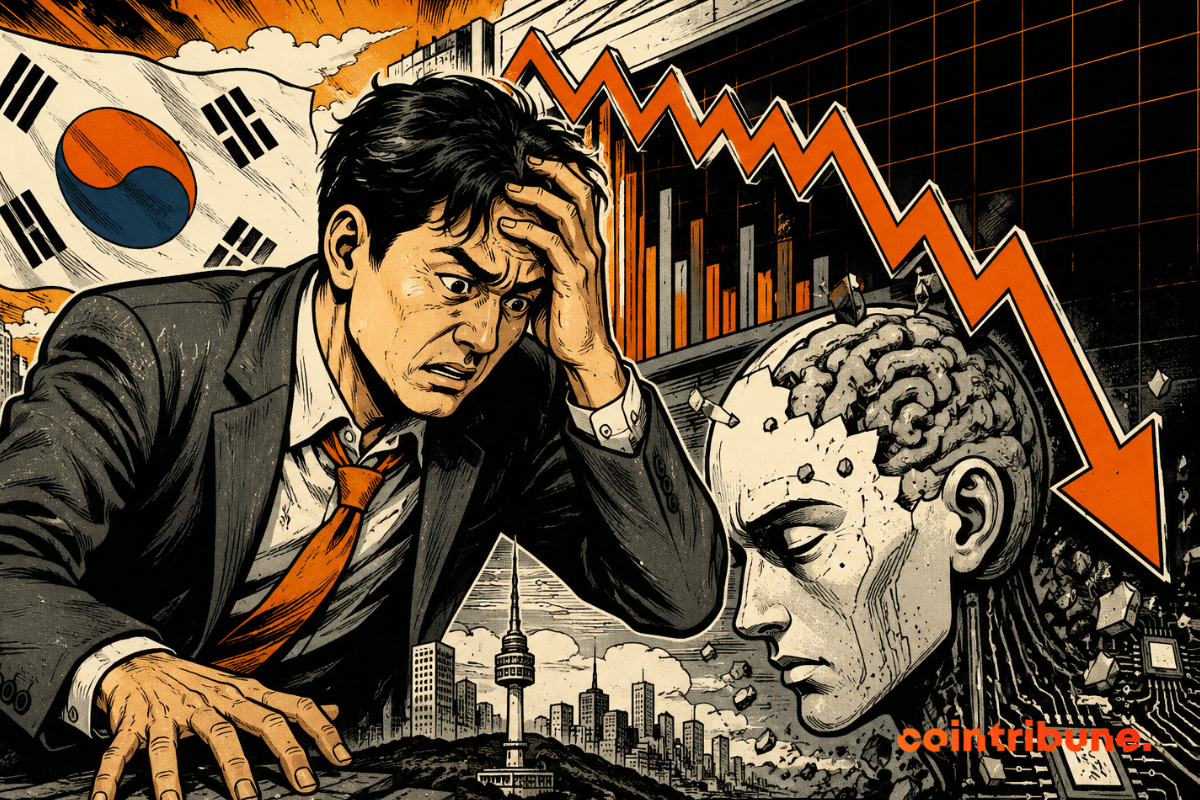
The South Korean market is going through a phase of high volatility that fuels questions about the valuations of technology companies. In just two sessions, the KOSPI experienced a historic decline, while tensions are also spreading to AI-related bond markets. This correction comes as investors had massively favored semiconductor and digital infrastructure stocks, considered the main growth drivers since the beginning of the year.
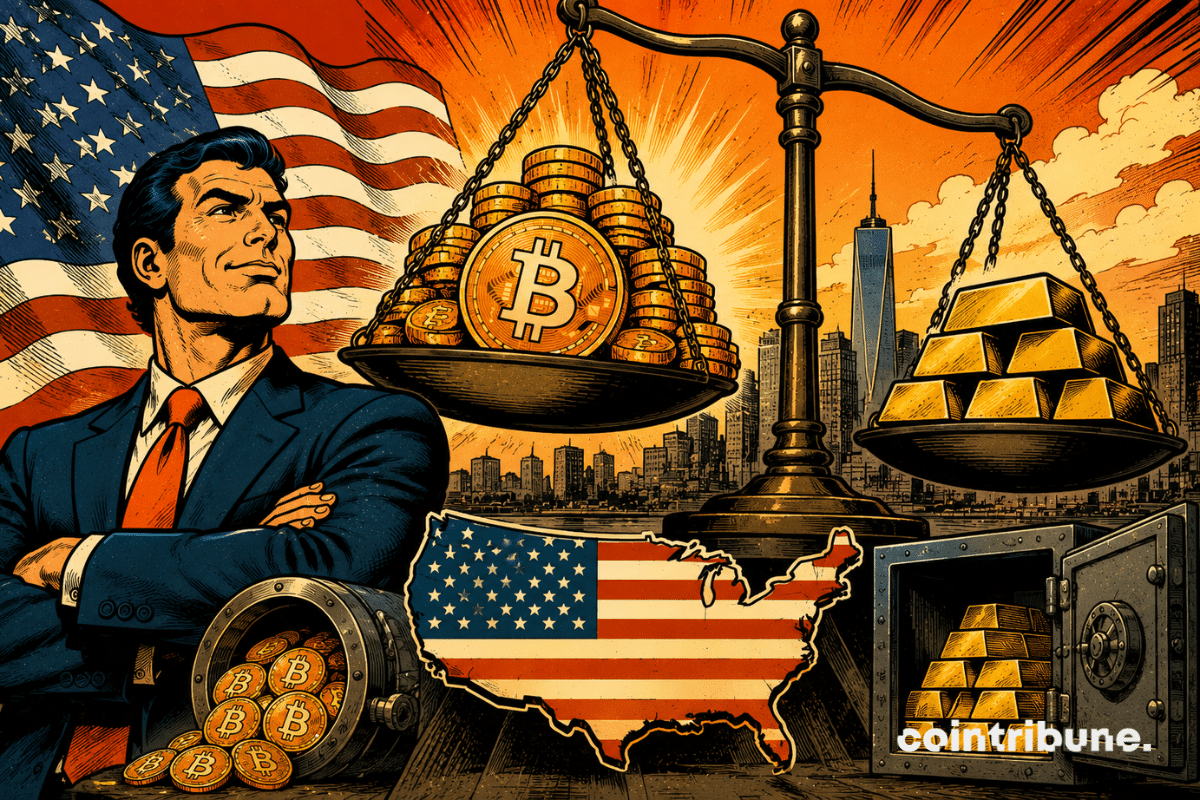
Bitcoin has just crossed a symbolic threshold in the United States. According to the latest report from River, American individuals now hold more BTC than physical gold. This shift illustrates a profound evolution of wealth management strategies. Crypto, long perceived as speculative, is gradually imposing itself against the historic safe haven. Driven by easier access to financial markets and a new generation of investors, this transformation reshapes how Americans conceive the preservation and transfer of their wealth.
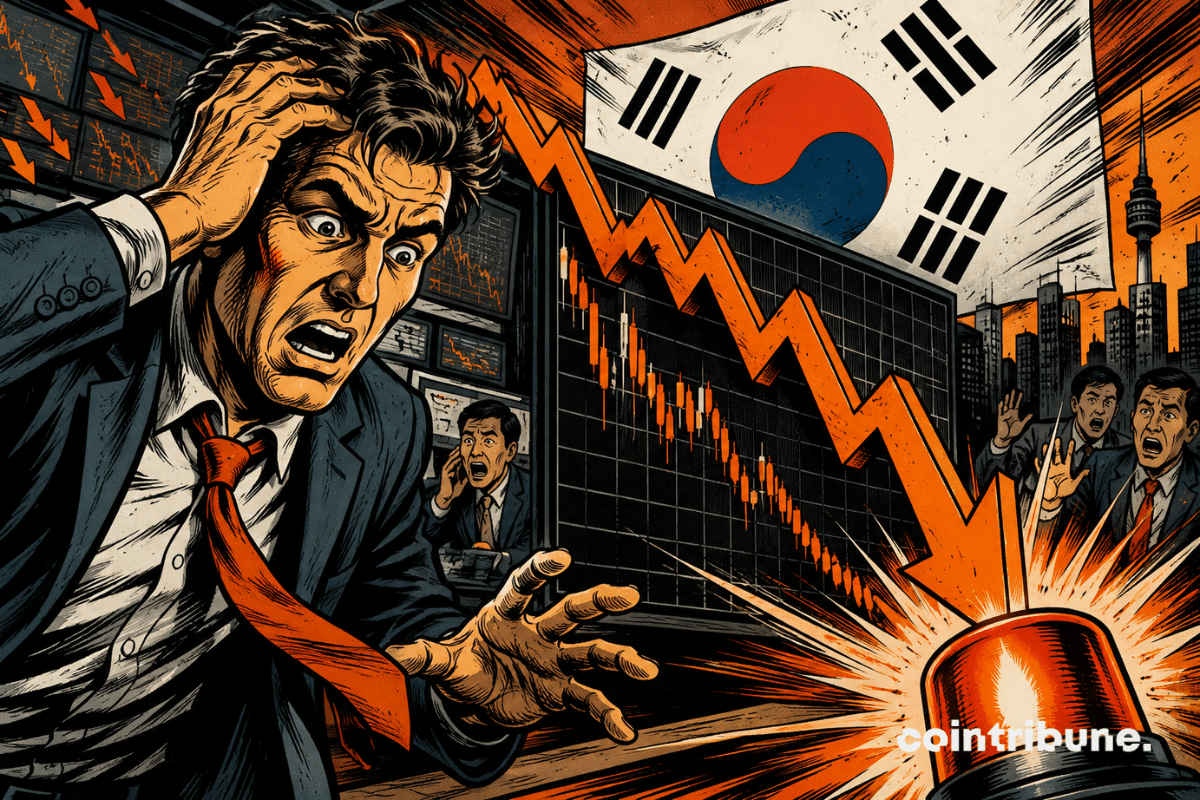
While global markets continue to assess the impact of artificial intelligence on valuations, the South Korean stock market is going through a period of high tension. After several months of spectacular growth driven by semiconductors and major technology companies, a sharp correction hit the local market. The move caught investors' attention following reports of a significant market capitalization loss of about 260 trillion won and the plunge of the KOSPI. This drop reminds us of the risks linked to phases of excessive euphoria and markets heavily exposed to leverage.
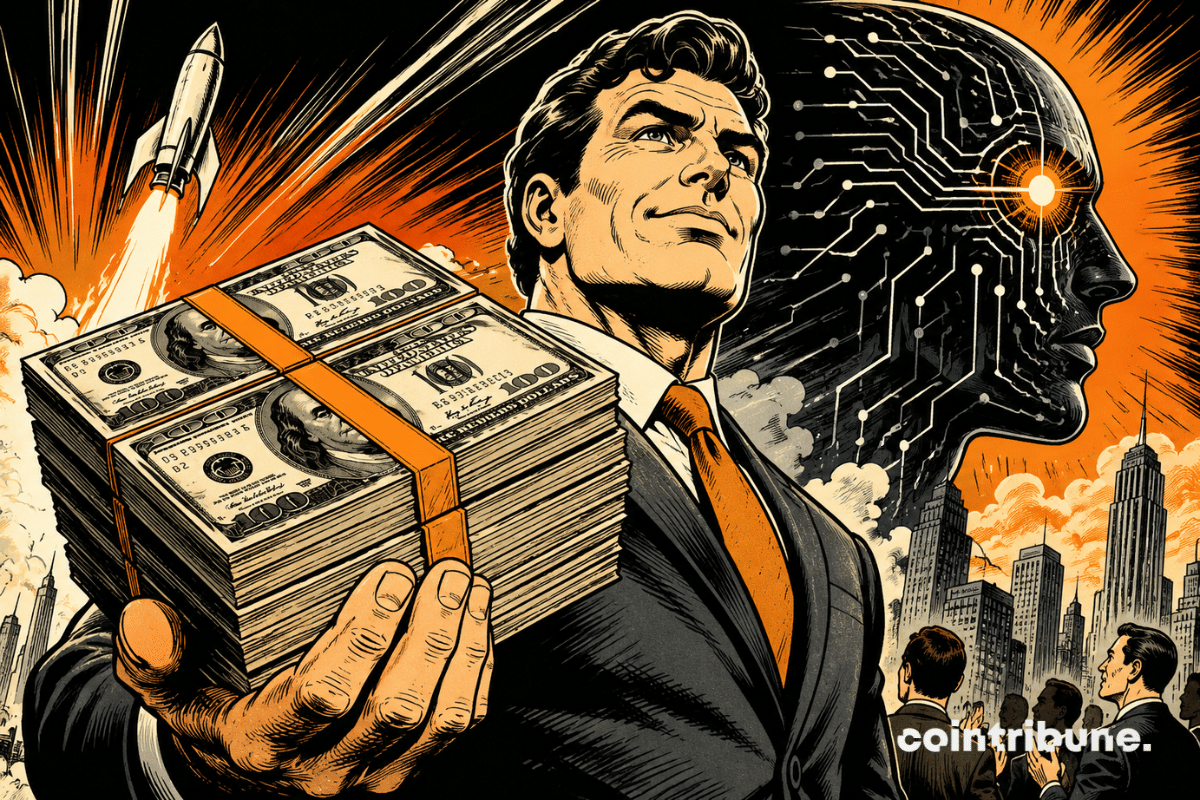
The venture capital market is evolving rapidly, driven by new technological priorities and increasingly distinct trade-offs. In this context, Paradigm announces the closing of a new 1.2 billion dollar fund aimed at financing projects related to AI and robotics while continuing certain activities in cryptocurrency. This operation illustrates a redistribution of capital towards emerging technologies, as crypto fundraisings become rarer and focus on a limited number of large-scale operations.

In an already tense context for tokenized real estate, RealT initiates a decisive step with the voluntary liquidation of its American structures. The project, which attracted thousands of investors worldwide, especially in France, now undertakes the progressive sale of its entire real estate portfolio. This decision comes as the company faces increasing legal, financial, and operational pressures, calling into question the solidity of its initial model.
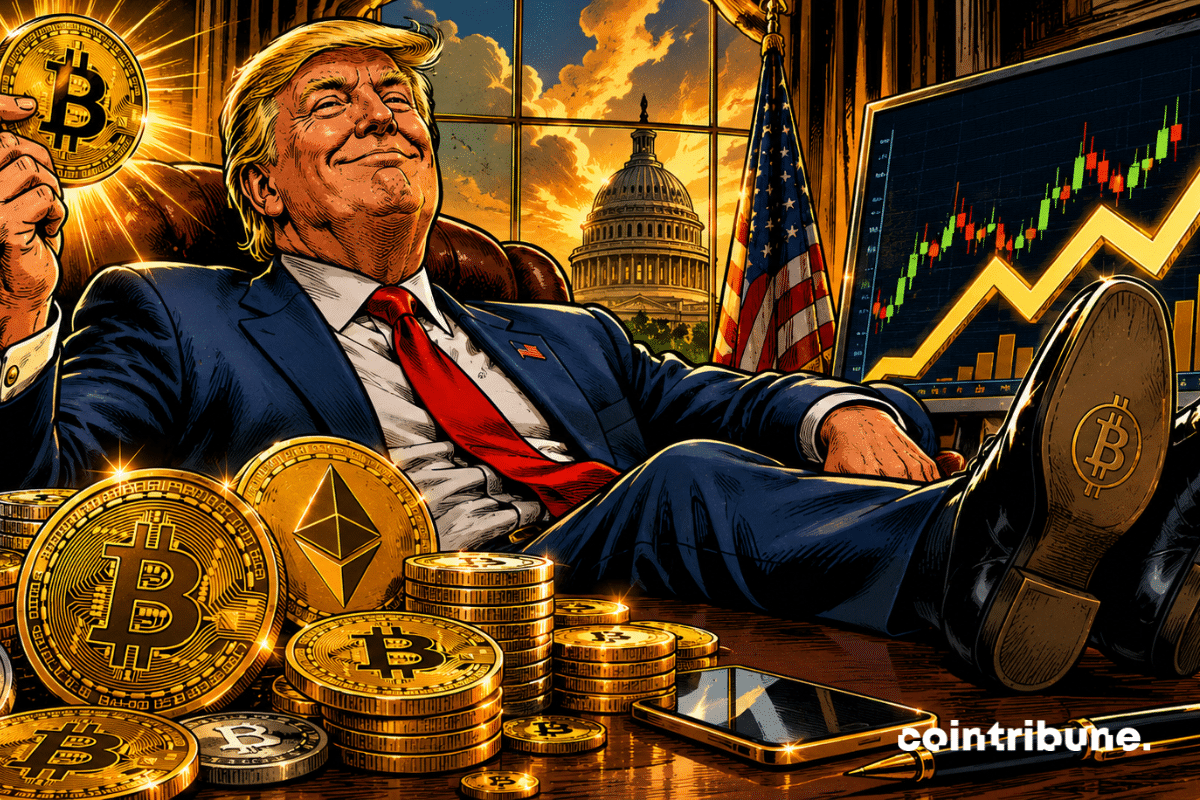
Cryptos have never been so close to American power. At a time when Congress is examining decisive texts for the sector's future, the White House's financial disclosures reveal that Donald Trump has amassed colossal revenues related to the crypto ecosystem. This convergence between private interests and public decisions fuels an explosive debate in Washington. One question now dominates: can the regulation of these assets still be perceived as impartial when the President of the United States is among the main beneficiaries of this industry?
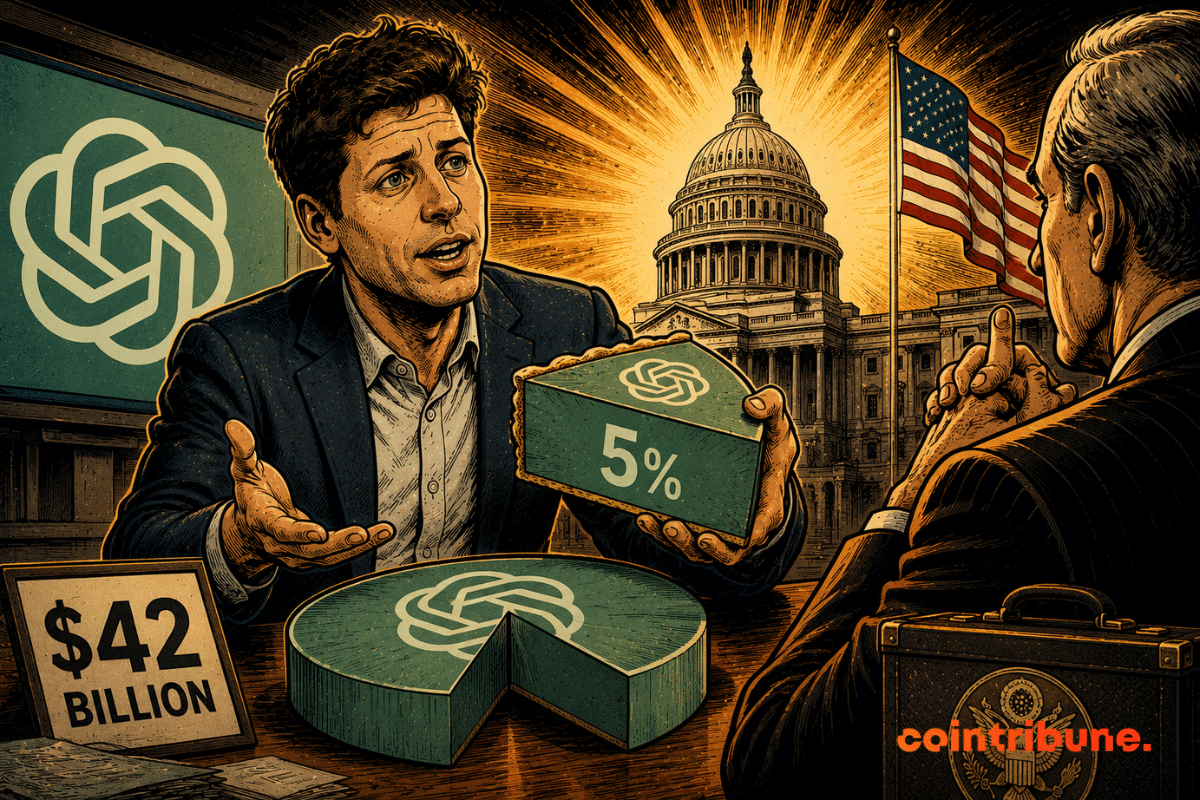
Sam Altman offers 5% of OpenAI to Uncle Sam, fearing the administration might crack down harder than expected. A lesson in sharing that smells like good old American compromise.
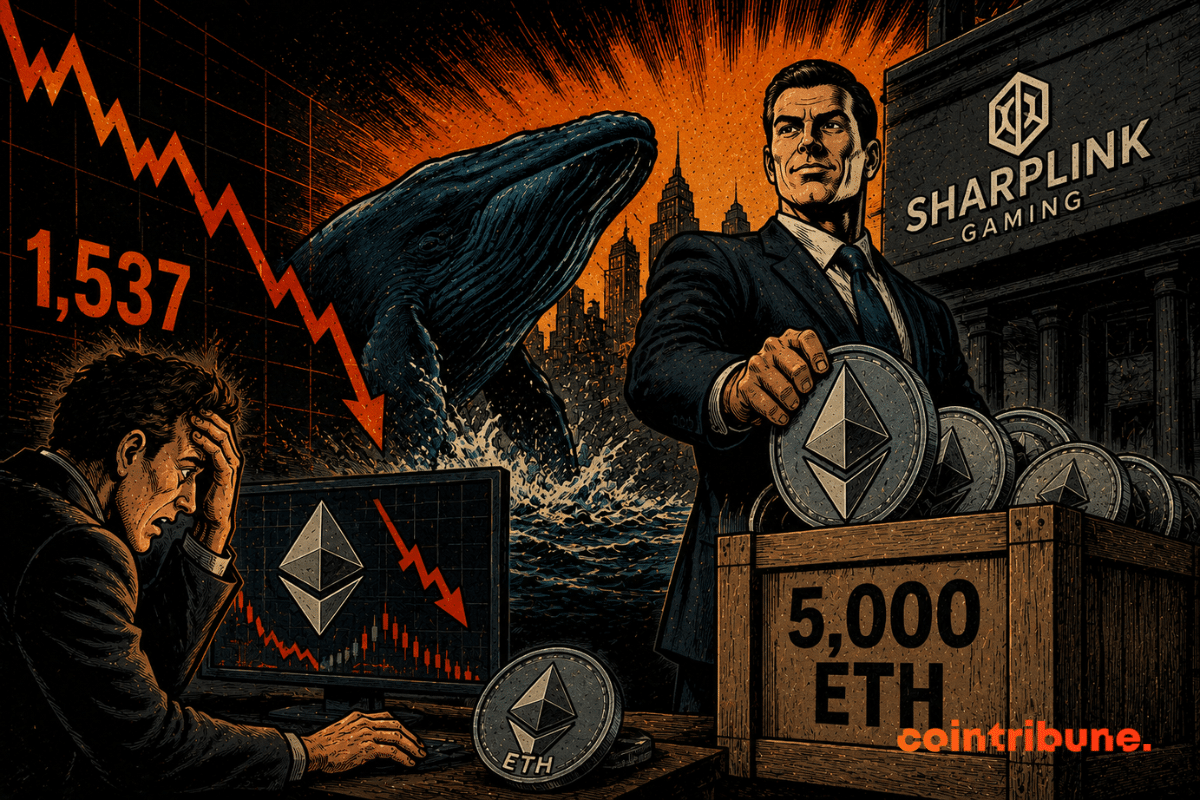
Sharplink pounces on ETH at rock bottom with $1.7 billion in paper losses. Whales buy, analysts choke, and the promised crypto spring is still nowhere to be seen.
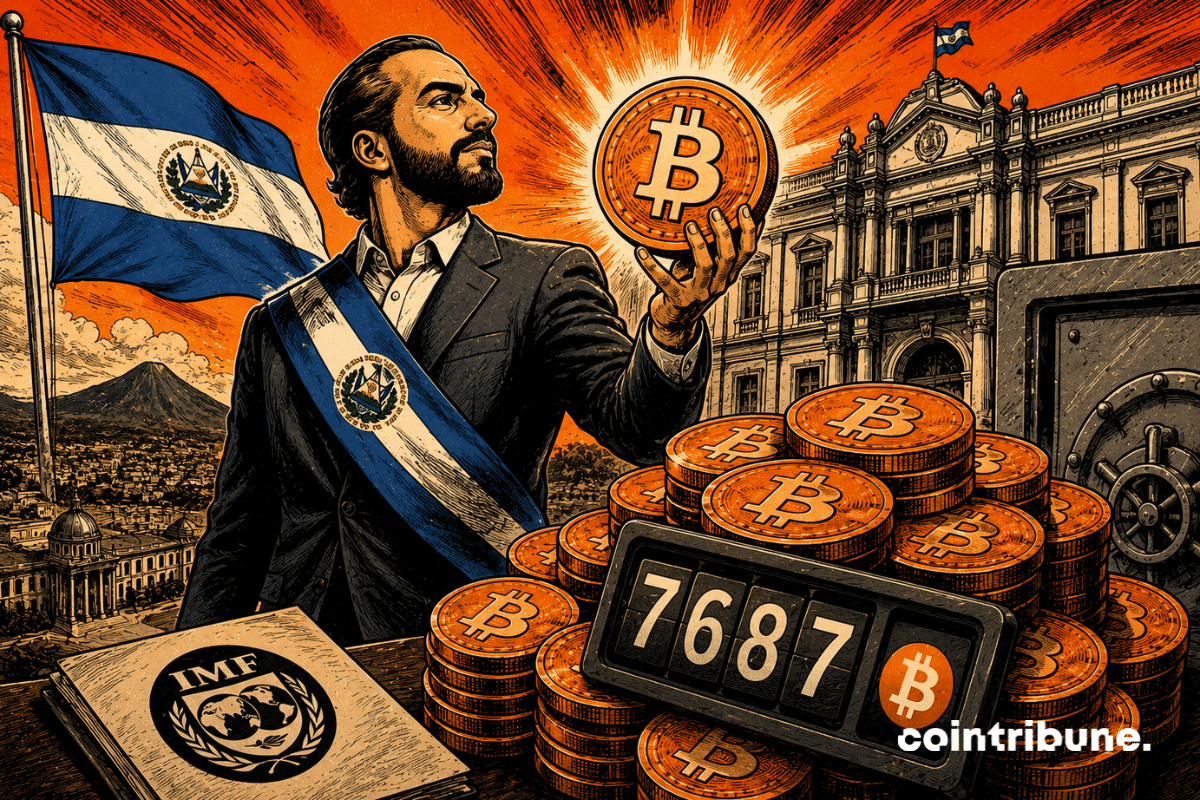
El Salvador buys bitcoin like there's no tomorrow despite the IMF's stern warnings. 7,687 coins already in the vault. Creditors grind their teeth, but Bukele just laughs it off.
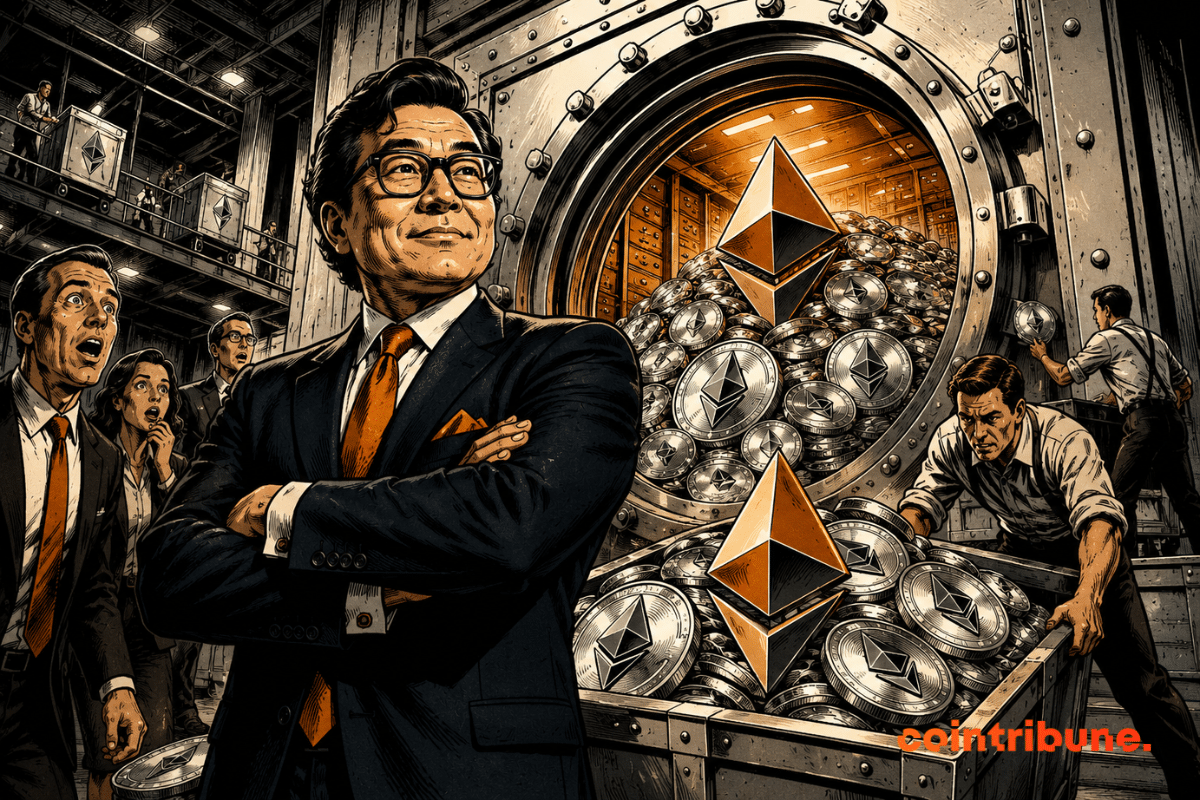
Tom Lee waters his ethers like a perched gardener, but his beautiful garden suffers 10 billion losses. Crypto no longer understands anything.
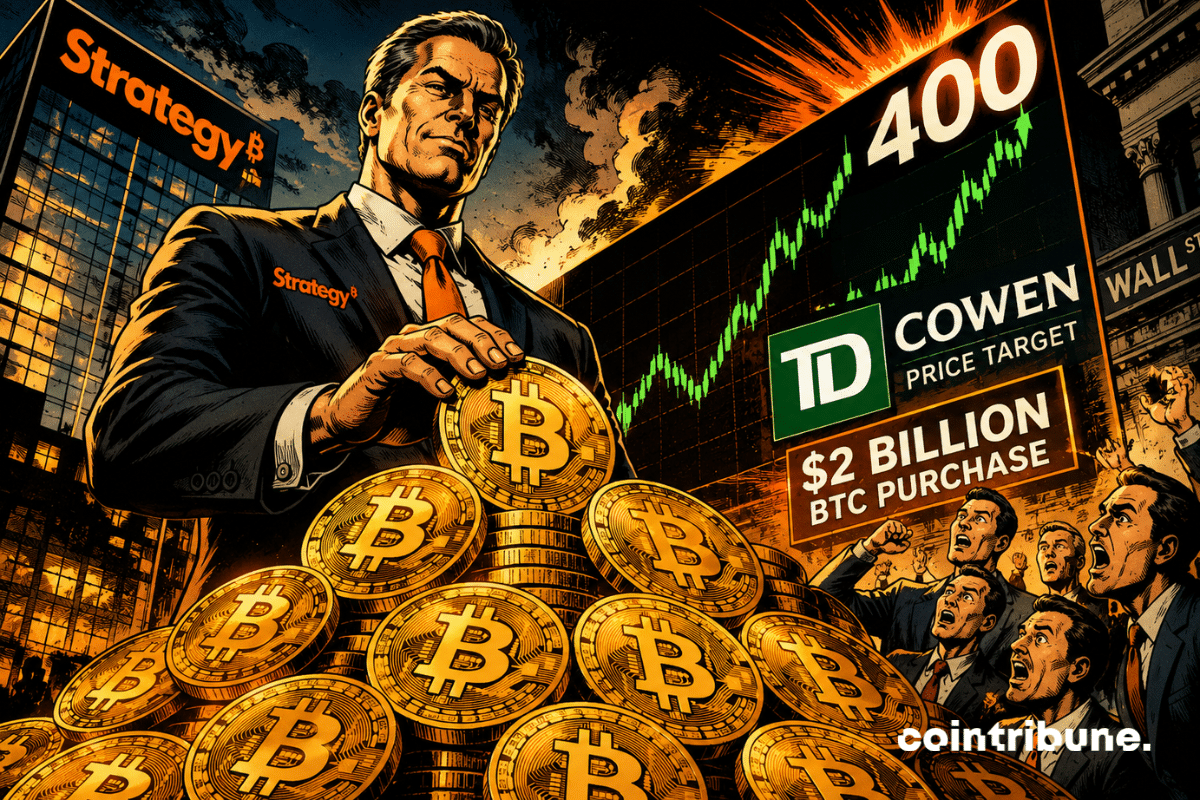
Michael Saylor piles up bitcoins like a mason on caffeine, while TD Cowen is already drawing stock skyscrapers. Skeptics nervously check the cracks behind this giant facade.

Bitget is adding Delta Neutral Mode to its Unified Trading Account, giving hedged traders a cleaner way to manage risk across spot, margin, and futures. The move targets users who do not simply bet on direction, but build positions where one exposure offsets another.
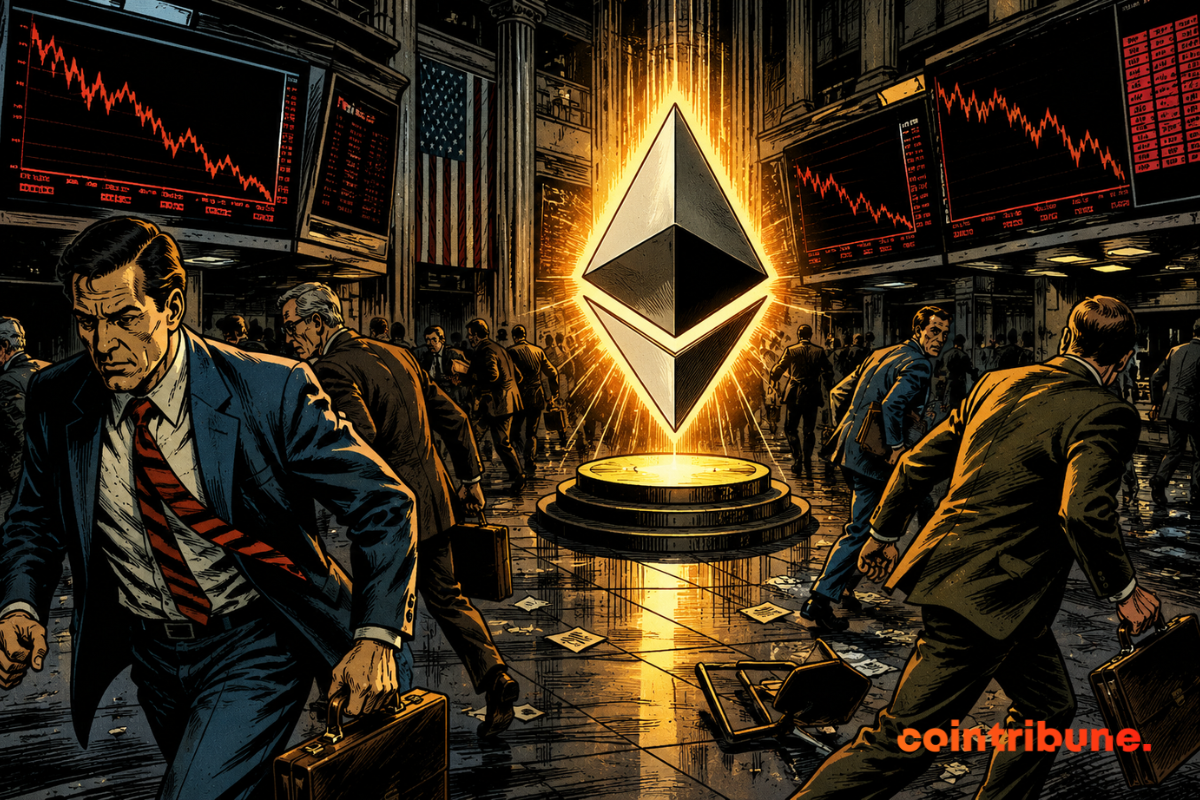
Ethereum was still parading under the neon lights of Wall Street. Then the ETFs emptied like a poorly guarded safe. Harvard drops its jewels, BlackRock grits its teeth, and crypto suddenly discovers much less romantic investors.
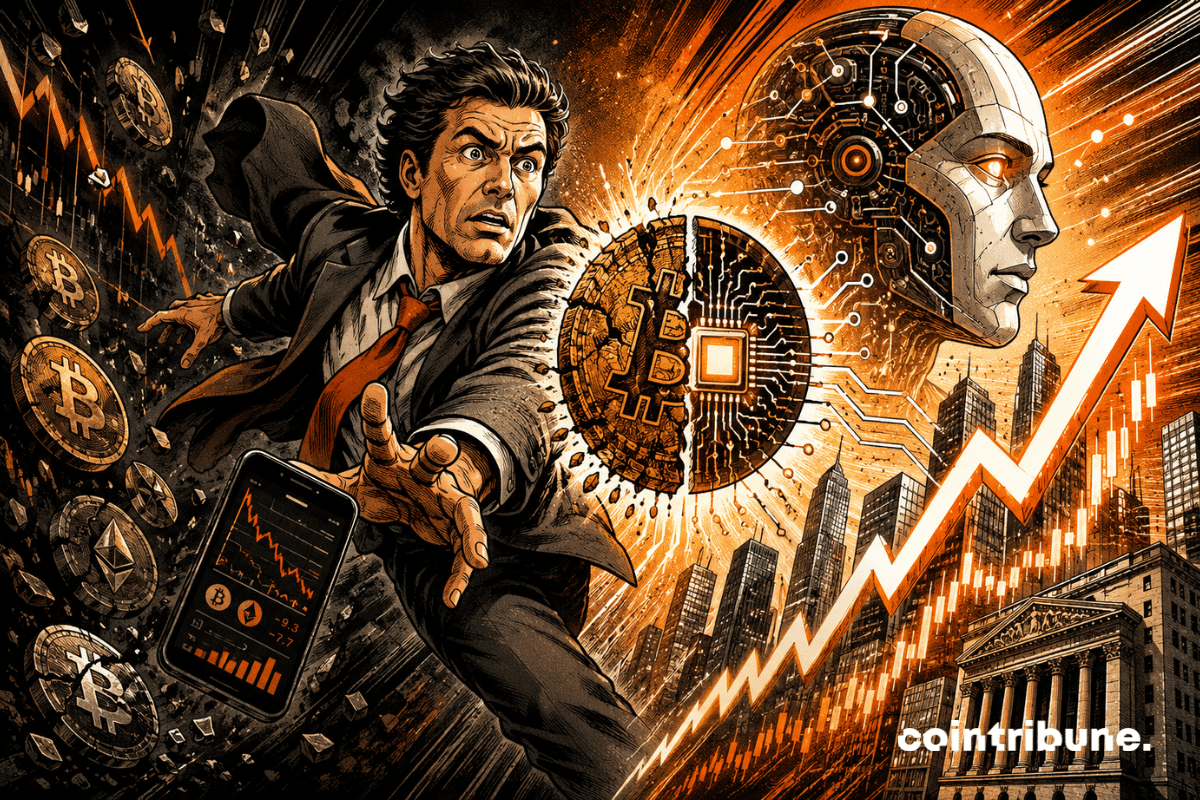
Crypto investors are no longer staying inside one market. Bitget’s 2026 User Asset Allocation Report shows a clear shift: retail traders still hold crypto, but many now add equities, commodities, and AI tools to build broader portfolios.
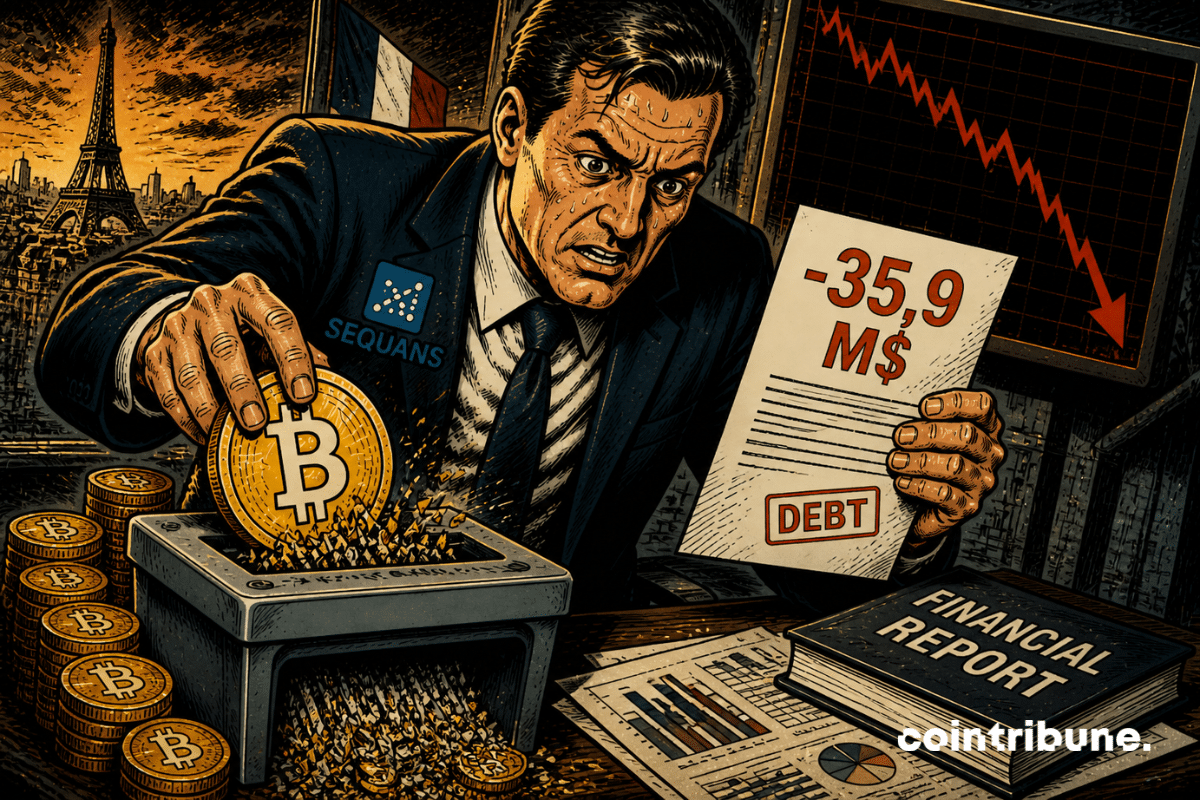
Sequans Communications liquidates half of its Bitcoin to cope with a drop in revenue, growing losses, and significant debt, questioning its long-term crypto strategy.
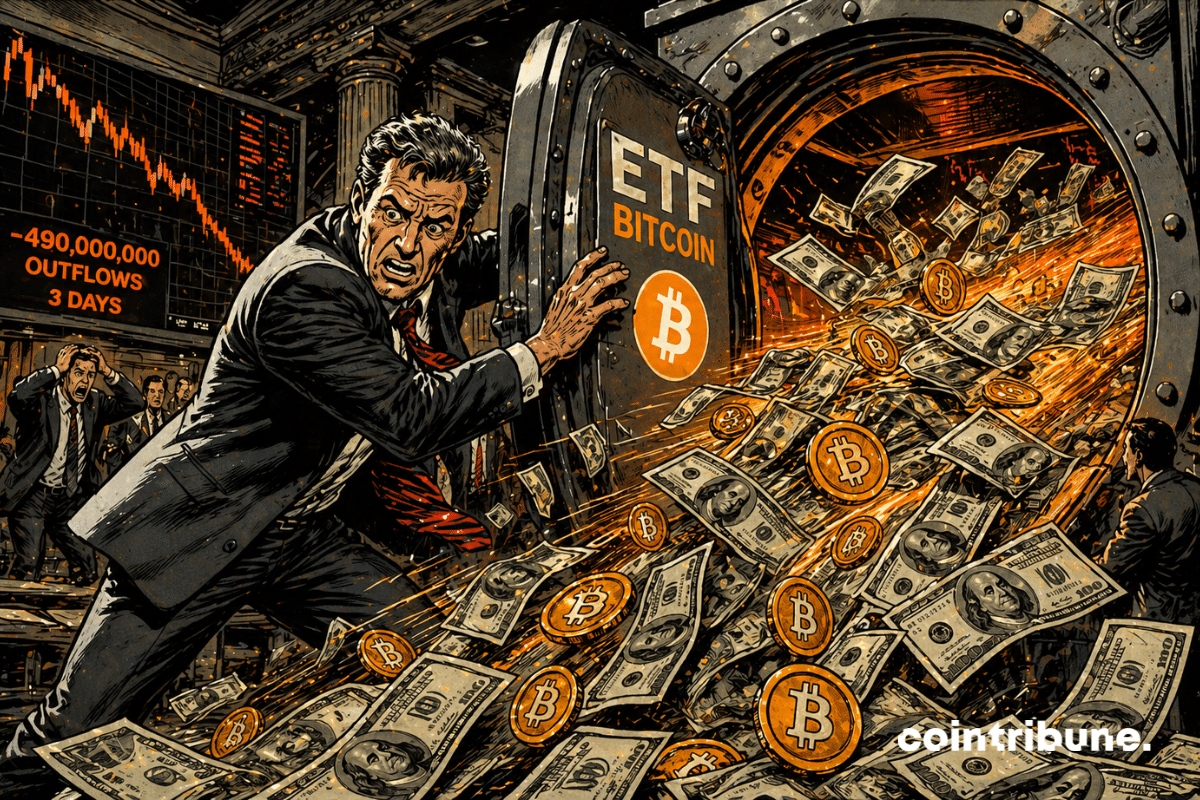
Bitcoin ETFs are leaking cash like a cracked safe, while crypto stiffens nervously, squeezed between expensive oil, jittery markets, and investors quietly switching horses mid-race without warning.