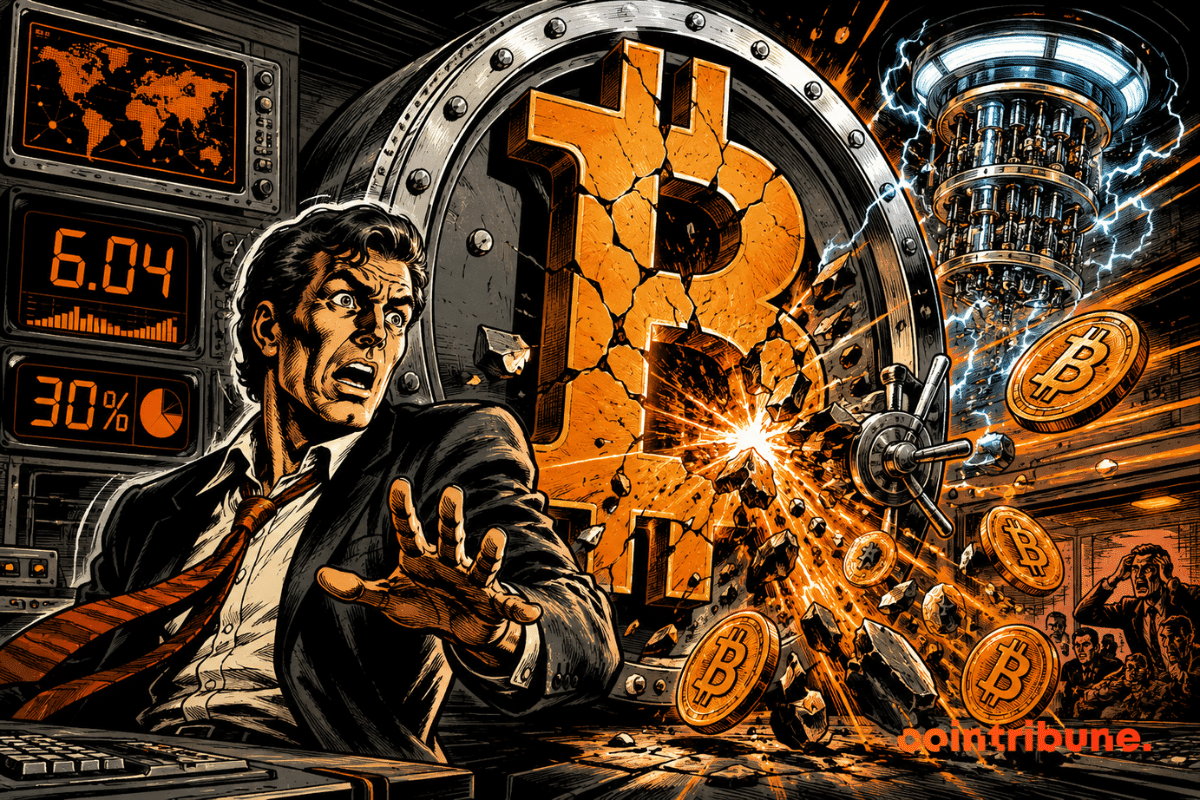
Glassnode sounds the alarm. More than 6 million bitcoins already show a potential exposure to future quantum attacks. Should the crypto market be worried?
A new Bitcoin fork project reignites tensions within the ecosystem. Led by developer Paul Sztorc. The initiative named "eCash" does not just propose a basic parallel chain: it introduces technical and economic choices that directly affect fundamental principles of the network, notably the management of UTXOs and the controversial use of Satoshi Nakamoto’s historical holdings. Between promises of innovation and fears of misuse, the debate intensifies around the project.
Satoshi Nakamoto's 84 billion Bitcoins are threatened by quantum computers. Paradigm has come up with a revolutionary solution: PACTs, anti-quantum protection without revealing identity. A major advance in Bitcoin security.
A statement from Beijing revives the debate about the origin of bitcoin. Educator Jiang Xueqin proposes a sensitive hypothesis: the first crypto could be linked to American intelligence agencies. This stance questions both the genesis of the protocol and the interests it might serve. In response to this theory, the crypto ecosystem presents technical arguments, reviving a subject as old as it is controversial.
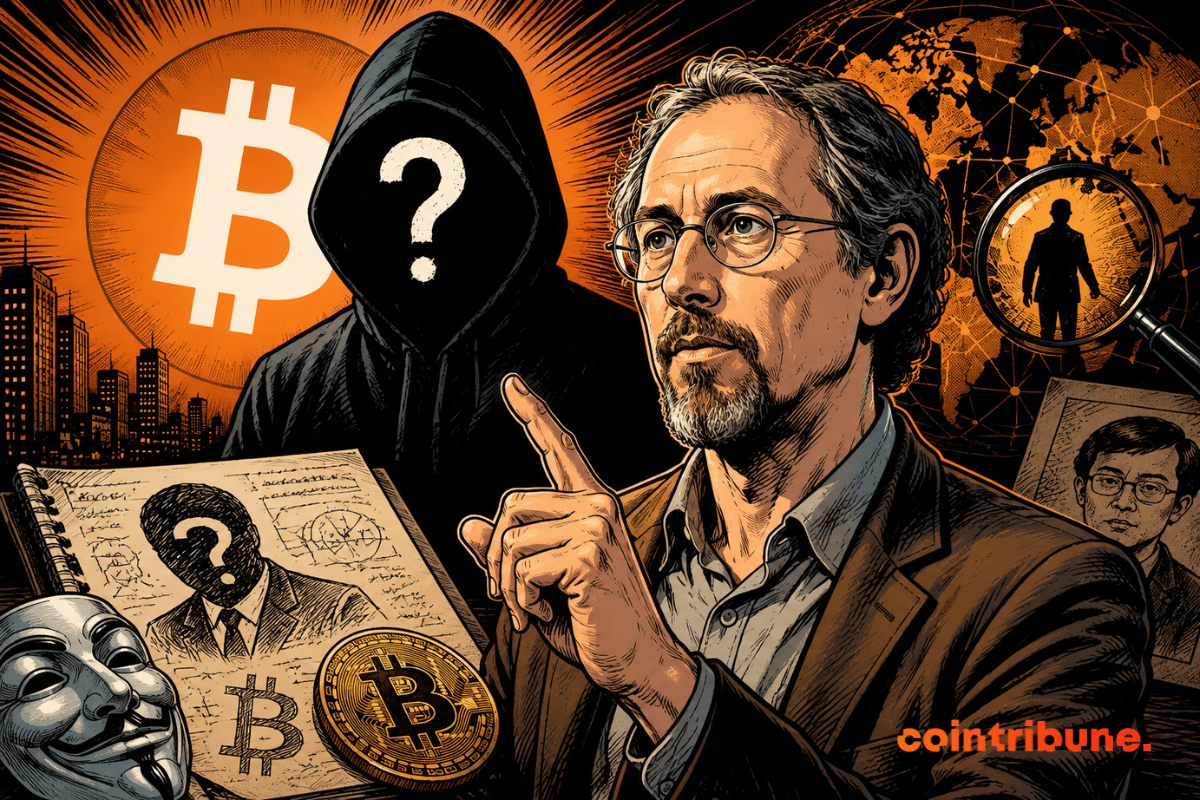
The mystery surrounding the creator of Bitcoin resurfaces. A new investigation by the New York Times points to Adam Back as the probable Satoshi Nakamoto. But between firm denials and weak evidence, the truth still seems out of reach. Are we finally witnessing the end of a myth... or yet another false lead?
Digital asset manager CoinShares has played down concerns that quantum computers could pose a near-term threat to Bitcoin, arguing that only a small portion of coins are realistically exposed to such attacks. While fears around quantum technology have fueled market anxiety in recent months, the firm says current risks remain largely theoretical and far from actionable.
On January 10, 2009, Hal Finney wrote "Running Bitcoin" on Twitter. Unknown to him, he had just engraved the public launch of the first decentralized digital currency network into modern monetary history. That day, he ran Satoshi Nakamoto's software and became the very first recipient of a BTC transaction. Seventeen years later, yesterday January 10, 2026, this message still echoes as the founding act of a technological and financial revolution.
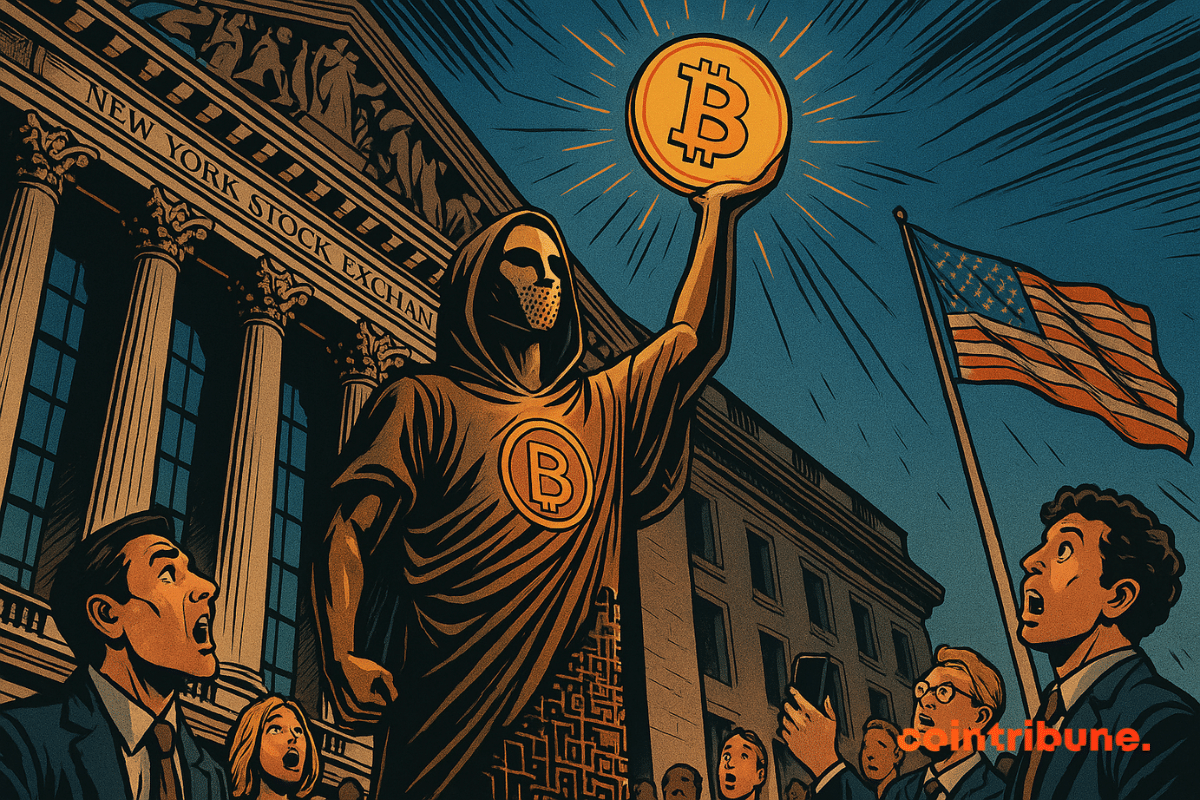
Wall Street vibrates for a ghost! Satoshi Nakamoto appears at the NYSE… with a statue. From code to statues, bitcoin claims its place in the temple of capitalism.
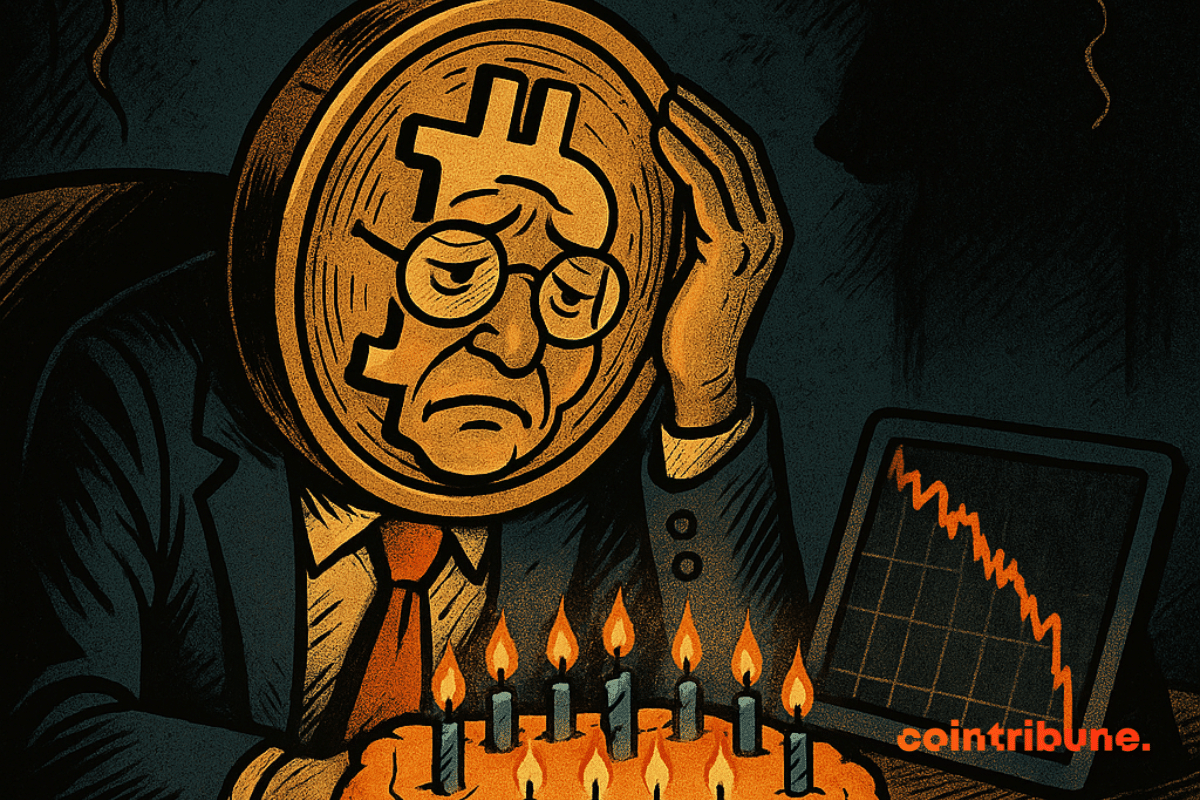
Seventeen years after the publication of the white paper by Satoshi Nakamoto, bitcoin is no longer a niche bet. It is a global asset worth 2 trillion dollars. Yet, on this October 31, the market turns the page on a thwarted "Uptober." October closes in red for the first time since 2018. A signal to be read carefully, without melodrama.
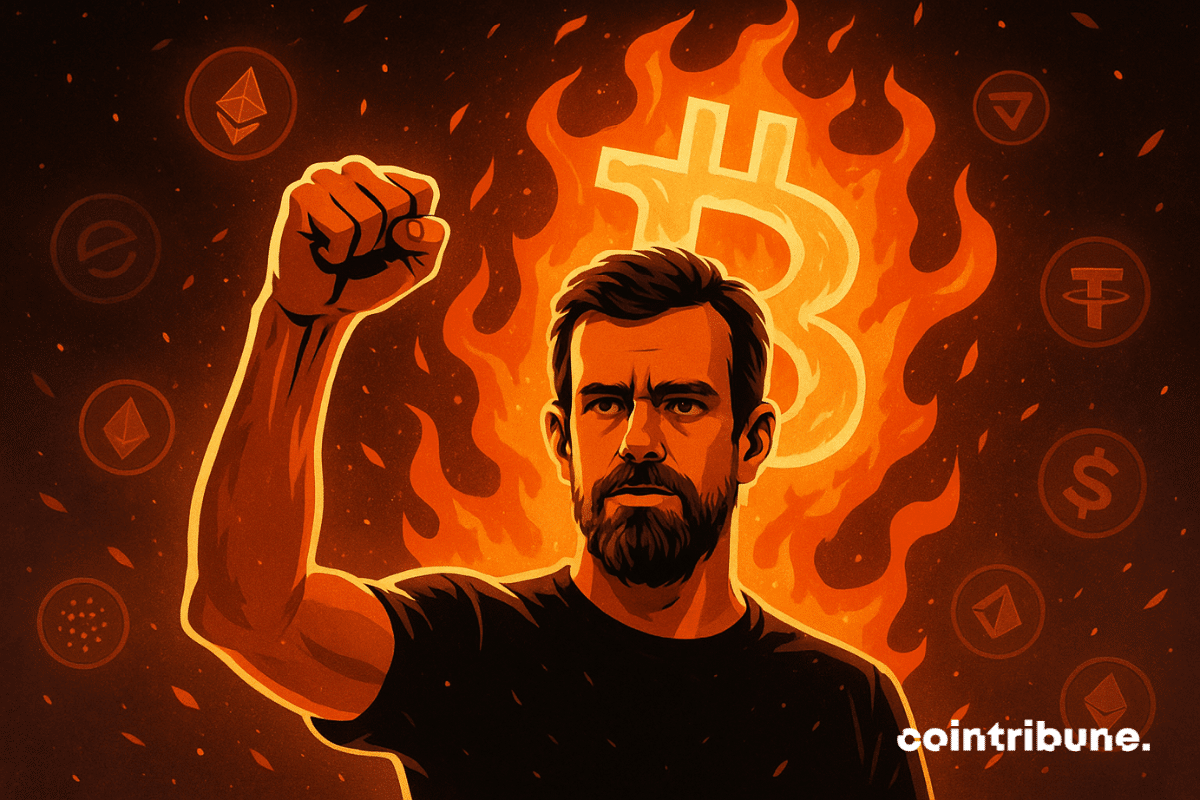
Jack Dorsey, Twitter’s co-founder and a long-time Bitcoin supporter, has once again sparked debate in the digital finance world. His recent post claiming “Bitcoin is not crypto” has reignited discussion over Bitcoin’s identity—whether it belongs to the broader crypto industry or stands apart entirely.
The ghost Satoshi watches his bitcoins melt by 20 billion. Still silent, still rich... How long will the king of silence let chaos reign without a word?
Solid gold Trump holding a bitcoin in front of the Capitol: crypto happening or presidential cult? Between pop culture and monetary policy, Washington becomes the theater of a curious spectacle.
Since 2011, Satoshi Nakamoto has disappeared, leaving behind an unresolved enigma. However, some believe that the threat of quantum computing could force his return. This is the somewhat crazy but fascinating thesis of Joseph Chalom, co-CEO of SharpLink Gaming
Jack Dorsey revives Satoshi Nakamoto's vision: making bitcoin a universal currency for exchange. Faced with speculation and financial markets, can it become everyday money?
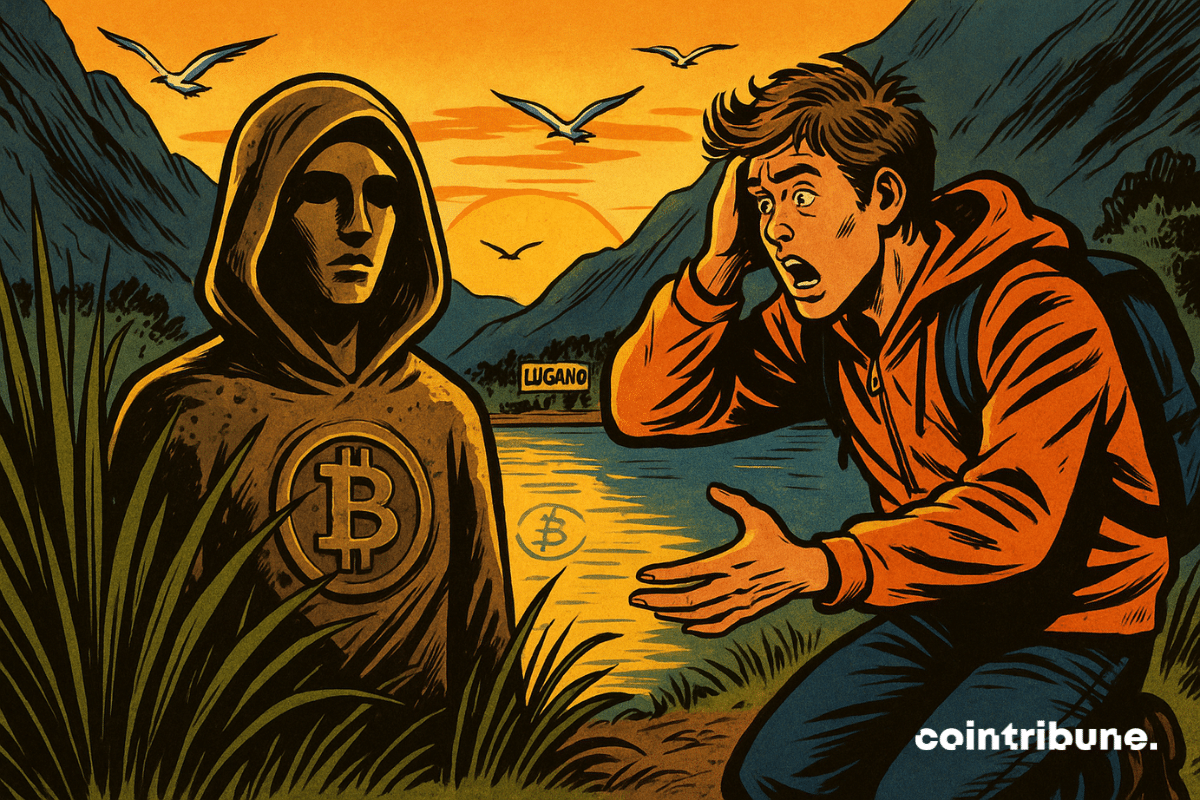
In a universe dominated by digital abstraction, the sudden disappearance of the statue of Satoshi Nakamoto in Lugano resonates as a symbolic shock. Erected during the Plan B Forum in homage to the decentralized spirit of bitcoin, the work was torn down, vandalized, then recovered in pieces by the lakeside. This artistic manifesto, having become a target, crystallizes the tensions around the crypto imagination. A reward in bitcoin was promised, a sign that the case goes beyond simple vandalism: it calls into question the integrity of symbols in a faceless culture.
In the world of crypto, the name Satoshi Nakamoto remains a source of intrigue. No one knows who is behind this pseudonym, but his legacy continues to fuel theories, fantasies, and passionate debates. This article revisits the birth of bitcoin, the mysterious disappearance of its creator, and the technological and ideological footprint he has left on the entire crypto world. You will also discover the most credible profiles behind the name Satoshi Nakamoto, the extent of his fortune in bitcoins, and how his anonymity has strengthened the spirit of decentralization at the heart of the Bitcoin network.
While traditional markets remain under pressure, bitcoin reaches a historic milestone: its realized capitalization exceeds 1 trillion dollars for the first time. This threshold, reflecting the capital actually engaged in the network, occurs at a moment when a Satoshi-era whale sells 80,000 BTC, or nearly 9 billion dollars, without shaking the price. A strong double signal, both technical and psychological, confirming the robustness of the market in the face of large-scale events.
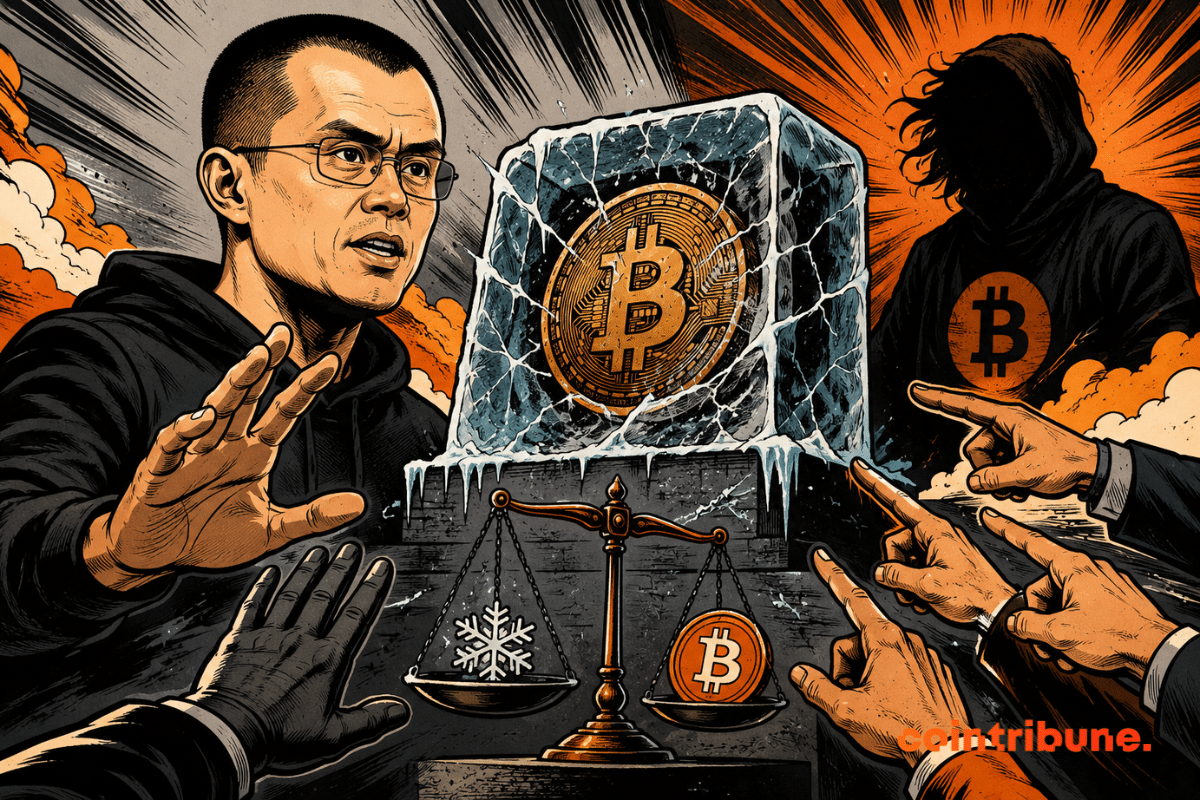
What if a quarter of the bitcoins in circulation were at risk of being stolen due to a cryptographic flaw? This scenario, now taken seriously, is prompting Jameson Lopp and other developers to propose an unprecedented measure: to freeze the BTC stored on addresses vulnerable to quantum attacks. Among them, the legendary funds of Satoshi Nakamoto. This is an explosive initiative, balancing the need for security and a questioning of the founding principles of the protocol.
He does not speak. He does not sell anything. Yet, Satoshi Nakamoto has just shaken the top of the financial pyramid. Thanks to a bitcoin that has risen to 122,500 dollars, the creator of cryptocurrency has amassed an estimated fortune of 134.26 billion dollars. Without ever having moved a single one of his tokens.
What if the creator of Bitcoin also held a significant reserve of XRP? This is the hypothesis reignited by an unexpected statement from David Schwartz, chief technology officer of Ripple, during a court hearing in 2023. Re-shared on the social network X, this revelation is intriguing. One of the pillars of the XRP Ledger ecosystem discusses a possible connection between Satoshi Nakamoto and Ripple. A phrase that went unnoticed at the time, but which could reshape the narrative of the two largest cryptocurrencies.
In 2025, companies are establishing themselves as the main buyers of bitcoin, surpassing individuals and ETFs. This strategic shift places BTC, designed for decentralization, in the hands of centralized actors. Can the crypto queen still embody a popular alternative in the face of this growing concentration?
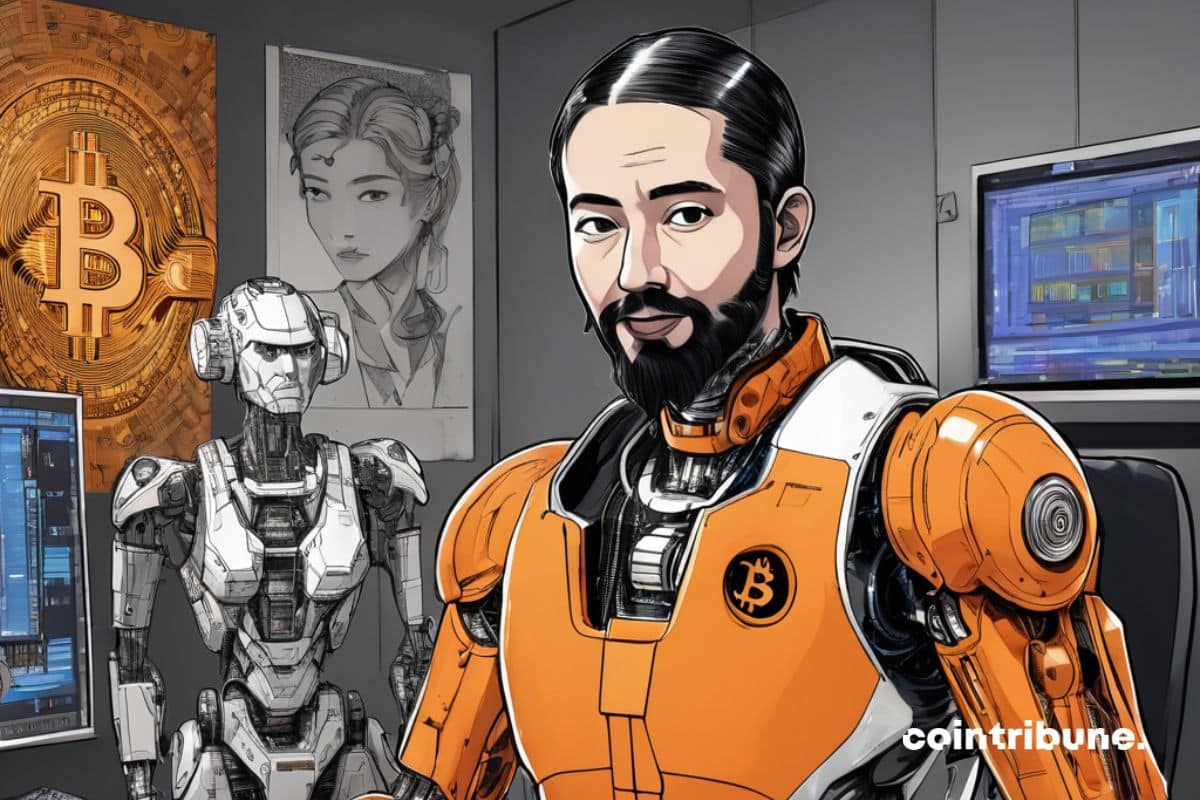
The mystery surrounding Satoshi Nakamoto, the creator of bitcoin, continues to fascinate. In a recent interview with Turkish influencers, Changpeng Zhao, former CEO of Binance, put forward a rather unexpected hypothesis: Satoshi Nakamoto could be… an AI (artificial intelligence) from the future.
James Murphy is suing the U.S. government under a FOIA complaint, hoping to obtain documents regarding the identity of Satoshi Nakamoto, following revelations from a DHS agent about a meeting in 2019.
The mysterious creator of Bitcoin, Satoshi Nakamoto, celebrates his 50th birthday today, as his innovation revolutionizes global finance and now attracts major economic powers.
A major threat looms over Satoshi Nakamoto's wallet, which could soon lose all its bitcoins, along with many BTC users.
The Stratum mining protocol is an essential component of the Bitcoin (BTC) network. It allows mining software to connect efficiently and securely to the blockchain, optimizing the mining process. Developed in 2012, Stratum has since become the most popular protocol used for mining bitcoins. In this post, we will explore the definition of this technology and the reasons why it is so important for Satoshi Nakamoto's network.
Amidst the echoes of media skepticism, bitcoin reaches new heights. Satoshi Nakamoto's dream defies dissenting voices, offering a digital song of hope.
In the depths of finance, BlackRock holds a treasure: 500,000 BTC, 48 billion digital dreams. The giant anchors itself in the legend of cryptocurrencies.
The UK Court of Appeal has just rejected Craig Wright's attempt to challenge the ruling that stated he was not Satoshi Nakamoto, the creator of Bitcoin. The court notably pointed out that the appeal arguments included "multiple lies" and "fake authorities."
Merkle trees are a fundamental element of blockchain technology. They are used by most protocols, starting with Bitcoin, which relies on the Proof-of-Work consensus mechanism. However, they are utilized by most protocols to ensure the security and integrity of data on the network. If you are interested in the queen of cryptocurrencies, you have probably heard of them, but without really grasping how they work. In this article, we will explain to you precisely and in detail what Merkle trees are and their utility for the Bitcoin network. You will also discover the limitations and prospects of this technology.