Mon 10 Nov 2025 ▪
5 min read
▪
by
When crypto plays central banker, the Fed sweats under its suit. Stablecoins, hidden treasures, and plummeting rates: guess who really runs the world?
When crypto plays central banker, the Fed sweats under its suit. Stablecoins, hidden treasures, and plummeting rates: guess who really runs the world?
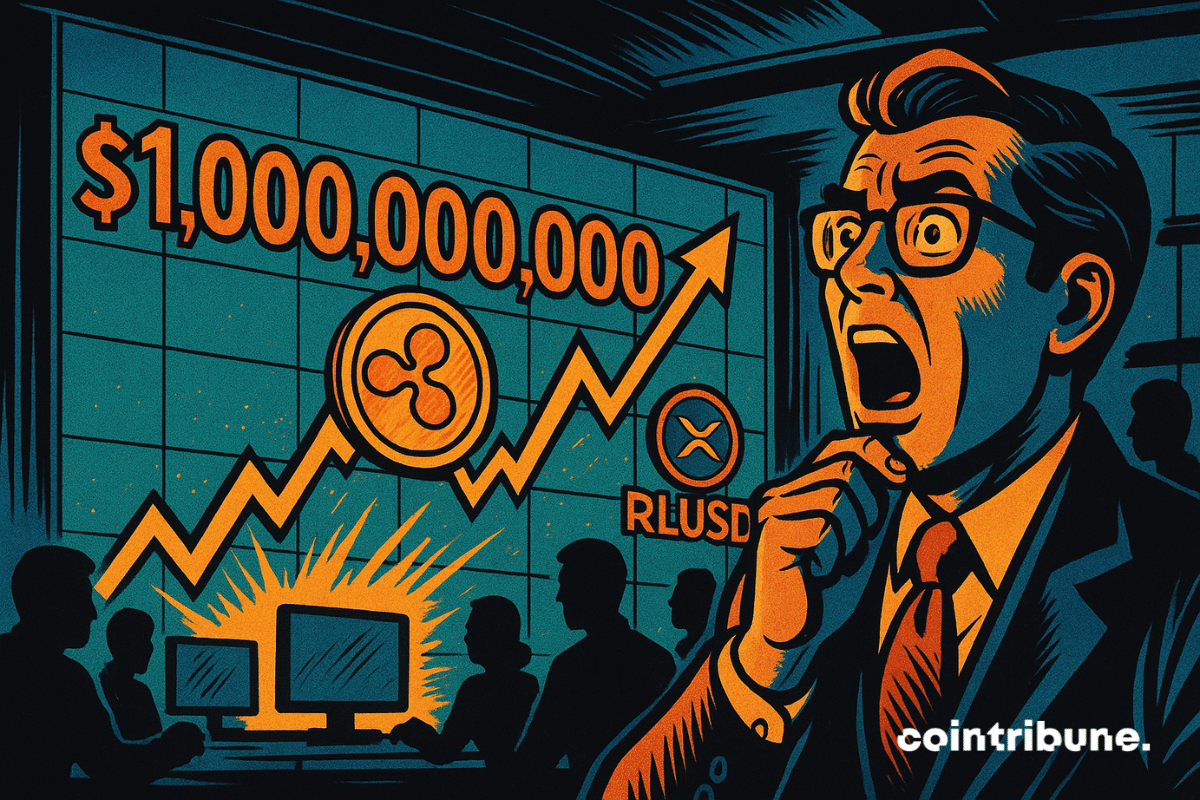
Ripple’s US dollar–pegged stablecoin, RLUSD, has rapidly climbed the ranks to become one of the top ten stablecoins by market capitalization. Less than a year after its December 2024 launch, RLUSD has surpassed the $1 billion mark—a milestone that reflects growing confidence in Ripple’s expanding digital asset ecosystem.
The cryptocurrency ecosystem has just experienced a major turning point with the announcement of a strategic partnership between Kraken, one of the most respected exchange platforms in the world, and Circle, the undisputed leader in stablecoins. This alliance, formalized in September 2024, promises to transform the user experience for the USDC (USD Coin) and EURC (Euro Coin) stablecoins on the Kraken ecosystem.

Blockchain shows its claws: billions flowing, apps that are booming, and crypto finally wanting to work for real. To follow, or to avoid?

Mastercard is in late-stage negotiations to acquire stablecoin infrastructure provider Zerohash for an estimated $1.5 to $2 billion, according to a Fortune report citing five people familiar with the matter. The deal would position Mastercard among a growing number of global financial firms investing heavily in blockchain-based payment technology.
U.S. bank Citi is taking a decisive step into digital payments by joining forces with Coinbase to pilot stablecoin transactions. The partnership marks a turning point in Wall Street’s embrace of blockchain-based money, following the U.S. GENIUS Act's approval earlier this year. As the stablecoin market heads toward a projected $4 trillion valuation by 2030, Citi’s move positions it at the forefront of institutional adoption.
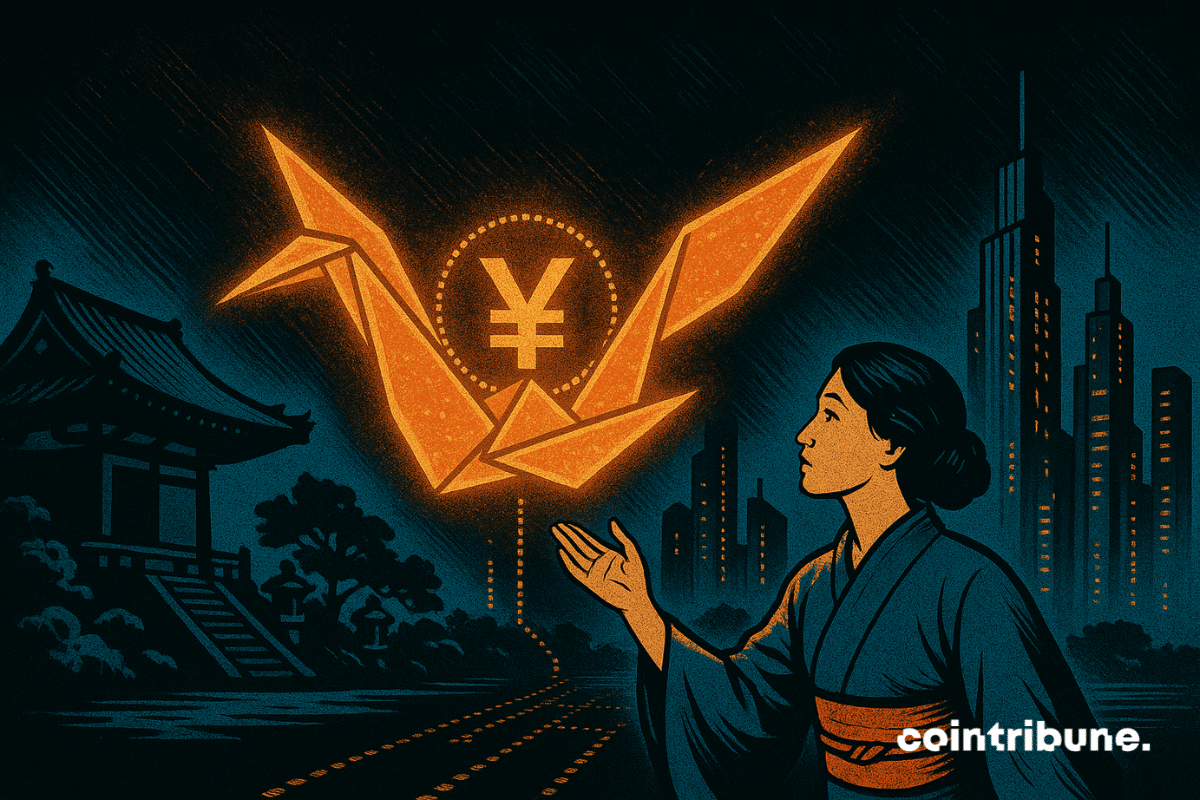
Japan has entered a new phase of digital finance with the launch of its first yen-backed stablecoin, JPYC. Developed by Tokyo-based fintech firm JPYC, the token aims to bring the stability of traditional finance into the expanding digital asset market—offering Japanese consumers and businesses a secure bridge between fiat and blockchain-based payments.

While the West debates, Kyrgyzstan launches stablecoin, CBDC, and crypto reserve with the help of a well-known exile: CZ. Digital ambitions or Soviet PR stunt?
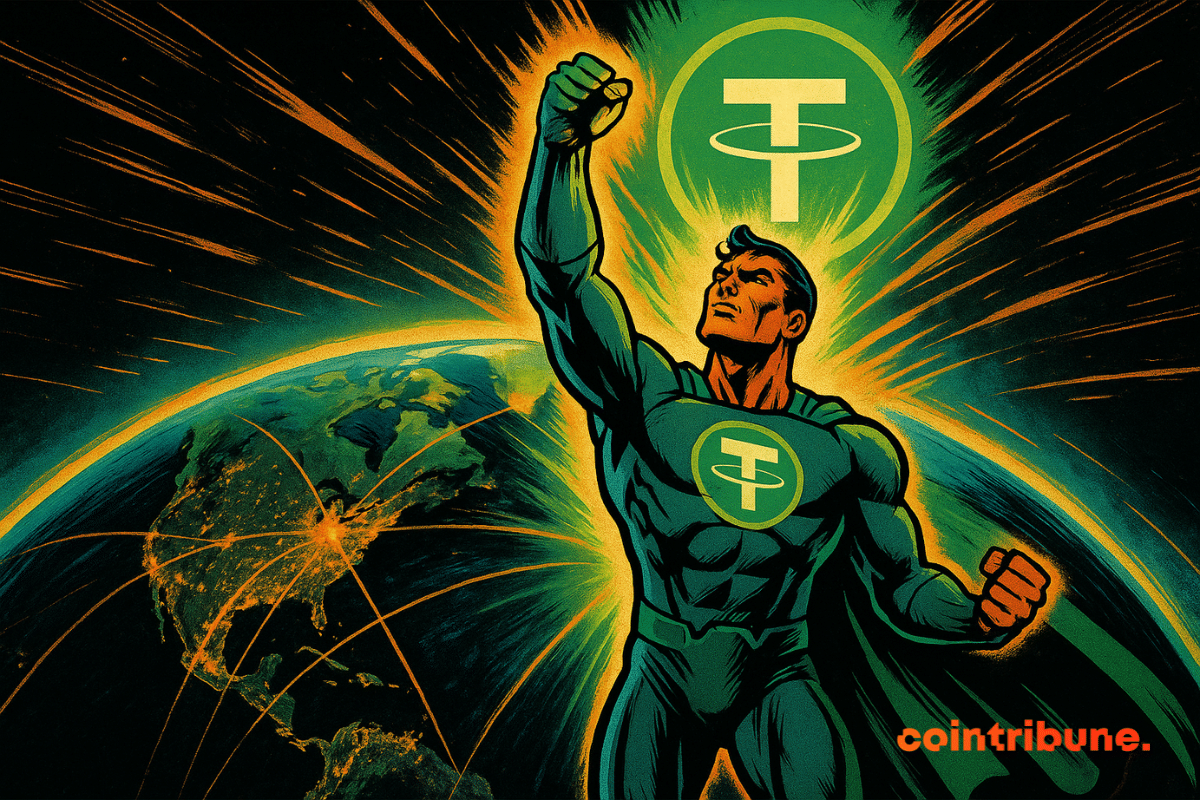
Tether, the world’s largest stablecoin issuer, is poised for another record year of profitability, reinforcing its dominance in the digital dollar market. As the global demand for blockchain-based payment systems accelerates, the company continues to stamp its dominance in the crypto space.
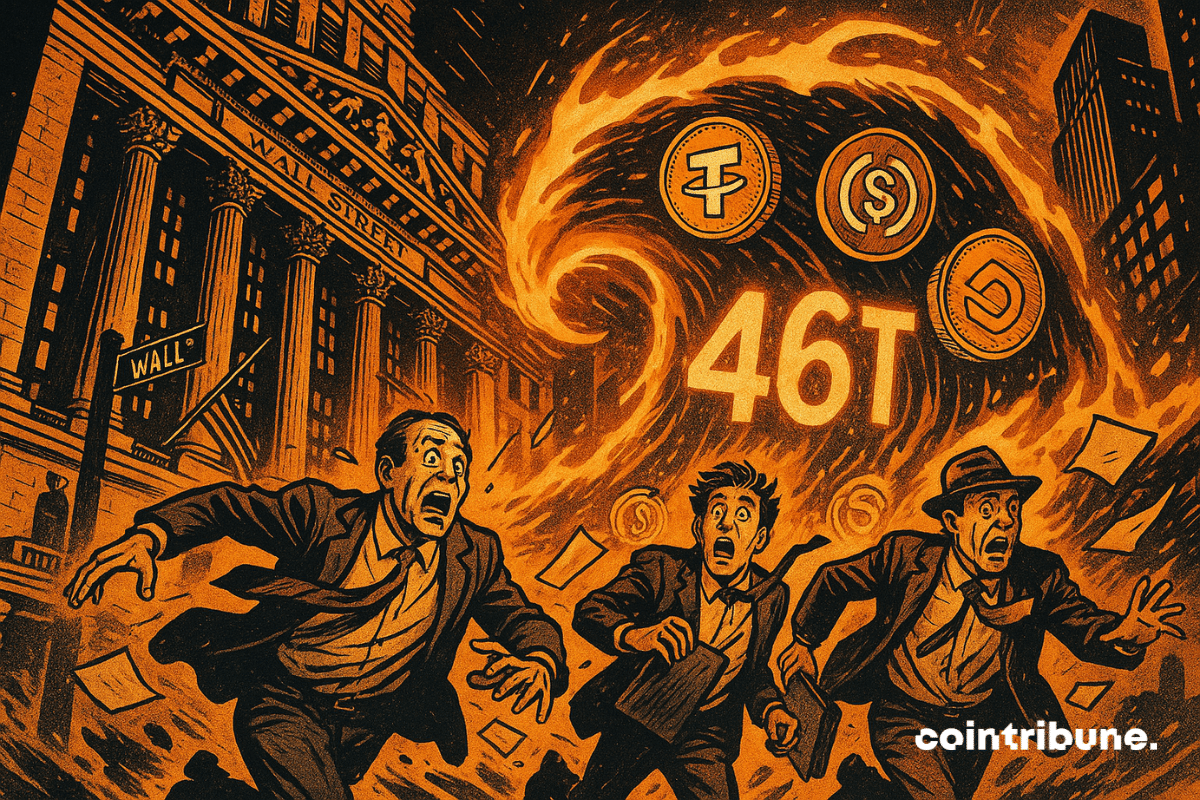
Wall Street trembles, BlackRock applauds, and the dollar digitalizes without asking the Treasury's opinion… Stablecoins are taking hold, while crypto weaves its planetary monetary web.
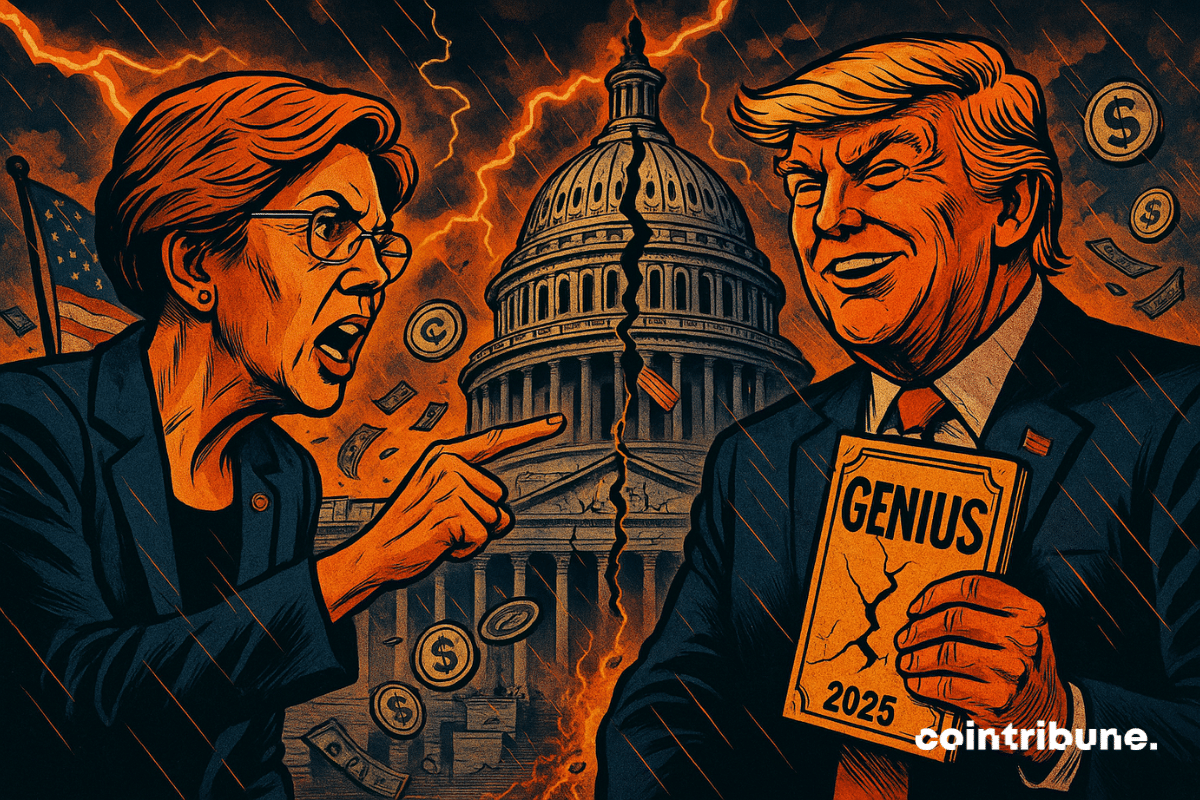
Trump makes his law, Warren bares her fangs: stablecoins, family deals, and legal loopholes... Behind the scenes of an Act that reeks of the dollar and crypto.

The crypto train is definitely on track, and some believe it's time to get on board. But not everyone is rushing. Some large companies prefer to adjust their trajectory smoothly, first testing the brakes and signals. This is the case for Wise. Known for its regulatory caution, the British fintech today shows the first signs of a strategic turn. A measured change of tone, but with major consequences for the crypto industry.
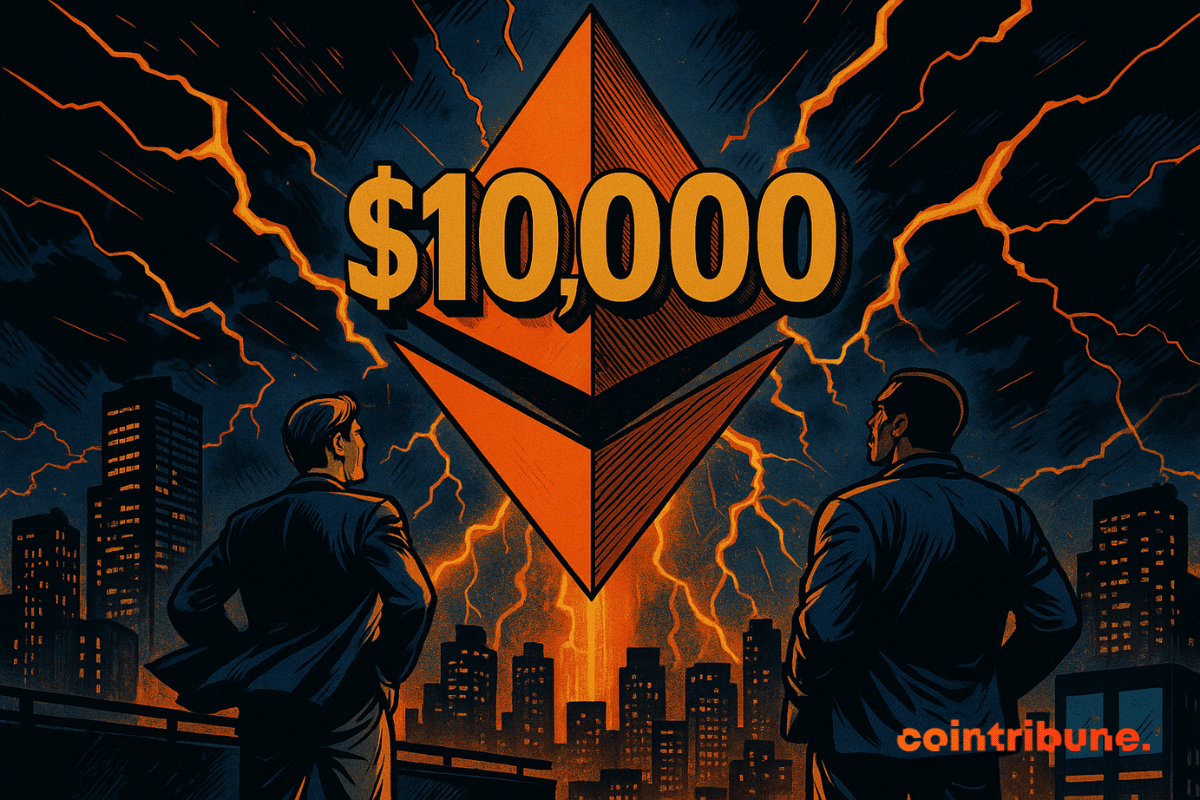
Two crypto bullish stars promise an ETH at $10,000... But between ETFs, staking, and crashes, is the prophecy more of a miracle than a mathematical model?

The third quarter of 2025 marked a major milestone for the stablecoin market, reflecting growing global adoption and institutional use. Fueled by record DeFi activity and greater regulatory clarity, stablecoins reached historic highs in both supply and transaction volume, solidifying their role as a core pillar of the digital asset economy.

The American banking giant Citigroup takes a decisive step into the crypto universe. After years of cautious observation, the New York bank is preparing to offer digital asset custody services as early as 2026. An announcement that comes amid a regulatory environment finally clarified in the United States.

Trump sneezes on tariffs, Wall Street catches a cold, crypto convulses: 1.6 million traders liquidated, 19 billion evaporated. The crash is no longer a threat, it's a slap.
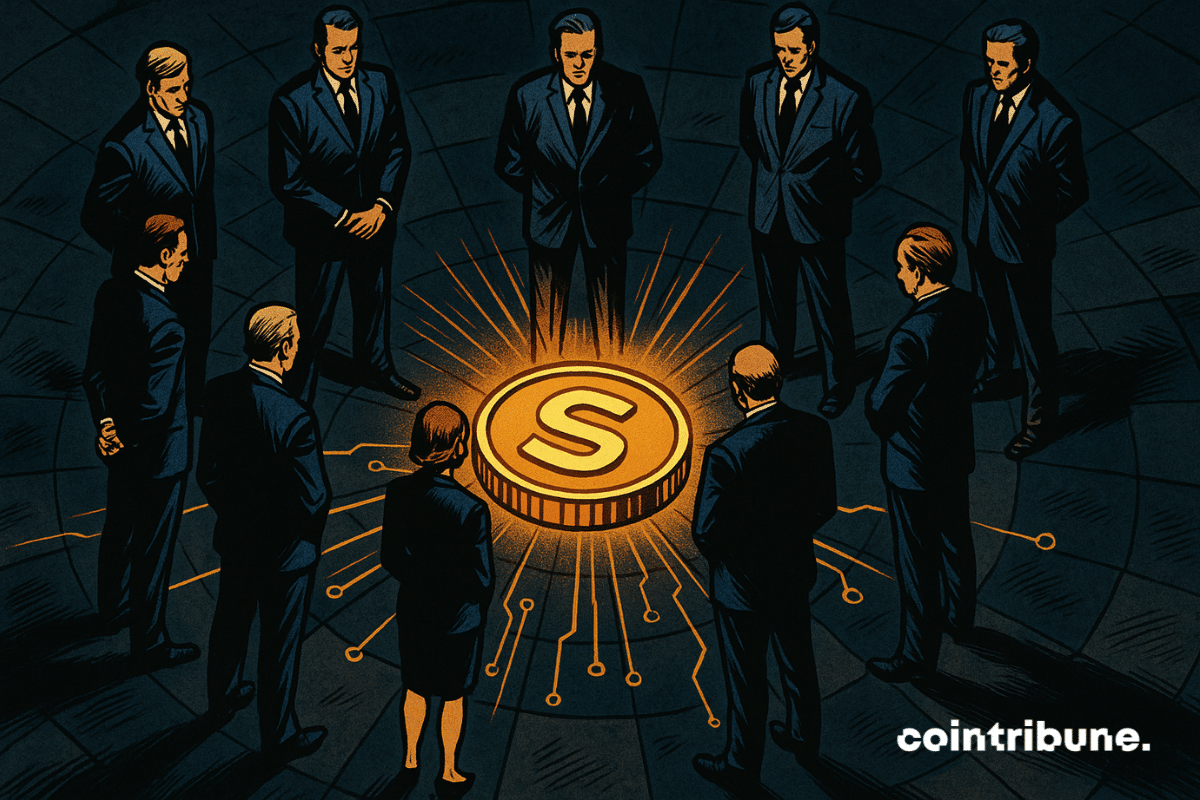
Faced with the uncontrolled rise of private stablecoins, the global banking giants, from Goldman Sachs to Société Générale, are going on the offensive. By testing tokens backed by G7 currencies, these institutions aim to regain control of digital finance. This strategic project, led by the USDF consortium and the Provenance blockchain, seeks to combine monetary stability, regulatory compliance, and technological innovation. Such an initiative could redefine the balance between traditional banks, regulators, and the crypto ecosystem.
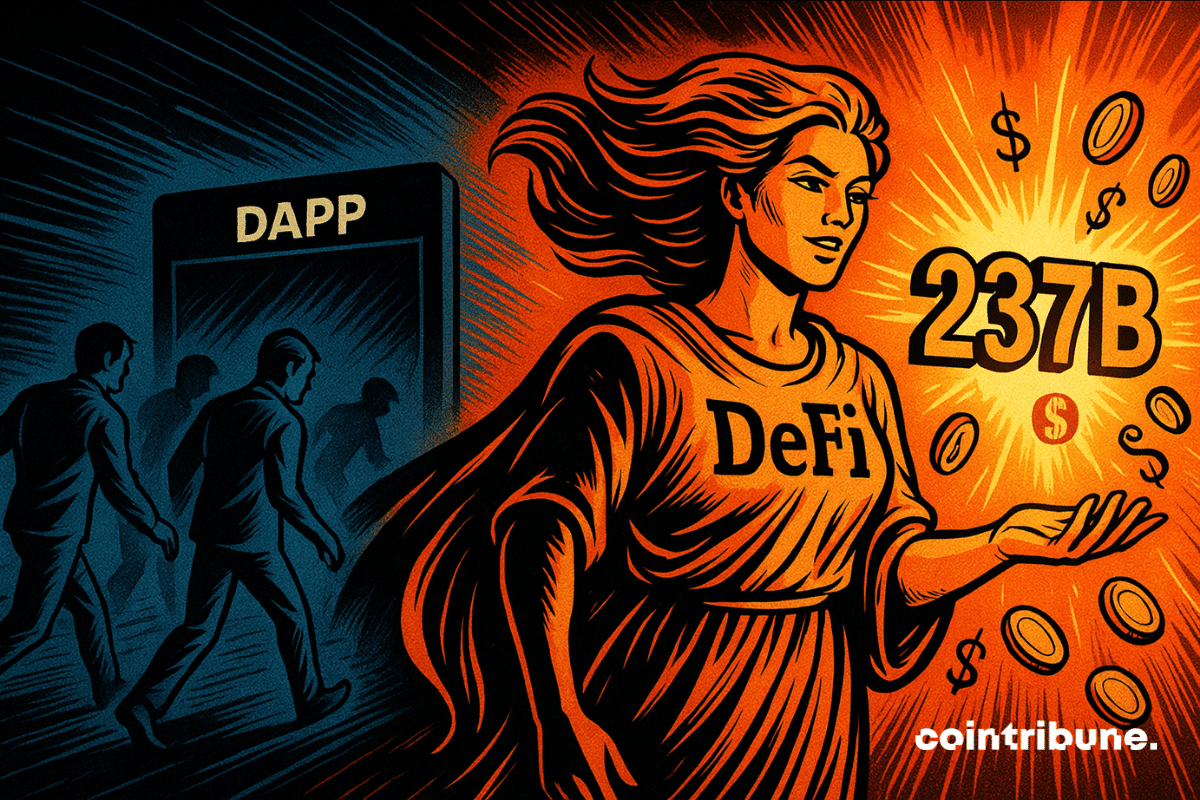
While dApps are looking gloomy, DeFi is gorging on billions. Decline in clicks, increase in liquidity... traders are deserting, but capital has never been so loyal.
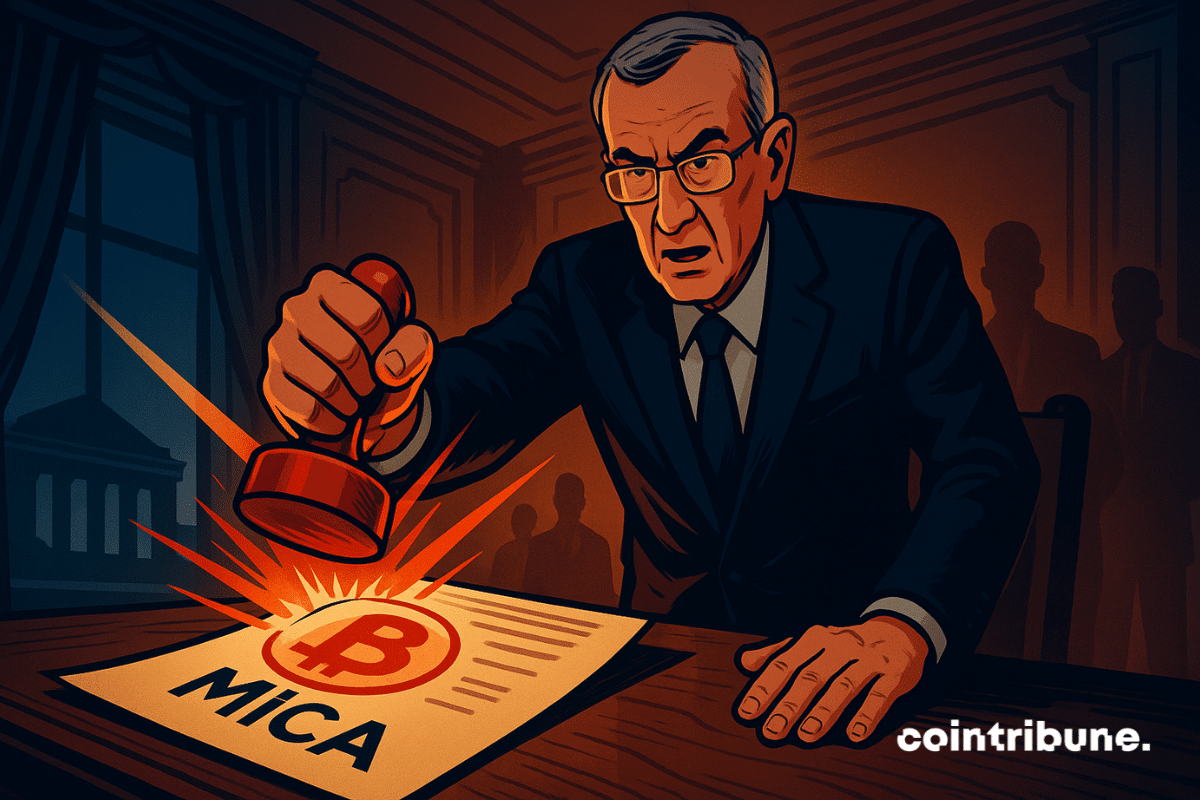
The governor of the Bank of France speaks out. François Villeroy de Galhau demands transferring the supervision of cryptocurrencies to ESMA, based in Paris. Dollar-backed stablecoins particularly worry French authorities. Will Europe be able to impose its own vision against the American giants in the sector?
MetaMask launches a crypto program with token rewards. A key strategy before a flagship event! Details here.

Ethereum sells 1,000 ETH, not to flee, but to better reign over DeFi. Grants, long-term vision, little strategic secrets... It's stirring stablecoin under the cover of noble causes.

BNB touches the heights while the US government stalls. Record, Kazakh investors and low-cost transactions: Binance fears neither shutdown nor speculation. A crypto that doesn't fall asleep!

Stablecoins had their busiest quarter ever in Q3 2025, with transaction volumes hitting record highs. However, a new report reveals that much of this activity came from bots rather than individual users. At the same time, small retail transfers surged to unprecedented levels, highlighting stablecoins’ dual role as a trading tool and an emerging option for everyday payments.
When Christine Lagarde brings down the regulatory hammer, even the crypto giants tremble. The digital euro advances masked but clearly targets stablecoins too comfortable in Europe...
Tether is on a trajectory that could elevate it to become the most profitable crypto company in history. All the details here!

Explosive leaks reveal how a Moscow-linked network allegedly manipulated the global financial system through crypto. Eight billion dollars in stablecoin transactions were reportedly used to bypass Western sanctions and influence the Moldovan political scene. A disturbing indicator of a new hybrid war where digital money becomes a weapon of influence.
Announced as the Eden of stablecoins, Plasma becomes a Disneyland for memecoins. Trillions rises, falls, but bounces back... what if the next Pump isn’t on Solana?

The People’s Bank of China (PBOC) has just inaugurated an international center dedicated to the digital yuan in Shanghai. A strong signal: Beijing wants to impose its e-CNY as a pivot of a new global monetary order. Can this initiative really challenge the dollar’s hegemony and compete with stablecoins dominated by the greenback?
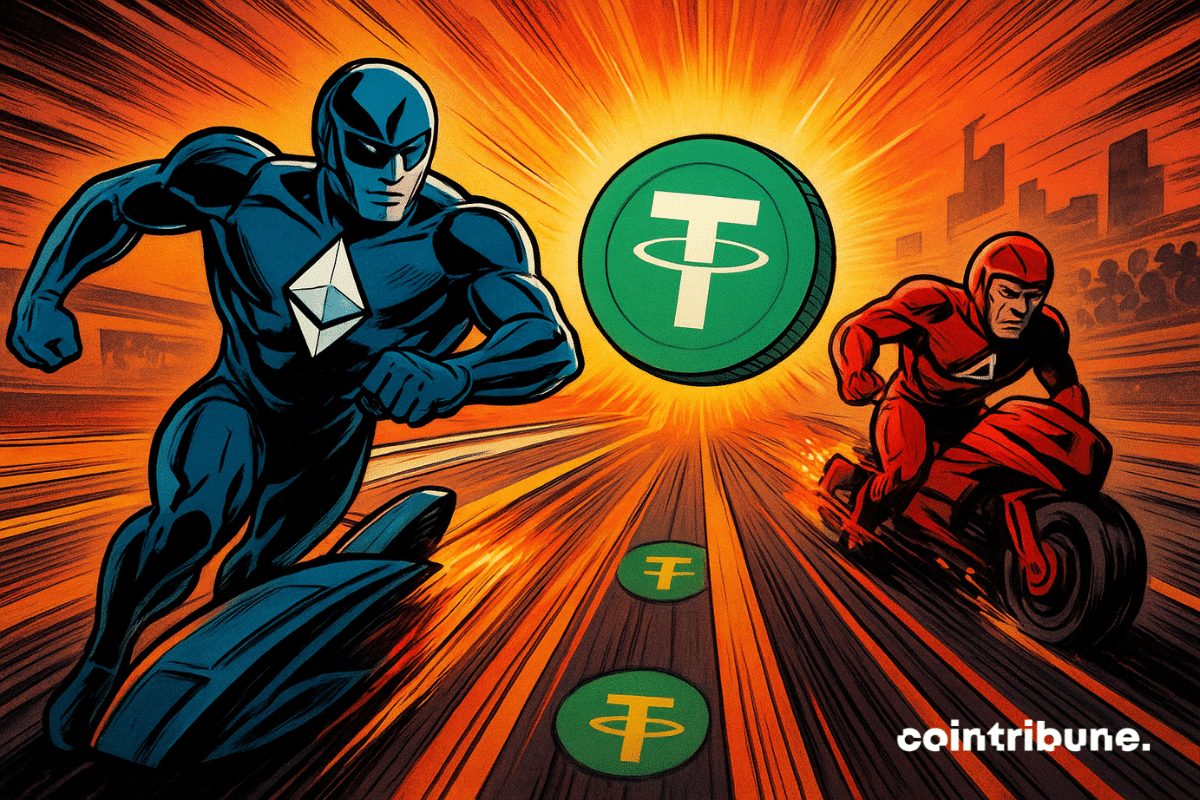
After losing its top position to Tron in March, Ethereum has surged back to reclaim its place as the leading network for USDT, with its supply reaching $80 billion. Although both networks maintained high supply levels of roughly $75–$80 billion for most of the year, this reversal signals a key shift in infrastructure preferences.
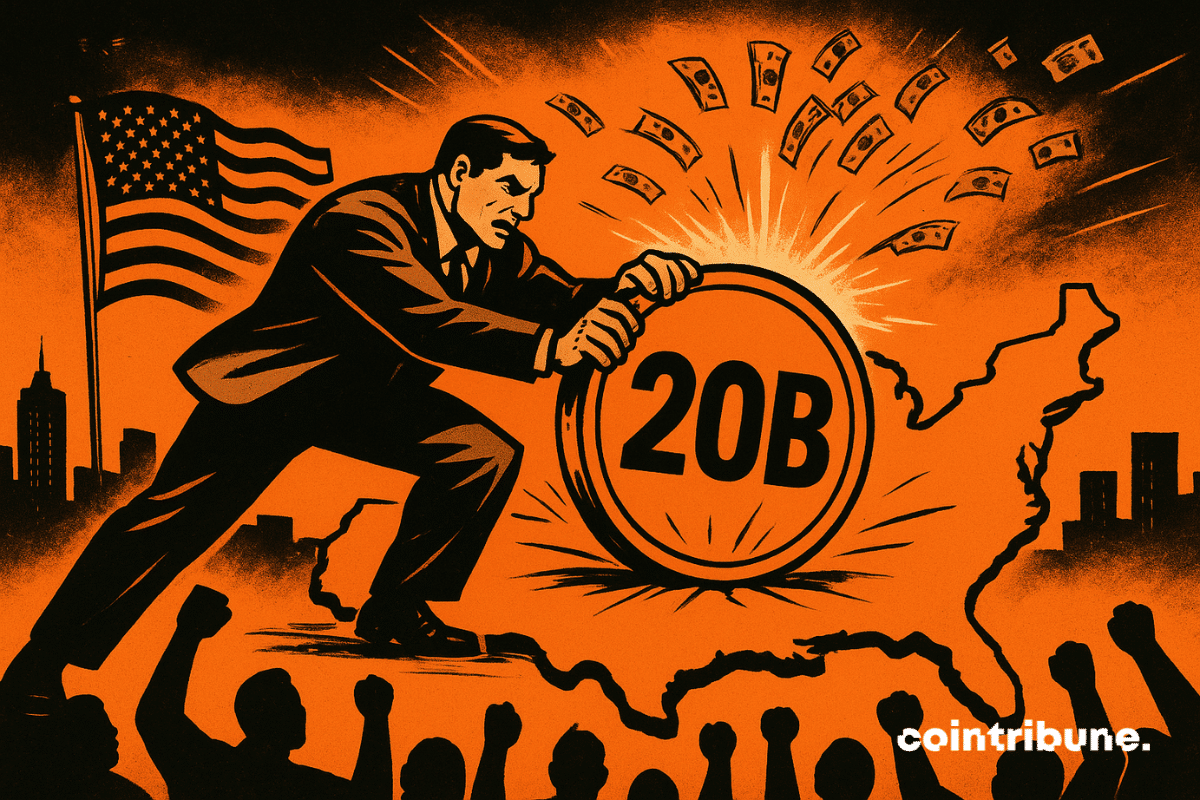
Bloomberg sources report that Tether Holdings SA is in private discussions to raise roughly $20 billion—a move that could push the USDT stablecoin issuer’s valuation to about $500 billion. If finalized, the deal would position Tether among the world’s most highly valued private companies.