While crypto is booming, the ECB tightens the screws, refuses overly free stablecoins, and quietly prepares its own financial playground.
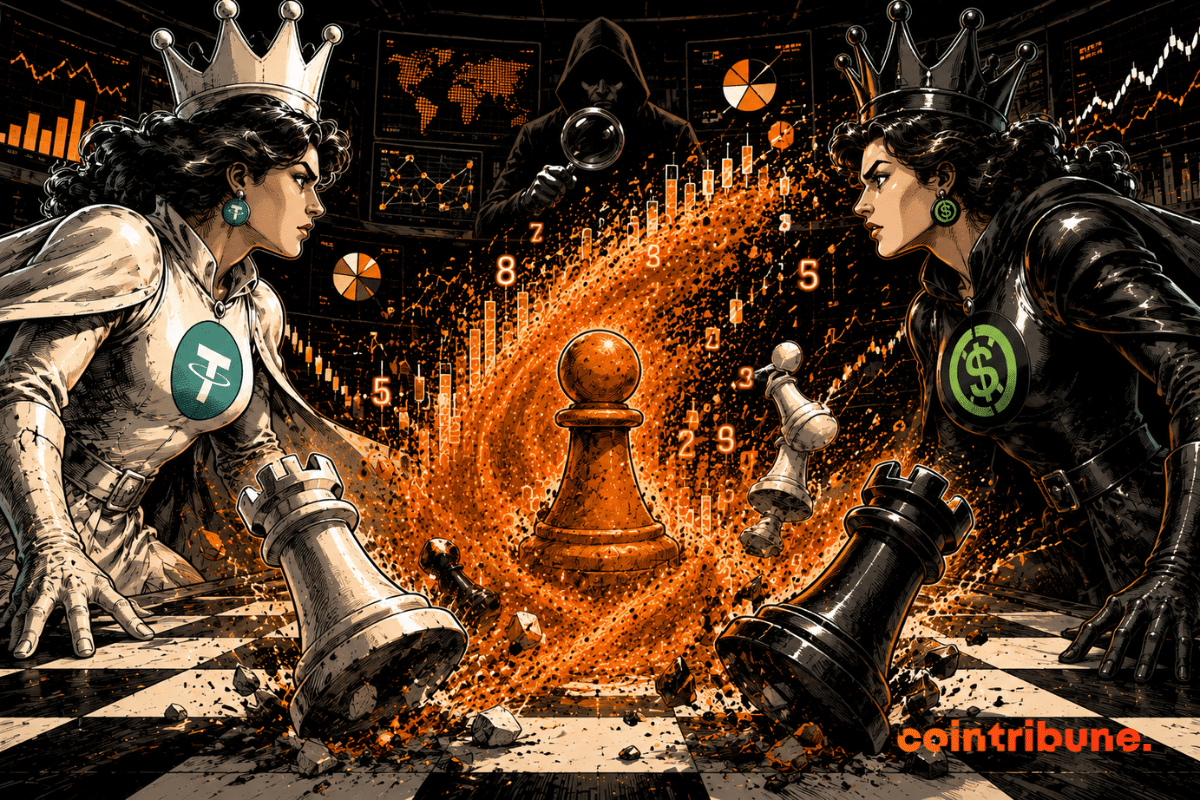
Tether is playing big. Long criticized for its opacity, the issuer of the USDT stablecoin finally announces a full audit of its reserves by a Big Four firm, a highly anticipated first by the market. Such progress could reshuffle the cards of trust around the world's largest stablecoin. However, the company refuses to reveal the identity of the firm in charge of this mission, casting doubt at the very moment it claims to want to increase its transparency.
Imagine an instant, secure payment system compliant with the strictest standards. Deloitte and Stablecorp team up to make QCAD the reference stablecoin in Canada. An innovation that could well redefine financial transactions as early as 2026.
Crypto: the SEC is moving its pieces. A major reform could impact traders, institutions, and investors. All details here!
In Washington, the SEC puts away the club, strokes crypto, and vows to love innovation; it remains to be seen if Congress follows the band or sabotages the score behind the scenes.
Moody’s has just disrupted finance by launching a groundbreaking tool: credit analysis directly on the blockchain. With its Token Integration Engine (TIE) and a revolutionary methodology for stablecoins, the rating agency opens a new era of transparency and trust for cryptos.
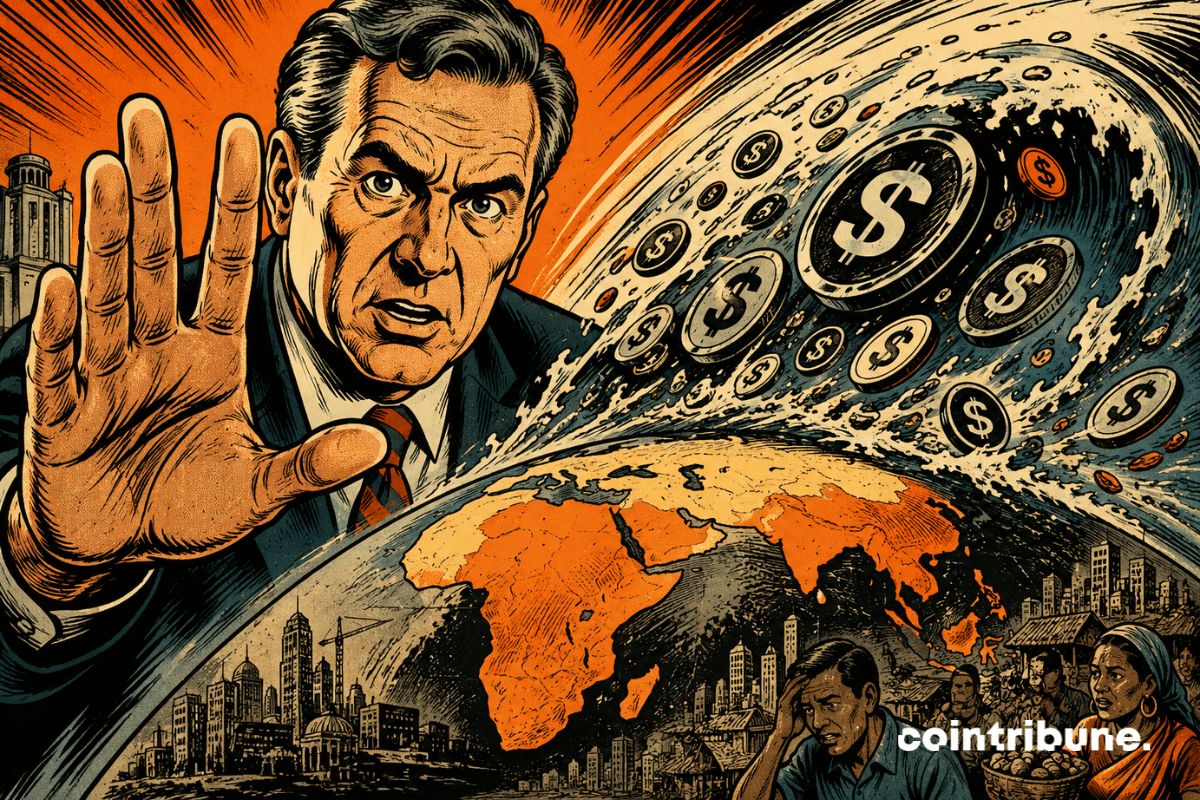
PayPal's stablecoin finally leaves its American stronghold. The company has just announced its deployment in 70 countries, an expansion that confirms its global ambition. Facing the giants Tether and Circle, the battle for cross-border transfers is officially launched.
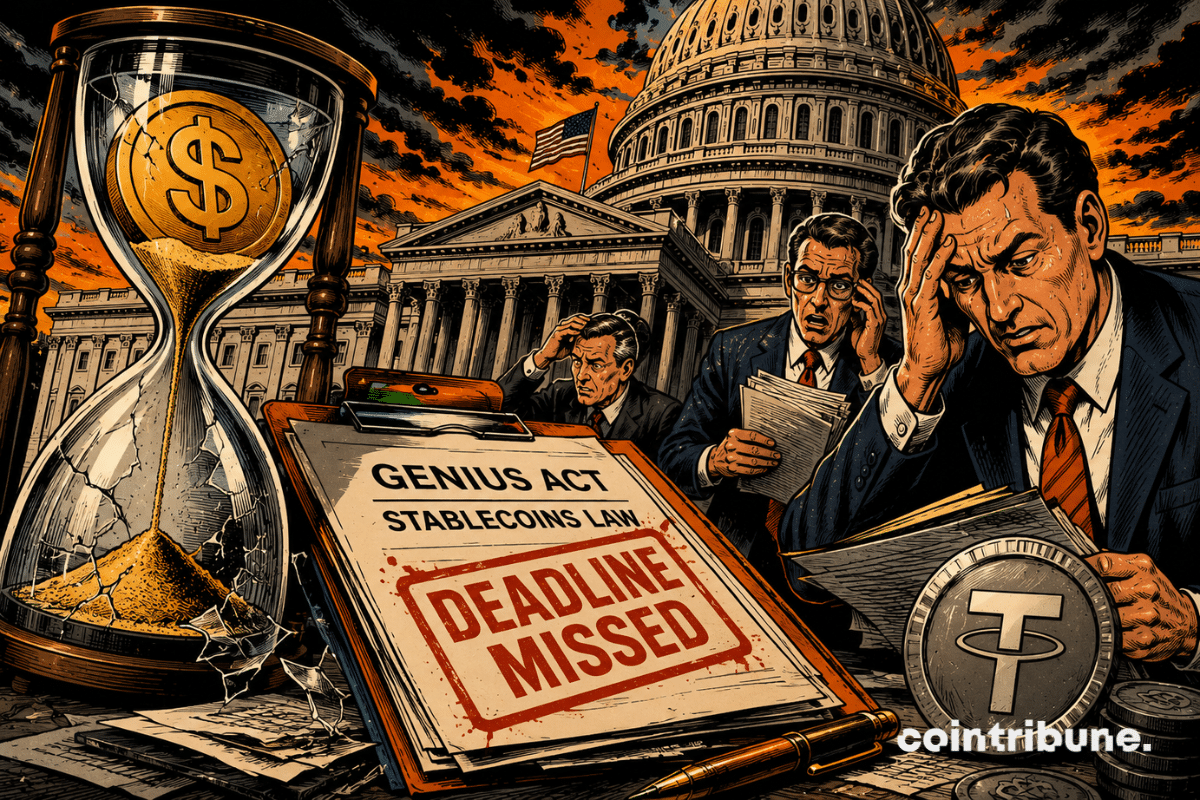
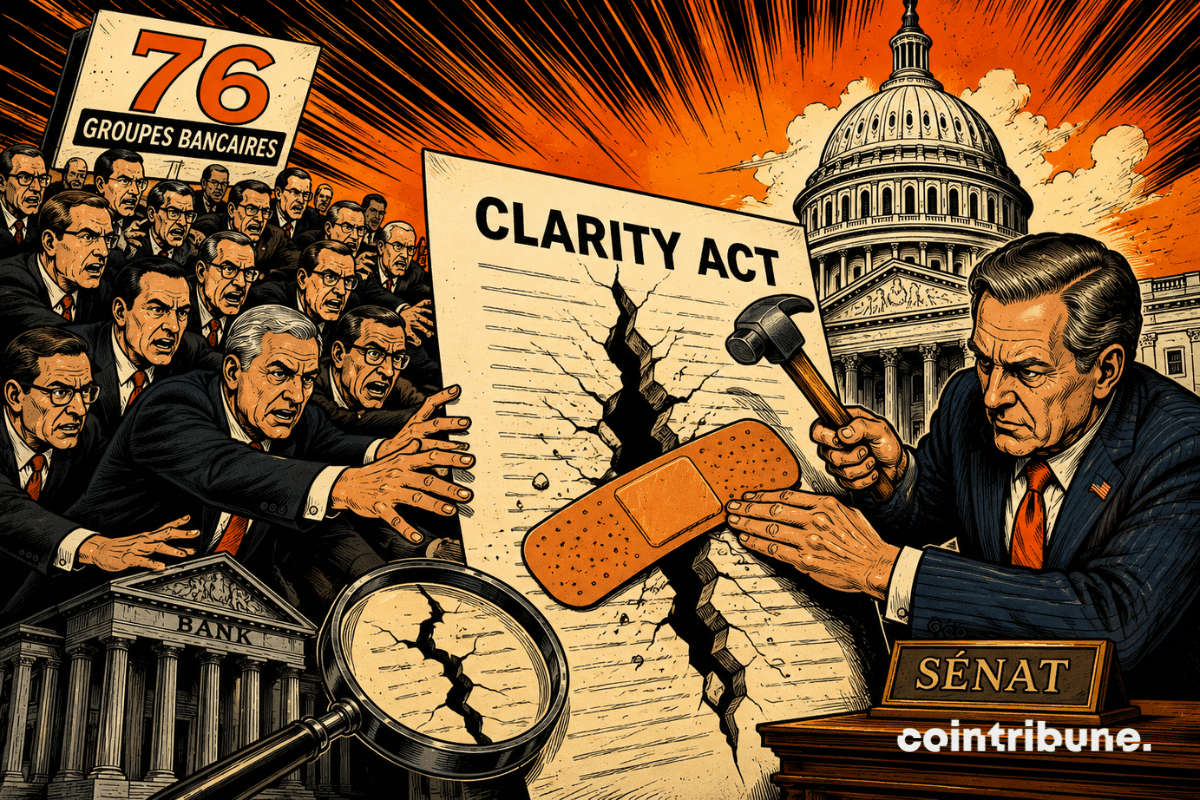
American senators prefer bankers' quarrels to crypto laws. Result: the CLARITY Act is rotting in drawers. Meanwhile, DeFi waits. Patience.
A billionaire who earned 30% annually without ever losing announces the death of banks. Stablecoins will devour everything. Even the dollar trembles on its century-old foundations.
American senators are afraid of the digital dollar. Too much control, not enough privacy. So they killed it in the egg. Stablecoins, on the other hand, are invited to the party. Clever.
Florida has just taken a major step by legally regulating stablecoins, becoming the first US state to integrate them into its financial system. Discover how the "Senate Bill 314" could transform the crypto future in the United States.
Political storm around crypto in the United States. Trump urges Congress while banks try to impose their rules.
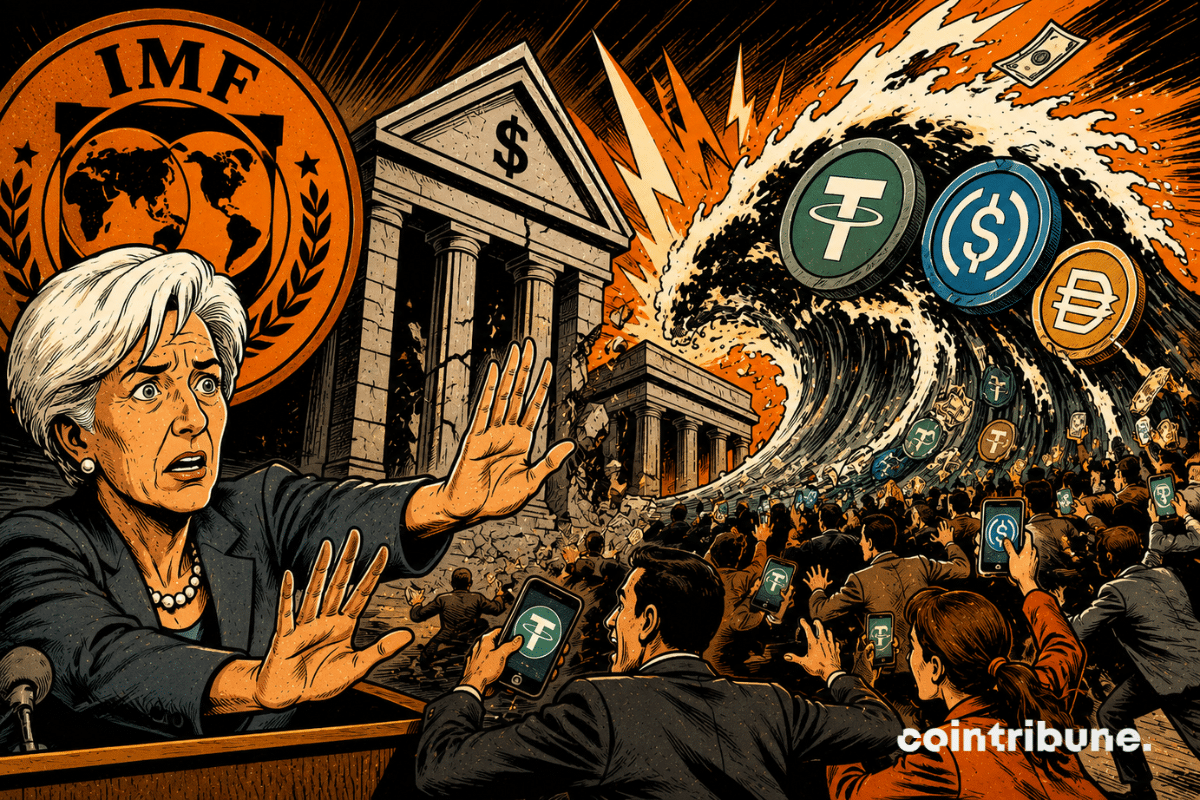
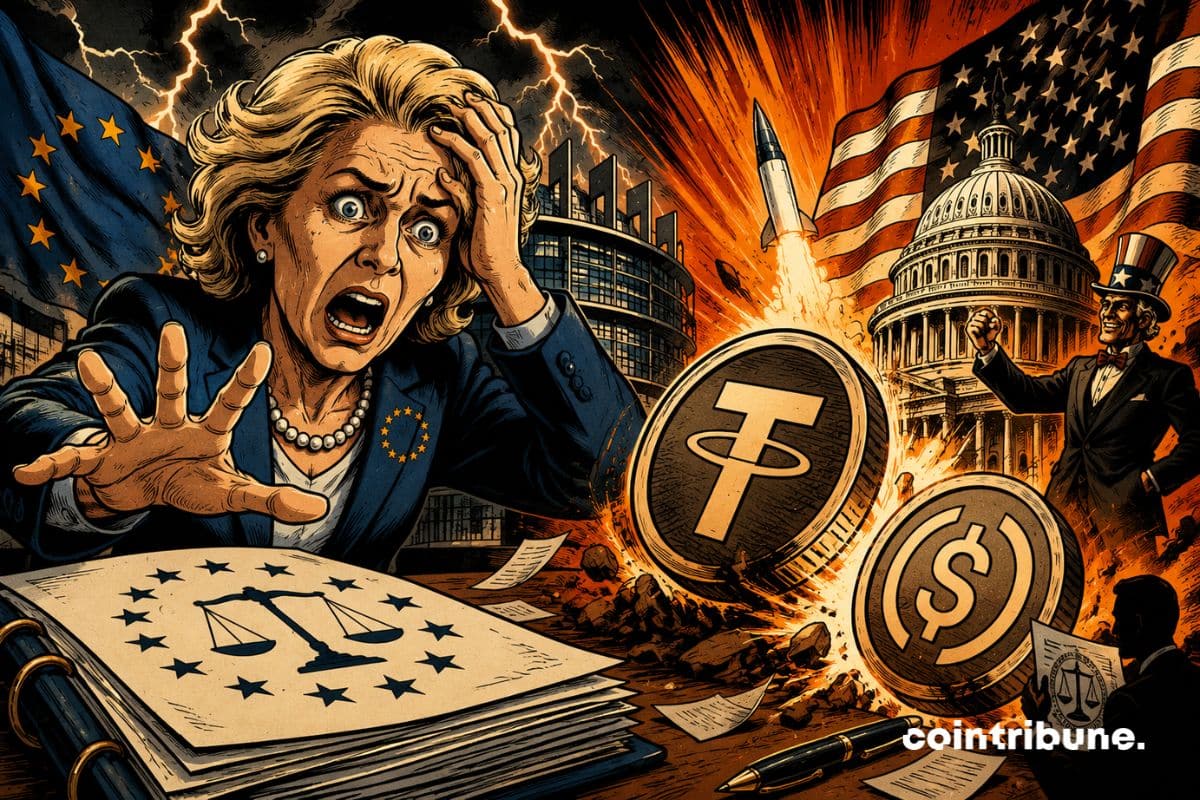
Stablecoins seriously worry the ECB. With a market of 300 billion dollars, their growth threatens the EURO and European monetary sovereignty. Why and how could these digital assets disrupt the old continent's economy?
While the market cries, Circle is thriving. 770 million in revenue, USDC soaring, a blockchain accelerating. The others? They look at their shoes, embarrassed.
Remember Libra, Zuckerberg's baby strangled by regulators. Five years later, daddy is back. But this time, he lets Stripe hold the bottle.
Coinbase now sells stocks. Traditional brokers are sweating bullets. Yahoo Finance serves as a waiting room. Brian Armstrong wants to become the boss of your portfolio. Atmosphere.
Stablecoins want to buy U.S. debt. 2 trillion in their sights. The Treasury panics, 30-year bonds suffer. Tether is rubbing its hands.
After the closure of Garantex, Russia did not lose its channels for circumventing sanctions. It multiplied them. Five new crypto platforms have taken over, according to an alarming report from Elliptic.
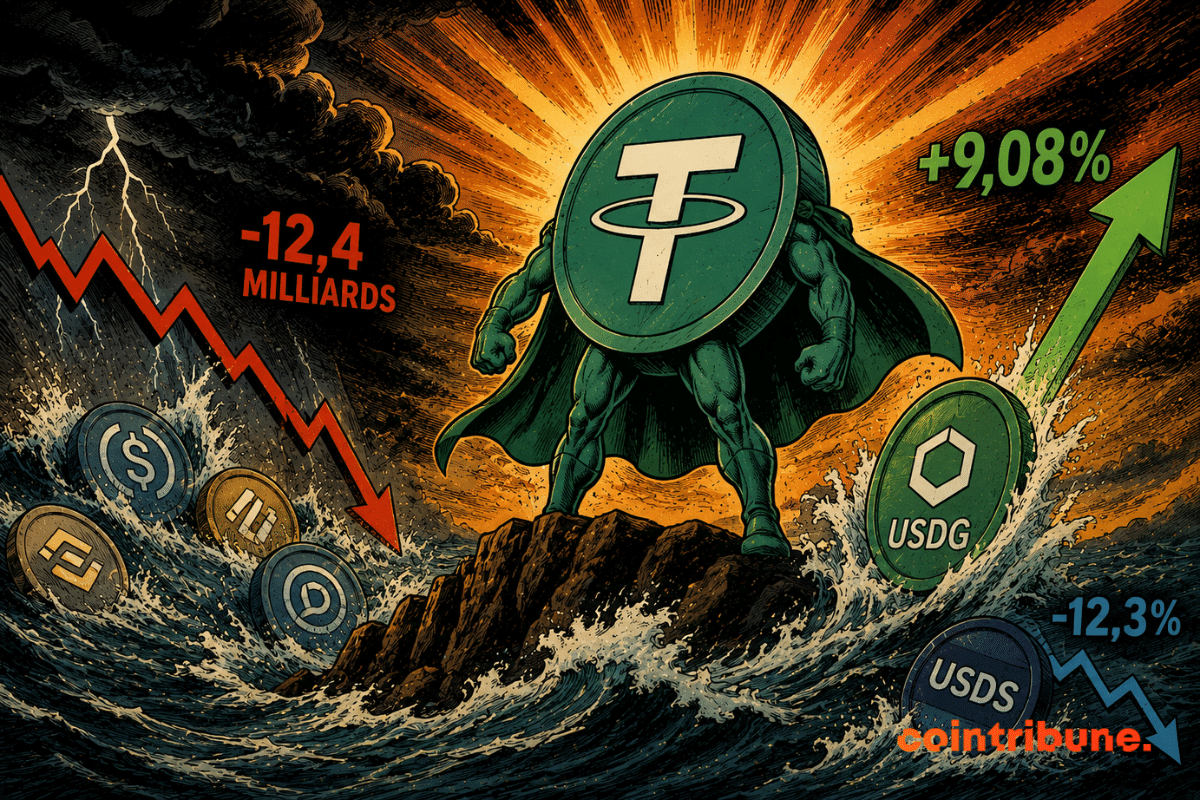
While the cryptocurrency market undergoes a phase of decline marked by strong risk aversion, Tether's USDT shows an opposite dynamic. The stablecoin records record adoption, driven by practical uses such as savings, payments, and cross-border transfers, confirming its central role in crypto ecosystem liquidity and stability.
Stablecoins reach $141 billion of illicit activities in 2025. A record that reignites the debate on global crypto regulation!
Paying employees in USDT, making purchases without going through a traditional bank… What seemed exclusively reserved for DeFi a few years ago is becoming a measurable reality. A global BVNK report, published in early 2026, paints a striking portrait of stablecoin adoption accelerating far beyond crypto circles.
Washington throws its dollar stablecoins onto the Old Continent. Berlin says no. The Bundesbank draws its digital euro and its own stablecoins. The currency war is declared.
Crypto use within human trafficking networks is rising, according to new data from Chainalysis. Yet the firm argues that blockchain’s open ledger may also expose those same networks to investigators. A recent report shows a sharp increase in crypto flows tied to suspected trafficking operations, many of which operate across Southeast Asia. Analysts believe transaction visibility could give law enforcement a tactical edge.
As Bitcoin and Ethereum lost ground in Web3 casinos, stablecoins have established themselves as the new currency. Driven by their stability, speed, and massive adoption, they are redefining player habits and the economic structure of online gaming platforms.
Tether ended 2025 with strong momentum, even as the broader crypto market weakened following October’s sharp sell-off. New data shows its dollar-pegged stablecoin, USDT, continued to attract users, activity, and capital during a period of reduced risk appetite. While competing stablecoins stalled or contracted, USDT expanded across nearly every major metric—highlighting growing demand beyond speculative trading.
Beijing has just clarified its position in a radical way. The People's Bank of China formally bans the issuance of stablecoins backed by the yuan and tokenized assets, for both Chinese and foreign companies. A red line now established.
Washington on loop mode: crypto lobbies offer keys to local banks, but the Senate still hesitates. Towards an unlikely alliance to save the law? To be continued...
Bitcoin’s price remains under strain as selling pressure continues to weigh on the market. The OG coin fell to an intraday low of $72,945 in the previous session as market pullback continues across risk assets. While retail traders have largely maintained bullish positions, institutional investors have begun to retreat. Current data points to a growing divide between these two groups, raising questions about where Bitcoin may head next.
BBVA joins a banking consortium to launch a euro stablecoin against dollar stablecoins. All the details in this article!
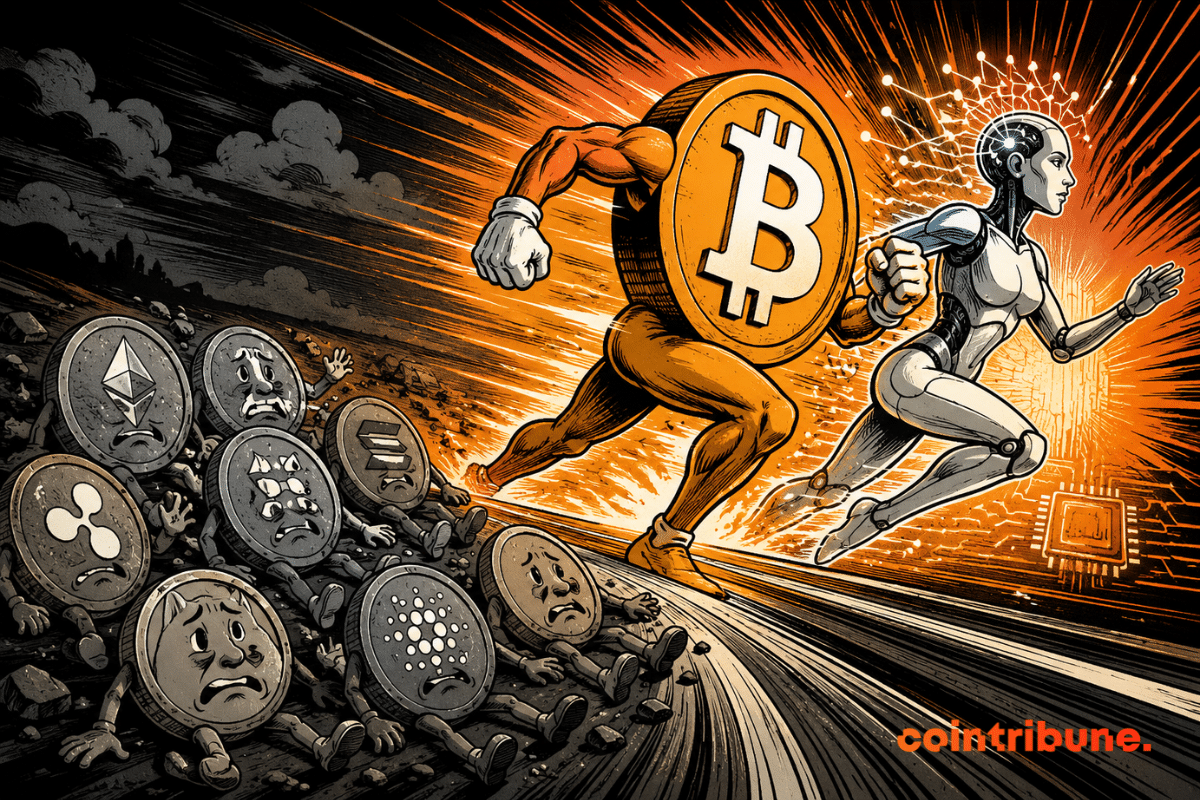
While bitcoin showed its worst performance since 2022, a massive capital movement was preparing in the shadows. Stablecoin volumes reached 10 trillion dollars in January, nearly a third of the annual activity of 2024 concentrated in just 30 days.