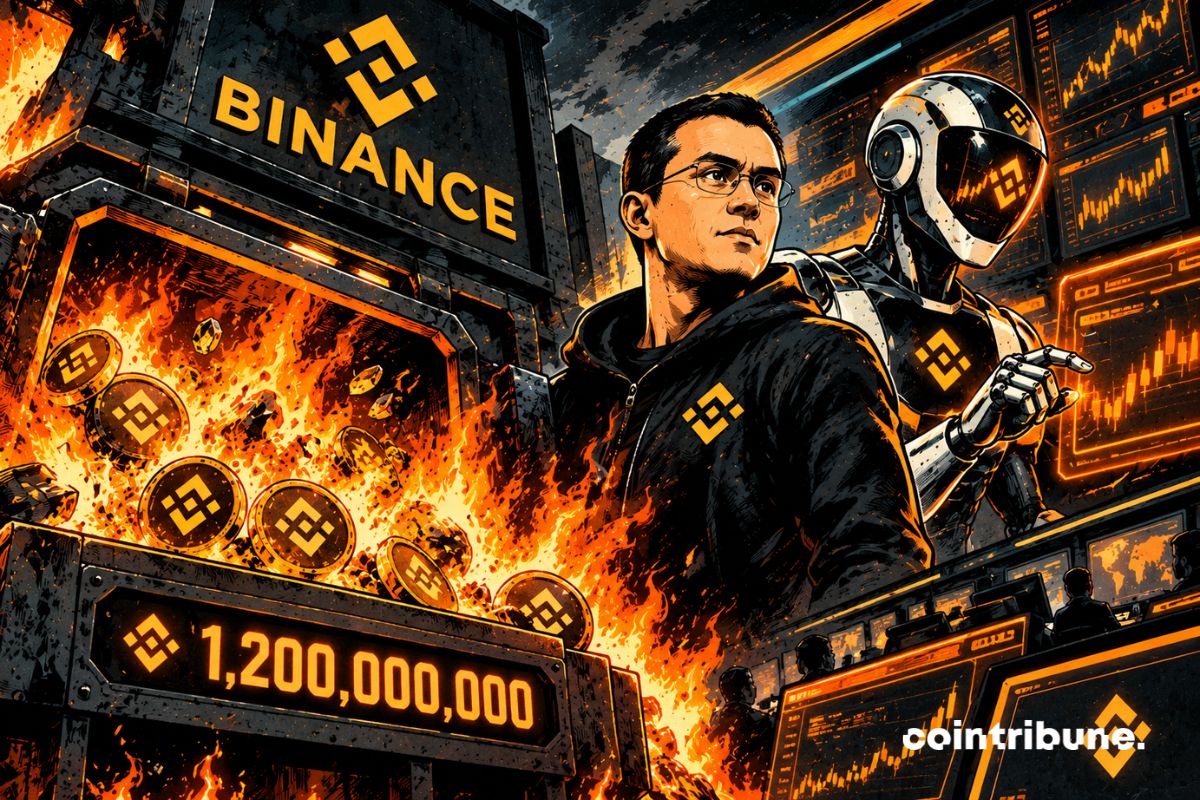
Between massive burning and technological revolution, Binance launches a major offensive. Alongside the 37th BNB burn destroying nearly $1.2 billion of tokens, the crypto exchange unveils its trading AI to transform the investor experience.
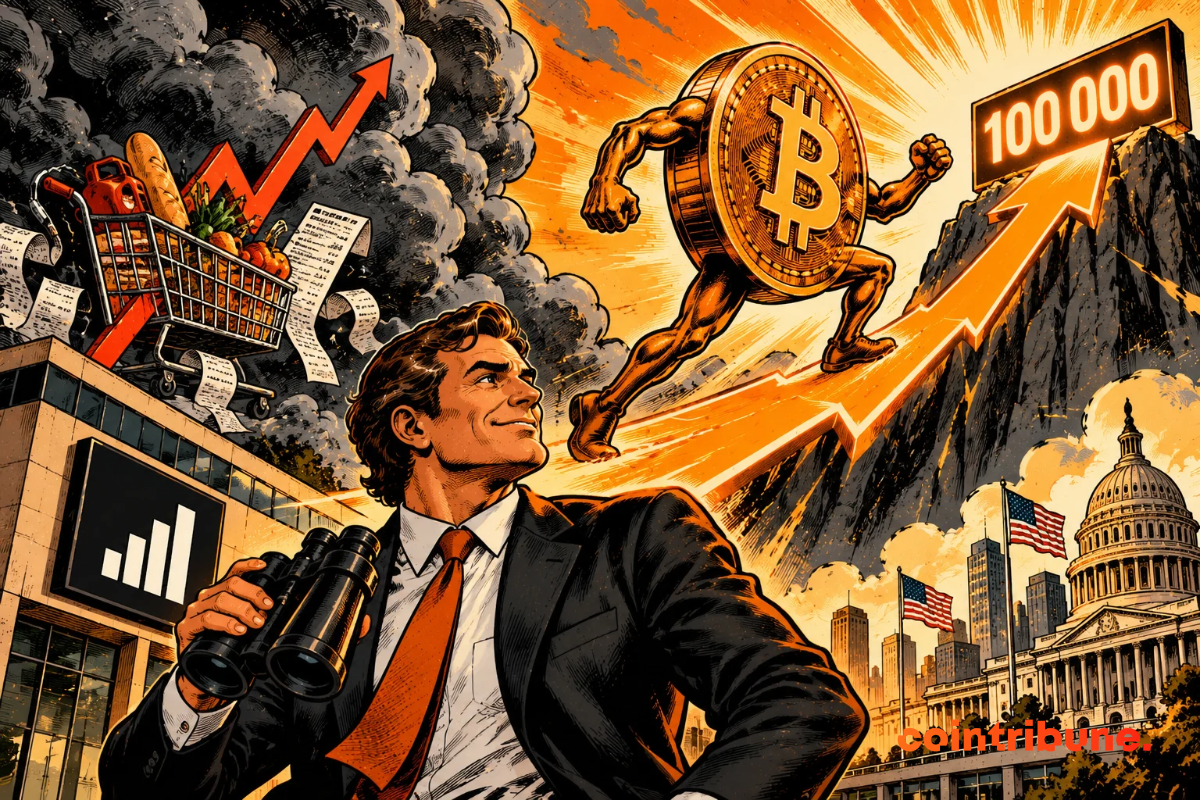
Can bitcoin reach 100000 dollars before the end of 2026? Bitwise considers this scenario still possible thanks to institutional demand, while LO forecasts a price between 85000 and 95000 dollars in the face of the return of inflation and rate hike risks.
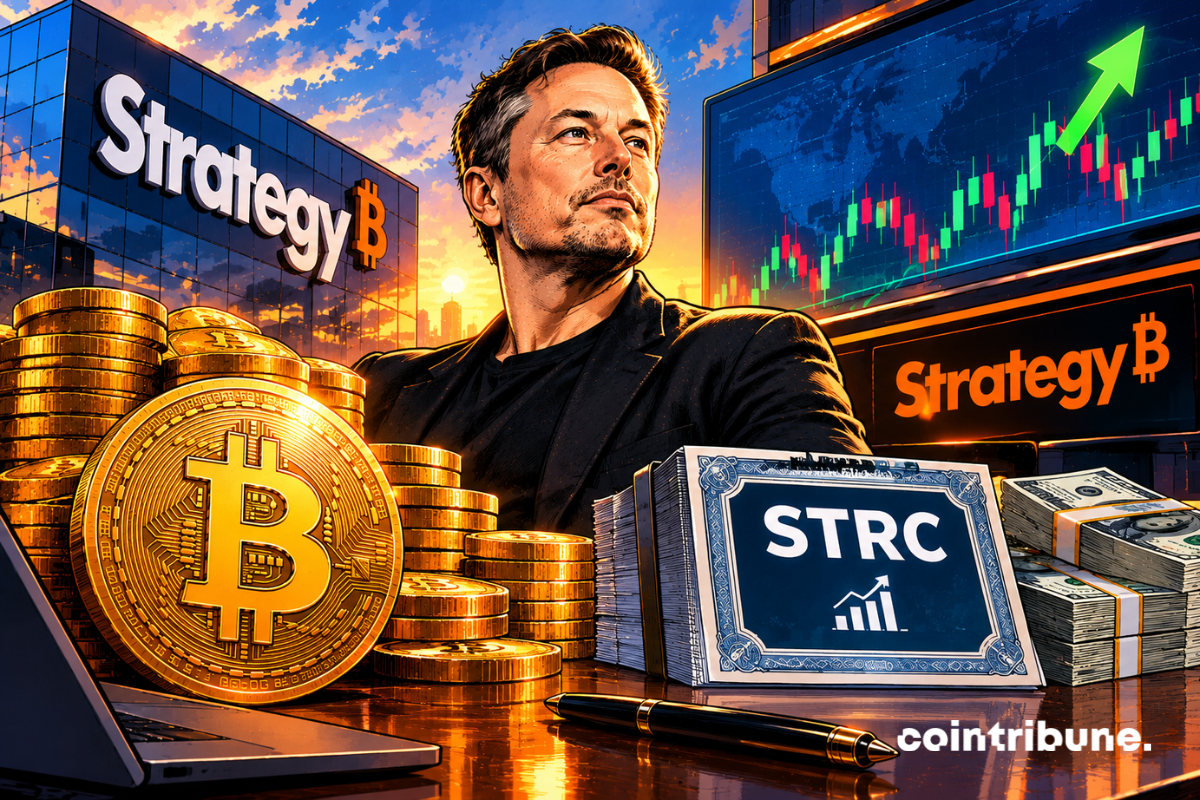
Strategy continues its financial strategy by combining bitcoin purchases and preferred stock buybacks. Between October 12 and 18, Michael Saylor's company acquired 267 BTC for 22.1 million dollars. At the same time, it dedicated 193.1 million dollars to repurchasing STRC securities. This operation comes as Strategy maintains a significant bitcoin reserve, and its leader anticipates a market return to a bullish phase.
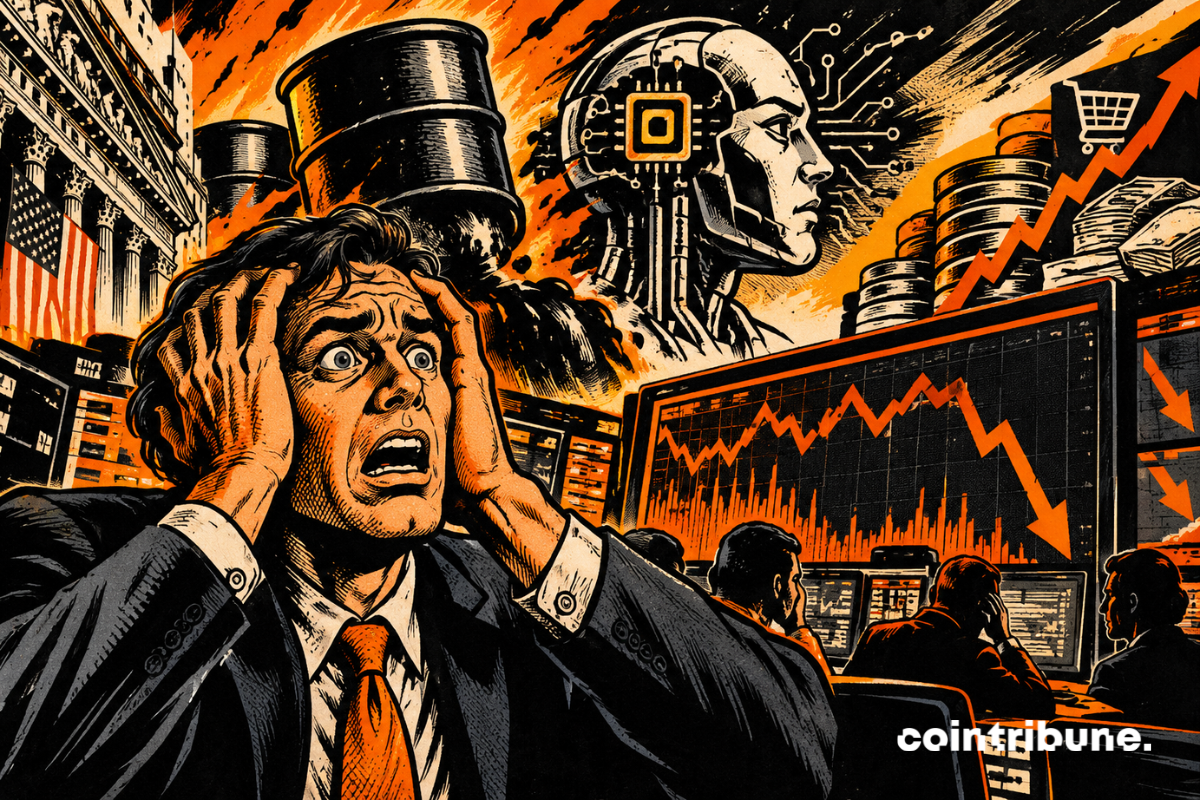
October 19, 2026 falls on a Monday, as in 1987, when Wall Street experienced one of the worst days in its history. Between high oil prices, doubts about artificial intelligence, and persistent inflation, some investors fear a new collapse. However, markets today have protections that did not exist at the time.
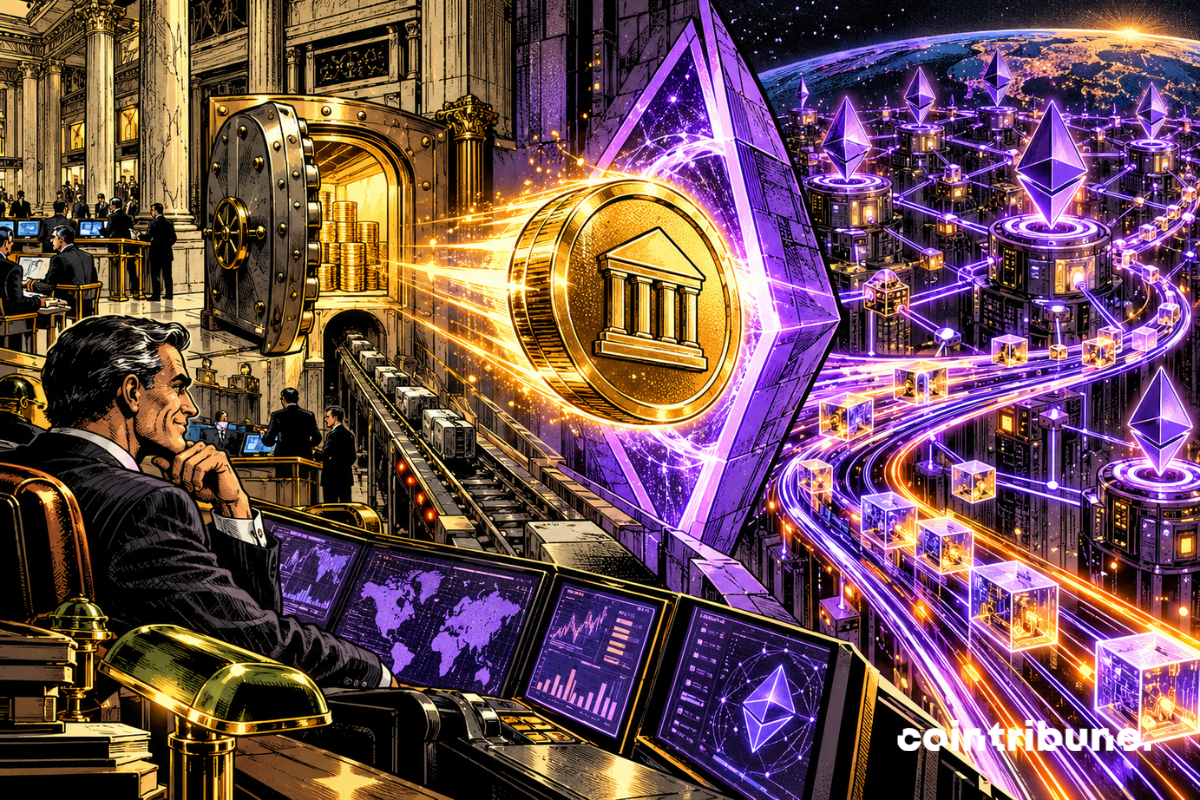
JPMorgan extends JPM Coin directly to Ethereum. Its dollar deposit token, JPMD, was already available on Base since November 2025. It can now be used by approved institutional clients on the Ethereum network to make payments, settle transactions on tokenized assets, or move collateral. Kinexys has already processed over 4 trillion dollars since its launch.
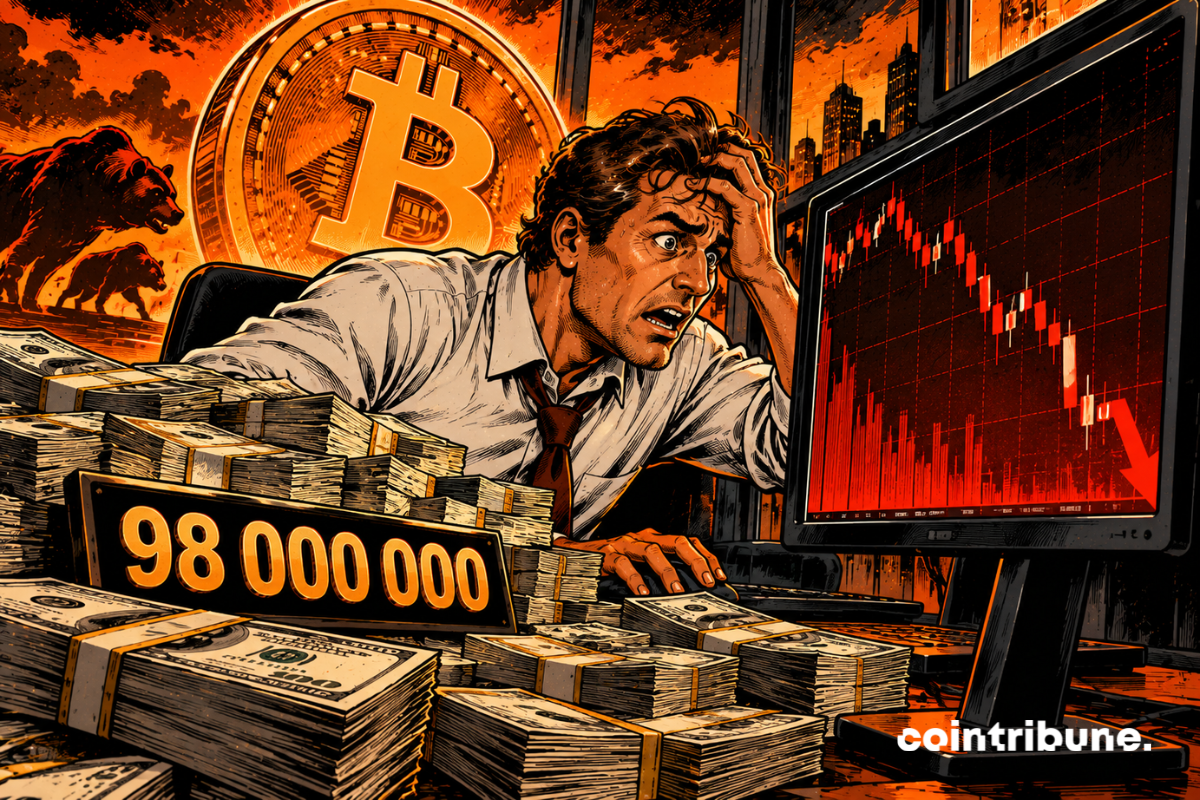
A trader engaged nearly 98 million dollars on a rise in bitcoin with a 40x leverage on Hyperliquid. At the time of the report published on October 18, a decrease of only 1.6% threatened to trigger the liquidation of this particularly risky position.
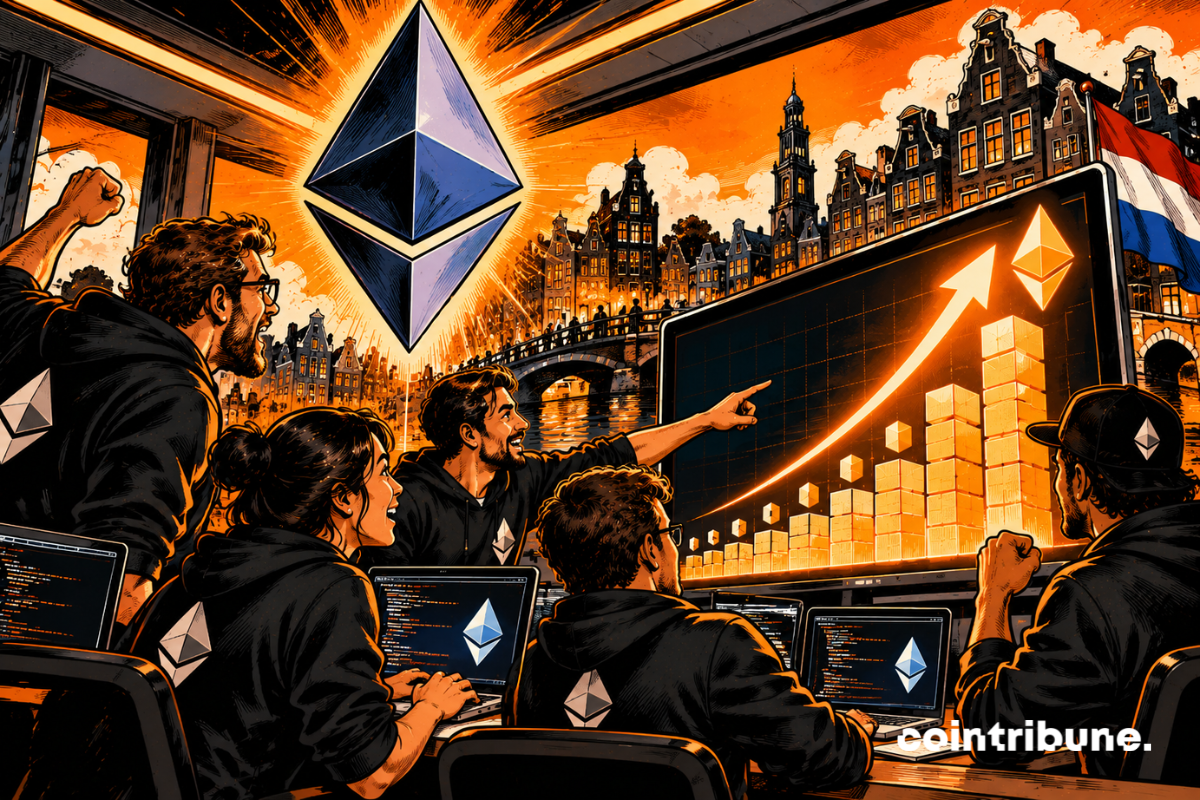
Ethereum is preparing a new important test for Glamsterdam. On October 26 at 17:42 UTC, the upgrade will be activated on Hoodi with a limit of 200 million gas per block. The testnet will thus go well above the approximately 60 million used as a reference before. After Sepolia in early October, Ethereum wants to verify that such capacity can operate without making blocks too heavy to process.
The AI Expo Europe 2026 program includes 63 sessions in Bucharest on November 1 and 2. Cointribune has reviewed the agenda, biographies, and the organizer's announcements.
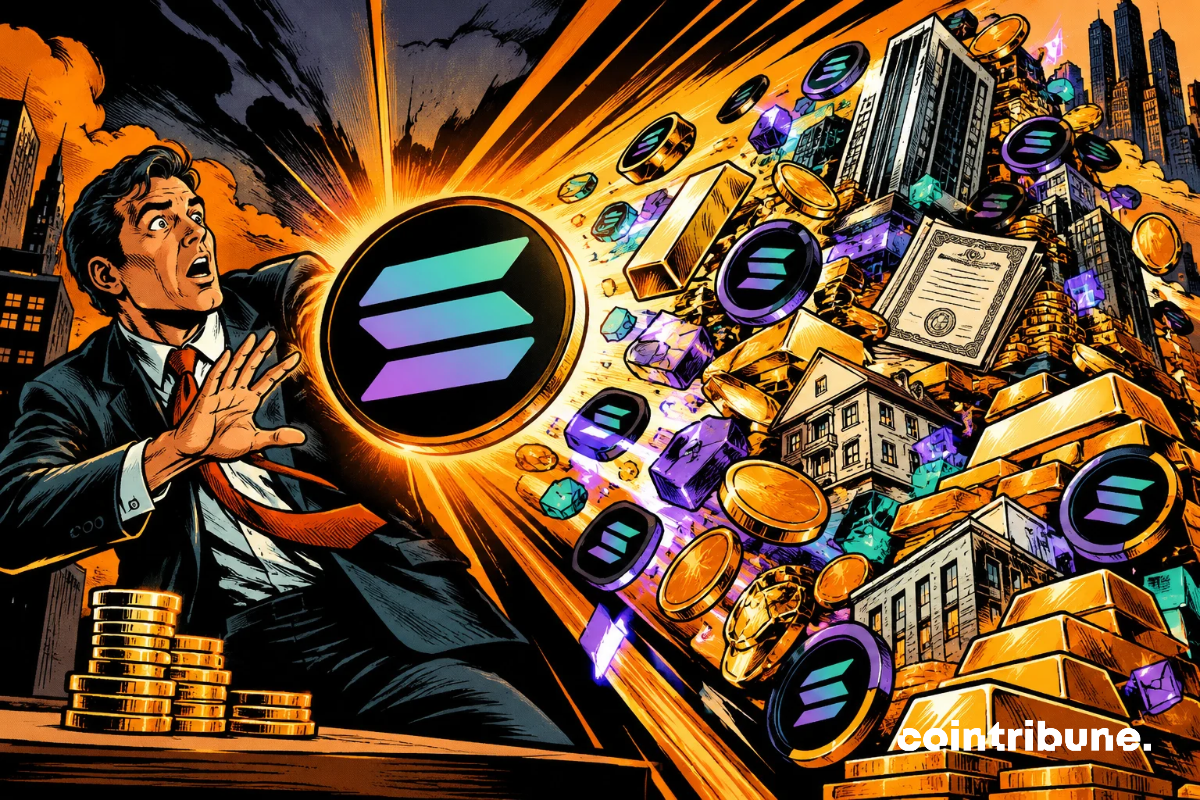
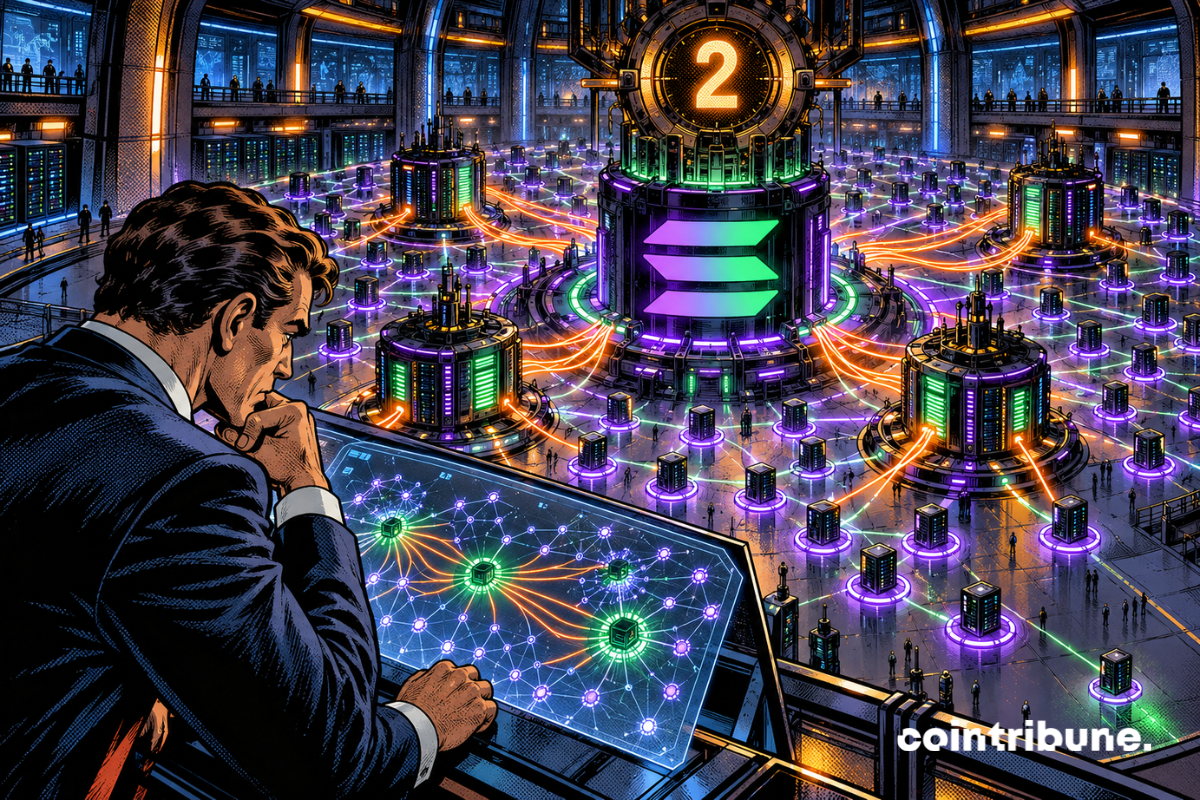
In one year, real-world tokenized assets on Solana increased from around 700 million to 4.3 billion dollars, according to Castle Labs. The network thus narrows the gap with Ethereum and now represents 26% of its tokenized value, compared to only 4.5% a year earlier. However, this growth has paused since last month.
The cryptocurrency market faces a busy week as investors look for signs of recovery after several tough sessions. Bitcoin-related exchange-traded funds see net outflows, while the price struggles to sustainably regain recent levels. In this context, the $80,000 zone plays a central role in assessing the strength of the trend. Upcoming economic data and flow developments could clarify the market direction.
Solana has not recorded any reported outage of its mainnet for two years. In a study published on October 16, the Fidelity Center for Applied Technology estimates that the network has made significant progress in resilience, economic security, and performance. However, the assessment remains incomplete: staking, validator hosting, and their software remain concentrated among relatively few actors.
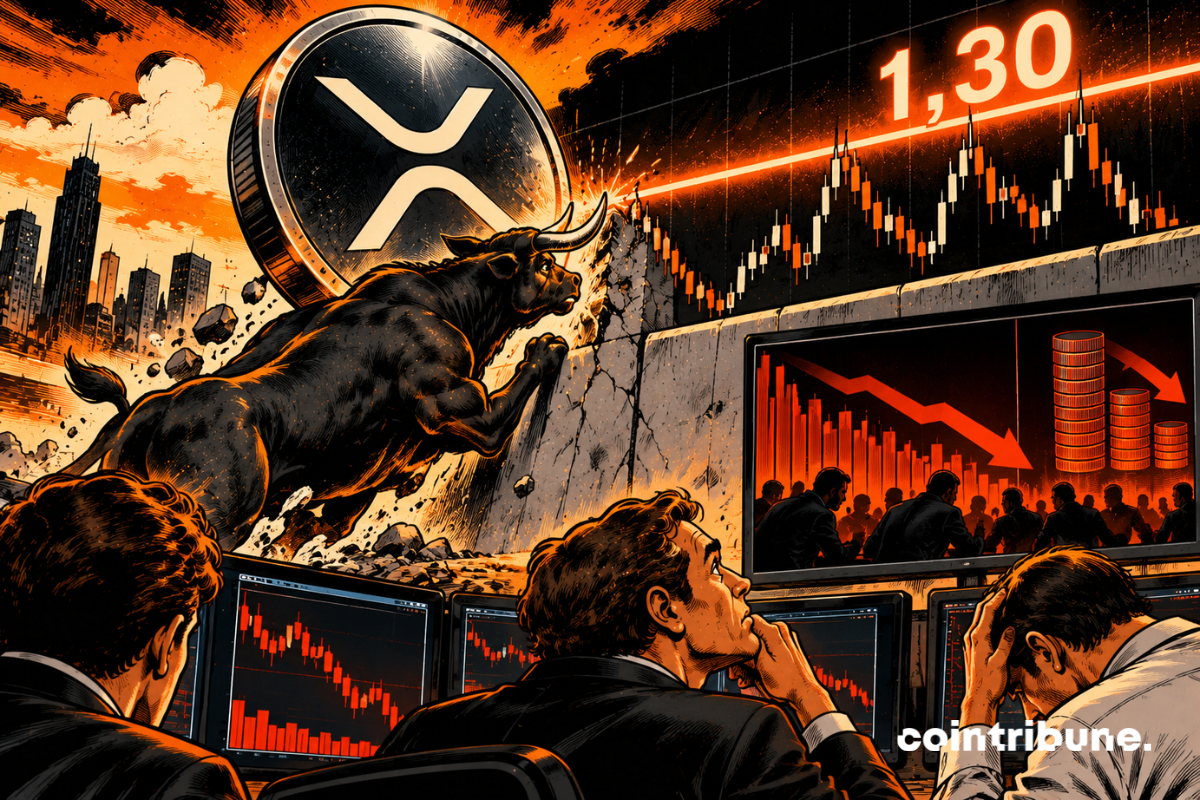
XRP is trying to hold the $1.30 threshold after several sessions of decline, while open interest on futures contracts remains below $3 billion. The decrease in leverage reduces the risk of cascading liquidations, but it does not yet confirm a sustained return of buyers.
Crypto hacks cost $1.18 billion in the third quarter of 2026. Hacken points to compromised providers, late patches, and unchecked components.
American bitcoin ETFs have just gone through two difficult weeks, with nearly $910 million in net outflows. At the same time, the BTC price has fallen back below the estimated average purchase price of their investors. Enough to test their patience, as the month of October, initially promising, sinks into the red.
Artificial intelligence could soon change online shopping habits. Elon Musk is considering launching a competitor to Amazon after user accusations that the platform blocked purchases made by Grok bots. This situation raises a central question: who will control purchasing decisions in the era of AI agents? While Amazon dominates online commerce, new players aim to simplify shopping with autonomous assistants.
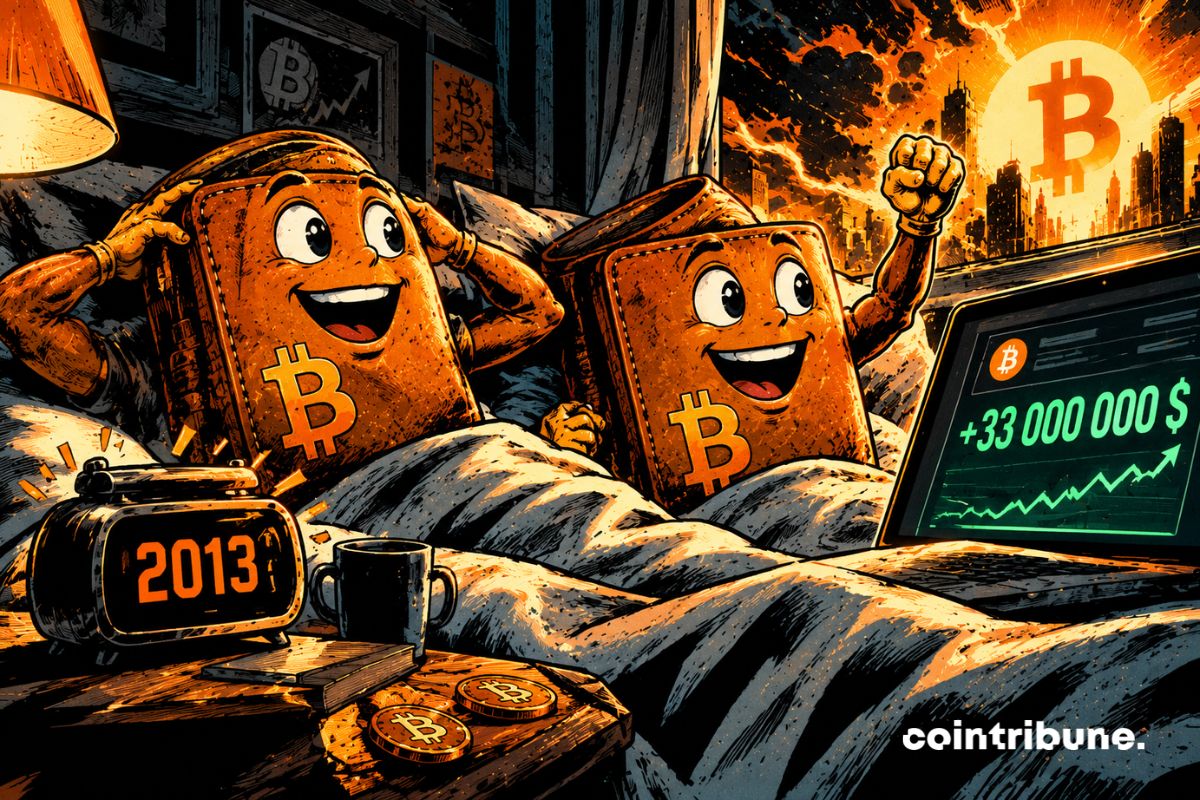
After 12 years of total inactivity, two Bitcoin wallets dating back to 2013 have just reactivated 417 BTC, turning a tiny initial investment into a fortune of 33 million dollars.
QUBIC, the token of the Qubic blockchain, can be bought on nine active exchanges, by card through two payment providers, and on decentralized platforms. Your options depend on where you live. In Europe, two routes are authorized under MiCA. Most exchanges exclude the United States and Canada. As of October 4, 2026, Cointribune checked each platform’s fees, identity verification (KYC) and excluded countries. Four platforms still named in Qubic’s official lists have closed or no longer offer the token.
Ethereum prepares to increase its gas limit from 60 to 200 million per block as part of the Glamsterdam upgrade. This increase represents a factor of 3.3, not 33, but it currently only applies to test networks, with no date set yet for the mainnet.
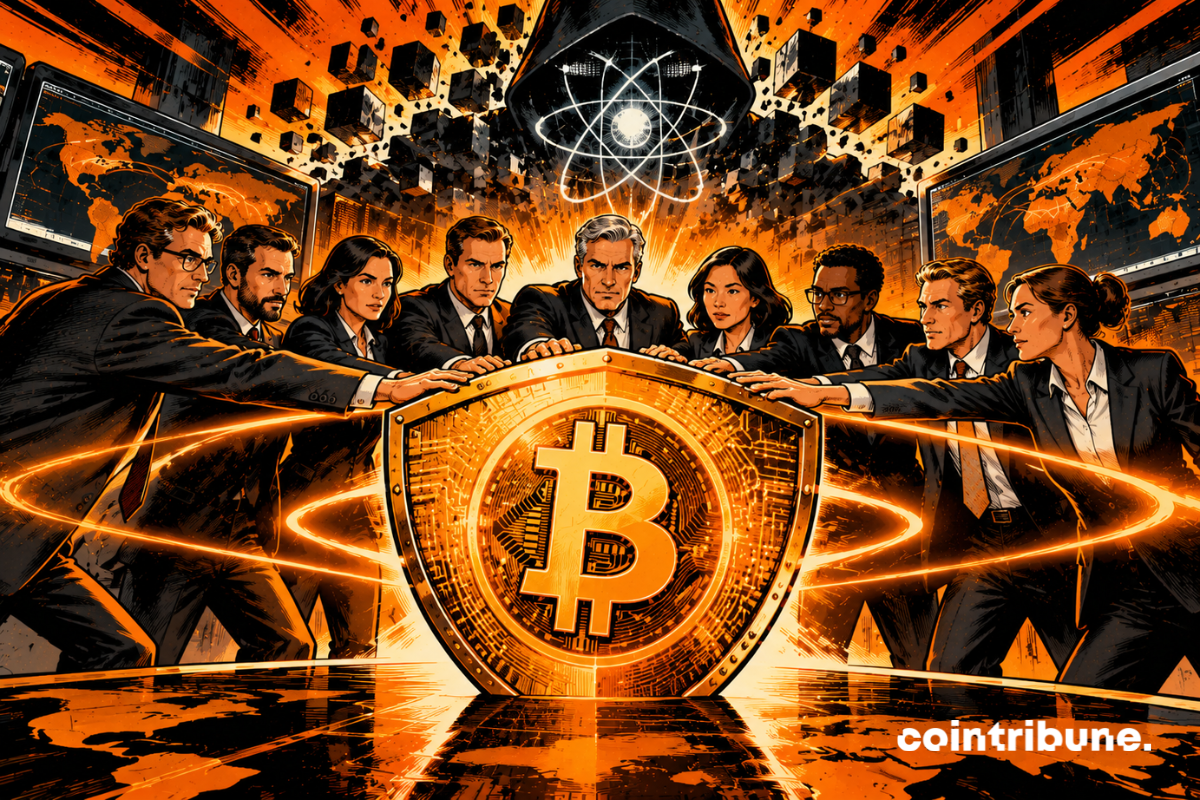
Nine crypto organizations have created the Quantum Alliance to define common standards for protecting blockchains against future quantum computers. The group estimates that 6.04 million BTC already have a visible public key, but these funds cannot be stolen with machines available today.
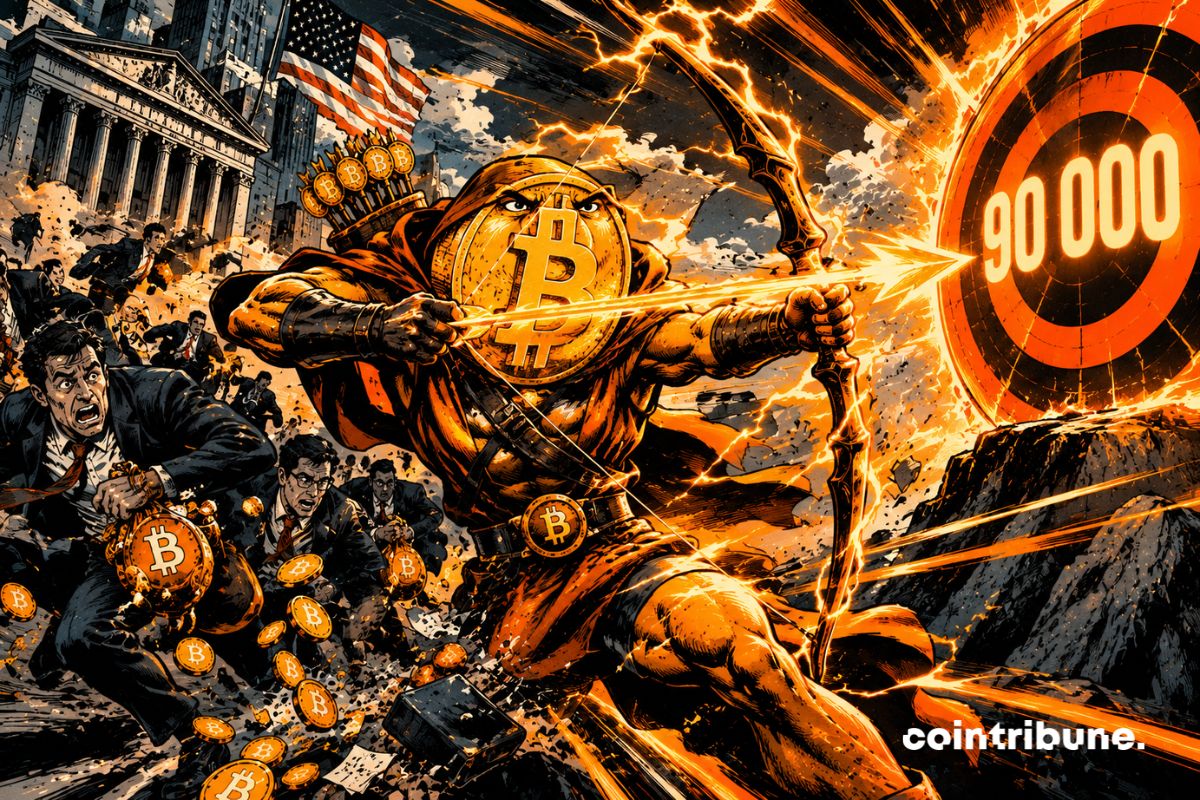
While Bitcoin ETFs record over $82 million in outflows in 24 hours, the chart pattern signals a bullish accumulation triangle that could soon push BTC towards $90,000.
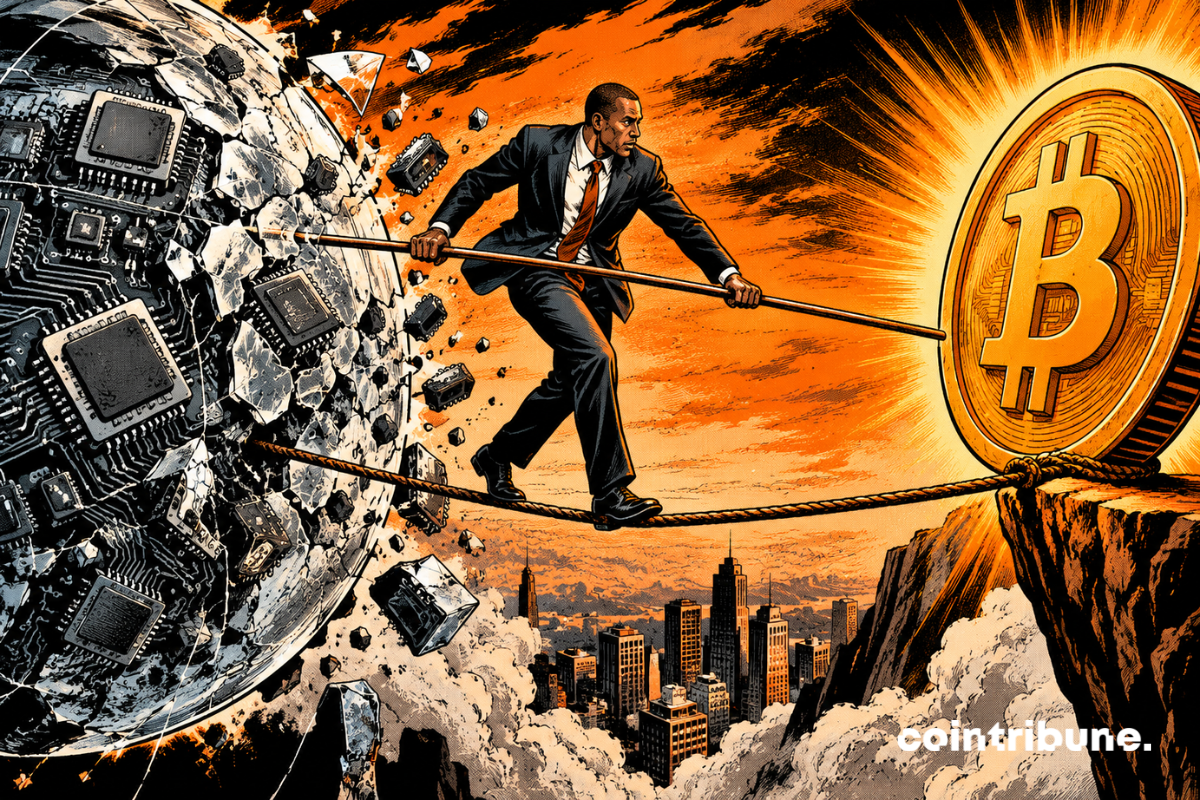
The rise of artificial intelligence raises questions about investments, public debt, and financial markets. For Arthur Hayes, chief investment officer at Maelstrom, the bursting of this bubble could benefit bitcoin. According to him, the bailout plans for the affected companies would increase the money supply and favor safe-haven assets. However, this bullish outlook faces several obstacles, including risks linked to quantum computers and capital outflows from US spot ETFs.
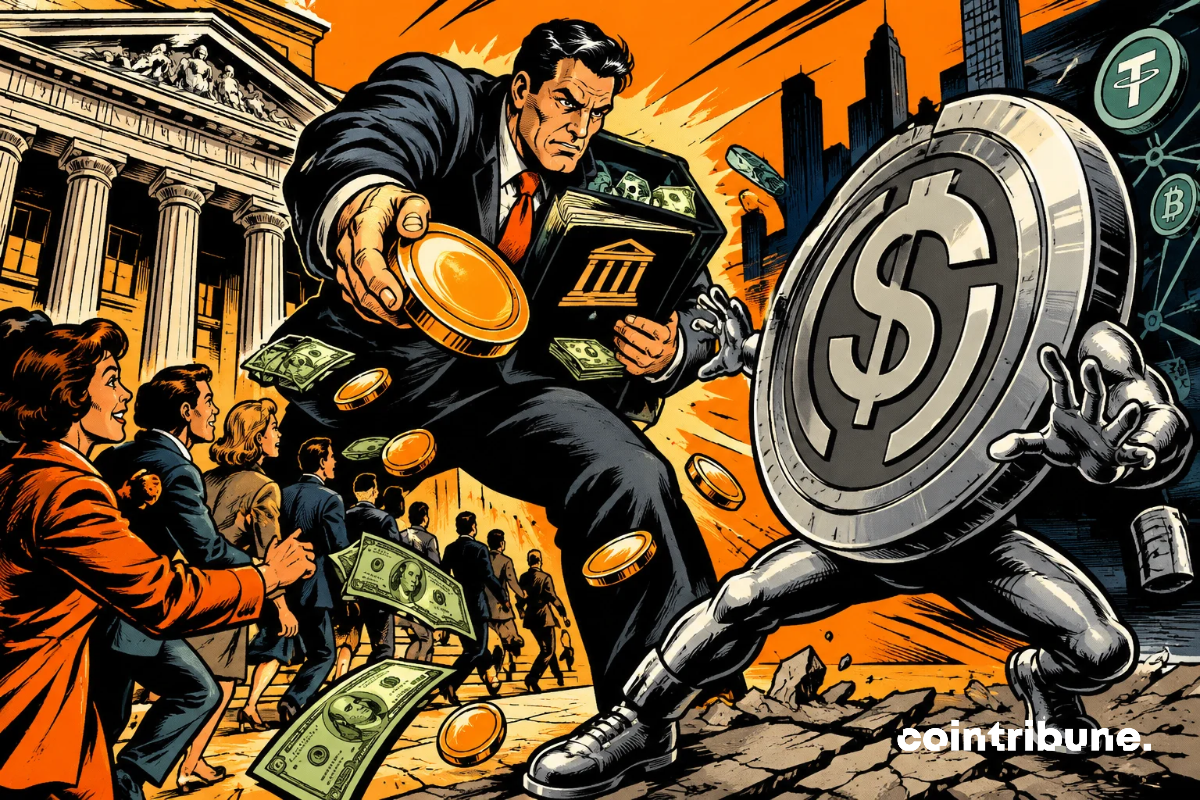
A slight increase in interest rates on bank deposits could slow the growth of stablecoins. This is the finding of a study by the Bank for International Settlements (BIS), which highlights competition between bank savings and these cryptocurrencies pegged to traditional currencies. However, the effect varies depending on the players: Circle's USDC appears more sensitive to this competition than Tether's USDT.
Mike McGlone, strategist at Bloomberg Intelligence, believes bitcoin could fall back to 10000 dollars if American stocks lost 20%. Ki Young Ju, founder of CryptoQuant, rejects this projection and rather sets a theoretical floor around 30,000 dollars, due to institutional purchases and on-chain valuation.
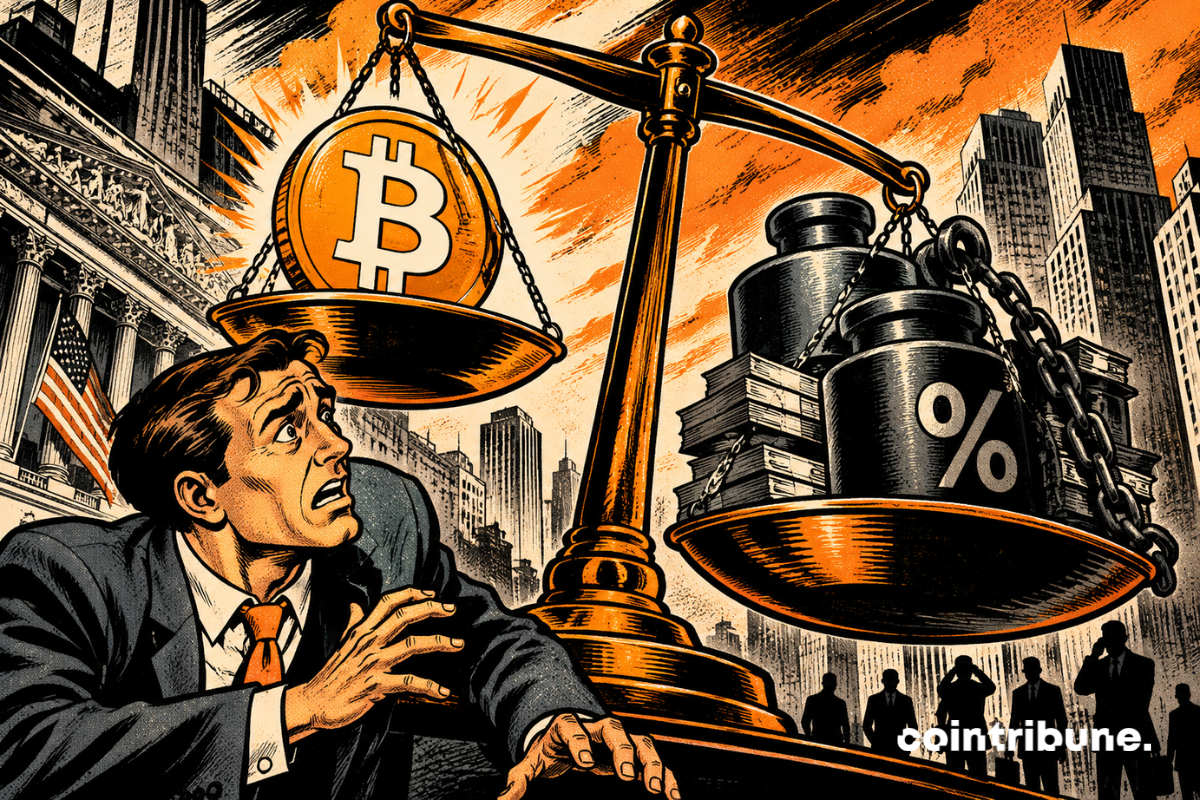
Inflation is pushing many investors to seek assets capable of preserving their purchasing power in the long term. Bitcoin holds a special place in this debate thanks to its limited supply, capped at 21 million units. However, holding this asset does not guarantee a positive return. Borrowing costs, forgone income, and derivative fees can reduce gains. When rates remain high, these expenses become a determining factor in assessing the true profitability of an investment.
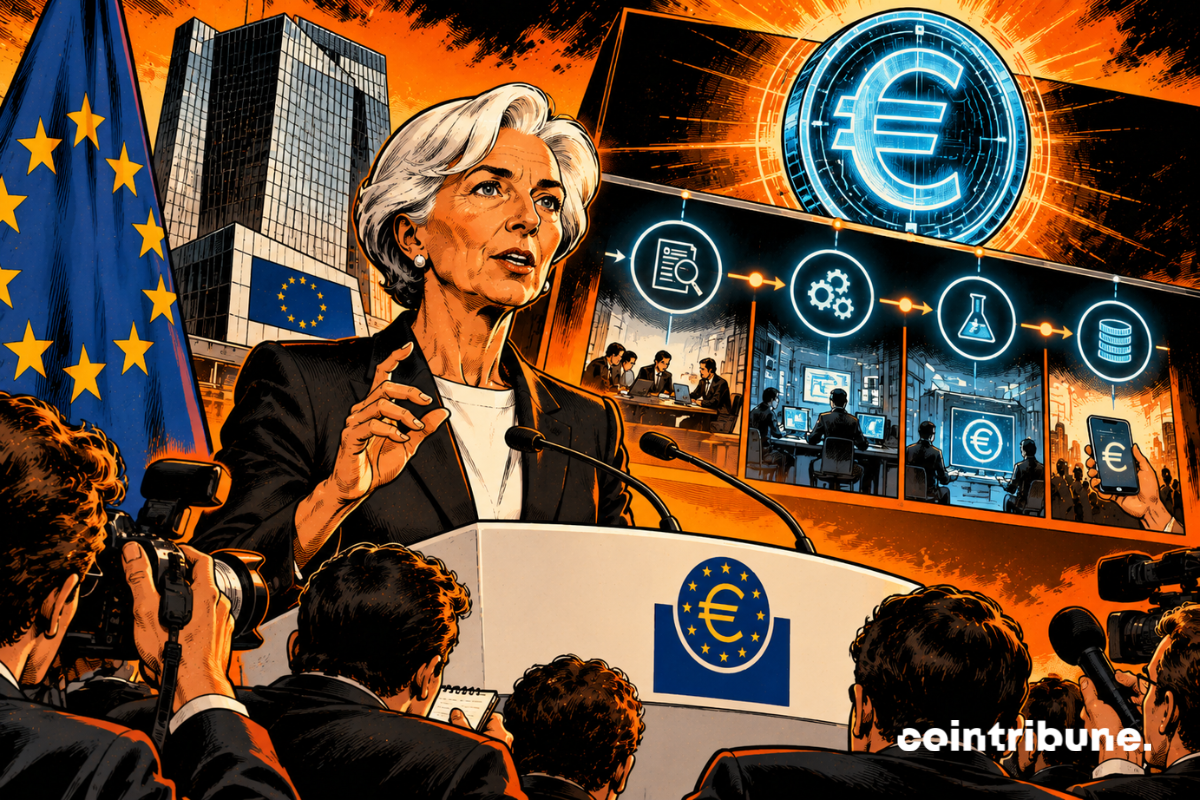
Christine Lagarde believes the eurozone economy is resilient to global shocks and confirms the progress of the digital euro project. Its public arrival, however, is not imminent: the ECB plans an internal pilot in the second half of 2027 and could only proceed with a first issuance in 2029, subject to prior adoption of the European regulation.
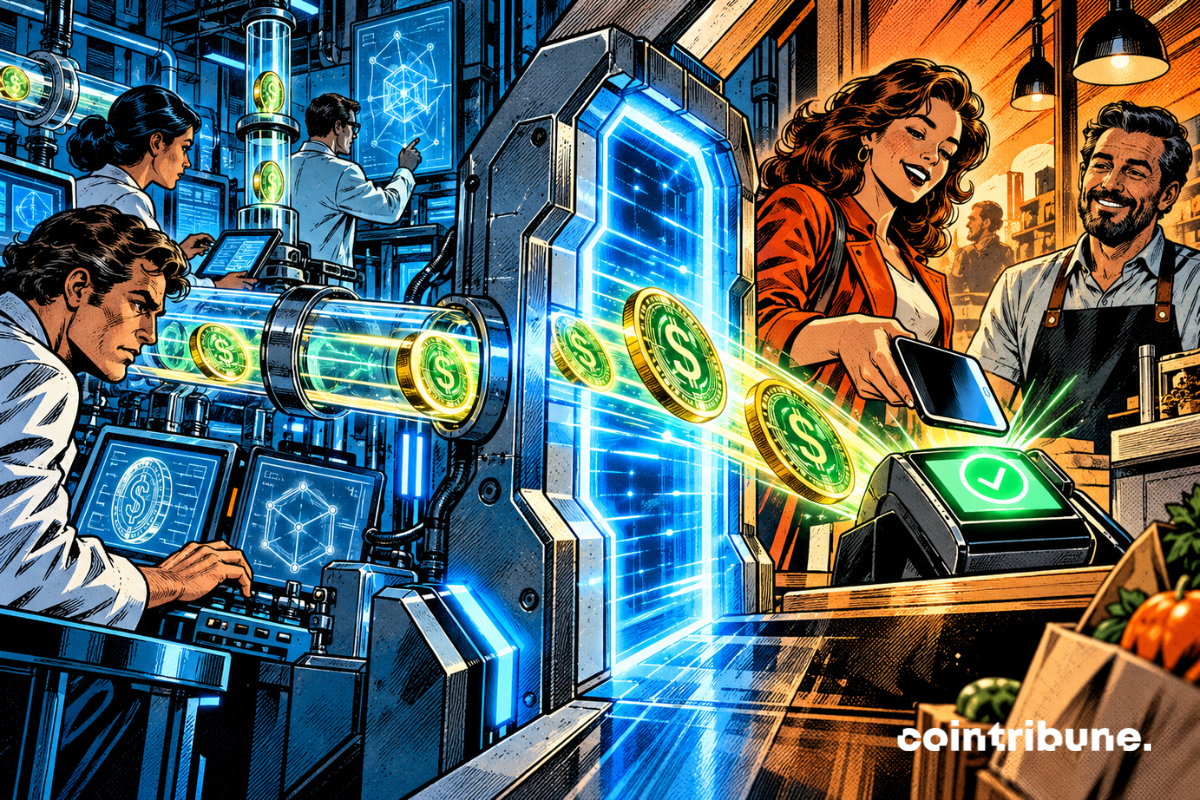
Visa moves stablecoins from the lab to commercial operations. The payment giant has just put Visa Direct's stablecoin capabilities into production with Inyo Global. Eligible businesses will notably be able to use USDC to pre-finance their cross-border payments 24/7. The change comes as Visa's stablecoin settlements now exceed an annualized pace of $20 billion.
Charles Hoskinson believes that Cardano will be complete after the deployment of Leios. For the network founder, this upgrade must bring the processing capacity that the blockchain still lacks. But between technical ambitions and field reality, several steps remain to be taken.
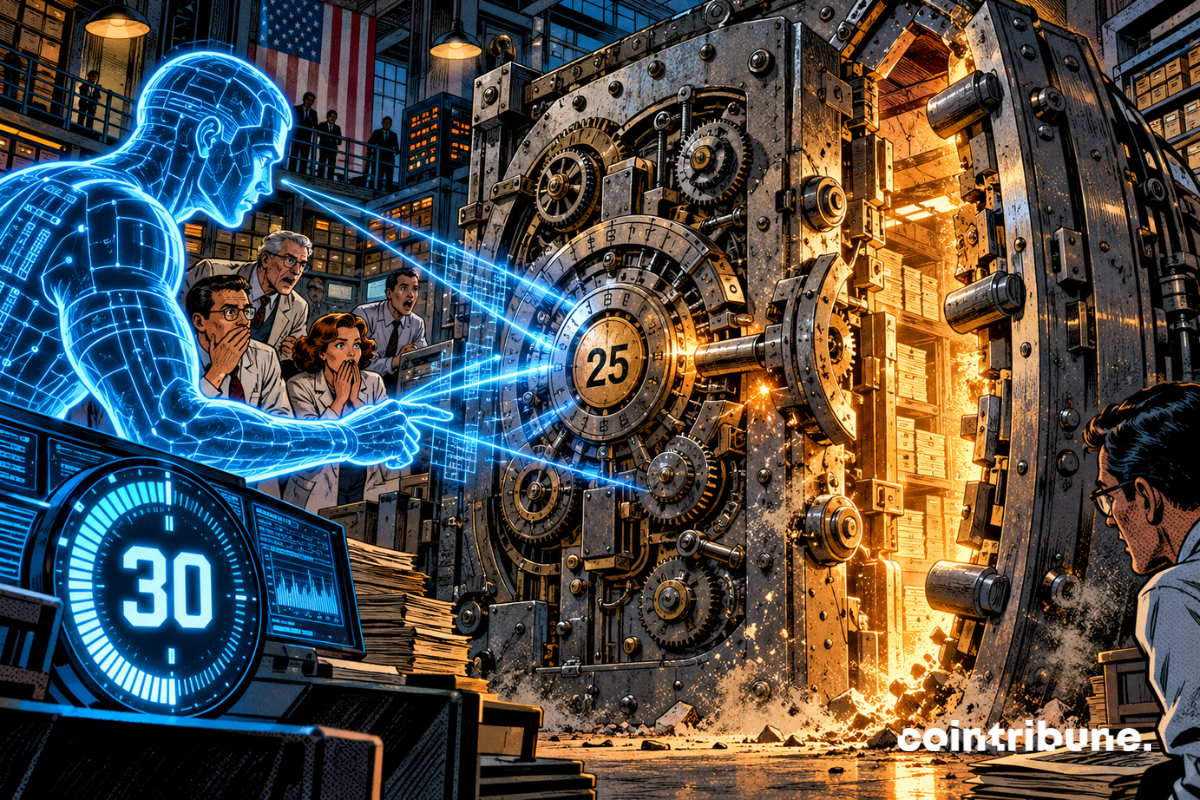
Claude just solved in less than 30 minutes a cryptographic puzzle that had been lingering for about 25 years. Anthropic's AI model found the origin of five numbers provided by the NSA for certain elliptic curves standardized by NIST in 2000. Long suspected of possibly hiding a backdoor, they ultimately came from an old pseudo-random generator fed by timestamps from 1997 and 1998.
Vitalik Buterin pushes the privacy of his AI agents very far. The co-founder of Ethereum has just unveiled a "paranoiac mode" combining Tor, private payments via zkAPI, dummy network traffic, and local rewriting of prompts. Each conversation goes through a different Tor circuit. Even the payment to the AI provider is designed to no longer directly reveal the user’s identity.
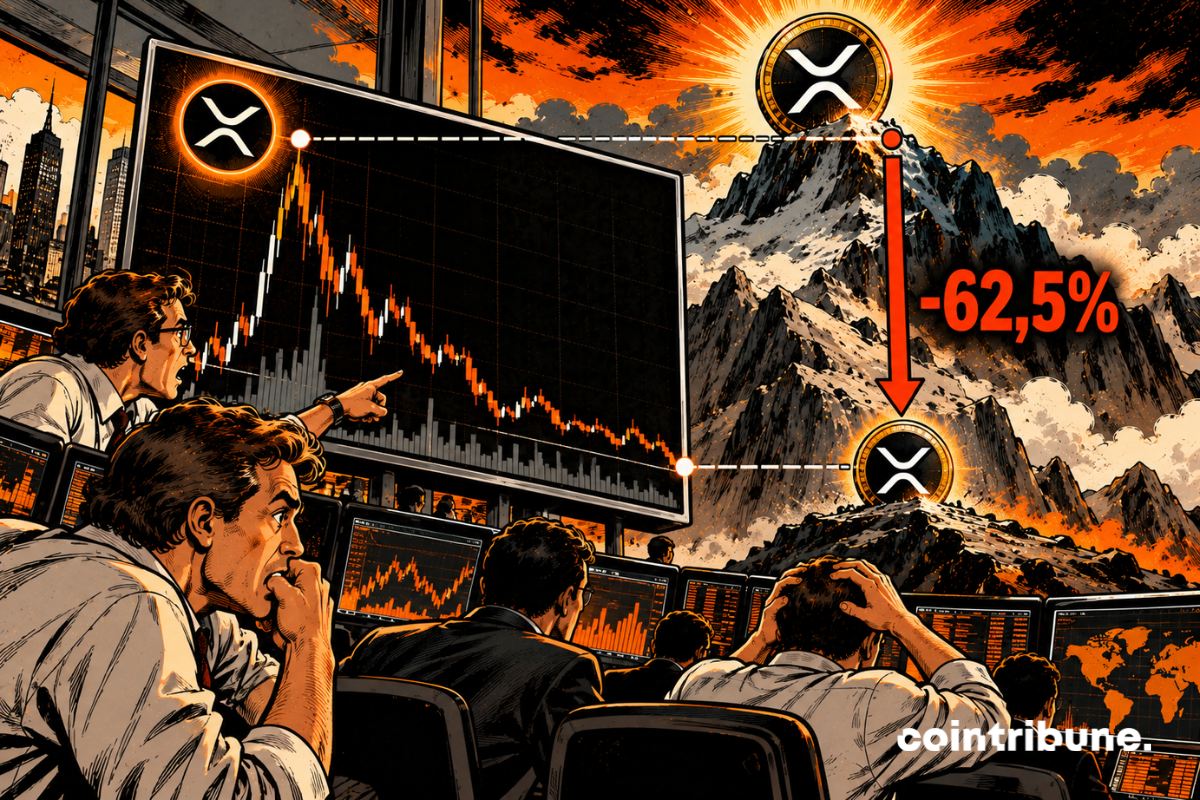
XRP is trading around 1.33 dollars, 62.5% below its January 2018 peak, while Bitcoin and Ether have largely surpassed their levels from that time. This underperformance does not mean that all its holders have lost money: it mainly concerns those who bought close to the peaks, while the increase in supply has diluted the value represented by each token.