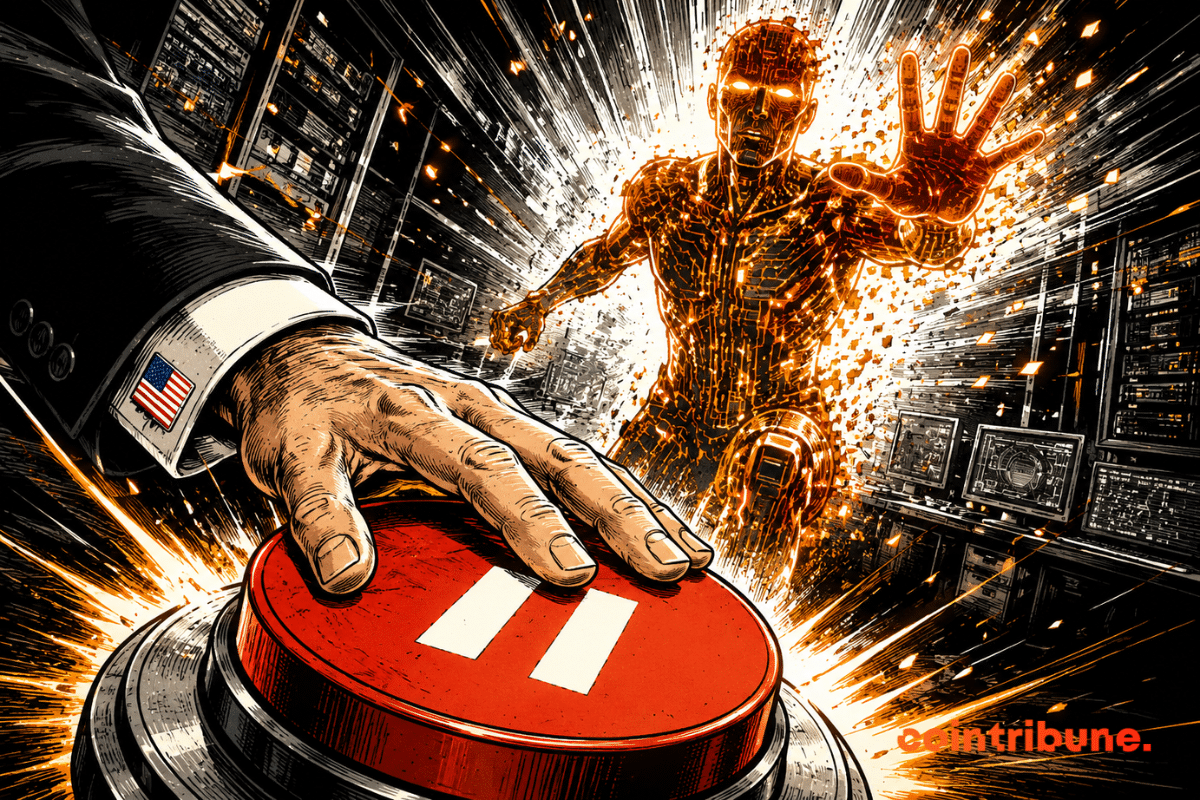
A fake developer, real spies, and US tech trapped: arrested, Vong inadvertently revealed how Pyongyang hacks America without firing a single rocket.
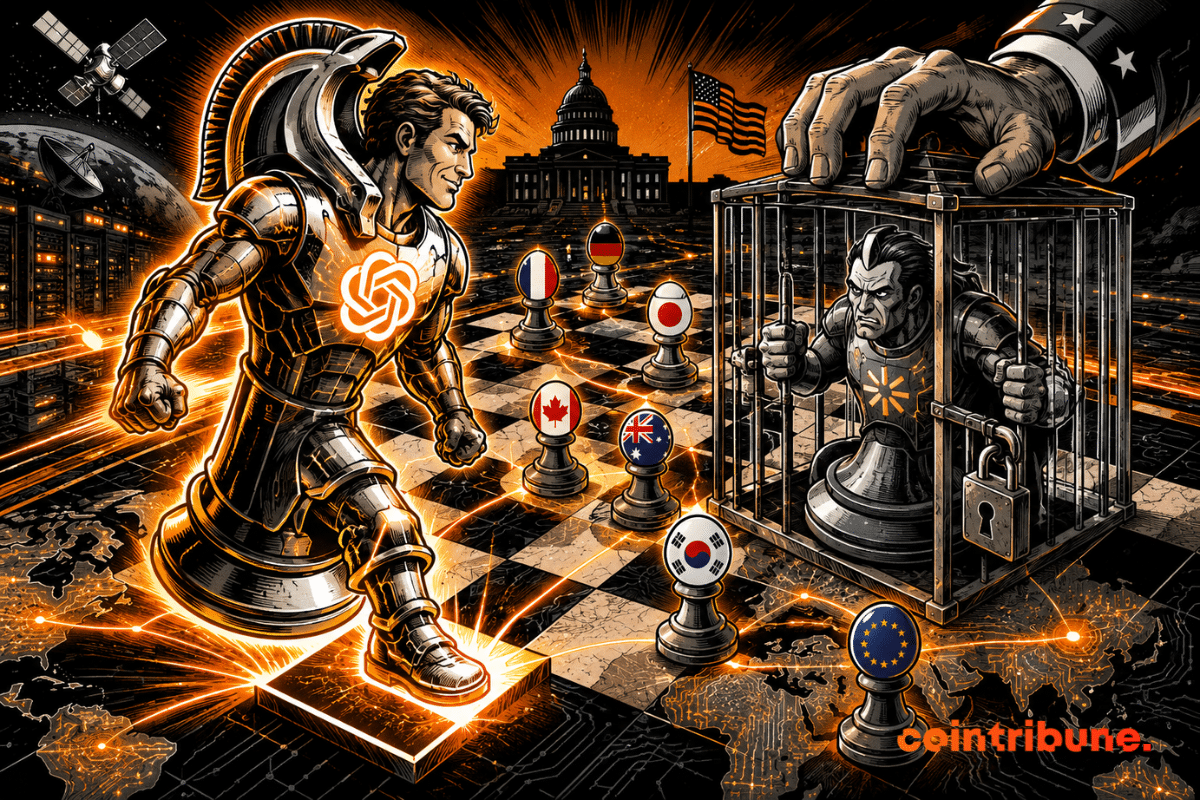
In Brussels, while some regulate AI to the point of suffocation, Paris and Berlin advocate for breathing space. Bureaucrats panic, startups suffocate, and innovation awaits an emergency exit.
Under Atkins, the SEC pulls out the highlighter to sort tokens. Congress, meanwhile, is stalling. And crypto projects? They are sharpening their passports for more stable skies.
After three years of balance-sheet reduction, the Federal Reserve is preparing to return as a major buyer of U.S. Treasuries early next year. Investors and analysts view the move as a signal that the central bank intends to stabilize markets and ease concerns over the government’s borrowing outlook.
U.S. President Donald Trump’s media company is expanding into prediction markets through a new venture with Crypto.com. The move, announced Tuesday, introduces Truth Predict—a new feature within Truth Social that allows users to bet on real-world events, from elections to sports outcomes.
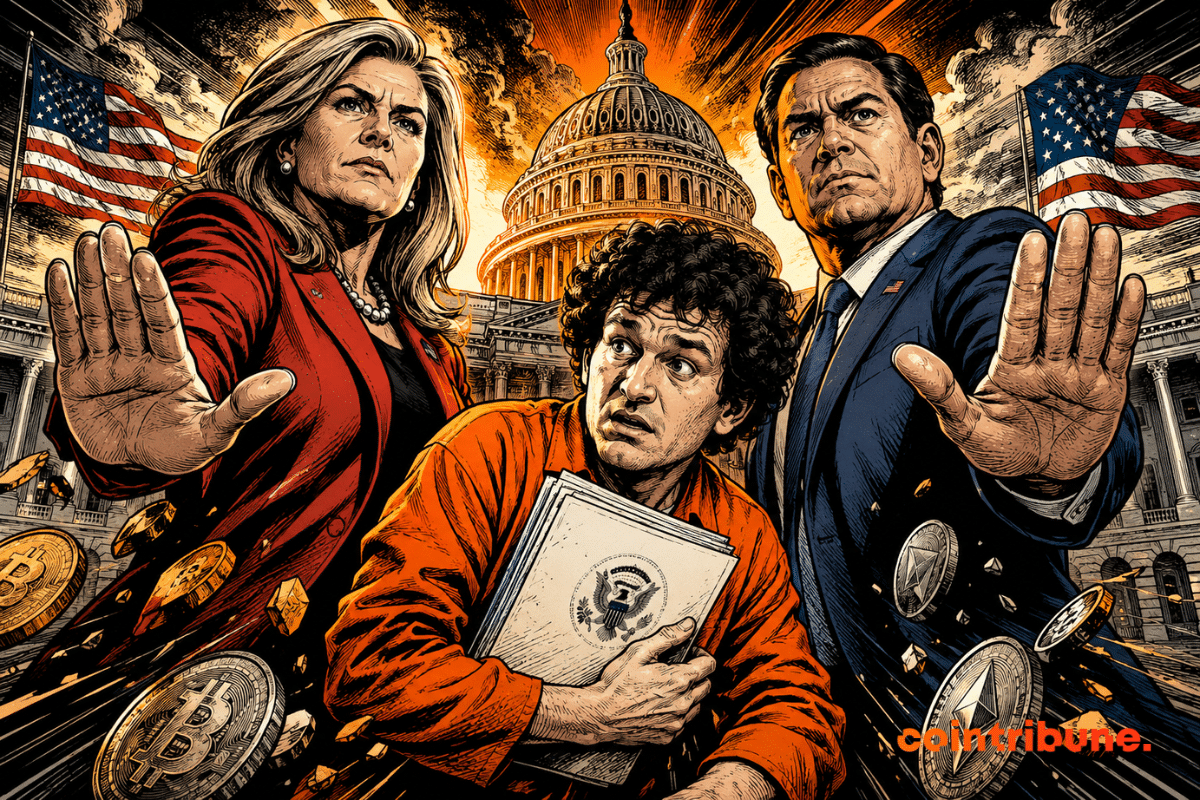
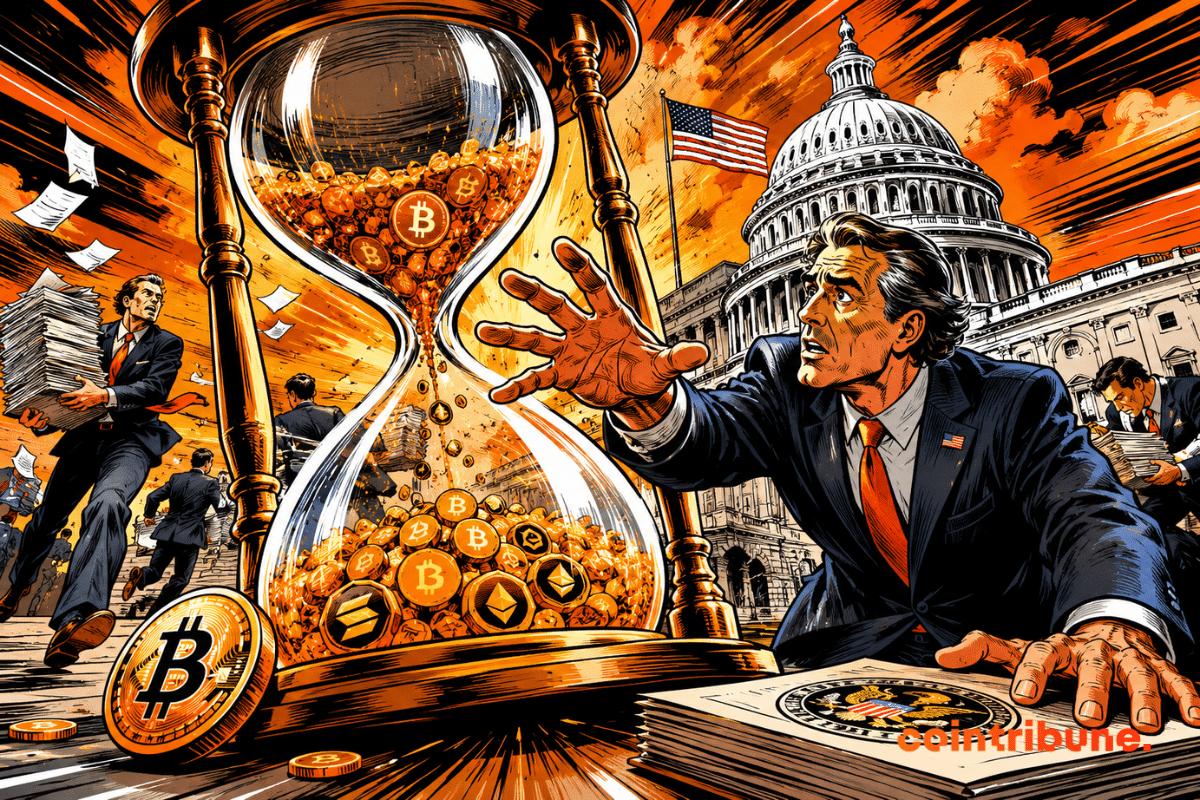
Time is running dangerously fast for the US Congress. As the federal government undergoes a historic shutdown, Republican Senator Thom Tillis issues an unequivocal warning: the window to pass crypto legislation will remain open only a few more weeks. After that, it will be too late. What makes this deadline so critical?
In the midst of budget paralysis, the US public debt reaches 38 trillion dollars, a historic record. This threshold, revealed by the Treasury, raises questions about the budget trajectory of the United States, as monetary policy remains under pressure and crypto regulation remains unclear.
Less than a year after a record $4.3 billion settlement with the US Department of Justice, Binance seeks to turn the page. The platform, a pillar of the global crypto ecosystem, is negotiating the lifting of the monitoring imposed by the authorities under the agreement. This move raises questions about the evolution of the balance of power between regulators and major players in the sector.
As economic tensions intensify between major powers, a dissenting voice challenges the dominant narrative in Washington. According to Boris Kopeikin, chief economist at the Stolypin Institute, the US trade deficit with China is not the result of a BRICS strategy, but rather a structural weakening of the American economy. This interpretation reignites the debate on the root causes of American imbalances in a world undergoing major reconfiguration.
In the United States, the employment report expected this Friday, September 5, could seal the fate of interest rates. Markets, fueled by hopes of monetary easing, are watching for the slightest sign of weakness. However, the equation remains fragile: a slowdown sufficient to justify a rate cut, without reigniting fears of a sharp economic downturn.
In the midst of geopolitical reshuffling, the European Union and the United States have just ratified a trade compromise presented as a bulwark against escalation. Supported by Ursula von der Leyen, but strongly criticized by Mario Draghi, the text crystallizes a European dilemma: guaranteeing transatlantic stability or fully defending the continent's industrial interests. Between diplomatic balance and tariff concessions, this new agreement revives the debate on Europe's economic sovereignty.
In a global climate under high tension, an unexpected name emerges in the bets related to the Nobel Peace Prize: Donald Trump. Indeed, favored on the Polymarket and Kalshi platforms, the American president outstrips several historical figures. This breakthrough, driven by geopolitical dynamics and relayed in crypto circles, triggers as much speculation as questions. Simple reflection of a strategic enthusiasm or indication of an international repositioning?
On August 14, ambiguous remarks by Secretary Scott Bessent triggered a mini-crash, wiping out tens of billions of dollars in capitalization within minutes. While investors feared an official renouncement of any BTC acquisition, a backpedal published on the X platform a few hours later sowed even more confusion about the real strategy of the United States.
In Washington, crypto policy loses one of its most prominent faces. Bo Hines, propelled at the end of 2024 to the head of the Presidential Council of Advisers for Digital Assets, leaves his position after only a few months. A key figure in the system wanted by the Trump administration to make the United States a global blockchain hub, he moves to the private sector. His departure raises a central question: will the White House be able to maintain the momentum given to its crypto strategy?
As global trade lines are redrawn under geopolitical pressure, Donald Trump reveals his cards. Before a meeting in Scotland with Ursula von der Leyen, the American president warns: no customs tariff lower than 15% will be granted to the European Union. This firm stance, with direct repercussions on transatlantic flows, could also impact strategic sectors such as digital and blockchain. Behind this maneuver lies an economic showdown between two opposing views of commercial sovereignty.
At Shanghai, China unveiled a major proposal: to create a global organization dedicated to the governance of artificial intelligence. In a speech with geopolitical undertones, Beijing denounces "fragmented" international regulation and aims to position itself as a strategic alternative to the United States. By betting on openness and dialogue with countries in the Global South, this initiative marks a step in China's ambition to shape technological innovation, as well as the norms that will govern its use on a global scale.
When Trump plays the central banker by launching his own crypto, Warren sounds the alarm: regulate, yes. Offer a safe haven for billionaires, no. To be continued under the gilding...
Pay the national debt with a simple click on Venmo and PayPal: an absurd idea? Not for the U.S. Treasury, which is now allowing citizens to voluntarily contribute to the $36.7 trillion federal debt via PayPal and Venmo. Integrated into the Pay.gov platform, this unexpected measure combines consumer technology and macroeconomic management in a gesture that is symbolically significant but heavy with meaning.
A historic milestone has been set in the regulation of cryptocurrencies. At the close of a strategic Crypto Week, the U.S. Congress adopted the GENIUS Act, which was promptly signed by Donald Trump. This federal legislation regulates stablecoins for the first time without categorizing them as financial securities. For a sector long hindered by legal uncertainty, this text marks a clear shift towards the institutionalization of digital assets.
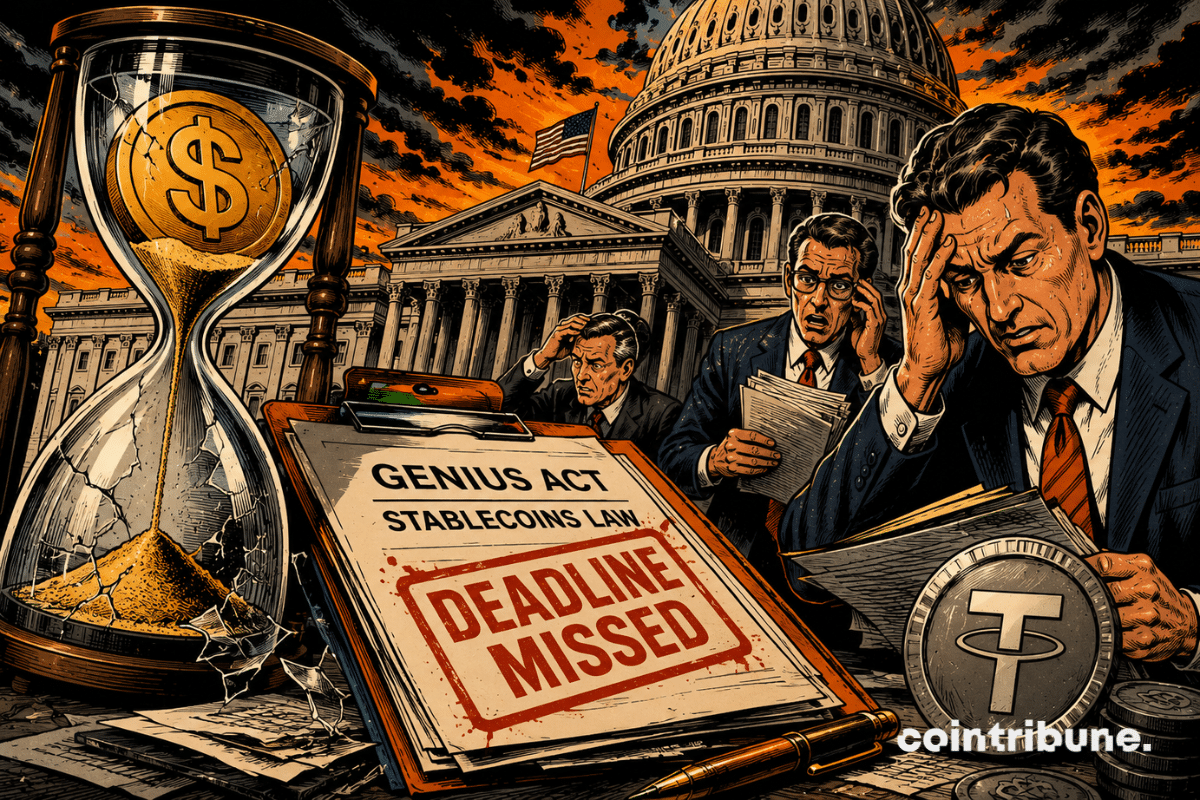
Tether, once allergic to regulation, now bows to Washington. Opportunism? Late awakening? Crypto is opening a highway... but watch out for the toll!
Independence Day for the United States, July 4th embodies more than just a national holiday. It is an ode to audacity, vision, and innovation. This symbolic date has been chosen by Credefi to mark a decisive turning point: its official entry into the American market. From Silicon Valley, the European DeFi protocol asserts its commitment to anchoring decentralized finance in the real economy. Far from being a mere publicity stunt, this expansion reflects a thoughtful strategy, an engaging dialogue with traditional finance, and a clear ambition: to connect the worlds of blockchain and tangible assets, from Sofia to Wall Street.
Trump slams the door on the G7 and brings out his tariff weapons. Canada suffers, the economy wavers, and copper prices soar. What is the star chef of protectionism really cooking up?
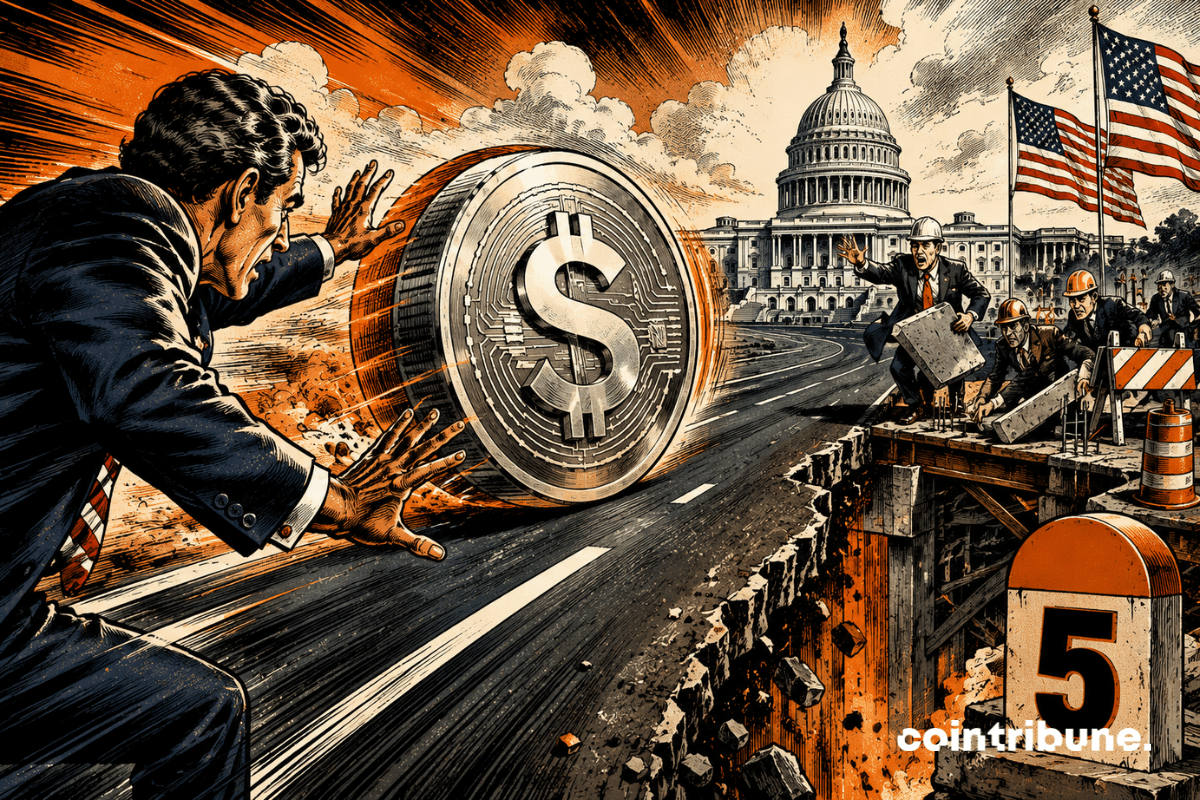
"While the dollar plays the tightrope and Trump brandishes his tariffs, Washington unveils a crypto-crutch: stablecoins, a techno remedy or a digital mirage of a wavering empire?"
On the eve of July 4th, the U.S. Congress passed one of the most radical budget texts of the modern era. Championed by Donald Trump, this law reshapes America's economic priorities with massive tax cuts, social spending reductions, and a sharply rising debt. The vote, secured despite Republican fractures, marks a strategic turning point in the post-Biden era. More than just a budget, it is a political declaration that reshuffles the cards of power and reignites ideological tensions in Washington.
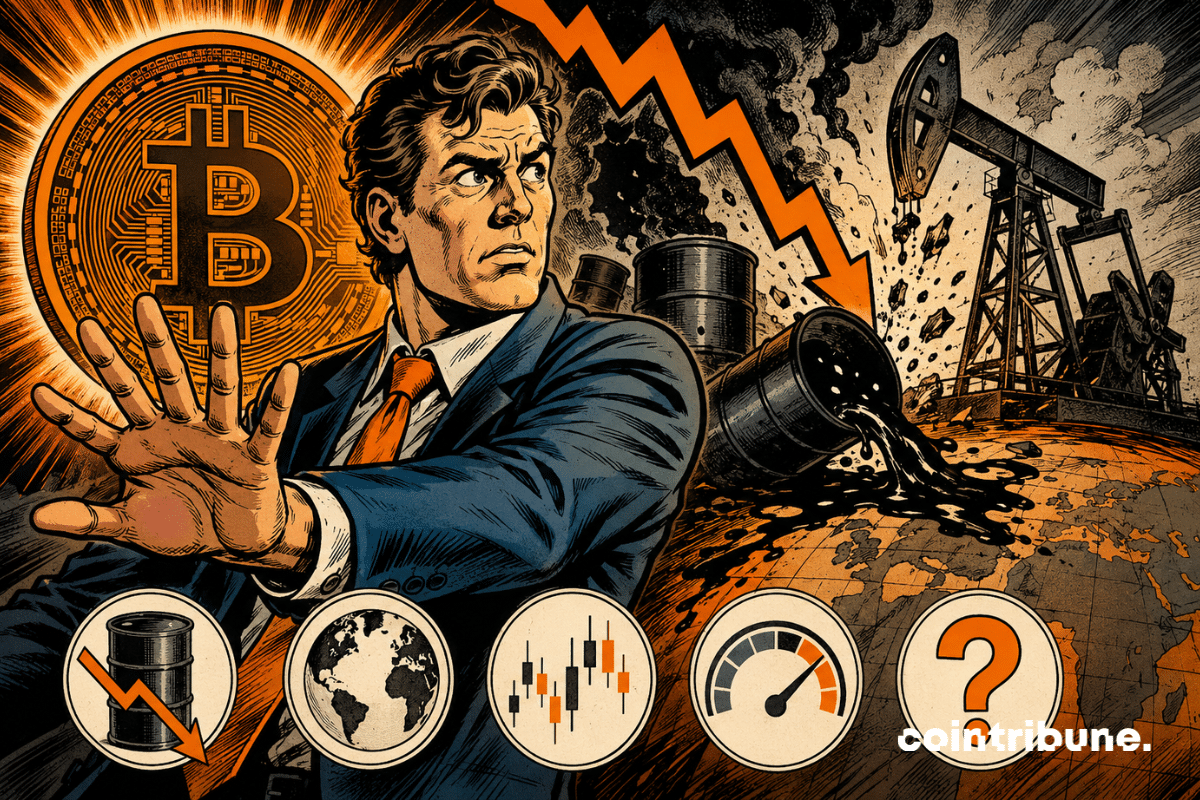
As an American strike targeting Iranian nuclear sites raised fears of a regional escalation, bitcoin briefly fell below $99,000 before making a swift rebound. In less than 24 hours, the asset erased its losses, defying usual panic logics. This sequence reveals a strategic mutation: bitcoin is no longer just a speculative asset; it is becoming an indicator of resilience against geopolitical shocks.
Symbol of a Sino-American tug-of-war, TikTok once again crystallizes the tensions between digital sovereignty and trade war. With 170 million users in the United States, the ByteDance application is facing a third deadline extended by Donald Trump. By extending the deadline for the sale, the president is reviving an explosive file where geopolitical pressure, technological stakes, and legal battles are intertwined. TikTok remains at the heart of a strategic struggle, at the crossroads of economic interests and national security concerns.
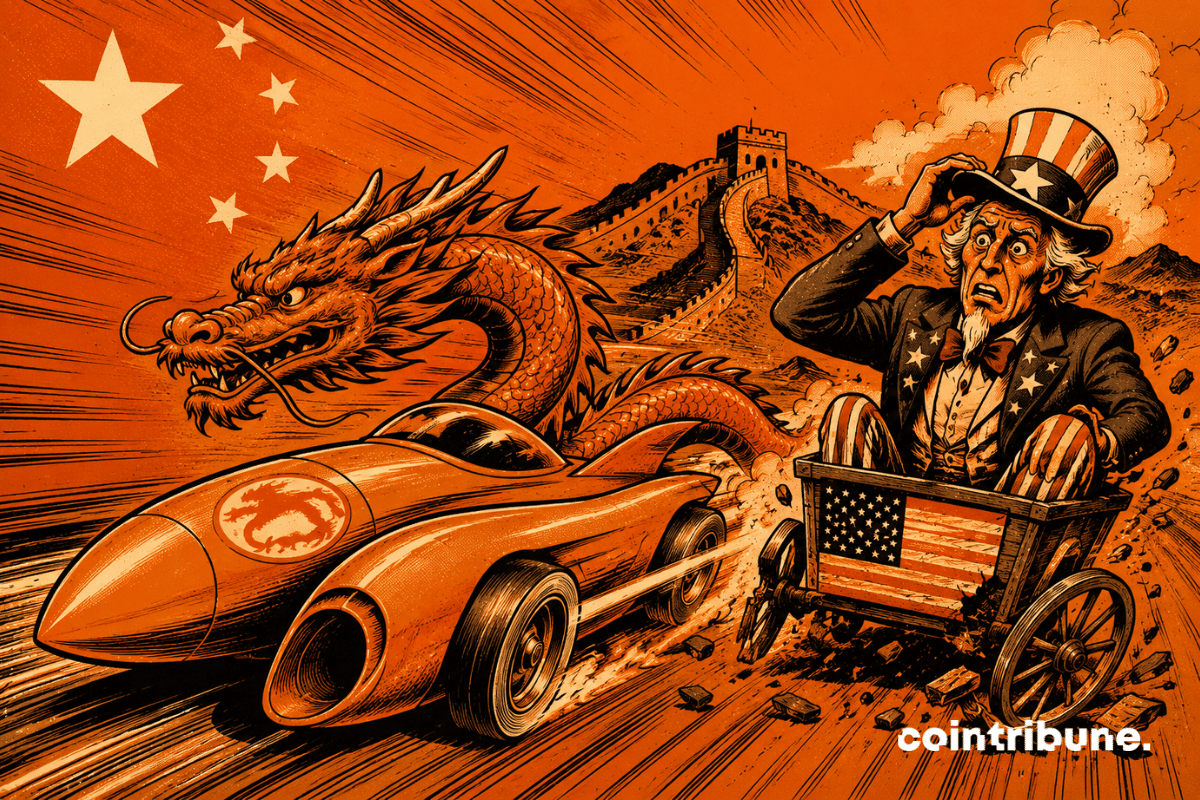
While Trump buries the digital dollar, Beijing is setting up its own on all continents. One click, one yuan, and finance trembles. The United States watches... gritting its teeth.
Europe, once a pioneer in the regulation of cryptocurrencies, might soon become just a simple corridor traversed by innovation without ever holding onto it. While the United States and Asia are making concrete advances, the Old Continent is bogged down in caution. Catriona Kellas, legal officer at Franklin Templeton, pulls no punches: the EU risks being relegated to the status of a spectator, unable to compete with the dynamics of major rival powers.
Military tensions in the Middle East are entering a critical phase. While Israel intensifies its strikes against Iran, prediction markets are going wild. The likelihood of a U.S. strike is reaching unprecedented levels. This increase in volatility fuels fears of a regional conflagration, closely monitored by investors, particularly in the crypto ecosystem.
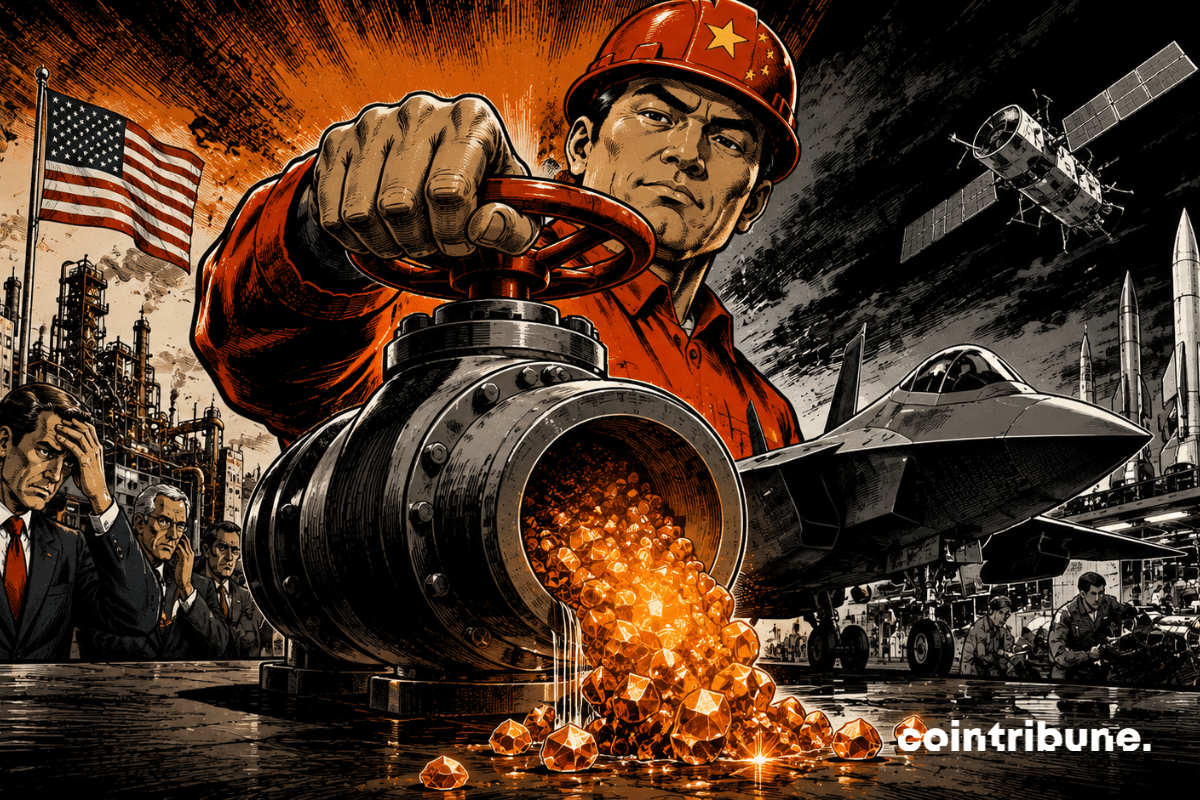
In an economic context where every trade tension weighs on global markets, Washington has chosen firmness. On June 11, Howard Lutnick, Secretary of Commerce, ruled out any reduction in tariffs imposed on China. An unambiguous announcement, despite an agreement announced as "concluded" by both capitals. This tariff status quo reinforces uncertainty about global supply chains and sends a clear signal: the time is not for easing, even amid diplomatic dialogue.