When Trump plays the central banker by launching his own crypto, Warren sounds the alarm: regulate, yes. Offer a safe haven for billionaires, no. To be continued under the gilding...
Pay the national debt with a simple click on Venmo and PayPal: an absurd idea? Not for the U.S. Treasury, which is now allowing citizens to voluntarily contribute to the $36.7 trillion federal debt via PayPal and Venmo. Integrated into the Pay.gov platform, this unexpected measure combines consumer technology and macroeconomic management in a gesture that is symbolically significant but heavy with meaning.
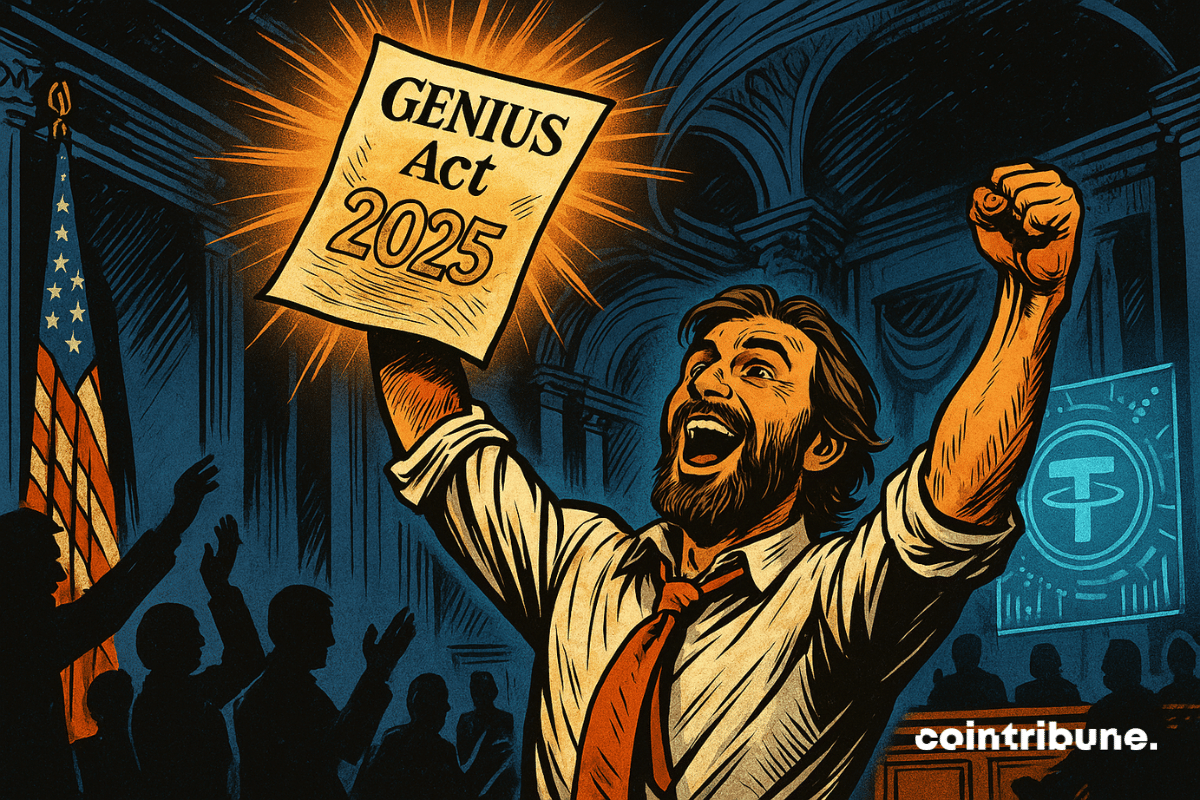
A historic milestone has been set in the regulation of cryptocurrencies. At the close of a strategic Crypto Week, the U.S. Congress adopted the GENIUS Act, which was promptly signed by Donald Trump. This federal legislation regulates stablecoins for the first time without categorizing them as financial securities. For a sector long hindered by legal uncertainty, this text marks a clear shift towards the institutionalization of digital assets.
Tether, once allergic to regulation, now bows to Washington. Opportunism? Late awakening? Crypto is opening a highway... but watch out for the toll!
Independence Day for the United States, July 4th embodies more than just a national holiday. It is an ode to audacity, vision, and innovation. This symbolic date has been chosen by Credefi to mark a decisive turning point: its official entry into the American market. From Silicon Valley, the European DeFi protocol asserts its commitment to anchoring decentralized finance in the real economy. Far from being a mere publicity stunt, this expansion reflects a thoughtful strategy, an engaging dialogue with traditional finance, and a clear ambition: to connect the worlds of blockchain and tangible assets, from Sofia to Wall Street.
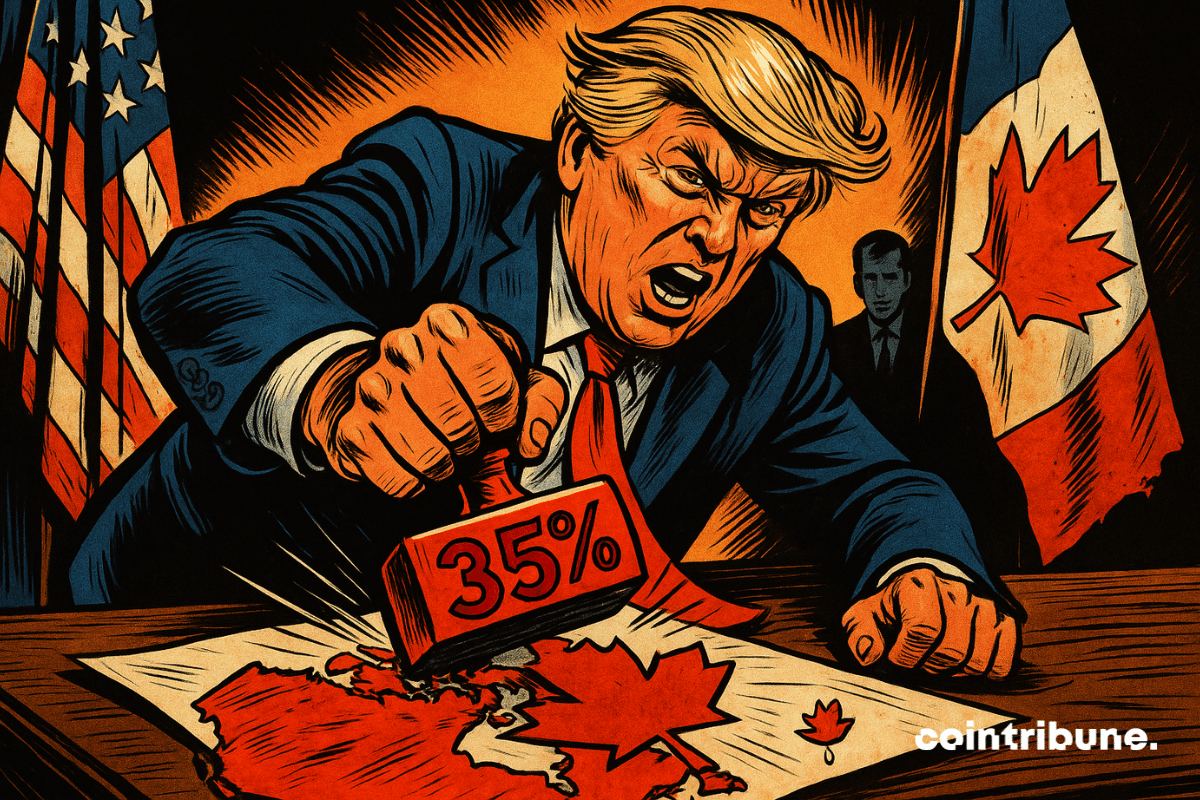
Trump slams the door on the G7 and brings out his tariff weapons. Canada suffers, the economy wavers, and copper prices soar. What is the star chef of protectionism really cooking up?
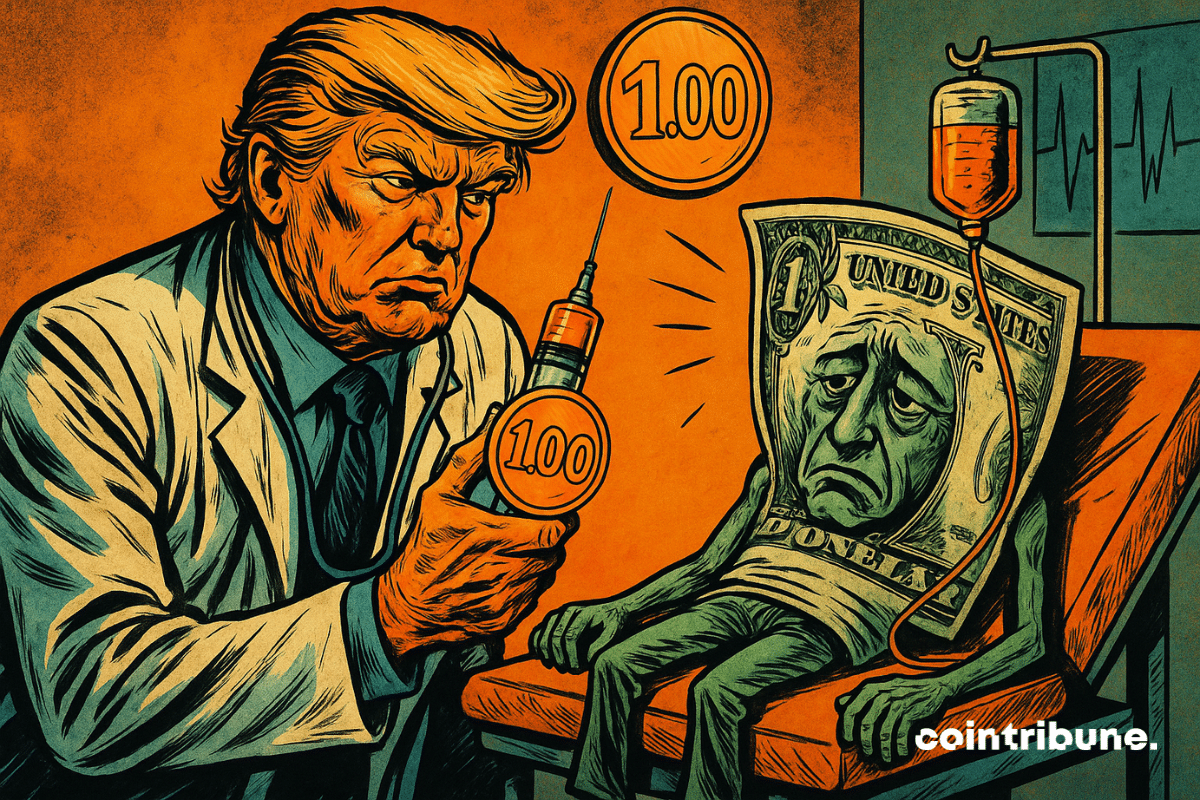
"While the dollar plays the tightrope and Trump brandishes his tariffs, Washington unveils a crypto-crutch: stablecoins, a techno remedy or a digital mirage of a wavering empire?"
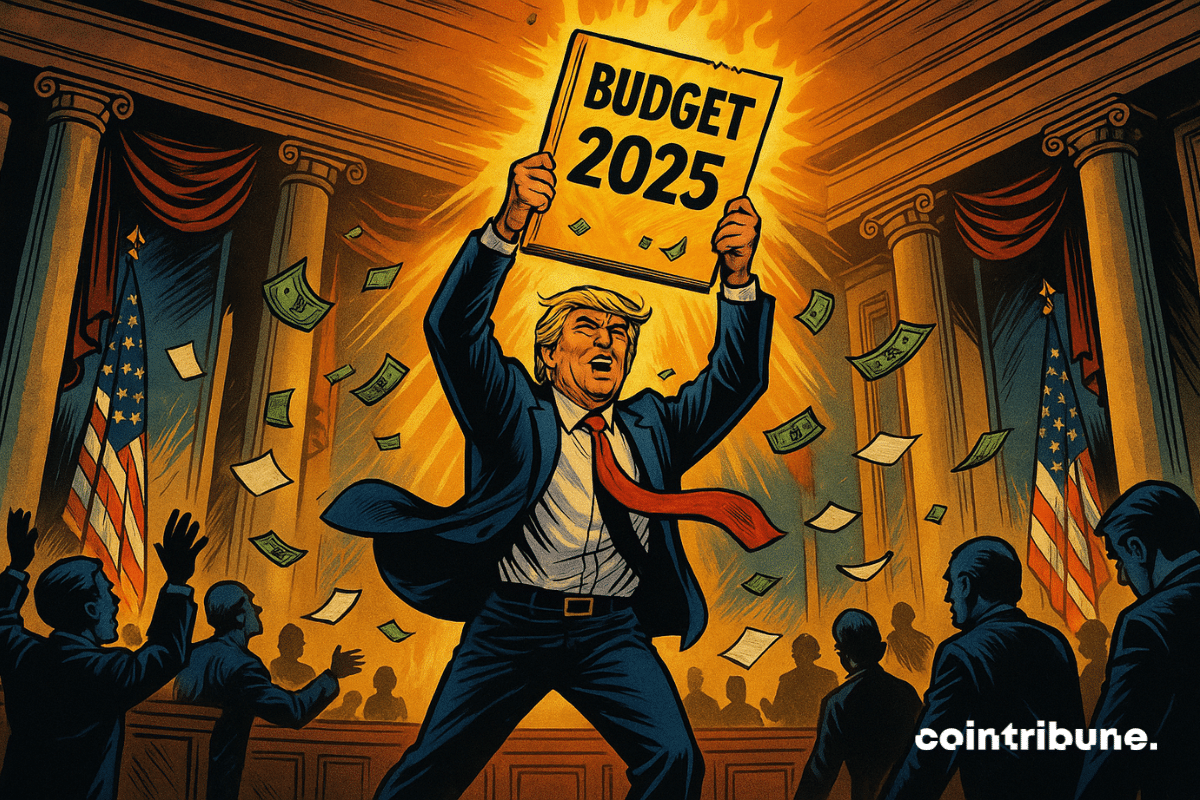
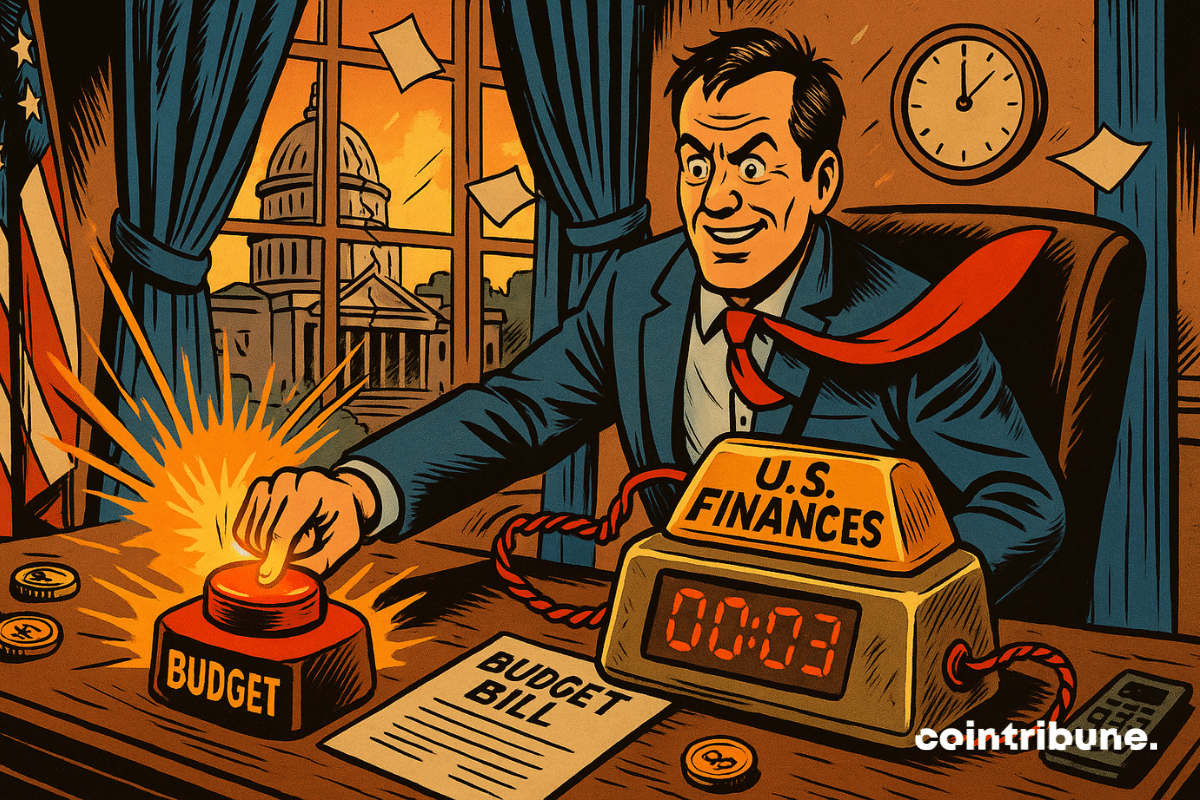
On the eve of July 4th, the U.S. Congress passed one of the most radical budget texts of the modern era. Championed by Donald Trump, this law reshapes America's economic priorities with massive tax cuts, social spending reductions, and a sharply rising debt. The vote, secured despite Republican fractures, marks a strategic turning point in the post-Biden era. More than just a budget, it is a political declaration that reshuffles the cards of power and reignites ideological tensions in Washington.
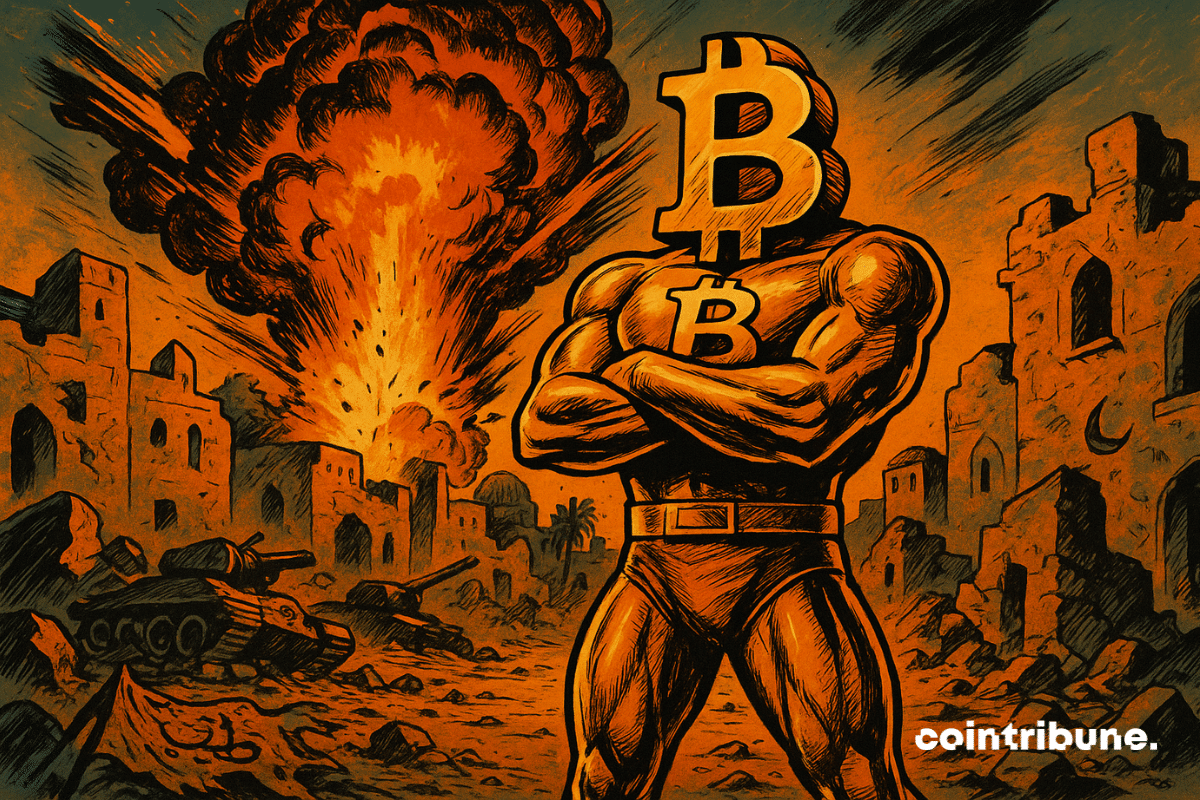
As an American strike targeting Iranian nuclear sites raised fears of a regional escalation, bitcoin briefly fell below $99,000 before making a swift rebound. In less than 24 hours, the asset erased its losses, defying usual panic logics. This sequence reveals a strategic mutation: bitcoin is no longer just a speculative asset; it is becoming an indicator of resilience against geopolitical shocks.
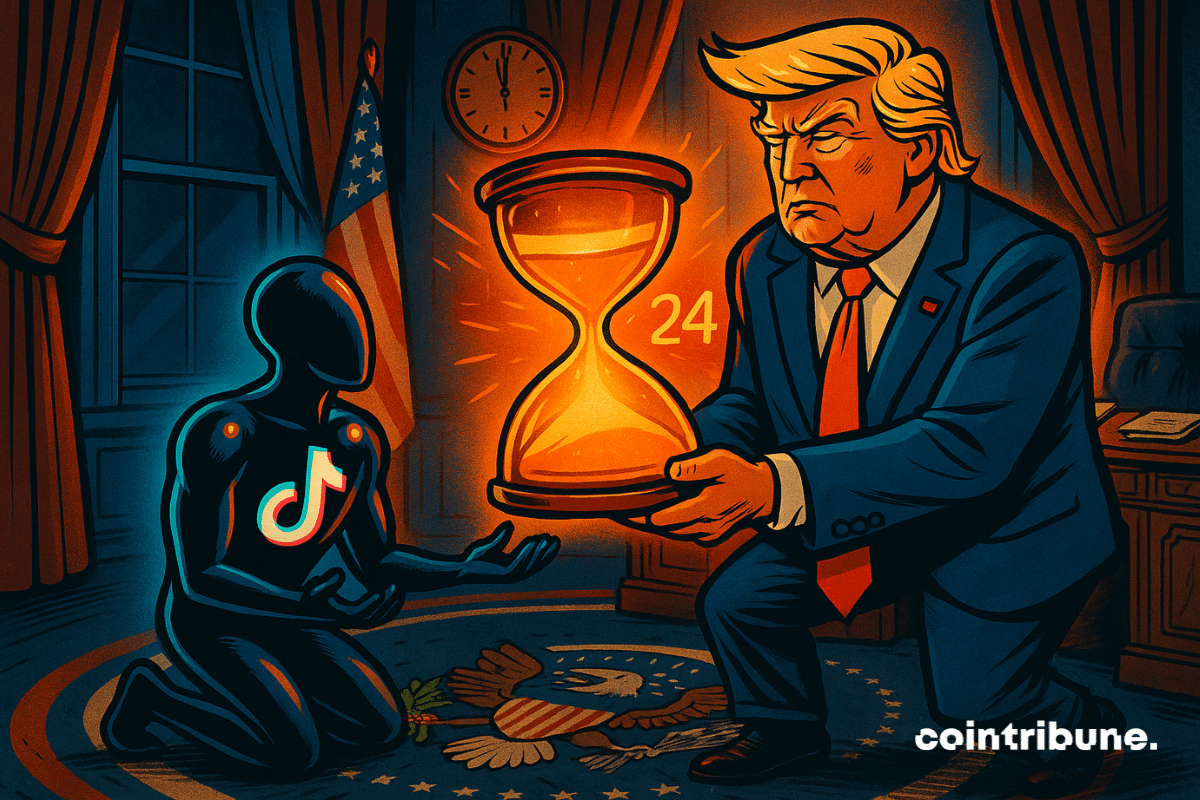
Symbol of a Sino-American tug-of-war, TikTok once again crystallizes the tensions between digital sovereignty and trade war. With 170 million users in the United States, the ByteDance application is facing a third deadline extended by Donald Trump. By extending the deadline for the sale, the president is reviving an explosive file where geopolitical pressure, technological stakes, and legal battles are intertwined. TikTok remains at the heart of a strategic struggle, at the crossroads of economic interests and national security concerns.
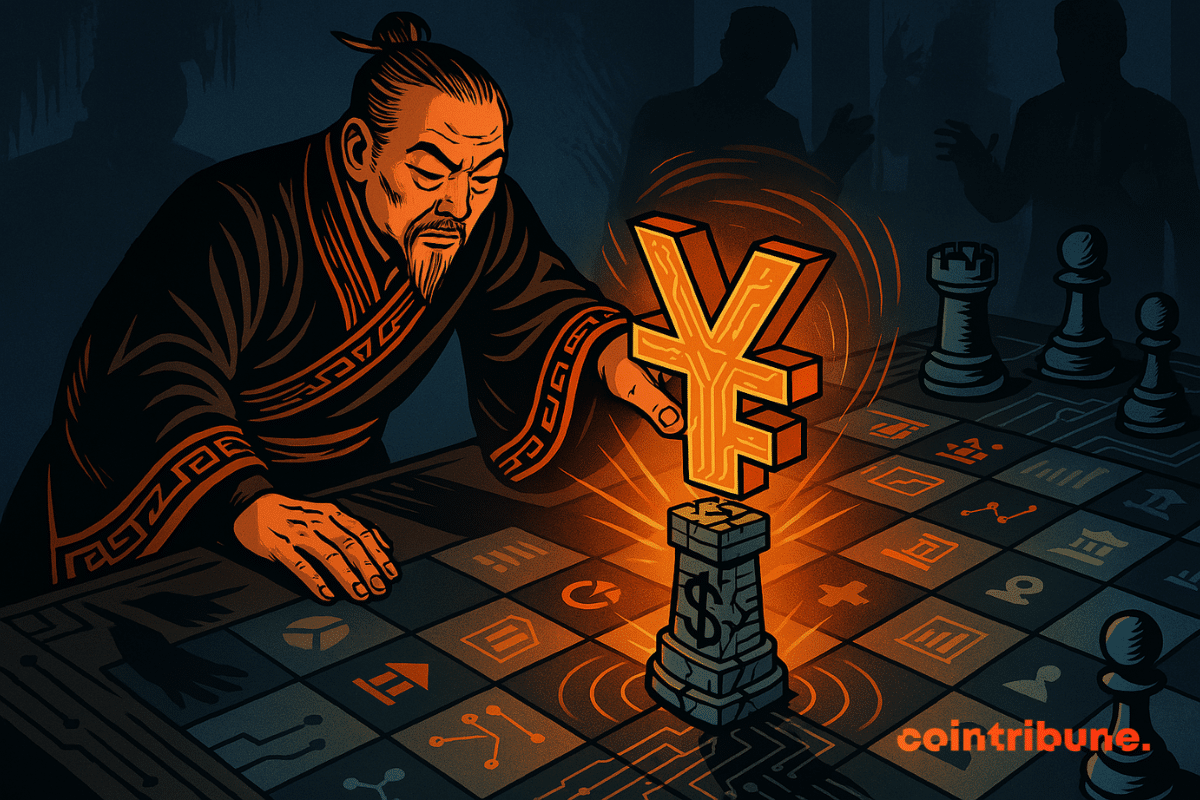
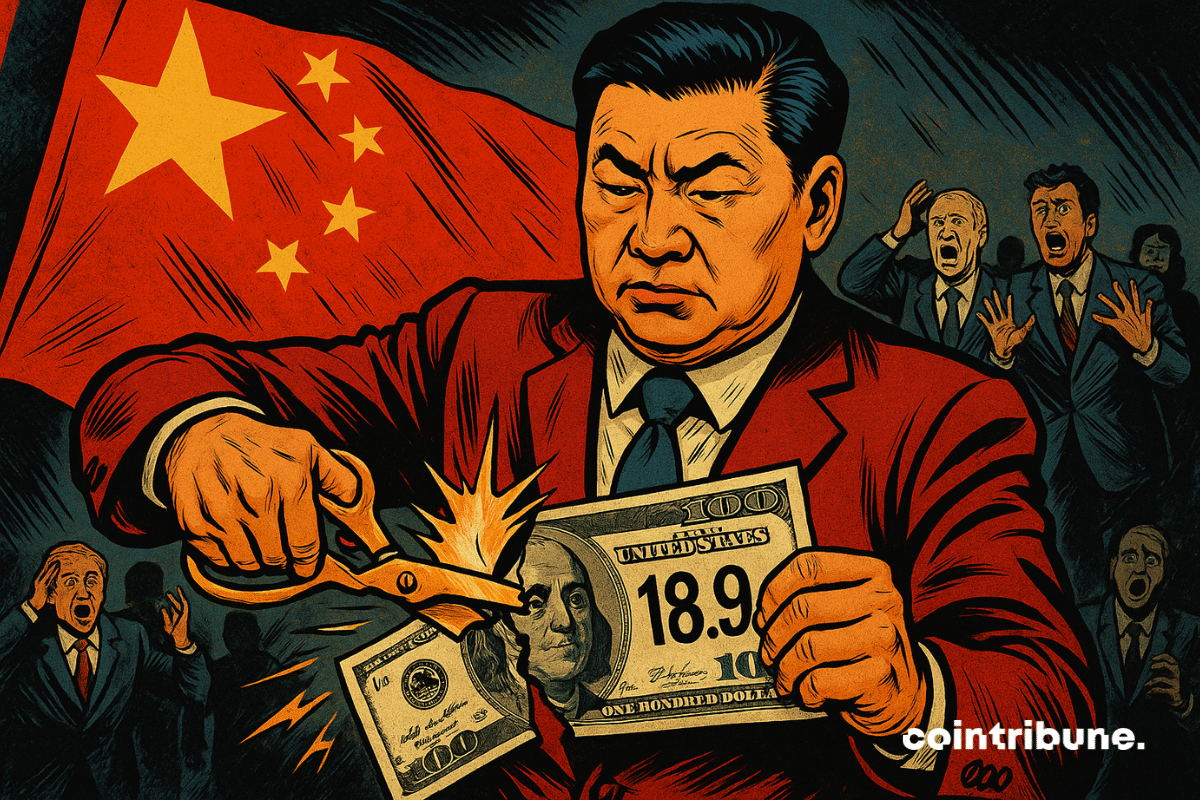
While Trump buries the digital dollar, Beijing is setting up its own on all continents. One click, one yuan, and finance trembles. The United States watches... gritting its teeth.
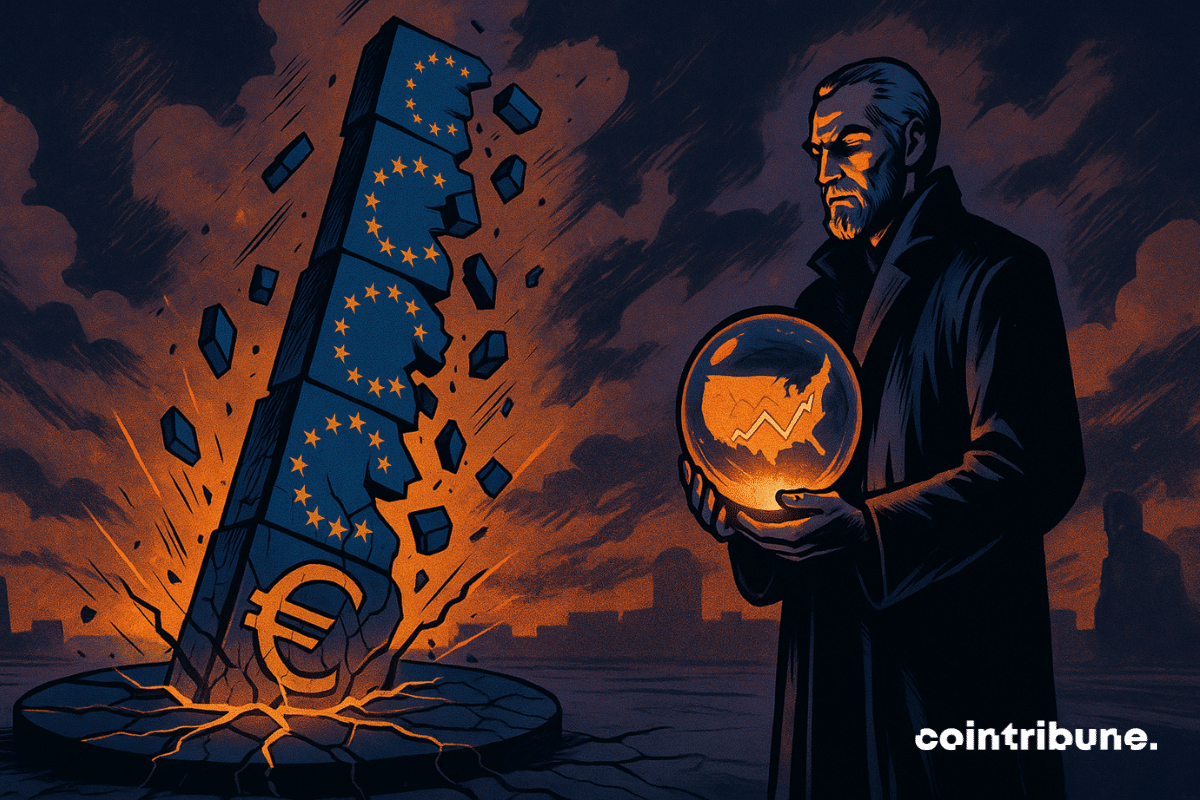
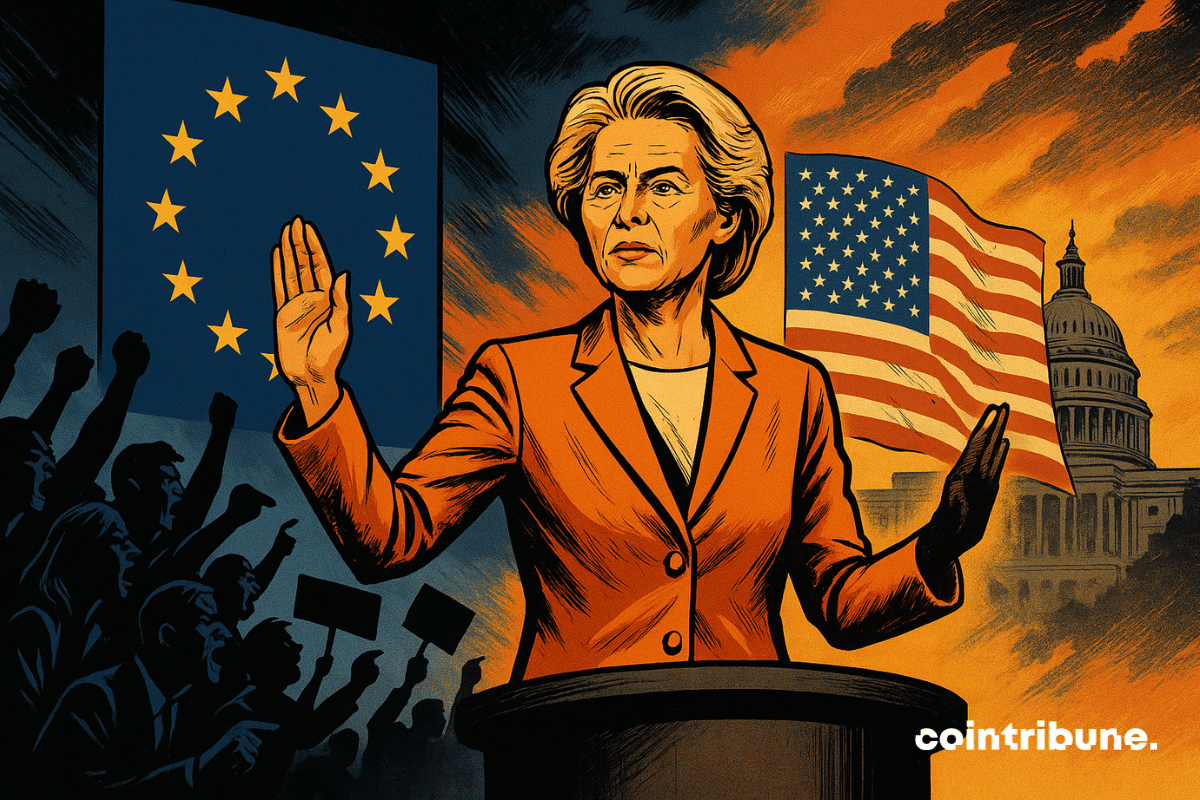
Europe, once a pioneer in the regulation of cryptocurrencies, might soon become just a simple corridor traversed by innovation without ever holding onto it. While the United States and Asia are making concrete advances, the Old Continent is bogged down in caution. Catriona Kellas, legal officer at Franklin Templeton, pulls no punches: the EU risks being relegated to the status of a spectator, unable to compete with the dynamics of major rival powers.
Military tensions in the Middle East are entering a critical phase. While Israel intensifies its strikes against Iran, prediction markets are going wild. The likelihood of a U.S. strike is reaching unprecedented levels. This increase in volatility fuels fears of a regional conflagration, closely monitored by investors, particularly in the crypto ecosystem.
In an economic context where every trade tension weighs on global markets, Washington has chosen firmness. On June 11, Howard Lutnick, Secretary of Commerce, ruled out any reduction in tariffs imposed on China. An unambiguous announcement, despite an agreement announced as "concluded" by both capitals. This tariff status quo reinforces uncertainty about global supply chains and sends a clear signal: the time is not for easing, even amid diplomatic dialogue.
The May US inflation shows a deceptive calm: +0.1% for the month, a figure below expectations that immediately boosted risky assets. However, behind this lull lies more enduring tensions, fueled by the renewed offensive of tariff hikes decided by the Trump administration. This seemingly reassuring figure conceals a more unstable reality, where weak signals of a coming inflation resurgence trigger doubts about the robustness of the current economic cycle.
Zuckerberg senses the right opportunity: he spends 15 billion to tame AI, recruits top minds, locks down data... and acquires a 28-year-old genius, Wang.
As markets scrutinize every move of the Fed and US public debt hits new records, Donald Trump is launching a vast fiscal project. His proposal is to extend and amplify the tax cuts of 2017. While his supporters see it as a growth lever, economists fear a massive budgetary drift. This text, dubbed "One Big Beautiful Bill", crystallizes the tensions between political ambition and financial viability.
The traditional banking sector is making a historic shift towards stable cryptocurrencies. Discussions between Stripe and financial institutions reveal a massive interest in this technology. But will widespread adoption depend solely on the goodwill of regulators?
The American Congress recently approved the "Big, Beautiful Bill," Donald Trump's budget proposal, hailed as a strong resurgence of Republican economic policy. However, for Peter Schiff, this text marks a dramatic turning point. The economist sees it as a destructive mechanism that prepares for the inevitable downfall of the dollar and an unprecedented monetary shock.
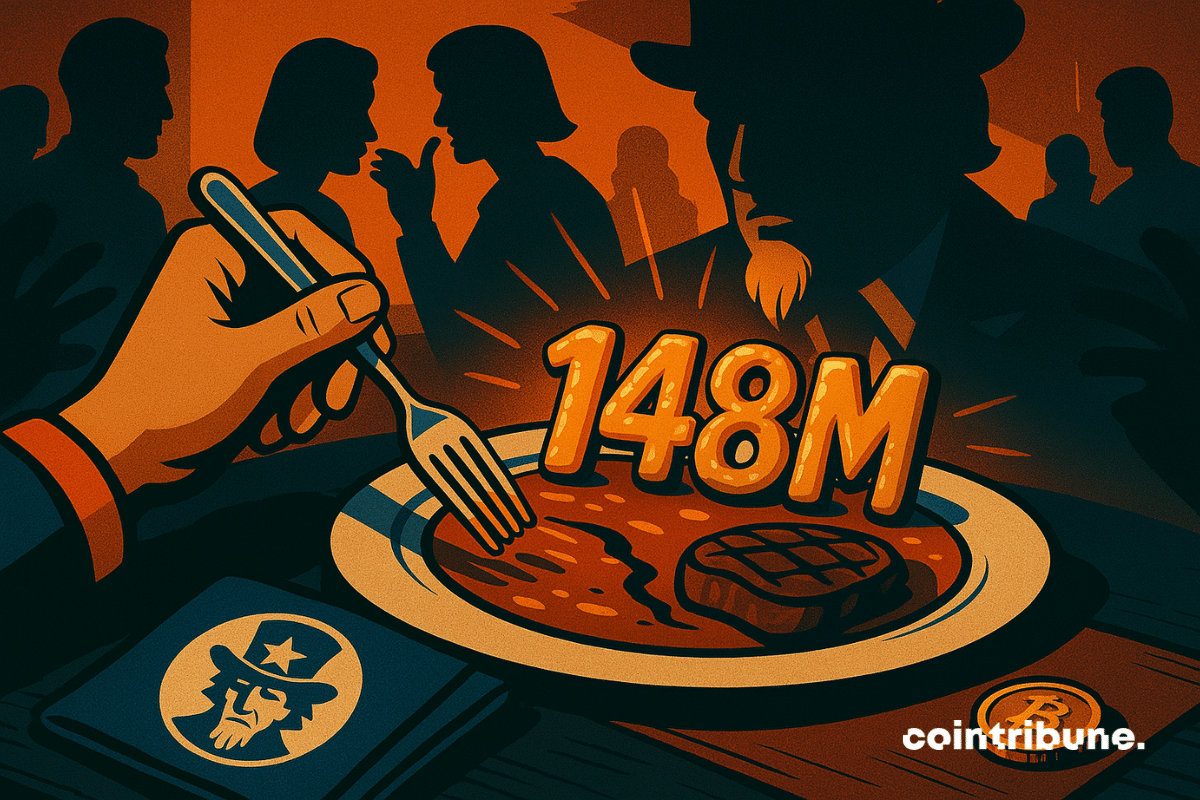
Crypto, filet mignon, and democracy for sale? Trump treats 220 investors to tokenized wheat while senators shout corruption under the chandeliers of the Trump Golf Club.
Beijing is picking Uncle Sam's pockets, offloading its Treasury bonds, and whispering to the global economy: "I love you... me neither."
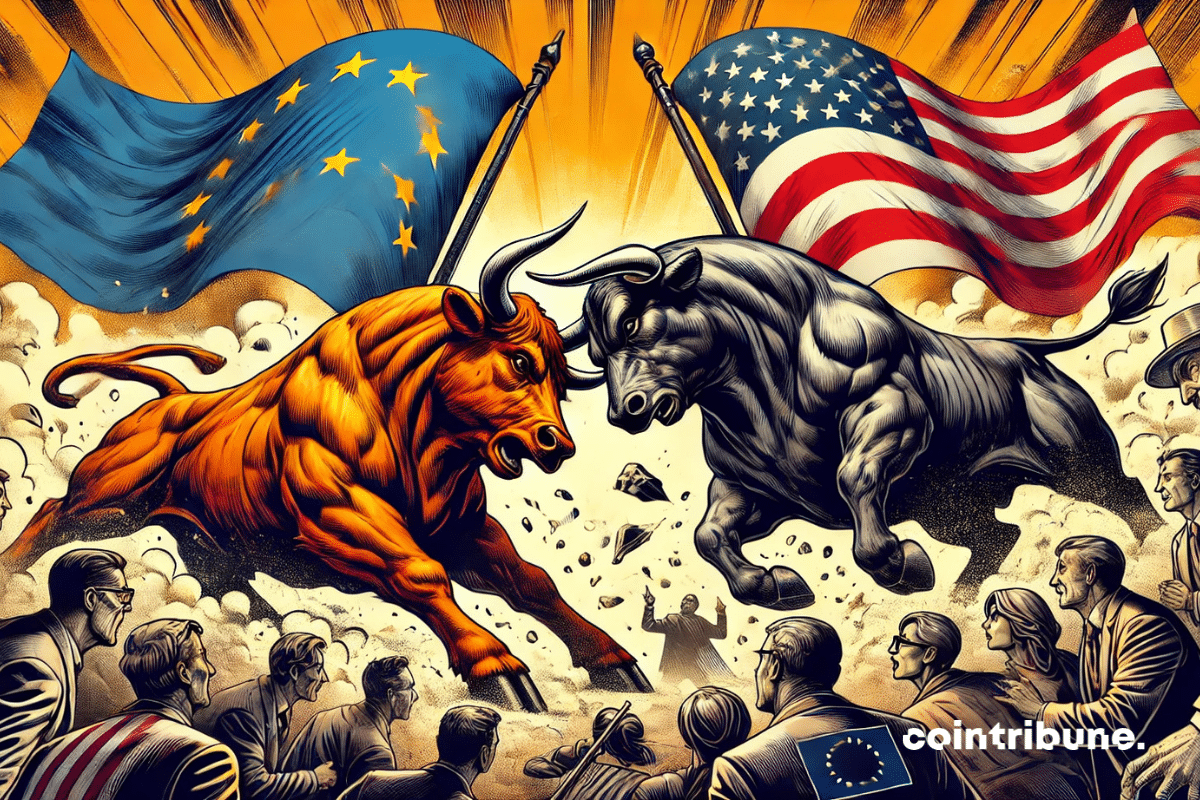
A European stock market in full swing, investors overjoyed, and Wall Street wondering where its crown has gone... Is the stock market history now being written the European way?
Binance US announces the resumption of deposits and withdrawals in United States dollars (USD), ending 18 months of suspension of its services. This reactivation comes as the regulatory framework for cryptocurrencies is becoming clearer in the United States.
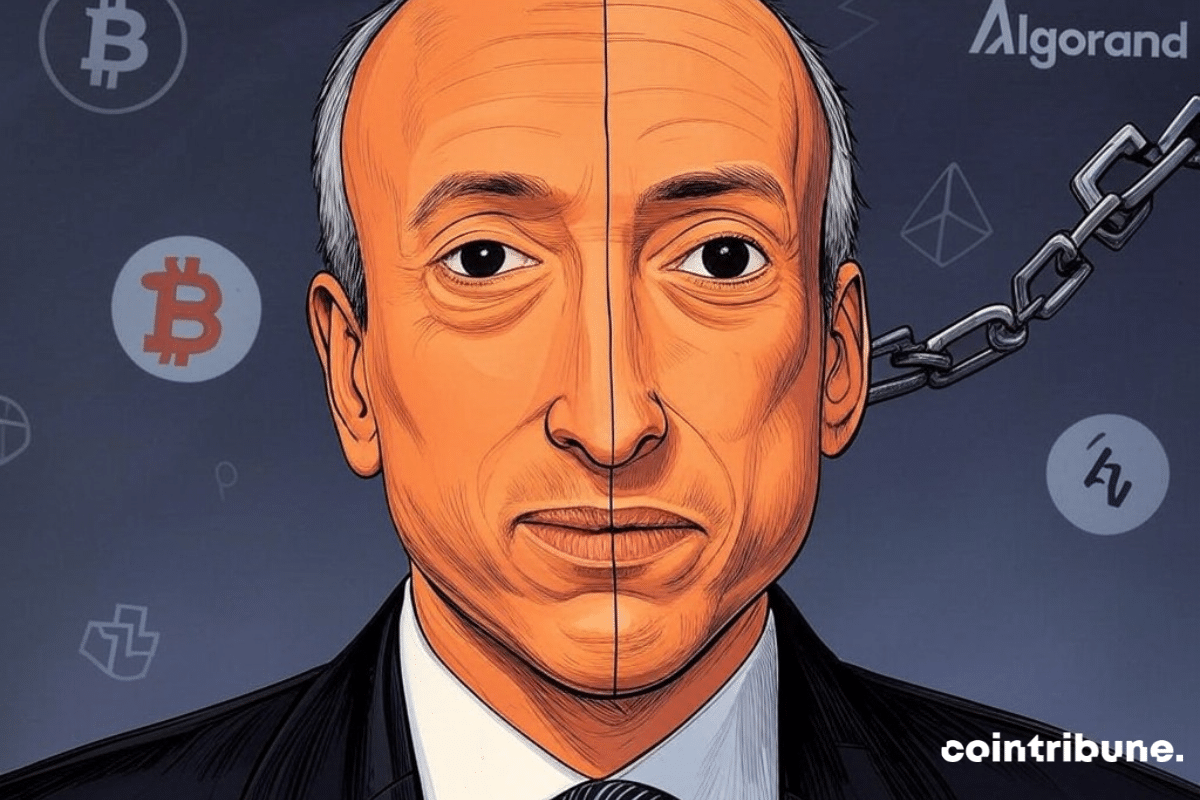
Kicked out of the SEC but not off the radar, Gensler bounces back at MIT. Supreme irony: he will teach what he methodically fought against. New stance or even an imposture?
The Arizona Senate takes a historic step towards institutional adoption of cryptocurrencies with the advancement of a bill allowing the state to invest up to 10% of its public funds in bitcoin. This initiative could trigger a wave of similar adoption in other U.S. states.
A federal court in Texas has just overturned the sanctions imposed against the crypto mixing protocol, Tornado Cash. This decision marks a turning point in the regulation of privacy technologies and could redefine the authorities' approach to decentralized protocols.
"America First" roars Trump, hammering taxes and drilling like a refrain. The Green New Deal expires, the economy trembles, the euro wonders.
A few days before Donald Trump's inauguration, the outgoing American administration is tightening its sanctions against Russian oil, pushing Brent prices above $80. This new offensive directly targets two Russian giants in the sector and a fleet of nearly 200 ships.
In the digital arena, punters are getting excited: 4% for SBF, 2% for Ulbricht. Will Biden, the last emperor of crypto-miracles, decide?
Between a provocative Trump and an inflexible Fed, the economy wobbles. Interest rates rise, prices soar, and nerves fray.