DeepSeek launched its V4 models on April 24, 2026, optimized for Huawei Ascend chips and marking a major breakthrough in Chinese AI. With performance rivaling GPT-5.4 and Gemini, this open-source model could redefine global standards.
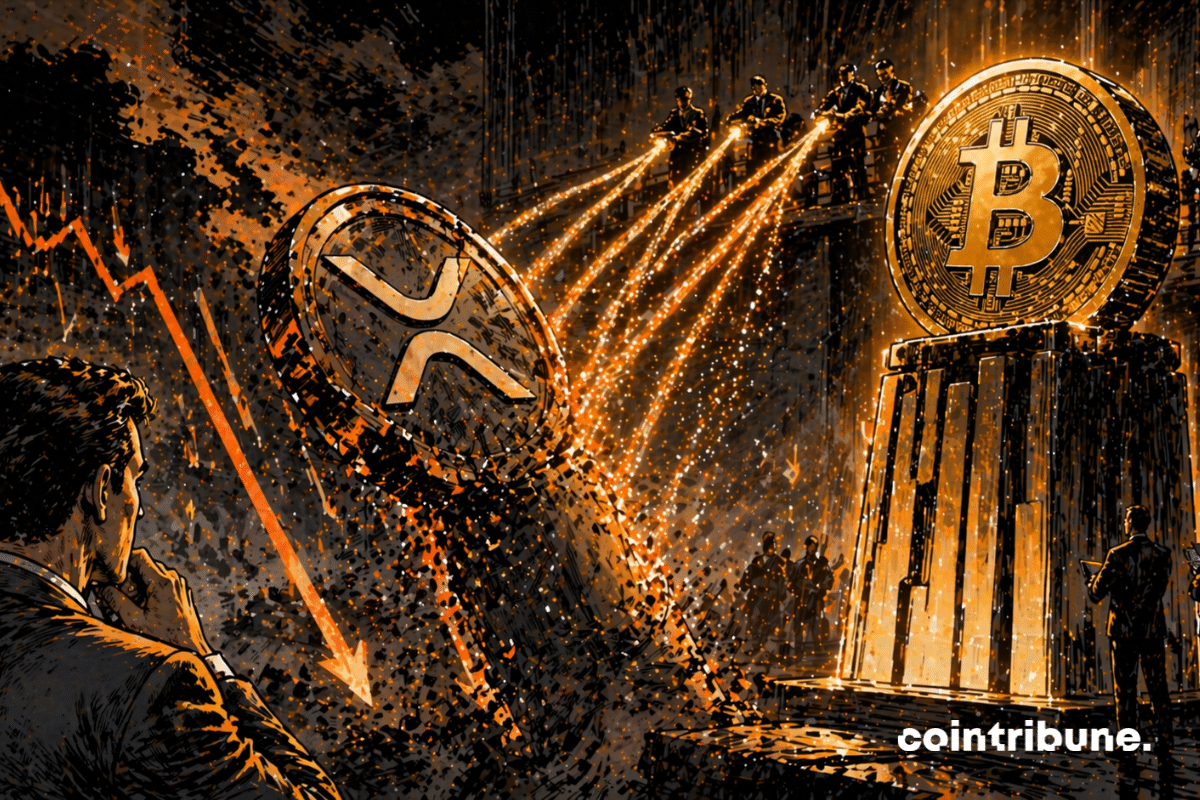
Institutional flows are intensifying, but the market is sending a completely different signal. Despite nine consecutive days of inflows into XRP-related investment products, its performance against Bitcoin is deteriorating dangerously. This unexpected gap between capital inflows and price weakness raises questions for investors: do ETFs really suffice to support an asset? Behind this contradictory dynamic, technical indicators outline a much more worrying scenario for XRP.
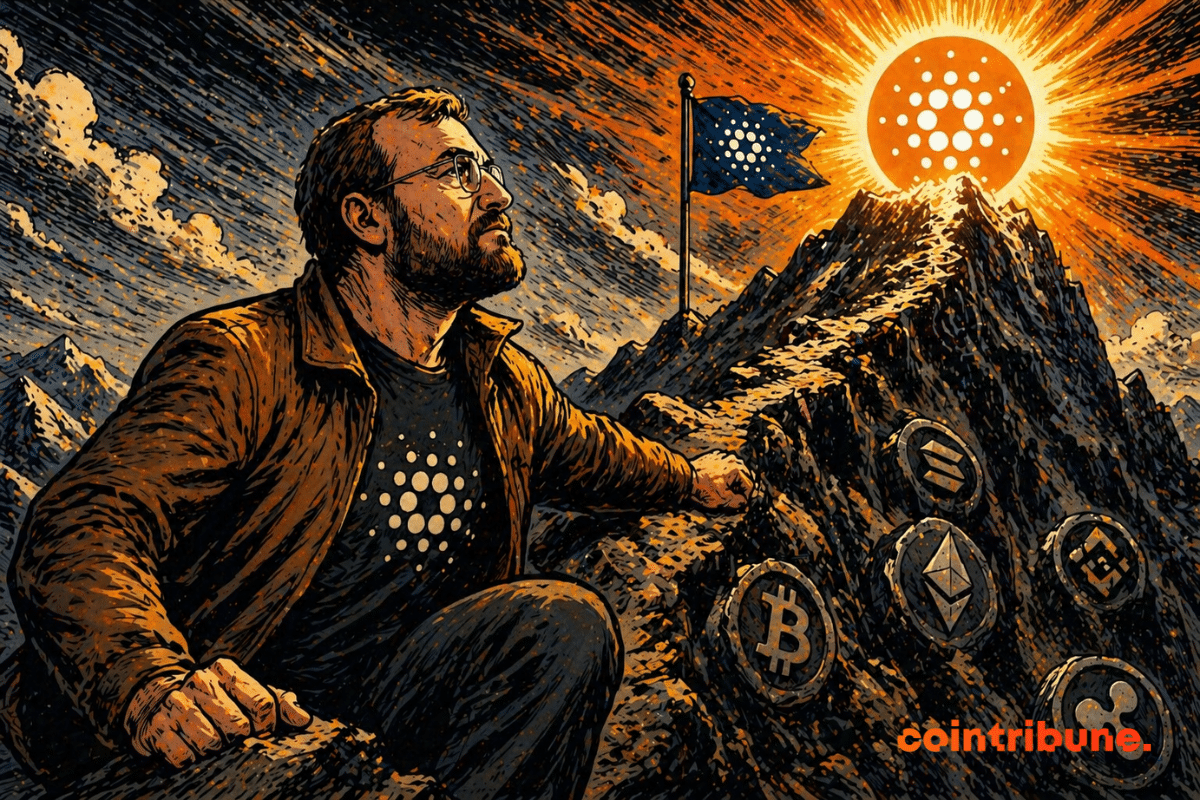
Cardano reveals its big plan, Hoskinson promises the top, and skeptics count the steps. In crypto, social mobility exists, but it often breaks down.
The dollar is no longer just contested, but it is now bypassed in real usage. Starting April 30, 2026, the BRICS take a decisive step with the deployment of an operational payment system between China and Indonesia. Behind this initiative is a clear ambition: to concretely reduce dependence on the greenback in daily transactions. This progress marks the transition from a political strategy to a tangible application, likely to reshuffle the cards of the international monetary system.
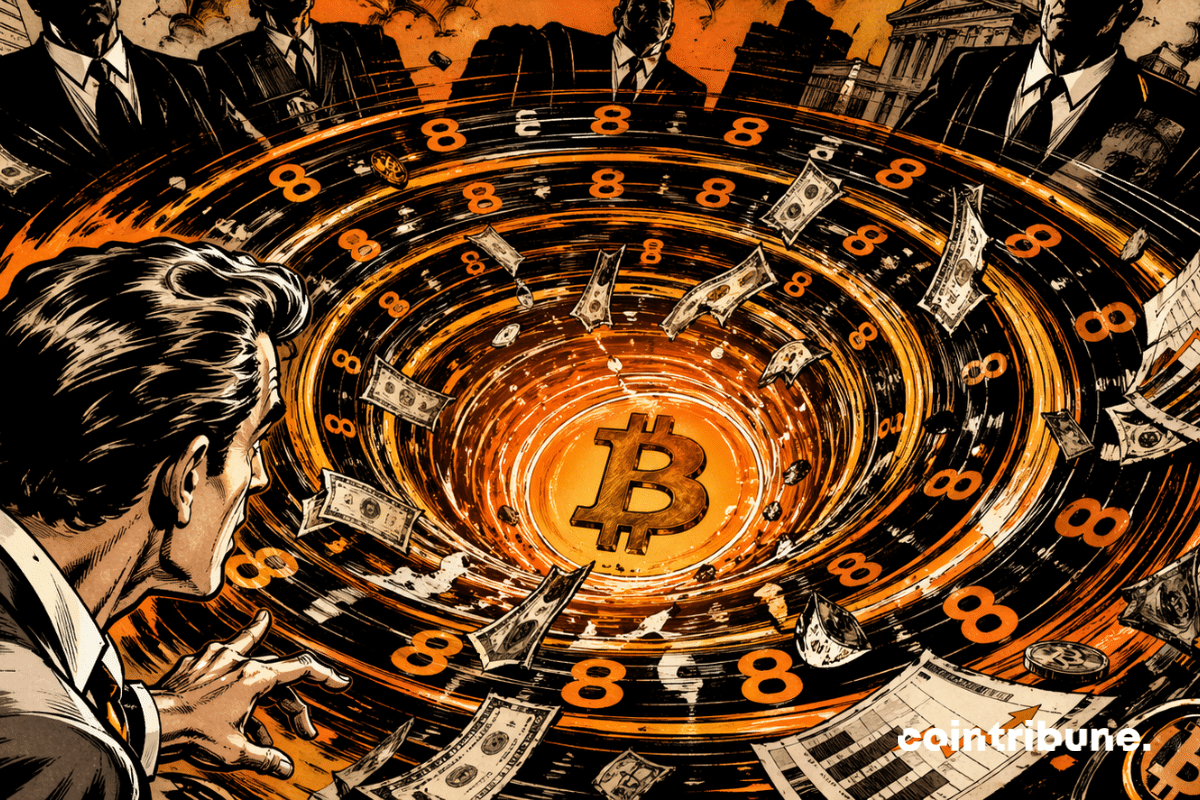
The US spot Bitcoin ETFs have just closed eight consecutive days of net inflows, totaling more than 2 billion dollars in less than two weeks. A rare streak, which is no coincidence. Are we on the dawn of a new cycle of institutional accumulation?
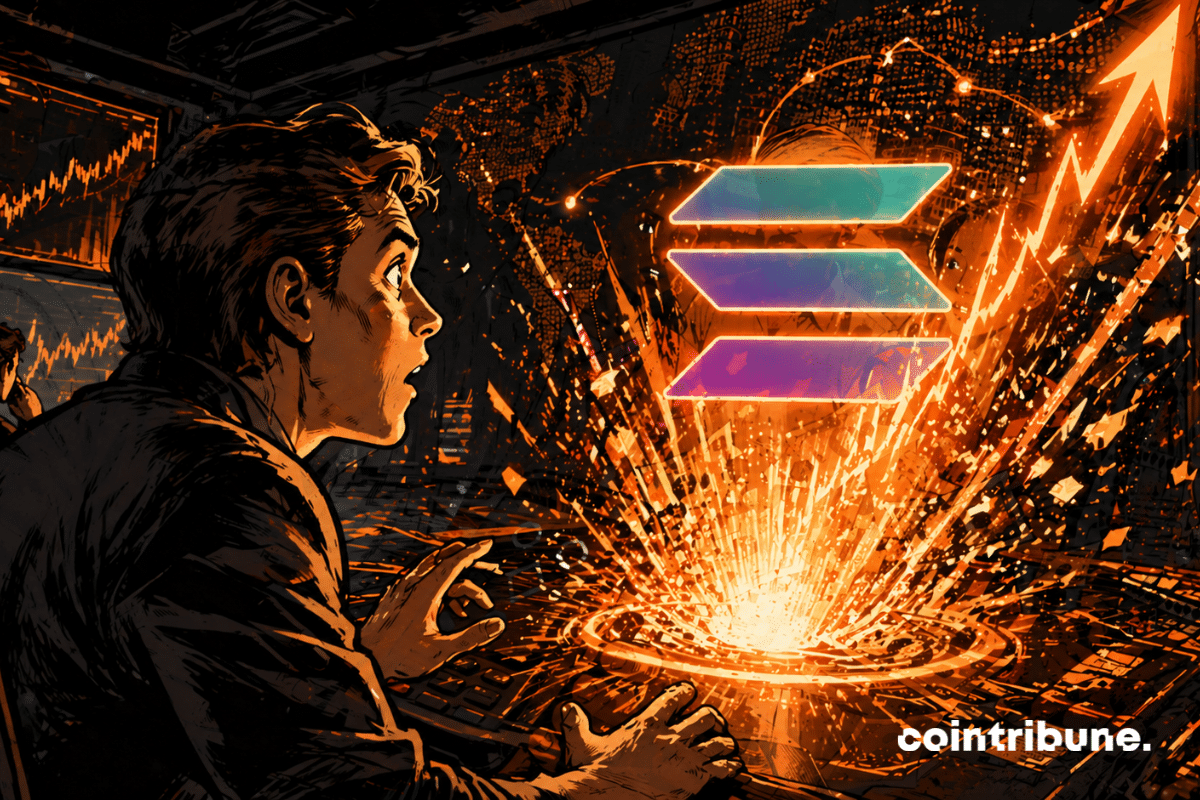
The crypto market is once again eyeing Solana. A technical signal identified on its weekly charts, previously observed during strong upward phases, has just been confirmed. This return occurs in a still fragile environment where investors are seeking benchmarks. Between historical precedent and critical price levels, the asset finds itself at a pivotal moment in its trajectory.
A researcher has just broken a 15-bit elliptic crypto key on a publicly accessible quantum computer, winning 1 Bitcoin. This breakthrough, 512 times more powerful than the previous one, does it threaten the security of Bitcoin and blockchains?
Morgan Stanley launches a money market fund designed for the reserves of stablecoin issuers. The product, named Stablecoin Reserves Portfolio (MSNXX), targets a very specific area: the liquidity that backs payment stablecoins. The message is clear. The bank no longer just views crypto as an asset class. It also wants to become part of its regulated back office.
Large Bitcoin wallets resume activity. On-chain data signal an intensification of movements among these major players, a phenomenon often observed at key market moments. As these flows multiply, expectations evolve. Does this resurgence of activity mark the beginning of a new bullish dynamic, or is it part of a simple strategic adjustment?
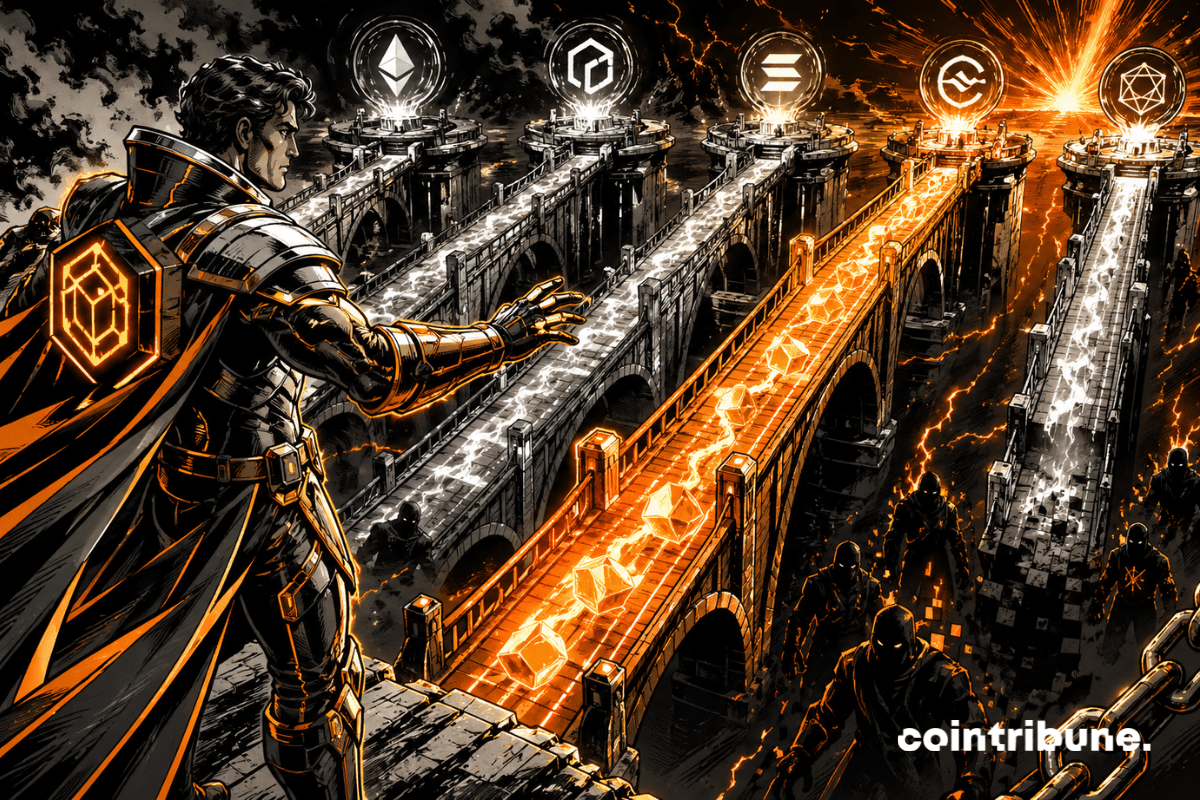
In crypto, bridges are no longer invisible infrastructure. They are pressure points. Every cross-chain transaction carries the same silent tension: will it go through or break somewhere in the shadows? The promise of decentralization once painted a frictionless future. Reality pushed back. Exploits, failed transfers, fragmented liquidity—the industry learned the hard way that moving value across chains is still one of its most fragile layers. In 2026, reliability is no longer about speed alone. It’s about execution, resilience, and user outcomes. And when you zoom out, a pattern emerges: two competing philosophies shaping the future of cross-chain.