Archive June 2026
Tue 16 Jun 2026 ▪
6 min read
▪
by
Luc Jose A.
On international financial markets, the search for absolute scarcity leads analysts to periodically rethink the trajectory of value, but the latest projections made in Central Europe completely disrupt the known scales of magnitude. At the BTC Prague conference, Michael Saylor, CEO of the financial firm Strategy, presented his vision of a systemic upheaval on a global scale, which he calls Bitcoin capitalism. This intervention takes place in a particularly dynamic macroeconomic environment, marked by a general resurgence of investor confidence and a notable increase in the overall capitalization of cryptos. To properly analyze these statements, one must proceed rigorously to distinguish the dynamics of global wealth transfer from emerging financialization mechanisms.
Tue 16 Jun 2026 ▪
5 min read
▪
by
Mikaia A.
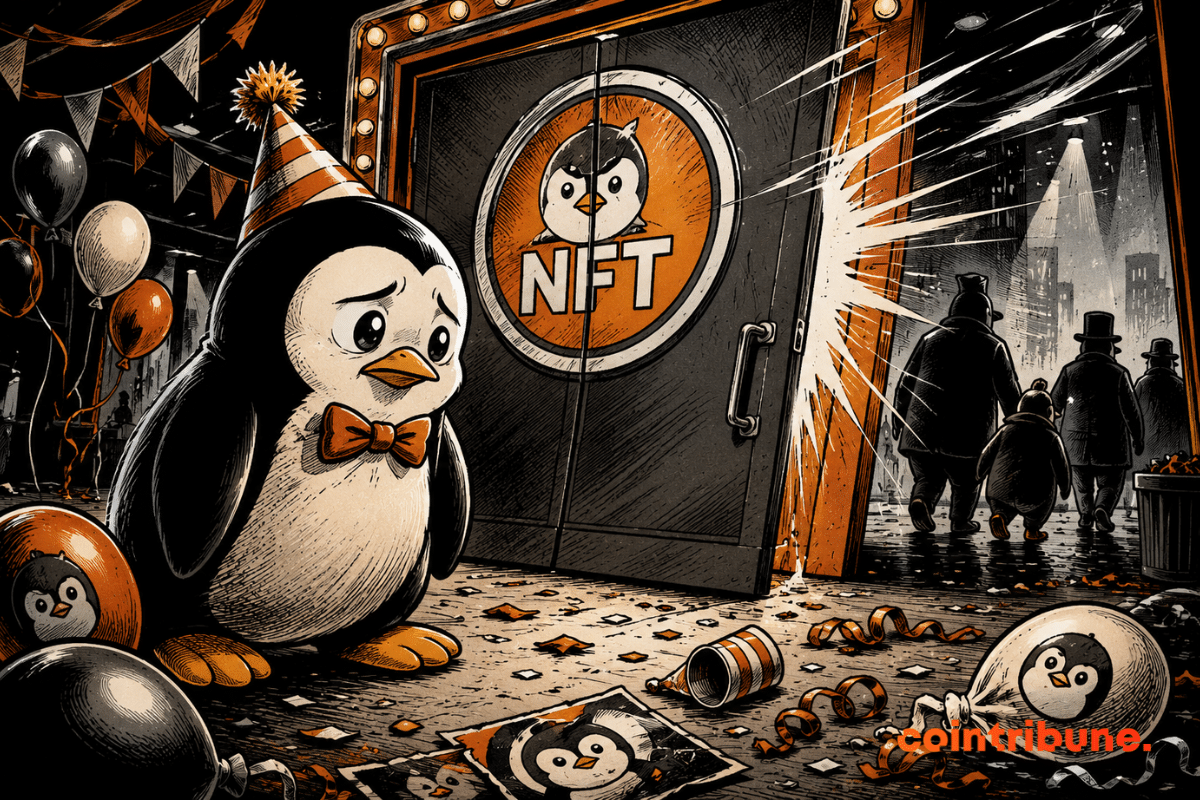
Pudgy's penguins have put their controllers away. Their Party game is closing up shop due to a lack of players. Head to Pudgy World, the universe that's supposed to save the brand. The fans? They're seeing green—and not the good kind.
Tue 16 Jun 2026 ▪
4 min read
▪
by
Evans S.
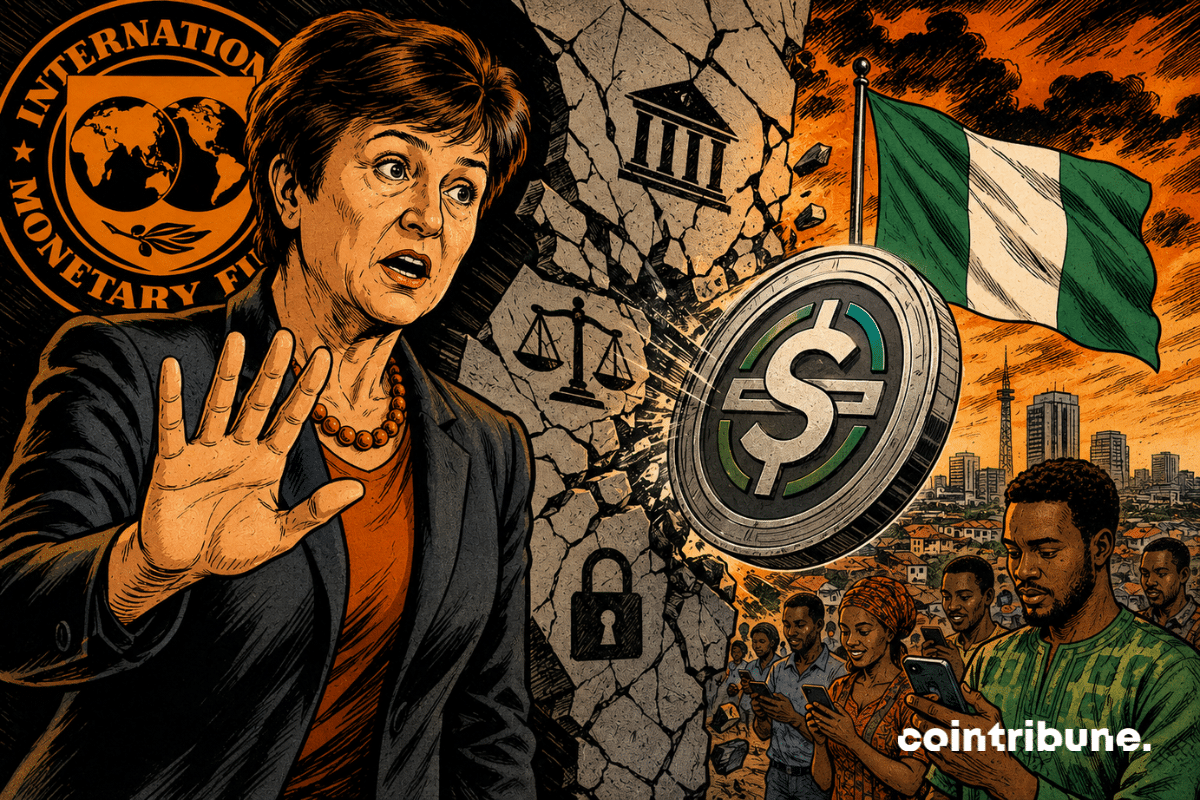
Stablecoins have become a real payment circuit in Nigeria. For the IMF, their growth provides a concrete solution to costly transfers, but now tests the monetary and regulatory limits of the country.
Tue 16 Jun 2026 ▪
4 min read
▪
by
Lydie M.
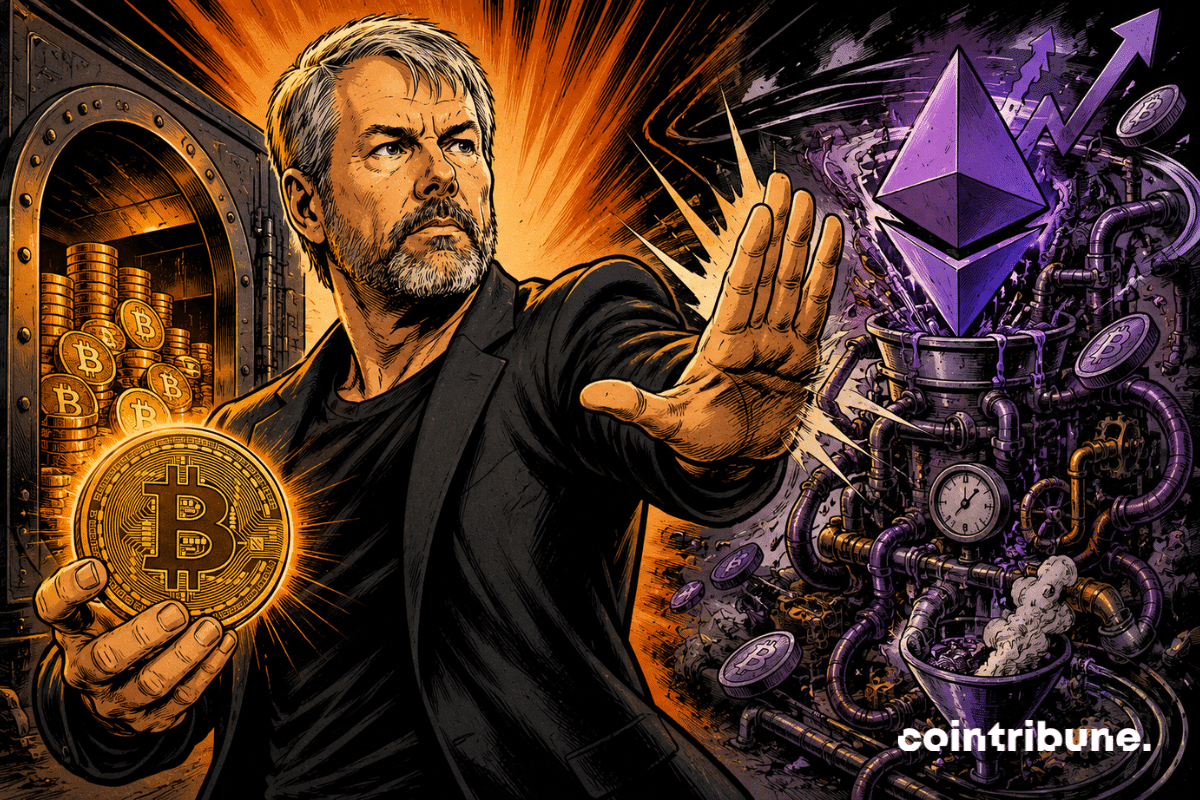
Bitcoin does not need staking, inflation, or an embedded yield in its protocol. Michael Saylor instead advocates a model where bitcoin remains pure digital capital, while financial markets create credit and income around it. In brief Saylor believes Bitcoin doesn’t need to copy Ethereum staking. Yields…
Tue 16 Jun 2026 ▪
5 min read
▪
by
Ghiles A.
The European digital asset market continues to evolve despite a regulatory framework deemed complex by some players. In this context, Capital B is working on a new credit instrument aimed at European investors. Presented at BTC Prague, this project relies on the Bitcoin reserves held by the French company, already recognized for its treasury strategy focused on digital assets.
Tue 16 Jun 2026 ▪
6 min read
▪
by
Luc Jose A.
In the European Union, the regulatory balance of the crypto industry is challenged by a major situation that could disrupt the hierarchy of exchange platforms on the continent. The compliance of major platforms with the new unified crypto market standard (MiCA), less than a year before the crucial 2026 deadline, triggers unprecedented tensions between exchanges and national regulators. Indeed, European harmonization imposes extremely strict licensing criteria, making each local decision a geopolitical and financial arbitration at the scale of the bloc of twenty-seven.
Tue 16 Jun 2026 ▪
4 min read
▪
by
Eddy S.
In a significant move, SpaceX pays $60 billion to acquire Cursor. Elon Musk's acquisition has the potential to completely change the ecosystem given the conflict with OpenAI and Anthropic as well as the effects on the cryptocurrency market. You'll want to learn more as AI enters a new era.
Wed 17 Jun 2026 ▪
3 min read
▪
by
Fenelon L.
In May 2026, major crypto exchange platforms showed a facade of stability. Spot transaction volumes rose by only 0.1% on the main platforms, according to data compiled by Wu Blockchain. Behind this apparent calm, market shares moved significantly.
Wed 17 Jun 2026 ▪
4 min read
▪
by
Ariela R.
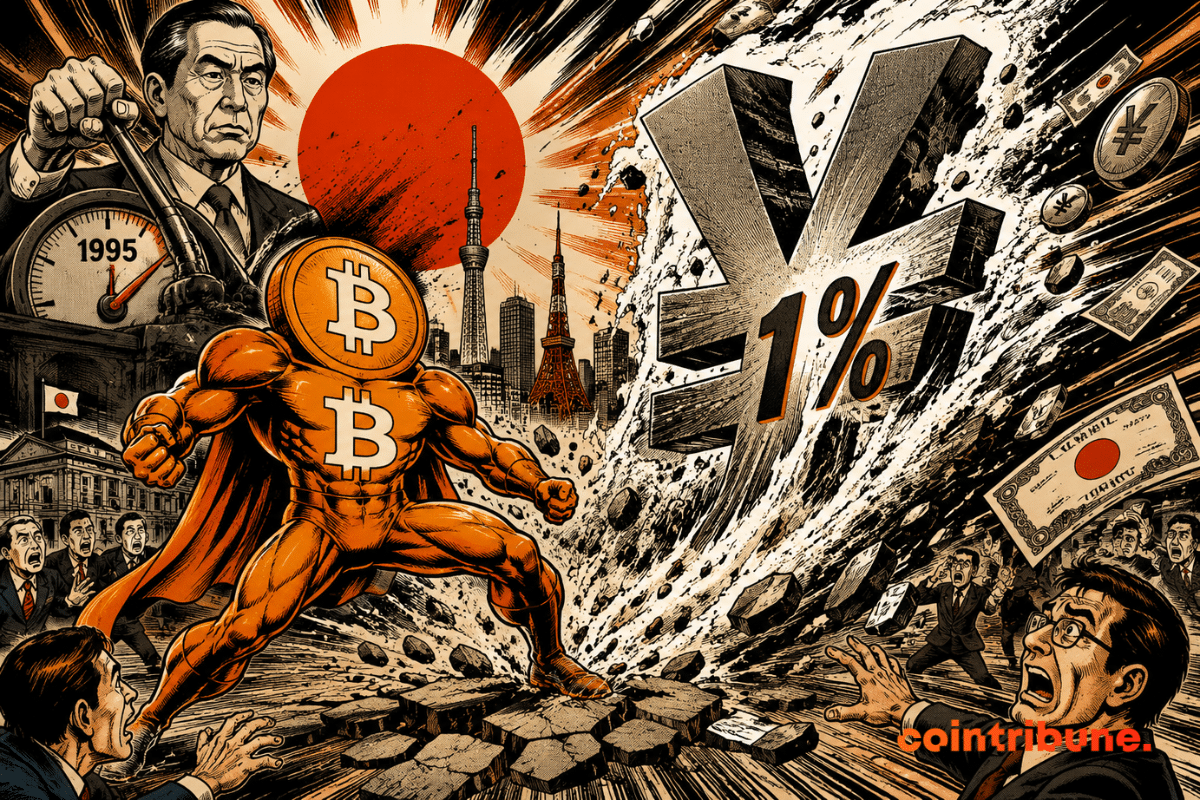
The Bank of Japan raises its rate to an unprecedented high since 1995. A global macroeconomic earthquake reshaping the economy and crypto, but the digital assets market shows historic resilience against the Yen.
Wed 17 Jun 2026 ▪
6 min read
▪
by
Luc Jose A.
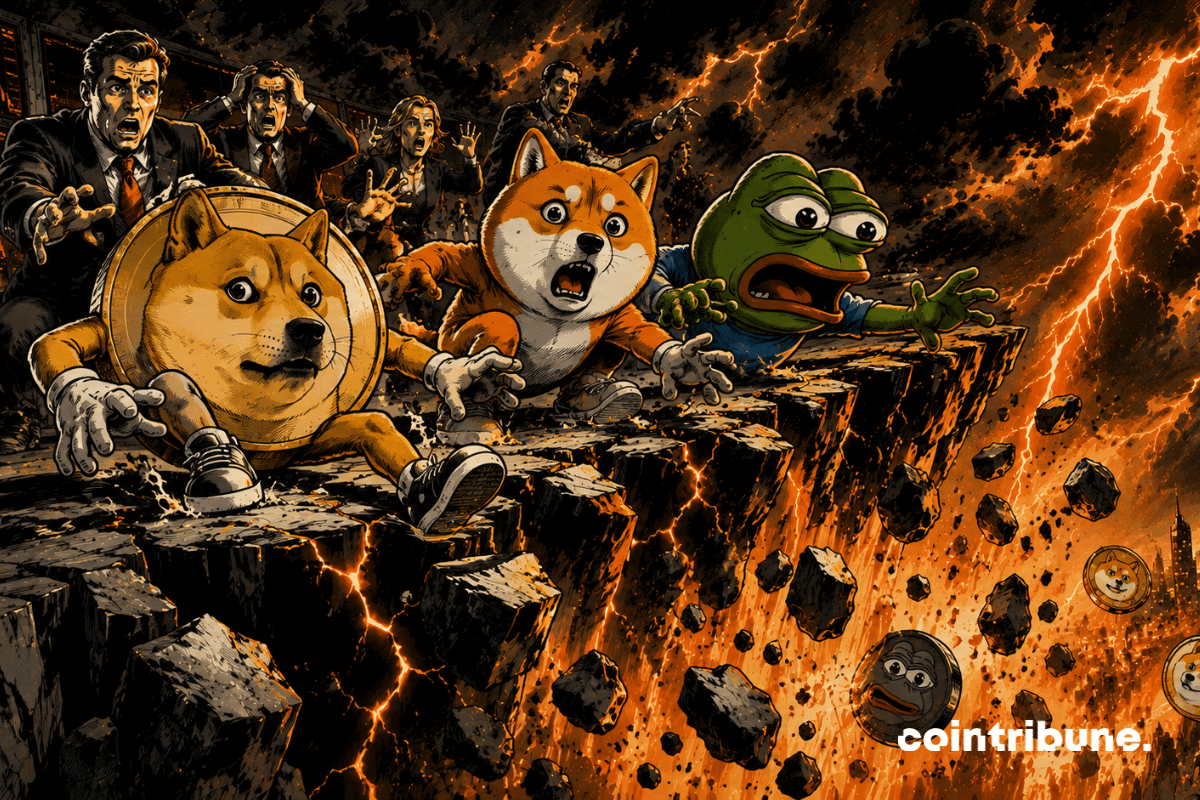
The spectacular collapse of memecoins, which have just erased nearly all the gains made by individuals in a few weeks, brutally confirms that pure speculation hits a wall of macroeconomic reality. Long considered a symbol of financial democratization driven by internet culture, these parodic assets are undergoing an unprecedentedly violent purge, calling into question the very structure of the crypto market. Such a situation could mark the end of a cycle of irrational euphoria and forces actors in the sector to reassess the viability of protocols lacking technological fundamentals.