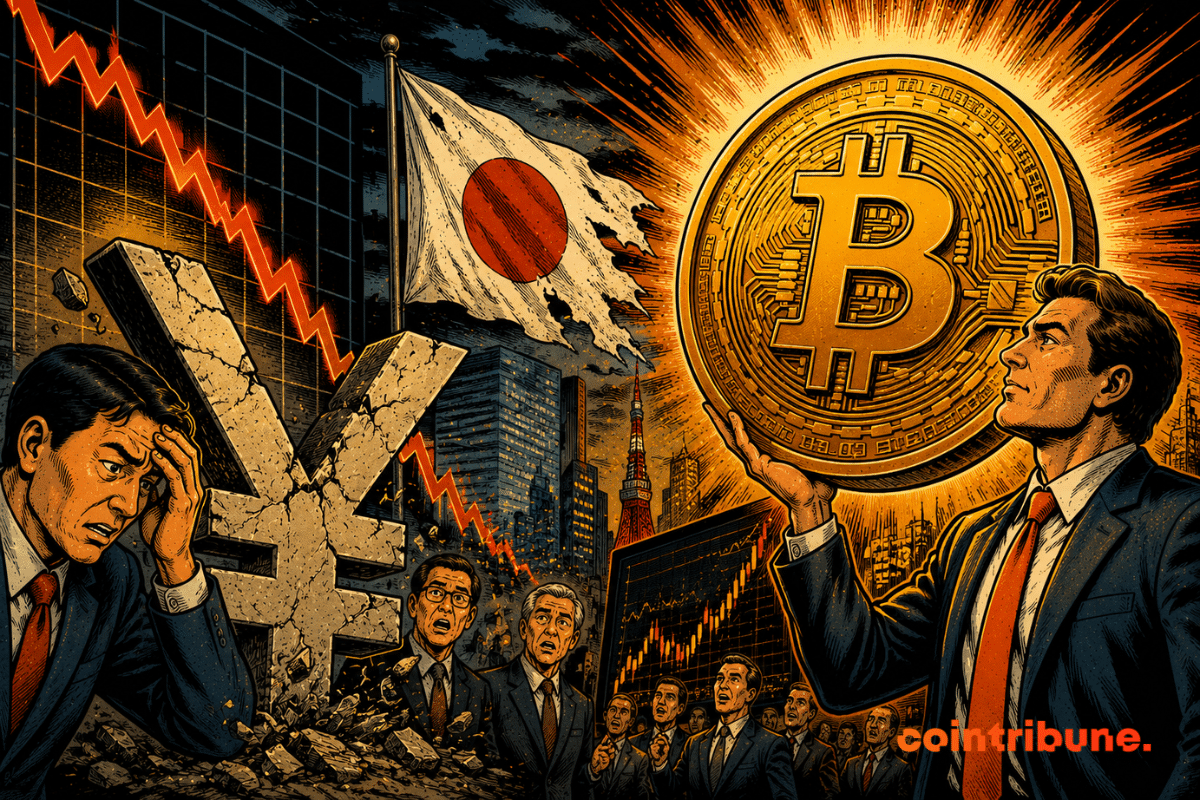
The yen hit 163.23 to the dollar on July 21, 2026, its lowest level since December 1986. The slide of the Japanese currency revives the debate on cash erosion and Bitcoin scarcity. But does the comparison hold up to the facts?

The European Union takes a new step in its offensive against Russia. Member states have approved a new set of sanctions directly targeting crypto and Web3 services, previously considered alternatives to traditional banking restrictions. By tightening access to these digital infrastructures, Brussels aims to reduce opportunities to circumvent economic sanctions imposed on Moscow. A decision that marks a turning point in the use of financial diplomacy against cryptos.
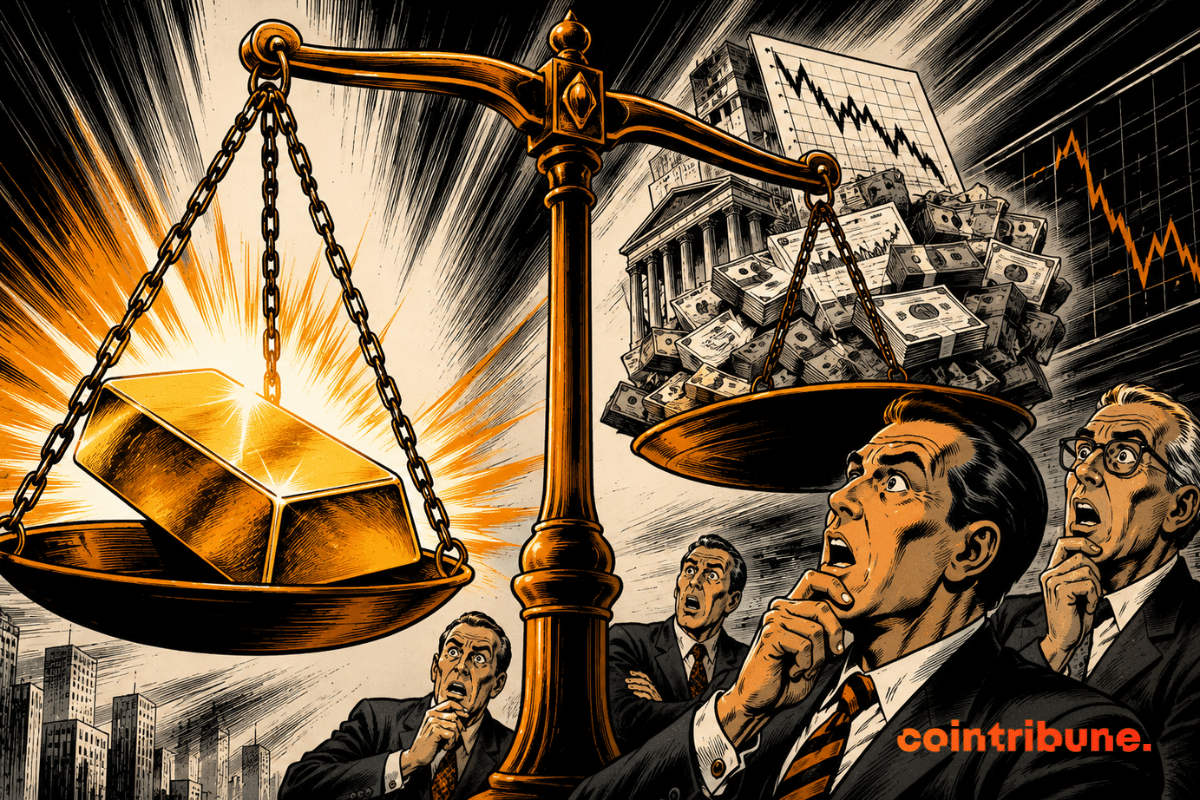
Gold rebounds after a 26% drop. Fund managers consider it undervalued for the first time since March 2023. Complete analysis.
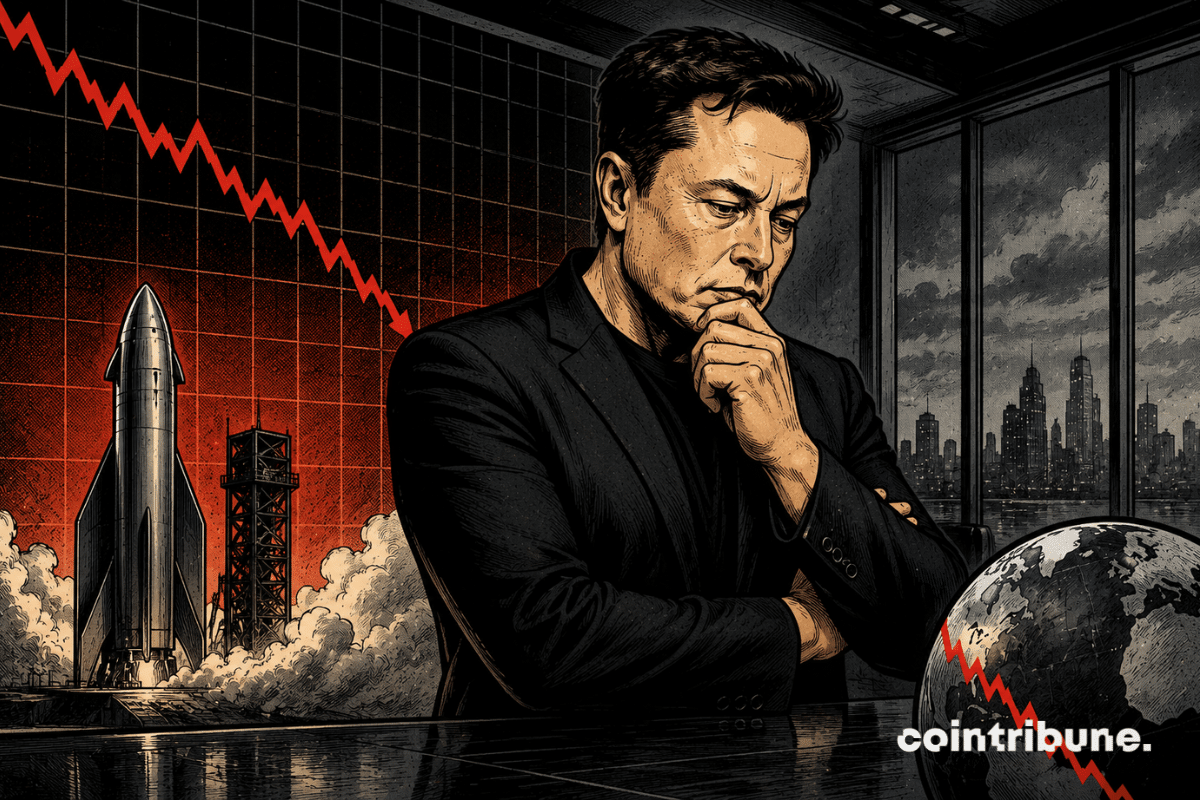
The euphoria around SpaceX gave way to a violent disillusionment. In a few weeks, the SPCX stock went from the status of the largest IPO in history to a correction that erased hundreds of billions of dollars in valuation. This drop not only affects shareholders. It also cuts Elon Musk's fortune and revives questions about the valuations of tech giants, several of which have made bitcoin a strategic asset on their balance sheets.
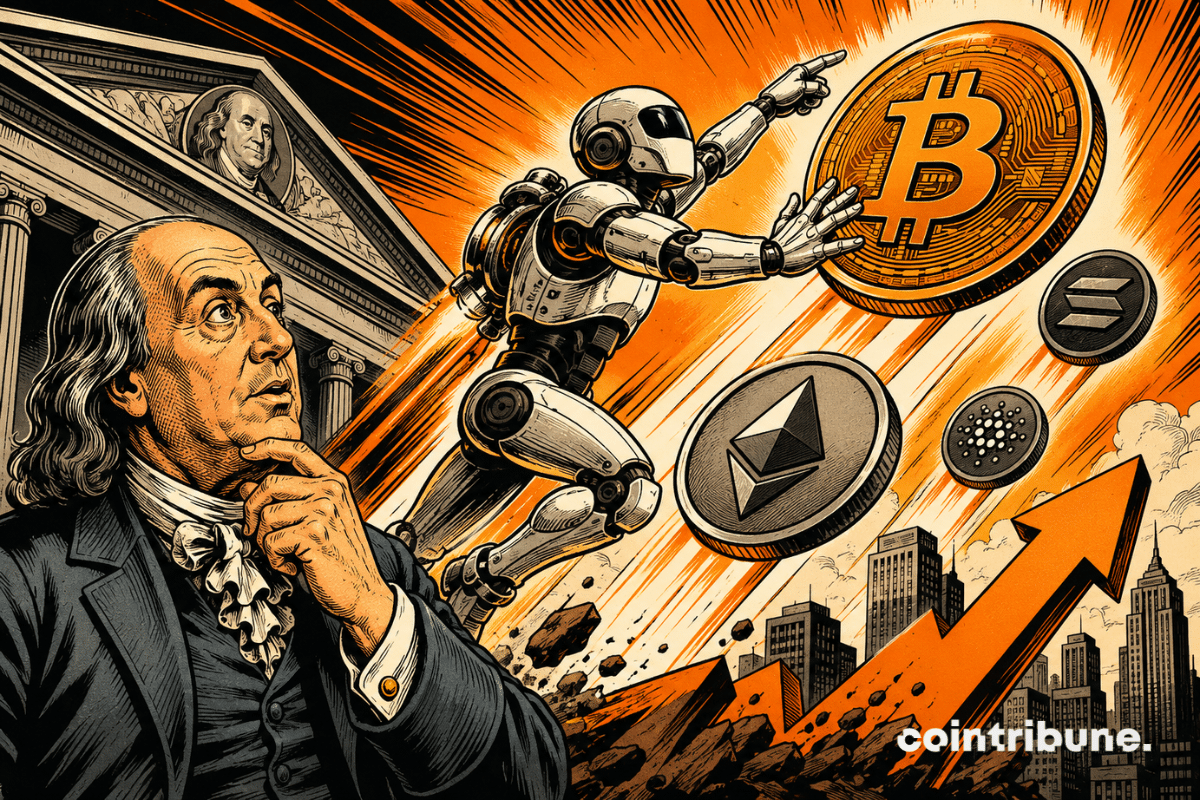
The rapid advances of autonomous agents are reigniting the debate over the infrastructures that will support tomorrow's digital exchanges. In this context, Franklin Templeton believes that AI could transform the way payments and transactions are made. The asset manager considers that crypto will occupy a central place in this evolution thanks to blockchain networks. This analysis is based on the rise of agents able to act alone, make payments, and execute complex tasks after authorization from their user.
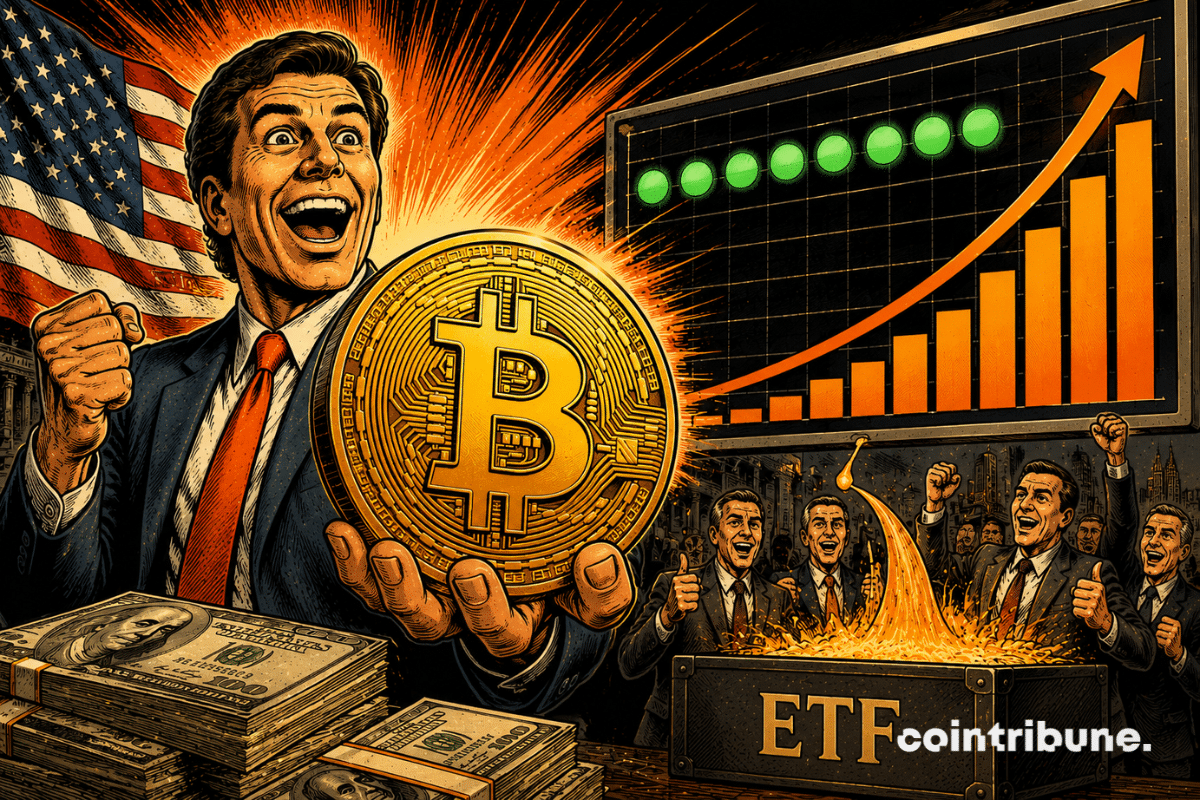
Spot ETFs on bitcoin listed in the United States recorded 69 million dollars of net subscriptions on Wednesday, extending to seven sessions an uninterrupted series of capital inflows. This sequence brings the total flows to nearly one billion dollars, a sign of a measured return of institutional investors. Will the momentum hold up against the recent price decline?
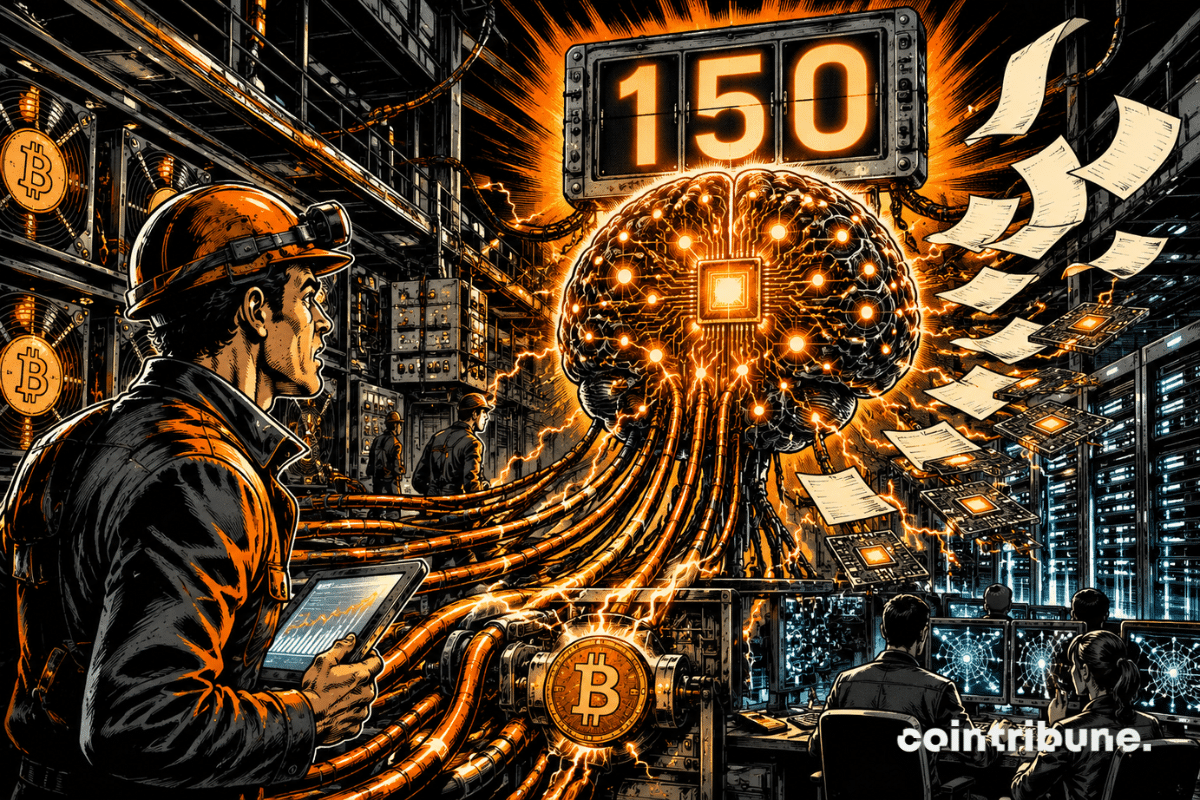
Bitcoin miners could sign the equivalent of 150 billion dollars in contracts thanks to the rise of artificial intelligence. According to Bernstein, the global shortage of electricity and data centers is pushing AI giants to seek partners capable of quickly providing computing power. The infrastructures built for bitcoin are thus becoming strategic assets far beyond crypto.
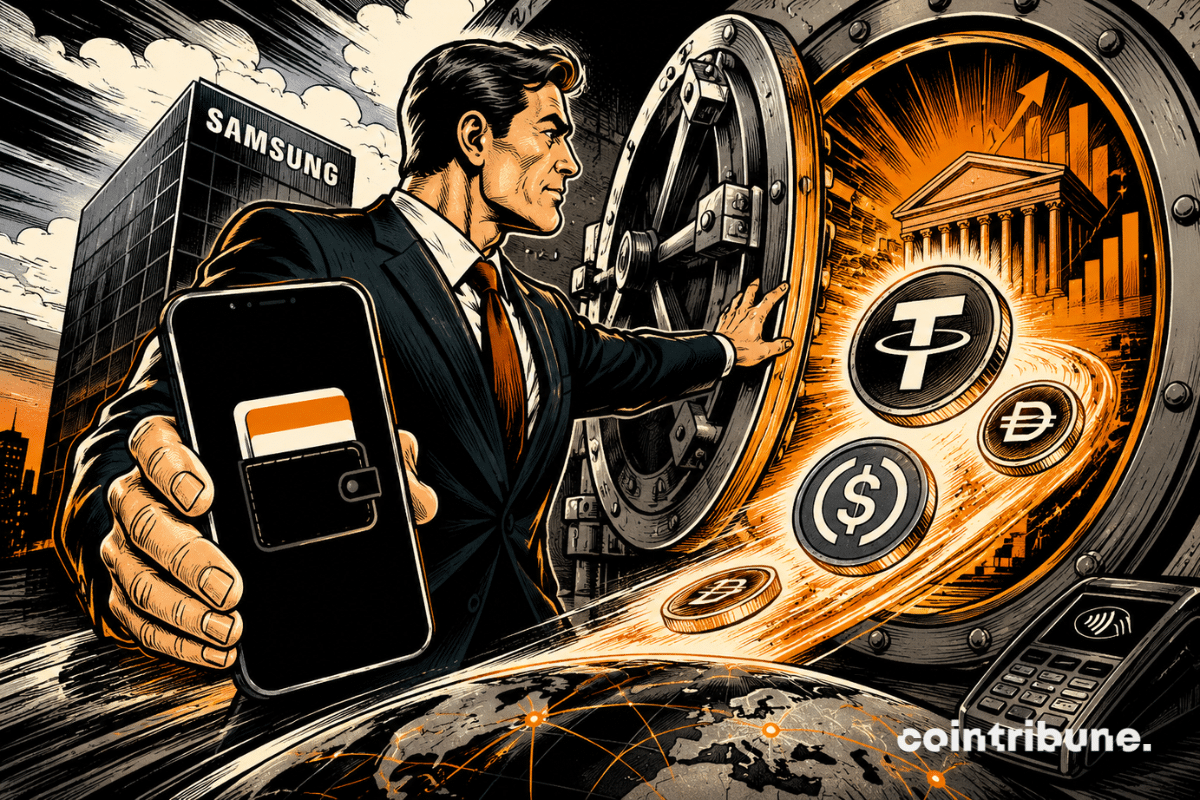
Stablecoins continue to gain ground in digital uses, far beyond the traditional crypto ecosystem. Now, Samsung intends to give them a place at the heart of its Wallet application, presented as a future everyday wallet. This evolution marks a new stage in the strategy of the Korean group, which wants to bring together payments, rewards, and digital assets within a single interface. The announcement was made during Galaxy Unpacked and confirms the growing interest of major technology companies in stablecoins.
Washington is divided by the Clarity Act. The Senate hesitates, but Charles Schwab sees it as a historic catalyst. This bill has the potential to either redefine the crypto market or leave it in the dark due to political impasses and innovation.
Bitget has registered as a Financial Services Provider in New Zealand, adding another jurisdiction to its international compliance framework. The registration covers services ranging from foreign exchange and money transfers to custody and portfolio management. It also supports Bitget’s wider ambition to connect crypto, tokenized assets and traditional markets through its Universal Exchange model.