Archive June 2026
Fri 26 Jun 2026 ▪
4 min read
▪
by
Mikaia A.
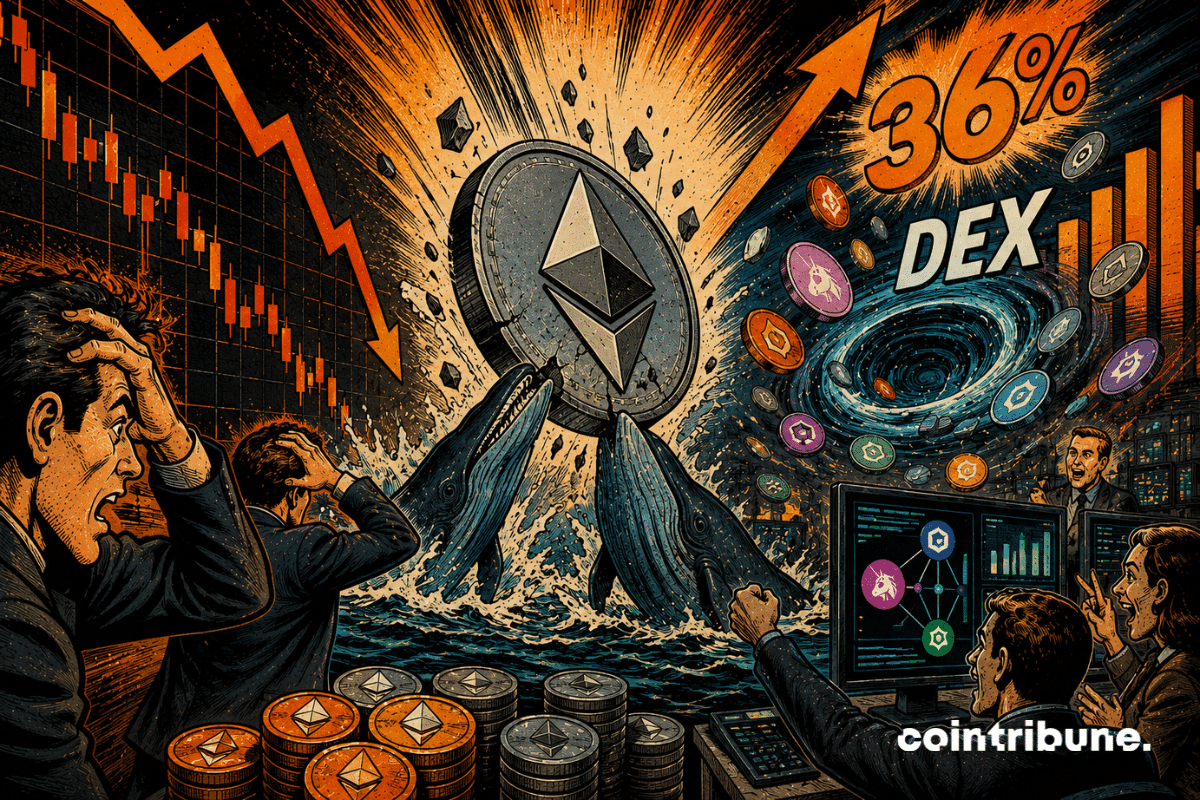
Ethereum is taking a serious tumble, but its network runs like a perfect Swiss watch. Whales are buying, traders are crying, and crypto keeps calmly moving forward. What a beautiful financial contradiction.
Fri 26 Jun 2026 ▪
3 min read
▪
by
Eddy S.
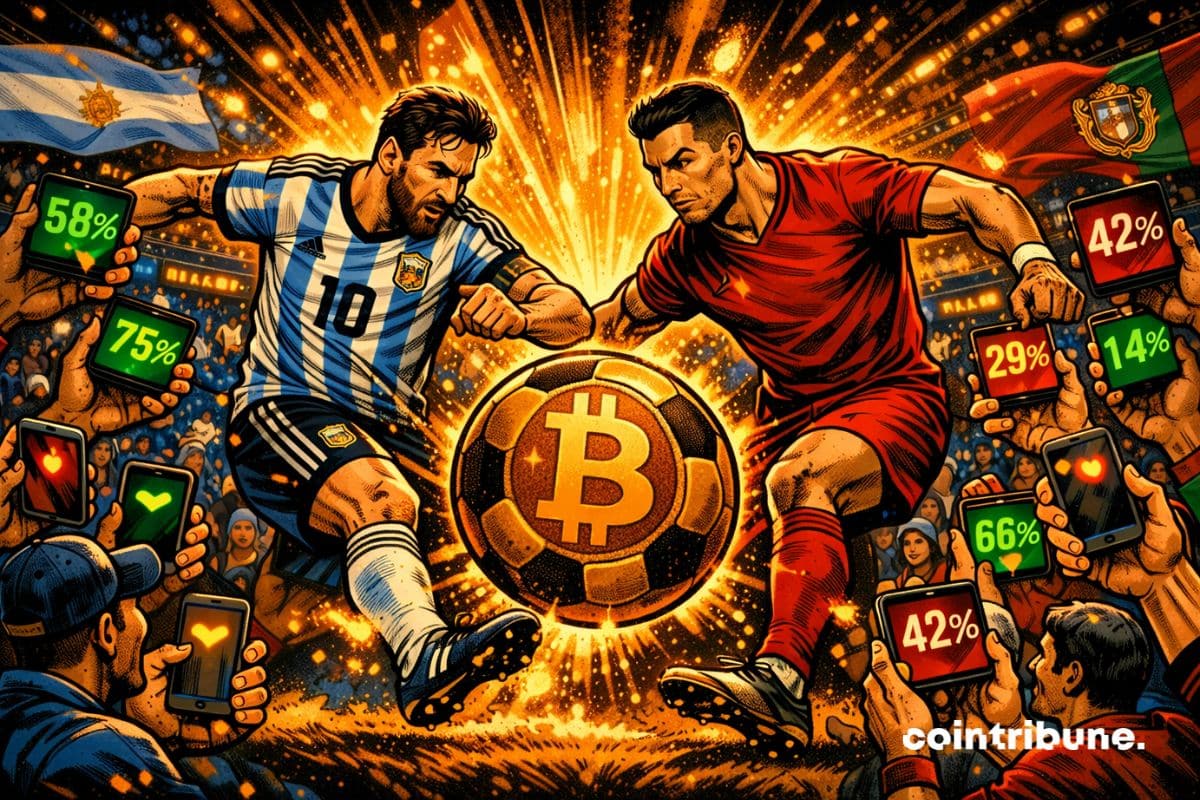
An unprecedented phenomenon was discovered during the 2026 World Cup. Prior to this competition, 60% of Polymarket bettors had never used crypto. How did millions of spectators become new blockchain enthusiasts during a sporting event? Explore this subtle but significant revolution.
Fri 26 Jun 2026 ▪
5 min read
▪
by
Ariela R.
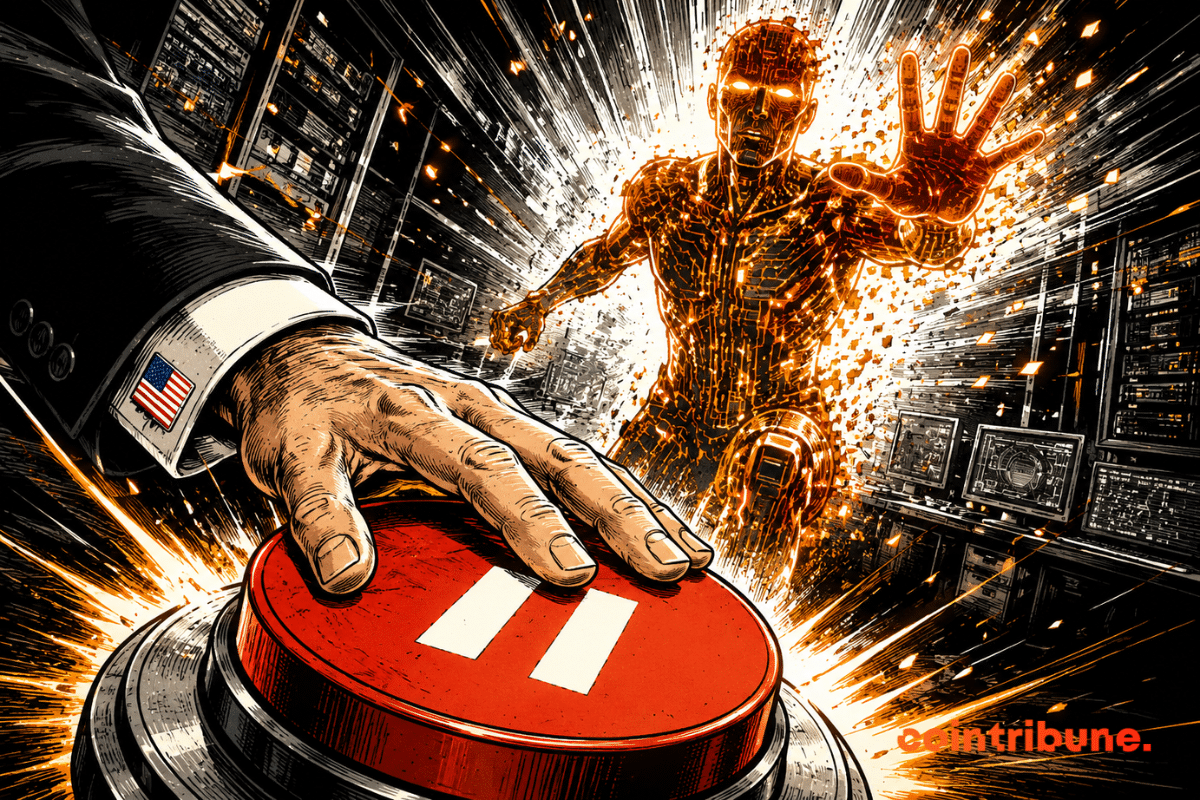
After Anthropic, it is OpenAI that yields: the AI model GPT-5.6 subjected to a federal approval process before any release.
Fri 26 Jun 2026 ▪
6 min read
▪
by
Luc Jose A.
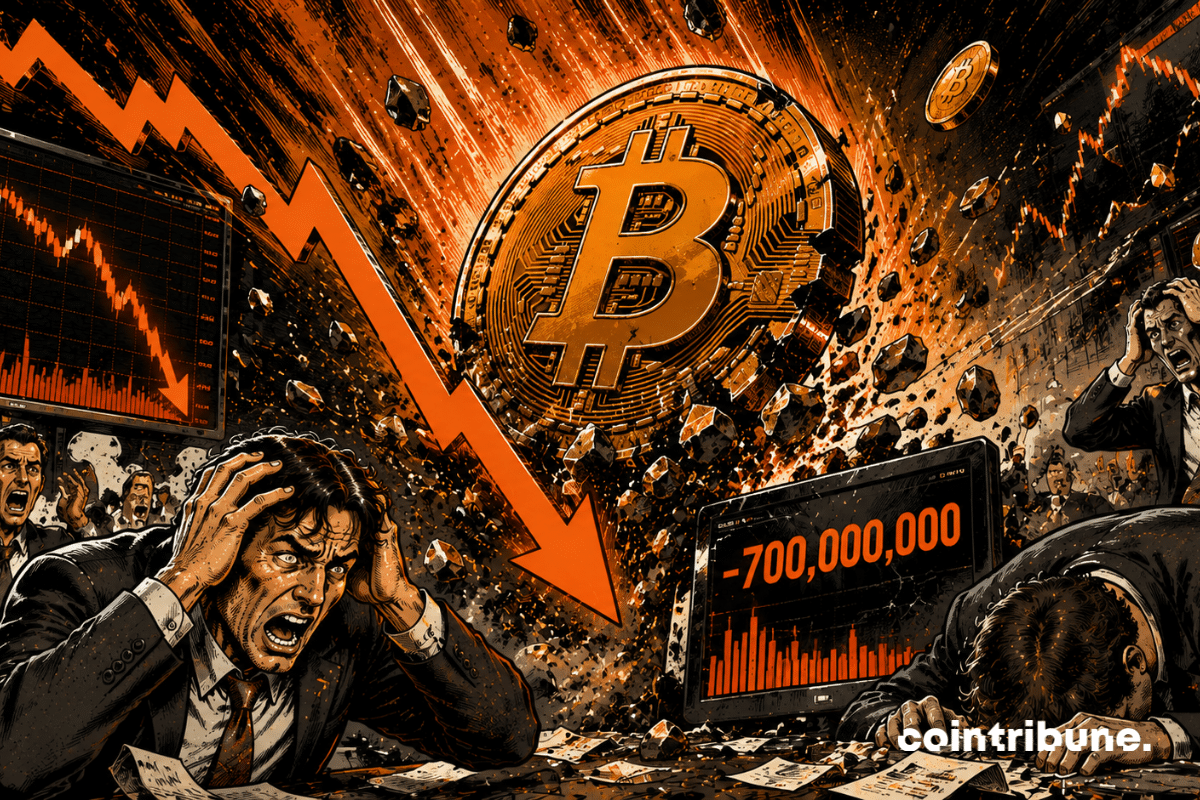
The crypto market has just experienced one of the most violent corrections of the year, reminding investors of the reality of the inherent volatility of cryptos. Indeed, the first half was supposed to be a consolidation period, but a series of sharp declines swept away traders' certainties, causing a collapse in global valuations. This situation presents itself as a decisive moment for the ecosystem, as it is not limited to a technical price adjustment, but represents a transformation of the capital flow dynamics on a macroeconomic scale. To be able to anticipate market developments, it is now essential to understand the underlying mechanisms of this correction.
Fri 26 Jun 2026 ▪
5 min read
▪
by
Ghiles A.
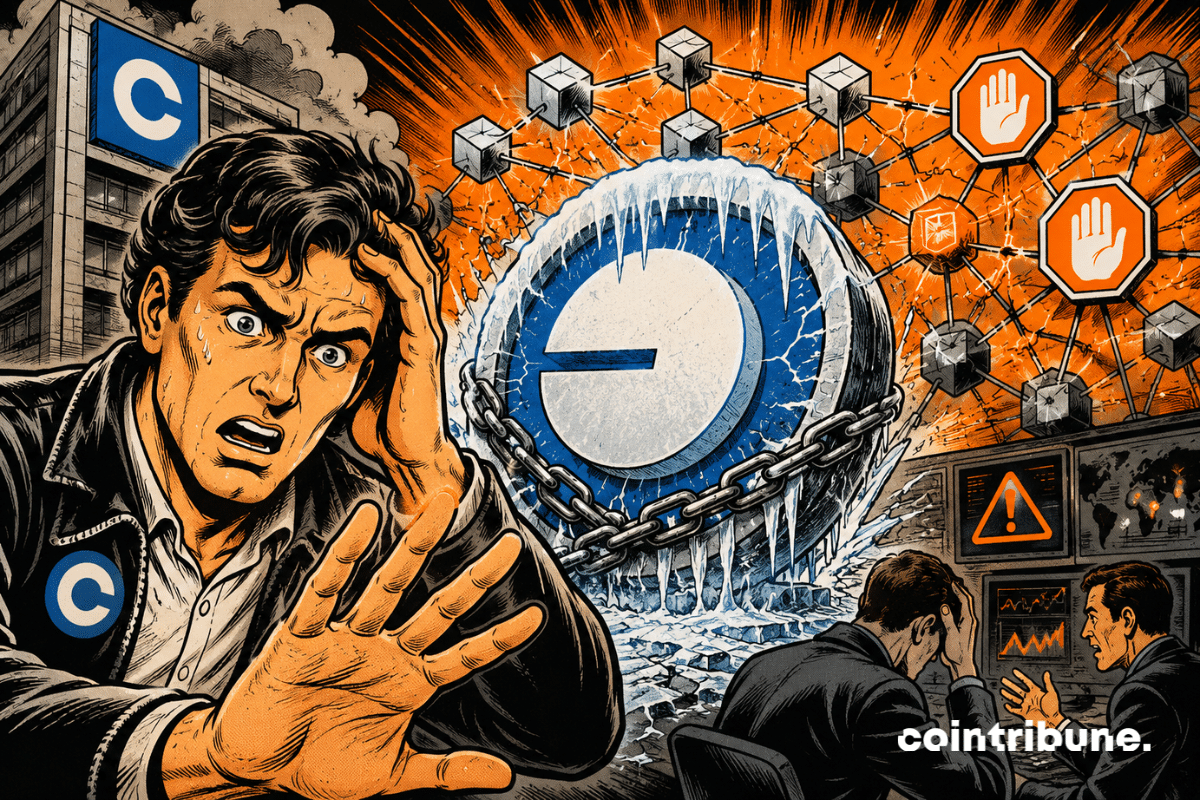
The Coinbase Base network experienced a temporary technical interruption while preparing for the arrival of a major new upgrade. On Thursday, a defective block disrupted the operation of the main network and stopped the production of new blocks for about two hours. The incident occurred at the same time as the deployment of Beryl, an update planned by the technical team. Coinbase quickly identified the cause of the problem and gradually restored the network sequencing.
Fri 26 Jun 2026 ▪
6 min read
▪
by
Luc Jose A.
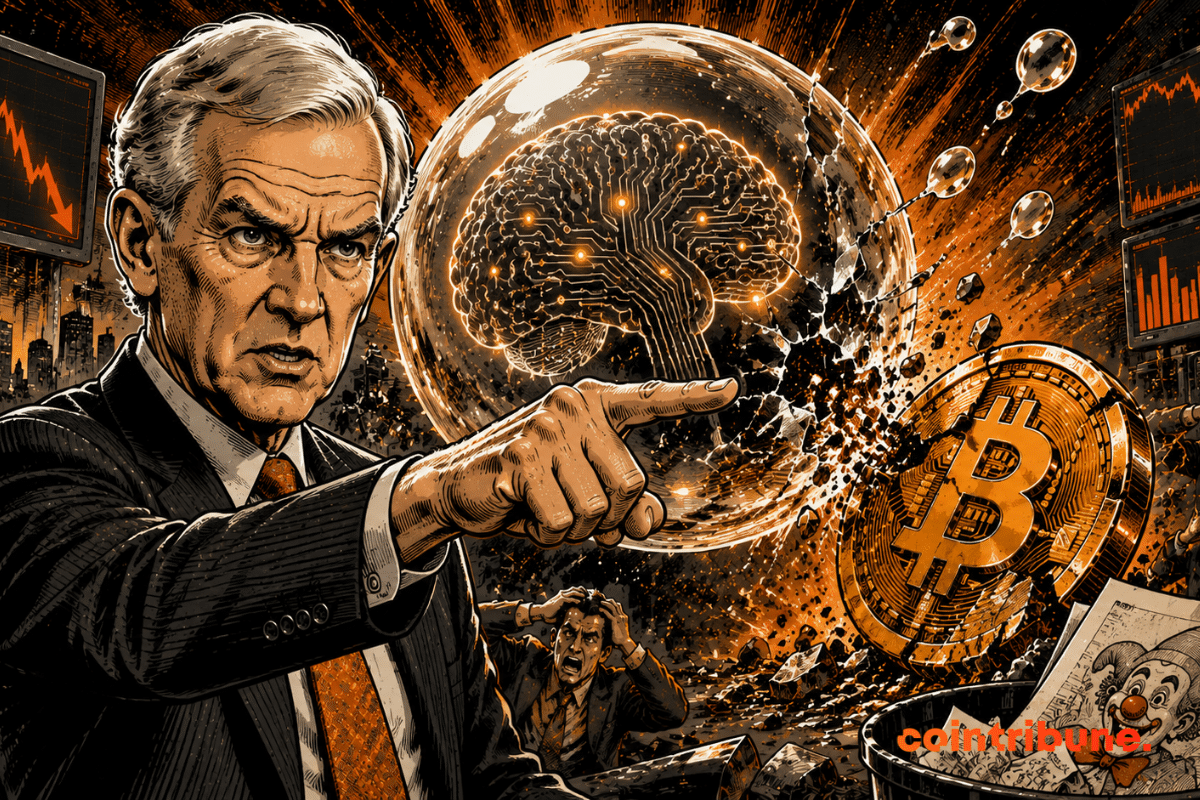
Global financial markets are undergoing an unprecedented transformation, where technological euphoria revives the specters of past systemic crises. In this period of extreme tension, the analysis of economic cycles by historical figures of traditional finance provides an essential framework for anticipating capital allocations. Jeremy Grantham, famous billionaire and co-founder of the institutional management firm GMO, has just issued a blunt diagnosis of the current state of technological valuations linked to AI and cryptos. In a lengthy interview with Steven Bartlett for the YouTube series "The Diary of a CEO", Grantham delivered alarmist macroeconomic forecasts, specifying that his statements represent his sole responsibility and not that of his management company, which manages 85 billion dollars in assets.
Fri 26 Jun 2026 ▪
6 min read
▪
by
Evans S.
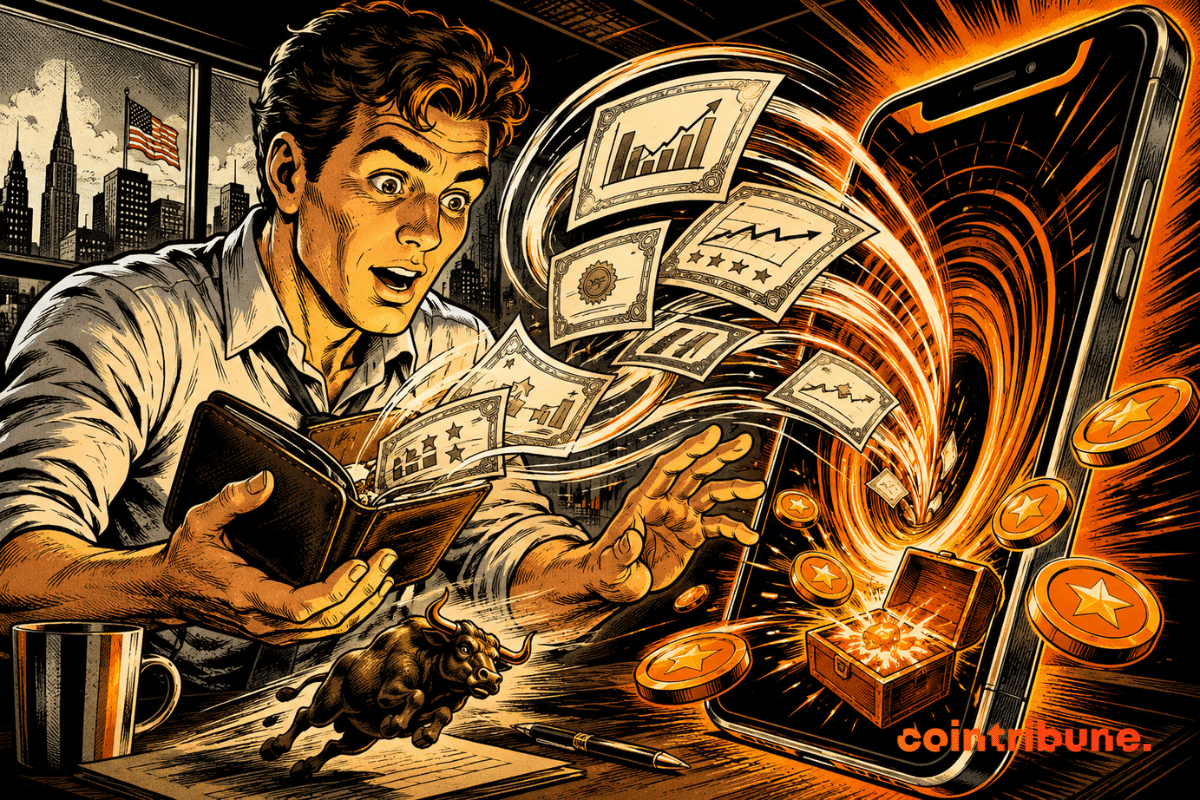
Bitget is making it easier for investors to move existing U.S. stock holdings into its multi-asset ecosystem. Through the new Stock Transfer Fast-Track Plan, eligible users can transfer equities from participating brokers to Bitget Stock+ without first selling their positions, while receiving up to 10,000 USDT in transfer-fee reimbursements.
Fri 26 Jun 2026 ▪
5 min read
▪
by
Lydie M.
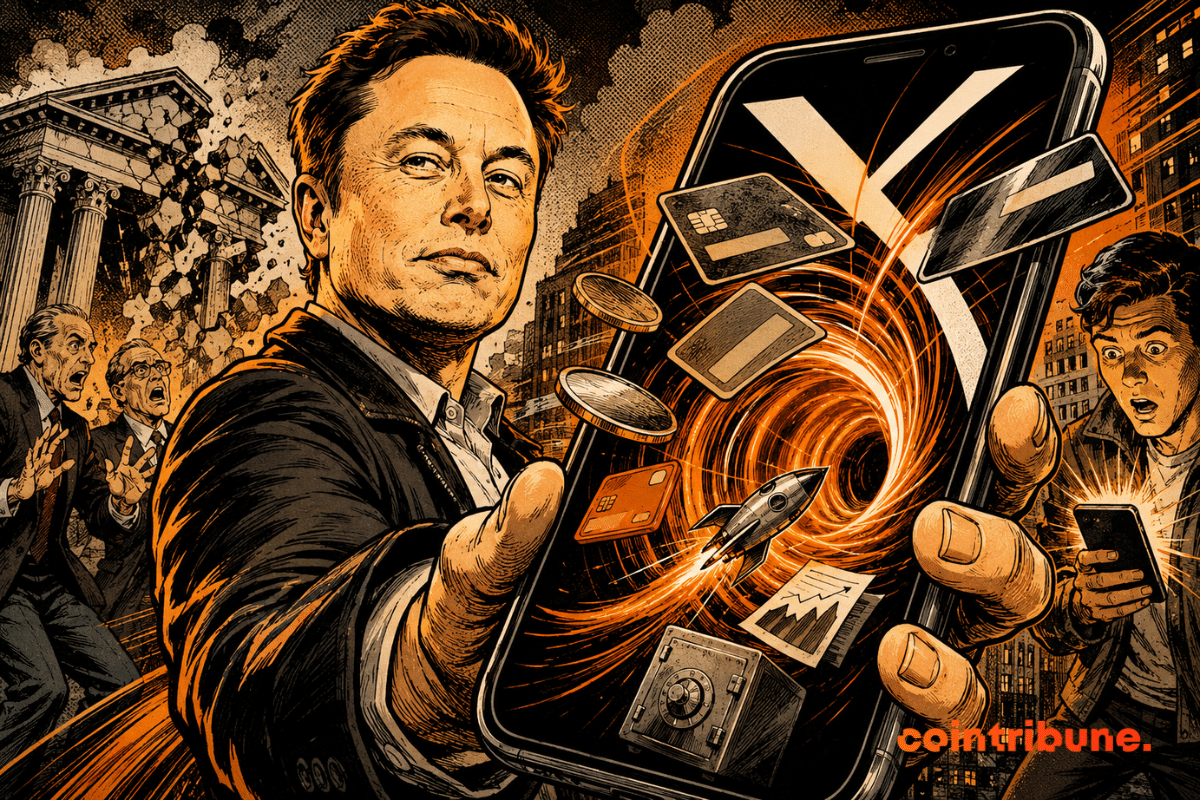
X Money begins its rollout to some Premium+ subscribers with a spectacular promise: to protect deposits up to 10 million dollars through a bank sweep program. Elon Musk's financial service also offers an announced annual yield of 6%, a Visa card, and transfers between users. An offensive that further brings X closer to its ambition of becoming a universal application.
Fri 26 Jun 2026 ▪
3 min read
▪
by
Fenelon L.
Bitcoin touched $58,000 this week, its lowest level since October 2024, wiping out 52% of its all-time high of $126,000. Strategy, Michael Saylor's company, faces over $13 billion in unrealized losses on its 847,363 BTC. Saylor is not changing course. But how long can this model hold?
Fri 26 Jun 2026 ▪
4 min read
▪
by
Mikaia A.
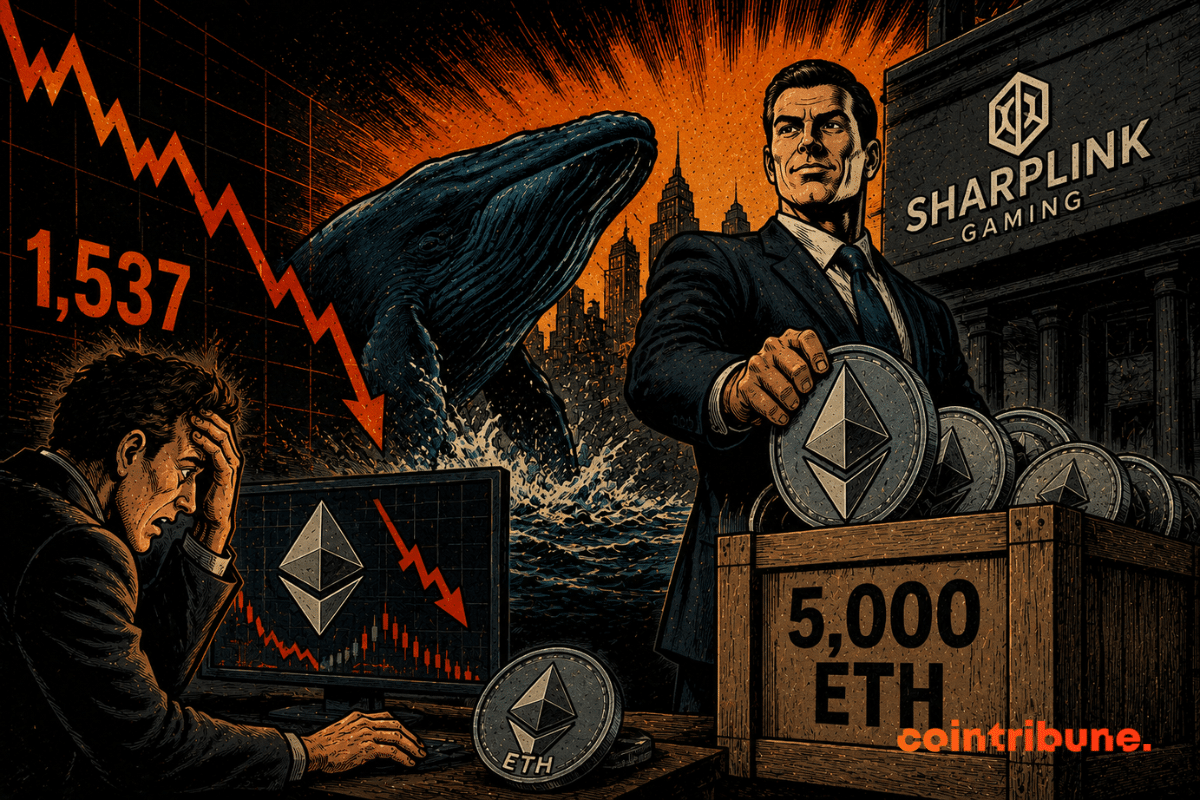
Sharplink pounces on ETH at rock bottom with $1.7 billion in paper losses. Whales buy, analysts choke, and the promised crypto spring is still nowhere to be seen.