Archive July 2026
Sun 26 Jul 2026 ▪
3 min read
▪
by
Eddy S.
Michael Saylor, CEO of Strategy, designed a 953-hour program to explain his vision of Bitcoin. Between leadership and economics, this curriculum reveals the keys to his strategy. Why might this program change your view on BTC?
Sun 26 Jul 2026 ▪
6 min read
▪
by
Mikaia A.
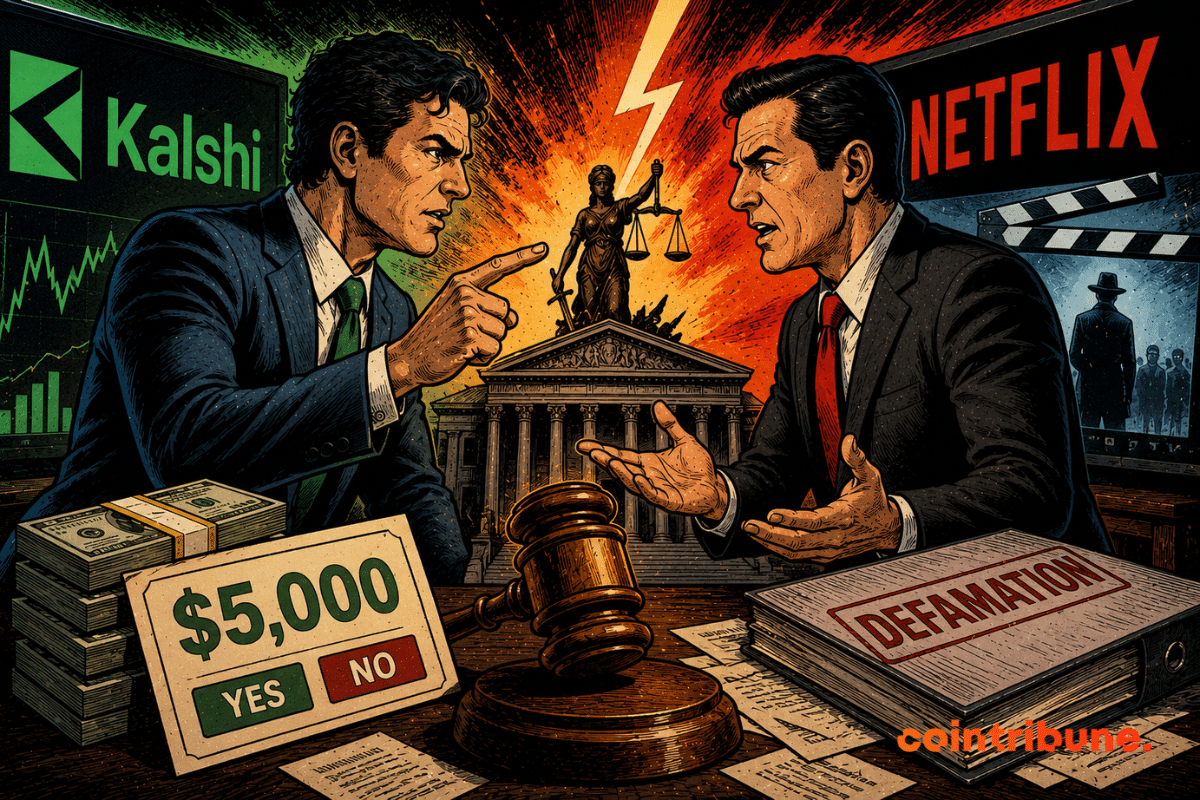
Netflix wanted to make a splash about prediction markets. Instead, they're drowning in a lawsuit. Kalshi says the trailer is built on fiction — and the bill could be steep.
Sun 26 Jul 2026 ▪
5 min read
▪
by
Luc Jose A.
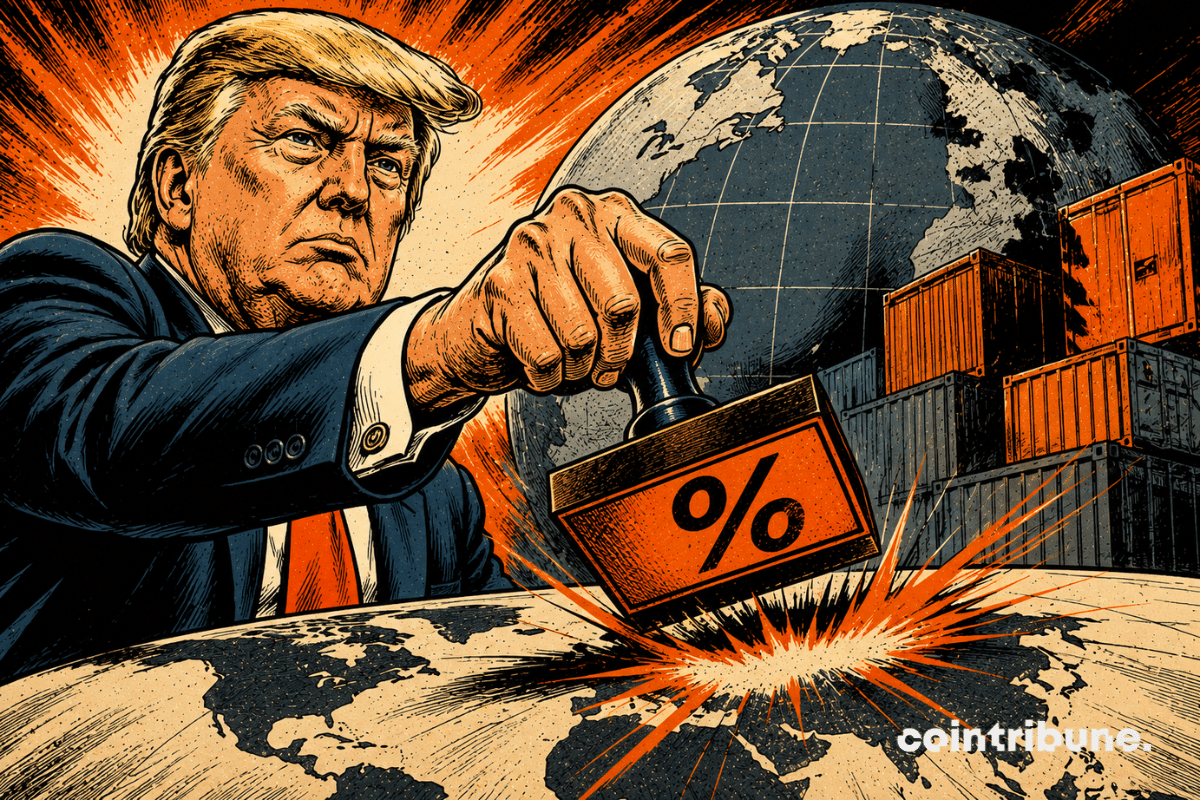
Markets will ultimately not get the hoped-for respite. As the temporary tariffs implemented 150 days ago expired, Donald Trump chose to revive the trade war by announcing, this Friday, a new wave of taxes targeting about sixty economies. Presented as a response to forced labor in certain supply chains, this offensive goes far beyond trade. It reignites tensions between the United States, China and the European Union, while fueling a new phase of volatility in financial markets and alternative assets.
Sun 26 Jul 2026 ▪
3 min read
▪
by
Eddy S.
Binance uses monthly simulated attacks to train its teams against hackers. An extreme method, but effective? Discover how the platform reinvents crypto security and why BNB remains a prime target.
Sun 26 Jul 2026 ▪
5 min read
▪
by
Evans S.
Bitget received two industry awards during its first appearance at Wiki Finance Expo Hong Kong 2026. The recognition comes as the exchange expands its CFD and multi-asset trading ecosystem beyond conventional crypto markets. For Bitget, the awards support a wider message: the next exchange model will connect digital assets, stocks, commodities, forex and indices inside one capital environment.
Mon 27 Jul 2026 ▪
7 min read
▪
by
Ghiles A.
The cryptocurrency market continues to lose several historic platforms. Within a few months, Bit.com and then BitMEX announced their gradual disappearance. Now, BitMart also confirms the cessation of its activities according to a specific schedule. This new closure directly affects the users of the exchange, invited to close their positions and withdraw their assets before the different deadlines set by the platform. This succession of announcements marks a new phase for several industry players.
Mon 27 Jul 2026 ▪
6 min read
▪
by
Luc Jose A.
This Sunday, July 26, Michael Saylor, Executive Chairman of Strategy, reignited speculation with a post on social media. While the company has paused its bitcoin purchases while strengthening its treasury, every statement from its leader is interpreted as a strategic signal. This new statement rekindles expectations around a possible resumption of acquisitions, in a context where Strategy's moves continue to influence the market.
Mon 27 Jul 2026 ▪
4 min read
▪
by
Fenelon L.
Bitcoin mining difficulty dropped by 0.74% at block 959616 this weekend, marking the 15th adjustment of 2026. In the first seven months, decreases outnumber increases by a ratio of 3 to 2. This self-regulation mechanism tells of an industry facing increasing pressure.
Mon 27 Jul 2026 ▪
5 min read
▪
by
Luc Jose A.
For two years, the earliest bitcoin holders regularly fueled the market by selling part of their holdings. However, this dynamic has just stopped. In the second quarter, the oldest wallets, inherited from the early days of the network, almost ceased transferring their BTC. This unprecedented slowdown in selling pressure, highlighted by Galaxy's on-chain data, could change the market balance. Behind this calmness, a cycle change may be emerging that traditional indicators still struggle to reflect.
Mon 27 Jul 2026 ▪
4 min read
▪
by
Evans S.
Morgan Stanley's Bitcoin fund continued to attract capital while other major U.S. products experienced withdrawals. On July 23, MSBT recorded $5 million in inflows against $225.1 million in outflows across the market. This resilience places the new banking fund against the trend of a hesitant institutional demand.