Just as critics were ready to bury Strategy under a pile of bitcoins, a fierce rebound turned heavy paper losses into a multi-billion windfall, leaving Michael Saylor grinning and doubters speechless.
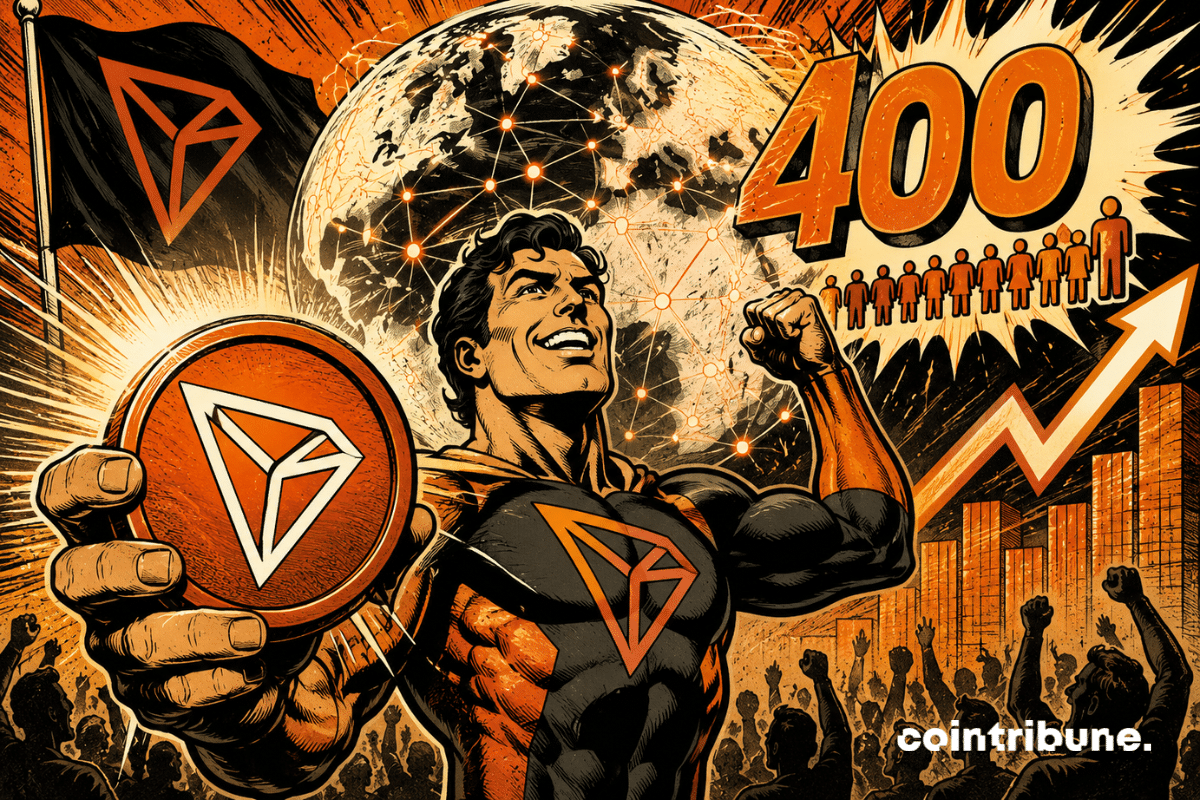
The Tron network has just passed a new milestone with more than 400 million registered accounts. This growth comes less than three years after crossing 200 million accounts and confirms its rise. Since its launch in June 2018, the network has gradually established itself in stablecoin transfers. Its cumulative volume approaches 30 trillion dollars, while USDT is the main driver of this usage.
American students want more crypto in their courses. A survey commissioned by OKX shows that 90% of them support the teaching of cryptocurrencies and blockchain at university. The curricula lag far behind: only about 28% of accredited American business schools offered blockchain courses in a separate 2025 study. Between the two, social networks are taking the place.
Grayscale takes a new step with Zcash. The asset manager began trading its ZCSH product on Tuesday, August 25 on NYSE Arca, giving American investors exposure to ZEC directly from their brokerage account, without having to buy or hold the token themselves. However, the launch comes after the correction of a critical flaw in Zcash confidential transactions. The issue has since been fixed, notably with the Ironwood upgrade activated in July.
The artificial intelligence company Anthropic is preparing to offer investors a total addressable market reaching more than 30,000 billion dollars. This amount represents theoretical annual revenues attainable if the firm manages to capture 100% of the activities it considers automatable thanks to AI. Such an estimate comes as the Claude designer is about to go public and tries to justify its massive capital needs.
Cardano has only a few days left to avoid a serious governance problem. The network must validate the arrival of four new members to the Constitutional Committee before September 1. For now, votes remain far from the required thresholds. If nothing changes, only three members would remain in office. Transactions would continue normally, but several governance decisions could remain blocked.
After a 24% increase, bitcoin shows several signs of improvement. CryptoQuant estimates that this rise has shifted on-chain and demand indicators into a bullish zone. Its Bull Score has increased in one week while spot demand accelerates. However, the analysis does not yet consider the cycle change confirmed. A technical level must be crossed to validate this new market phase.
In July, 4.2 billion transactions were processed on Solana, a monthly record for the network. Activity grew by 13.5% in one month and by 91% since December 2025. This increase precedes an approximate 40% rise in SOL over eight days, with a crossing of the $100 threshold. Meanwhile, the valuation of tokenized real-world assets on Solana currently approaches $4 billion.
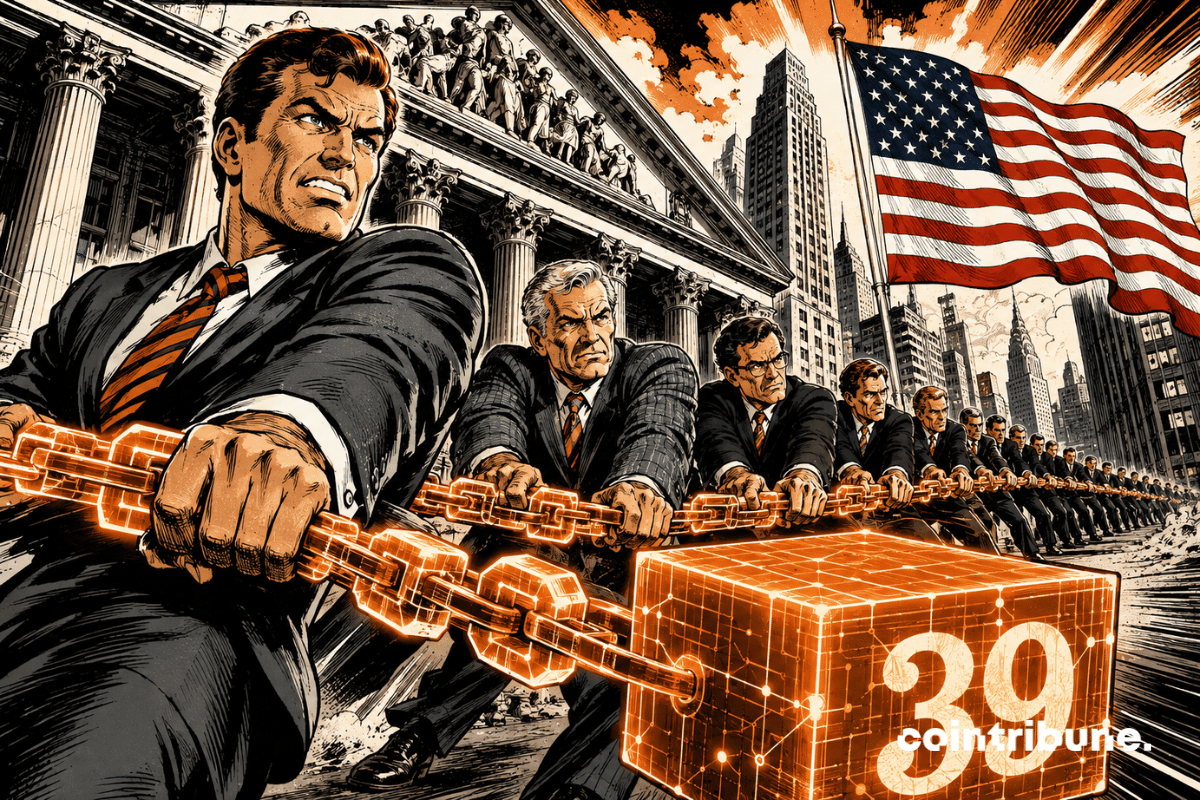
In the United States, 39 banking associations prepare a crypto blockchain network dedicated to stablecoins and tokenized deposits. Details!
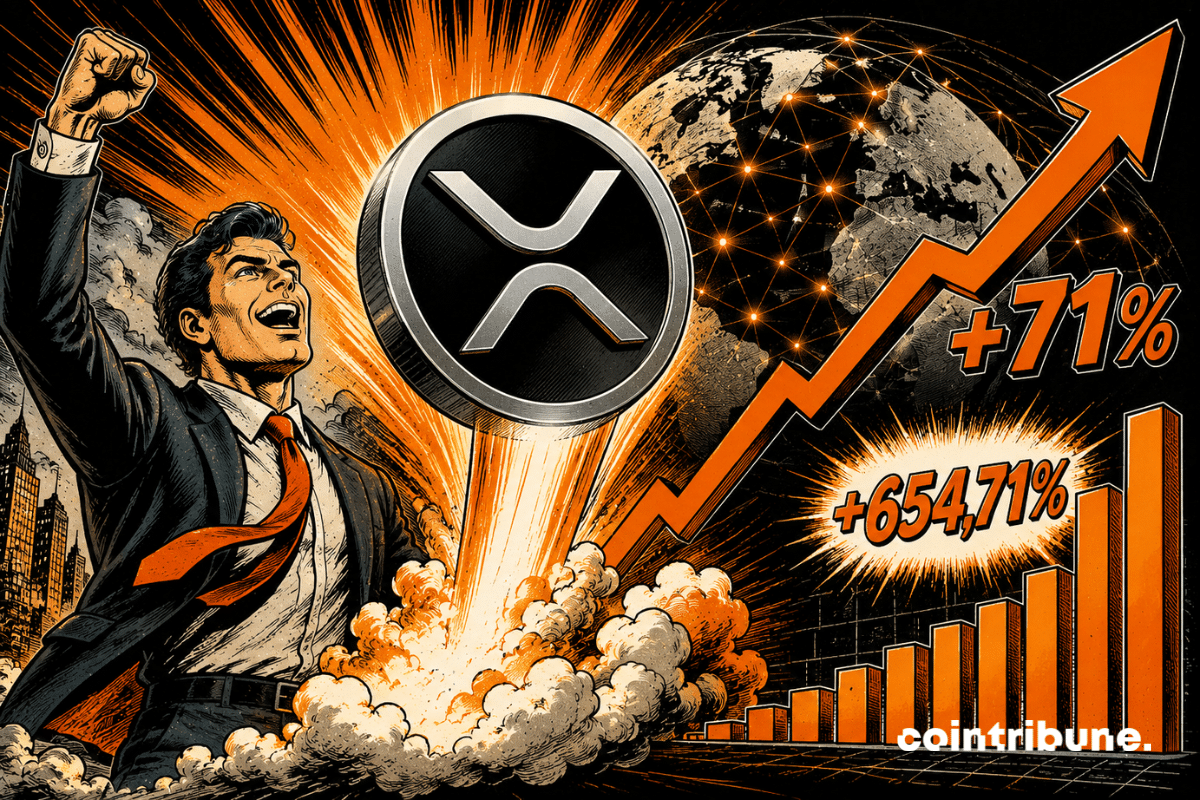
The XRP Ledger has just come out of its lethargy. Indeed, blockchain activity has experienced spectacular growth, as XRP closes the month under increased scrutiny. Active addresses, price evolution, and flows on exchange platforms redraw a conformation that fuels market expectations. Moreover, derivatives products consolidate this pressure with quantified forecasts observed by investors. Does this surge in activity on the XRP Ledger herald a true shift in momentum for XRP?
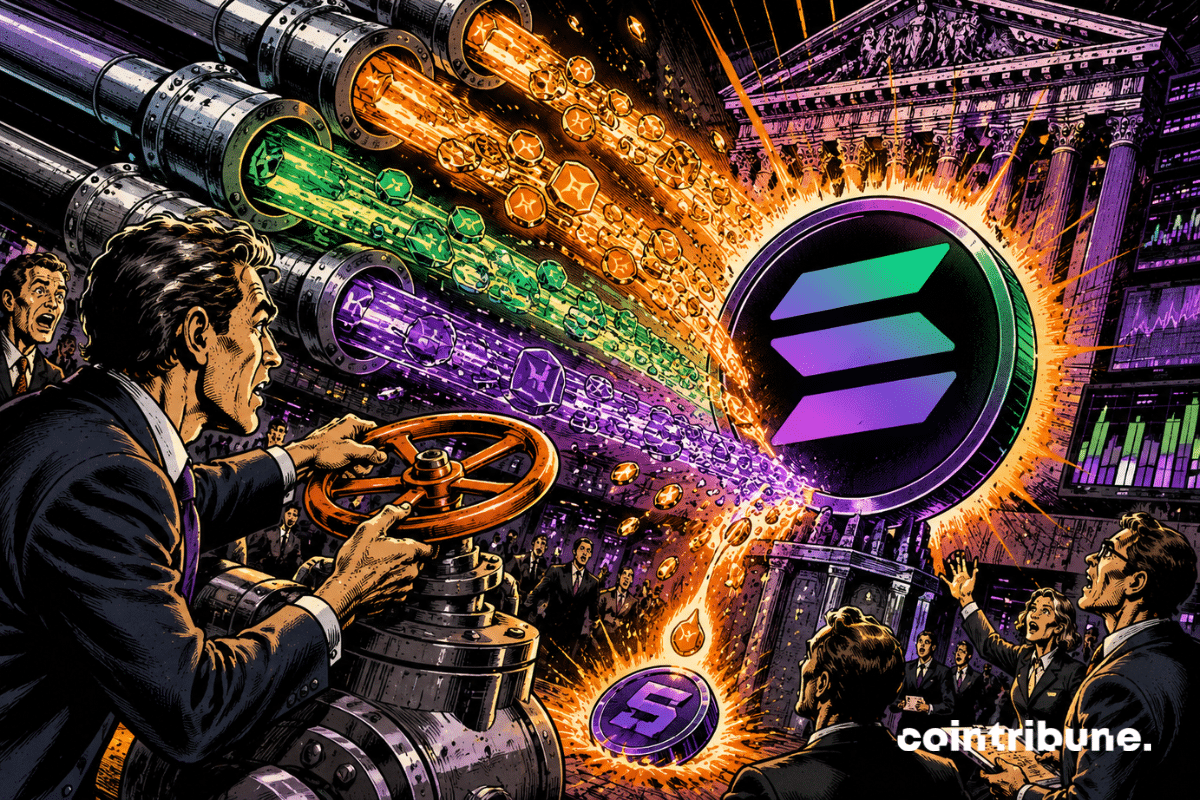
Solana crypto ETFs have just recorded 33.5 million dollars of net inflows in a single session. It is their best day of 2026 and their fifth consecutive positive session. The cumulative flows now reach a record 1.22 billion dollars. Bitwise still absorbs most of the money.
A possible sale of Hugging Face raises questions about the value of platforms that structure the open source ecosystem again. According to Business Insider, the company has reportedly hired a bank to probe buyers, with a potential valuation of 13 billion dollars or even more. No agreement exists yet and the buyers remain unknown. This hypothesis comes a few weeks after an intrusion related to an OpenAI AI agent, adding a new issue to this file already followed by global investors.
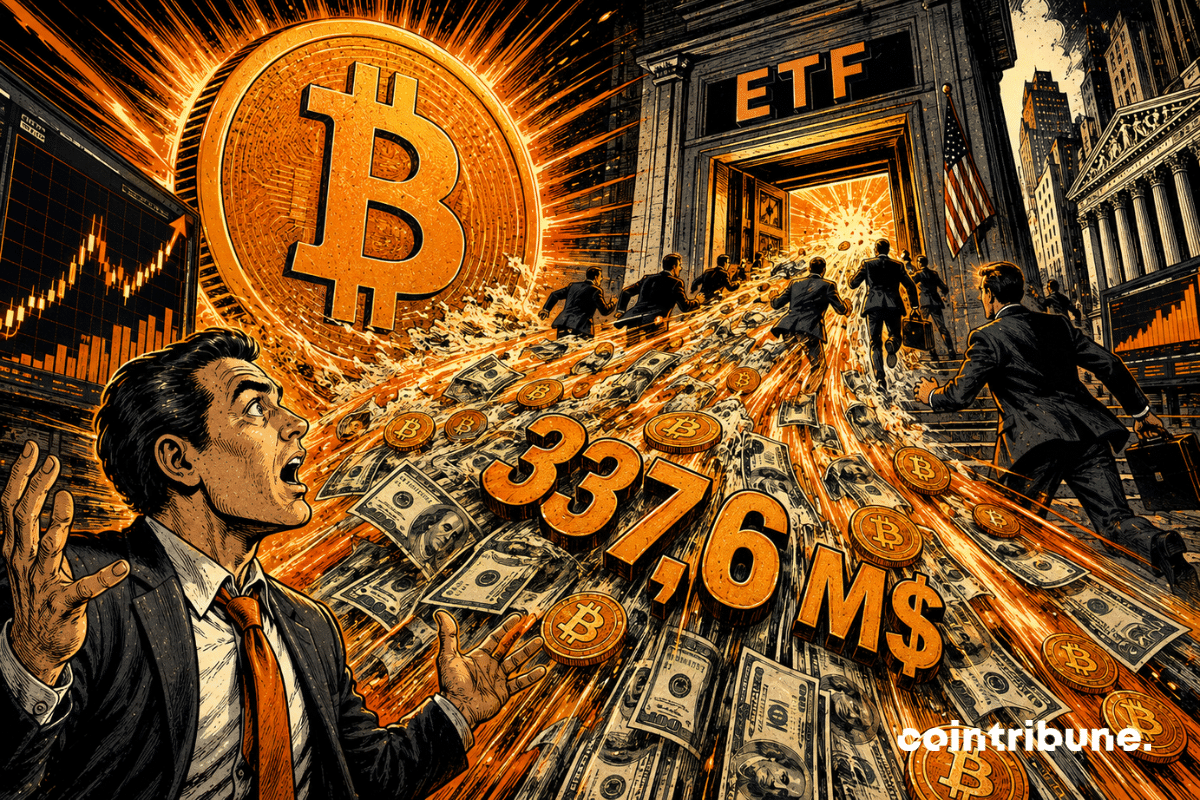
US spot Bitcoin ETFs have just chained a sixth session in the green. On Monday, August 24, they attracted 337.6 million dollars, bringing the total inflows over six sessions to 2.26 billion dollars. This series also significantly reduces the net outflows recorded since the beginning of the year.
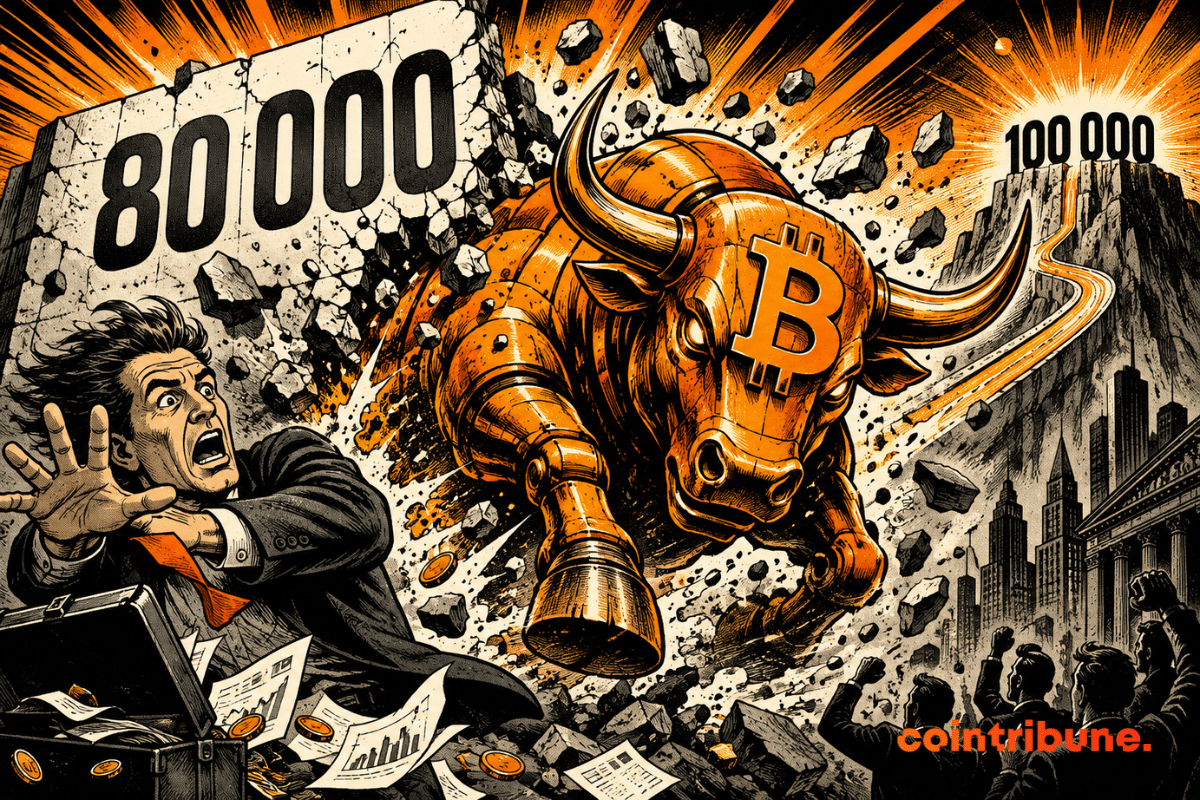
Bitcoin surpasses $80,000, its highest level since mid-May. Complete breakdown and analysis of scenarios to watch.
Bitcoin is increasingly embedding itself in the balance sheets of publicly traded companies. Thus, Strive has just expanded its bitcoin treasury strategy through a significant purchase. This acquisition allows it to consolidate its positions at a time when investors watch every capital movement. An unprecedented financial mechanism is illustrated behind this major operation: capital allocation, shareholder exposure, and reserve strategy are at the heart of the equation. What does this bitcoin offensive by Strive really reveal?
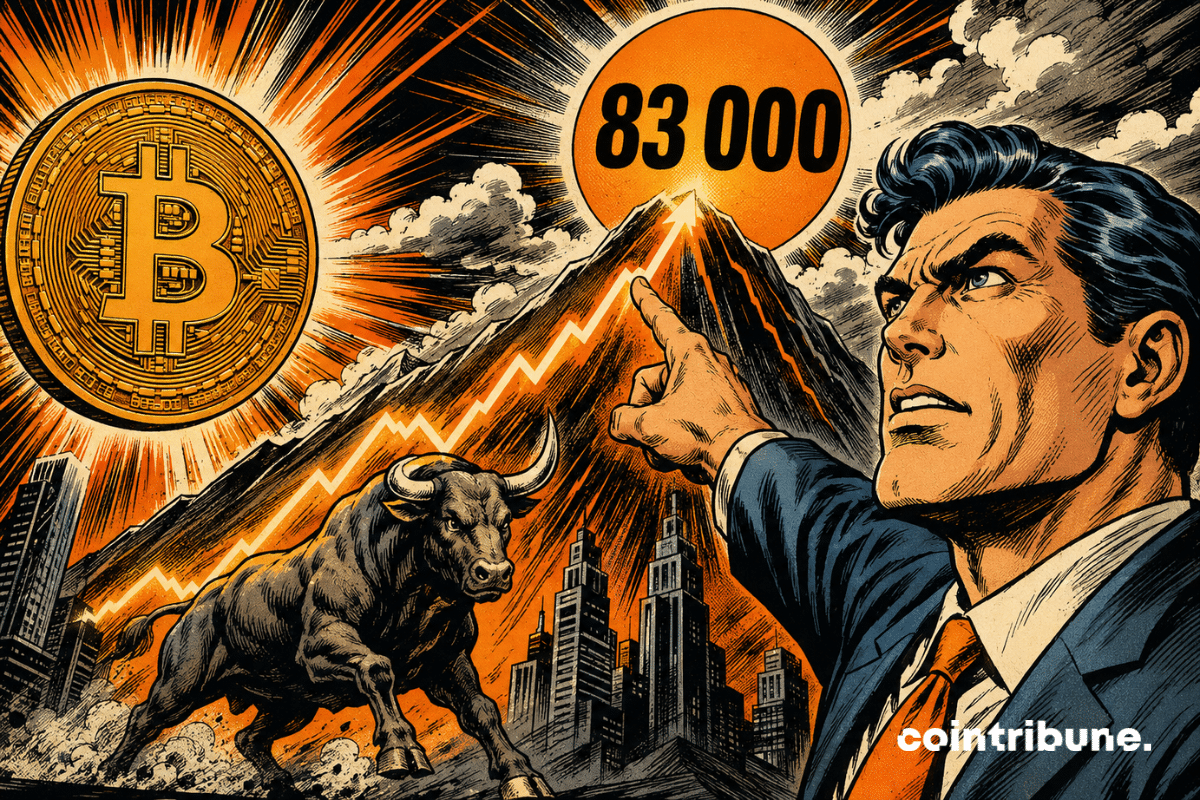
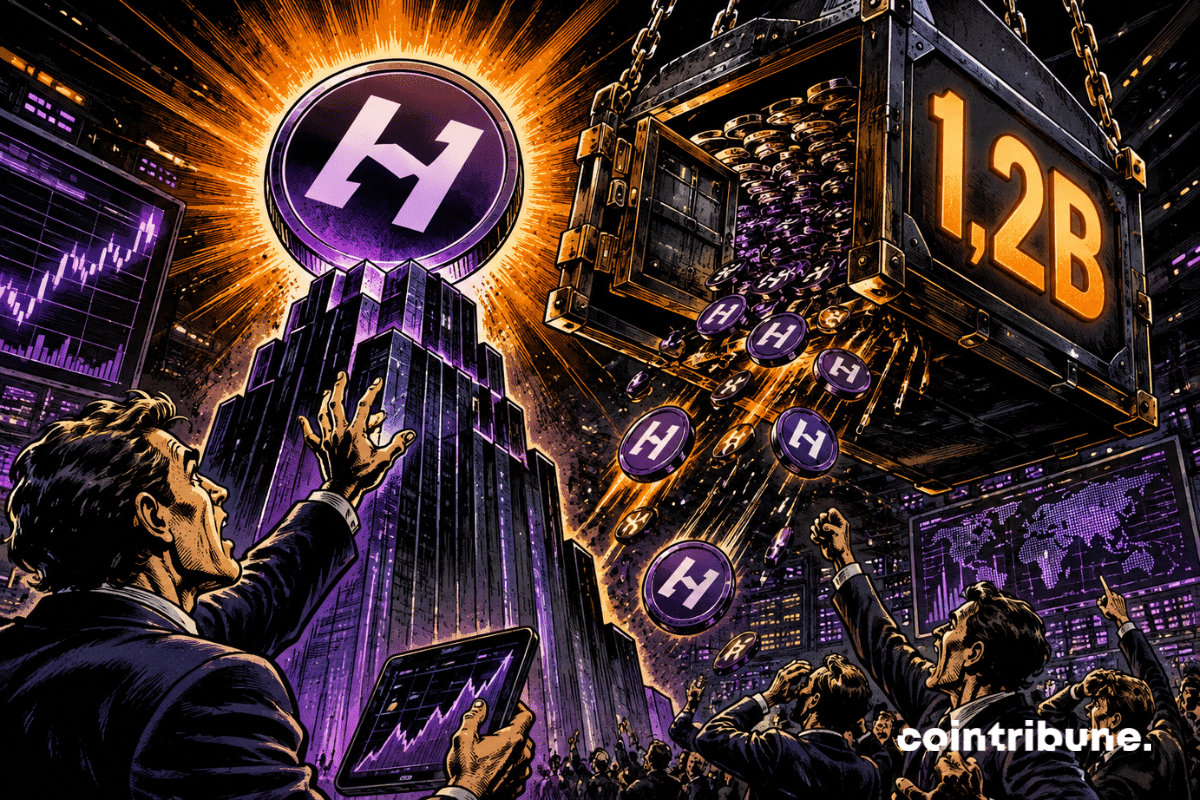
HYPE has just set a new record at $83.27. The Hyperliquid token then retreated around $77.50, with a capitalization close to 19.5 billion. However, the schedule arrives at a delicate moment. On August 29, an additional 14.17 million HYPE must become available. Current value: about 1.2 billion dollars.
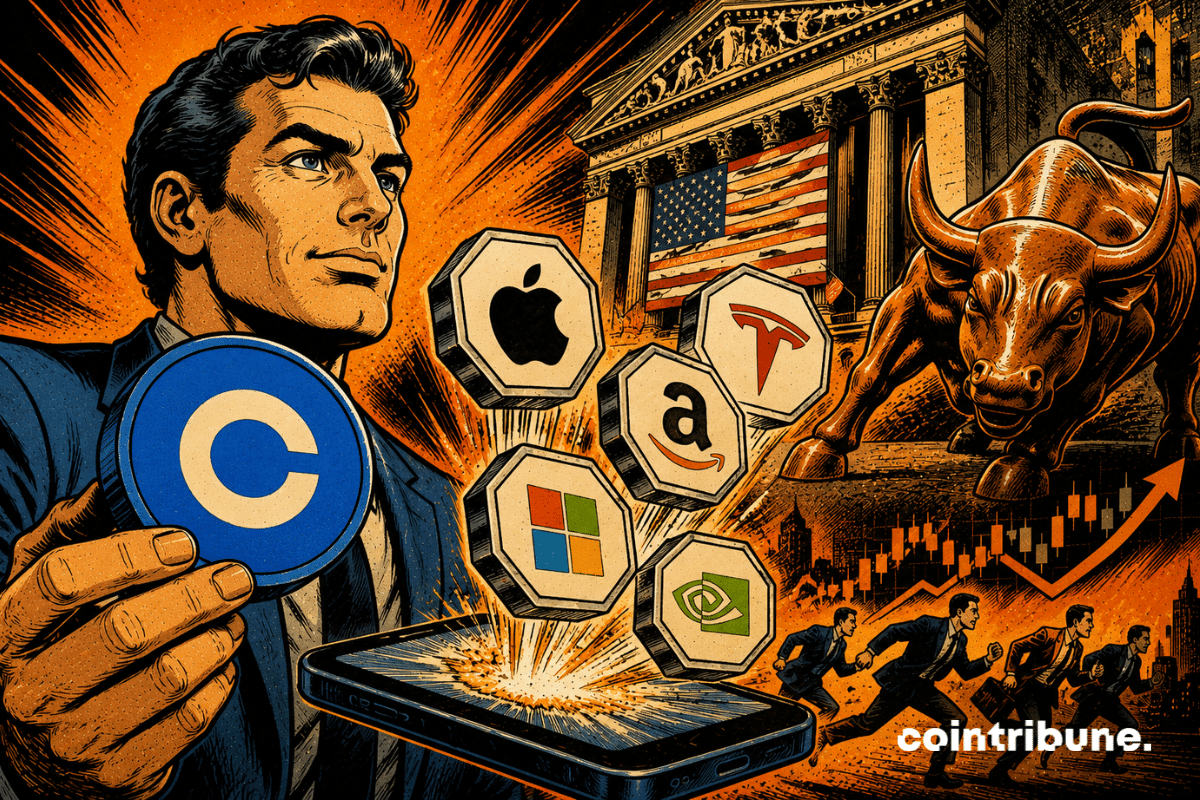
The crypto exchange platform Coinbase aims to bring Wall Street into DeFi. Indeed, the exchange is proceeding with the official deployment of its tokenized shares on Base, its own Layer-2 network. This market is breaking new records. Thus, it reached an amount of 2.3 billion dollars by mid-2026. The main players in the sector aim to make these shares usable tools in decentralized applications.
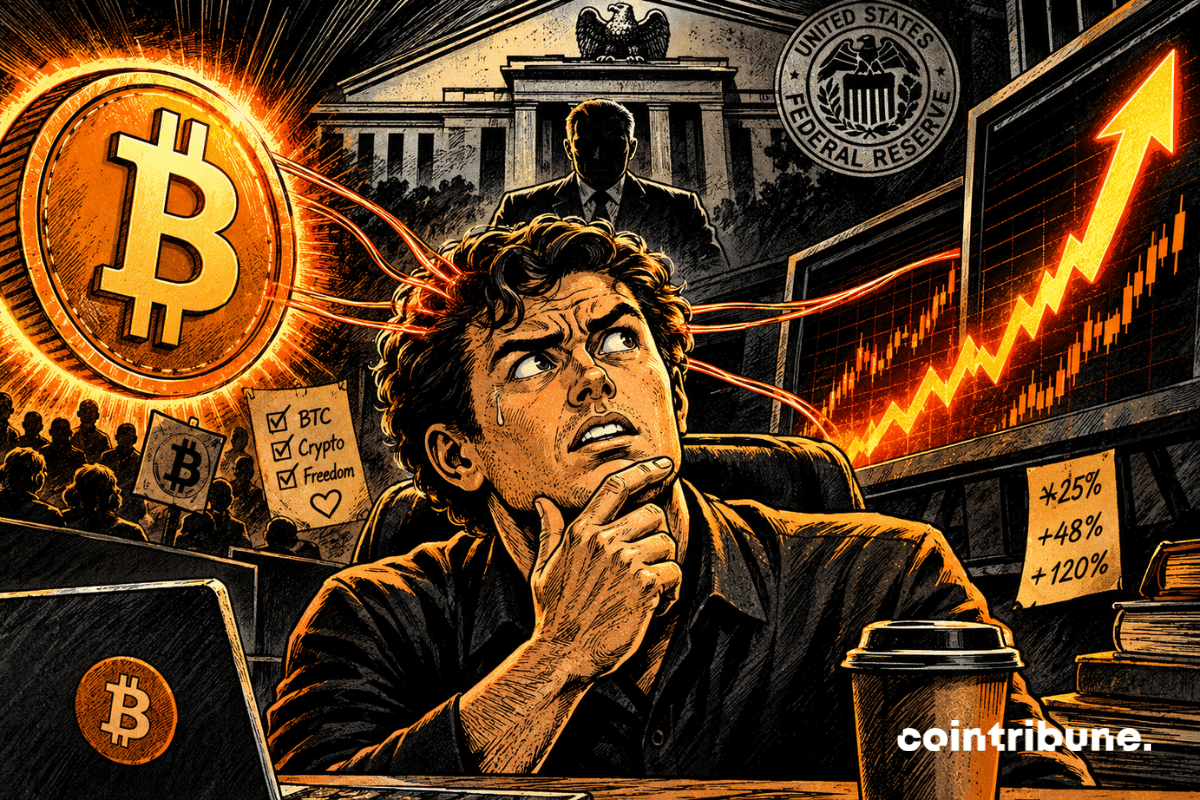
As the U.S. Treasury keeps the money printer spinning, Bitcoin surges 25% in a week and brushes $80,000, leaving bears grinding their teeth while bulls start dreaming big again.
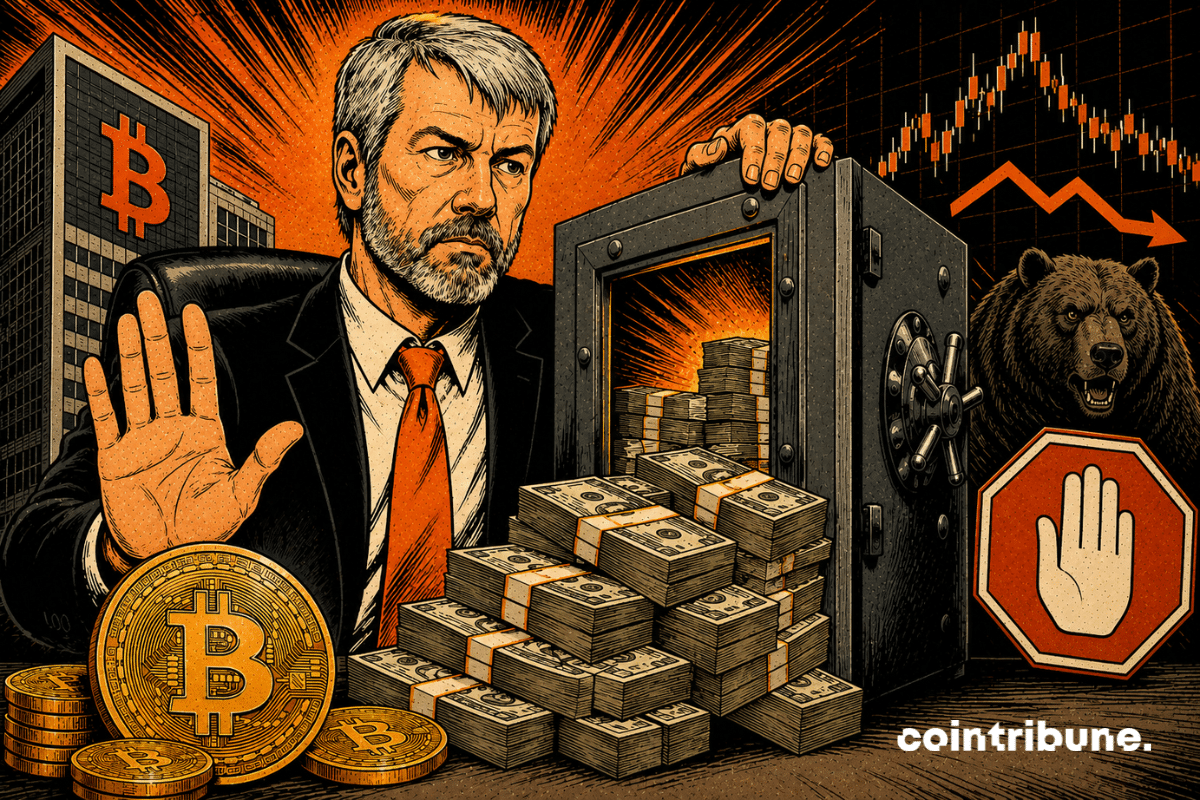
Michael Saylor's firm stops its bitcoin acquisitions and changes its priorities. Strategy bought no BTC between August 17 and 23, ceasing its usual pace. This suspension does not mean inactivity. The company continues to mobilize equity markets aiming to significantly consolidate its liquidity. It thus chooses a new financial configuration, between cash reserve and bitcoin treasury. This initiative could extend its intervention capacity in upcoming operations.
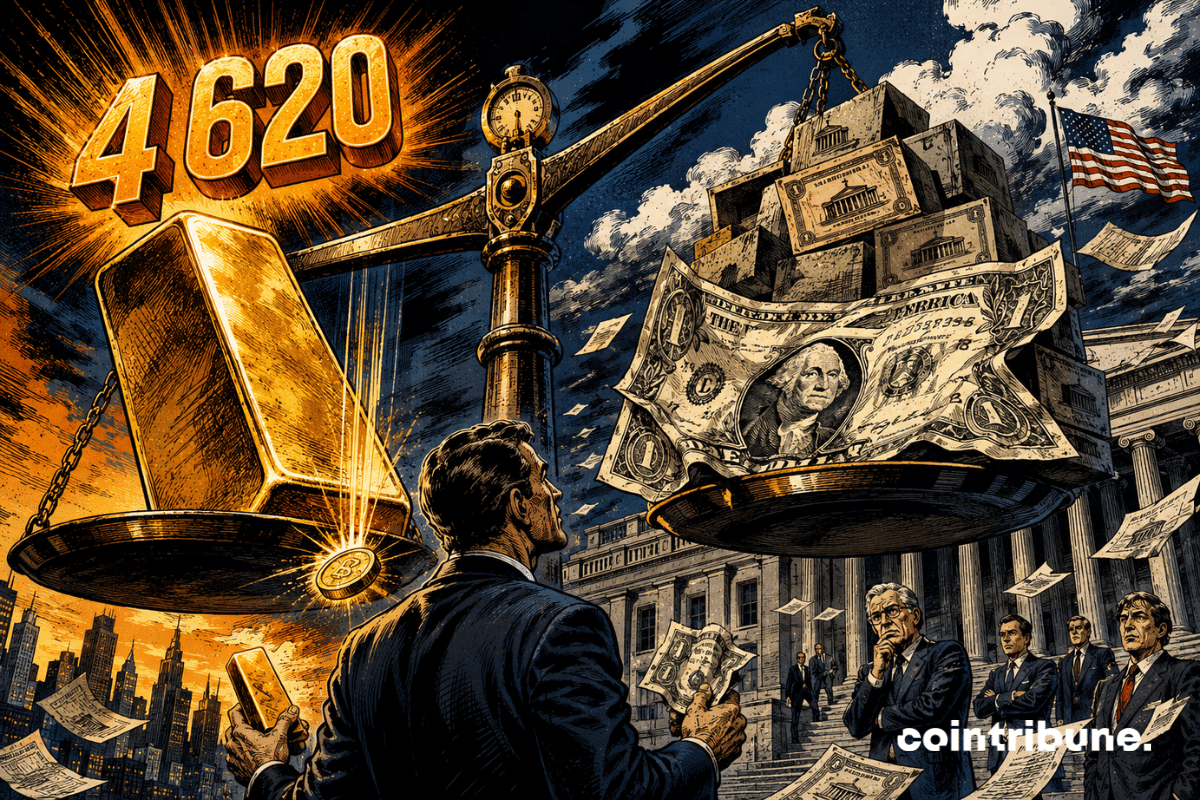
Gold has just climbed to 4,620 dollars an ounce, its highest level in three months. Bitcoin is trading around 78,000 dollars after a rise of about 20% since the U.S. Treasury announcement on August 19. Both assets benefit from the same movement: the dollar falls and investors start looking for alternatives again.
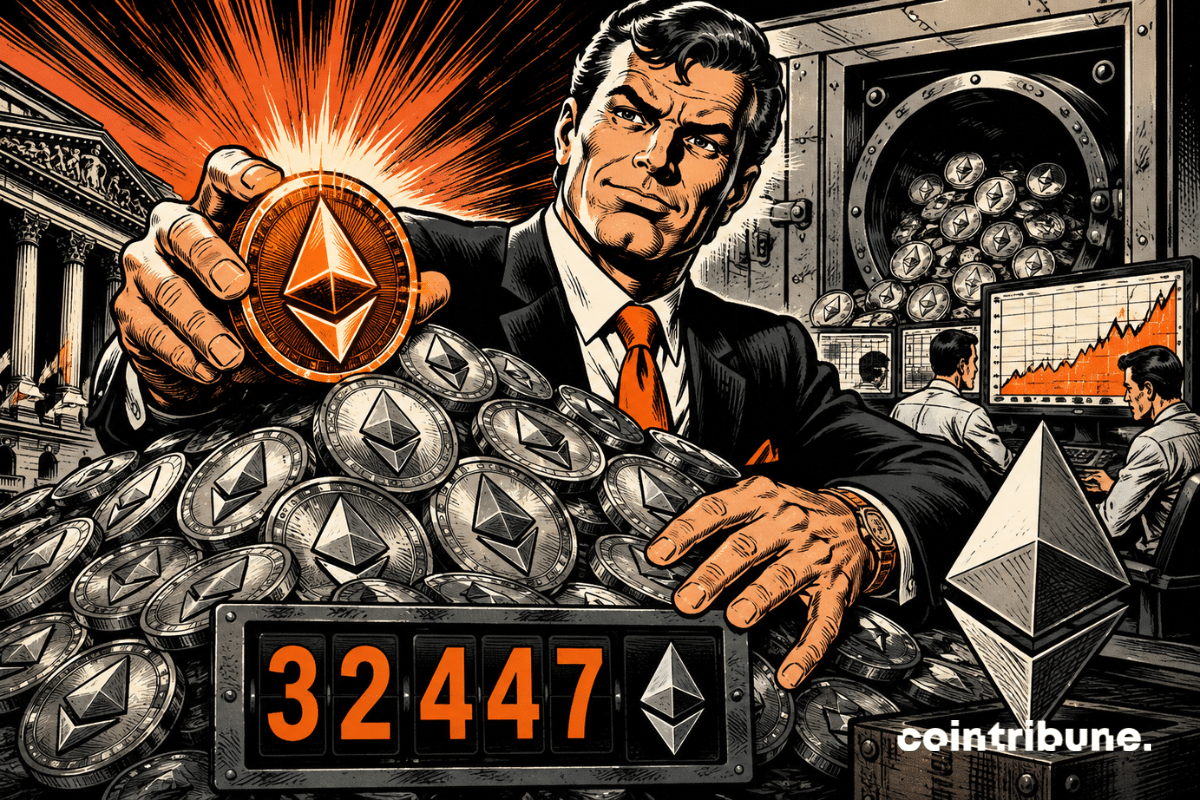
The increase in ETH was expected for a long time, says Tom Lee, as BitMine buys 32,447 more ethers. This statement comes in a context marked by the recent evolution of the Ethereum market. The operation thus parallels two elements: the accumulation of ETH by BitMine and Tom Lee's analysis. His comment sheds light on this progress. With this acquisition, BitMine directly strengthens its exposure to Ethereum, while Tom Lee highlights an increase he considers expected.
Why do some buy bitcoin while others prefer to stay away? A study by the Cleveland Federal Reserve points less to age or income than to a harder-to-measure factor: what each person thinks about the future return of crypto. And a few figures on past performance can sometimes be enough to tip the undecided.
Disagreements between the United States and Iran suddenly take on a new dimension. Washington has launched its "economic D-Day" against Tehran, with a massive strengthening of secondary sanctions on international financial flows. This campaign by the U.S. administration now threatens liquidity circuits. Moreover, it puts pressure on actors using alternative transfer systems. Between sanctions, compliance constraints, and risks of financial disruptions, the crypto universe is directly exposed.
Bitcoin has just seen a new parallel chain appear. eCash launched its Alpha phase on August 23 at block 963,648. Not yet real ECX for BTC holders: the units currently produced are used for testing. The final hard fork is still scheduled around October 31, at block 973,728. Until then, several technical questions remain open.
Bitcoin goes beyond an asset to accumulate according to Michael Saylor. This Sunday, August 23, the Executive Chairman of Strategy broadcast a radical interpretation. For him, bitcoin represents a form of digital sovereignty. It is based on direct ownership and not on financial intermediation. This perception comes at a time when the crypto market is increasingly linked to traditional finance. Between Strategy's cash preferences, legal requirements related to holding cryptos, and rapid use by American banks, Saylor's comments are provocative: can bitcoin remain a tool of sovereignty while integrating into the banking system?

Peter Schiff believes that artificial intelligence threatens bitcoin by capturing capital, electricity, and data centers.
The Bitcoin network has just passed a new adjustment confirming the fragility of mining in 2026. At block 963,648, mining difficulty decreased by 1.31% after a slight rebound recorded two weeks earlier. Since January, miners have alternated between declines and recoveries without managing to establish lasting growth. This dynamic brings difficulty to only 0.7% above its annual low, while nearly 150 EH/s have left the network.
Paying to pollute is getting more and more expensive in Europe. As a result, according to a study by three Vietnamese researchers, Bitcoin mining would quietly migrate to Russia, where carbon costs almost nothing. Meanwhile, Moscow is preparing to launch futures crypto to turn this advantage into a financial product.
Artificial intelligence is rapidly changing the priorities of major technology groups. In China, Alibaba is preparing a new step with a $10 billion fundraising round. This operation now takes place as technology investments are sharply reducing profits and cash flows. The group is therefore looking for new ways to support its expansion while accelerating its technological capabilities.
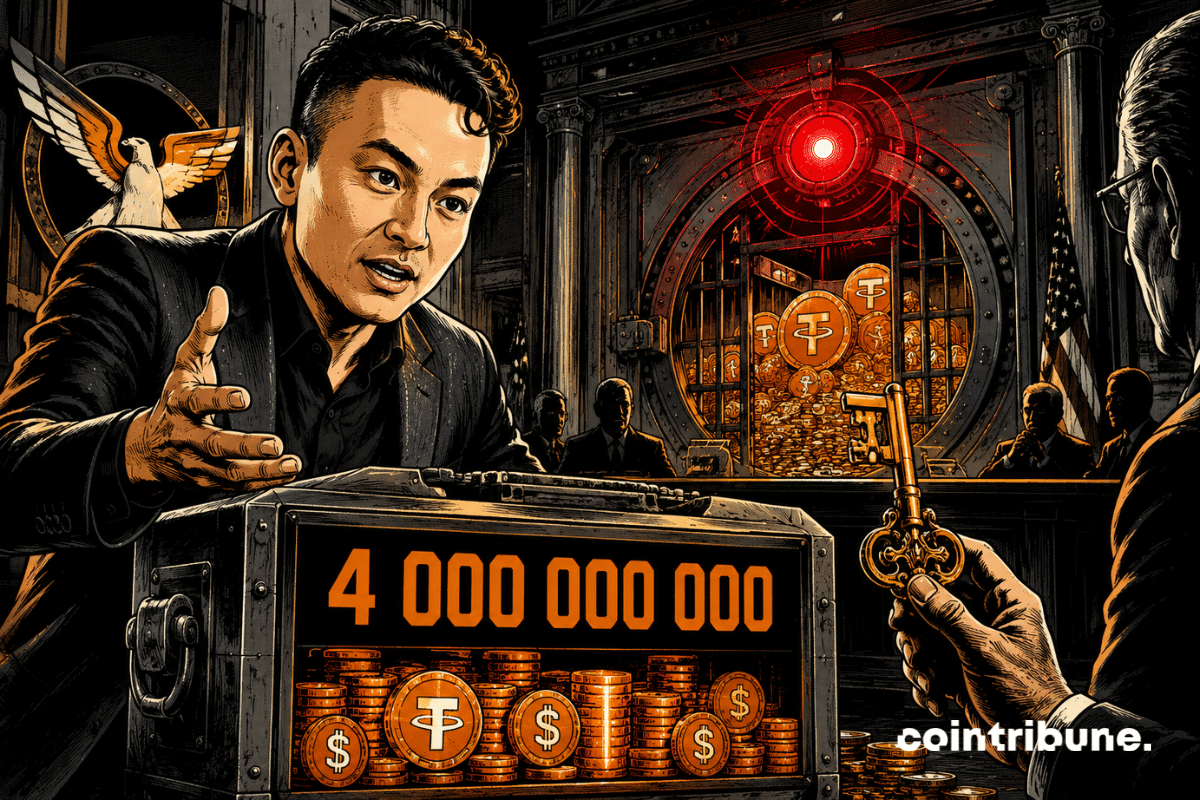
Justin Sun claims to have won a first round against World Liberty Financial. On August 20, a federal judge in California reportedly refused to send all of his claims to private arbitration. This decision comes just days after the conditional green light granted by the OCC to World Liberty Trust Company, which is set to resume issuing the USD1 stablecoin.