
Mon 13 Jul 2026 ▪
3 min read
▪
by
The economy is changing thanks to AI chips and bitcoin, but their surges conceal a risk: speculative bubbles. How can I invest without falling into a trap?
The economy is changing thanks to AI chips and bitcoin, but their surges conceal a risk: speculative bubbles. How can I invest without falling into a trap?

BlackRock approaches 3 billion dollars of tokenized blockchain assets. The financial giant now manages 2.93 billion dollars onchain, with Ethereum leading at 1.1 billion. This milestone confirms that institutional crypto is no longer limited to bitcoin ETFs: it is also settling into money market funds, Treasury bonds, and liquidity management.

A tiny $150 box just turned into $200,000 for its owner. Proof that bitcoin mining remains a lottery where anyone can hit the jackpot.

Bitcoin sees its dominance challenged by Ethereum on a closely watched indicator: the ETH/BTC ratio. Rising to 0.02858 BTC, Ethereum breaks a resistance of several weeks. For Tom Lee, this movement may signal a return of altcoins. But the signal remains fragile, as bitcoin still holds the psychological advantage in the market.

The Bitcoin protocol has just activated one of the most powerful self-regulation mechanisms in its recent history, profoundly changing the financial balances of mining operators. While the sector has been continuously eroding its margins since the beginning of the year, this algorithm update comes at a critical time when the economic survival of mining facilities depends on the smallest fraction of a dollar.

The debate around the evolution of the Bitcoin network is experiencing a new episode with the BIP-110 proposal, designed to limit non-monetary transactions and certain data considered undesirable. While its defenders believe it would protect the initial use of the protocol, several influential figures dispute this approach. Michael Saylor and Adam Back believe such a modification could create more risks than it solves. Their positions thus revive an important discussion on the balance between network protection, decentralization, and protocol stability.

The crypto market is going through a phase of profound institutional transformation, where the treasury management strategies of the largest corporate holders are redefining the rules of bitcoin valuation. At the heart of this dynamic, the company Strategy, a true barometer of institutional investor sentiment, triggers many speculations after a series of unprecedented financial maneuvers. Its executive chairman, Michael Saylor, posted a particularly ambiguous message on social media that breaks with his usual aggressive accumulation declarations, casting doubt on the company’s real intentions.
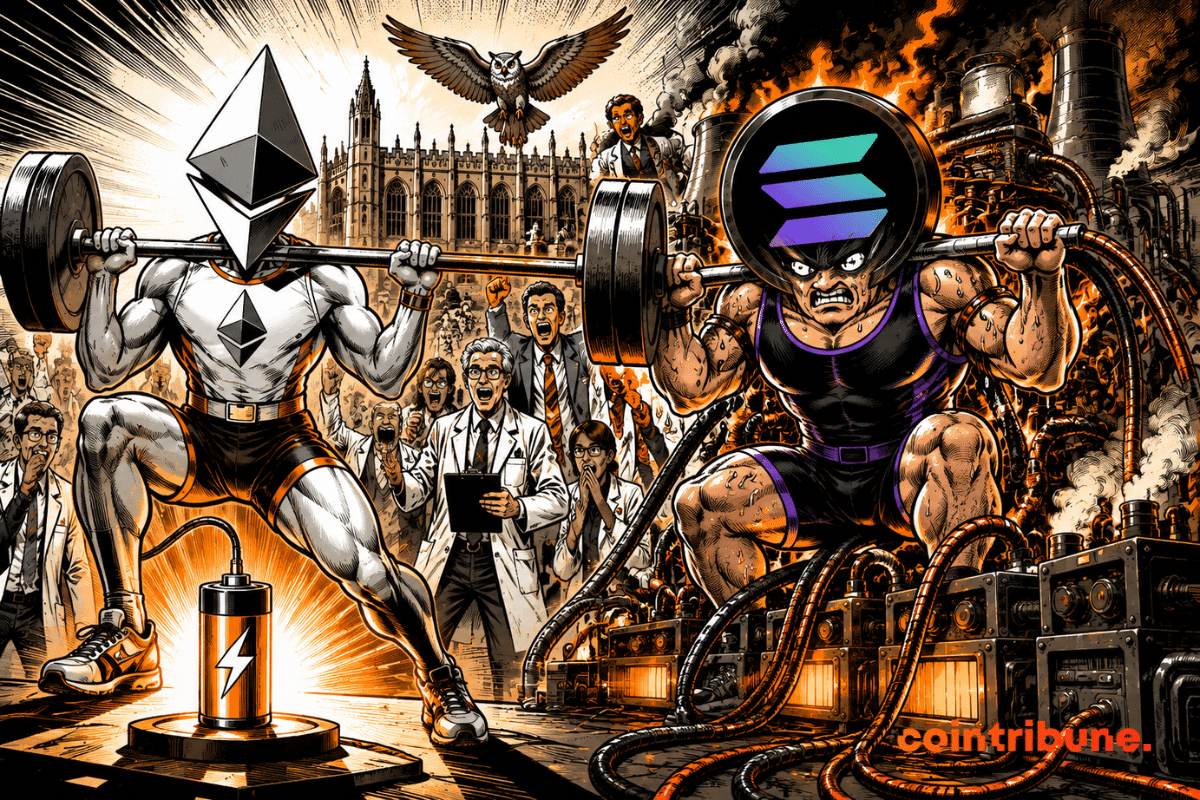
A Cambridge study reveals that Ethereum consumes less energy per dollar of market capitalization than Solana. Data 2026 decryption.

The development of a regulatory framework for cryptos in the United States has just crossed a new threshold of tension, illustrating the extreme polarization between industry leaders and Washington policymakers. As Congress examines the market structures essential to the sector's sustainability, national security takes center stage in constitutional debates, turning a technical bill into a true ideological battlefield. The direct confrontation between the exchange platform Coinbase and Democratic Senator Elizabeth Warren highlights the urgency of legislative clarification, but mainly reveals diametrically opposed visions on how to protect the American financial system.

By 2040, will AI save us or destroy us? The alarm is set off by Vitalik Buterin. Could Ethereum be our last line of defense against an uncontrollable superintelligence in the midst of apocalyptic scenarios and decentralized hopes?

The crypto initial public offering market is slowing down in 2026, with four major players in the sector having postponed their IPOs. According to Christian Lopez, blockchain lead at Cohen & Company Capital Markets, investor caution now weighs more than regulation. Will the sector regain public market appetite before 2027?

A legal case in New York threatens to create an explosive precedent for bitcoin. Noah Doe claims to be able to claim 39,069 dormant addresses, valued at around 293 billion dollars, under abandoned property laws. The Bitcoin Policy Institute wants to block this interpretation before it undermines the very idea of onchain ownership.

While institutional investors’ confidence wavered amid significant volatility, Bitcoin and Ether ETFs have just recorded their first positive weekly trend reversal since May. This crucial rebound breaks a prolonged capitulation phase. Moreover, it serves as a barometer to measure the real appetite of traditional finance.

Kiyosaki has been predicting the end of the financial world for fifty years, but this time he says it's the real one. His miracle cure? Gold, silver, oil, and bitcoin.
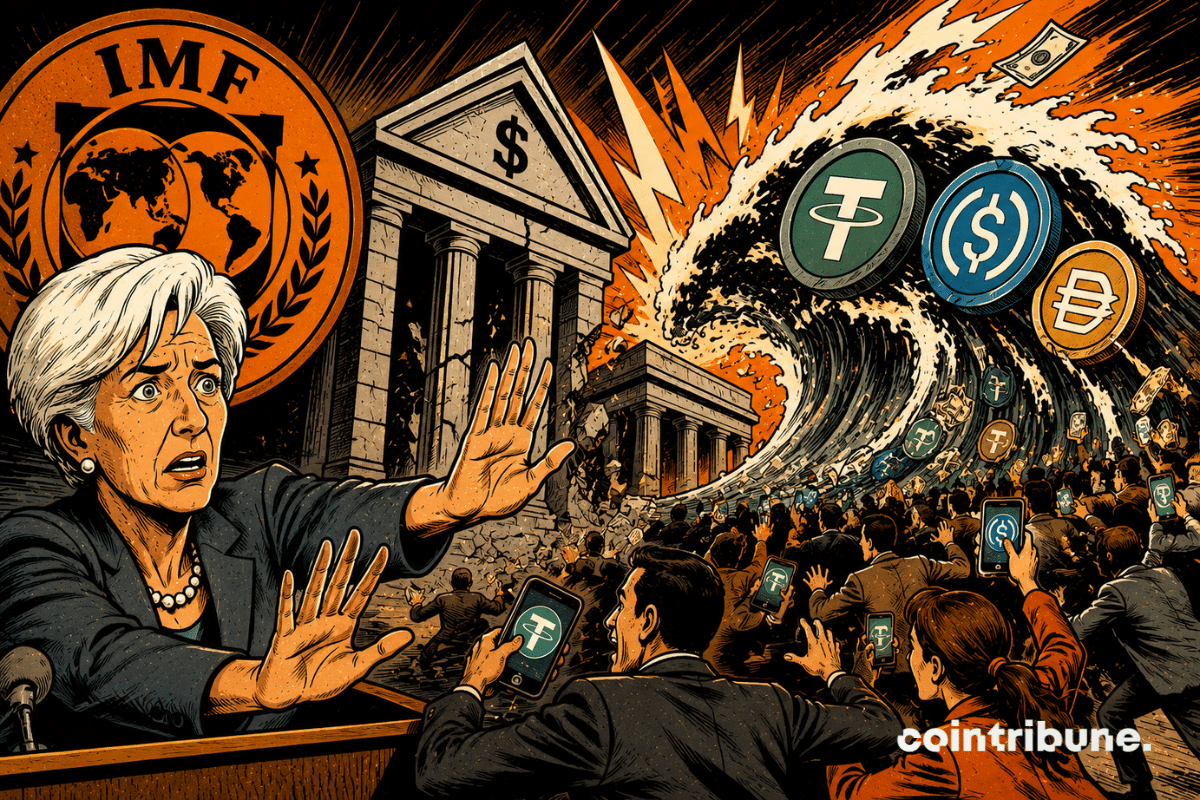
Stablecoins are today macroeconomic forces capable of destabilizing states. On July 11, 2026, an IMF working paper led by Brandon Joel Tan broke a taboo. In economies with managed exchange rates, crypto-dollars compensate for the rationing of official currencies but act as formidable accelerators of crises. By displaying the scarcity of the dollar in real time, these assets cause massive and coordinated capital outflows.
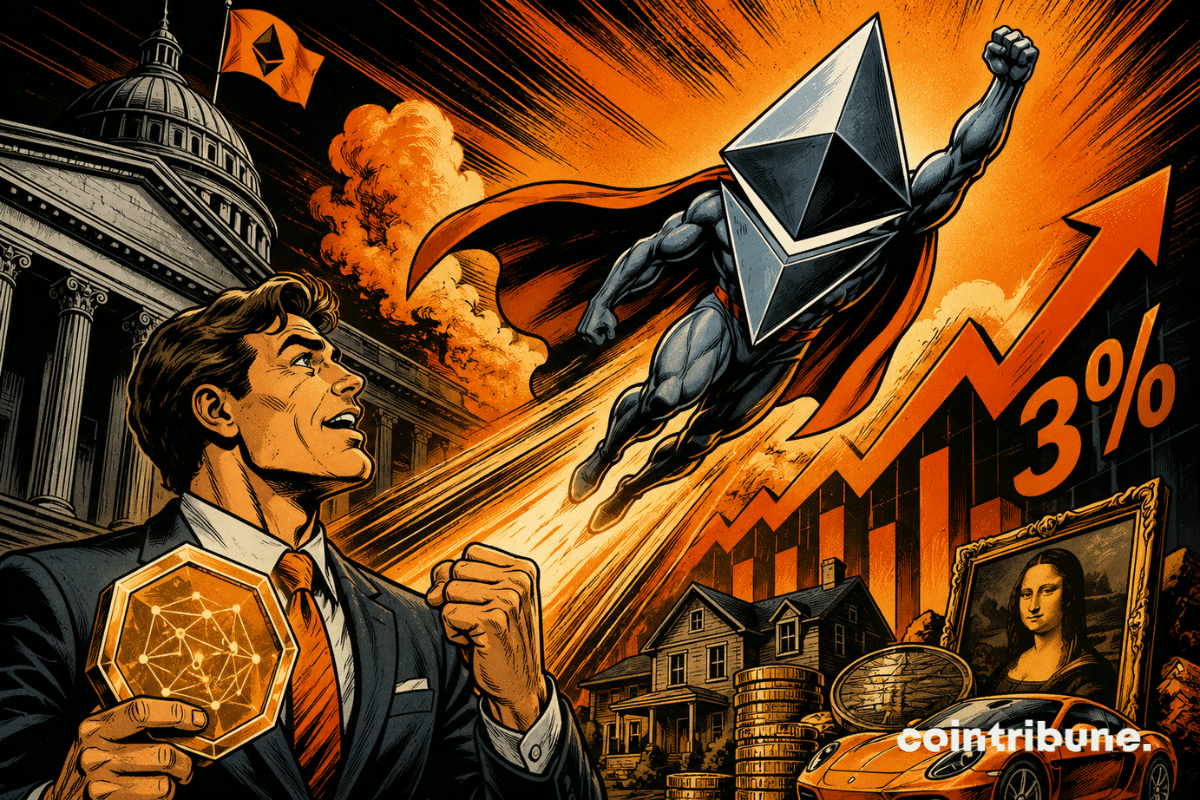
The cryptocurrency market has experienced mixed developments in recent days, but Ether stood out with a 3% increase between Thursday and Friday. This rise occurs in a context marked by the growth of tokenization, the successful launch of Robinhood Chain, and continued purchases by several companies. Despite this favorable dynamic, surpassing the 1,800-dollar threshold remains out of reach. On-chain data and indicators from derivative markets still show signs of weakness, limiting short-term growth potential.
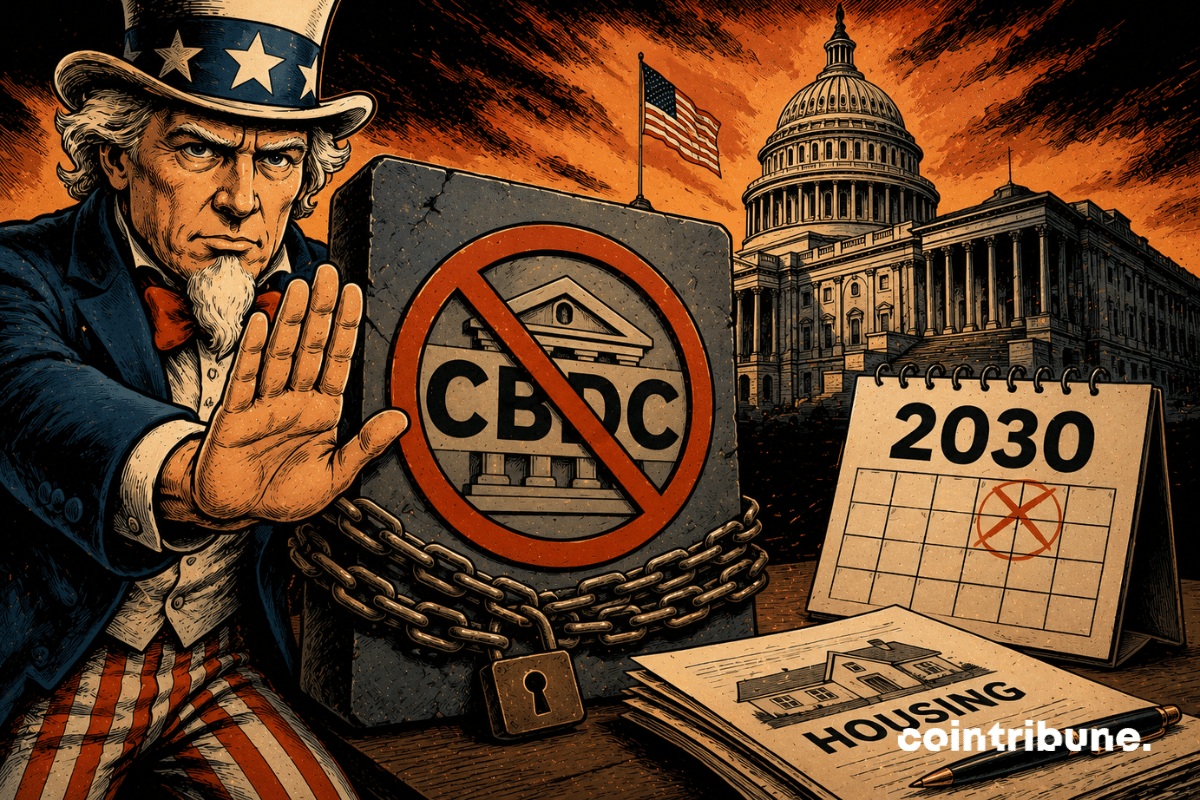
Trump refuses to sign the housing bill, but the CBDC ban forces its way through anyway. Meanwhile, the CLARITY Act waits nervously in the wings.

The global banking landscape is undergoing an unprecedented transformation where the boundaries between traditional finance and cryptos are fading at an accelerated pace. In Eastern Europe, this transition now takes the form of an institutional race against time, driven by the largest banking institutions of an economic superpower. Alfa-Bank's decision, Russia's largest private lender, to design a comprehensive infrastructure for bitcoin trading and custody marks a decisive turning point for the Eurasian crypto industry. This initiative comes as the country is about to enact a historic regulatory framework, transforming a once marginal sector into a strategic pillar of national finance.

The Ethereum network continues to evolve, but its geographical distribution remains a subject of monitoring for researchers. A new study from the Cambridge Center for Alternative Finance shows that a significant share of nodes operates in North America and Europe. This snapshot of the network highlights several technical and legal issues. It also reminds us that the location of infrastructures can influence the protocol's resilience. The updated data finally sheds new light on the network's energy consumption after the merge.

MiCA was supposed to secure European crypto. It may instead accelerate a new movement, that of capital towards decentralized finance. While regulators seek to frame exchanges through authorized players, some users now favor solutions offering more autonomy. The first strategic choices of major platforms reveal a growing tension between regulatory oversight and financial freedom. This confrontation could permanently reshape the balances of the global crypto market.

Spot Bitcoin ETFs garnered nearly 200 million dollars of net inflows last week, ending eight consecutive weeks of withdrawals. Bitcoin crosses the 64,000-dollar mark, driven by this renewed institutional appetite. Is the negative streak finally coming to an end?

Ki Young Ju asks bitcoin holders to hold on for a few more months. The founder of CryptoQuant believes that bullish signals could ease the market, even if the cycle remains fragile. For him, the expected rebound looks more like a breath in a bear market than an immediate return of the bull run.

Selling bitcoin was not an option for Strategy. However, the giant holder of corporate BTC reserves broke with its doctrine by selling part of its holdings to meet its short-term financial obligations. This unprecedented reversal reignites the debate on the limitations of the accumulation model adopted by listed companies exposed to bitcoin. While markets question the solidity of this strategy, Standard Chartered delivers an analysis that places these movements in a global perspective.

The market for investment products related to cryptocurrencies continues to evolve as issuers adjust their strategies. This time, VanEck has modified the registration documents of its spot Ethereum ETF, a change that occurs as competition intensifies among asset managers. While this update does not call into question the launch of the funds, it brings a new element into a competition where costs, capital flows, and investor choices become determining factors. This development thus deserves careful reading in the current context.
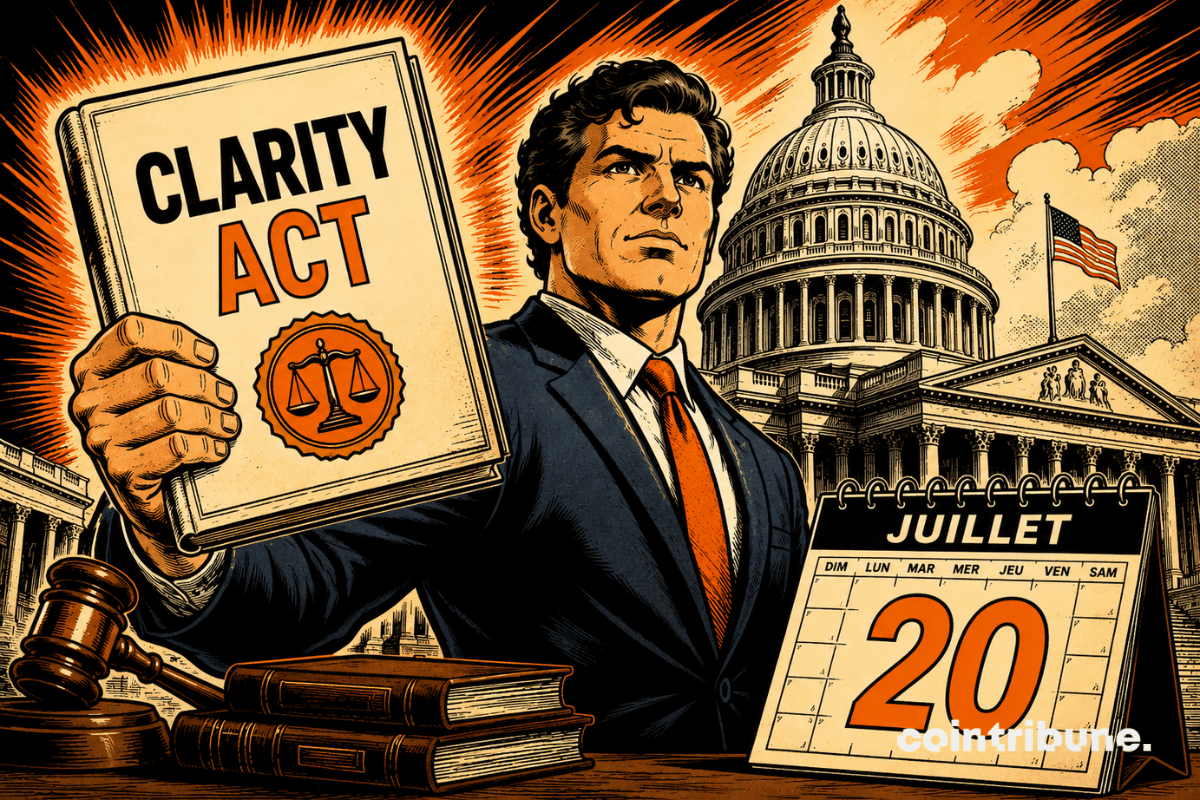
The US Senate could unveil a merged version of the CLARITY Act as early as the week of July 13, with a vote scheduled for July 20. The text, enriched by over 70 pages compared to previous versions, still needs to overcome the hurdle of 60 required votes. Will unresolved ethical issues be enough to derail this tight schedule?

XRP-backed ETFs have just experienced their first significant setback in 2026. After months of enthusiasm around crypto-related financial products, the latest figures reveal a clear trend reversal. The capital outflows observed in these funds question the scenario of a seamless institutional adoption for the Ripple ecosystem. This change in dynamics raises questions about the strength of investors' appetite for altcoins through listed financial vehicles.
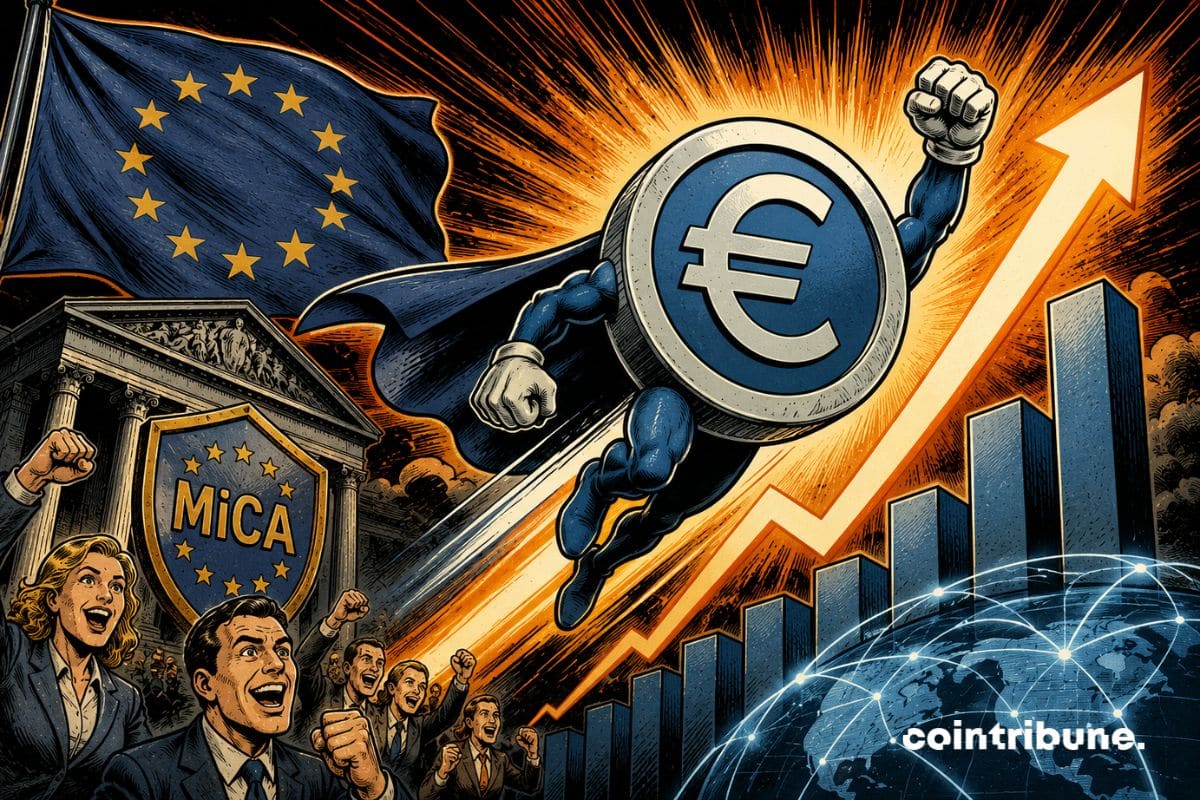
Everything is upended by MiCA. With 1,760 active addresses every day—a four-year record—Circle's EURC soars. What makes this stablecoin so popular in Europe? Find out how regulation reimagines cryptocurrency payments and why players who don't comply face threats.

The European Parliament has paved the way for the extension of Chat Control until 2028. This regime allows platforms to voluntarily scan certain private communications to detect child sexual abuse content. The text however rekindles a central battle in Europe: protecting children without weakening encryption and privacy.
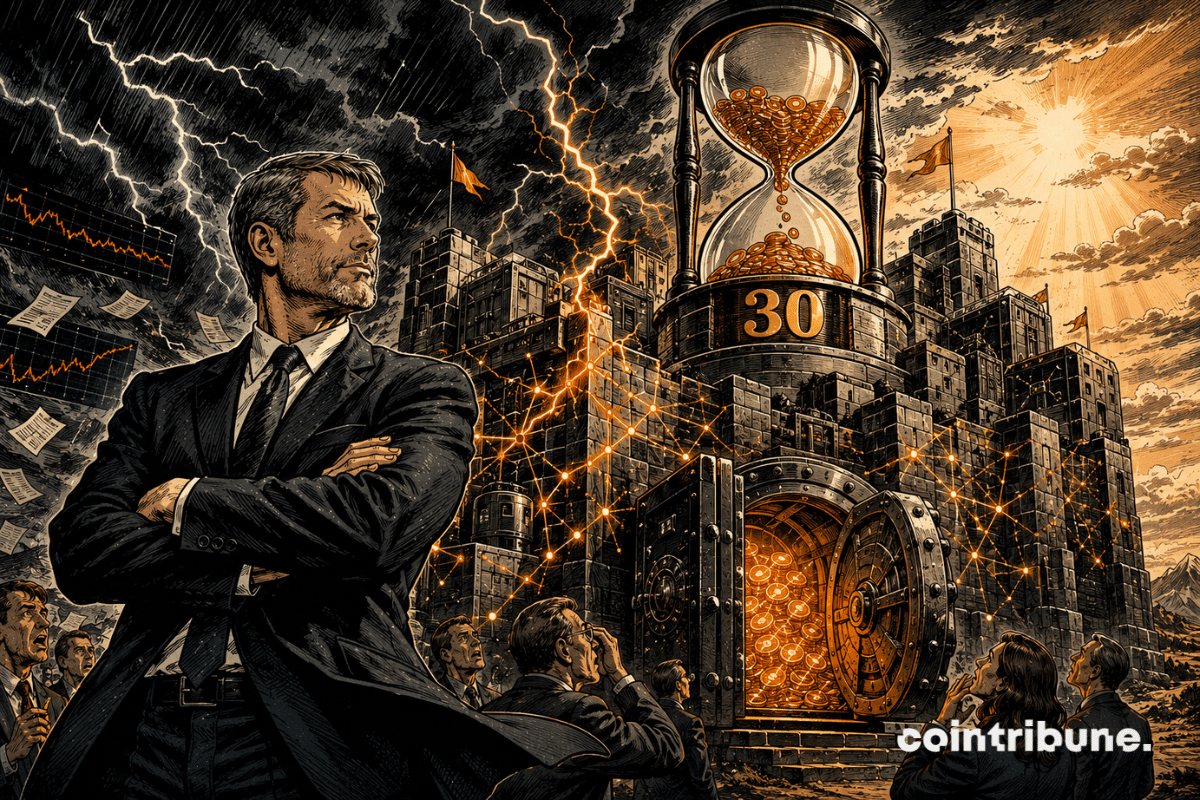
Strategy could pay its dividends for 30 years even if bitcoin does not rise again, according to Michael Saylor. The executive published a new risk simulator to defend his financial model, a few days after a sale of 3,588 BTC aimed at strengthening the group's liquidity.

The Shiba Inu ecosystem could soon reach a new milestone after several months of discretion around some of its most anticipated projects. Recent exchanges within the community revive speculation about the return of Shiba Eternity and the metaverse associated with the SHIB universe. Without an official schedule, several clues nonetheless show that the teams continue their work behind the scenes. These statements come as developers reaffirm their desire to refocus their efforts on sustainable products for the coming years.