Thu 15 Jan 2026 ▪
3 min read
▪
by
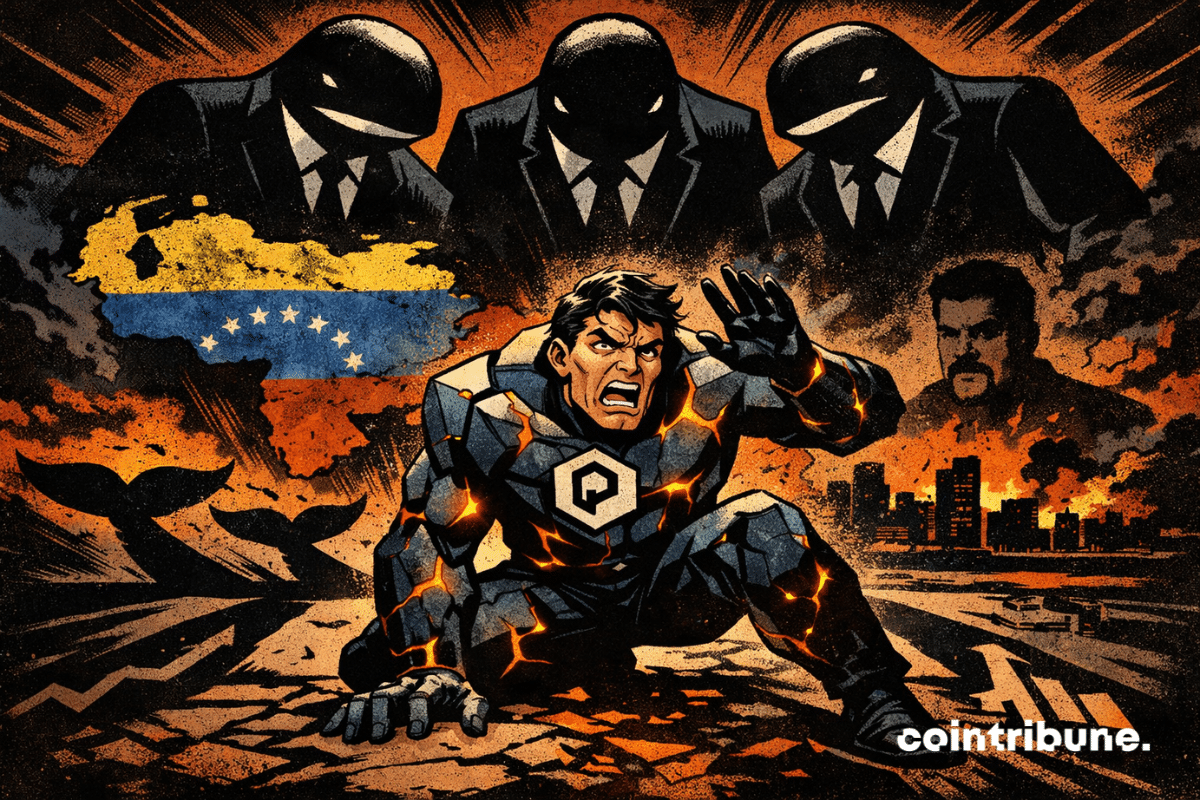
An explosive case shakes the crypto market: three Polymarket whales targeted for suspicious bets on Venezuela. Details here!
An explosive case shakes the crypto market: three Polymarket whales targeted for suspicious bets on Venezuela. Details here!
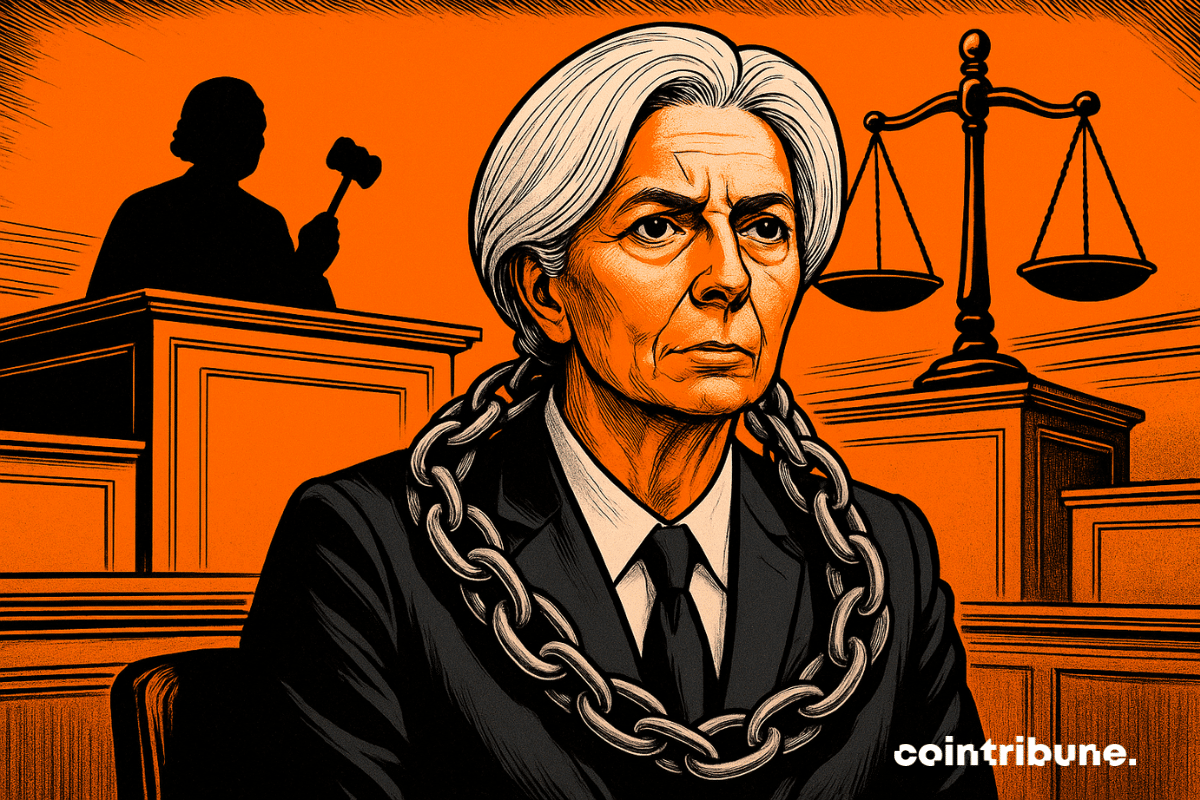
Fitch has downgraded France's sovereign rating from AA- to A+, mainly due to governmental instability and difficulties in reducing the public deficit. This situation reveals the failure of the French government, but also massive interventions by the European Central Bank (ECB).
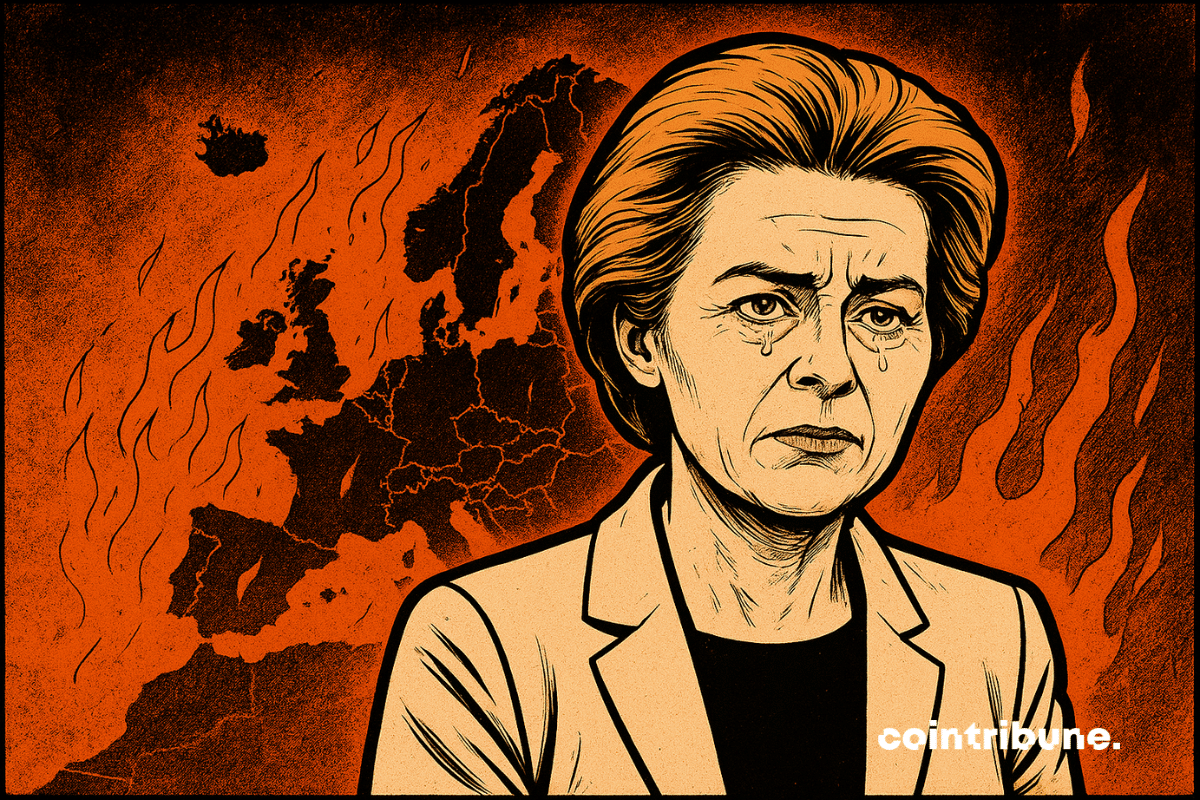
It's not just Bayrou's France that is struggling. Europe is going through a systemic crisis that the ECB's printing press can no longer solve. Despite years of massive injections, the eurozone is sinking into a vicious circle of stagnation and unsustainable debt. It seems that this time, unlike 2008, the ECB can no longer save Europe from the crash.

Warning signs are everywhere. Between the explosion of inequalities and record debt, the global financial system is dangerously shaky. Faced with 37 trillion dollars of debt in the United States alone, one question arises: are we witnessing the end of capitalism as we know it?
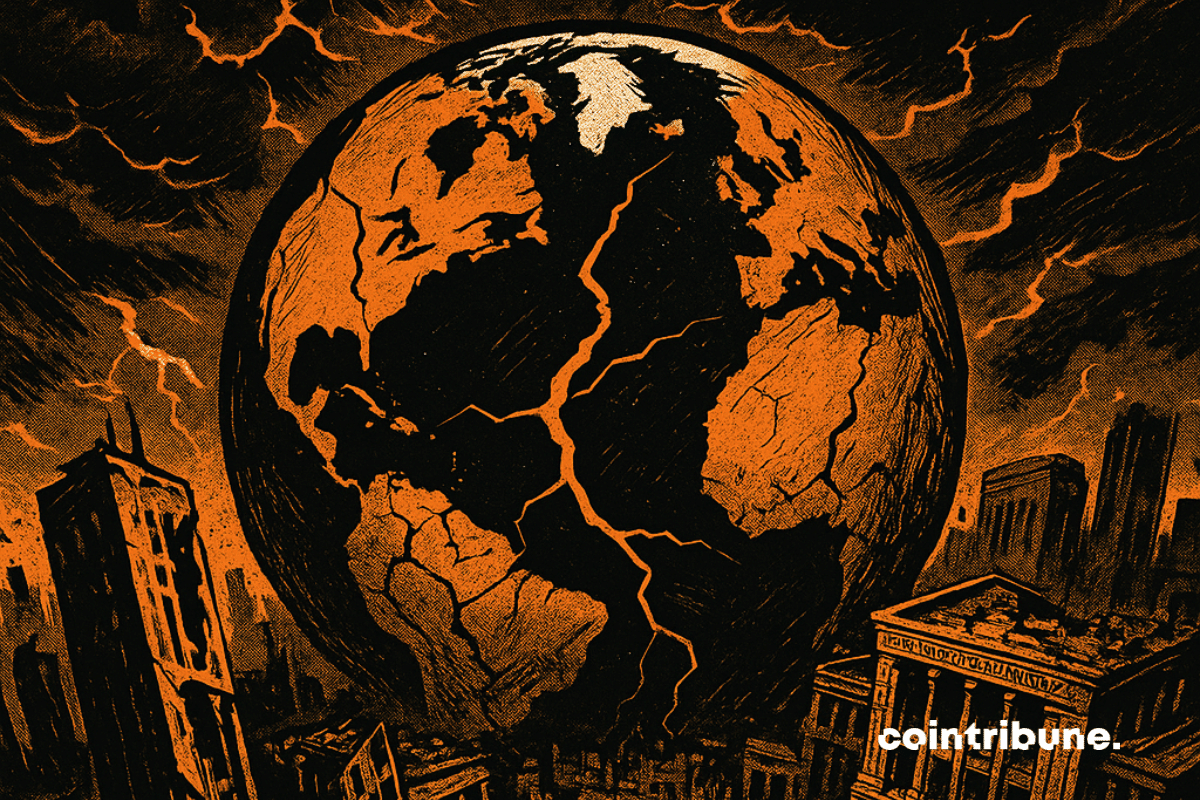
The current global chaos is not a product of chance. According to a theory developed by historians Neil Howe and William Strauss, we are entering a destructive cycle that reshapes societies every 80 to 100 years. This major transformation could disrupt the global economy, financial markets, and redefine the geopolitical order as we know it.
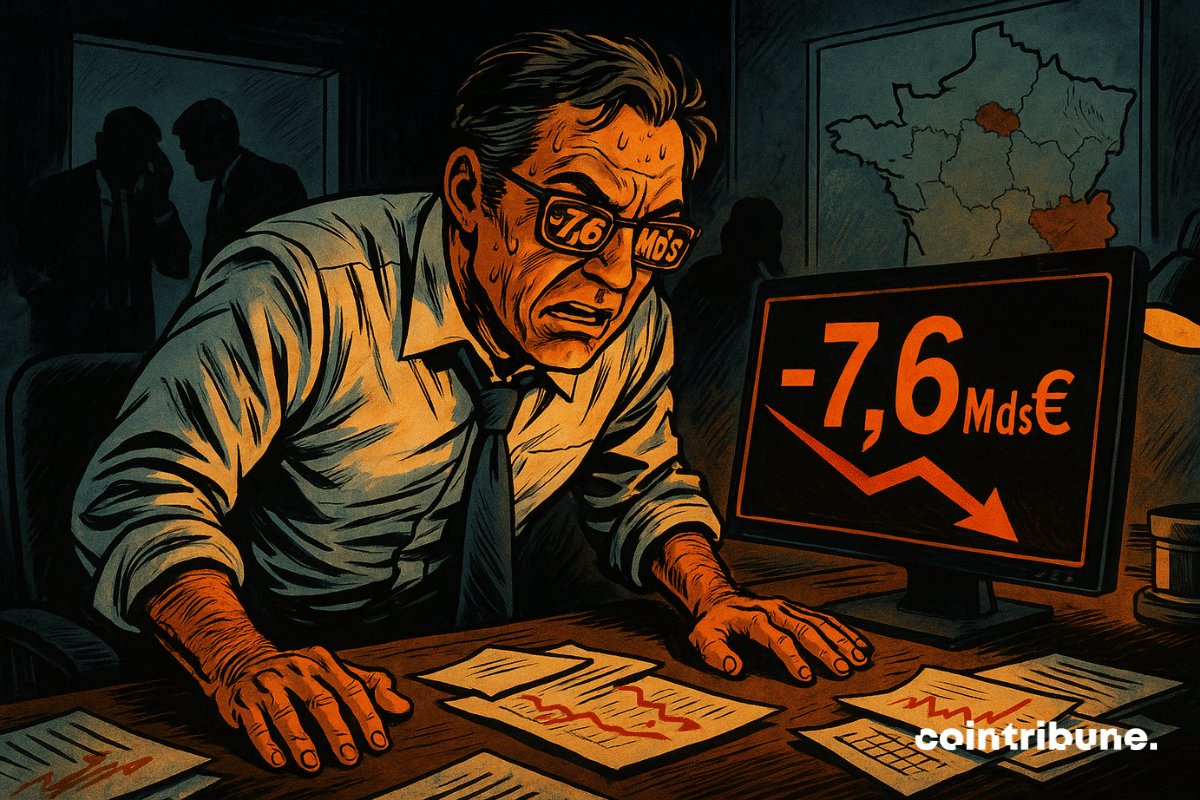
France's economy recorded a trade deficit of 7.6 billion euros in May. A concerning trend for investors.
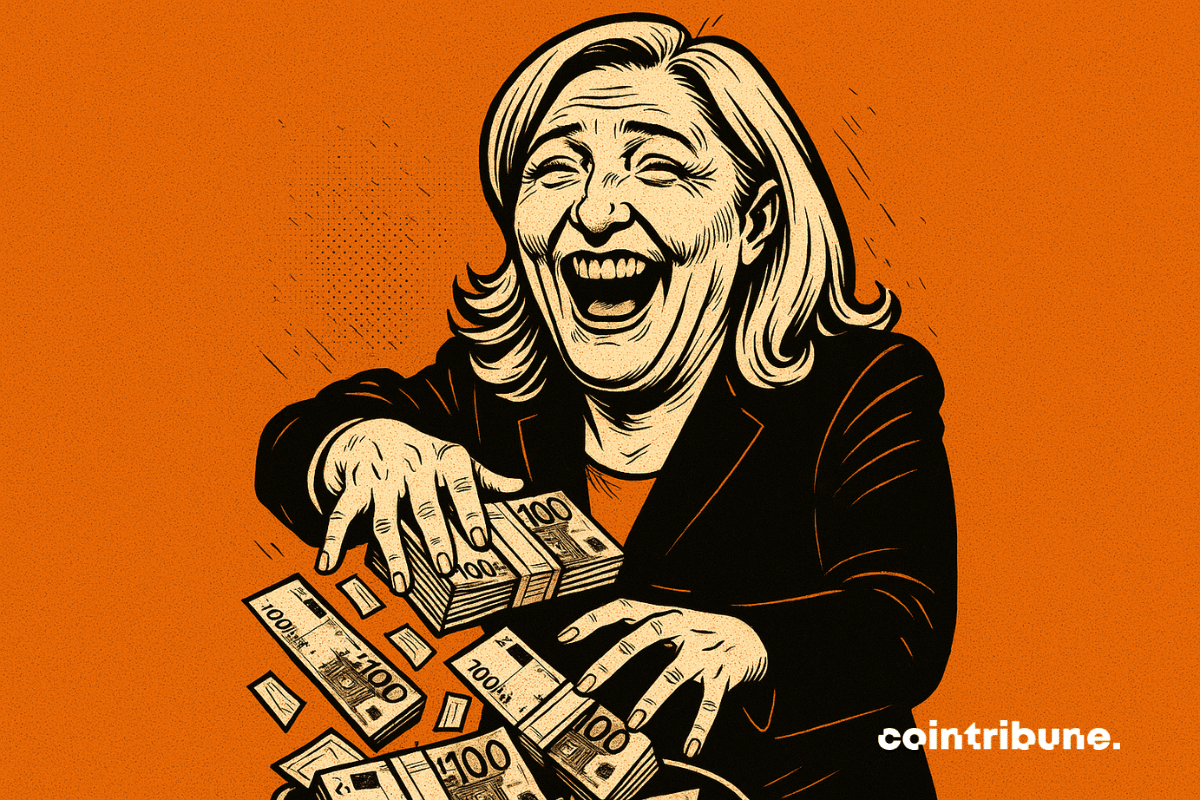
The debate on leaving the euro is resurfacing regularly in France. With new presidential elections set for 2027, a victory for the National Rally could lead to an exit from the euro. The French could very well come out of it ruined!
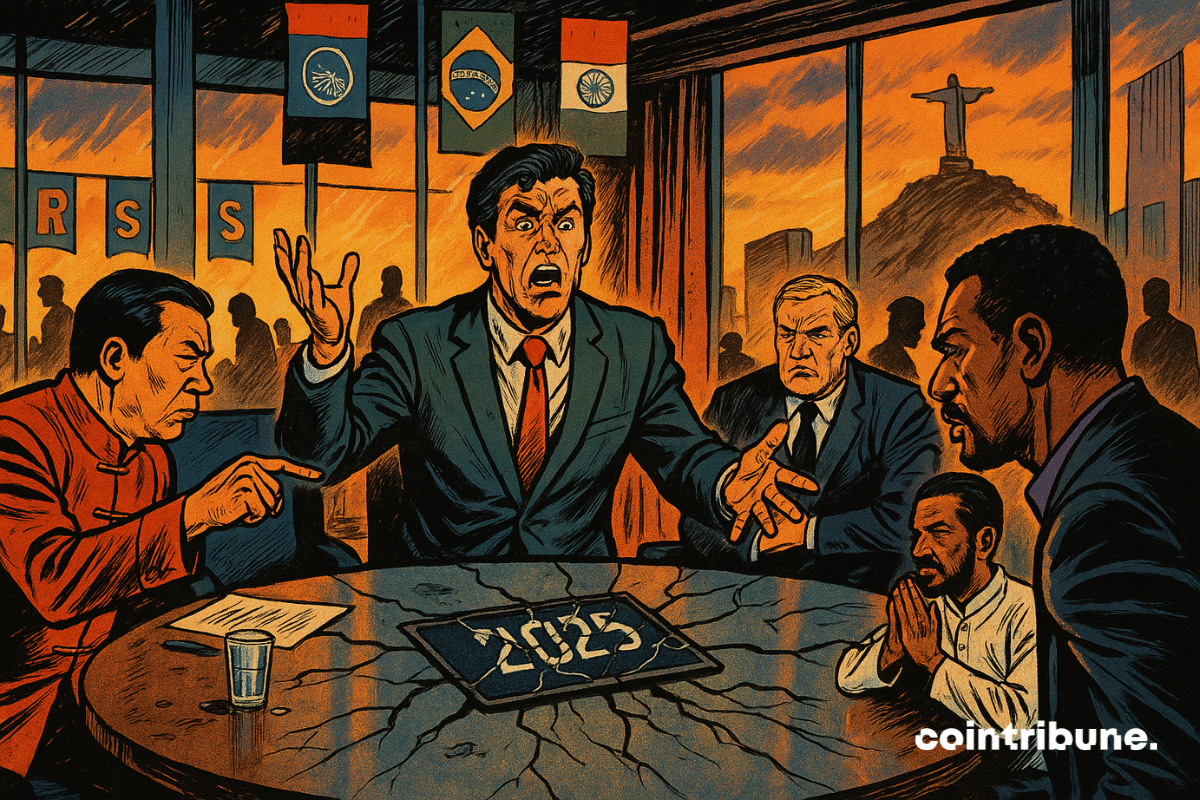
As the global geopolitical balance weakens, Rio will host a tense BRICS summit on July 6 and 7, 2025. Designed as a counterweight to the G7, the bloc struggles to embody the unity of the global South. Internal disagreements, Xi Jinping's absence, and Donald Trump's offensive comeback: the 17th edition illustrates less of a rise in power than a questioning of the strategic coherence among its members. In an era of multipolar ambitions, the BRICS are facing a crisis of legitimacy as much as a test of international credibility.
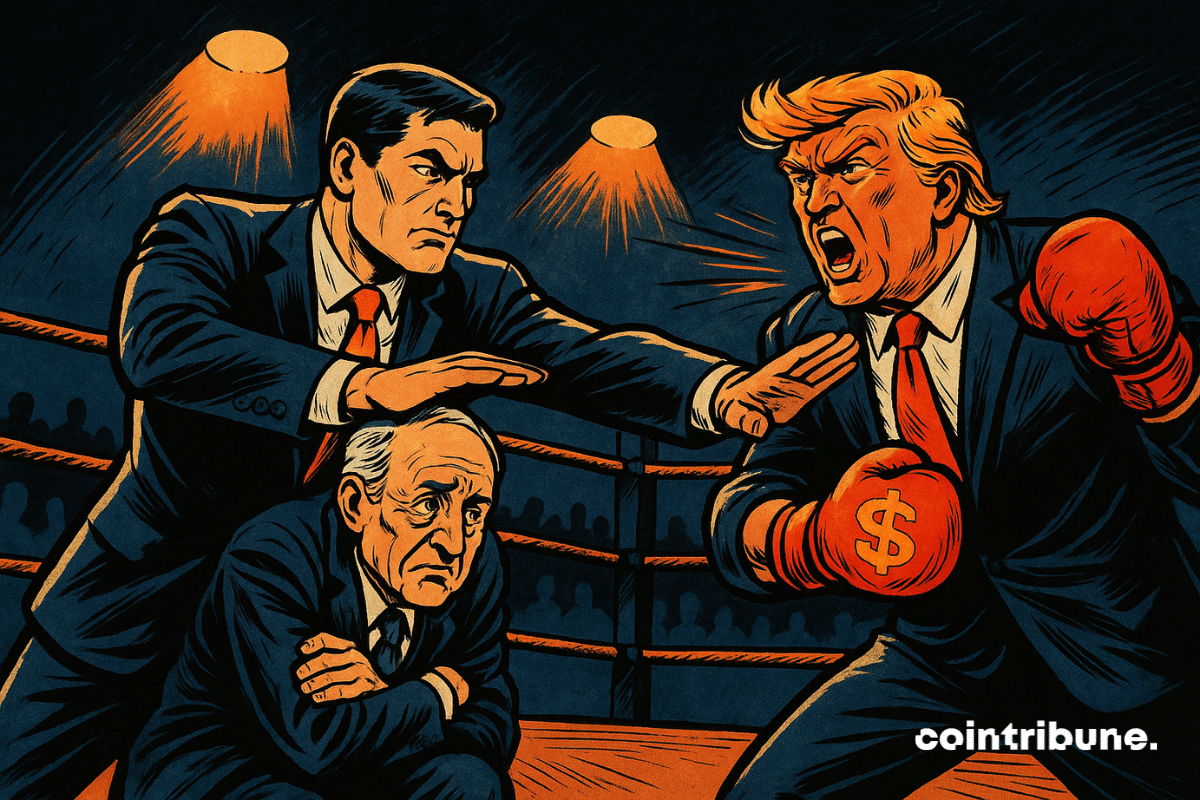
The BIS stands up to defend the Fed. Can the economy withstand a monetary crisis? The details in this article!
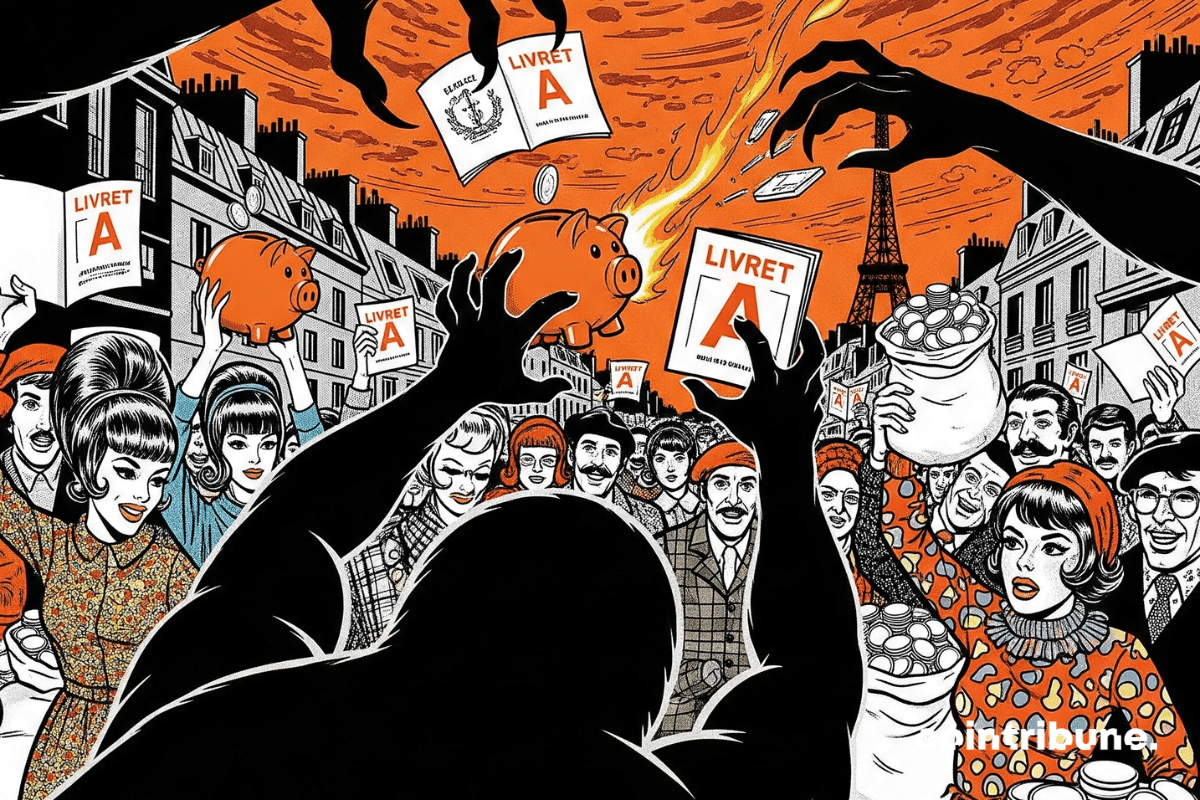
Finance: The savings rate of the French is the highest since 1979. We provide you with all the details in this article!
With Trump, we are witnessing the transition from a trade war to a total economic war between the United States and China.
The recent imposition of massive tariffs by Donald Trump, followed by an unexpected pause on certain Chinese products, has thrown financial markets into turmoil. While some see this as a deliberate strategy to reorganize the global economic landscape, others interpret this turnaround as a capitulation to market pressures and Chinese intransigence.

France is going through a pivotal period. On one hand, public debt has reached historic highs, exceeding 3 trillion euros. On the other hand, a profound transformation of institutions is disrupting the traditional balance of the Fifth Republic.

The employment situation in France is experiencing a worrying deterioration. According to the latest figures published on January 27, 2025, by the Ministry of Labor, the number of unemployed job seekers without activity (category A) surged by 3.9% in the fourth quarter of 2024 compared to the previous quarter. This represents an additional 117,000 unemployed individuals, bringing the total to 3.1 million people, a level not seen in a decade, excluding the Covid-19 period.
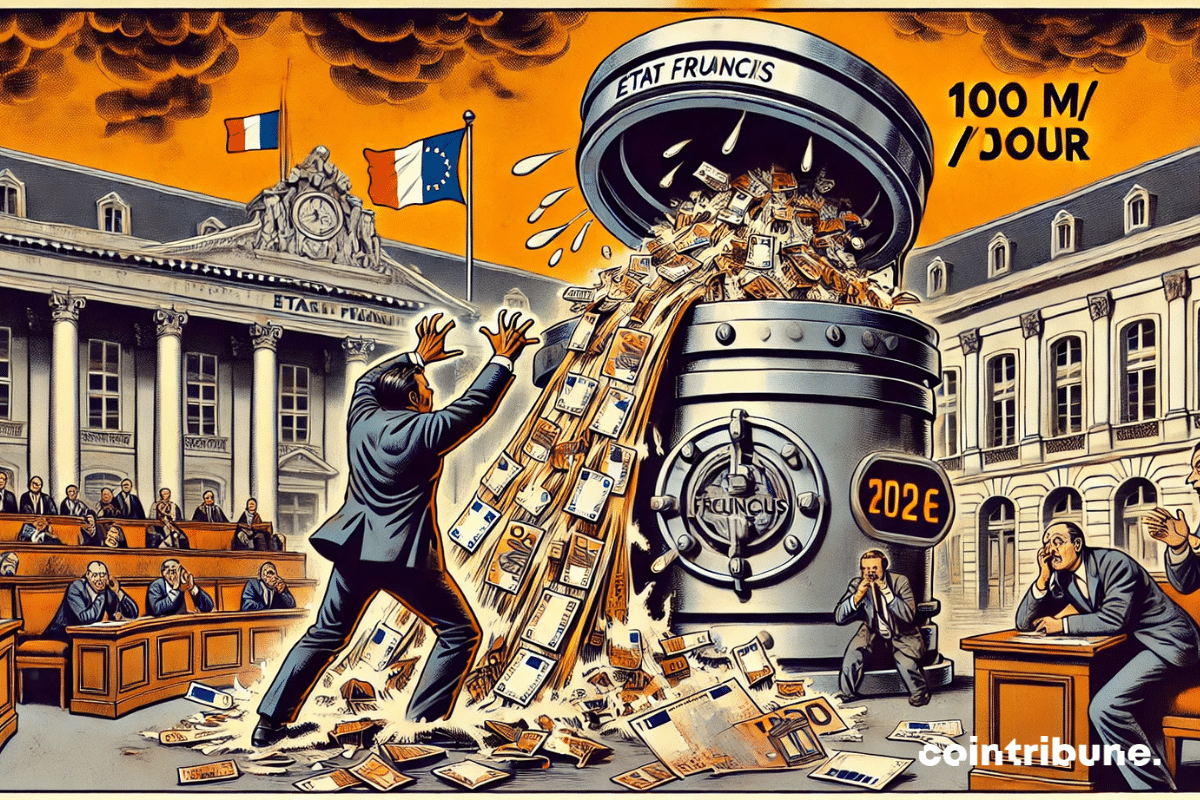
For several decades, French budget management has been a source of recurring tensions, but the current situation has reached an unprecedented level. In 2025, the censorship of the budget voted by the Senate plunged the country into a major financial crisis, with losses estimated at 100 million euros per day. In the absence of a new text validated by the National Assembly, the budget for 2024 remains in effect, depriving the state of essential revenue and savings measures. Amélie de Montchalin, Minister for Public Accounts, warns about the repercussions of this deadlock and emphasizes both its economic cost and the institutional challenges it reveals.

Financial markets hate uncertainty, yet the global economy is entering a period of instability. As we approach 2025, fears of economic slowdown, inflationary pressures, and political uncertainties are multiplying. Kristalina Georgieva, Managing Director of the International Monetary Fund (IMF), warns of "headwinds" and "divergences" that threaten global economic balance. Europe is struggling, the United States is surprising with its resilience, China is facing deflationary pressure, and Brazil is battling inflation. Behind these disparities, another concerning factor is the erosion of investments in education, which hampers innovation and long-term growth. As the IMF prepares to release its updated report, one question remains: do these economic fractures create an irreversible divide, or do they foreshadow a new world order?

Ukraine halts Russian gas transit starting in 2025. Discover the major consequences for the European economy!

The French Republic is experiencing a new institutional upheaval with the forced appointment of François Bayrou as Prime Minister.

DOGE: when Musk and Armstrong play the state surgeons, with fiscal scalpel and crypto syringe!
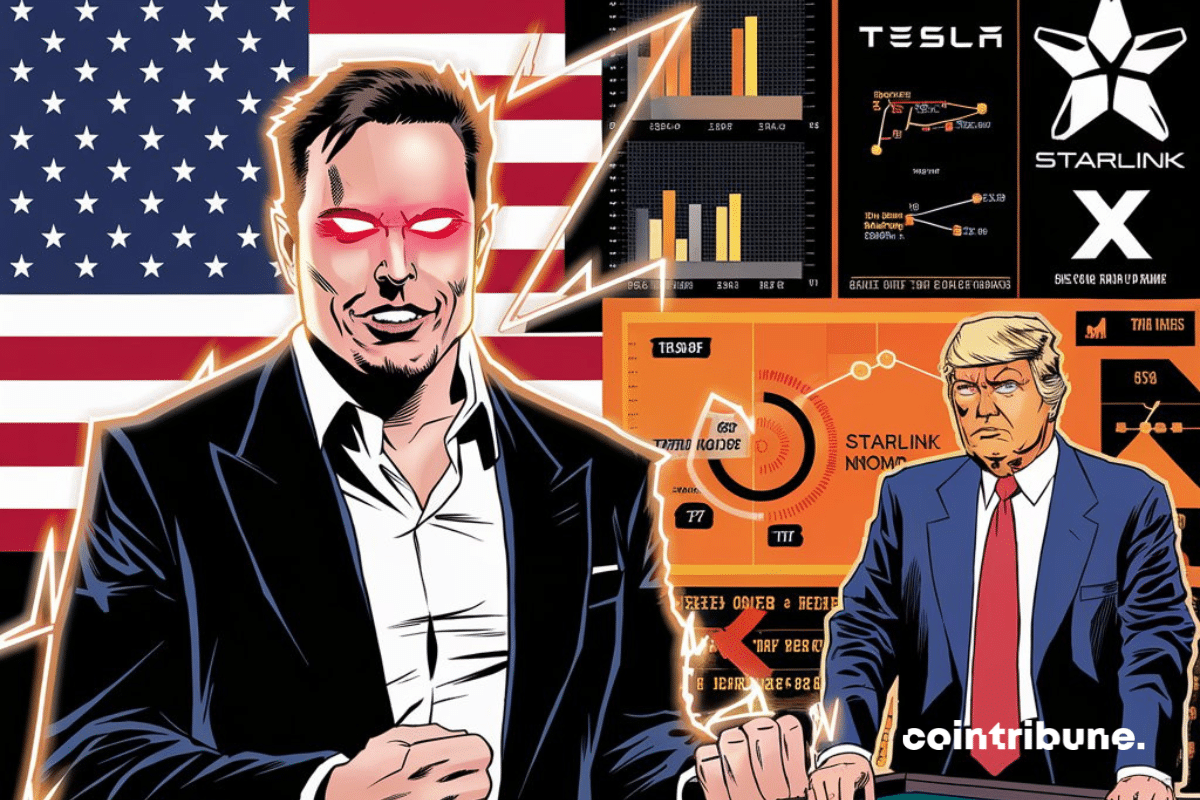
"Big crisis, big doubts!" Musk already sees America in ruins... unless a bit of Bitcoin comes to solve everything!
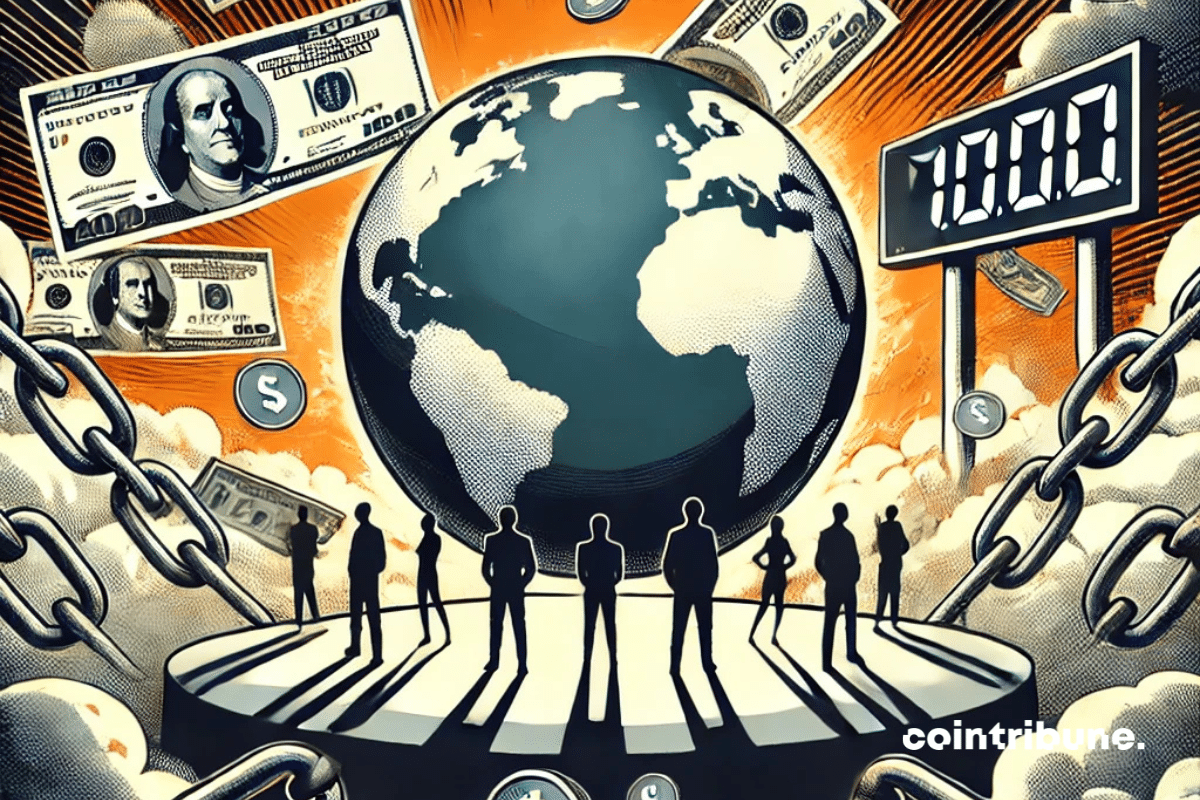
As the global economy continues to recover from successive crises, a new announcement from the IMF reveals a mixed trend: global public debt will reach 100 trillion dollars by the end of 2024. This staggering amount, equivalent to 93% of global GDP, represents a critical point in the budgetary management of states. The world now finds itself at a crossroads where managing this colossal debt has become more crucial than ever.
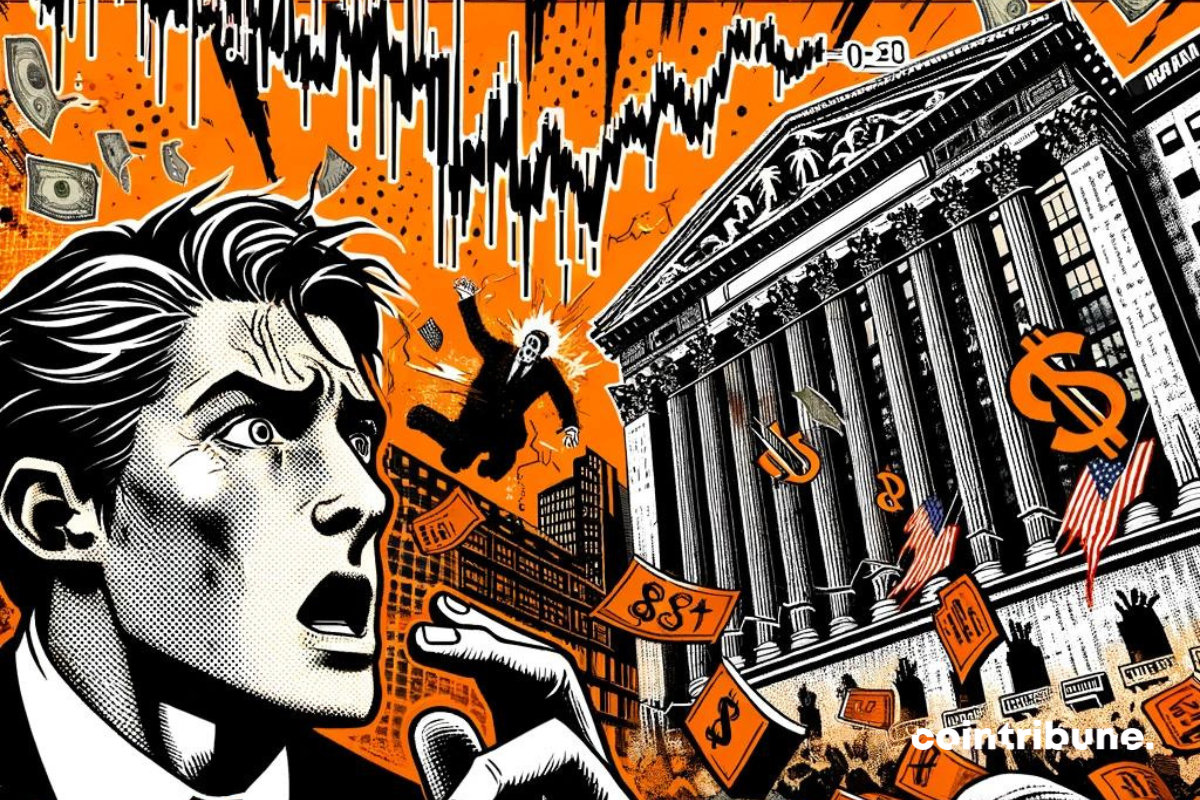
The biggest financial bubble of our time is on the verge of bursting, warns renowned economist Harry Dent. According to him, the stock market is currently inflated by excessively accommodative monetary and fiscal policies, built up over more than a decade. This warning, given during a recent interview with Fox Business, highlights potential risks of a stock market crash even more devastating than that of 2008. At a time when the global economy appears to be slowing down, Dent's remarks call for increased vigilance and rigorous preparation.

The famous bitcoiner and entrepreneur Balaji Srinivasan has just published a diatribe against the United States. According to him, the federal government is on the verge of bankruptcy and being swallowed by trillions of dollars in debt. Faced with such a crisis, the Fed would activate the largest money-printing policy in American history to divert money from taxpayers.

Nexity's CEO reveals the challenges facing an unprecedented crisis, involving a quick adaptation to turn the situation around.
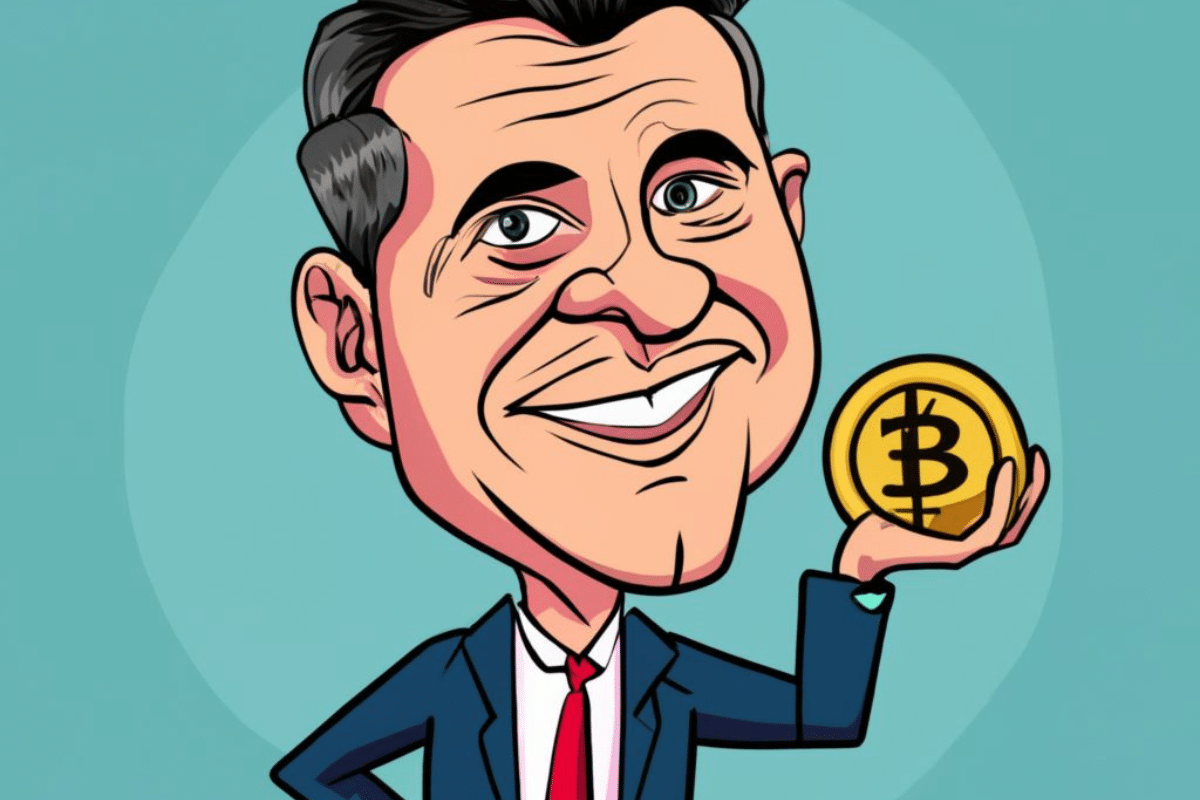
Discover how stimulus plans and inflation could boost crypto currencies in 2024, according to Raoul Pal.
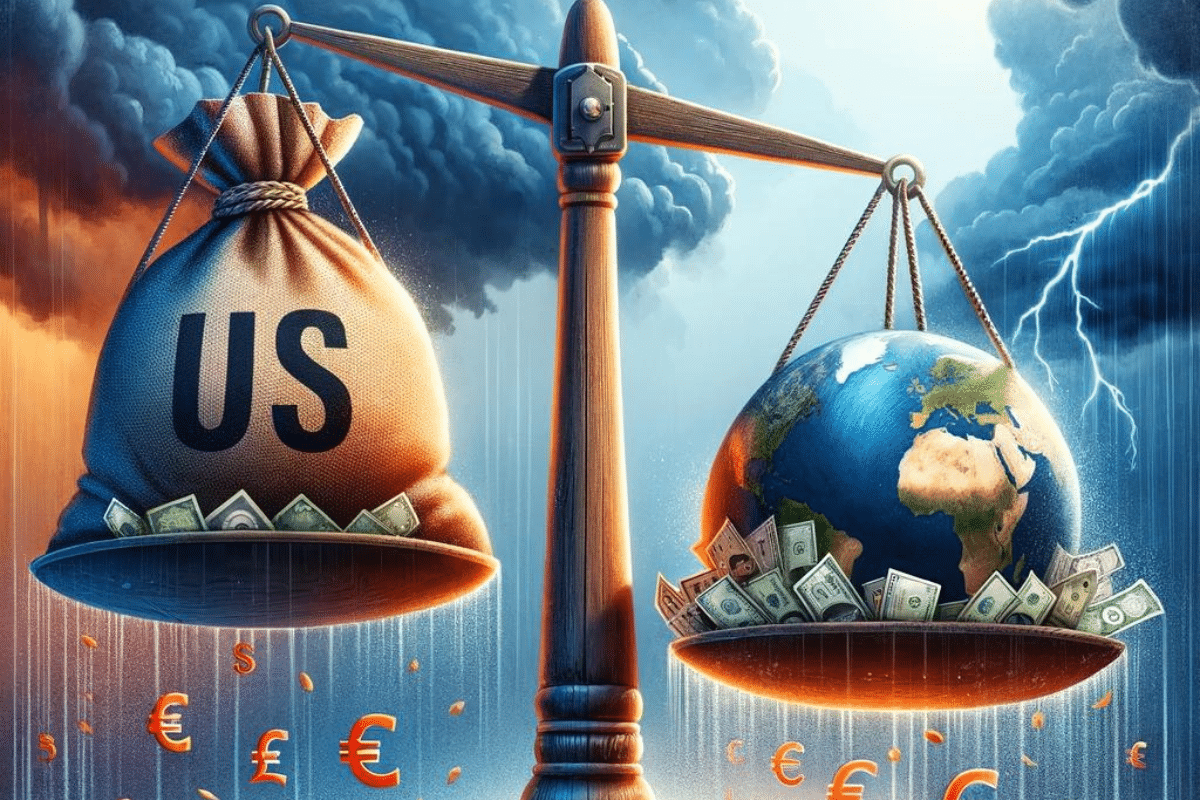
The alarming rise in US debt threatens global economic stability, with insights on BRICS.

Deutsche Bank reduces its costs with 3,500 layoffs. What will be the impact of this decision on the German economy? Analysis.
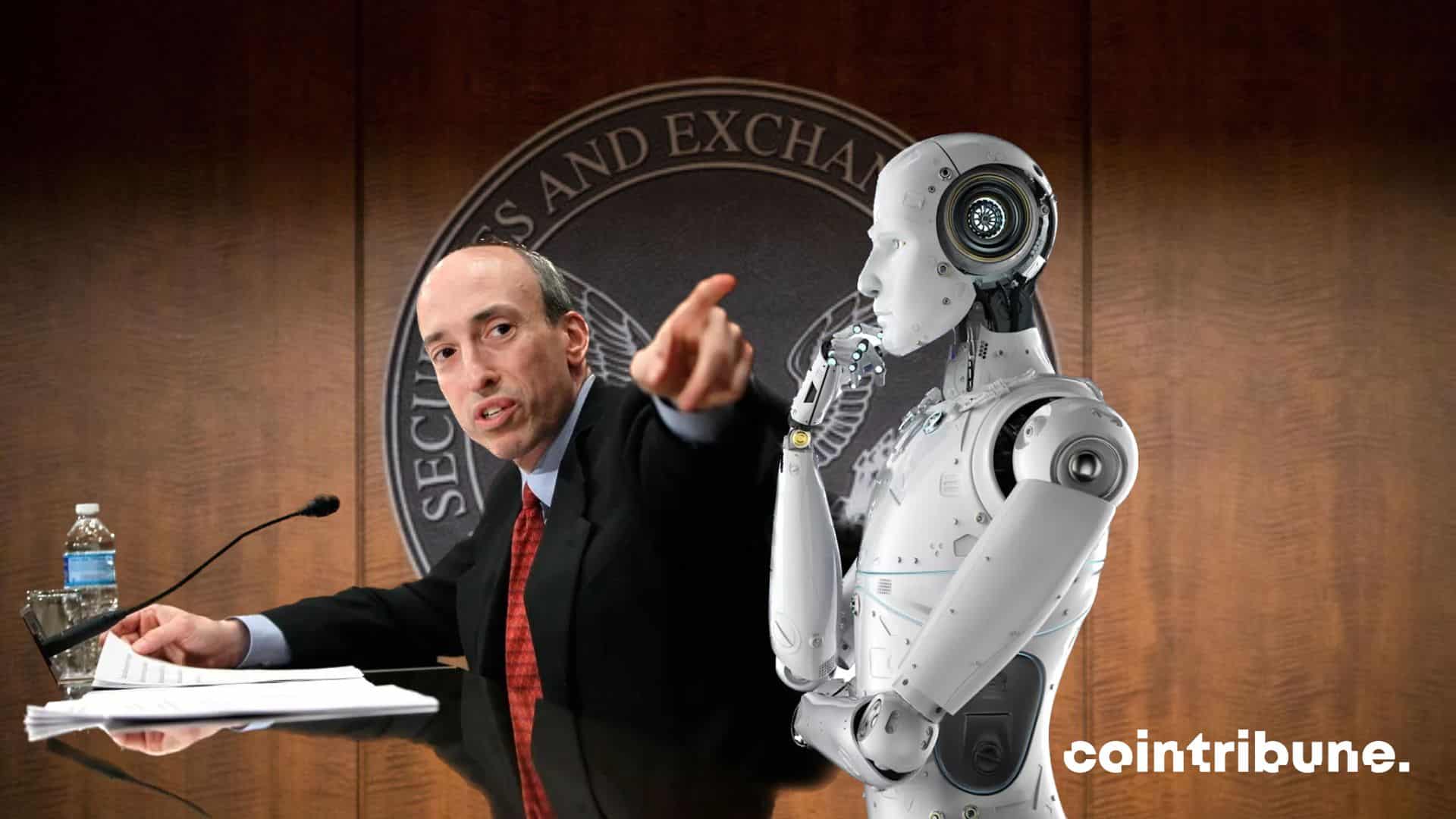
In an interview, Gary Gensler stresses that we shouldn't underestimate AI's potential to cause future financial crises. He therefore calls for rigorous regulation to minimize the risks.