El Salvador buys bitcoin like there's no tomorrow despite the IMF's stern warnings. 7,687 coins already in the vault. Creditors grind their teeth, but Bukele just laughs it off.
The International Monetary Fund steps out of its usual reserve and publishes a detailed guide on stablecoins. As the market exceeds 300 billion dollars, the institution believes that regulation alone will not be enough. What strategy does it really advocate?
Flash crashes, digital dominos and states lying in wait: the IMF sees tokenization less as a revolution than as an explosive cocktail ready to blow up finance... but hush, it's bubbling.
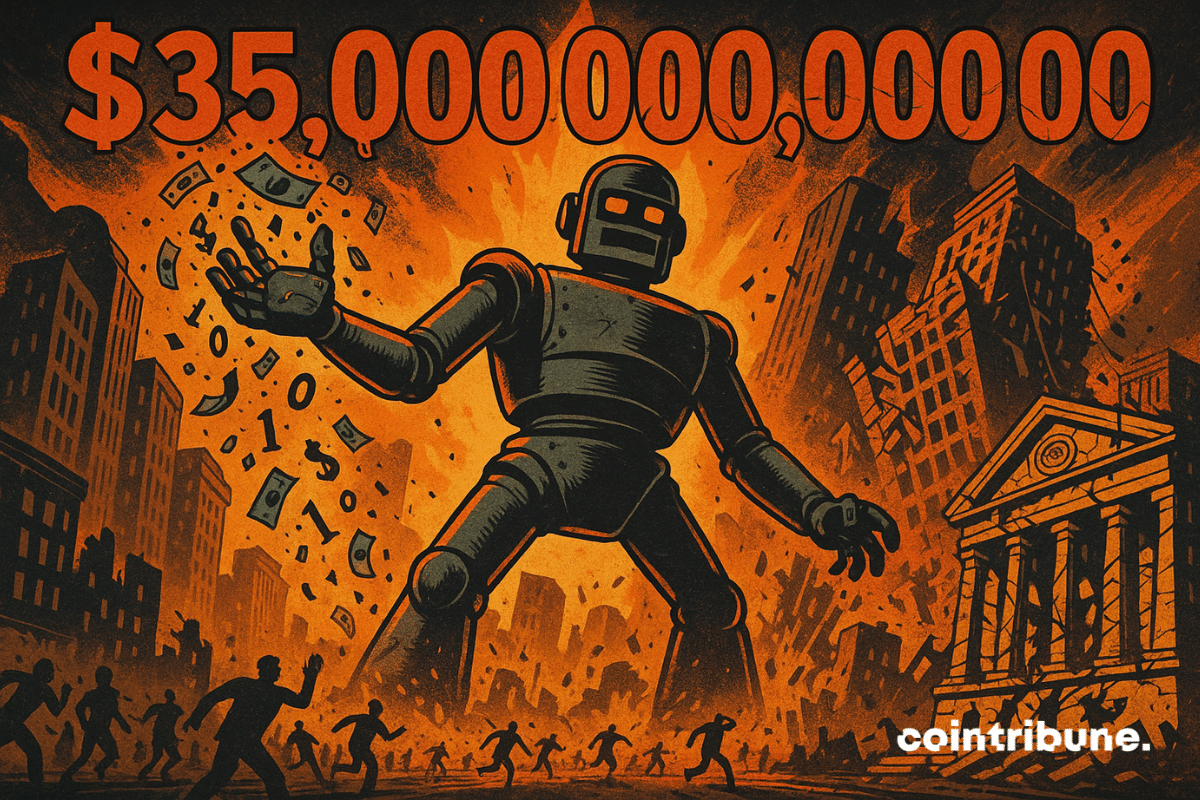
Gita Gopinath, former IMF Deputy Director, warns of a potential financial explosion. Driven by the euphoria around artificial intelligence, the current rally in US markets could, according to her, trigger an unprecedentedly violent global correction. At stake, up to $35 trillion in losses on global assets.
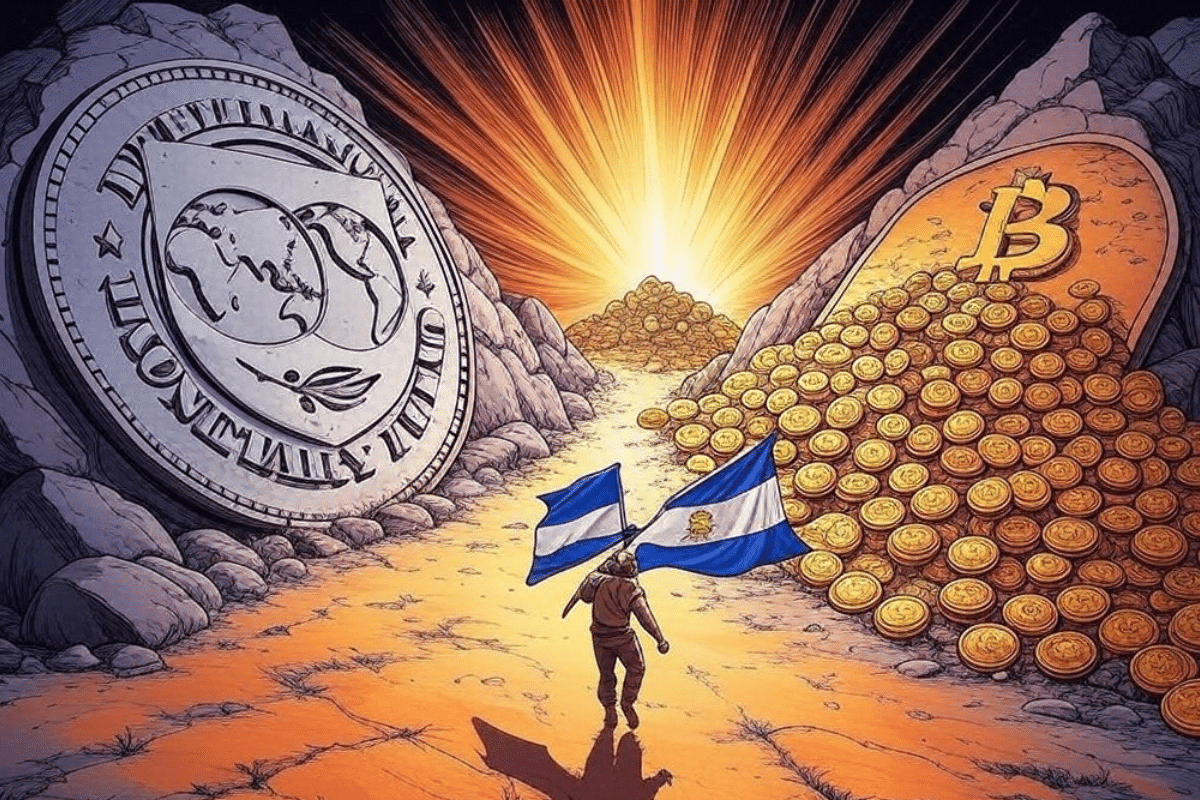
Since El Salvador raised the orange flag in 2021 by adopting Bitcoin as legal tender, the country has not ceased to make headlines. Between the messianic vision of President Nayib Bukele and international fascination, the narrative seemed clear: every day, El Salvador bought one BTC. However, the curtain has just fallen. An official report from the IMF, accompanied by a letter signed by the highest financial officials in the country, states flatly: no Bitcoin purchases since February 2025.
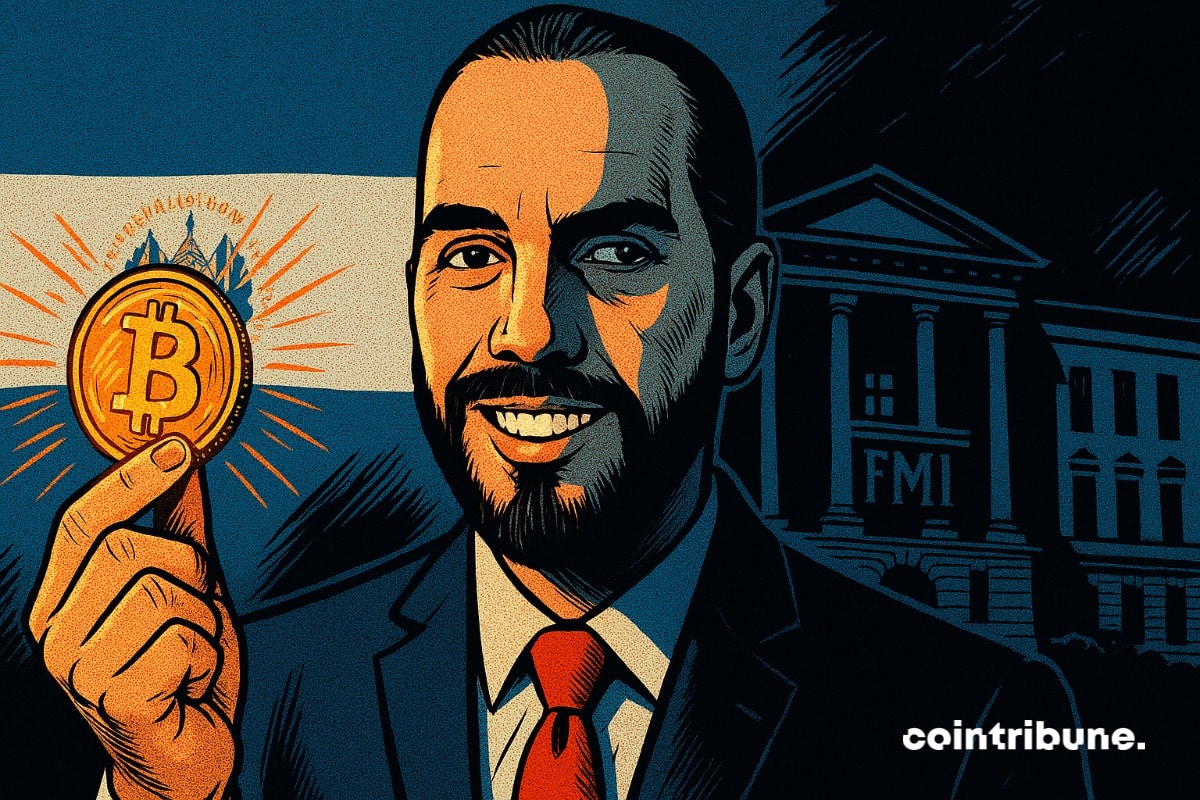
The IMF accuses El Salvador of circumventing its commitments regarding bitcoin. Amid tensions surrounding the Chivo Wallet and threats over a major loan, the economic balance is wavering. Dive into the behind-the-scenes of an unprecedented showdown between crypto and institutions.
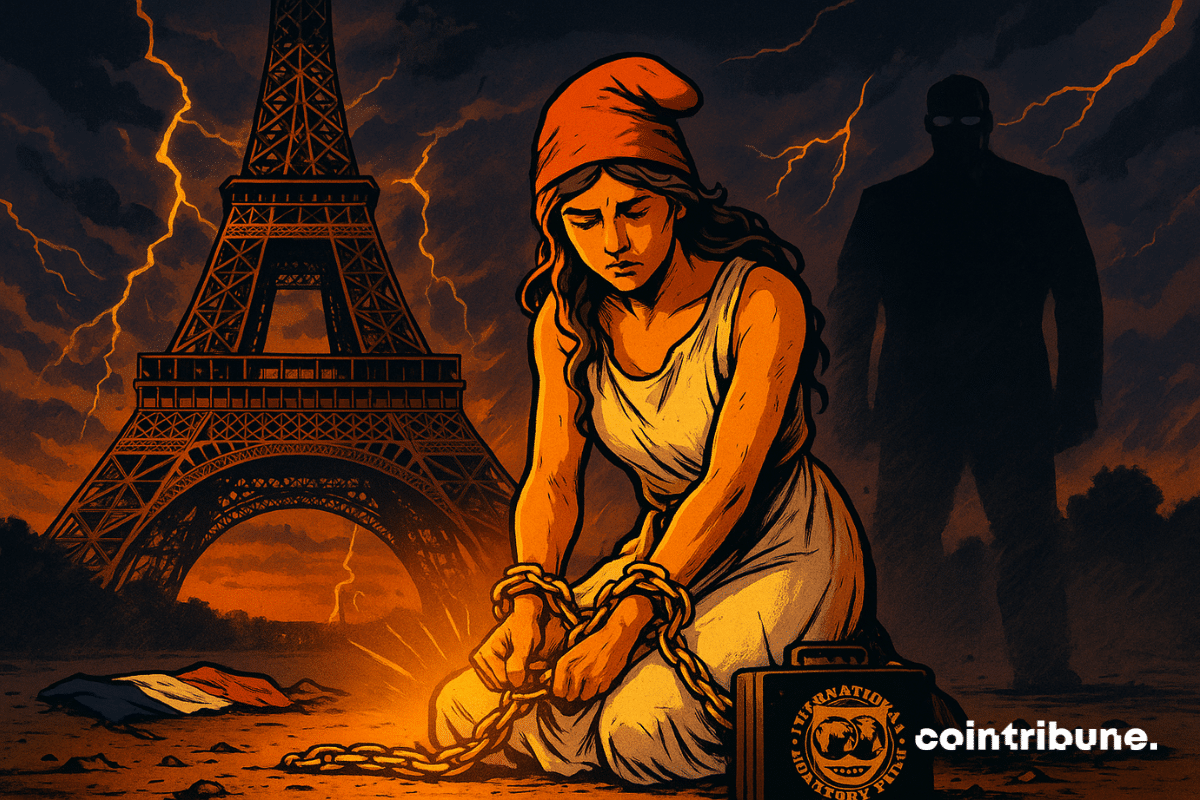
For the first time, the idea of putting France under the guardianship of the IMF has crossed the gates of Bercy. Long reserved for countries in crisis, this perspective, now acknowledged at the highest level of the state, reveals the extent of the budgetary derailment. An abyssal debt, soaring interest charges, and pressure from rating agencies form an explosive cocktail. The signal is clear: French economic sovereignty is wavering, and international institutions are now scrutinizing Paris with the same severity as struggling economies.
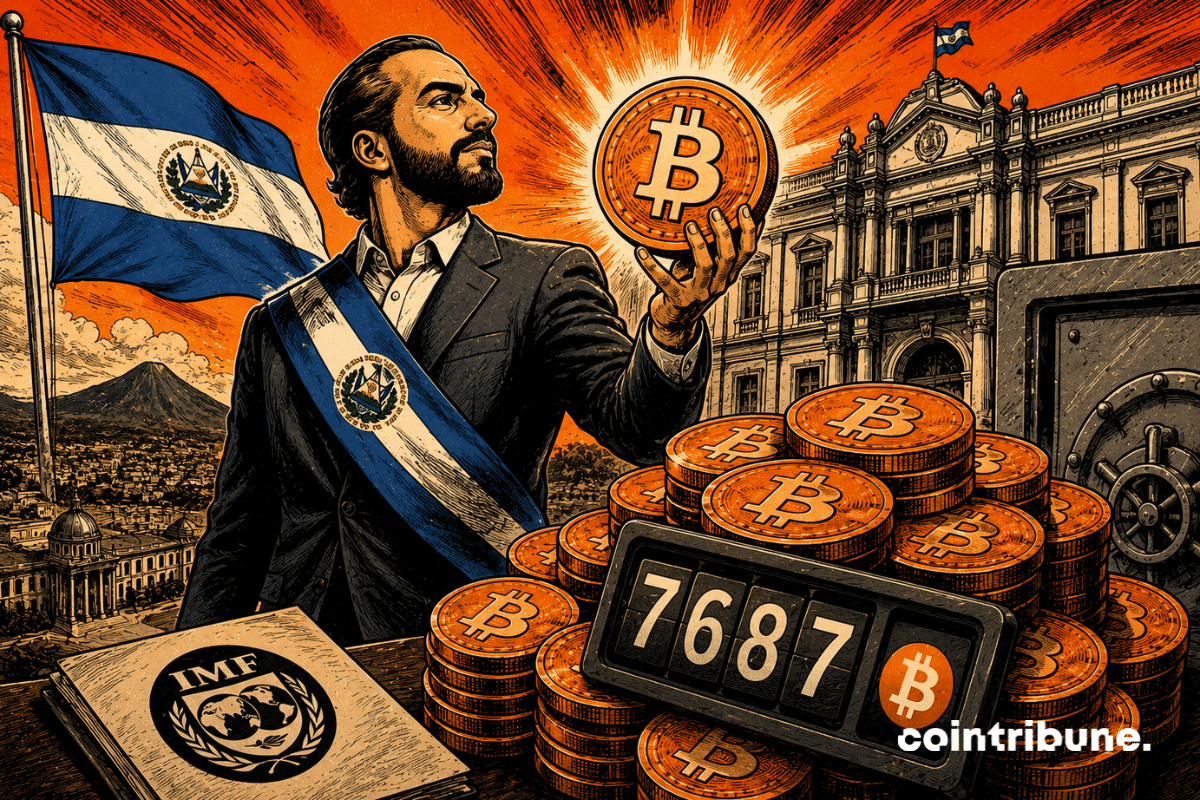
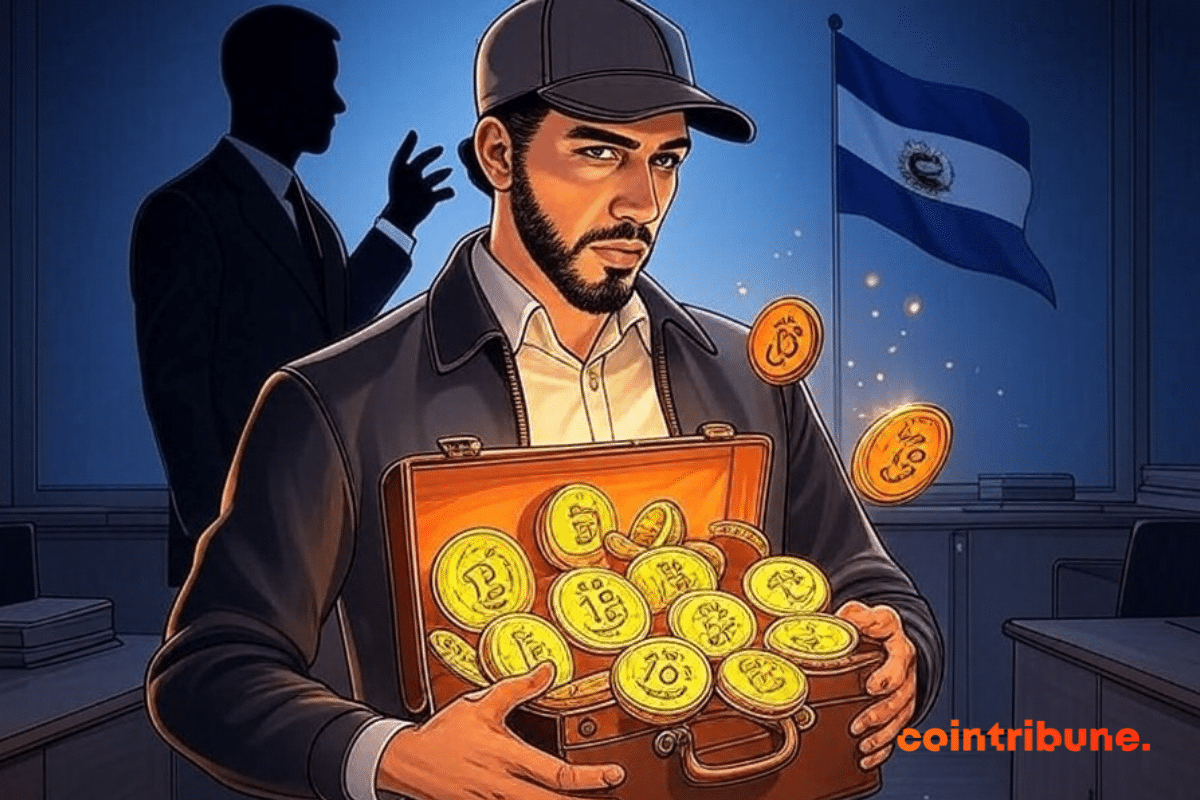
Bukele treats bitcoins like one treats croissants, defiantly challenging the IMF with flair and playing accounting hide-and-seek while promising mountains and wonders to skeptical Salvadorans.
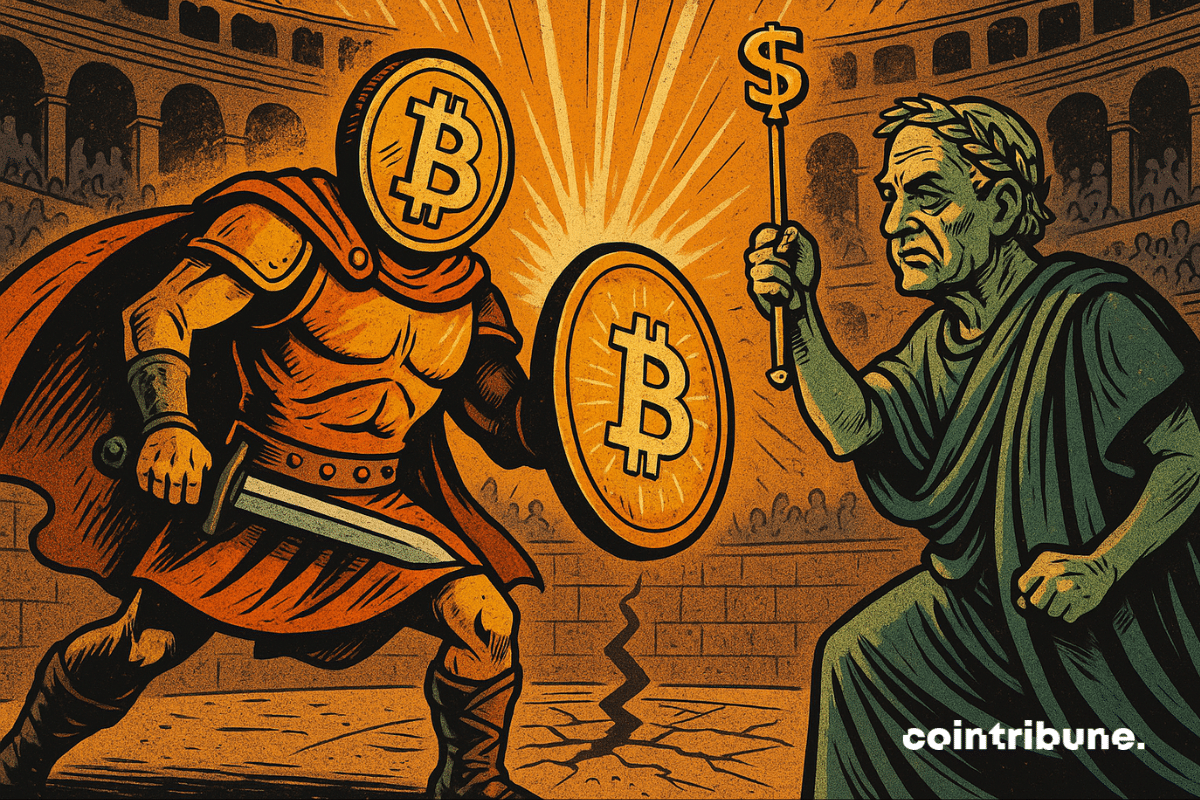
The former chief economist of the IMF, Kenneth Rogoff, accuses Bitcoin of contributing to the de-dollarization movement of the economy and weakening the supremacy of the dollar.
Is El Salvador stopping its bitcoin hunt? The IMF confirms the stability of reserves, but Nayib Bukele is playing hide and seek with his crypto ambitions. What will happen next?
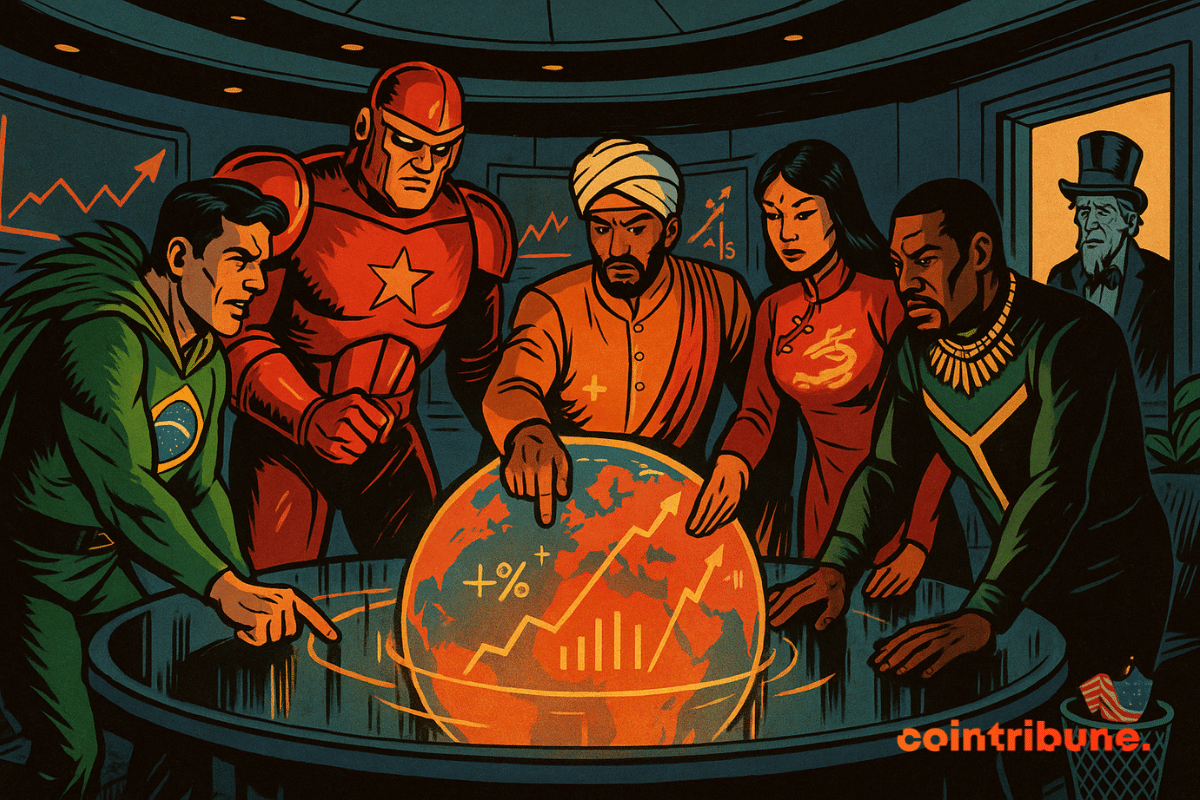
For a long time perceived as followers, the BRICS are now at the forefront of global growth. According to the latest forecasts from the IMF, these emerging powers will show an economic momentum in 2025 that is significantly higher than that of the United States. This quantitative shift is becoming strategic: the rise of the BRICS is no longer a trend; it is a fact. Their collective performance is redefining the balance of power and necessitating a re-examination of geo-economic equilibria.
El Salvador "respects" the IMF agreement… while continuing to stack Bitcoin. The art of promising to stop, without ever slowing down.
In April 2025, the International Monetary Fund (IMF) darkened the economic outlook for the United States with a brutal revision: projected growth at 1.8%, down from the initially expected 2.7%. This turnaround, the most significant since the 2008 crisis, is not just a technical adjustment. It reflects a confluence of risks – trade wars, persistent inflation, a drop in consumption – that threatens to reshape the global economic balance. Behind these numbers, an unyielding observation: recent political decisions have triggered a shockwave whose aftershocks could last.
In an unprecedented financial showdown, El Salvador is going all-in on the global chessboard. Despite warnings from the IMF and a $1.4 billion conditional loan, Nayib Bukele persists: the country continues to buy more and more bitcoins. A risky bet, but a bet that is embraced.
After a decade of exceptional growth, India's economy is showing signs of slowing down. Government forecasts predict a growth rate between 6.3% and 6.8% for 2025, a significant decline from the 8.2% of 2023-2024.
The Salvadoran government has urgently passed a major amendment to its bitcoin legislation, abandoning the requirement for companies to accept BTC as a means of payment. This reform comes as part of a $1.4 billion loan agreement with the International Monetary Fund (IMF).
The IMF, like a perplexed teacher, advises Kenya to abandon its old recipes for a fresher and more digestible crypto-regulation, not forgetting to eliminate the scammers from the menu.
El Salvador buys 11 Bitcoin after a $1.4 billion loan from the IMF. A daring strategy despite restrictions. Details here!
Is El Salvador going to abandon its law requiring all businesses to accept bitcoin? That is what the IMF is demanding in exchange for its loans.
The boldness of a country defying doubt: Bitcoin surpasses $100,000, and El Salvador raises $300 million, smiling in the face of skepticism.
As the G7 considers tapping into frozen Russian assets to support a massive loan to Ukraine, the Kremlin does not hide its concern. Through warnings from its senior officials, Russia warns of consequences that could weaken the supremacy of the dollar and redefine international monetary balances.
On Wednesday, October 23, 2024, Washington announced a contribution of 20 billion dollars in favor of Ukraine, a decision with significant consequences that hinges on the use of frozen Russian assets. Indeed, this measure is part of a broad G7 program aimed at supporting the Ukrainian war effort and maintaining economic pressure on Moscow. As the year 2025 approaches, the negotiations surrounding these frozen funds reveal the complex stakes of a conflict that is redefining international alliances and financial priorities.
As cryptocurrencies reshape the global financial landscape, their adoption by nation-states remains a sensitive topic. El Salvador, the first country to recognize Bitcoin as legal tender in 2021, has drawn the attention of international regulators. However, this bold initiative is now facing significant resistance. The International Monetary Fund (IMF), which closely monitors the economic implications of this adoption, is intensifying its calls for a review of the legislation surrounding Bitcoin in this country.
The International Monetary Fund (IMF) and El Salvador are moving towards an agreement to mitigate the risks associated with the adoption of Bitcoin as legal tender. These talks, focused on strengthening public finances and financial stability, could lead to a program supported by the IMF.
The finance ministers of the G20, gathered in Rio de Janeiro, took a symbolic step by committing to cooperate to more effectively tax the super-rich. This decision, though embryonic, marks a turning point in the fight against global inequalities.
The IMF admits that geopolitical tensions bode ill for the dollar. The BRICS want to cut ties. Why not adopt Bitcoin?
Bukele triumphs with 82.9% of the votes in El Salvador, announcing a single party. A victory for Bitcoin?
Bitcoin in El Salvador: Bold presidential ambitions, backed obligations, and a cryptographic metropolis on the horizon.
There's a growing chorus insinuating that the American hegemon is threatened by the BRICS. But what's really going on?