Tue 15 Sep 2026 ▪
7 min read
▪
by
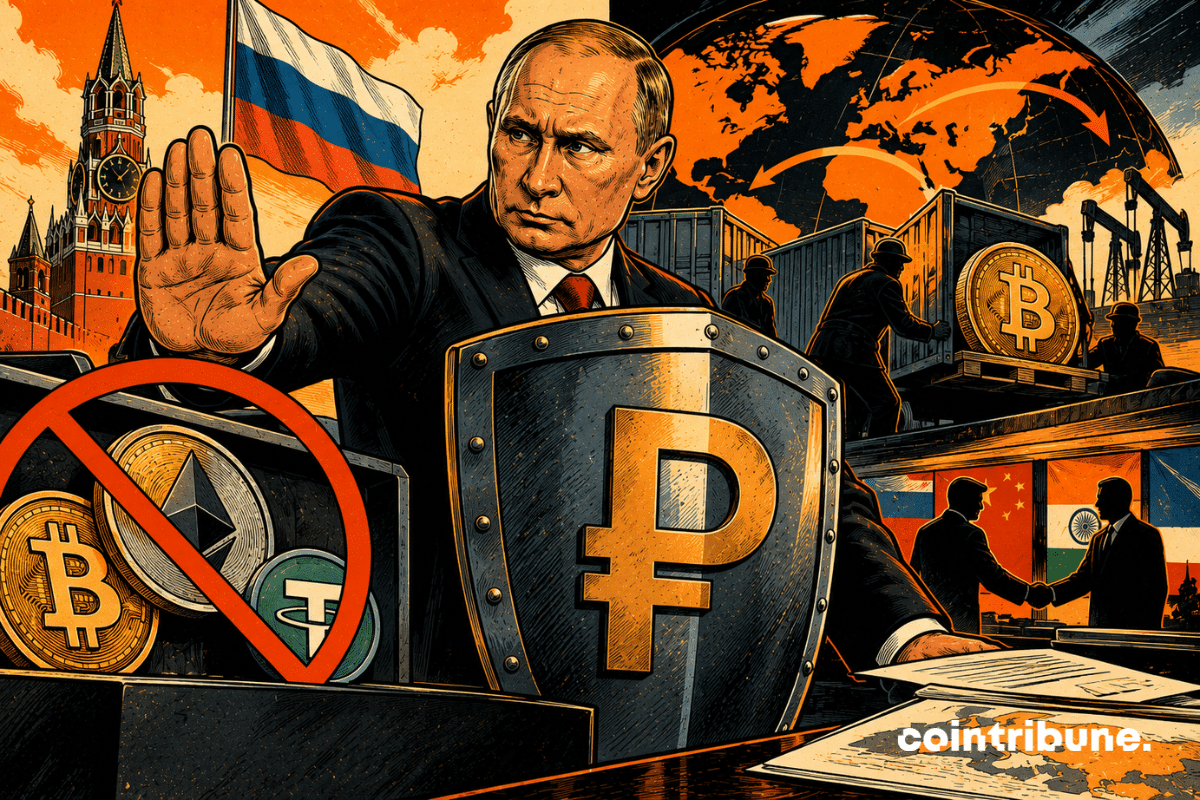
Russia is keeping crypto under tight control at home while turning to bitcoin as an alternative rail for selected cross-border transactions.
Russia is keeping crypto under tight control at home while turning to bitcoin as an alternative rail for selected cross-border transactions.

The Department of Justice announces a new operation against Hamas's financial circuits. Authorities report having seized $560,000 in cryptocurrency and taking control of domains and servers used to collect funds. This intervention is based on several warrants dating back to 2025 and 2026. Investigators traced addresses used to receive donations, notably through encrypted exchanges and a dedicated site. Crypto is at the center of this financial investigation.

After the drone attack in Leipzig, Germany, the EU tightens its sanctions against Russia. 14 crypto platforms already targeted.
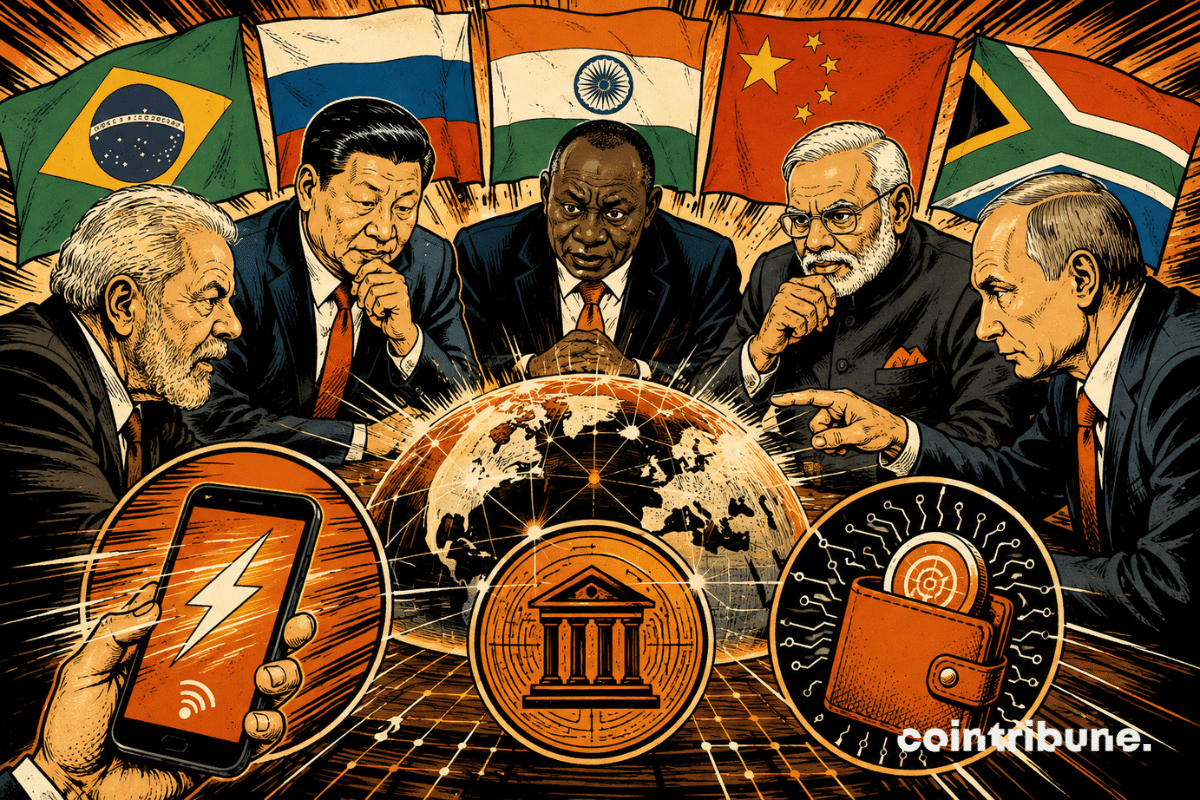
Money transfers between countries remain a central topic for the BRICS. In Mumbai, the Governor of the Reserve Bank of India, Sanjay Malhotra, indicated that several avenues are being studied to facilitate these operations. Among them is the connection of CBDCs and fast payment systems. Discussions are still in their early stages. The main goal concerns mainly the reduction of costs. This reflection comes as India also seeks to strengthen the international use of its national currency.
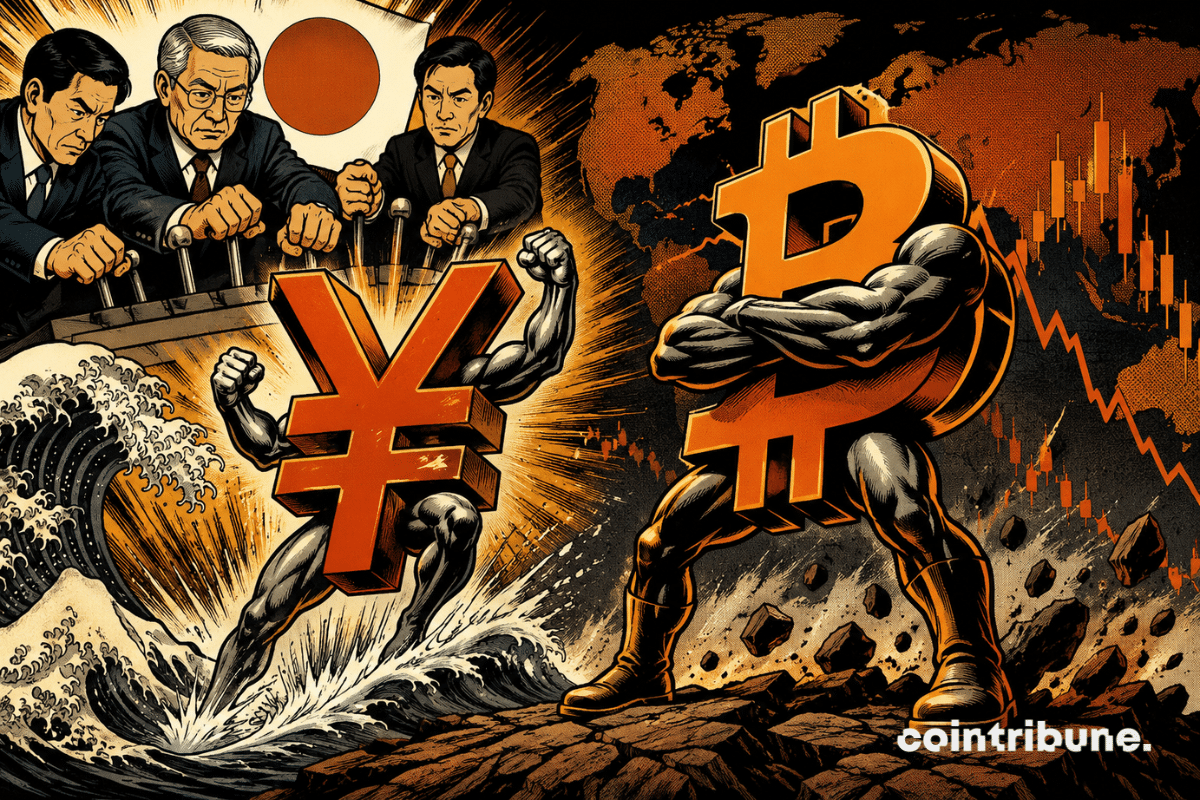
The yen experienced a strong rebound after a coordinated intervention by the United States and Japan in the foreign exchange market. This development quickly caught investors' attention, as a strengthening of the Japanese currency had already caused strong shocks to bitcoin in 2024. However, the most recent data shows a different situation. The evolution of the correlation between the two assets now suggests that the strength of the US dollar could play a more important role.
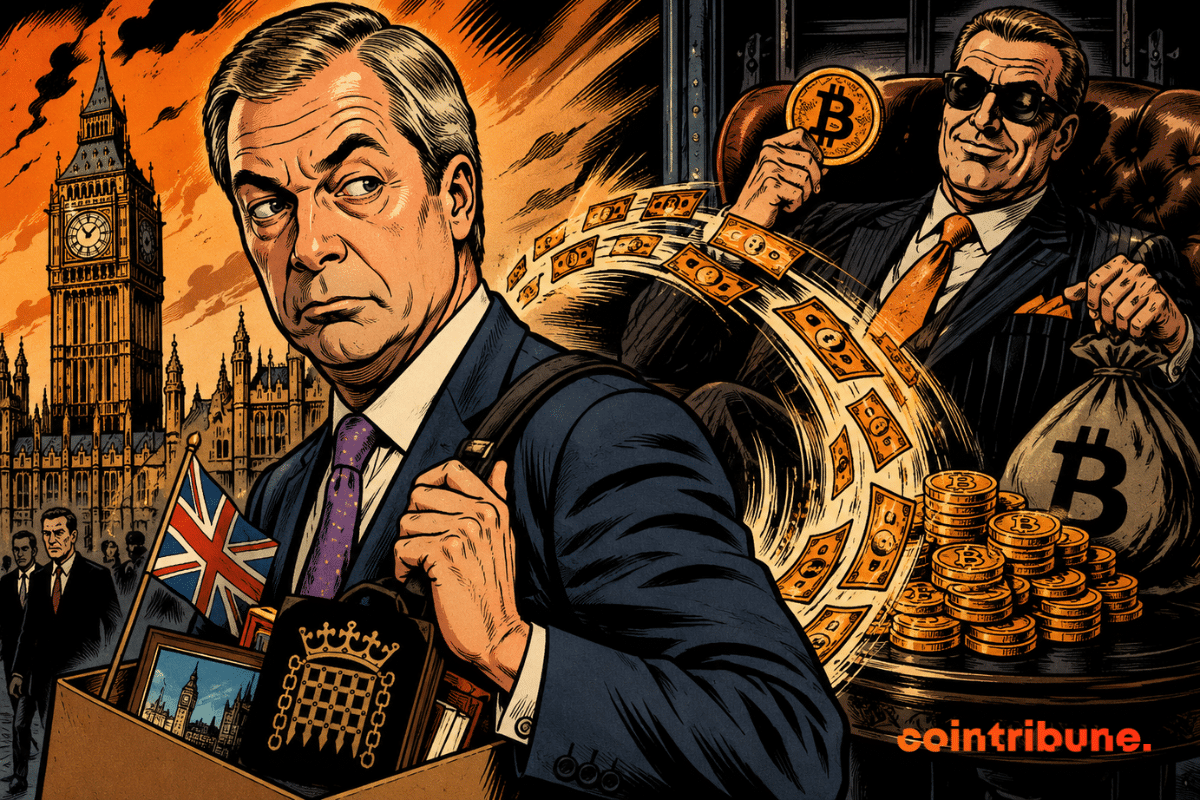
The British political scene is going through a new zone of turbulence following the announcement of Nigel Farage's resignation from his Clacton MP mandate. This decision comes as several revelations concern donations and gifts received from personalities linked to the crypto sector. The affair is accompanied by parliamentary investigations and revives questions about the ties between political leaders and digital finance. At the same time, the person concerned claims to have respected the law and wishes to let voters decide his political future in a by-election.
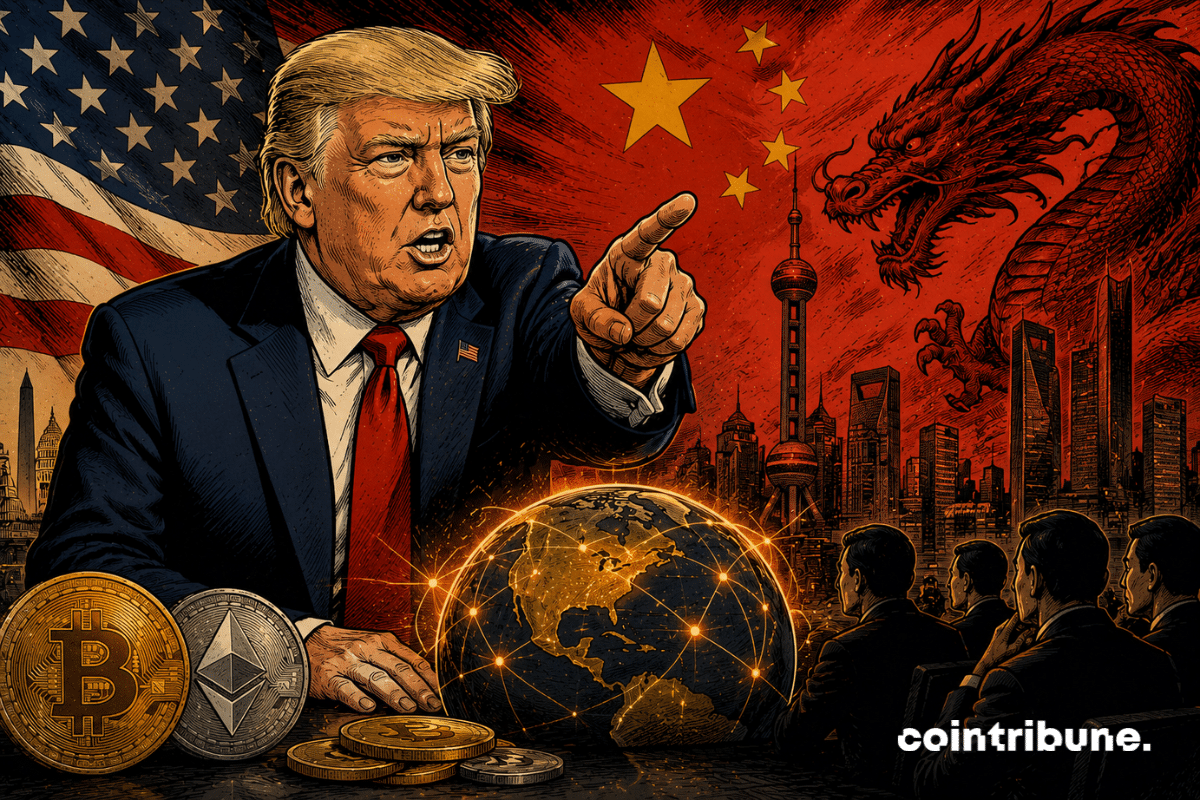
While Trump sells us the crypto cold war against the Chinese, his personal piggy bank soars, leaving his most loyal supporters in the lurch.
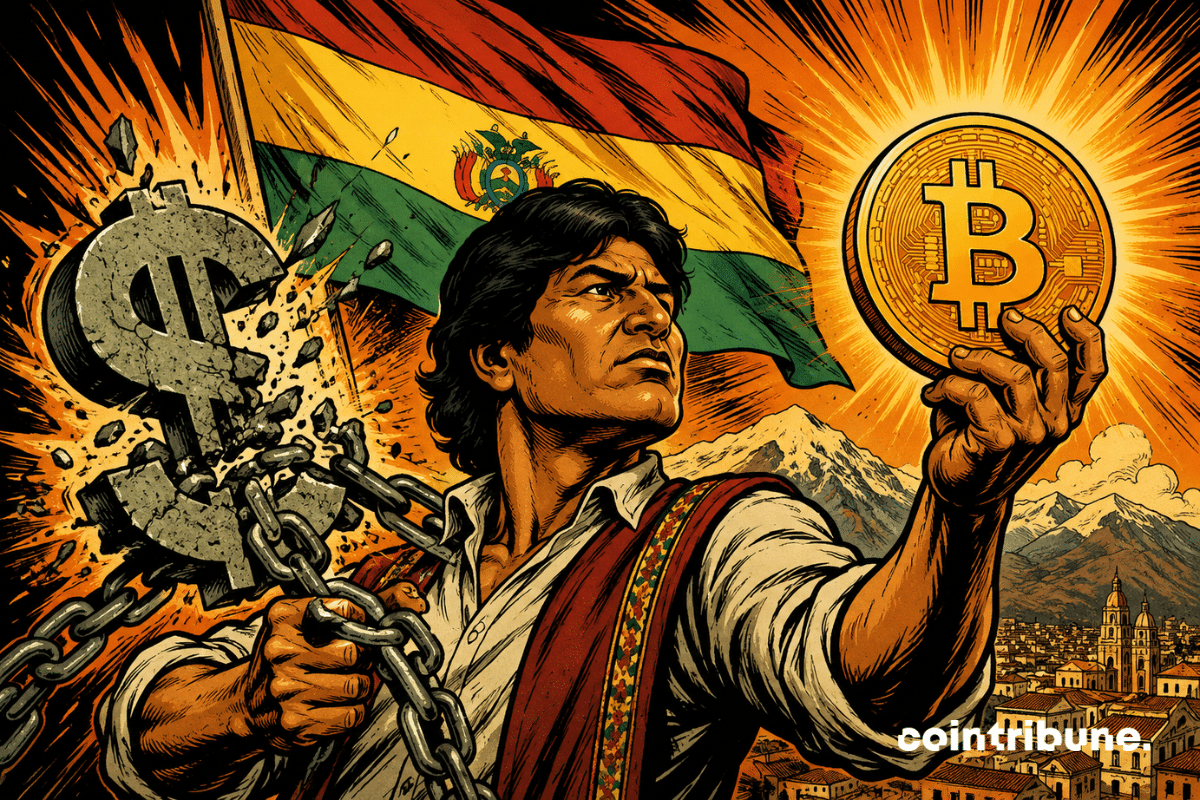
Bolivia changes its monetary strategy after fifteen years of artificial stability. The country abandons its fixed peg to the dollar due to the decline of its reserves and economic pressure. This decision also revives the debate around financial alternatives like Bitcoin, as cryptocurrencies advance in economies facing currency tensions. The new exchange rate regime marks a new stage for the boliviano and transforms the country's monetary environment.
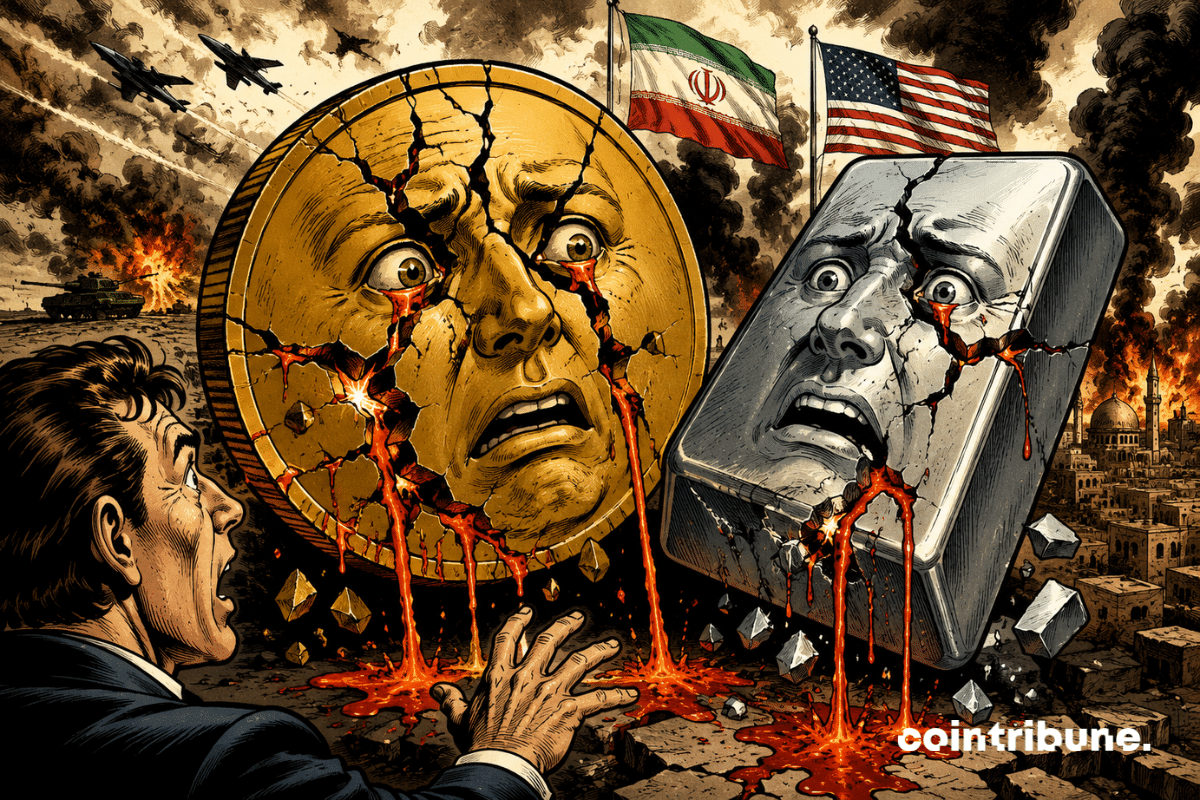
Gold was supposed to shine under the bombs, silver was supposed to play the bodyguard. Failed: the Fed comes out with its club, markets sell everything, and bitcoin also takes a hit.
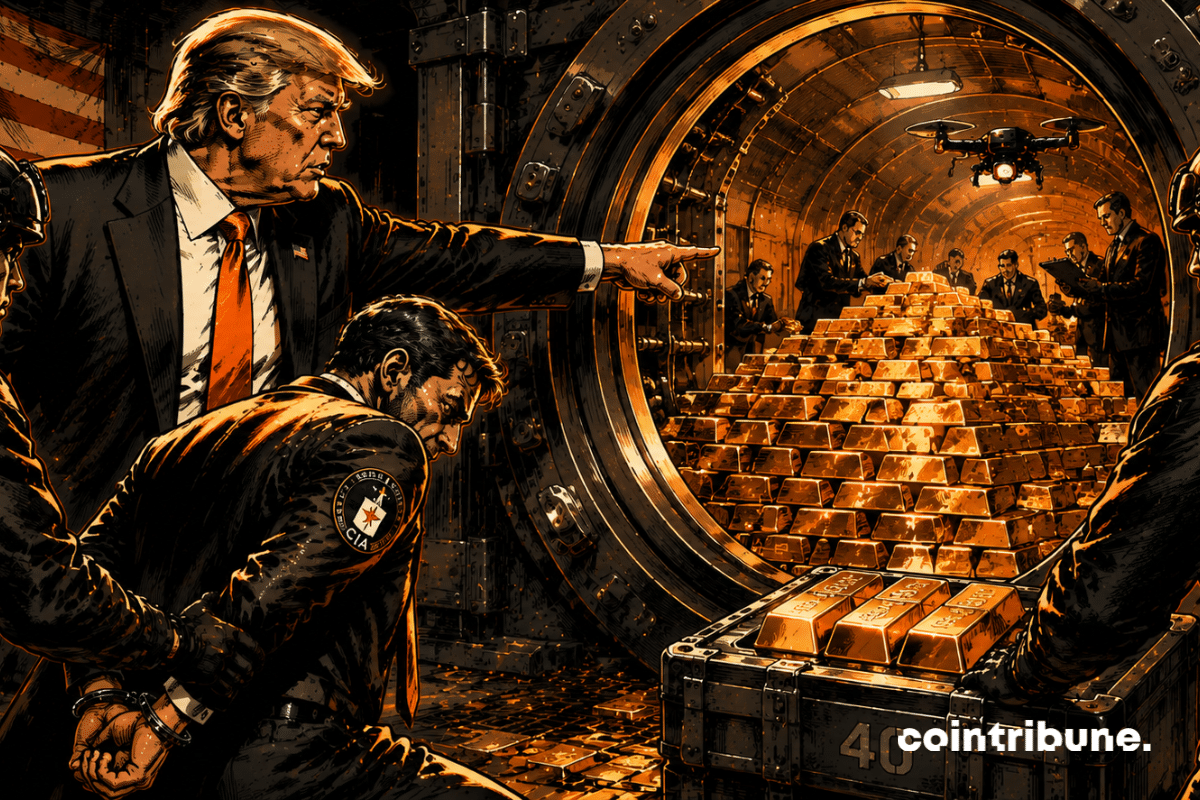
At the end of May 2026, the FBI seized 303 gold bars worth about 40 million dollars at the home of David Rush, a former senior CIA official. Donald Trump took the opportunity to publicly renew his call for a physical audit of U.S. gold reserves. Is the world's most famous vault really full?

The use of digital assets enters a more contrasted phase after several quarters marked by dynamic global activity. According to a TRM Labs study, cryptocurrency adoption slowed in the first quarter of 2026, especially in developed economies. This evolution shows a more selective crypto market, where local needs, digital payments, economic conditions, and geopolitical tensions increasingly influence user behaviors.
The great powers reveal themselves in crises, and BRICS may have just missed their moment. While the war involving Iran could have marked a turning point, the bloc remained silent, unable to display a common position. This silence raises questions about its real credibility in face of its global ambitions. Behind the image of a counter-power to the West, this sequence mainly exposes deep divisions and structural weaknesses that rhetoric is no longer enough to mask.

Crypto is now establishing itself in areas where geopolitical tensions dictate the rules. According to Chainalysis, crypto payments related to Iran could expose certain companies to international sanctions. This signal comes as maritime transport players explore new ways to circumvent traditional constraints. Between financial innovation and regulatory risk, the use of blockchain in these sensitive contexts raises questions.
The BRICS are rapidly increasing their gold reserves. In a few years, their share of global stocks has significantly risen, reflecting a strategic shift. This movement takes place in the context of questioning the role of the dollar in the international monetary system. Behind these acquisitions, a trend is confirmed: several major economies seek to reduce their dependence on the greenback. This development could permanently alter the balance of financial powers.
Markets are wavering, energy is soaring, and even gold is retreating amid geopolitical tensions. In this unstable context, Bitcoin is beginning to reveal a deeper transformation of the global system that few anticipated.
Bitcoin has just lost a key threshold, reigniting tensions in the markets. Falling below $70,000, the flagship asset now operates in an environment dominated by macroeconomic uncertainties, between persistent inflation and geopolitical strains. Does this dip mark a real turning point or simply an adjustment phase? Behind this drop, analysts offer a more nuanced reading, depicting a market less fragile than it appears.
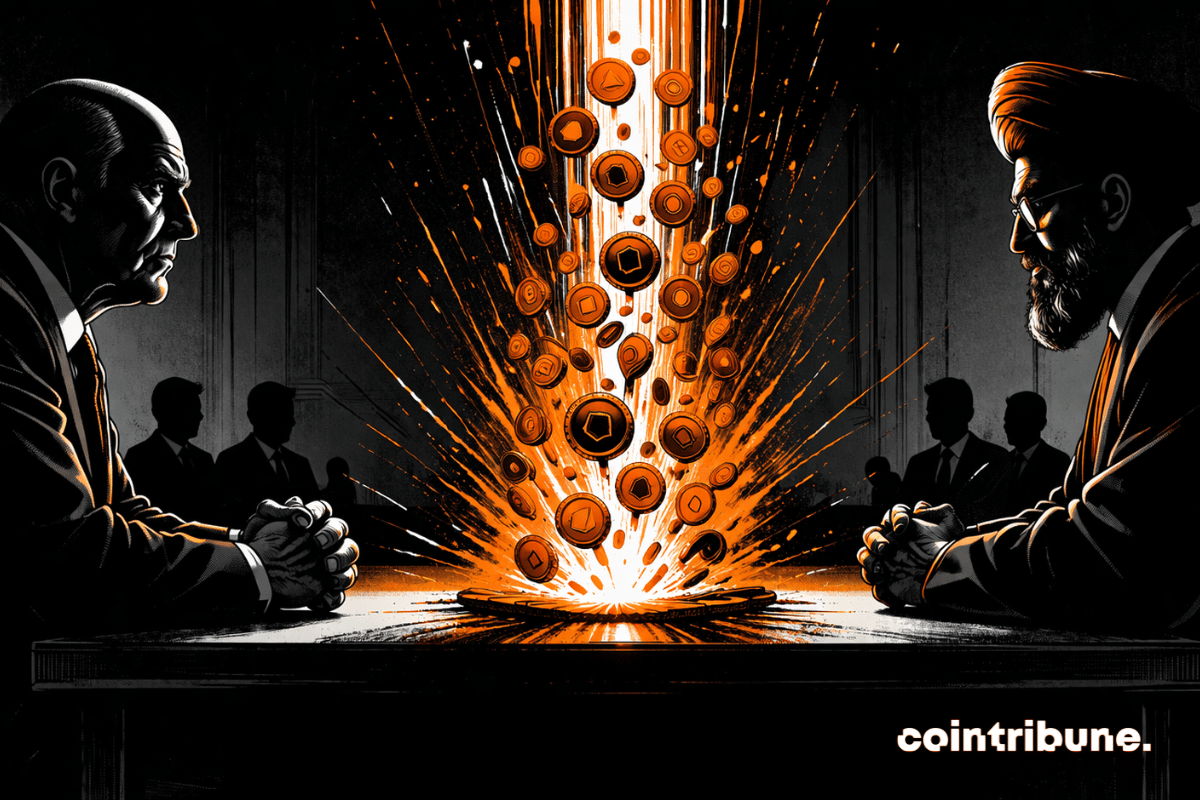
Predictive markets are establishing themselves as a new indicator of international tensions. On Polymarket, millions of dollars are engaged to anticipate the outcome of the conflict between the United States and Iran. This activity occurs while negotiation signals are emerging between Washington and Tehran. The evolution of probabilities, coupled with the reactions of financial markets, offers an insight into investors' expectations in the face of a conflict whose outcome remains uncertain.
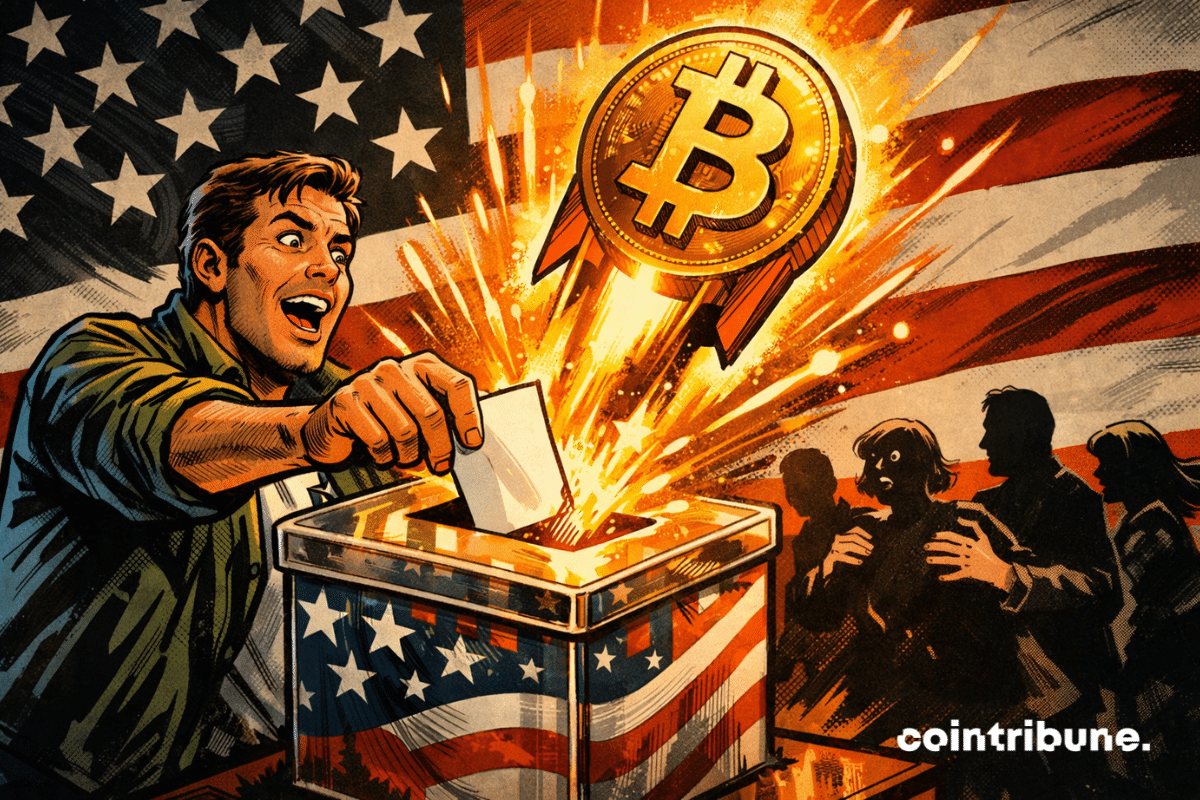
The US midterm elections could well provide a new breath to the crypto and stock markets, and give wings back to bitcoin. This is at least what Binance Research states in a report published this week. However, before reaching that point, the path remains littered with geopolitical pitfalls.
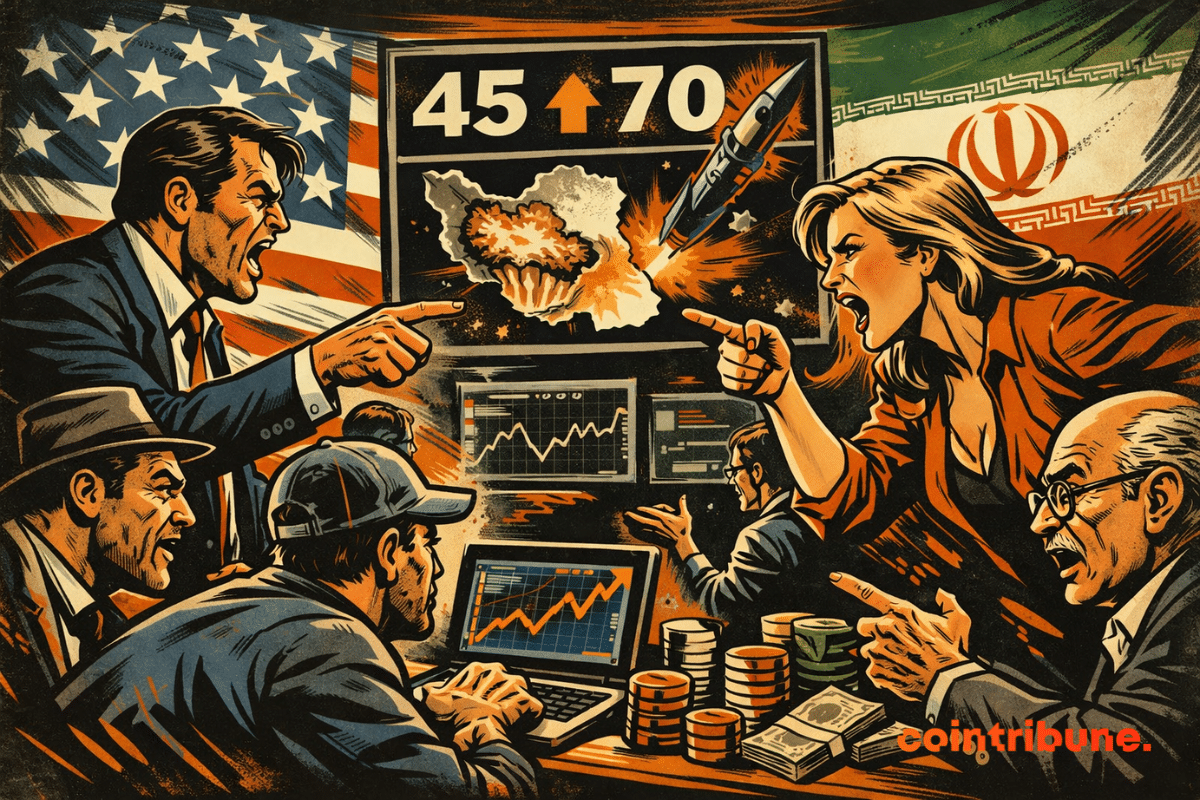
Crypto prediction markets are at the heart of a political debate in the United States after massive bets related to Iran. Hundreds of millions of dollars have been wagered on sensitive geopolitical scenarios, prompting several lawmakers to consider stricter regulation of these platforms.
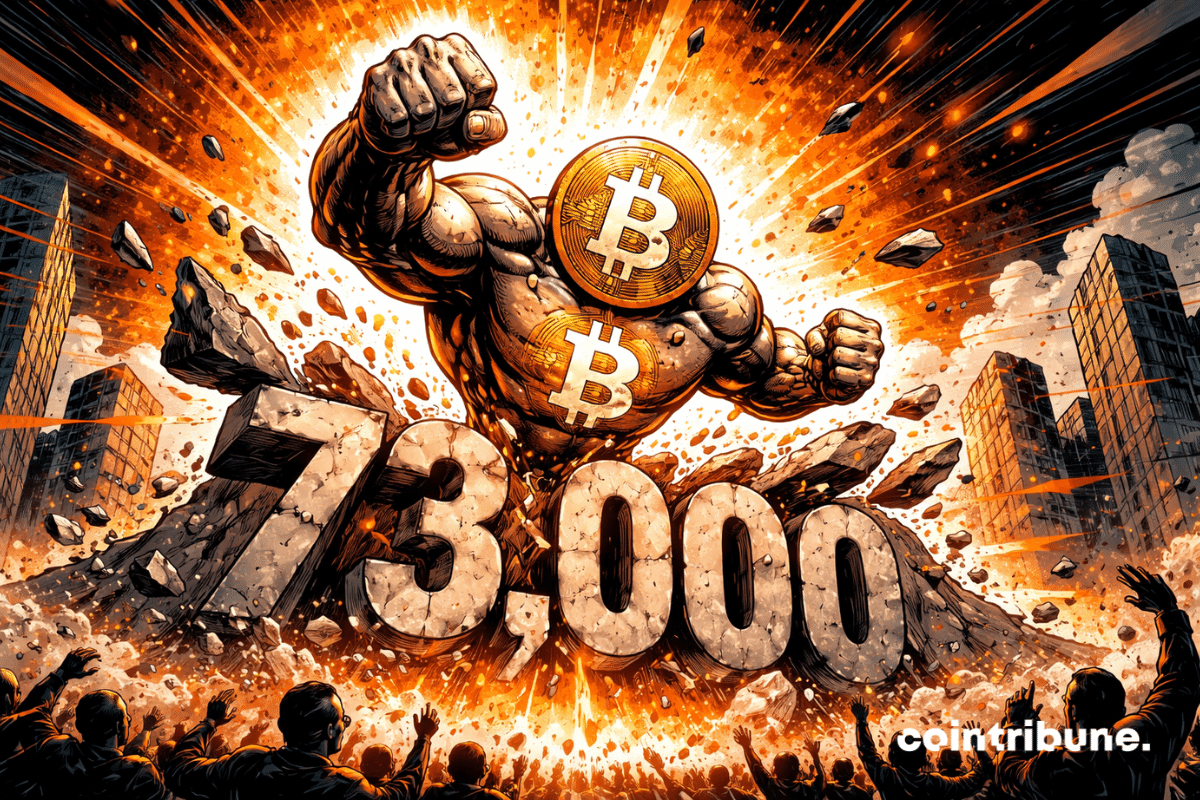
Bitcoin is surging. In just a few hours, BTC jumped 6% to near $73,000, its highest level in nearly a month. A strong signal in a still very turbulent macroeconomic context. Is this the start of a true bullish reversal?
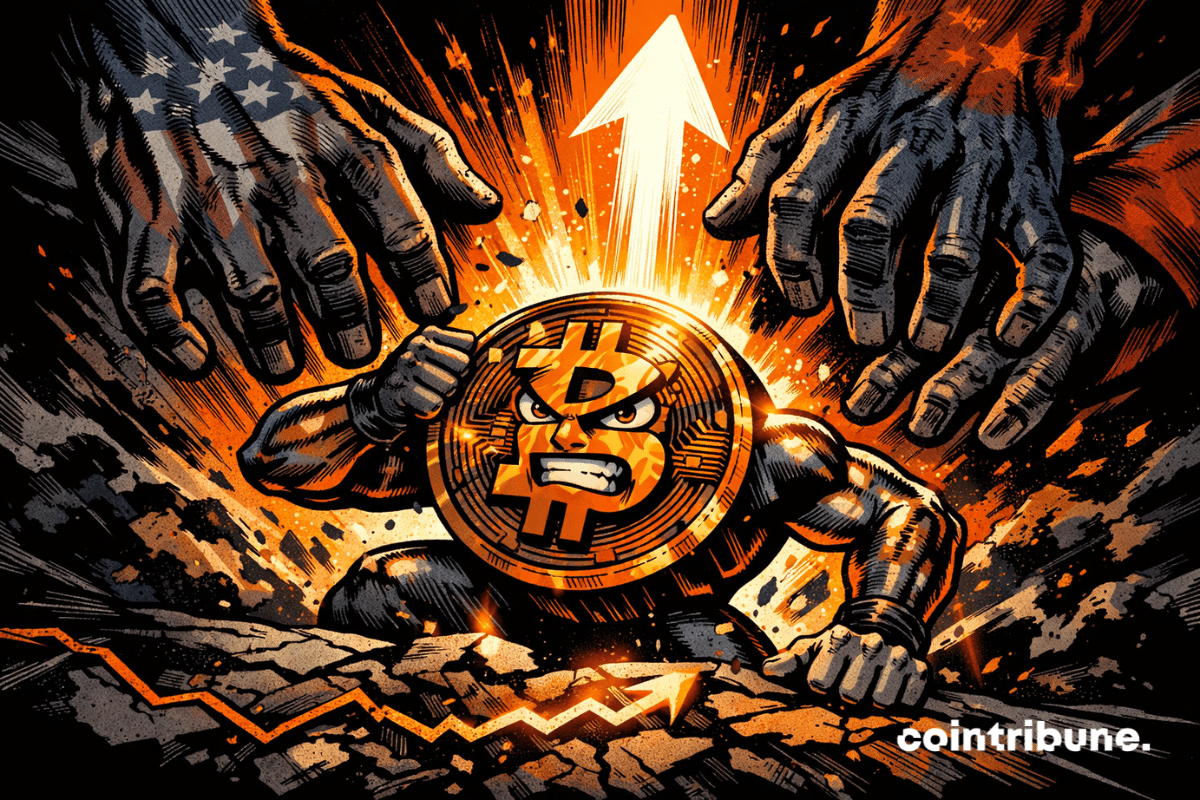
Despite geopolitical pressure, bitcoin could enter a historic bullish phase according to Bitwise. More details here!

Is crypto dead? Kalshi refuses to let its bettors profit on Khamenei's corpse. Refunds everything, gets called a killjoy. Meanwhile, at Polymarket, people are cashing in without remorse.