Is crypto dead? Kalshi refuses to let its bettors profit on Khamenei's corpse. Refunds everything, gets called a killjoy. Meanwhile, at Polymarket, people are cashing in without remorse.
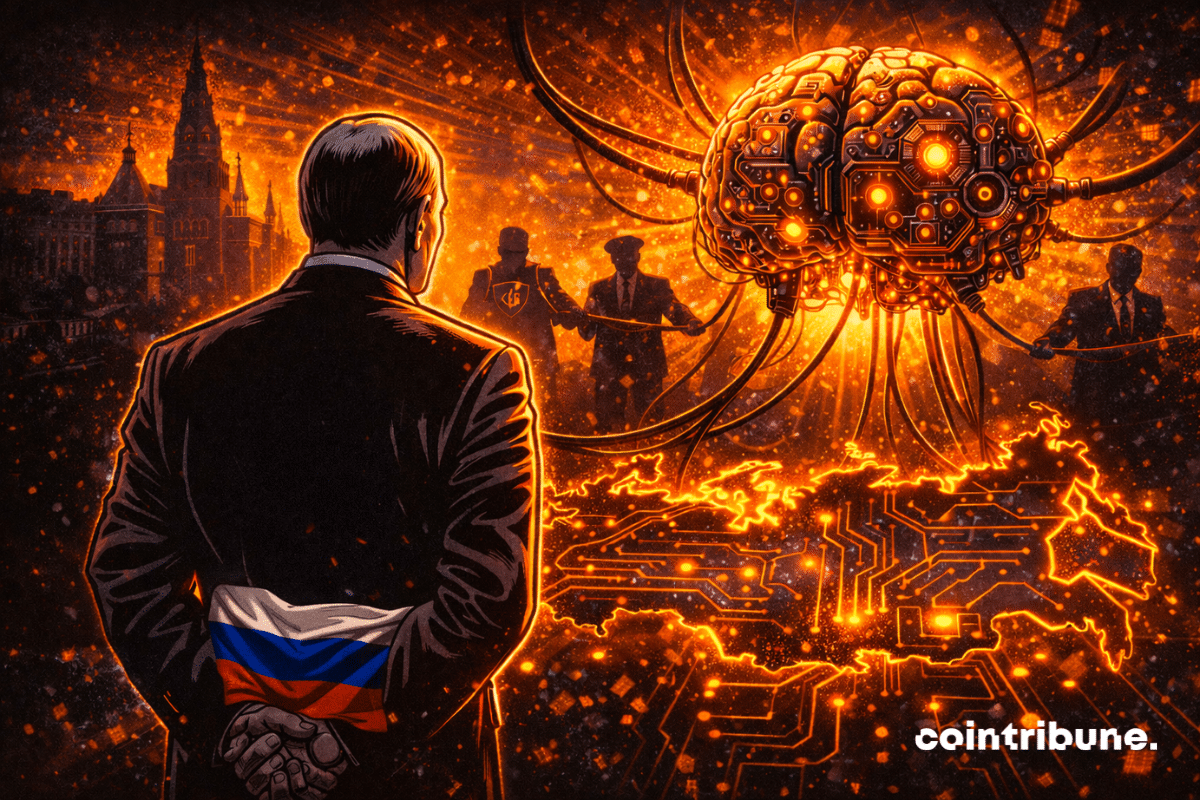

Putin wants an AI of his own, pure and hard. His engineers tinker with made in USA copies. Meanwhile, Moscow floods Europe with deepfakes. Masterful art.
Bitcoin’s short-term risk metrics have slipped into extreme territory, reviving debate over whether the market is nearing another major bottom. A widely followed measure, the short-term Sharpe Ratio, has dropped to around -38.38—a level seen only a handful of times in Bitcoin’s history. Analysts tracking on-chain and statistical data say similar readings have previously aligned with long-term buying opportunities.
By setting a deadline of about ten days to decide between a diplomatic agreement and military action, Donald Trump has placed Iran back at the center of a high international tension sequence. The American president stated he is considering a limited military strike to pressure Tehran on its nuclear program, even as discussions are ongoing. Between strategic pressure, naval deployment, and a tight timetable, Washington and Iran are now advancing on a particularly fragile diplomatic line.
Ray Dalio warns that the post-WWII world order has collapsed, with global leaders acknowledging a new era defined by power, economics, and rivalry.
In Munich, the applause did not dispel the unease. One year after the verbal attacks of 2025, the transatlantic relationship remains marked by distrust. Facing still wary European leaders, Marco Rubio tried to reaffirm the strength of the partnership between the United States and Europe. But behind the diplomatic formulas and historical references, one question remains: are words enough to compensate for political decisions that have permanently weakened trust?
Markets may be mispricing how sharply U.S. interest rates could fall if Kevin Warsh becomes the next chair of the Federal Reserve. A new forecast points to rapid and sizable rate cuts—an outcome that could weaken the dollar and reignite risk assets, including Bitcoin.
Billions unlocked in emergency: Congress attempts to revive the American economy. Discover the details in this article.
Balaji Srinivasan claims that Western governments will eventually launch massive asset seizure campaigns. This will happen as a sovereign debt crisis approaches. He foresees a time when the State will seek new means since the bill is increasing and the option "carry on as before" is closing. This alert, published via X according to multiple press reprises, quickly circulated in the crypto ecosystem.
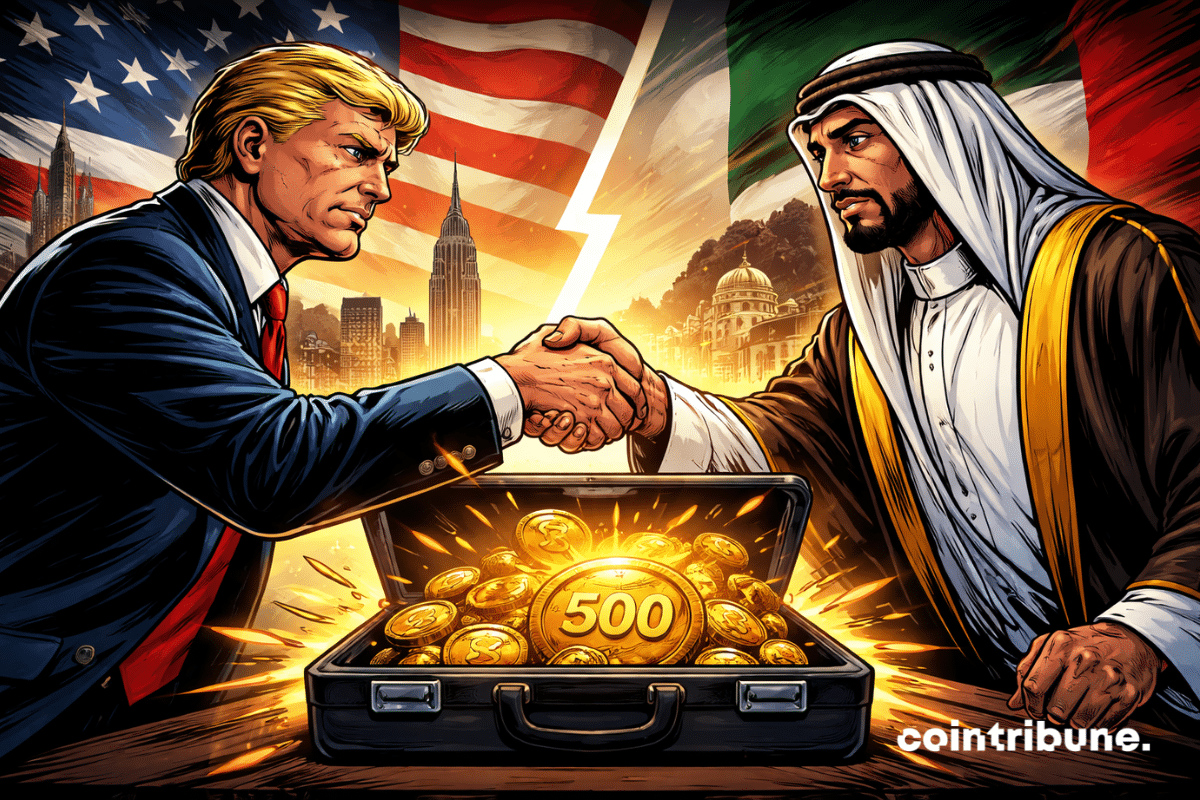
A new Wall Street Journal investigation raises questions about a $500 million crypto deal involving Donald Trump and a senior member of the United Arab Emirates royal family. According to the report, entities linked to Trump sold nearly half of the Trump family’s crypto venture just days before his second inauguration, a transaction that was not publicly disclosed at the time. Lawmakers and ethics experts are now examining whether the deal created conflicts of interest connected to later U.S. policy decisions.
Rapid progress in artificial intelligence is forcing governments and institutions to confront a much shorter path toward human-level systems than previously expected. Industry leaders now say the gap between today’s tools and artificial general intelligence is narrowing quickly. As development accelerates, concerns around jobs, governance, and economic stability are moving to the center of the debate.
“To the moon,” that’s what bitcoin fans have wanted recently. But for now, the stars belong to another celestial body: gold. The yellow metal is flying over the markets, leaving the crypto-sphere waiting. While crypto traders watch for a signal, traditional investors turn to the ultimate safe haven. Gold shines,…
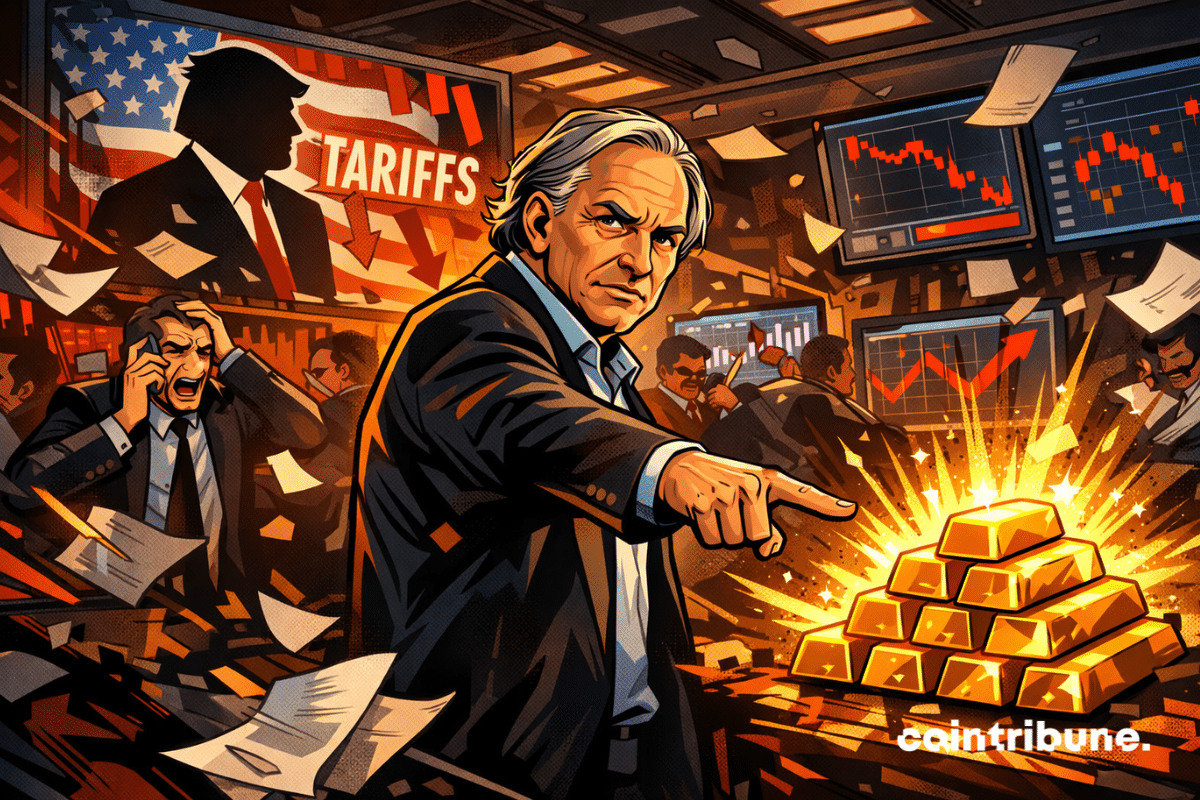
Ray Dalio warns of uncertainty in global markets as U.S. economic policies shift. He notes rising stress in currencies and sees gold as a reliable hedge.
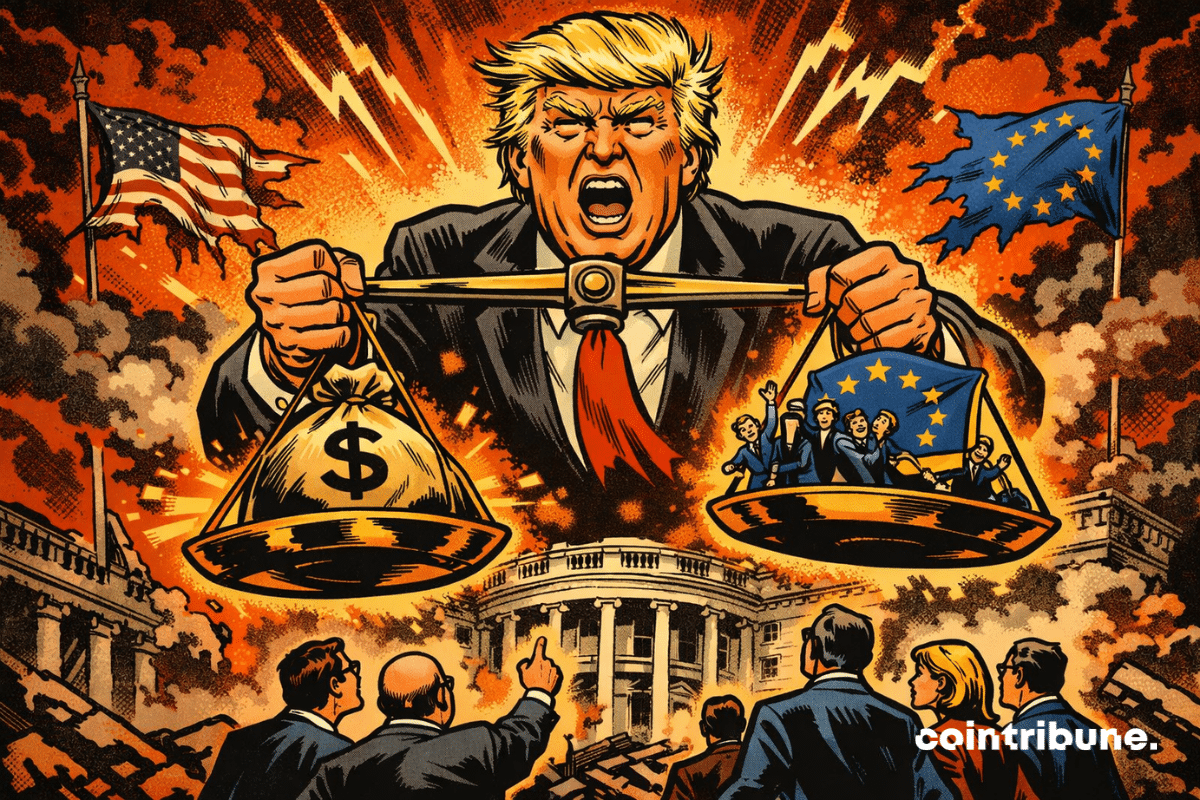
Trump dreams of buying Greenland, taxes his allies, and awakens European pride: Brussels finally draws its economic bazooka, ready to fire faster than its diplomatic shadow.
An explosive case shakes the crypto market: three Polymarket whales targeted for suspicious bets on Venezuela. Details here!
Gold and silver closed 2025 at record highs, and that rally has accelerated into early 2026. A combination of strong demand, constrained supply, and rising political uncertainty is driving investors toward precious metals. New concerns about central bank independence have further intensified buying pressure.
U.S. President Donald Trump said Saturday that reviving Venezuela’s oil industry will be a central focus of Washington’s intervention following the removal of President Nicolas Maduro, framing the effort as both a geopolitical and economic play. Speaking from Mar-a-Lago, Trump said U.S. energy companies are expected to take a leading role in repairing the country’s oil infrastructure while the United States oversees a temporary transition of power.
While Donald Trump promises to revive the Venezuelan economy through a strong comeback of its oil industry, the major players in the American oil sector remain skeptical. Behind the stated ambition, the facts are relentless: crumbling infrastructure, political instability, and widespread distrust in the markets. Both Wall Street and the oil majors see this project as a high-risk gamble, with colossal costs and no guarantee of success. Venezuela's rebound under Trump might well remain an illusion.
Crypto markets are entering 2026 with stronger structural support than in earlier cycles. Clearer regulation, expanding financial products, and closer links to traditional finance are reshaping how digital assets are adopted and perceived. Coinbase’s research leadership expects this momentum to persist rather than weaken.
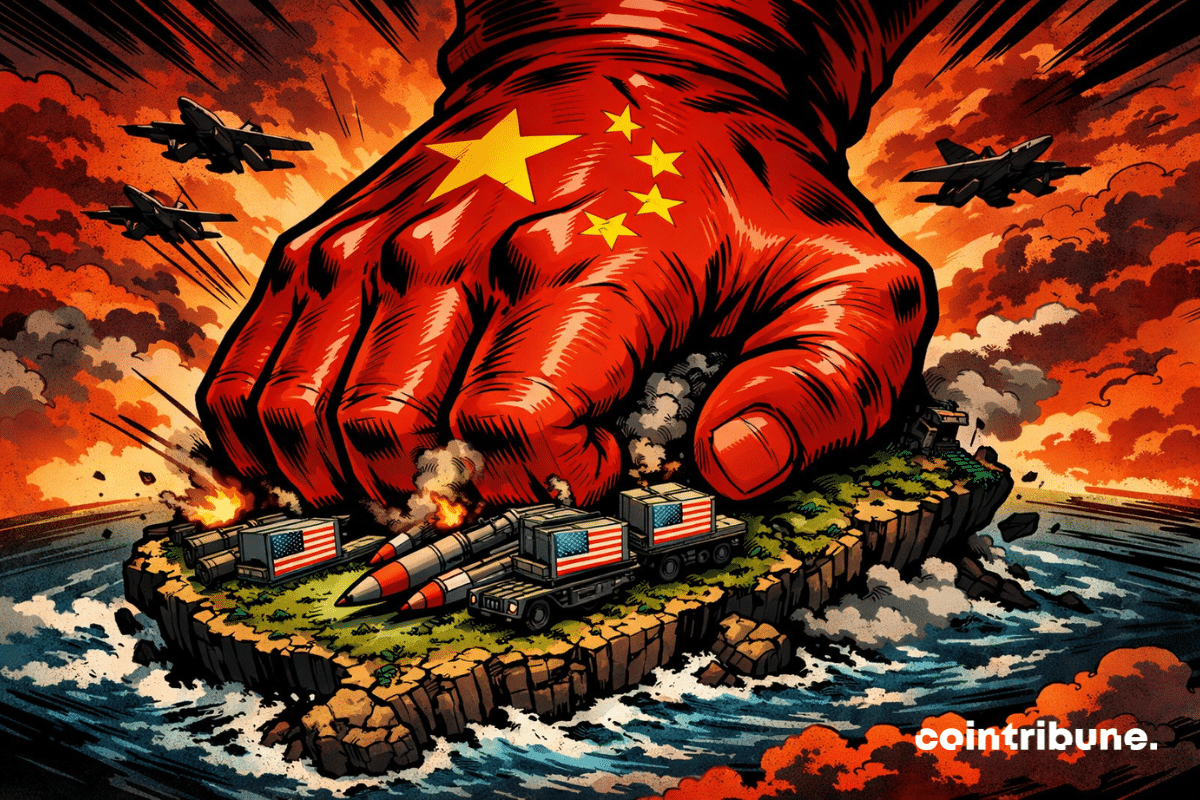
An annoyed Dragon, a relaxed Trump, missiles on the move: the global economy wobbles while Taiwan grits its teeth, and Beijing flexes its muscles to play war.
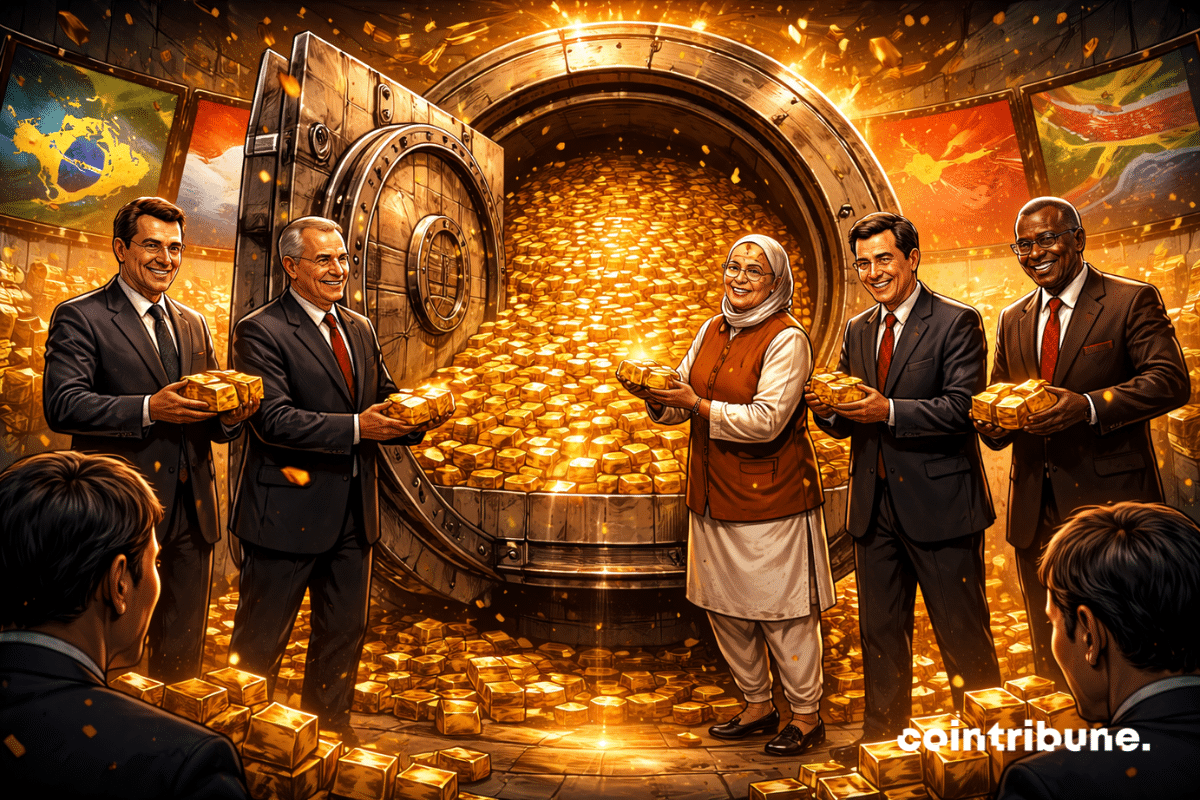
While geopolitical fractures weaken the global monetary order, a silent upheaval is taking place. The BRICS, supported by their allies, are taking control of gold. By concentrating nearly 50% of global production and strengthening their reserves, they move from contestation to action. This realignment is no longer speculation, as it marks the emergence of a financial counter-power capable of challenging the supremacy of the dollar and redefining global balances. Gold once again becomes a strategic weapon.
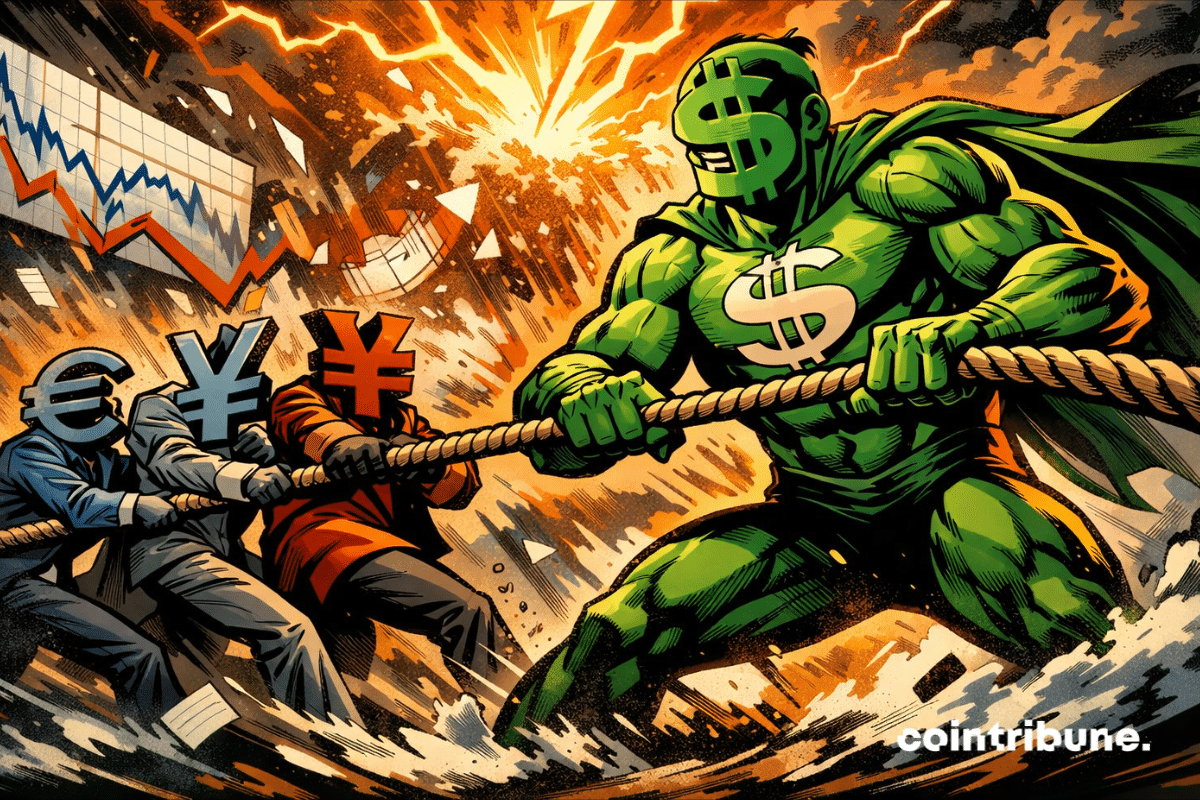
The US dollar has cycled in influence over global debt markets for decades, maintaining its central role despite shifts and challenges.
Financial commentator Peter Schiff is back in the news as tensions rise between him and President Donald Trump over the state of the U.S. economy. Schiff’s warnings about rising prices clash with Trump’s claims that affordability is improving across the country. At the same time, Schiff has also renewed his public dispute with Binance founder Changpeng Zhao (CZ), giving his comments even more visibility.
While markets watch every macroeconomic signal to anticipate Fed movements, a major indicator just defied forecasts. The United States trade deficit fell by nearly 24% in one month. In a global context of high tension, between renegotiated tariff agreements and disrupted supply chains, this unexpected decline raises strategic issues. It could also influence capital flows, reshape economic balances, and strengthen interest in decentralized assets like bitcoin.
A few days before Thanksgiving, Washington and Beijing are preparing to conclude a decisive agreement on rare earths, these vital materials for the technology industry, defense, and crypto mining. In a tense geopolitical climate, this compromise could defuse a crisis with heavy consequences for global supply chains. Faced with the threat of US customs sanctions and Chinese export restrictions, this agreement marks a strategic turning point, but nothing is decided yet.
Tokyo throws 17 trillion yen, dreams of AI everywhere… but its hotels close due to a lack of workers. What if Japan also programmed a robot to hire?
Trump, crowned president of mental mining, dreams of a bitcoin empire while Beijing prepares its tokens... A crypto-crusade to follow between tweets, stablecoins, and the digital yuan under surveillance.
A strategic turn is emerging between Washington and Beijing. On the eve of a summit between Donald Trump and Xi Jinping, the two powers announce a preliminary agreement to defuse a trade war with global repercussions. This unexpected but calculated signal of détente resonates even in financial markets and the crypto ecosystem, historically reactive to geopolitical tensions. In a context where tariffs and technological restrictions fueled uncertainty, this opening rekindles hope for a sustainable normalization of Sino-American trade.
For the first time since the start of the conflict in Ukraine, Washington and Brussels are coordinating a series of major economic sanctions against Russia. Directly targeting the energy sector, these measures aim at Rosneft, Lukoil and gas exports. The objective is to dry up the revenues that fuel the Kremlin's war effort. This financial offensive marks a strategic turning point, with immediate consequences on the markets and expected repercussions on the Russian economy, already weakened by three years of international pressure.
In the Sino-American escalation, a subtle lever takes on an explosive dimension: rare earths. Essential in advanced technologies, these materials become the silent weapon of a strategic duel where industrial sovereignty and monetary confrontation intertwine.