Tue 09 Jun 2026 ▪
4 min read
▪
by
While Trump plays the tough guy, BlackRock senses trouble. Oil, inflation, bitcoin: the trilogy that can blow everything up.
While Trump plays the tough guy, BlackRock senses trouble. Oil, inflation, bitcoin: the trilogy that can blow everything up.
Gold was supposed to shine under the bombs, silver was supposed to play the bodyguard. Failed: the Fed comes out with its club, markets sell everything, and bitcoin also takes a hit.
More than 80 countries are now seeking to reduce their dependence on the US dollar, a movement gaining unprecedented momentum under the impetus of the BRICS. Between trade settlements in yuan, rupee, or ruble and the multiplication of bilateral monetary agreements, several major economies are accelerating their transition towards alternatives to the greenback. As the expanded BRICS bloc gains influence on global trade, this dynamic is gradually reshaping international financial balances and fueling questions about the future of dollar dominance.
At the end of May 2026, the FBI seized 303 gold bars worth about 40 million dollars at the home of David Rush, a former senior CIA official. Donald Trump took the opportunity to publicly renew his call for a physical audit of U.S. gold reserves. Is the world's most famous vault really full?
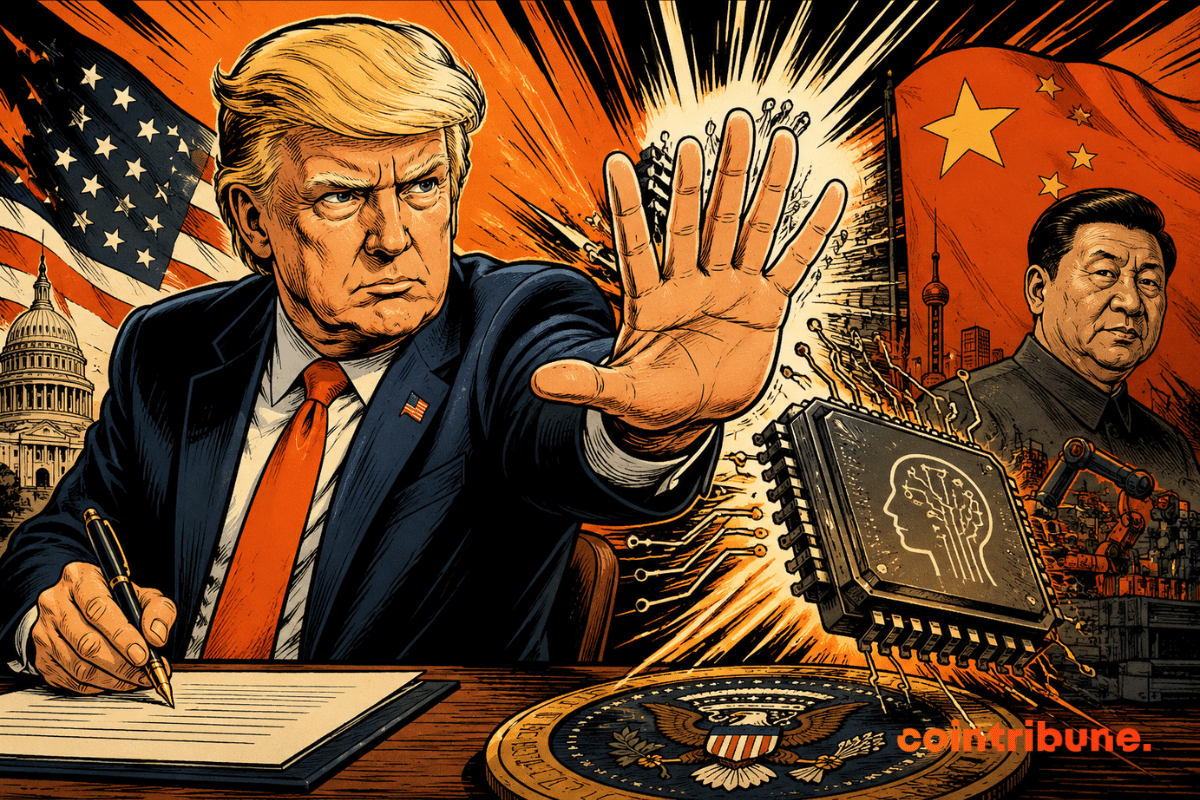
The unexpected postponement of the presidential decree on artificial intelligence revives the debate in Washington. Trump suspended the signing ceremony after judging that some measures could slow down the American lead. In a context of technological rivalry with China, the White House is seeking a balance between national security, industrial innovation, and international competitiveness, according to the American president.
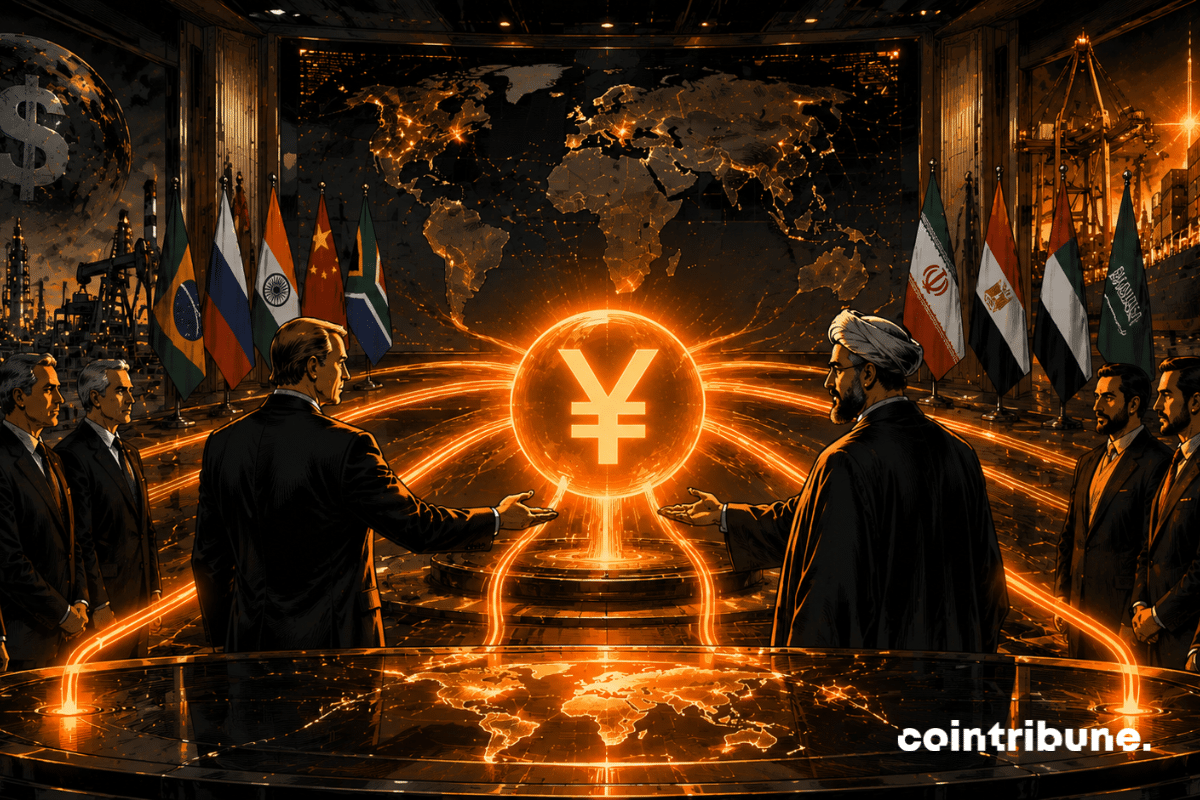
The dollar is losing ground where it ruled uncontested for decades. In March 2026, Russia and Iran settled $214 billion in trade in Chinese yuan, confirming the acceleration of dedollarization led by the BRICS. Behind this monetary shift lies a strategic battle between Washington and Beijing for control of global trade. Energy commerce, geopolitical tensions, and the rise of the "petroyuan": the great powers are quietly reshaping the rules of the international financial system.
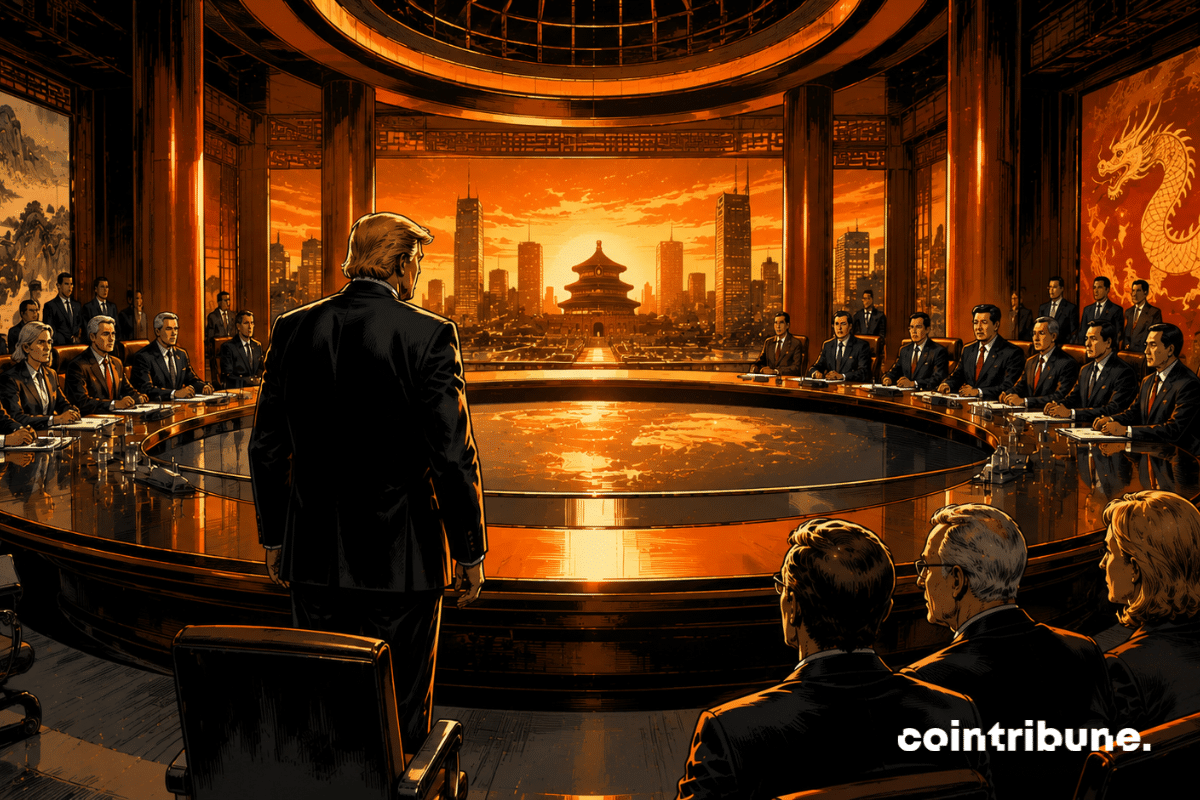
While Donald Trump sets foot in Beijing for a visit presented as "historic", another battle is being fought far from the cameras: that of global industrial control. In Brussels, the meeting between the American president and Xi Jinping fuels growing concern. Behind the diplomatic smiles, Europe fears an agreement capable of reshuffling the cards of trade, technologies, and critical materials. Rare earths, supply chains, economic warfare: the Sino-American summit could accelerate Europe's industrial decline.

American inflation accelerates again. In April, the price increase reached 3.8% year-on-year, its highest level in three years. The surge in energy costs, fueled by tensions around Iran and disruptions in the Strait of Hormuz, is beginning to weigh on the American economy. This rise now complicates the outlook for Federal Reserve rate cuts and revives tensions in the financial markets.
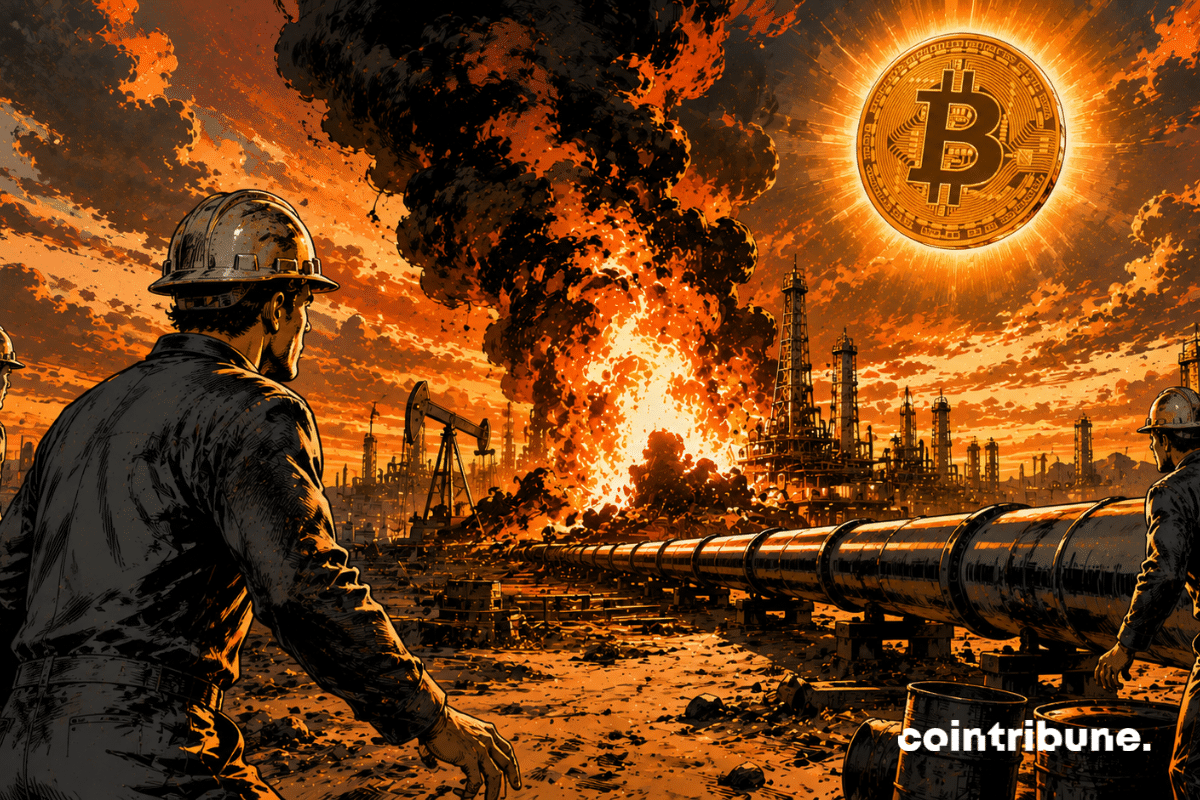
Donald Trump's rejection of an Iranian ceasefire proposal immediately shook global markets. Oil prices crossed the $100 mark, US futures fell, and tensions around the Strait of Hormuz returned to the forefront of concerns. In this nervous climate, Bitcoin nevertheless surprises by its stability around $81,000. Such behavior contrasts with previous geopolitical crises.
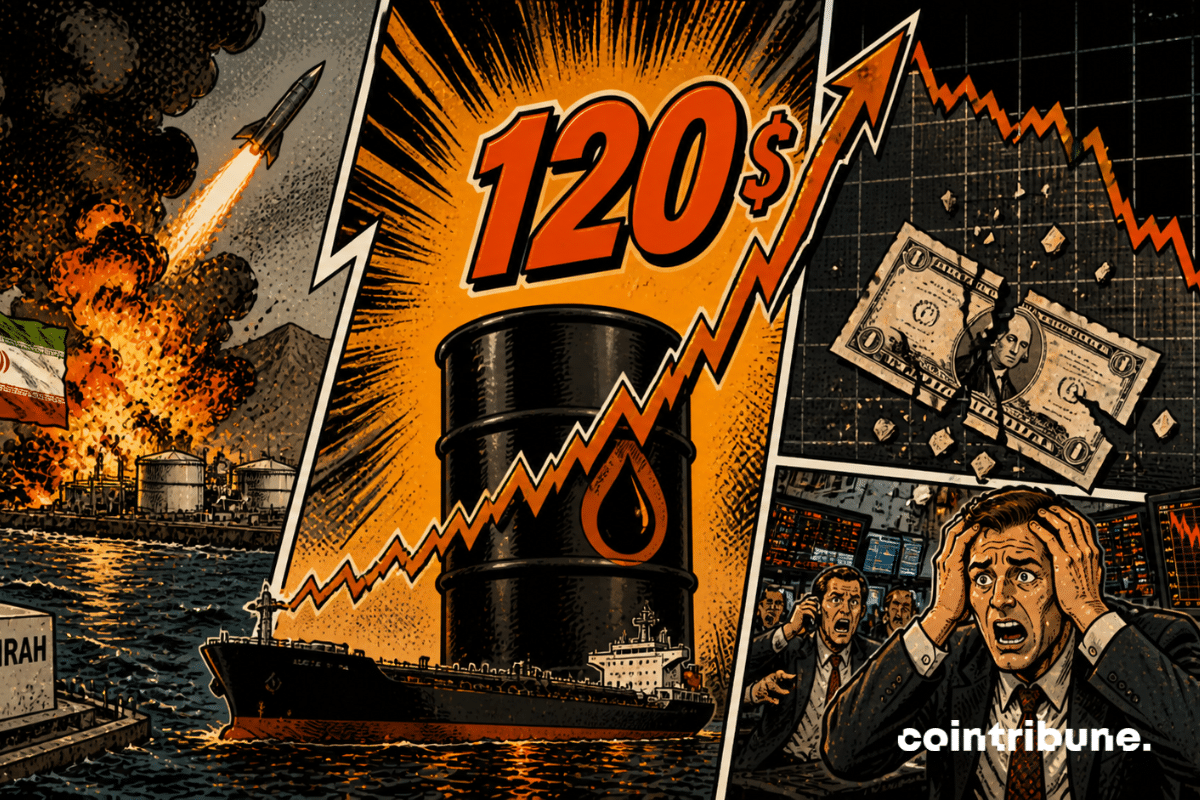
A targeted strike on a Gulf oil hub was enough to instantly destabilize markets. The attack attributed to Iran on Fujairah, in the United Arab Emirates, propelled Brent beyond 120 dollars and put financial balances under pressure. Far from a simple geopolitical episode, this event reveals a growing tension between energy shock and investor reactions, in an environment where every supply disruption redefines global economic expectations.
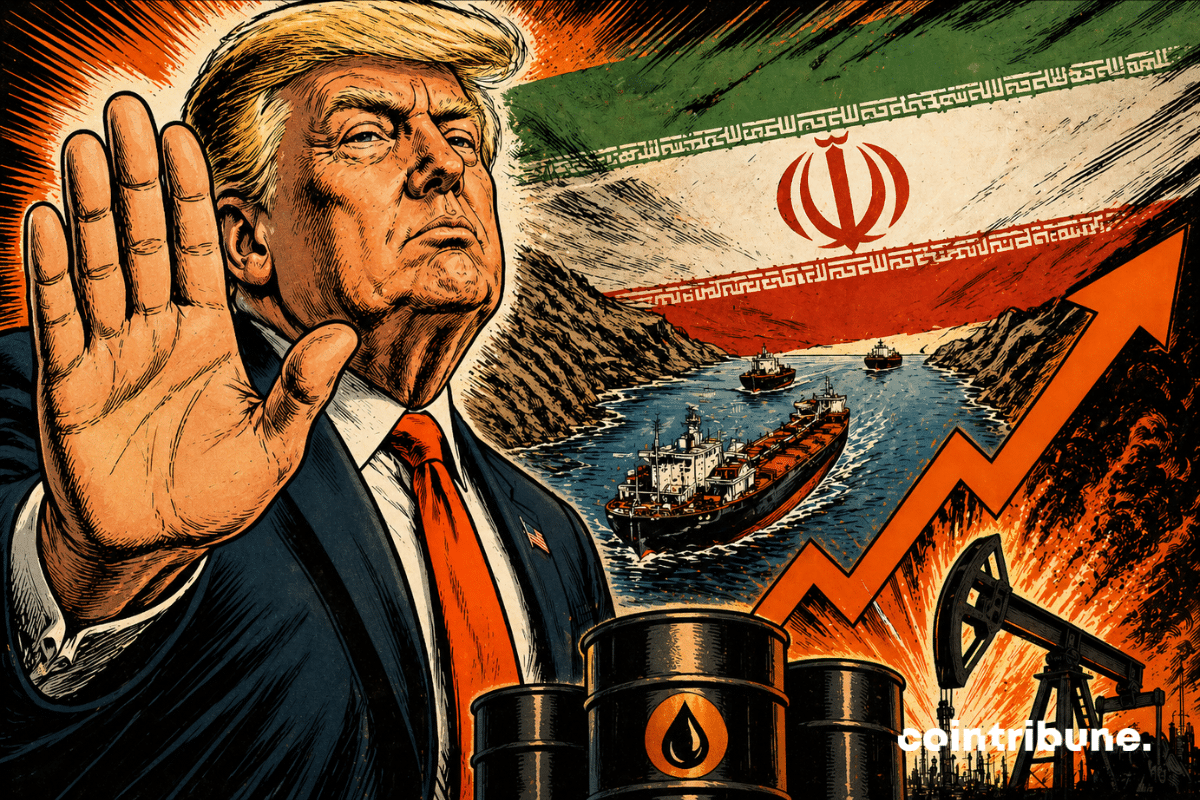
Tensions are rising around the Strait of Hormuz after Trump refused to accept an Iranian proposal to reopen the maritime route before any progress is made on the nuclear issue. This position keeps pressure on Tehran and is already shaking global markets. Oil reacted sharply, jumping to nearly $120 per barrel, while Bitcoin and Ethereum fell in a constrained liquidity environment. Investors are now watching the impact of this crisis on energy, the dollar, and risk assets, including crypto.
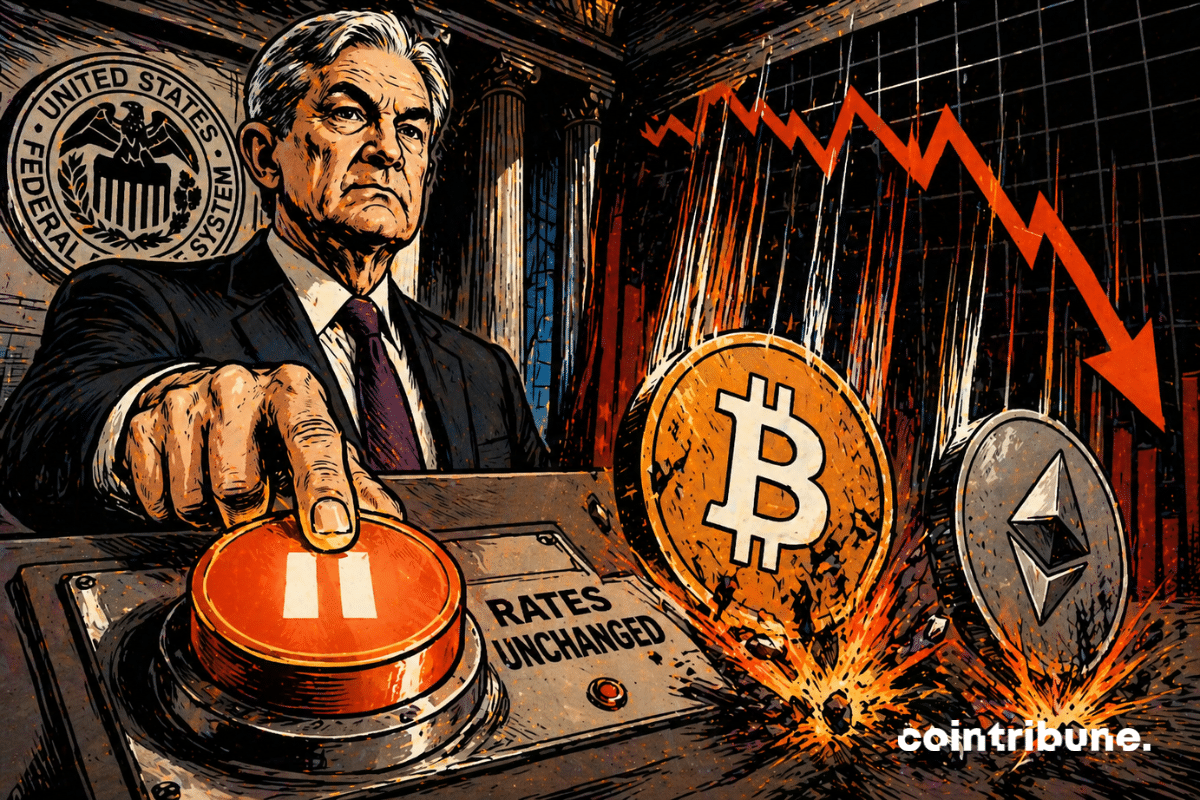
Powell keeps rates frozen, markets sweat, and crypto slides quietly. Oil rises, inflation bites, and the Fed watches calmly while investors wonder who really controls the game now.
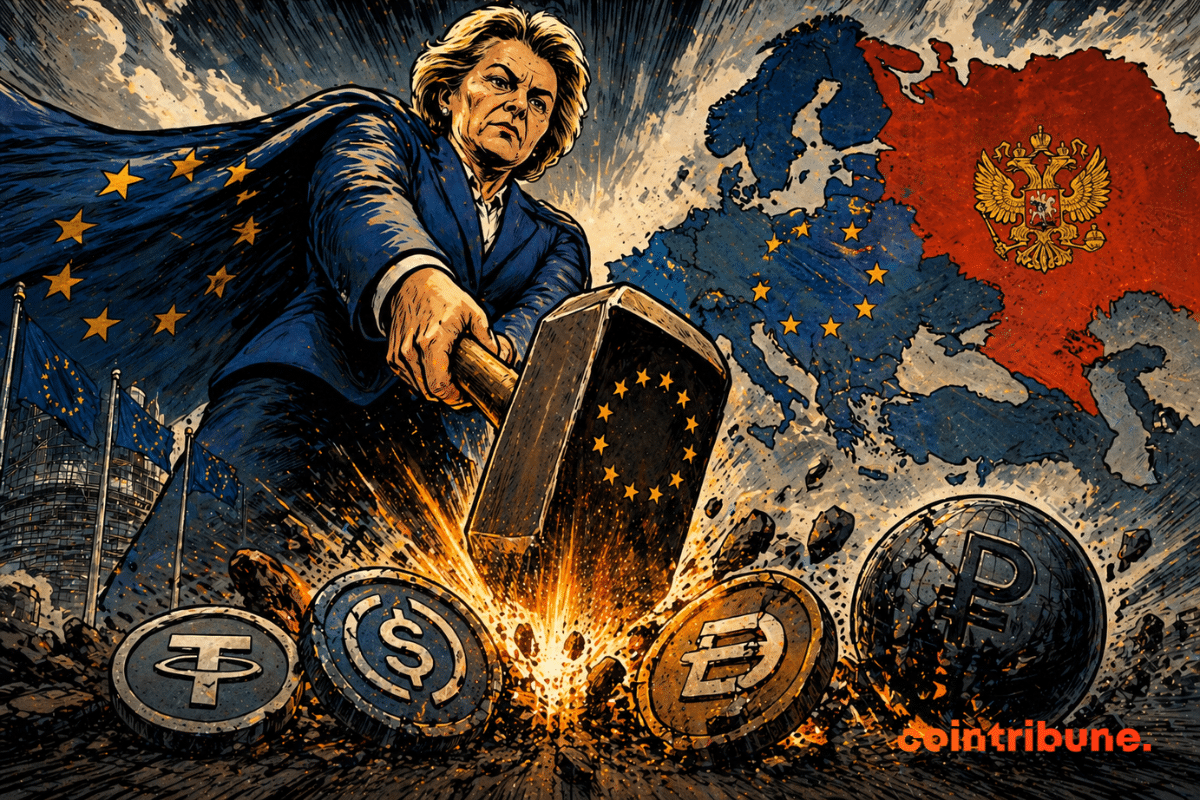
Brussels pulls out the big crypto lock: stablecoins, digital rouble, Russian platforms. While Moscow vows to hold firm, Europe counts the pipes, shuts the taps, and coldly smiles at the hurried fraudsters.
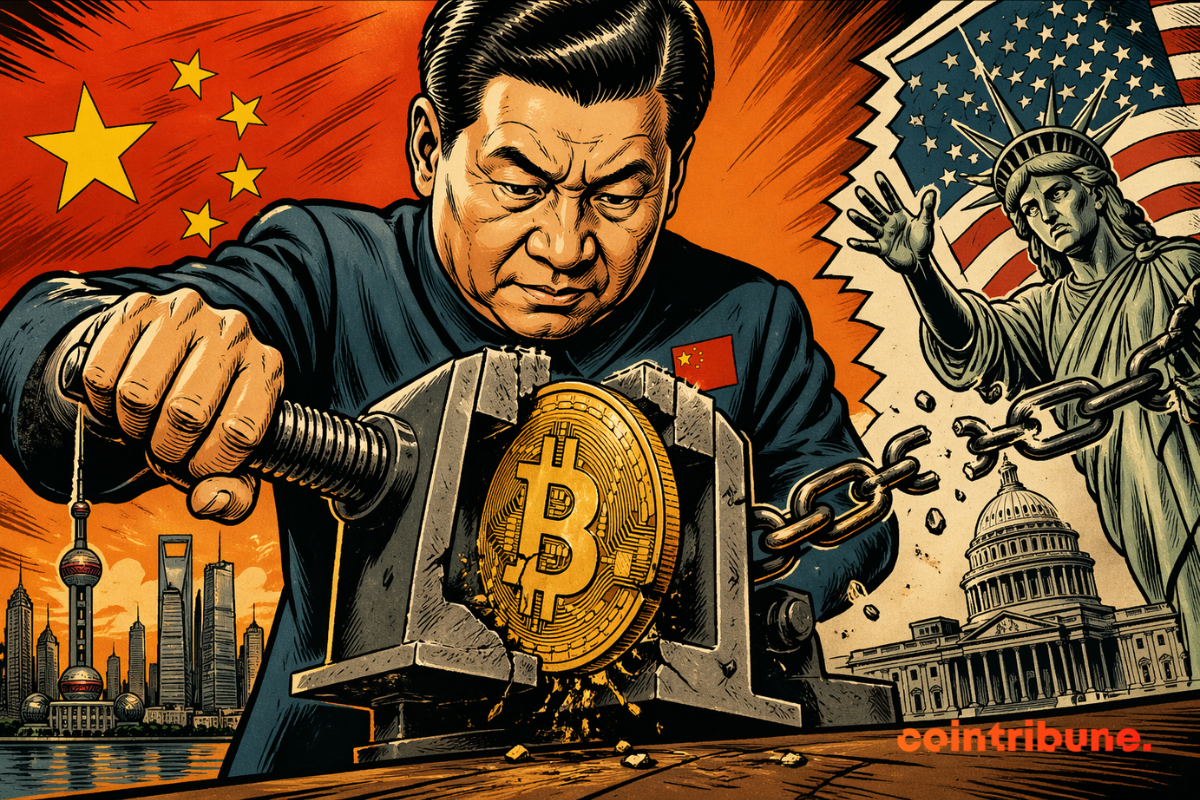
China has multiplied strong signals over the past 24 hours. It is continuing to toughen its economic and technological policy while strengthening its control over crypto. Beijing further regulates American capital and accelerates its autonomy in artificial intelligence. Meanwhile, Washington's sanctions against Chinese energy companies add additional pressure. Between finance, technology, and energy, the balance of power between Beijing and Washington takes on a new dimension.
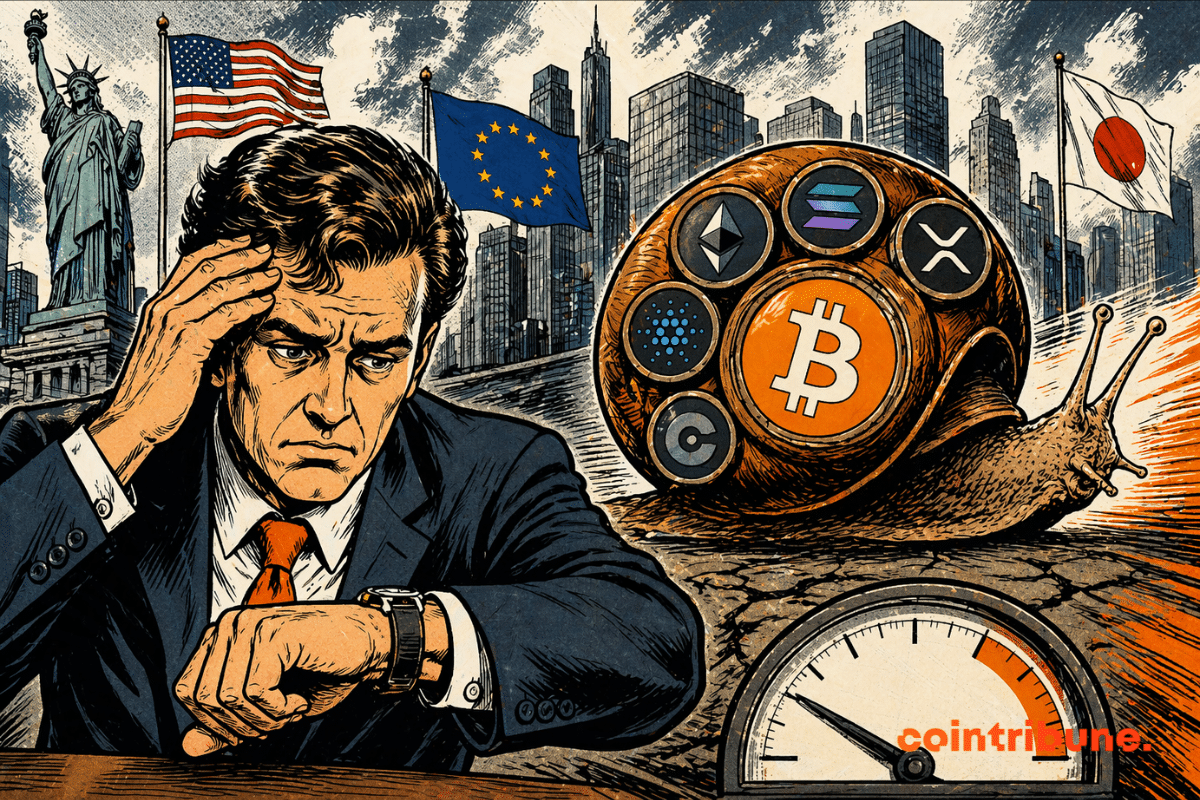
The use of digital assets enters a more contrasted phase after several quarters marked by dynamic global activity. According to a TRM Labs study, cryptocurrency adoption slowed in the first quarter of 2026, especially in developed economies. This evolution shows a more selective crypto market, where local needs, digital payments, economic conditions, and geopolitical tensions increasingly influence user behaviors.
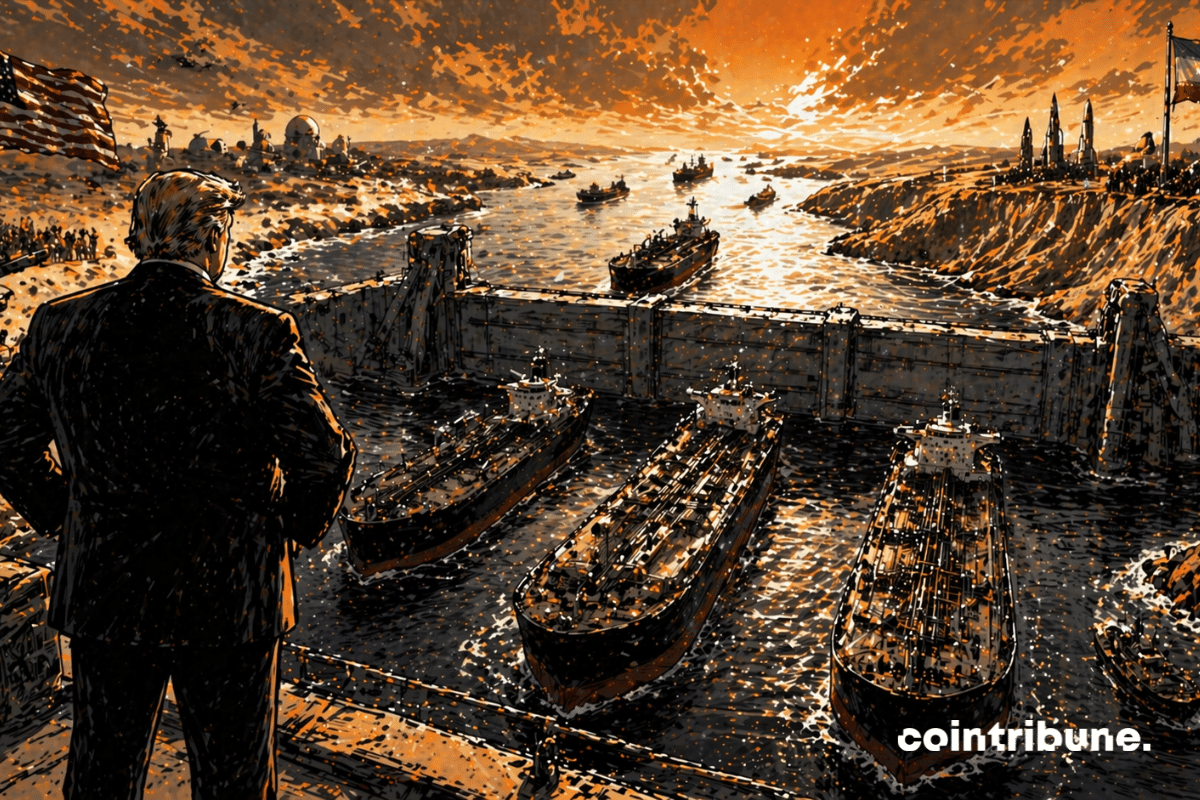
The Strait of Hormuz, a key passage through which nearly one-fifth of the world’s oil transits, is tipping into a zone of extreme tension. Donald Trump now claims to have total control over access, stating that no ship can pass without the approval of the United States Navy. This stance comes after several military incidents between Washington and Tehran, escalating an already explosive crisis. Between shows of force and direct responses, this standoff is redrawing energy and strategic balances on a global scale.
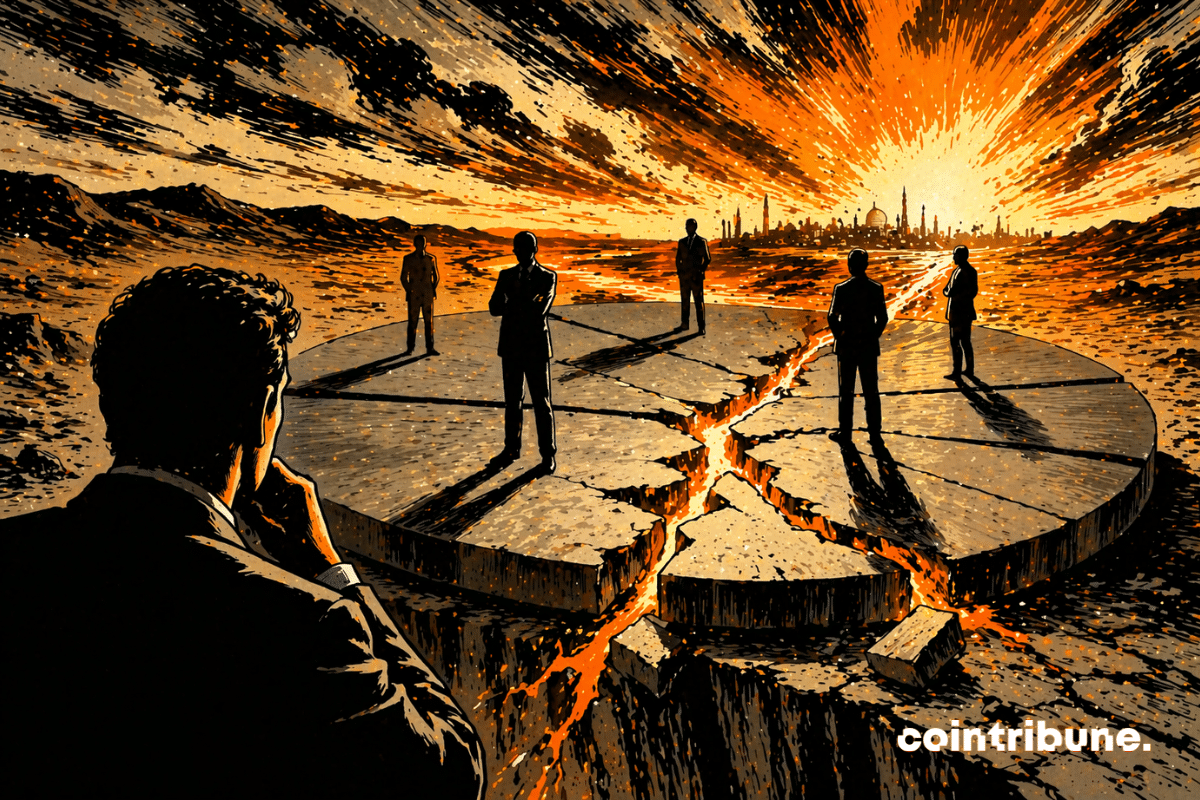
The great powers reveal themselves in crises, and BRICS may have just missed their moment. While the war involving Iran could have marked a turning point, the bloc remained silent, unable to display a common position. This silence raises questions about its real credibility in face of its global ambitions. Behind the image of a counter-power to the West, this sequence mainly exposes deep divisions and structural weaknesses that rhetoric is no longer enough to mask.
In a few hours, the price of oil has crossed the 100 dollar mark again after the announcement of a blockade of the Strait of Hormuz by Washington. This nerve center of global energy trade becomes again a major pressure lever in the confrontation between the United States and Iran. Behind this surge, an immediate risk: to see geopolitical tension turn into a global economic shock, with direct repercussions on inflation and financial markets.
Crypto is now establishing itself in areas where geopolitical tensions dictate the rules. According to Chainalysis, crypto payments related to Iran could expose certain companies to international sanctions. This signal comes as maritime transport players explore new ways to circumvent traditional constraints. Between financial innovation and regulatory risk, the use of blockchain in these sensitive contexts raises questions.

Global debt crosses a threshold reminiscent of the darkest hours in economic history. The International Monetary Fund sounds the alarm: public debt reaches levels comparable to those of World War II, in a context nevertheless devoid of global conflict. This drift raises questions far beyond the numbers, as it weakens monetary balances and revives doubts about the stability of currencies.
The old king gold coughs at the worst moment: cannons, oil, dollar, everything is shaken up. While Schiff grinds his teeth, Wall Street looks elsewhere, with a mocking grin.
Markets are wavering, energy is soaring, and even gold is retreating amid geopolitical tensions. In this unstable context, Bitcoin is beginning to reveal a deeper transformation of the global system that few anticipated.

The Strait of Hormuz has been blocked for several weeks, disrupting one of the main axes of global oil trade. To maintain its exports, Saudi Arabia has pushed its East-West pipeline to full capacity. This technical response is not enough to compensate for the market disarray. The rapid rise in crude prices reveals a structural fragility in global supply amid growing geopolitical tensions.
While Trump plays the war pause and oil heats up, bitcoin gets dizzy, while markets count shells, rates and cold sweats now.
Predictive markets are establishing themselves as a new indicator of international tensions. On Polymarket, millions of dollars are engaged to anticipate the outcome of the conflict between the United States and Iran. This activity occurs while negotiation signals are emerging between Washington and Tehran. The evolution of probabilities, coupled with the reactions of financial markets, offers an insight into investors' expectations in the face of a conflict whose outcome remains uncertain.
Oil prices fell within hours, driven by a sudden change in the Middle East context. The announcement of a ceasefire triggered an immediate market reaction, causing Brent and WTI to plummet. This rapid correction reflects investors adjusting their expectations in light of reduced geopolitical tensions.
Crash among gold enthusiasts: in the midst of war, gold plummets like an old curtain, while bitcoin quietly smirks, as interest rates pull the strings behind the scenes.
China is accelerating the deployment of the digital yuan to modernize international payments and strengthen the influence of its currency. Between financial cooperation, geopolitical strategy, and the ambition to make the yuan a future reserve currency, Beijing is gradually advancing in the transformation of its monetary system.
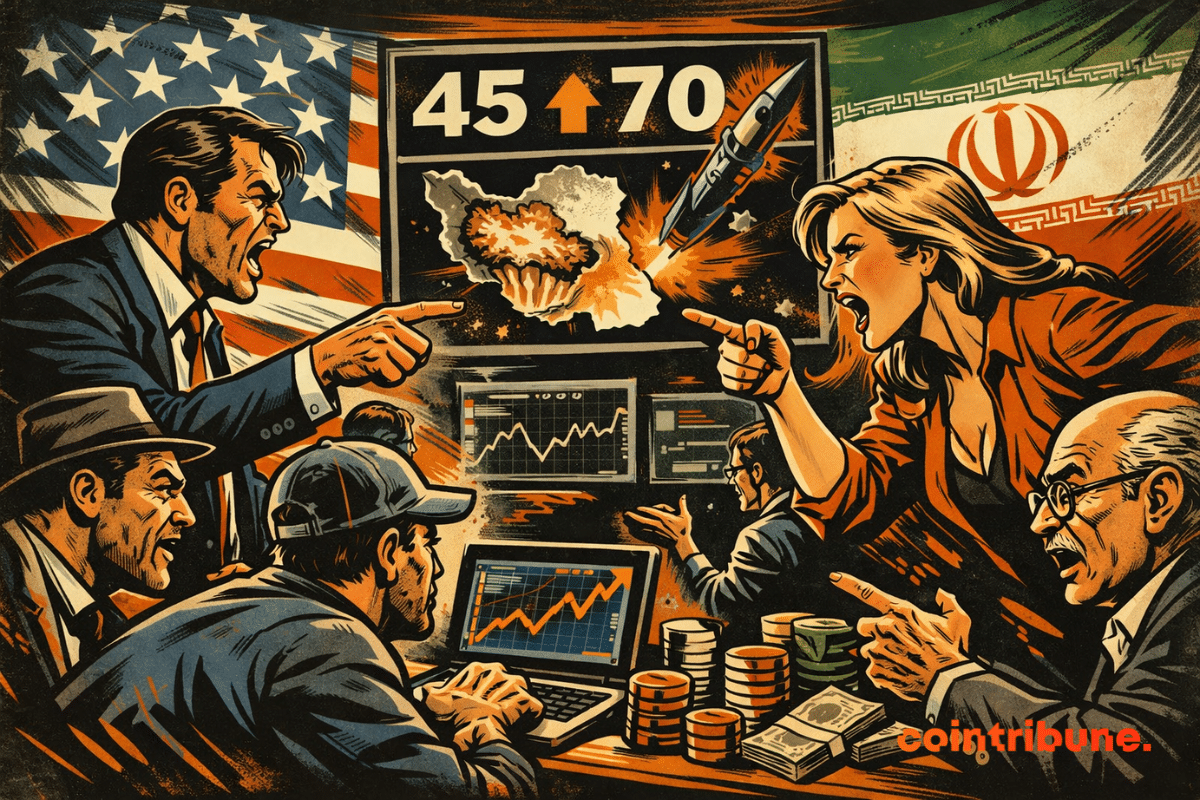
Crypto prediction markets are at the heart of a political debate in the United States after massive bets related to Iran. Hundreds of millions of dollars have been wagered on sensitive geopolitical scenarios, prompting several lawmakers to consider stricter regulation of these platforms.
A resurgence of tensions around Iran was enough to send oil markets soaring. In a few hours, crude prices took off, fueled by fears of a lasting conflict in the Middle East and major disruptions in global supply. Investors now monitor every signal coming from the region, aware of possible chain effects on strategic energy routes. Between US firmness, logistical risks, and alerts from industry players, black gold is once again a central indicator of global economic balances.