
Wed 14 Jan 2026 ▪
4 min read
▪
by
Franklin Templeton has upgraded two traditional funds to work on blockchain platforms, letting institutions manage stablecoin reserves with familiar tools.
Franklin Templeton has upgraded two traditional funds to work on blockchain platforms, letting institutions manage stablecoin reserves with familiar tools.
France alerts: crypto companies ignore the MiCA regulation. Imminent shutdown? We tell you everything in this article.

U.S. Senate lawmakers are advancing efforts to establish a clear regulatory framework for crypto markets, marking a pivotal moment for digital asset oversight in the United States. Two Senate committees are preparing to debate competing versions of a long-anticipated market structure bill, setting the stage for negotiations that could determine how the industry is governed for years to come.
Polygon is already well known for its scalability solutions on Ethereum. The crypto platform now aims to become a regulated payment platform in the United States. This strategic shift is confirmed by major acquisitions that allow it to offer services compliant with US financial regulations.

Investment firm VanEck expects the first quarter of 2026 to favor risk assets, citing clearer fiscal policy, steadier monetary signals, and renewed interest across several major investment themes. After years of uncertainty, improved visibility is shaping how investors position their portfolios heading into the new year.

The crypto market is entering a major zone of uncertainty. According to Wintermute, the historic four-year cycle, a pillar of investment strategies for over a decade, may have reached its limits. In a report published in early January, the market maker mentions a deep break in 2025, a strong signal that 2026 will not be a simple rebound, but a true test of resilience for an ecosystem undergoing redefinition.

Is XRP preparing for a spectacular comeback? Patient crypto investors may soon reap the rewards of their wait.

While the regulatory climate in the United States remains uncertain, bitcoin surprises by surpassing $95,700. This weekly high comes despite the postponement of the CLARITY Act review, a key text for crypto regulation. Where markets once reacted with panic, resilience now dominates. Should this be seen as a sign of market maturity or a deceptive lull?

When a former politician buys a medical company to stack Bitcoins, crypto becomes a politico-financial novel where health and speculation share the same digital core.

The release of the latest Consumer Price Index (CPI) in the United States triggered a brutal movement on crypto derivatives, exposing an unprecedented imbalance on XRP. Ripple's asset recorded a wave of massive liquidations, revealing a lightning-fast repositioning of traders facing a possible monetary shift.
Vitalik Buterin, co-founder of Ethereum, sounds the alarm: current stablecoins threaten the stability of the crypto ecosystem. Discover the 3 critical flaws he has identified and why they could trigger a systemic crisis. Do solutions exist? The future of DeFi is at stake.
Binance promised light speed, Fermi delivers it: the blockchain is moving full speed... but will it hold up when crypto heats up and traders sweat?

There is talk of a 'treasure' of 600,000 BTC attributed to Venezuela: a figure that sounds like a threat. Washington is considering the idea of a seizure, without openly admitting it. Paul S. Atkins, chairman of the SEC, confirms nothing... but does not close the door. And that is where everything changes: bitcoin is no longer just an asset, it is a geopolitical lever. The essential remains to be decided: evidence, keys, and the power to seize.
Outset Data Pulse continues to map global shifts in the crypto mediascape. Following our in-depth reports on Asia, Latin America, and individual European subregions, we now turn our focus to Europe as a whole, examining how crypto-native and mainstream outlets performed across Eastern and Western Europe in Q3 2025 amid regulatory execution and changing discovery dynamics.

Ukraine has just blocked access to Polymarket, a crypto predictive markets platform. The authorities consider that the service resembles unlicensed online gambling. This decision does not only target a site. It mainly reminds that as soon as there is a stake and a possible gain on an uncertain event, the line with gambling becomes very thin. And crypto does not offer automatic immunity.
Former New York City Mayor Eric Adams unveiled a new memecoin project on Monday, drawing swift attention from both local media and crypto analysts. The token, called NYC Token, was introduced during a press conference in Times Square shortly after Adams officially left office on Jan. 1. Within hours, on-chain data began raising concerns about the project’s liquidity structure and risk profile.

CFTC has formed an Innovation Advisory Committee to guide regulations for finance and crypto, bringing together industry and tech leaders.

Reports of a potential large-scale Instagram data leak have sparked widespread concern, as cybersecurity researchers and Meta offer sharply different accounts of what occurred. While a security firm claims millions of user records are being sold online, Meta insists its systems were not breached. The conflicting narratives have left many users uncertain about the safety of their accounts.

Is Ethereum preparing a strong comeback against bitcoin? A well-known technical setup draws analysts' attention to the ETH/BTC pair. This pattern, previously observed before a historic rally, could indicate a major bullish reversal. If the breakout is confirmed, Ether could jump nearly 95% against bitcoin.

Crash or simple pause? Bitcoin drops while gold rises. The refuge asset duel intensifies. Details here!

The crypto landscape is evolving rapidly. Once dominated by individuals, the market is now entering a phase where institutional giants take control. This change is no longer measured in trends, but in S-1 filings, MSCI indexes, and billions reallocated. According to the latest Binance Research report, the ecosystem is undergoing a structural transformation. Crypto no longer operates on the margins of traditional markets; it is now deeply rooted there.

A new piece is added to the crypto puzzle: World Liberty Financial, supported by Trump’s entourage, wants to turn the stablecoin USD1 into the locomotive of decentralized finance.

Jerome Powell, chairman of the Federal Reserve, is the subject of a criminal investigation. The information, confirmed on Sunday, comes amid strong political tensions in the United States. It raises questions about the central bank's independence from the executive branch. Beyond Wall Street, this case also resonates in the crypto market. In a climate of institutional distrust, bitcoin regains its place at the heart of the debate as a non-sovereign asset.
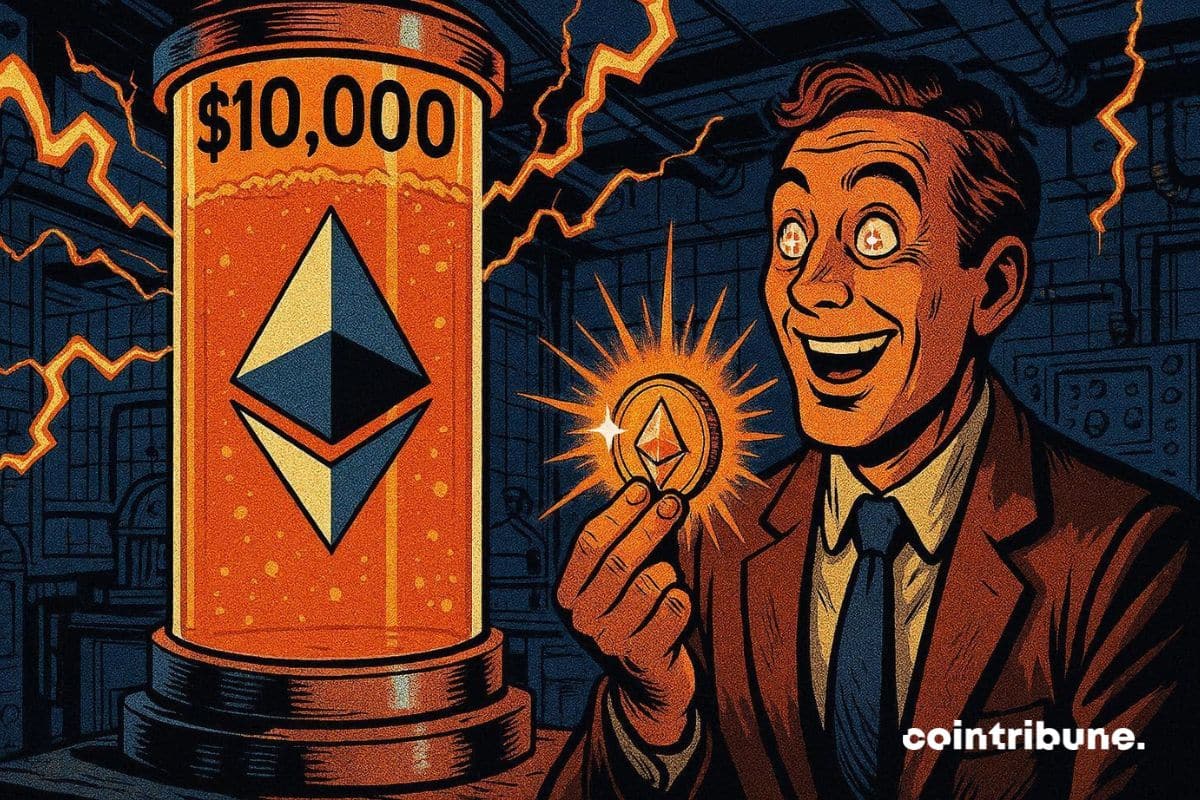
In January 2026, Ethereum shows social sentiment at its lowest, strangely reminiscent of the period preceding its historic 2025 rally. With 59% of traders betting on surpassing $4,250 and experts mentioning a potential of $10,000, the question arises: does this decline herald an imminent explosion?

Stablecoins have long been the discreet plumbing of crypto. Nobody applauds them, but without them, part of the market seizes up. Today, they are coming out of the shadows for a very concrete reason: savings and bank deposits. In the United States, local bank leaders are pressing the Senate to tighten certain points of legislation on stablecoins. Their fear: seeing part of the deposits migrate to dollar tokens, attracted by “rewards” that increasingly look like a yield. On the other side, JPMorgan refuses to give in to alarmism. The bank sees it rather as a new brick in a monetary system already composed of several layers. And this reading gap says a lot about the battle underway: financial stability, competition, or a simple war of models?

UK MPs are calling for a ban on cryptocurrency donations, citing risks to election transparency, foreign influence, and weak oversight.

The American exchange Kraken launches "Bundles", thematic baskets of cryptocurrencies allowing you to instantly diversify your portfolio. Automatic rebalancing, recurring purchases, zero trading fees: a turnkey solution for investors of all levels.
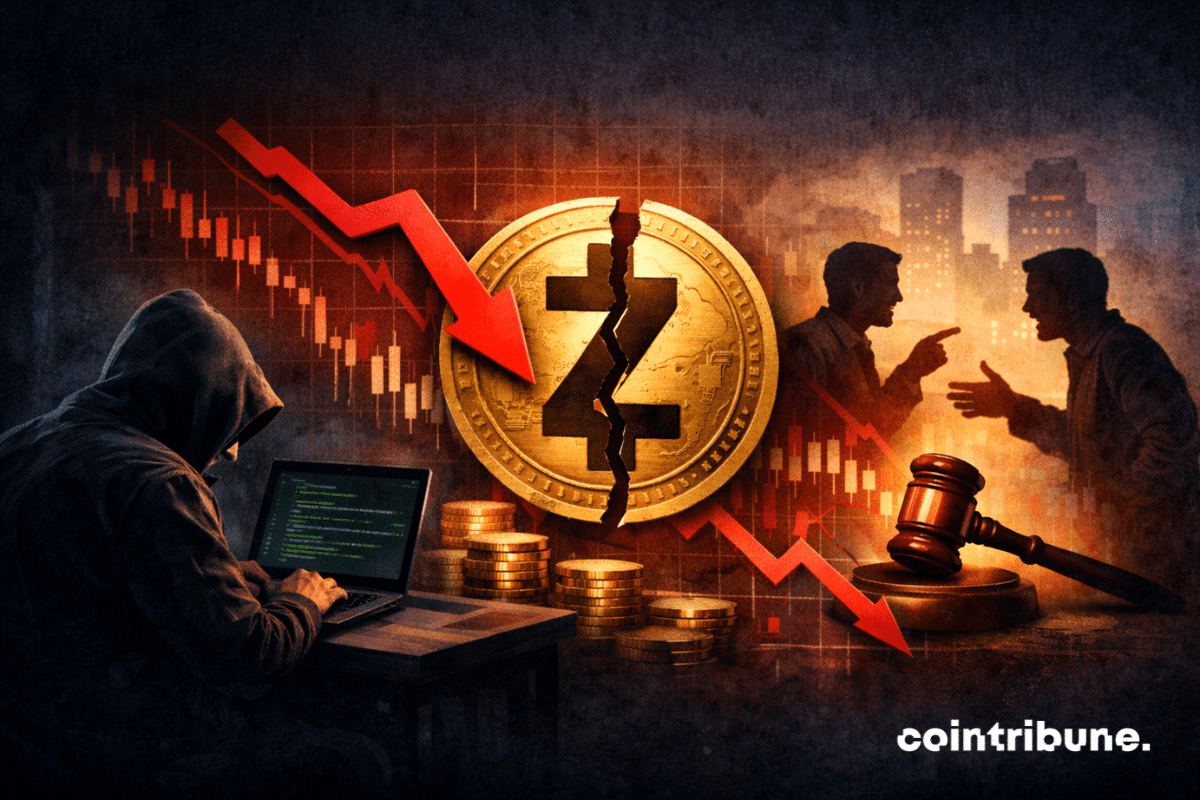
Zcash’s developer activity has fallen to its lowest level since late 2021, as governance disputes and prolonged market weakness continue to cloud sentiment. The slowdown comes amid a sustained decline in ZEC’s price, even as large holders continue to accumulate the token. At the same time, these trends point to an increasingly complex outlook for one of the crypto sector’s longest-standing privacy-focused networks.

Shiba Inu SHIB sees rising exchange reserves as holders prepare to sell, keeping the token’s price under cautious watch.
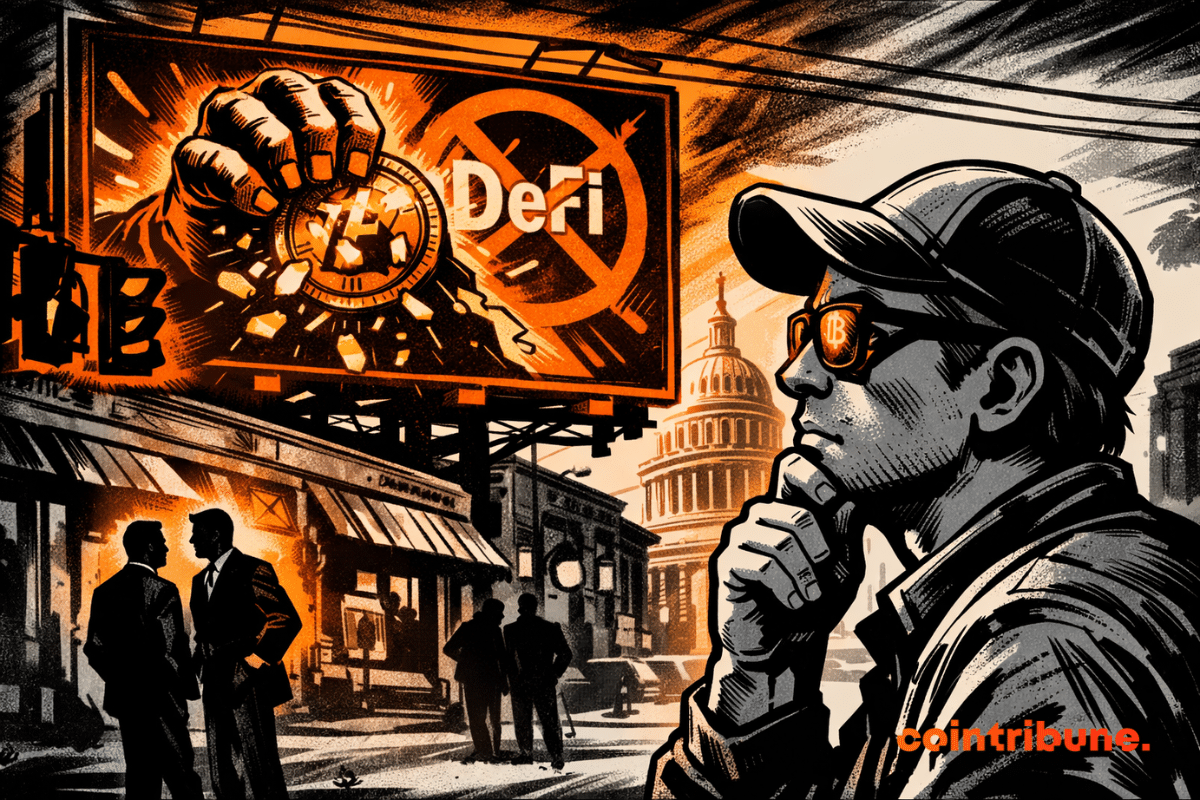
A new advertising campaign tied to crypto policy has stirred debate in Washington as lawmakers prepare to review a major market structure bill. Ads airing on Fox News urge viewers to pressure senators to support legislation that excludes decentralized finance provisions. The timing of the campaign coincides with key Senate activity on crypto regulation.