Sun 16 Aug 2026 ▪
6 min read
▪
by
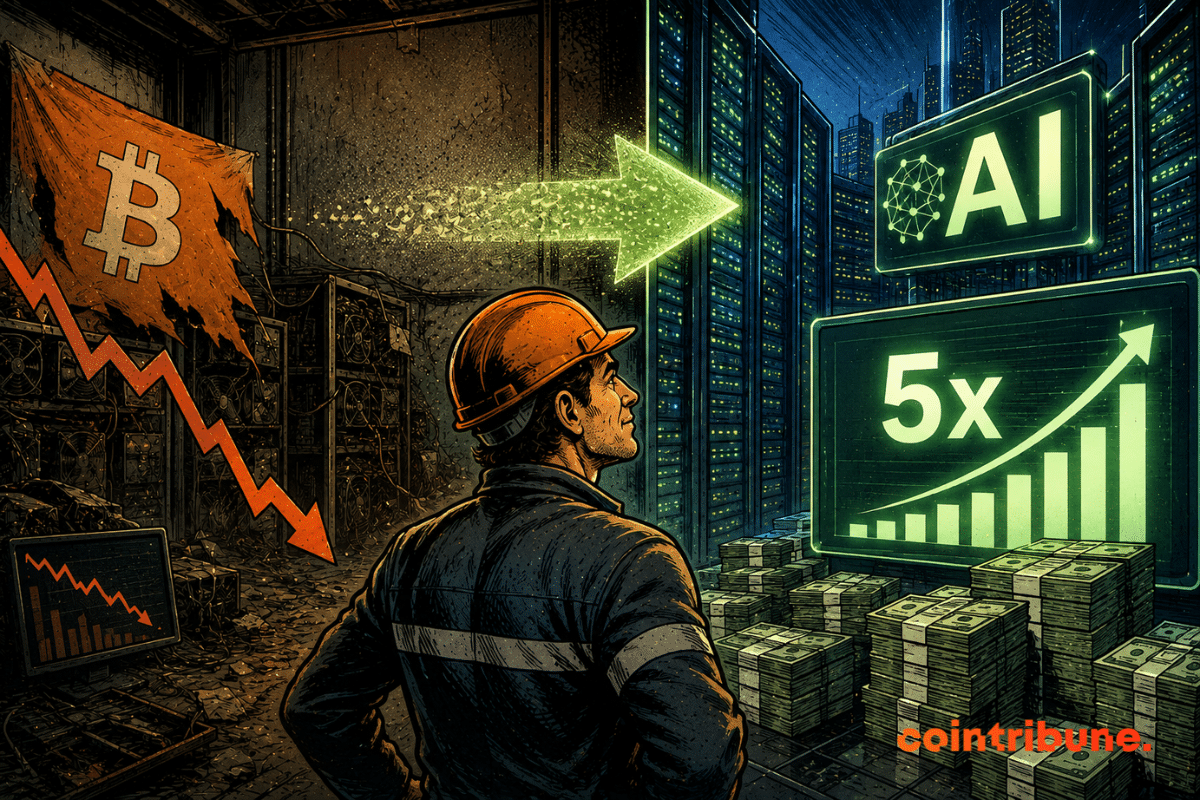
Miners under pressure: excluding Bitdeer, public hashrate slides 21% in six months as AI reshapes the market.
Miners under pressure: excluding Bitdeer, public hashrate slides 21% in six months as AI reshapes the market.

Bitcoin mining difficulty dropped by 0.74% at block 959616 this weekend, marking the 15th adjustment of 2026. In the first seven months, decreases outnumber increases by a ratio of 3 to 2. This self-regulation mechanism tells of an industry facing increasing pressure.

Does Dogecoin need to emancipate from Litecoin? Discover the debate dividing crypto developers over DOGE's autonomy.

A tiny $150 box just turned into $200,000 for its owner. Proof that bitcoin mining remains a lottery where anyone can hit the jackpot.

Bitcoin miners are racing into AI, but insider sales, governance questions and a $50 billion financing gap raise fresh concerns. Decode.

Bitcoin miners watch their hashprice plummet like a failed soufflé, while difficulty spikes without mercy. What a contradiction—and yet, they hold their ground.

Alert on the blockchain! The Bitcoin network has officially crossed the milestone of fewer than 100,000 blocks remaining before the 2028 Halving. Immediate breakdown of this scheduled crypto earthquake.

The Bitcoin network sends an ambiguous signal. While mining difficulty has just dropped, suggesting a respite for companies in the sector, indicators already point to an imminent rebound. Behind this technical adjustment lies a brutal reality: a weakened sector facing growing economic constraints. Between algorithmic mechanics and profitability tensions, the mining industry is going through a pivotal phase whose implications could soon be felt.

The Bitcoin network has just recorded its third difficulty increase since the beginning of the year. Good news on the surface? But behind this technical rebound hides a much darker reality for miners. And the current signals already announce an imminent turnaround.

The rise in bitcoin does not solve the economic equation of mining. At Riot Platforms, the increase in prices covers the electricity bill, without absorbing all charges or depreciation. This gap brings the debate back to a more demanding question: from what price does a mining company actually become profitable again? The analysis distinguishes three thresholds, from energy cost to accounting result.

Bitdeer Technologies has fully liquidated its corporate bitcoin holdings, reporting zero BTC on its balance sheet as of Feb. 20. A weekly production update posted on X confirmed the move. The decision marks a sharp break from common industry practice, where most listed miners continue to accumulate or hold reserves. It also comes at a time of tightening mining margins and the company's recent capital raises.

While the bitcoin price struggles to regain its peaks, the network itself shows robust health. The mining difficulty has just recorded its largest increase since 2021, a paradox worth examining.

The Bitcoin network has just absorbed a major technical shock. Its mining difficulty has dropped by 11.16%, the biggest decrease recorded since the mining ban in China in 2021. This sharp decline, revealing structural tensions, renews concerns about the system's robustness and the growing pressure on mining companies. While difficulty is supposed to guarantee protocol stability, its current plunge acts as a silent warning about the network's real state and the resilience of its infrastructure.

The Bitcoin network is going through a turbulent period. Its computing power, the hashrate, records a sharp drop, the most significant in several years. This major technical decline draws the attention of mining specialists and analysts, at a time when the crypto ecosystem is already under increasing pressure. Between market volatility and declining mining profitability, warning signals are accumulating, revealing a tense start to the year for sector players. This performance drop raises questions about the operational resilience of the network.
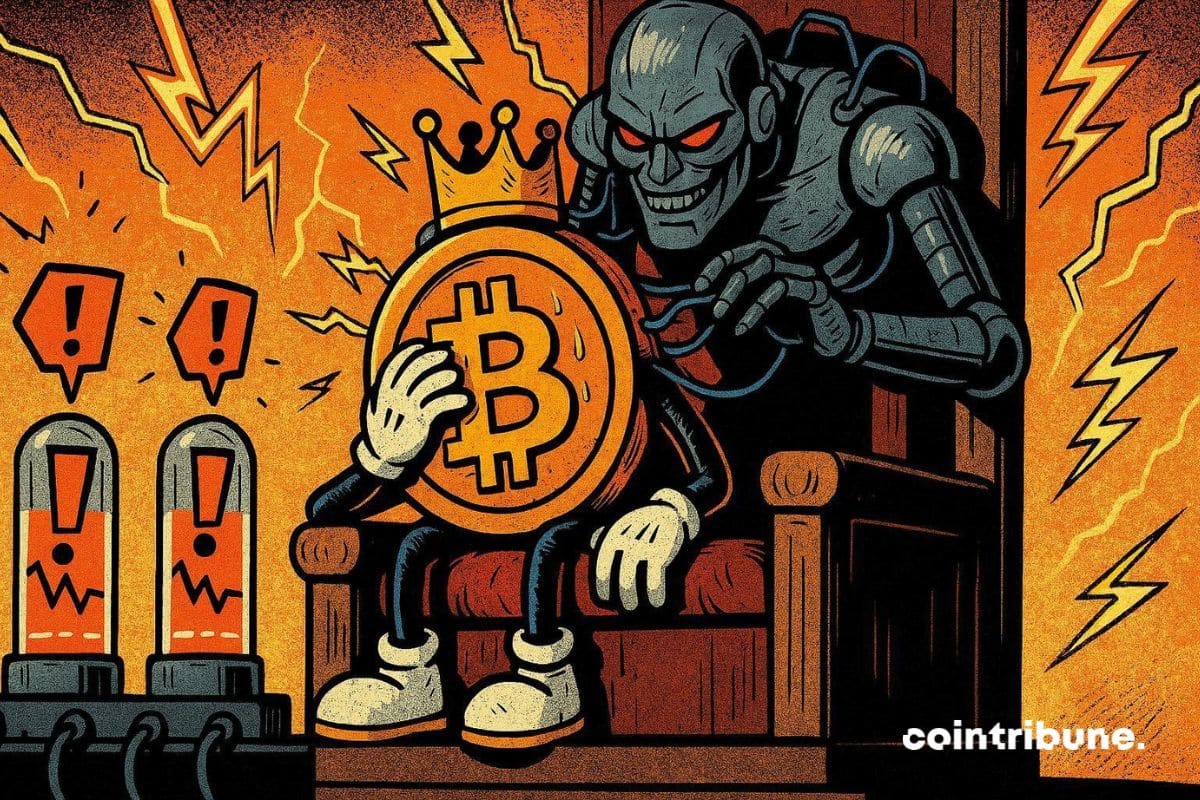
Why has the Bitcoin hashrate just fallen below the symbolic threshold of 1 zettahash per second? Are miners abandoning the network for more profitable AI (artificial intelligence)? A silent battle is redefining the future of mining and blockchain.

Reports of a renewed crackdown on Bitcoin mining in China’s Xinjiang region triggered concern across crypto markets this week. Early claims warned of severe hashrate losses and widespread shutdowns. Mining data reviewed after the initial reaction suggests, however, that the impact was brief and far smaller than first reported.

As the Bitcoin network crosses the zetahash threshold, the profitability of mining companies collapses. The hash price has fallen below 40 dollars per PH/s/day, a critical level that threatens the viability of many players. Faced with this paradox, companies in the sector are redirecting their strategies towards renewable energies. However, behind the ecological argument, it is an economic survival logic that dominates, revealing a profound transformation of the mining energy model.

Bitcoin is collapsing, miners are coughing, and some flee to AI: when digital gold turns into an electric burden under maximum stress!

Bitcoin tumbles, miners migrate to AI. Microsoft pays, stocks rise… But their profits? Still striking. The future is now written between cloud and a gamble.

Banned but coveted, China plays it cool and reconnects its bitcoin machines. Silence in Beijing, but business is booming in provinces where electricity costs nothing.
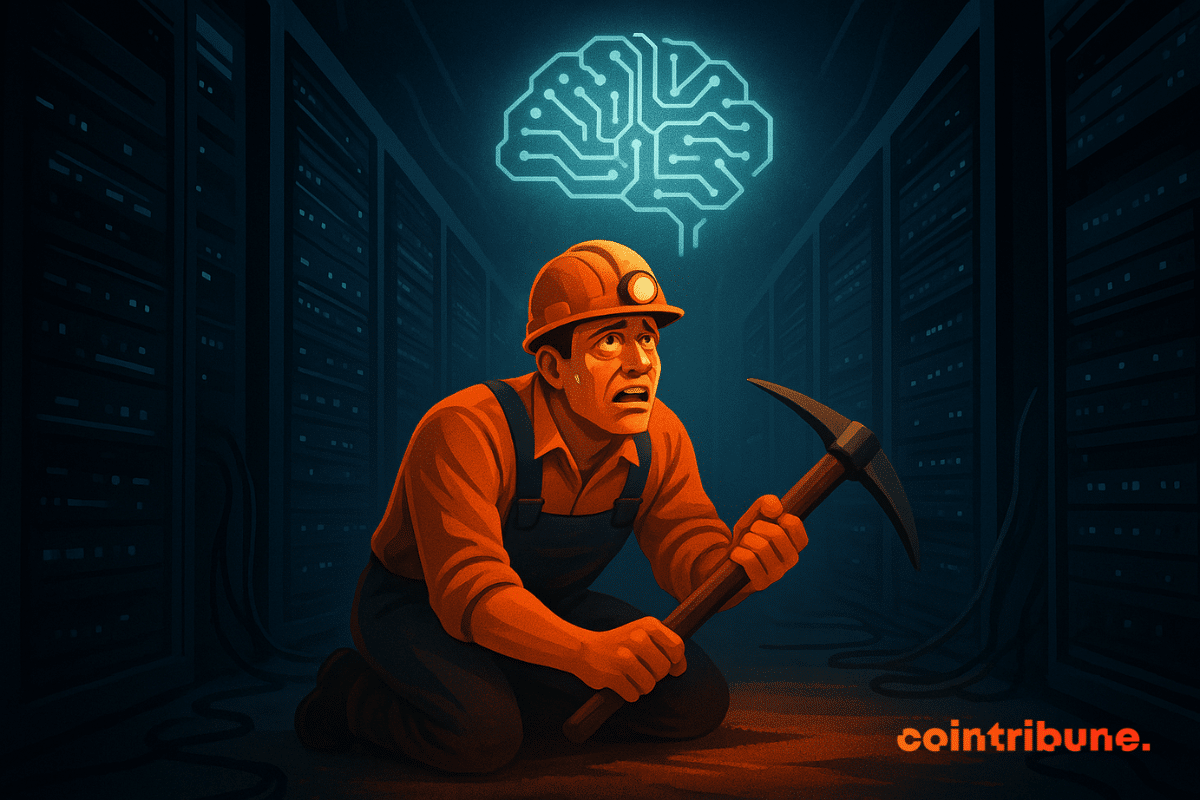
Bitcoin miners are taking on record levels of debt to finance new equipment and expand operations into artificial intelligence (AI) and high-performance computing (HPC). As competition for hashrate intensifies and post-halving profits shrink, miners are increasingly turning to debt markets to maintain an edge in both Bitcoin production and data infrastructure growth.

American Bitcoin Corp. (ABTC)—co-founded by Eric Trump—has released its October 2025 investor presentation, marking a major milestone in its evolution from a pure Bitcoin miner to a full-scale digital-asset ecosystem. The strategy focuses on building a U.S.-based Bitcoin powerhouse to reinforce America’s leadership in the global Bitcoin market.
The Bitcoin network has never been stronger. Its mining difficulty has just reached an all-time high at 142.3 trillion, up 29.6% since January. This figure reflects both the rise in hashrate power and the growing pressure on mining companies. While the blockchain strengthens against potential attacks, technical and economic requirements impose an increasingly tough selection among sector players.
In August, bitcoin miners generated revenues close to 1.65 billion dollars, a level almost identical to that of July. This maintenance reflects an impressive resilience of the sector, despite a context marked by rising costs and energy pressure. But behind this apparent stability lie structural vulnerabilities that raise questions: can the current mining model really hold in the long term?

While mining profitability erodes and hashprice declines, the Bitcoin network records an unprecedented power rebound. On August 18, the hashrate climbed to 966 EH/s, nearing a historic peak, despite nearly zero transaction fees and growing economic pressure on mining companies. This striking contrast between economic tension and technical robustness raises questions: how does the mining ecosystem manage to maintain, or even strengthen, its security in such an unfavorable context?
Is bitcoin undervalued? A key indicator, the "Energy Value" from Capriole Investments, estimates that its "fair value" reaches 167,800 dollars, 45% above its current price. Designed by Charles Edwards, this model is based on the energy power used by the network. The unprecedented gap it reveals revives the debate about the true valuation of the asset and the market's ability to close this gap in the coming months.
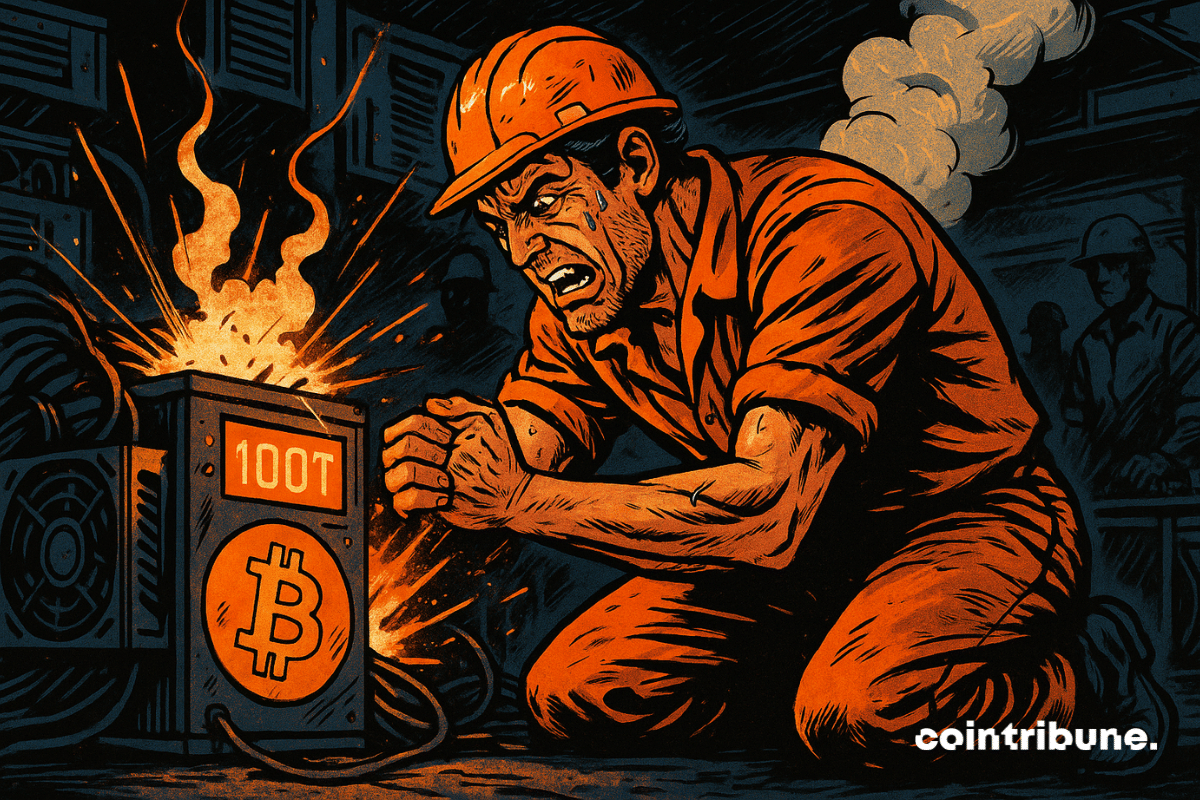
The Bitcoin network has just crossed a new milestone with a mining difficulty reaching an all-time high of 127.6 trillion. While this figure indicates enhanced security, it raises crucial questions about the sector's economic balance. Between maintained profitability and a frantic technological race, does this escalation mark the beginning of a new era of mining?
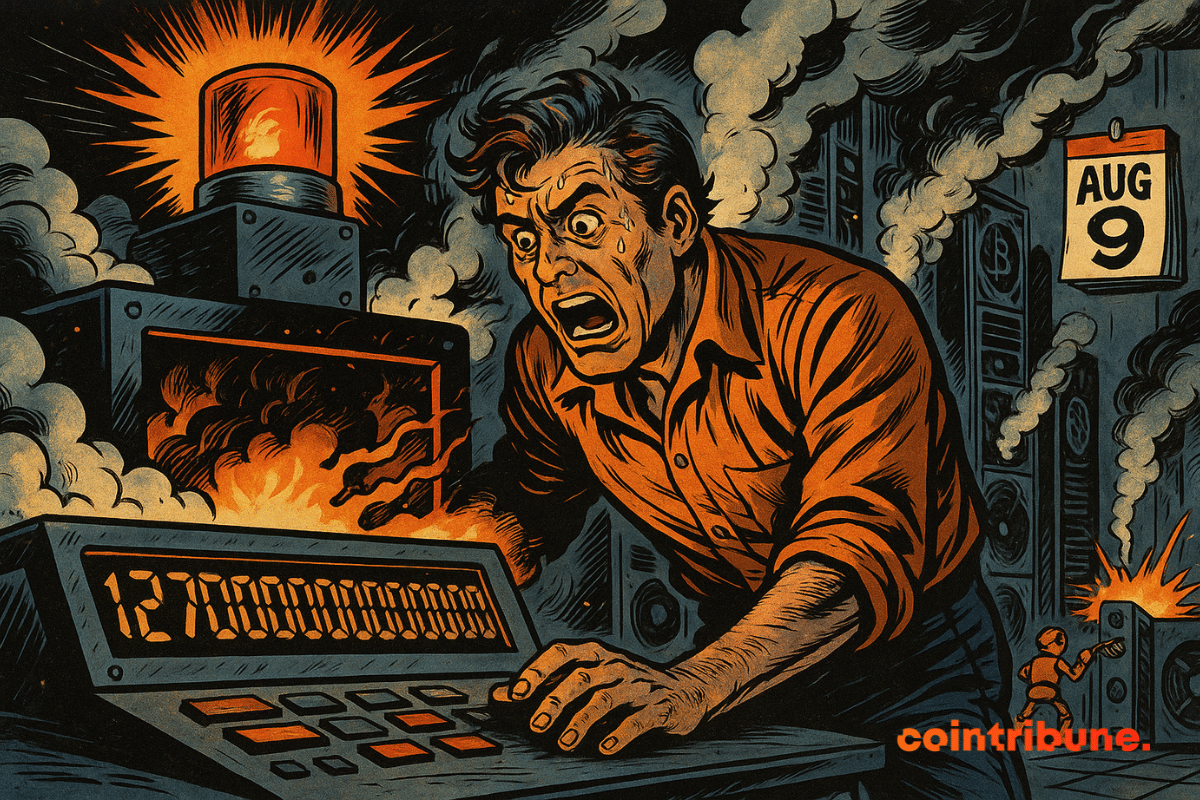
While the price of bitcoin is holding steady, its mining difficulty is climbing sky-high: a technical record that may hide more gold than speculation…
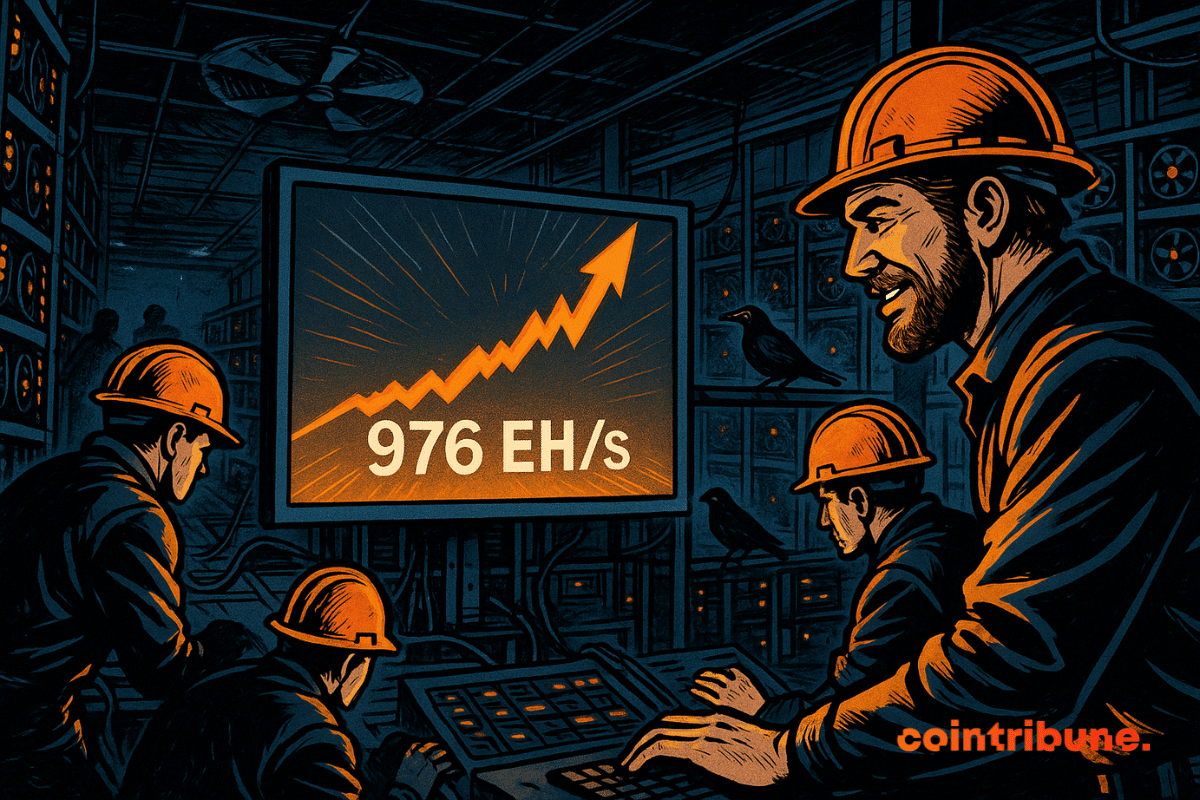
Bitcoin’s computational power has recorded an uptick in the previous day, surging close to previous levels—a trend that is viewed as a net positive for miners. As the higher hash rate boosts the blockchain’s security and robustness, miners benefit from increased profits.

While Moscow electrifies its farms and Beijing mines quietly, Washington subtly pulls the strings: but who is really pulling the strings of bitcoin in this strange energy game?