Crypto: Aster launches its layer-1 blockchain on testnet. A new step towards a trading-oriented infrastructure. All the details here!
"He who does not move does not feel his chains." Rosa Luxembourg’s phrase resonates strangely in the digital age. Digital currency today reveals invisible chains that many still do not perceive. Cash quietly disappears, replaced by a recorded, analyzed, and continuously interpreted world. Every transaction becomes data, and every data a lever of control. Privacy is no longer a moral luxury, but a political fault line. Institutions defend transparency as a condition of stability. Freedom advocates see privacy as a fundamental guarantee. This tension reshapes our relationship to power, trust, and individual autonomy. The central question is no longer just about technology, but about what we accept to reveal in order to exist. This text explores the existential battle of monetary privacy: protecting human dignity when everything becomes traceable.
Germany’s Deutsche Telekom has joined Theta Network as an enterprise validator, marking a major expansion of its involvement in blockchain and decentralized computing. By taking on this role, the telecom leader becomes part of Theta’s growing group of corporate validators.
Web3 is facing a perfect storm of increasing threats. Phishing attacks have siphoned off more than $341 million in just 300 days, and the imminent arrival of the quantum computing era threatens to render current cryptographic protections obsolete. It is in this context that Naoris Protocol is positioned, developing the first decentralized post-quantum cybersecurity infrastructure designed for blockchain ecosystems.
Ethereum is about to reach a decisive milestone. With EIP-7928, a bold proposal has just been introduced to allow parallel execution of transactions on Layer 1. Long considered an almost insurmountable challenge due to risks to system consistency, this advancement could profoundly transform the network's architecture. In response to the persistent scalability limits, this new technical milestone reignites discussions among developers and marks a potential turning point for Ethereum's evolution towards enhanced efficiency without compromising security.
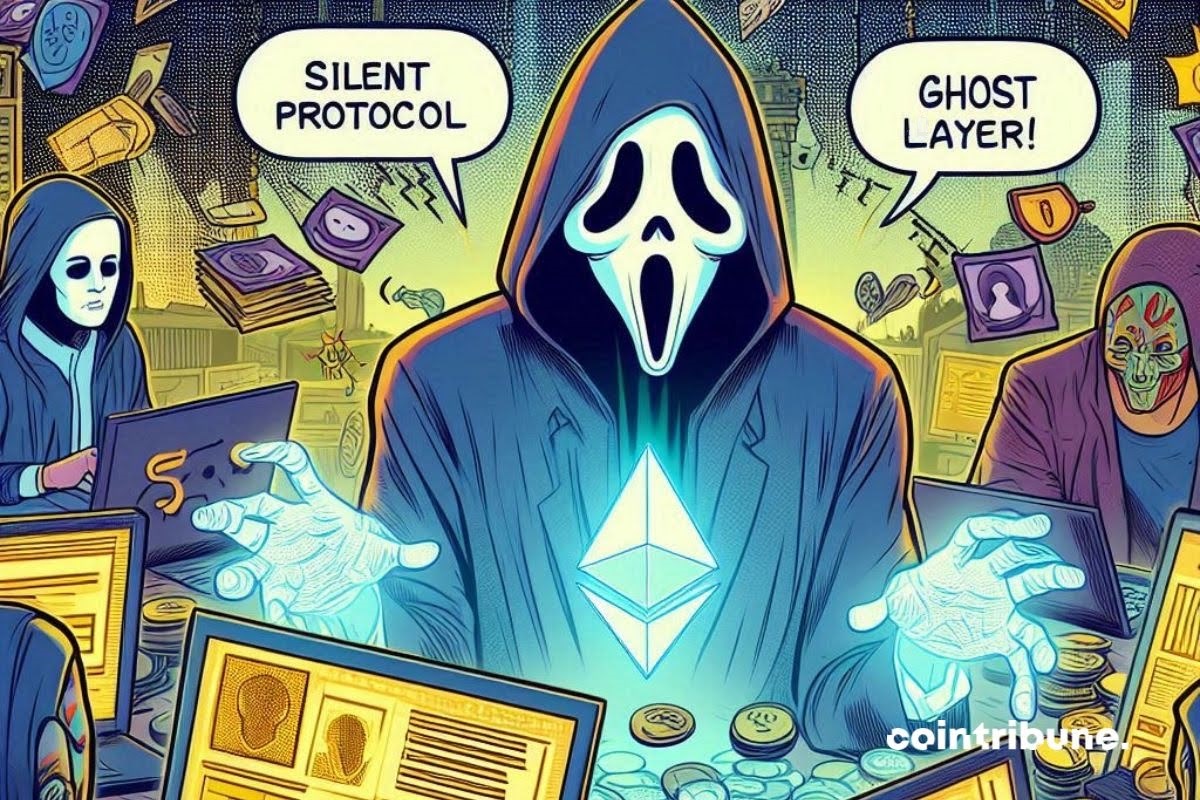
In the ever-evolving landscape of blockchain, Ethereum remains one of the major players, continuously attracting disruptive innovations. It is in this stimulating context that Silent Protocol makes a striking entrance with its Ghost layer, a cutting-edge L1.5 infrastructure designed to propel Ethereum to new heights. This bold solution promises to revolutionize the entire crypto ecosystem.
In 2024, it's not just electricity rates that are rising. Banking fees are also experiencing a significant increase. Can Bitcoin, whose initial ambition is to be a peer-to-peer electronic cash solution, become a serious alternative to increasingly expensive banking services?
Like VanEck, Bitwise, and Bitget before it, the Messari platform recently published a fairly comprehensive summary of the crypto industry in 2024. The company projects what it believes will be the major trends in this constantly developing market. Messari addresses almost all segments of the crypto industry in 10 key points, from investment to peer-to-peer infrastructure, layers-1, CeFi, DeFi, crypto products, and even the key figures to follow in the crypto sector in 2024. As you may have understood, Messari's projections, spanning 192 pages, aim for completeness. However, this article's goal is not to provide a comprehensive review, but rather to focus on some of the most relevant points mentioned.
There's something new with Ethereum. In due time, the account abstraction related to rollups on the world's most popular blockchain will become effective. Let's dive in !
NEAR moves into the modular blockchain landscape with the lowest-cost DA offering in the Web3 market today. November 8th, 2023 at 2:30 pm Lisbon time, NEARCON: The NEAR Foundation today announced the rollout of the NEAR Data Availability (NEAR DA) layer, a groundbreaking innovation that offers…
Leading ZK researchers and WASM experts to develop a zero-knowledge prover for WASM blockchains available via Polygon CDK.
Barely launched, Friend.tech is setting new records. In just 24 hours, the decentralized social networking platform has generated 1.12 million fees. These statistics are beyond all comprehension: they surpass those of Uniswap and the Bitcoin network.
Woof! August 16 will go down in cryptocurrency history forever. Shiba Inu's Ethereum Layer 2 blockchain was activated on that very day. Shibarium, that bewitching word (and concept) will be on everyone's lips from now on.
400 million dollars transacted and 7.5 million authentic crypto wallets… Quite an achievement for the “high-performance” blockchain Sei. No sooner had the alpha Testnet phase ended than the Sai Labs team announced the successful deployment of the beta phase of its mainnet. Will it succeed in delivering on its promise to contribute to the democratization of cryptocurrencies? Time will tell.
Since its launch in 2015, Ethereum has enjoyed a remarkable rise. The platform has established itself as the crypto ecosystem's benchmark for Layer 1 infrastructure. The company's leadership is nevertheless significantly contested. Indeed, with the increased dynamism of the technology market globally, new Layer 1 projects are regularly emerging. Their ambition is to rival or even dethrone Ethereum in this sector. To achieve this, these initiatives propose technological improvements. They also provide enhanced scaling capabilities. Operational advances that generally translate into lower transaction fees for users. In short, they want to do better than Ethereum. But can they? The truth is, it's extremely difficult to predict with any certainty which project(s) will be able to supplant Ethereum. Admittedly, many of these crypto initiatives are not lacking in relevance. However, this is without taking into account the vast operational network that Ethereum has built to establish its market dominance. With that in mind, we'll take a closer look at Layer 1 blockchain technology and the particularities of the one developed by Ethereum. We'll then compare some of the crypto industry's most popular Layer 1 projects with Ethereum's.Pour se faire, ces initiatives proposent des améliorations technologiques. Elles fournissent également des capacités renforcées de mise à l’échelle. Des avancées opérationnelles qui se traduisent généralement par la réduction des frais de transaction exigés des utilisateurs. En somme, elles veulent faire mieux qu’Ethereum. Mais peuvent-elles y parvenir ? À la vérité, il est extrêmement difficile de prédire avec certitude le(s) projet(s) en mesure de supplanter Ethereum. Il faut bien reconnaître que plusieurs de ces initiatives cryptos ne manquent pas de pertinence. Toutefois, c’est sans compter avec le vaste réseau opérationnel qu’Ethereum a construit pour asseoir sa domination sur le marché. Cela dit, nous reviendrons en substance sur la technologie blockchain Layer 1 et la particularité de celle développée par Ethereum. Il sera ensuite question de comparer certains des projets Layer 1 les plus populaires de l’industrie crypto à celle d’Ethereum.
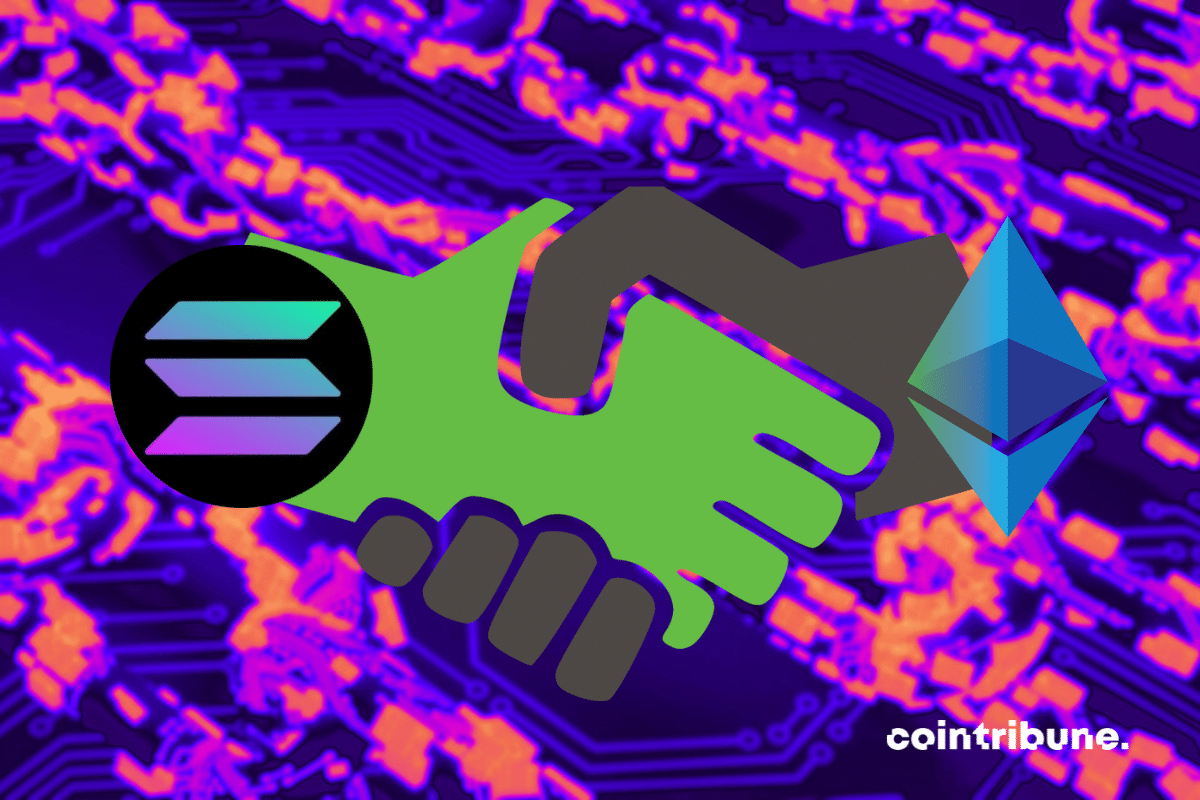
Following on from The Merge and Shanghai, Ethereum is planning further upgrades to make the blockchain more powerful. While waiting for the promised major changes, Solana offers a "plausible" possibility to the Ethereum team. Find out what Anatoly Yakovenko, cofounder of Solana Labs, has to say.
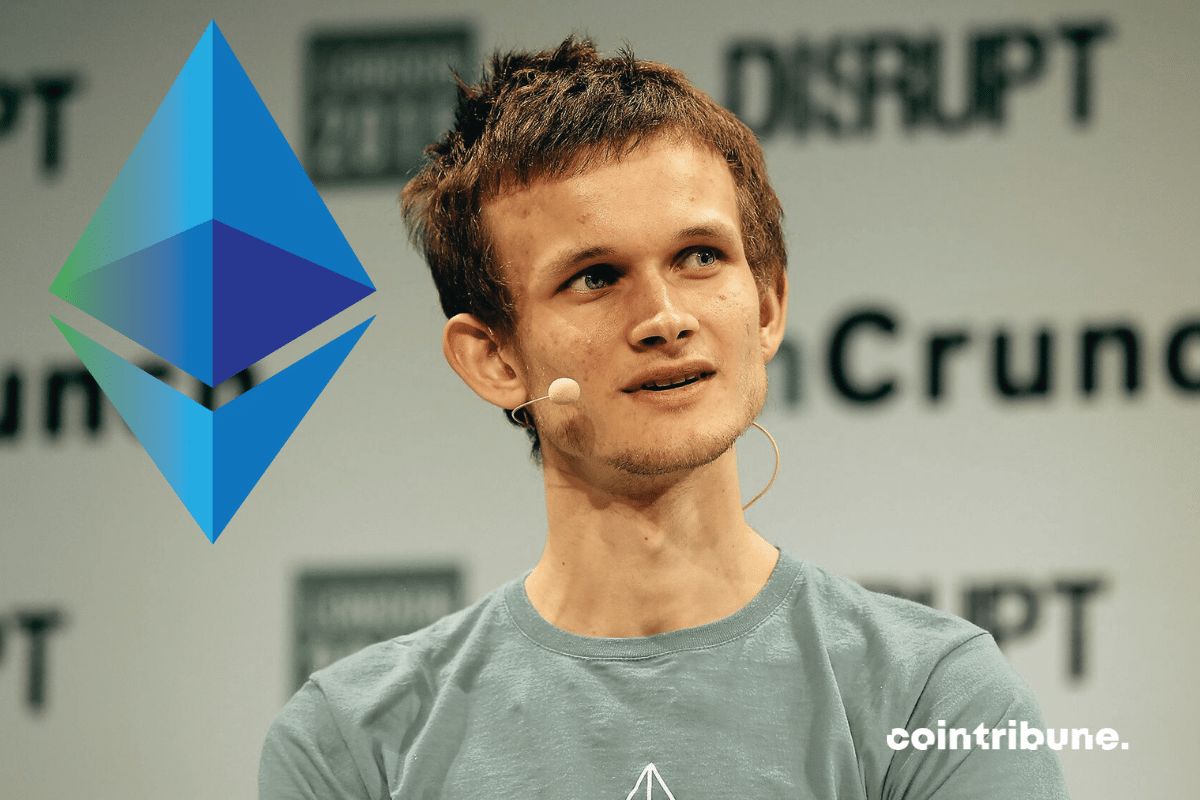
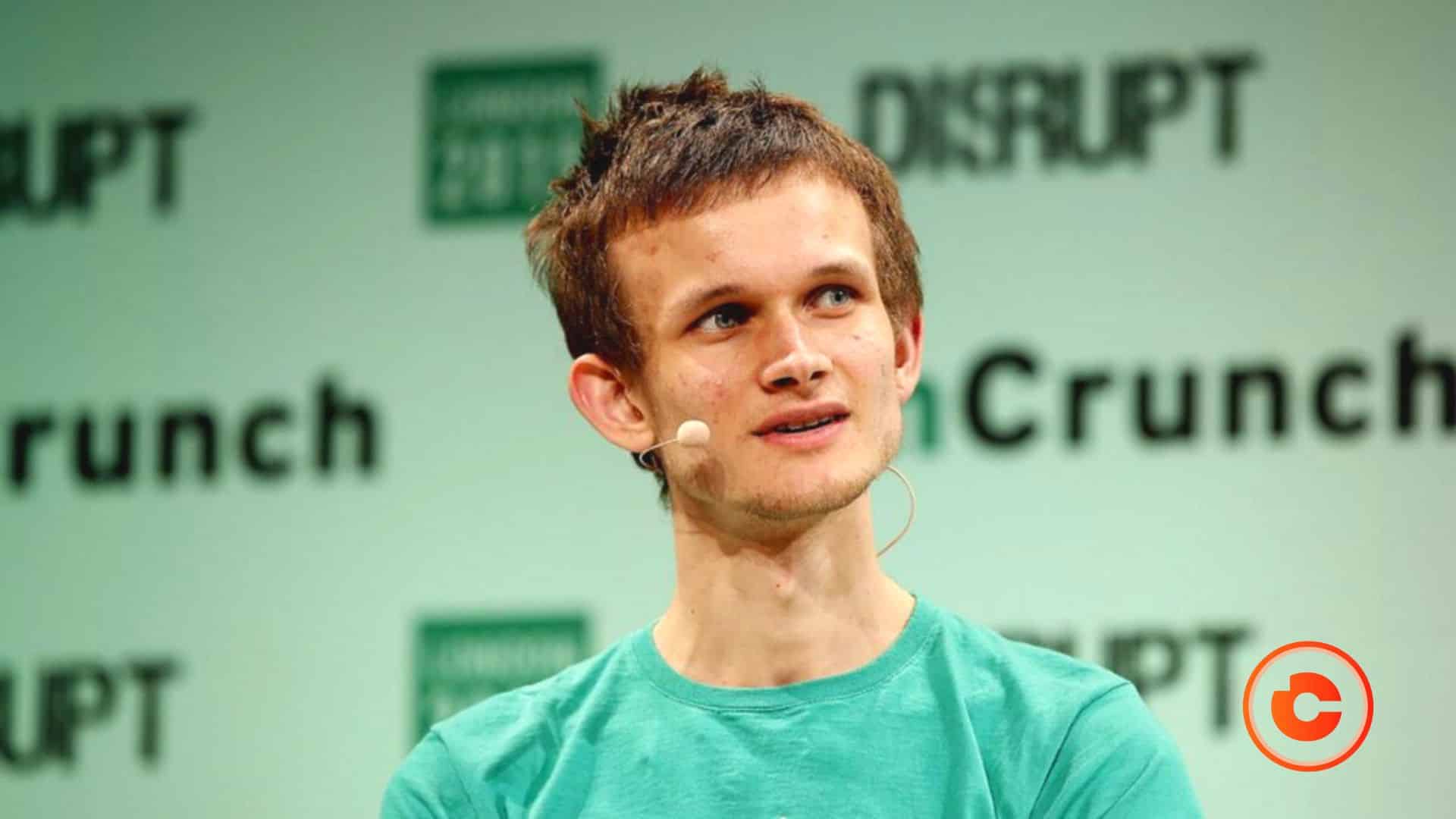
Following the success of Shapella, Vitalik Buterin has announced the arrival of other projects that will complement The Merge. After several months of behind-the-scenes work, the co-founder of one of the world's most popular blockchains is unveiling a new roadmap in which he outlines three major technical transitions. Details in this article.
Launched only in 2020, Solana is one of those layer 1 blockchains that already enjoys a certain level of recognition in the crypto market. In an interview, its co-founder even goes as far as declaring that Solana has the potential to be the Apple of crypto.
In a recent article, Vitalik Buterin warns against the excessive use of Ethereum's consensus. While Ethereum is considered one of the most secure crypto protocols, its misuse can lead to systemic risks. Buterin explains why certain techniques, such as using Ethereum validators for other protocols, should be discouraged and combated.
After months of development, the Sui blockchain's mainnet was officially launched on Wednesday, May 3rd. The network's native asset, also called Sui, has also entered the crypto market. Several crypto exchange platforms are already clamoring to list it.