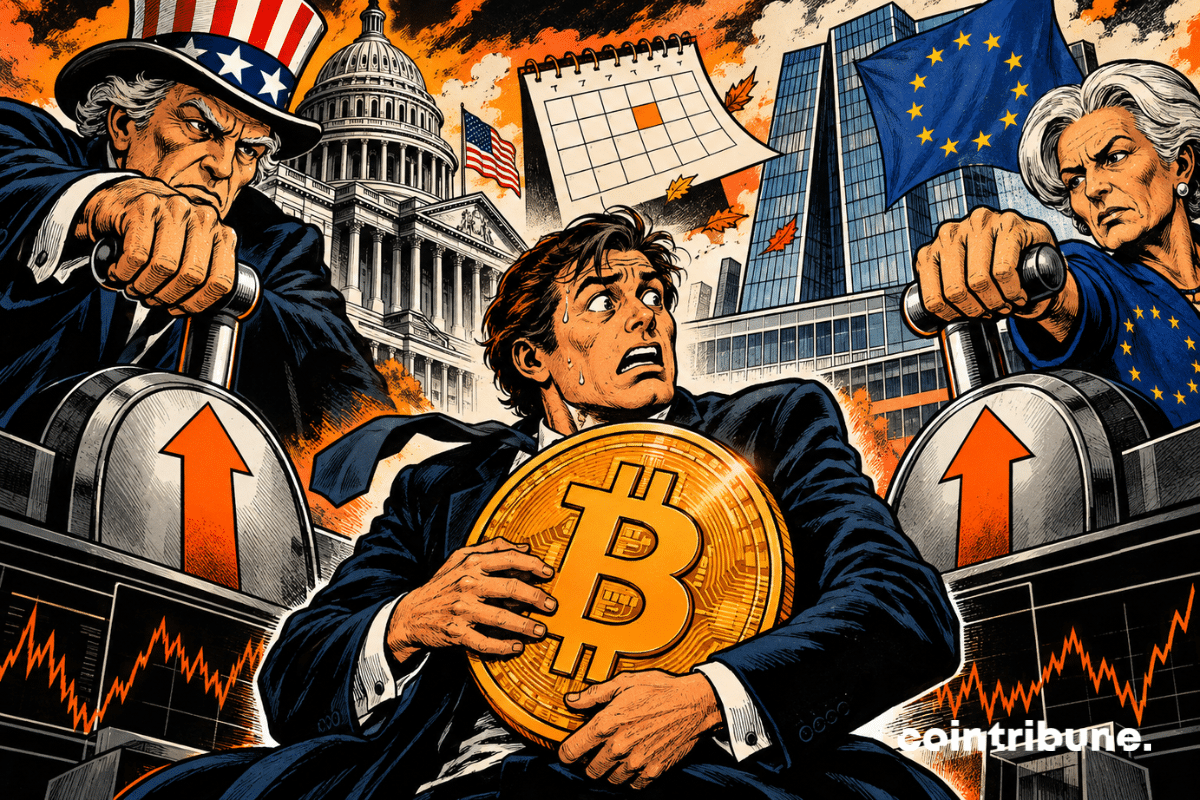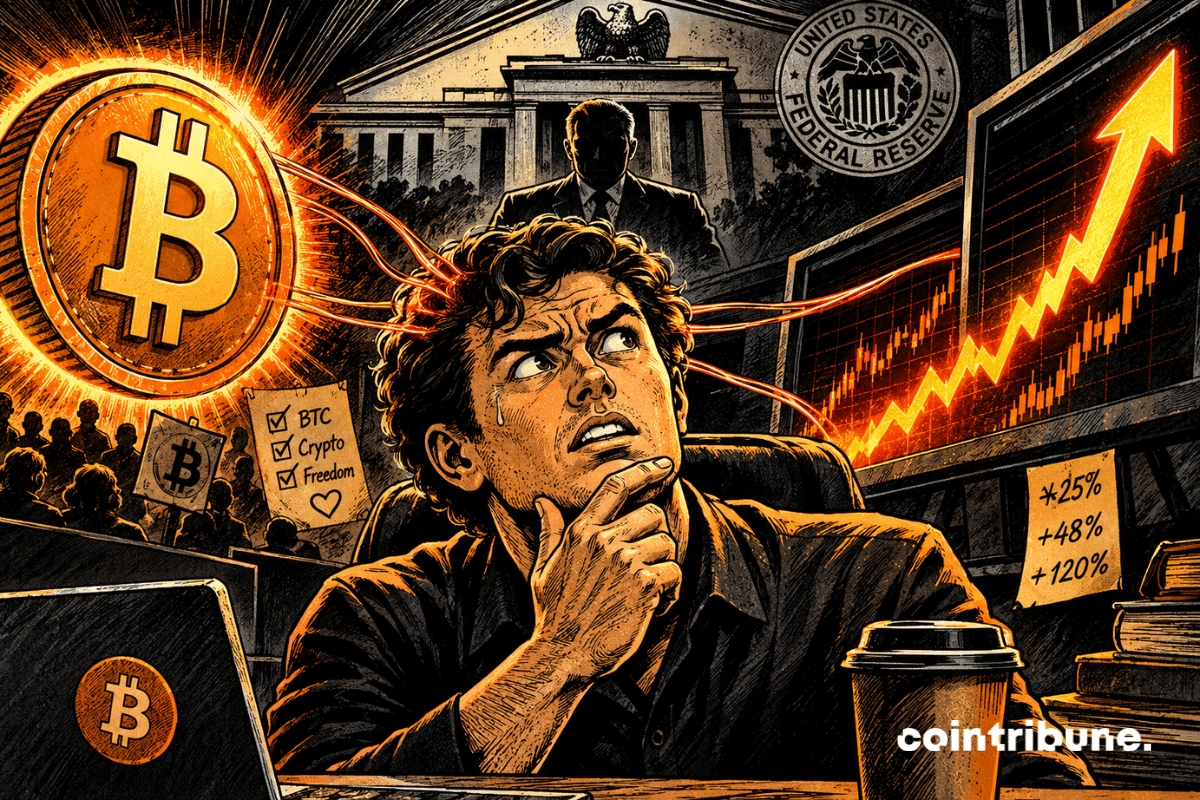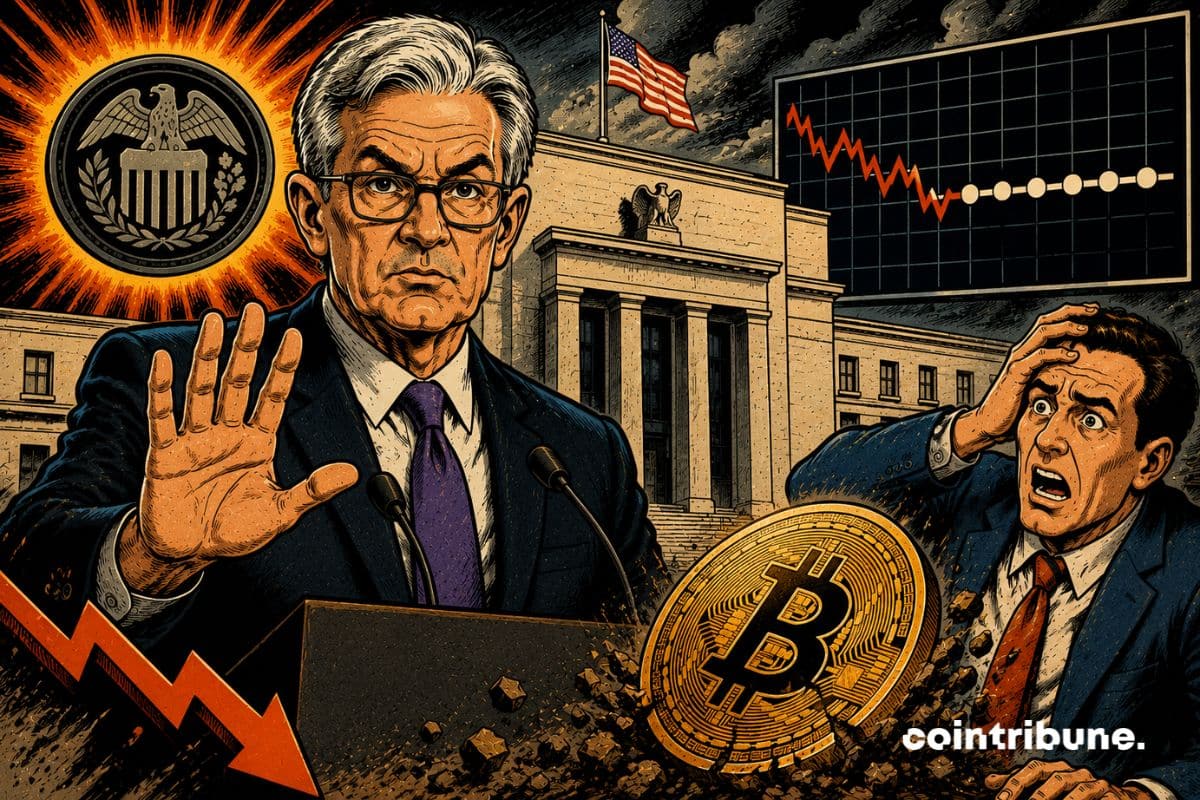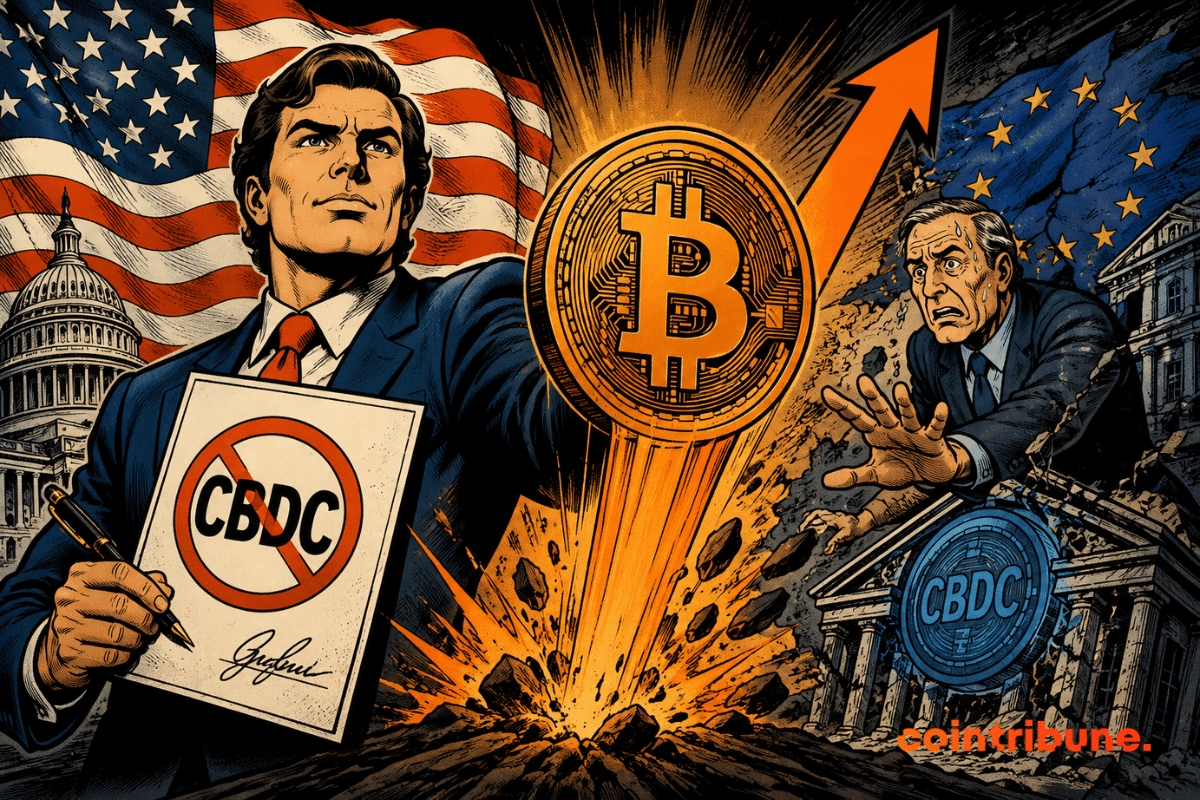
Powell quitte bientôt le fauteuil, mais garde la main lourde. La FED bloque les taux, le pétrole tousse, et la crypto descend l’escalier sans demander son manteau.
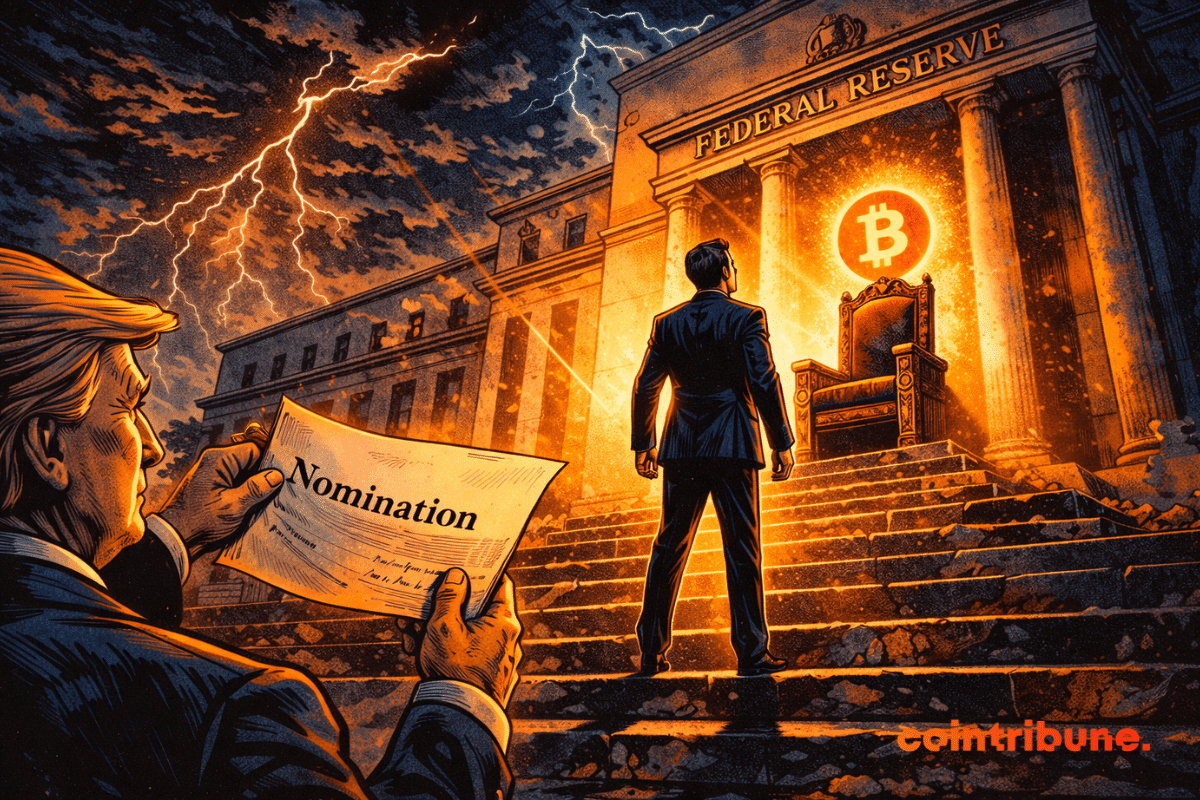
Kevin Warsh moves closer to a key Senate hearing, but administrative blockages, political tensions, and an investigation targeting Jerome Powell slow his appointment to lead the Federal Reserve.
A secret meeting between the Fed and the Treasury, an AI model capable of hacking banking systems, and risks that could shake the global economy. Anthropic becomes an absolute security problem for regulators and banks.
Stablecoins are advancing rapidly in Washington. The Federal Reserve, however, refuses to sign a blank check. Michael Barr, member of the Fed's Board of Governors, warns against too light regulation of assets that could, in a crisis, threaten the stability of the entire financial system.
On March 30, 2026, the Fed reassured bond investors, but oil at $105 and geopolitical tensions erased 1.3 trillion dollars in the stock market. Stocks and cryptos collapse: why does this day mark a turning point for investors?
The crypto market reacts to the Fed's decision. Between hope for a rally and extreme fear, signals worry investors.
Bitcoin retreats at the worst moment. Just hours before the Federal Reserve's decision, stronger-than-expected U.S. inflation suddenly cooled the crypto market, reigniting doubts about a rapid monetary easing. This movement reveals an unavoidable reality: BTC evolves with the pace of macroeconomic indicators. Between inflationary pressure and expectations around the Fed, this sequence could well redefine the short-term market dynamics.
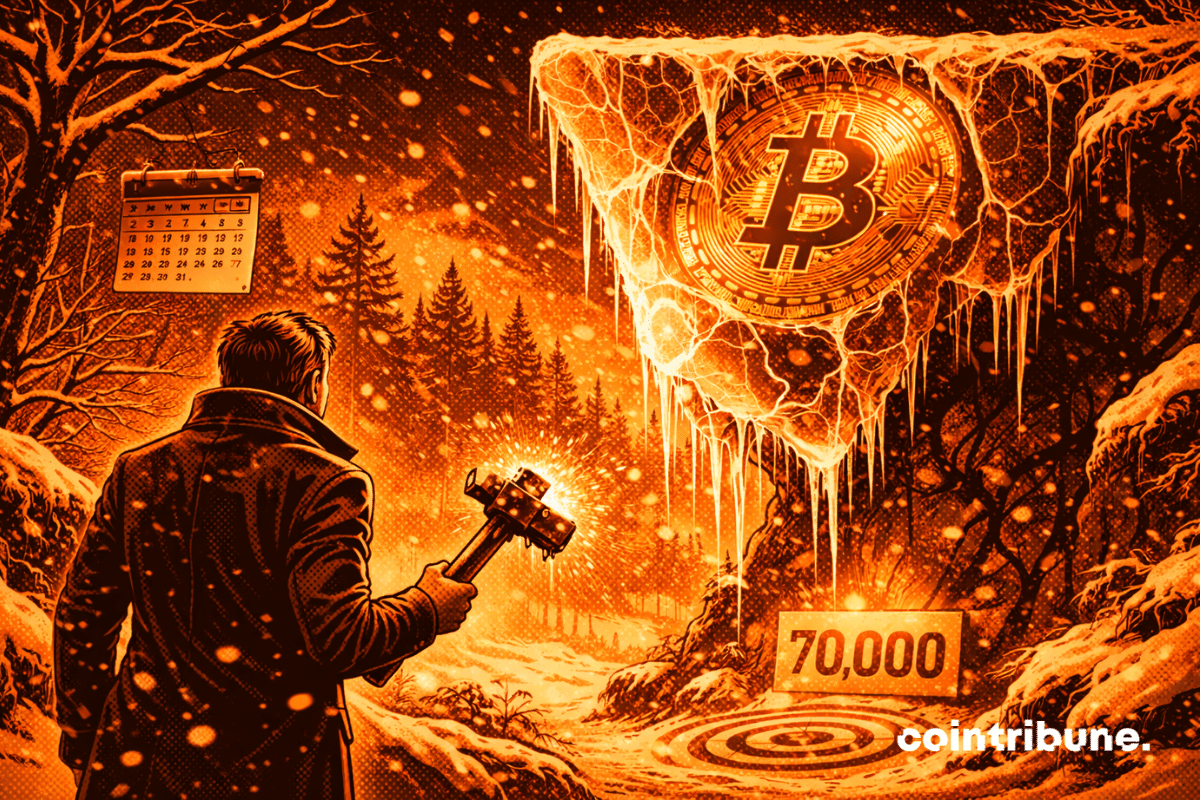
Bitcoin is again moving within an uncertainty zone around 70,000 dollars. Behind this apparent stability, markets watch a key factor: U.S. monetary policy. The latest economic data released in the United States have cooled expectations of a rapid rate cut by the Federal Reserve. Thus, the probabilities of easing as early as March have almost evaporated. In this context, the crypto market enters a wait-and-see phase. Between macroeconomic signals and key technical levels, analysts now try to anticipate Bitcoin's next direction.
Kraken has just crossed a historic milestone by becoming the first crypto platform to obtain a "Master Account" from the Fed. A revolution that could transform transactions, strengthen investor confidence, and accelerate the integration of cryptocurrencies into the traditional financial system.
The standoff over the succession at the head of the Federal Reserve intensifies. While a Republican senator blocks any progress as long as the investigation targeting Jerome Powell is not completed, the Treasury Secretary proposes a bold strategy: why not fight both battles at once? A political chess game that could redefine the Fed's future.
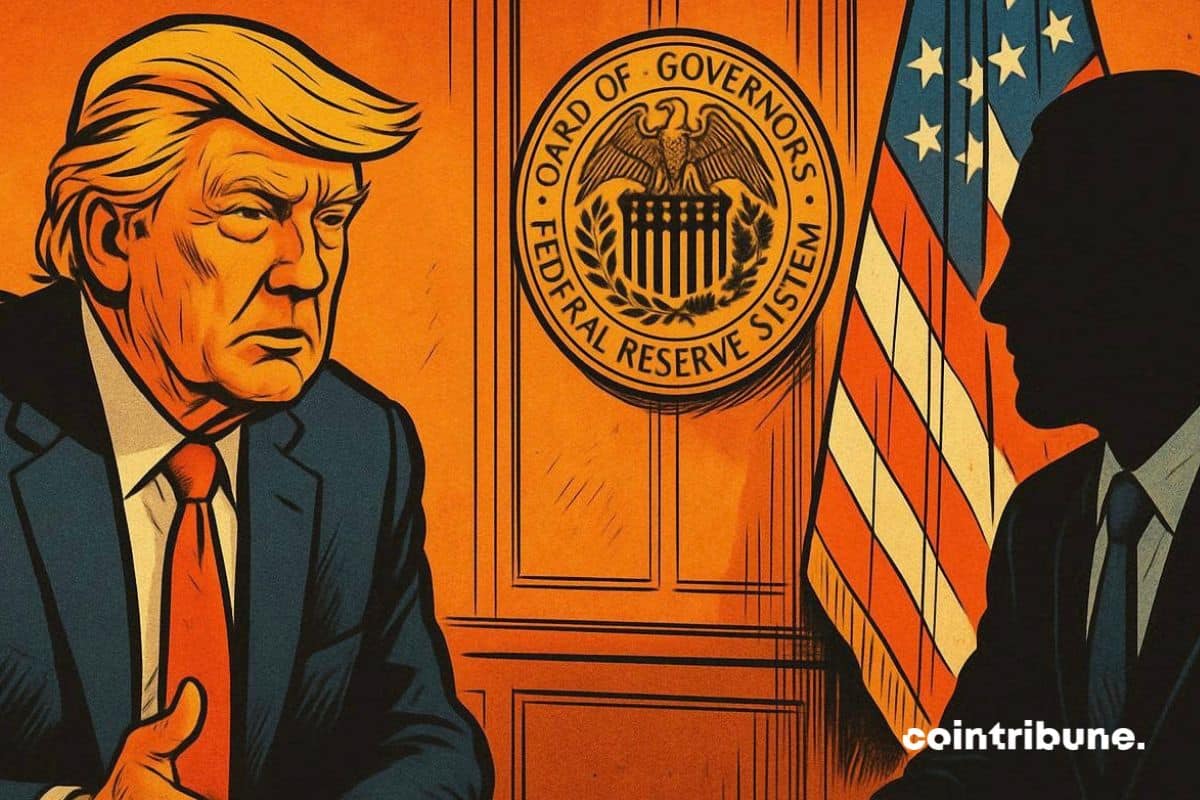
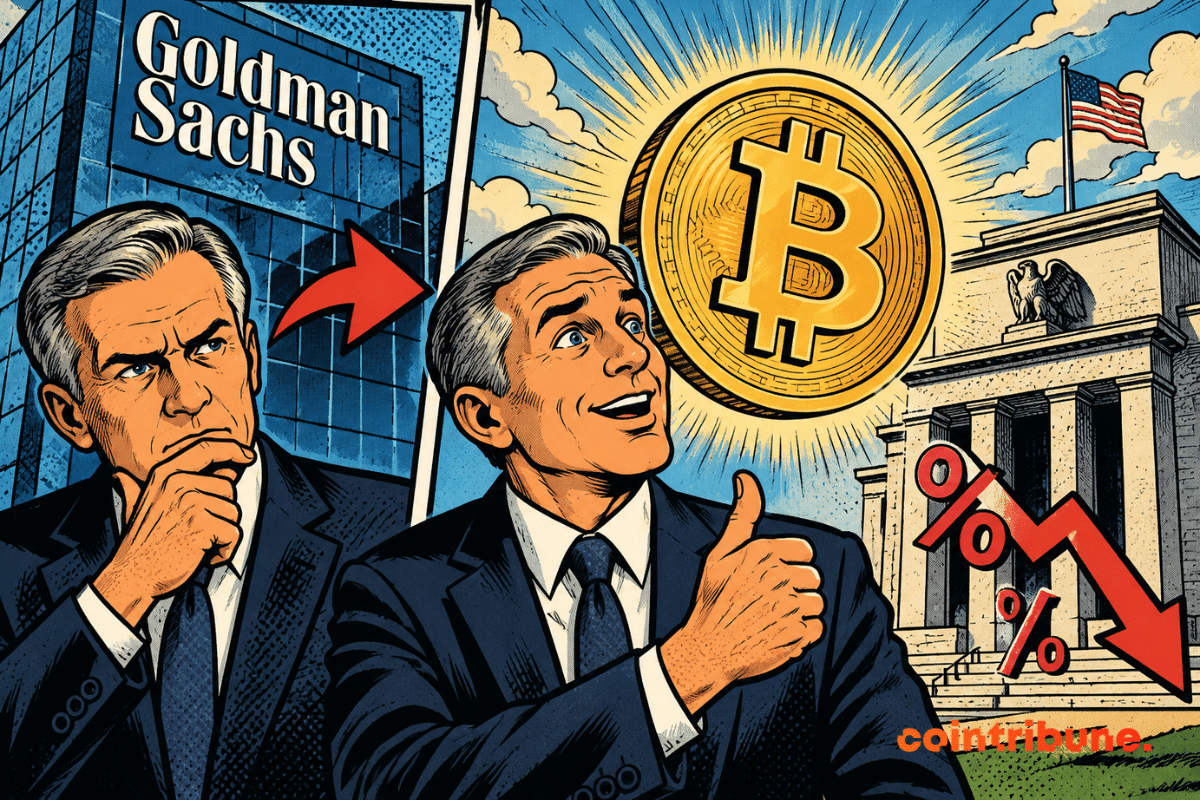
In Washington, Trump is plotting his revenge: a former hawk ready to embrace Bitcoin and bring the Fed back into line, while Powell counts down the hours.
Crash or simple pause? Bitcoin drops while gold rises. The refuge asset duel intensifies. Details here!
Jerome Powell, chairman of the Federal Reserve, is the subject of a criminal investigation. The information, confirmed on Sunday, comes amid strong political tensions in the United States. It raises questions about the central bank's independence from the executive branch. Beyond Wall Street, this case also resonates in the crypto market. In a climate of institutional distrust, bitcoin regains its place at the heart of the debate as a non-sovereign asset.
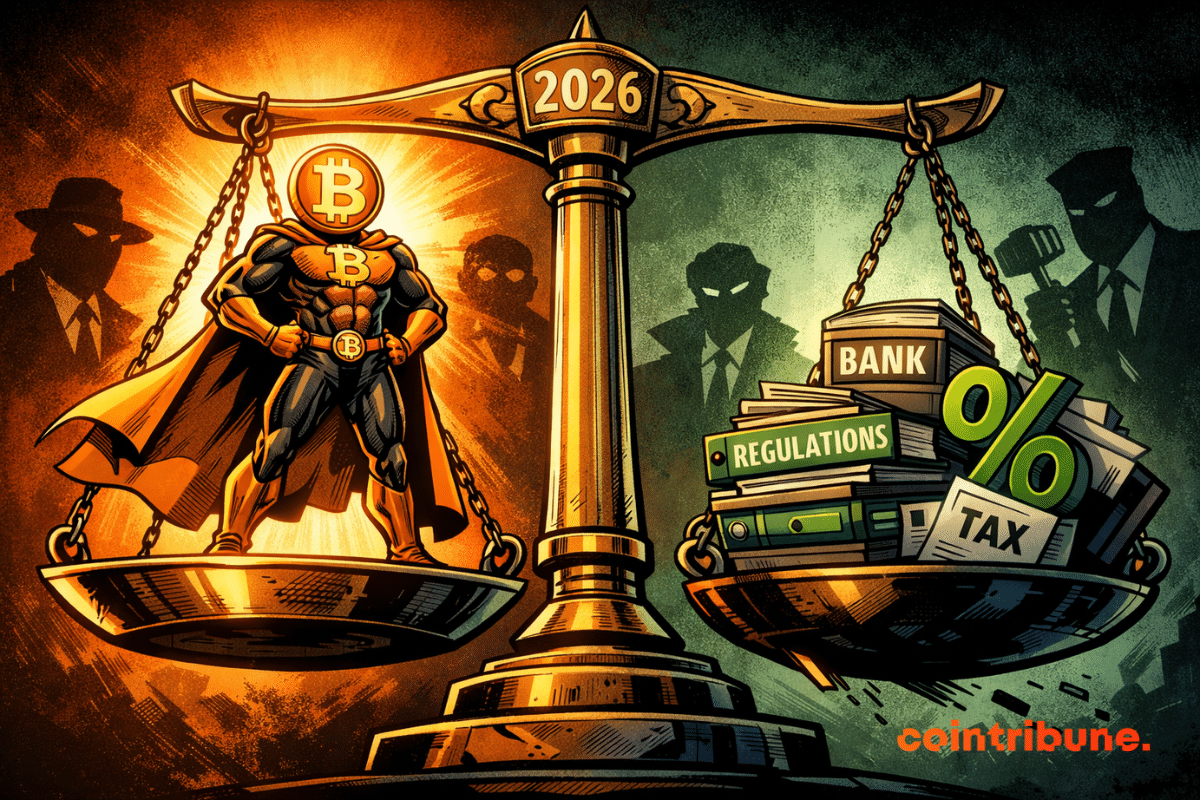
Is bitcoin climbing? Or plunging? Between juicy injections, cautious politicians and Harvard funds, 2026 promises a well-spiced crypto saga... with guaranteed suspense on the regulation front!
Bitcoin threatens to finish the year in the red. Can it still rebound before the end of 2025? An analyst warns of a crucial technical threshold.
Crypto debanking suffocates businesses, but Cynthia Lummis sees a glimmer of hope: the "skinny accounts" of the Fed. Could this solution finally put an end to arbitrary bank account closures? After the Strike vs JPMorgan case, the senator takes action.
The crypto market enters 2026 in a climate of caution. Despite several rate cuts decided by the Fed in 2025, the expected rebound did not materialize. Bitcoin, Ether, and major assets declined, contrary to expectations. Monetary policy remains unclear, economic data are weakened, and the Fed hints that a pause could occur as early as the first quarter. This context rekindles tensions in an already weakened market.
Bitcoin is not weakening due to its own limits, but because the global economic climate is reshuffling the risk cards. Between contradictory signals from the United States and monetary inflections in Japan, investors are reconsidering their priorities. Indeed, the flagship crypto, which has been a market driver in recent months, is retreating in portfolios. This shift says nothing about its intrinsic solidity, but everything about the prevailing nervousness in the face of a monetary policy that remains, for now, unpredictable.
Bitcoin suddenly dropped to 86,700 dollars on Monday, December 15, triggering more than 210 million dollars in liquidations in one hour. This rapid and unexpected move surprised the market, recalling the strong vulnerability of cryptos to volatility and economic tensions.
Donald Trump launches this week the interviews to designate the successor of Jerome Powell at the head of the Fed. A crucial decision that could change everything: interest rates, financial markets, and even the Bitcoin price. Who will be chosen and what impacts for crypto?
The US Federal Reserve could well be starting a decisive turning point. According to the latest data from the CME FedWatch Tool, markets now estimate an 85% probability of a rate cut as early as December. A rapid development, which contrasts with the firmness displayed in recent months. If this scenario is confirmed, it will mark the end of an unprecedented monetary tightening cycle and could disrupt the balance of financial markets.
Bitcoin is navigating turbulent waters as November comes to an end. After a sharp drop below $81,000, the cryptocurrency attempts a timid recovery around $88,000. Traders are now scrutinizing technical signals while a "death cross" looms over daily charts. The Thanksgiving week promises its share of macroeconomic turbulence. Will BTC manage to reclaim $100,000?
November 2025 sees the Fed paralyzed by uncertainty, while Trump multiplies attacks against Powell, calling him a "mental patient." Between frozen rates and presidential insults, the crypto market wavers. Who will emerge victorious from this chaos?
Caution settles in on the markets. In a few weeks, investors have seen their hopes for monetary easing vanish while Bitcoin lost its momentum. But does this correction signal a simple pullback or the start of a real bear market?
Uncertainty hovers over crypto markets as macroeconomic conditions slow down the usual November bullish momentum. Will bitcoin manage to maintain its reputation as the best performing month of the year?
American Bitcoin ETFs experienced a massive outflow of capital last week. Institutional investors turned away after Jerome Powell dashed hopes of a rate cut in December. Contrary to this, Solana ETFs stand out with record inflows.
Tom Lee, an iconic figure of crypto optimism, just unveiled a projection that is a bombshell in the ecosystem. According to him, Bitcoin could reach between 1.6 and 2 million dollars by 2030. But that's not all: he even mentions a 3 million scenario. How does he justify such ambition?
The US Department of Labor will publish inflation data on Friday despite the government shutdown. An unusual decision five days before the Fed's crucial interest rate decision. Crypto investors are holding their breath.
It's historic. Tomorrow, October 21 in Washington, the US Federal Reserve hosts the elite of the crypto sector for an unprecedented conference on payment innovation. Sergey Nazarov from Chainlink, the heads of Circle, Paxos, and Coinbase: all will be front and center. Stablecoins, tokenization, AI... An agenda that says a lot about the new era the Fed seems ready to embrace.
The GENIUS law, presented as the solution to secure stablecoins, hides alarming flaws according to the Federal Reserve (Fed). Michael Barr sounds the alarm: systemic risks, regulatory arbitrage, and threats to your crypto investments. Are stablecoins really stable?