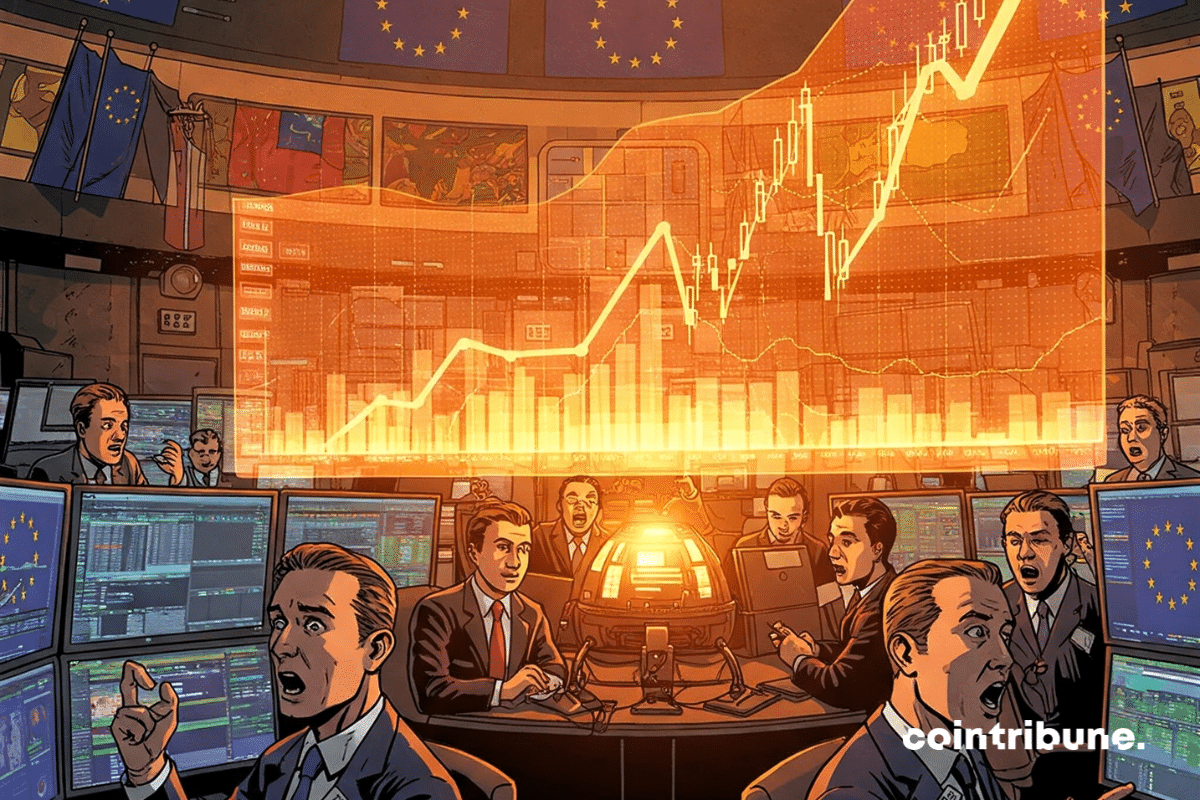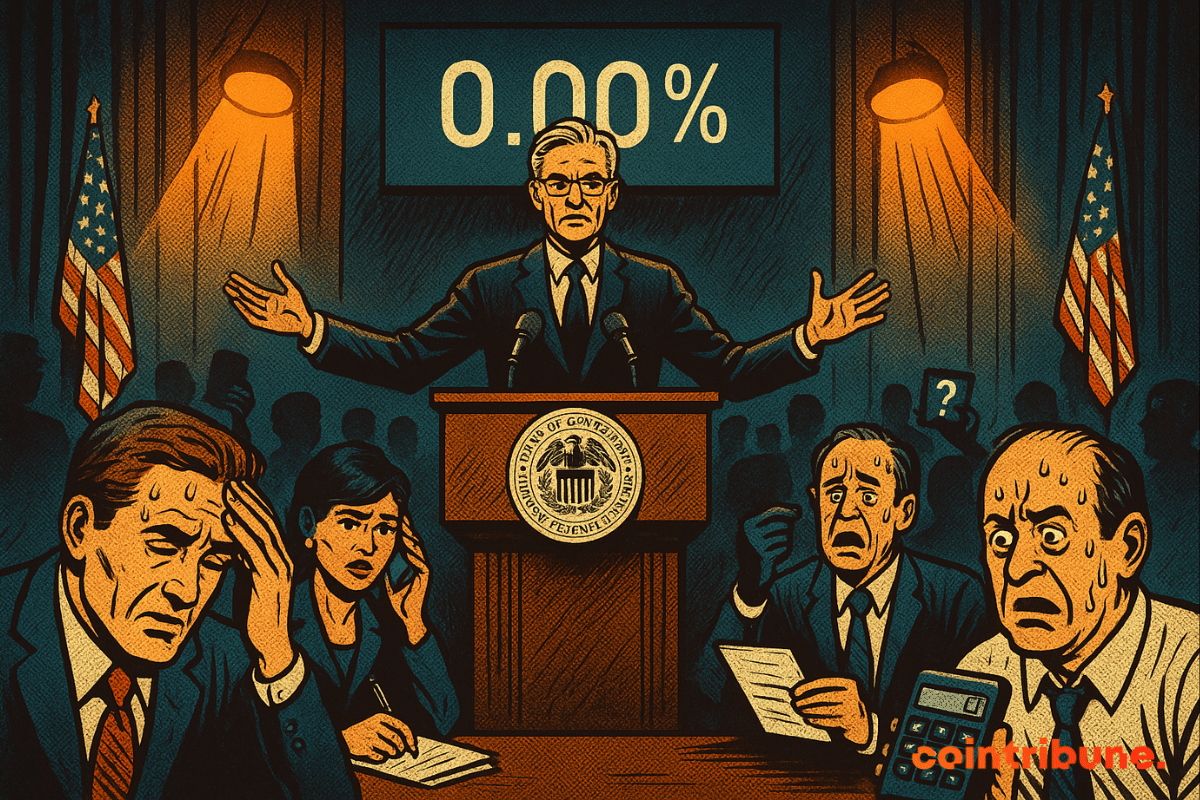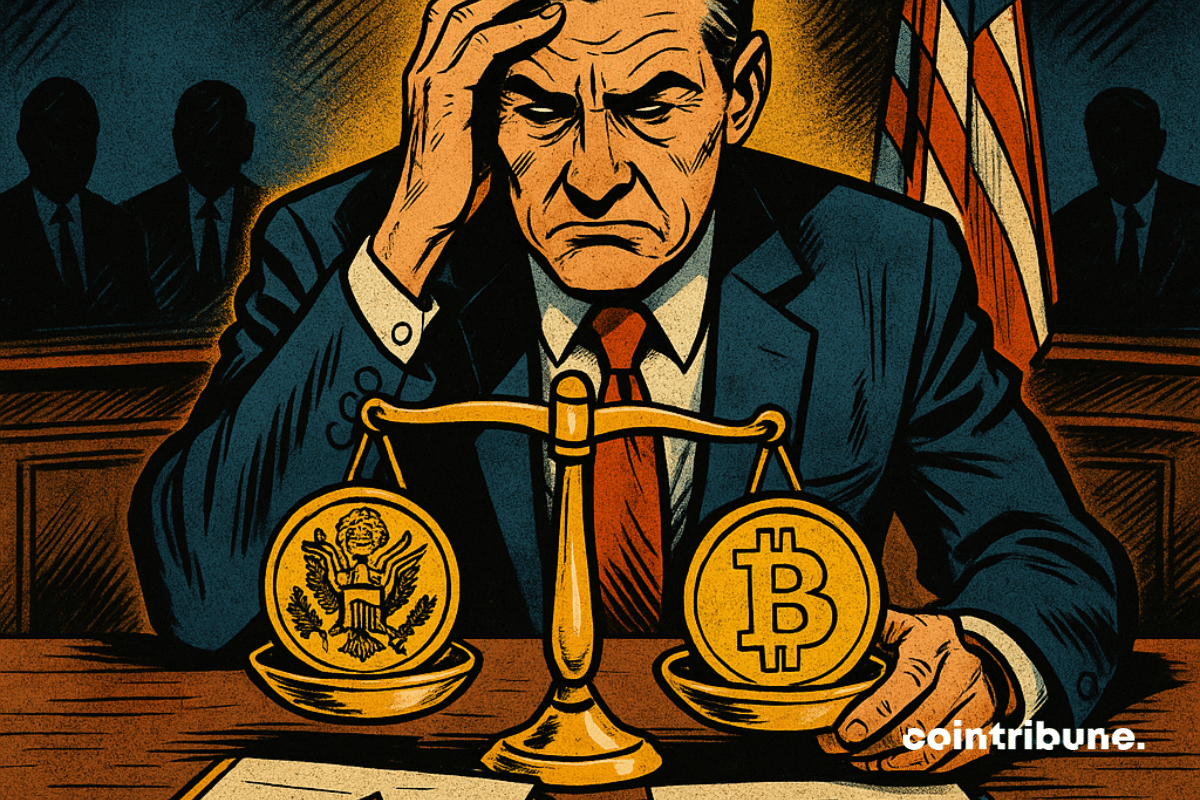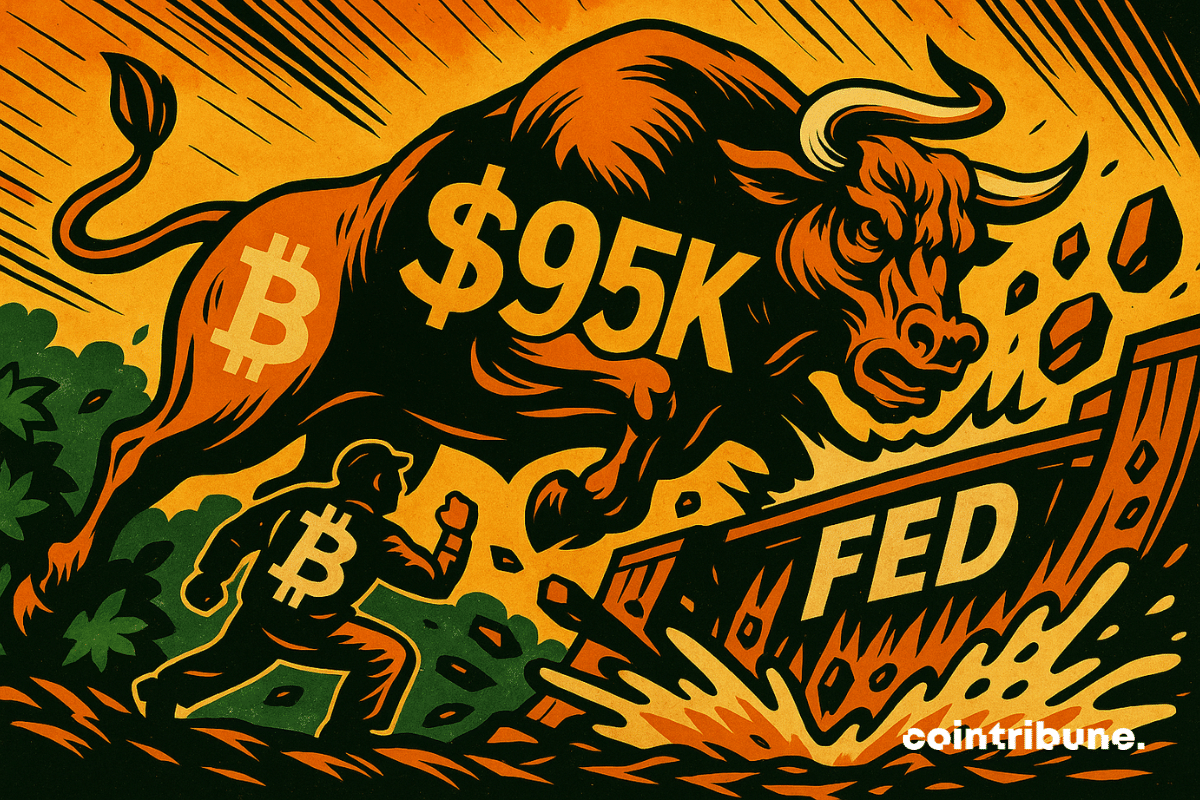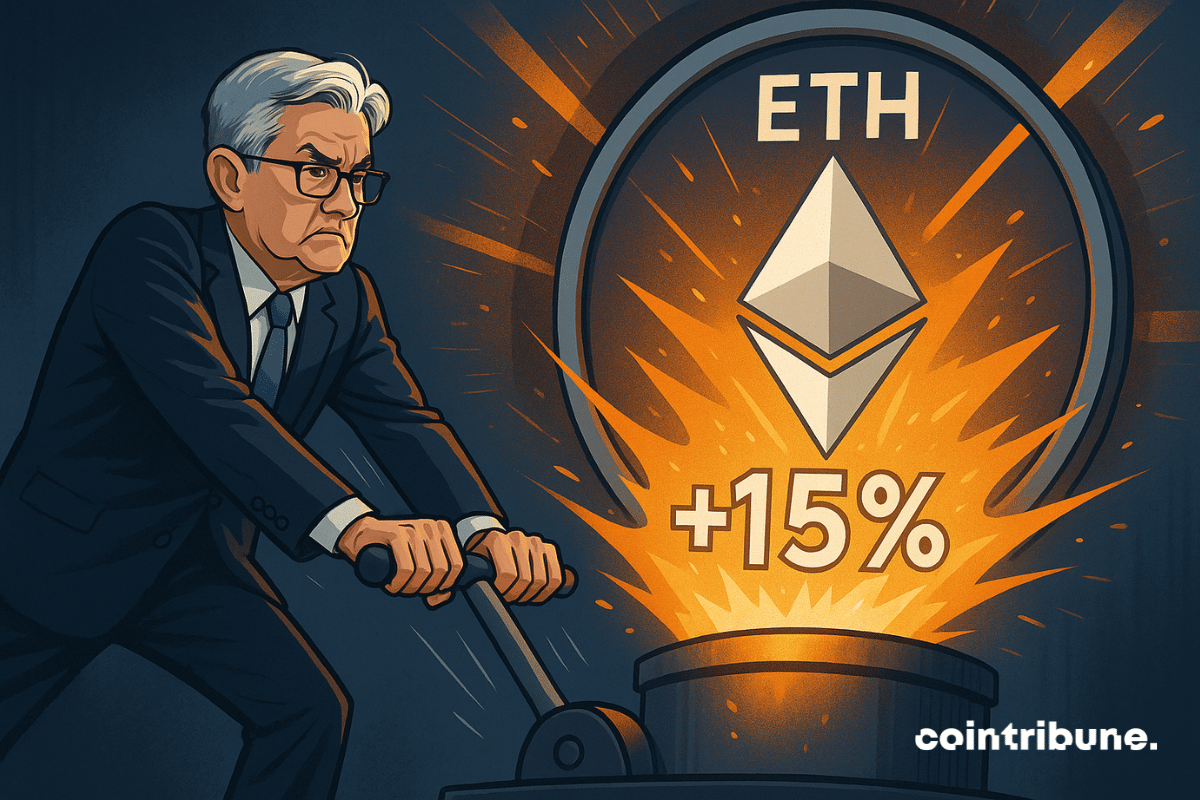
The Paris stock market rises by 0.76% as the Fed could ease its policy in response to the American economic slowdown.
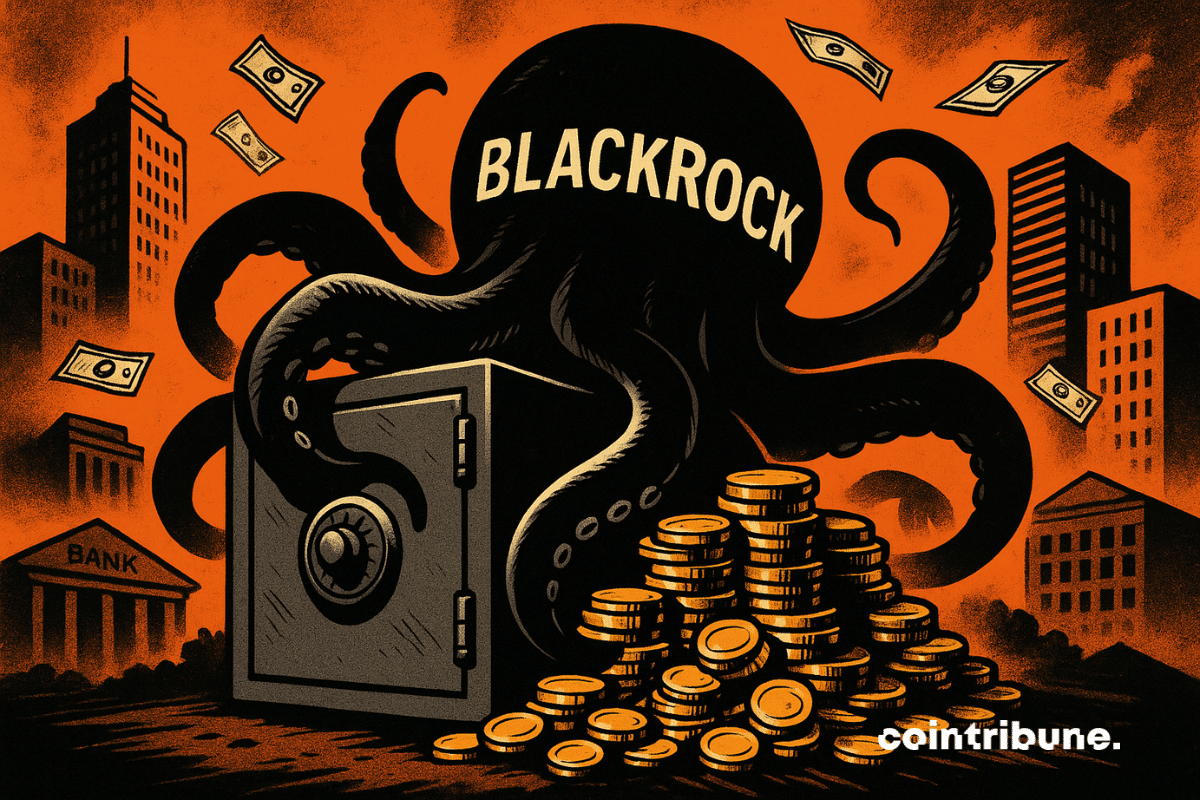
Larry Fink, CEO of BlackRock, recently published a revealing article in the Financial Times about his vision of "globalization 2.0." This new approach aims to direct citizens' savings towards investments in local infrastructure, under the guidance of asset managers like BlackRock.
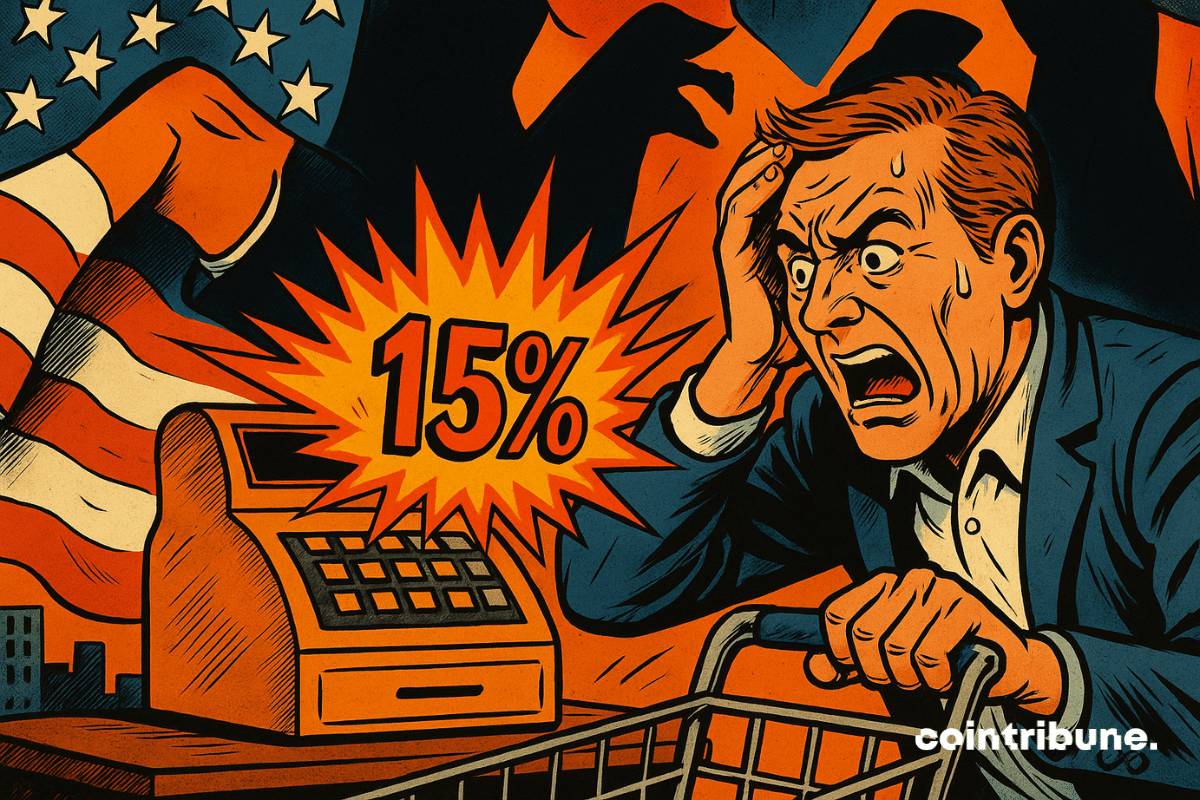
Prices are rising in the United States, and it’s not a coincidence. Since Donald Trump's return to the White House, his aggressive trade policy is starting to weigh on the economy. The tariffs he has imposed are impacting household wallets, driving inflation up faster than expected.
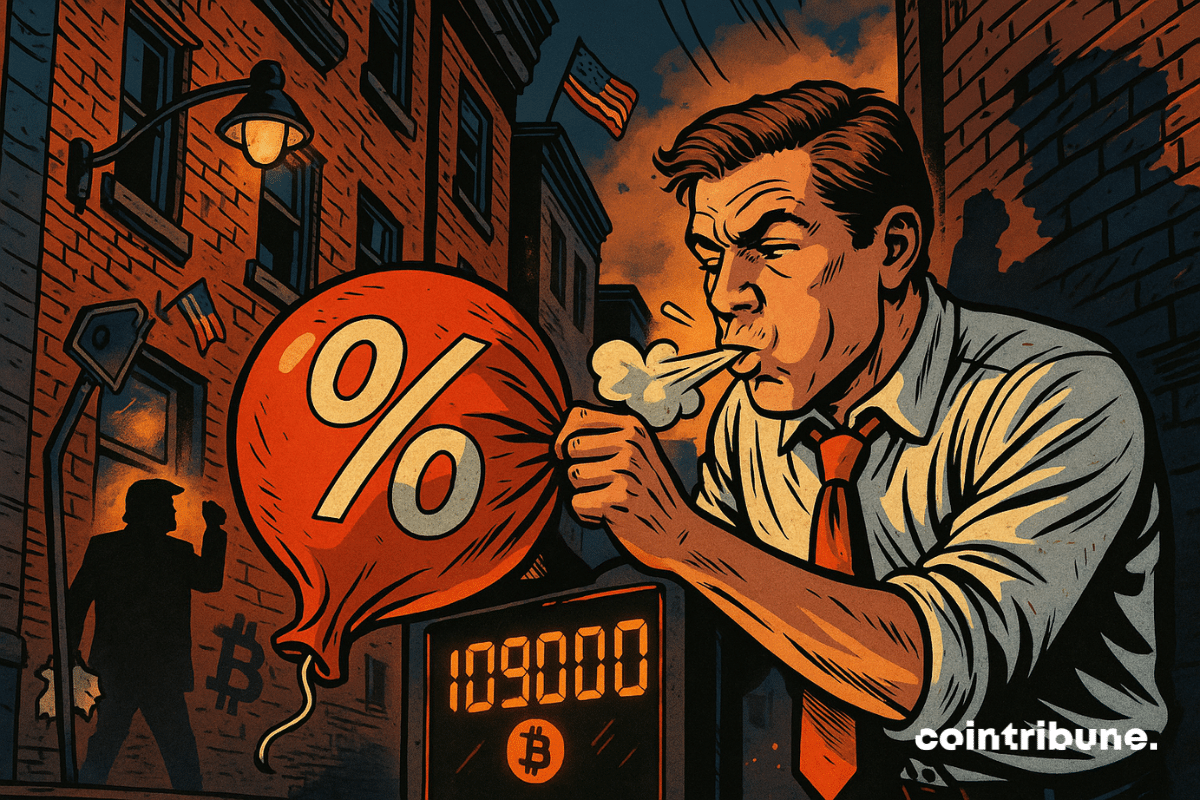
Less fear around inflation: Bitcoin rises to $109,000, supported by calmer economic forecasts. More details here!
While the stock market progresses timidly, it is the dollar that falters, weakened by the dual pressure of the new trade taxes imposed by Donald Trump and the ongoing hesitation of the Federal Reserve. In this tense atmosphere, investors oscillate between the quest for yield and the caution dictated by the surrounding instability. The apparent calm conceals a palpable nervousness: that of a market that knows that everything can tip at the slightest jolt.
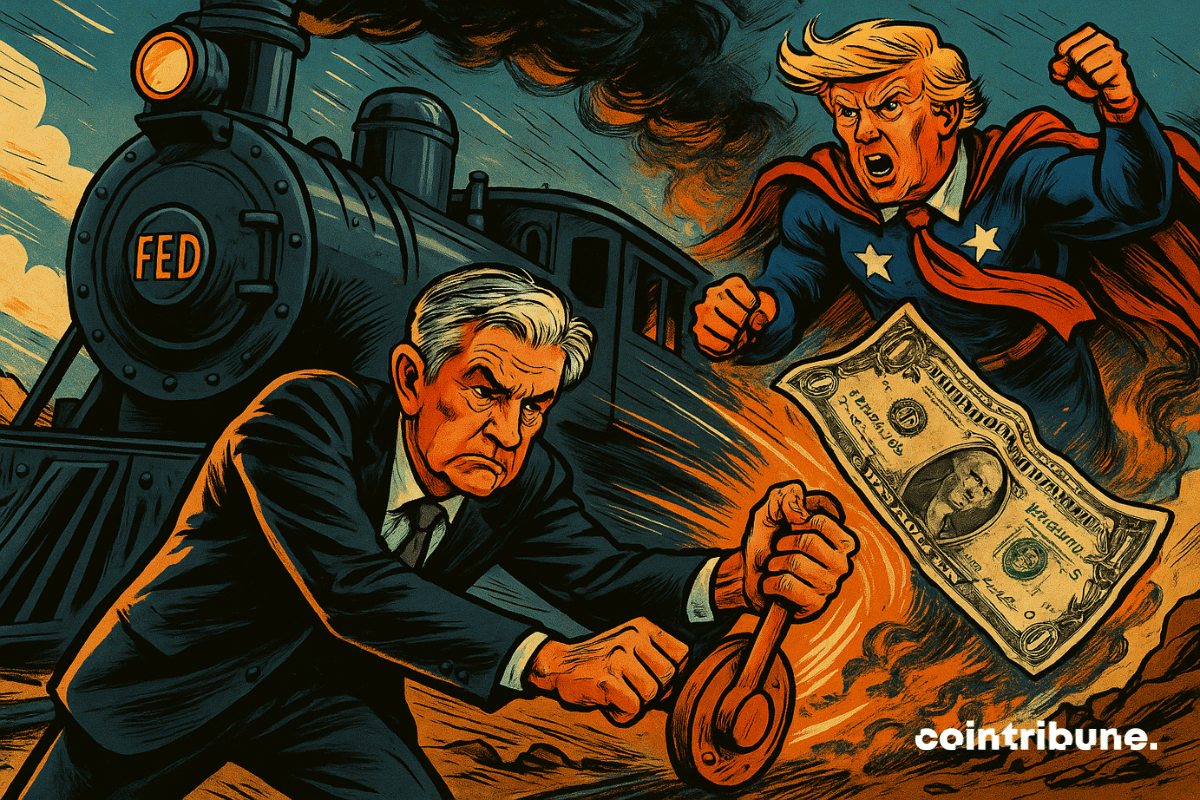
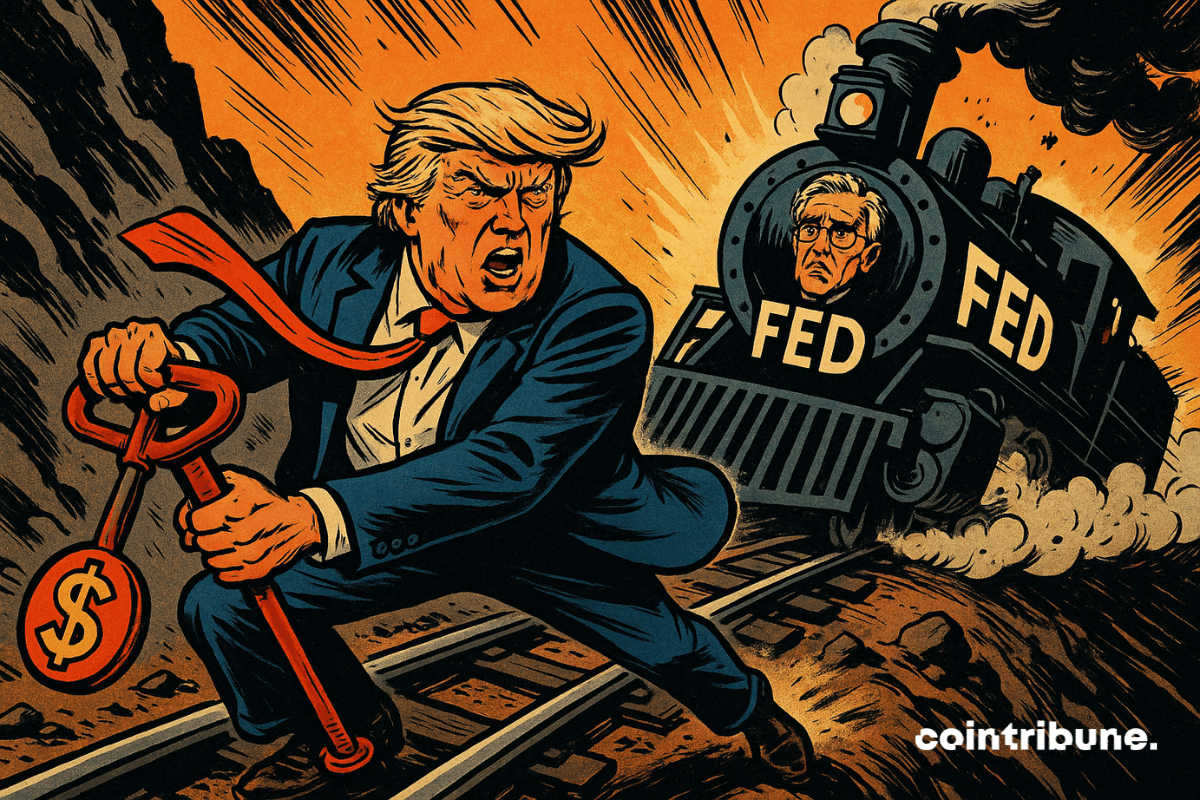
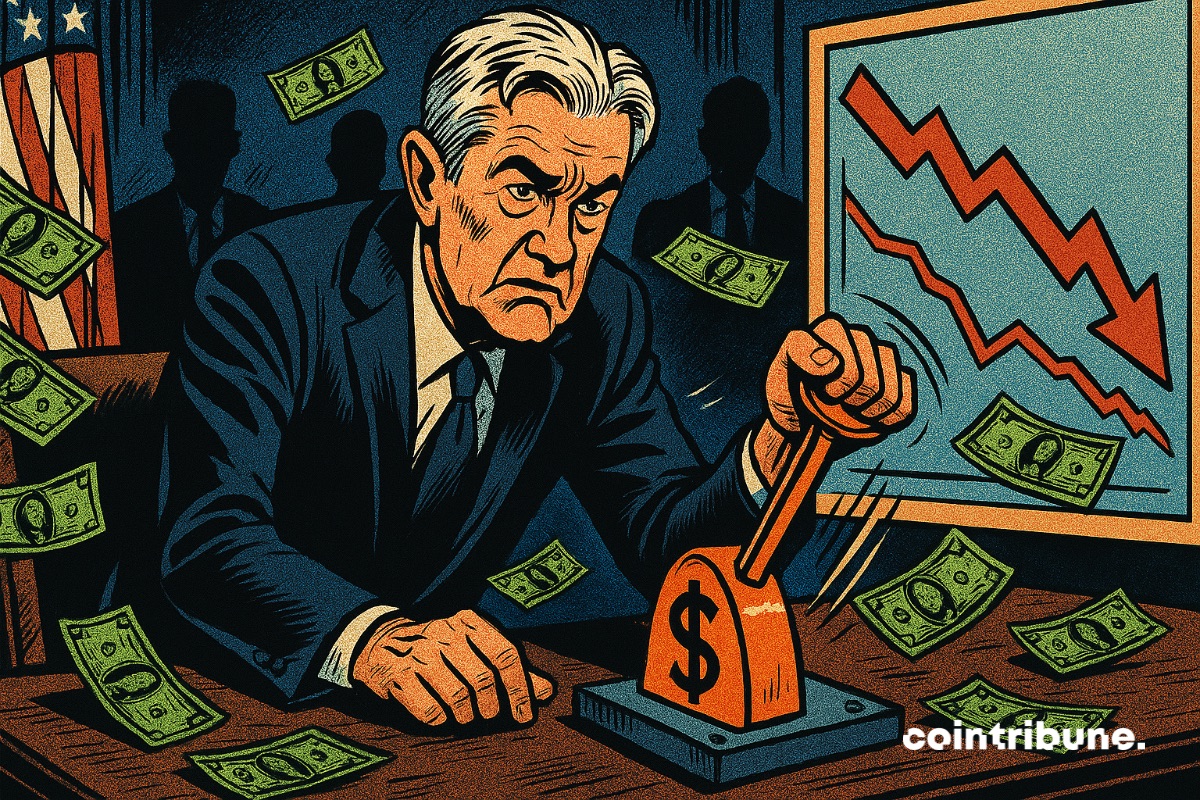
While markets were expecting a clear monetary shift in 2025, Jerome Powell, the chairman of the Federal Reserve, dampened hopes by pointing to an unexpected culprit: Trump. Yes, Donald Trump, back in the White House since January, is leaving his mark on the American economy, to the point of forcing the Fed to play for time. In a context where every word matters, Powell dropped a diplomatic bombshell, accusing Trump's policies of blocking interest rate cuts.
The BIS stands up to defend the Fed. Can the economy withstand a monetary crisis? The details in this article!
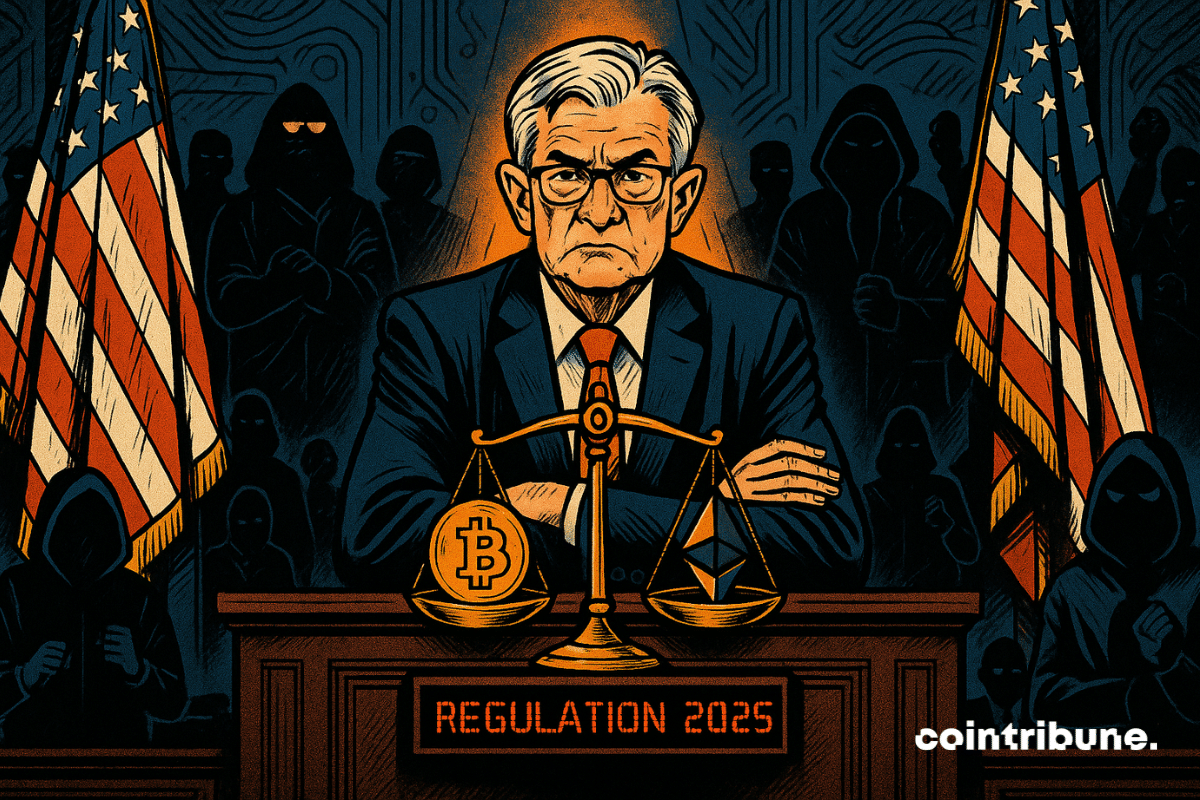
Against the backdrop of years of regulatory ambiguity, Washington seems to want to take control of the crypto ecosystem. On June 18, Federal Reserve Chairman Jerome Powell surprised many by clearly supporting two landmark bills on stablecoins and the crypto market. In a changing political climate in the United States, this stance marks a potential turning point for the industry, which has long awaited a solid and predictable legal framework.
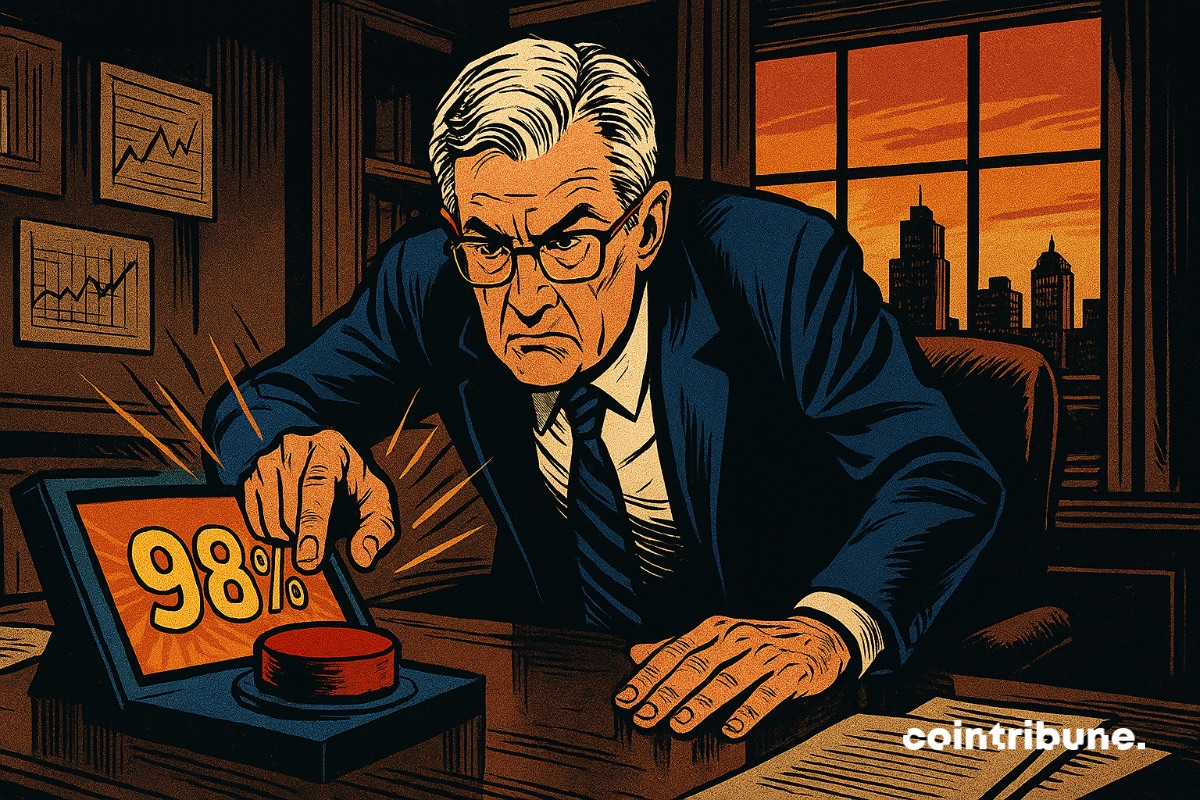
By maintaining its benchmark rates for the fourth consecutive time, the Fed has not simply extended a monetary policy. It has taken a stance in a tense economic and political landscape. Stubborn inflation, weakened growth, barely concealed political pressure... The status quo decided on June 18 resembles a statement of intent. Behind the silence of the numbers, a strategy of resistance is taking shape as the central bank finds itself at the heart of an increasingly unstable balancing act.
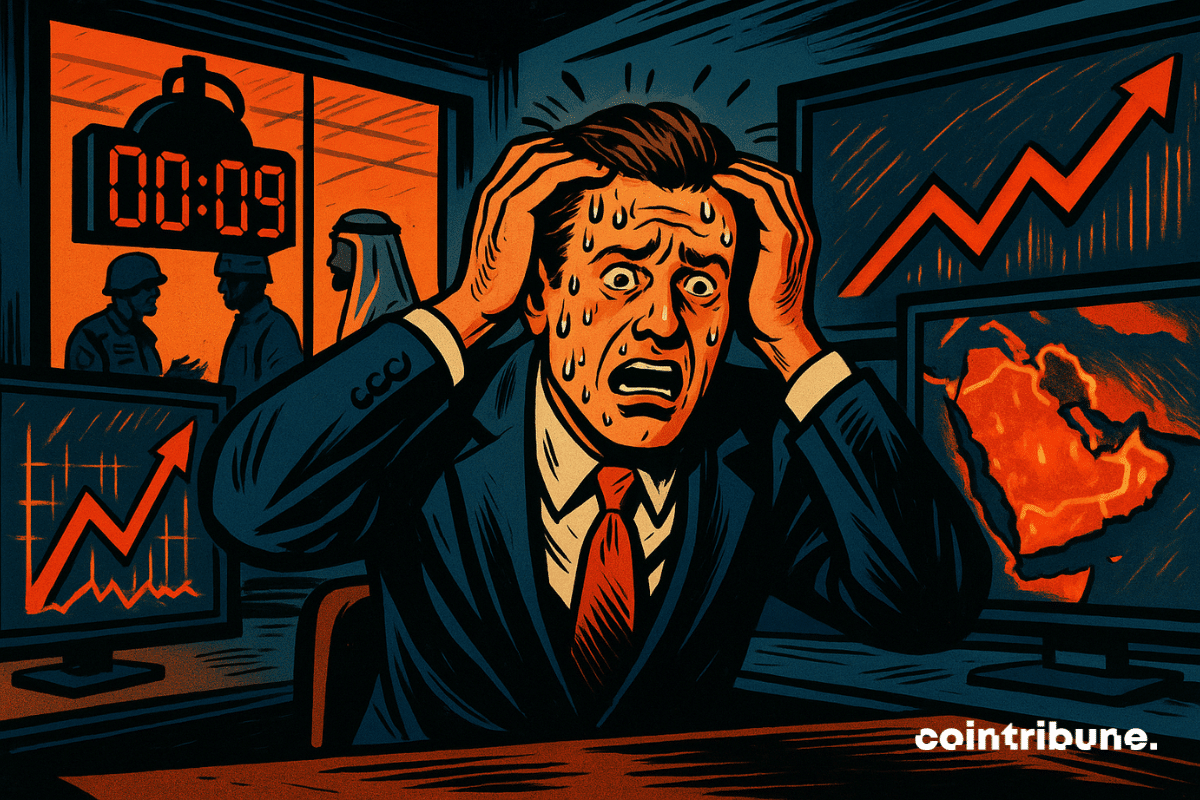
Israeli airstrikes against Iran are disrupting the calculations of the American Federal Reserve (Fed). While Donald Trump is ramping up pressure for monetary easing, central bankers must now contend with a new factor of uncertainty: the geopolitical escalation that is driving oil prices up.
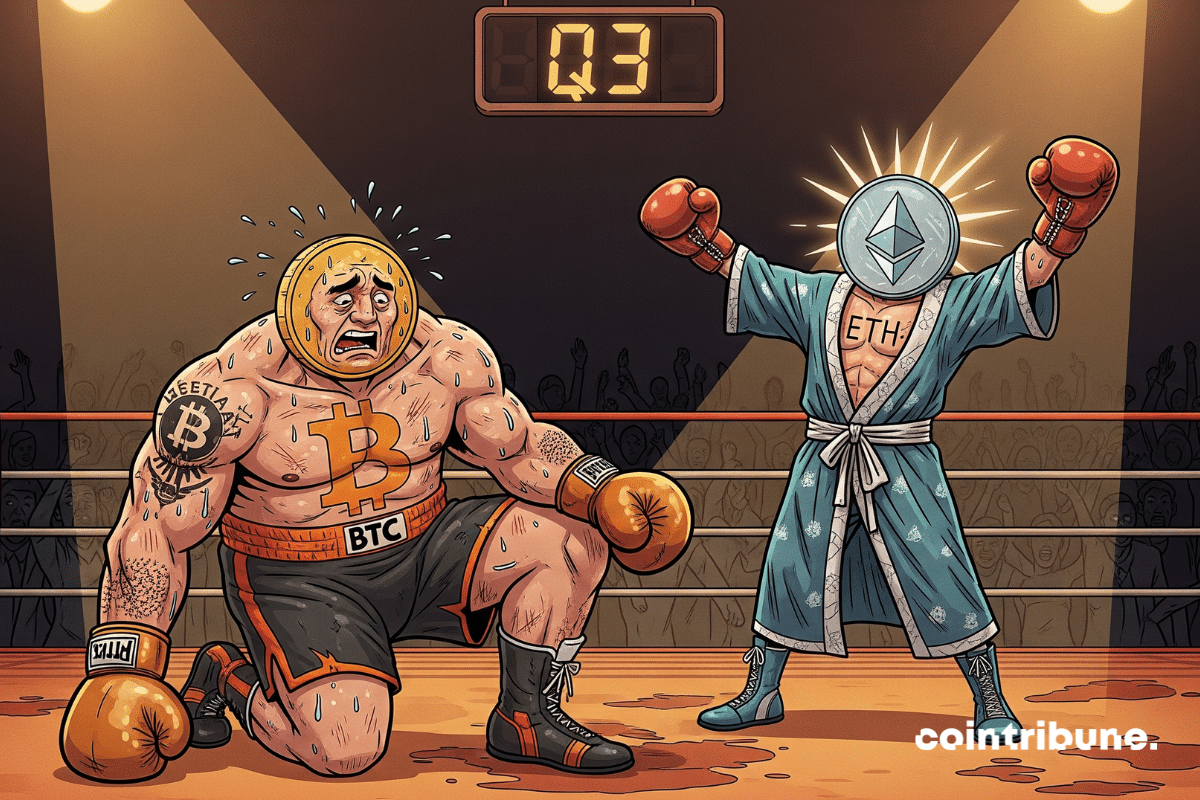
Bitcoin disappoints as it approaches its record. Ethereum might just steal the spotlight. All the details in this article!
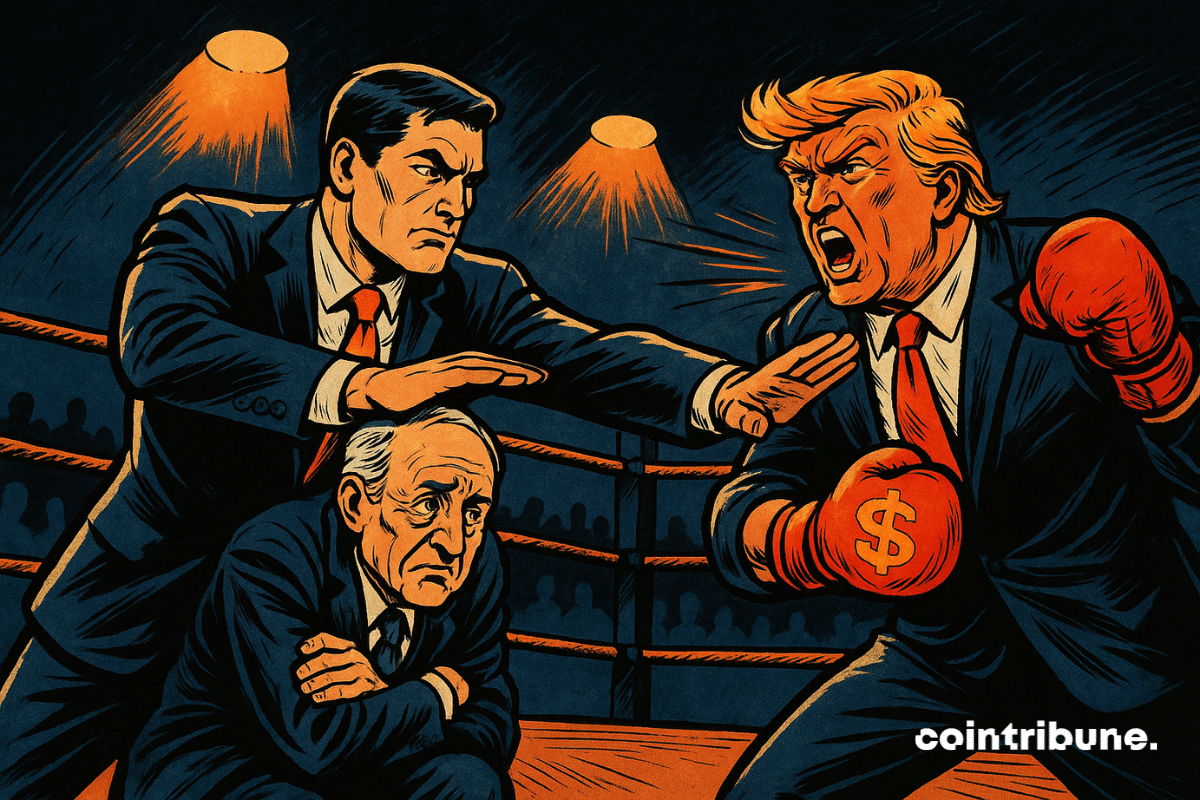
While monetary decisions now dictate the pace of global markets, the White House is preparing to shake up the institutional chessboard. Donald Trump has announced that a change at the head of the Federal Reserve could be decided "very soon." From Air Force One, he is directly rekindling his standoff with Jerome Powell, against a backdrop of ongoing disagreements over rates. By threatening the independence of the Fed, Trump is reviving an old fracture with major economic and political implications.
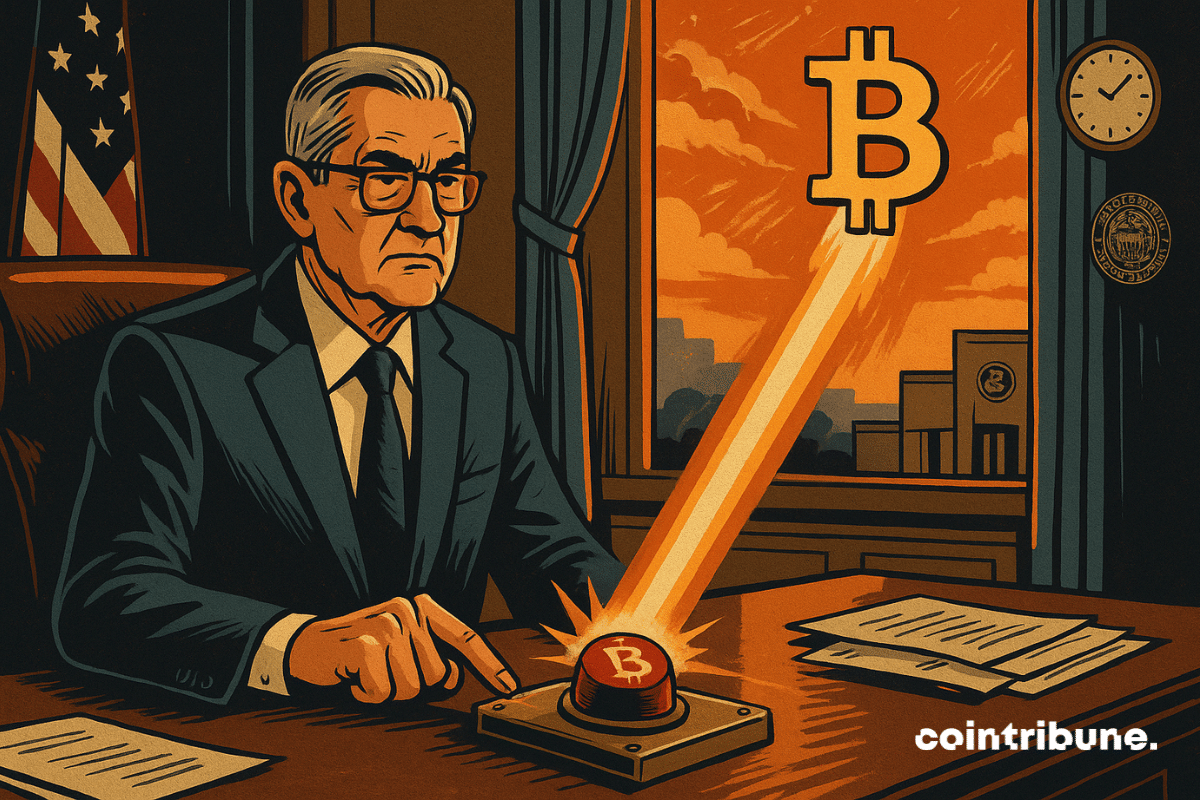
Under pressure in the face of an uncertain economy, markets are watching every move of the Federal Reserve. Far from being limited to traditional assets, its decisions now strongly influence the crypto market. As a potential surprise rate cut approaches, bitcoin is holding its breath. Such a monetary signal could propel the first cryptocurrency to new heights, fueling expectations of a historic rally.
Will the Fed really keep its rates unchanged in June? Between persistent inflation and a surprising labor market, discover why this decision could disrupt the economy and the markets, including Bitcoin!
Fed meeting June 2025: inflation, unemployment, trade tensions... Discover how these crucial issues could disrupt interest rates and why some are already betting on bitcoin. Don't miss out!
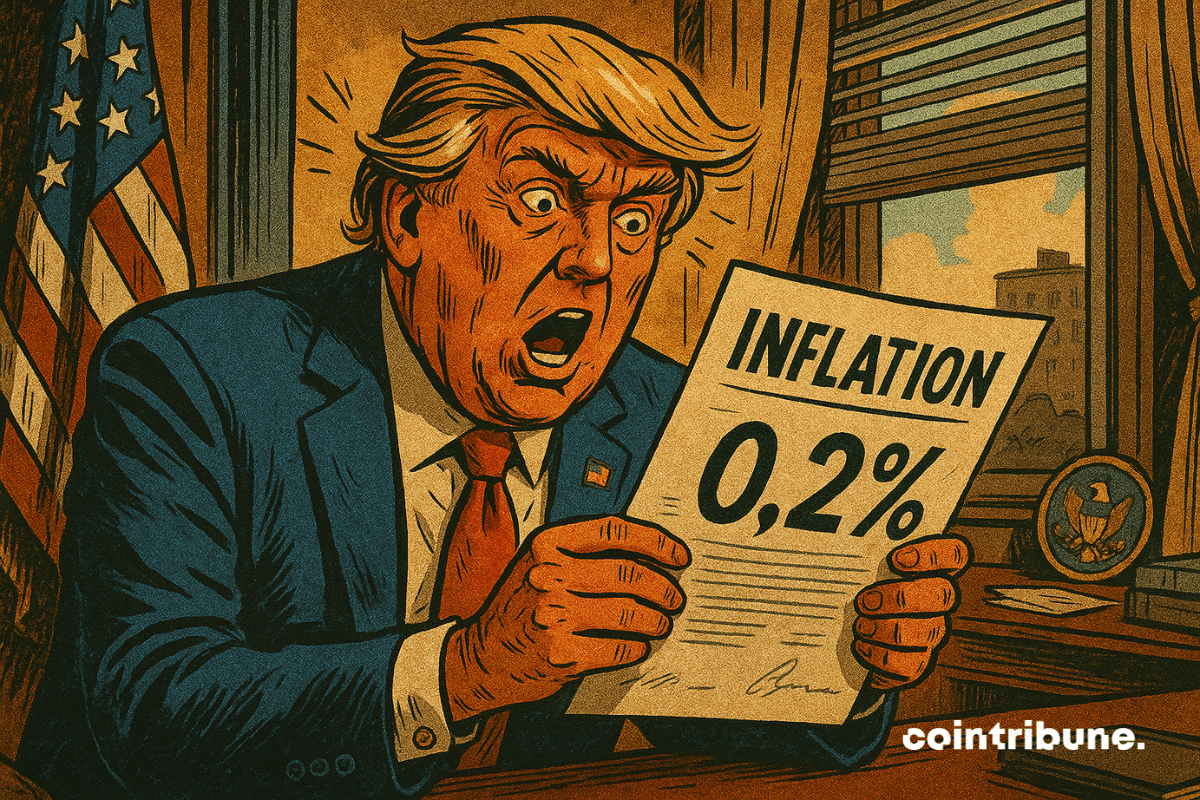
American inflation defied all doomsday predictions in April, falling to 2.3% despite the implementation of massive tariffs by the Trump administration. This unexpected decline raises a troubling question: what if analysts had exaggerated the impact of protectionist measures? Are fears of an inflationary spiral overstated?
The stock market reacts positively to the Fed's decision to keep interest rates unchanged. Discover the key figures in this article!
When the Federal Reserve opts for inaction, markets wobble. By keeping its rates unchanged this Wednesday, the world's leading central bank met expectations but did not alleviate tensions. Thus, amid persistent inflation, slowing consumption, and uncertainties about employment, the Fed's message remains deliberately vague. This strategy of waiting increases the nervousness of financial markets and fuels speculation, particularly in the crypto world, where every word of Jerome Powell is scrutinized as a crucial indicator.
As anticipated by the majority of analysts, the United States Federal Reserve (Fed) has just kept its key interest rates in the range of 4.25-4.50% following today’s meeting. This decision comes in a context of increasing economic uncertainty and persistent political pressures.
The Fed feigns hesitation, but its printer is spewing billions. Meanwhile, Bitcoin is climbing without looking back, immune to Powell's words and Treasury debts.
European markets began the week without a clear direction, caught between two major uncertainties: the upcoming decisions of central banks and fears of a global trade tightening. On Monday, May 5, the main financial markets show clear caution, illustrated by slightly declining indices and low trading volumes. Indeed, investors are anxiously awaiting the next announcements from the Fed and the Bank of England, in an environment where every monetary or diplomatic signal can shift the trend.
Market: after a loss of 2.4%, gold rebounds ahead of the FED meeting. A strategy to follow for investors? Analysis.
Powell slows down, Trump strikes, the markets are in a frenzy. Between surtaxes and threats of dismissal, monetary independence is riding a rodeo amid the discreet applause of 6-dollar eggs.
The dollar has slowed down, but global markets are holding their breath. After three weeks of rising, the greenback is losing ground, driven by a more robust employment report than expected. However, tensions persist: a resilient growth, stagnant rates, and ongoing tariff uncertainties. Cryptos are not exempt from this monetary ballet. For crypto traders, every fluctuation of the dollar redraws the risk map, shifts the boundary of volatility, and reshapes liquidity expectations.
With a low of deposits on exchanges, is Bitcoin showing signs of an imminent new bull run? Analysis.
The American economy, that giant which once seemed untamable, today wobbles on a tightrope, caught between heightened trade tensions and a loss of domestic confidence. While some spoke of a mere gust of wind, the storm could very well be of unexpected violence.
When Donald Trump challenges the bond market, it is not just a political confrontation: it is a systemic shock. The American president, driven by an interventionist economic vision, has triggered a wave of instability by upsetting the balances of interest rates and Treasury bonds. Opposing him is a relentless market that did not take long to react. This showdown, far from being anecdotal, reveals the fragilities of a strained economy and revives the debate on the reliability of traditional assets in times of uncertainty.
Markets only need a stir to get excited. This time, it is Donald Trump who has rekindled the flame by suddenly softening his stance on two hot topics: the Federal Reserve and Chinese tariffs. "No plan to replace Jerome Powell," he said, breaking with his past vehement criticisms. He also opened the door to tariff relief on Chinese imports. Two gestures of appeasement that immediately boosted global financial markets, seeking reassuring signals.
While Wall Street is emptying its pockets, Bitcoin is puffing its chest, flirting with the peaks and attracting billions — crypto is becoming the new refuge for capricious capital.
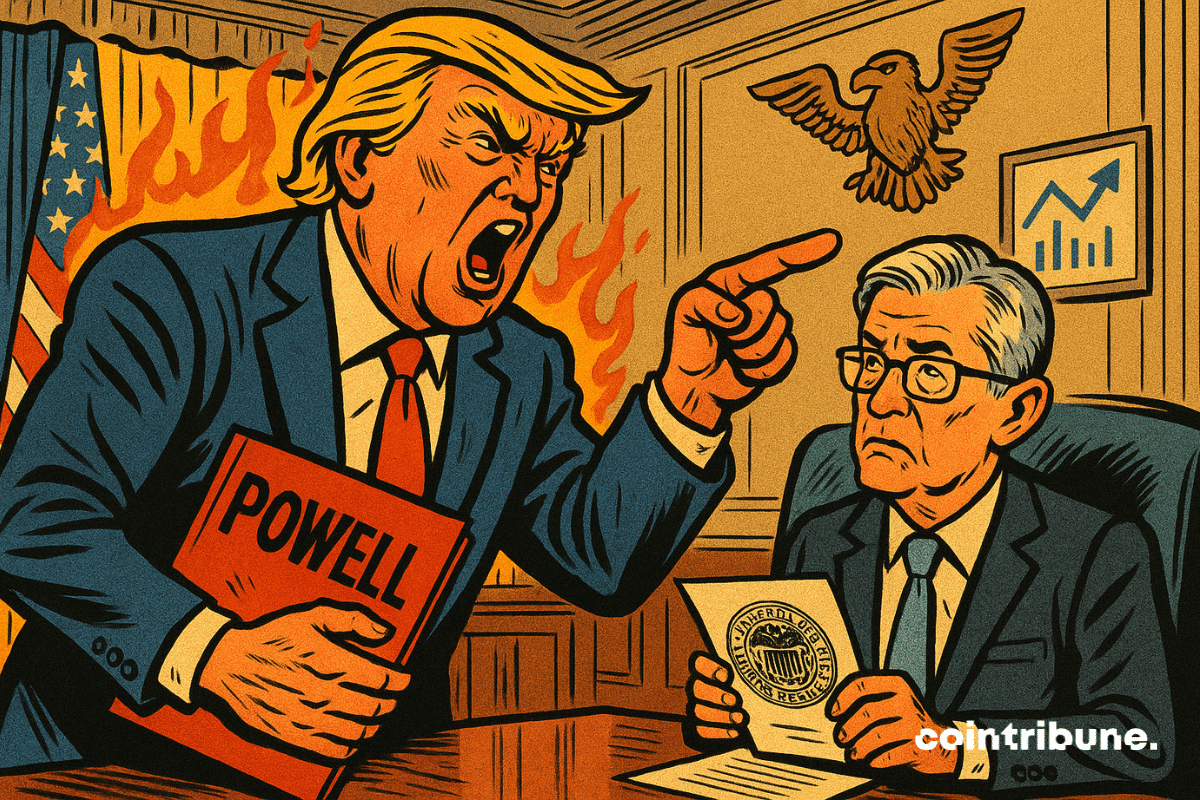
Jerome Powell, the chairman of the Federal Reserve (Fed), is facing increasing political pressure from Donald Trump, who is calling for an immediate reduction in interest rates. But Powell has no intention of yielding. Loyal to the independence of the institution he leads, he prefers to base his decisions on economic data rather than political demands.