China sets 2030 as the deadline for its national blockchain network. Its 15th informatization plan specifies priority regions and targeted uses, from finance to logistics. However, Beijing does not question its ban on crypto-related activities.
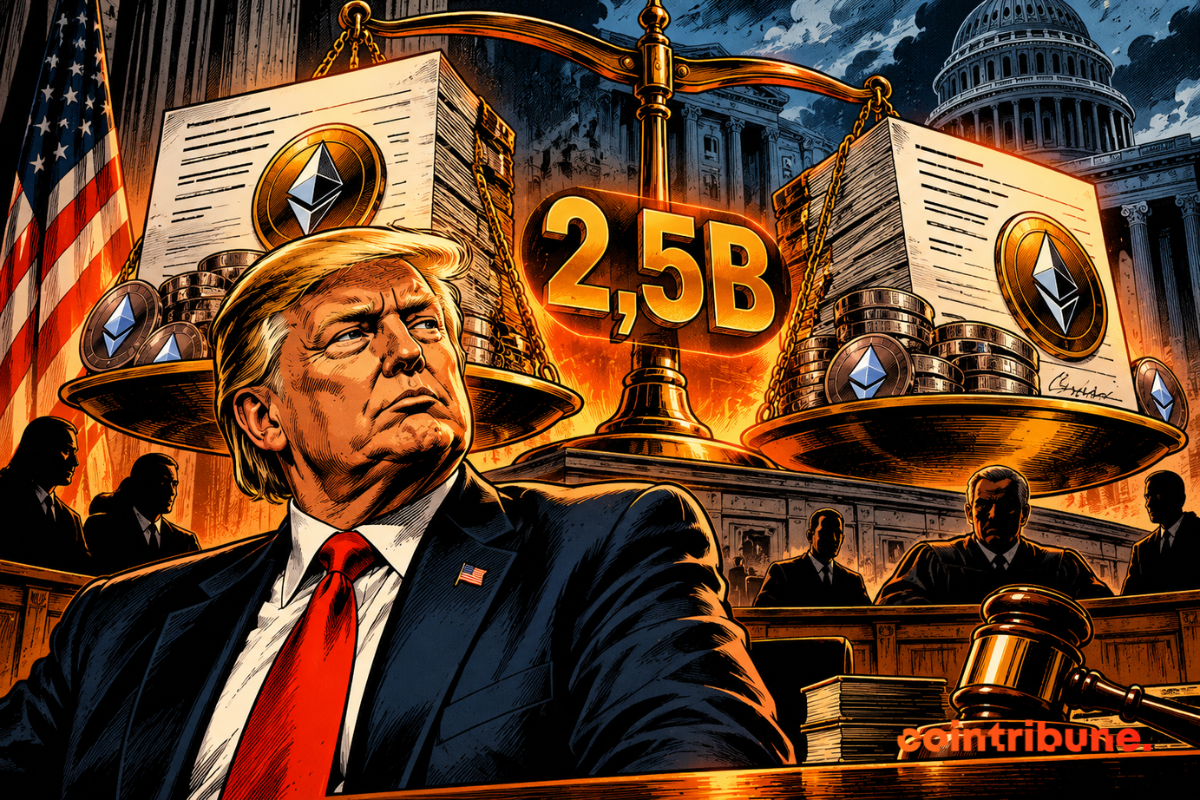

Donald Trump and World Liberty Financial face a new lawsuit concerning their crypto activities. J. Benjamin Greenberg, a shareholder of Circle, claims that two operations linked to the United Arab Emirates allowed the president and his companies to illegally benefit from foreign payments. The two transactions represent 2.5 billion dollars: 500 million for 49% of World Liberty and 2 billion invested in Binance via the stablecoin USD1.

An address tracked by Lookonchain bought about $7.22 million worth of cryptos in twenty-four hours. Its portfolio favors Ethena, Ondo, Aerodrome, and Uniswap, while Pepe represents only a small part of the operation.
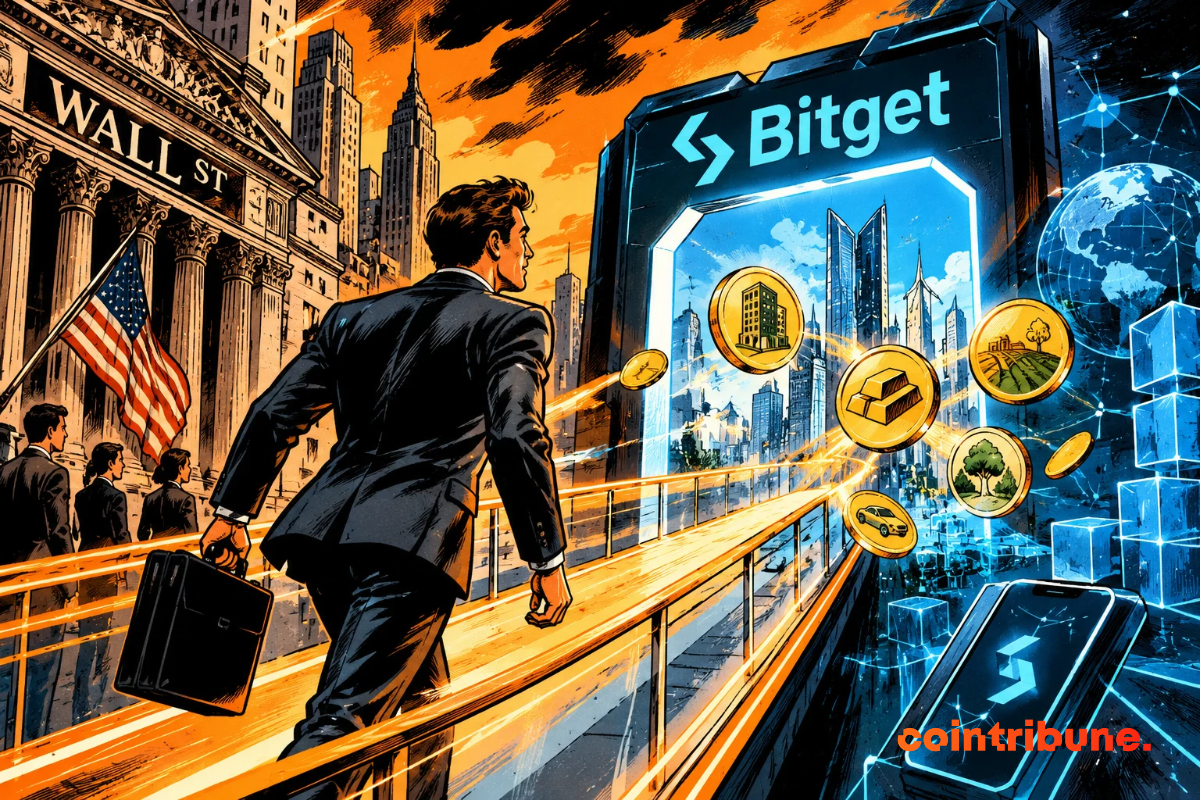
Bitget is taking its real-world asset (RWA) strategy a step further. Instead of limiting users to tokenized stocks and ETFs, the exchange now lets eligible securities move from external brokerage accounts into its ecosystem. It also plans to improve liquidity through a dedicated trading engine. However, the figures suggest the business still has room to grow.
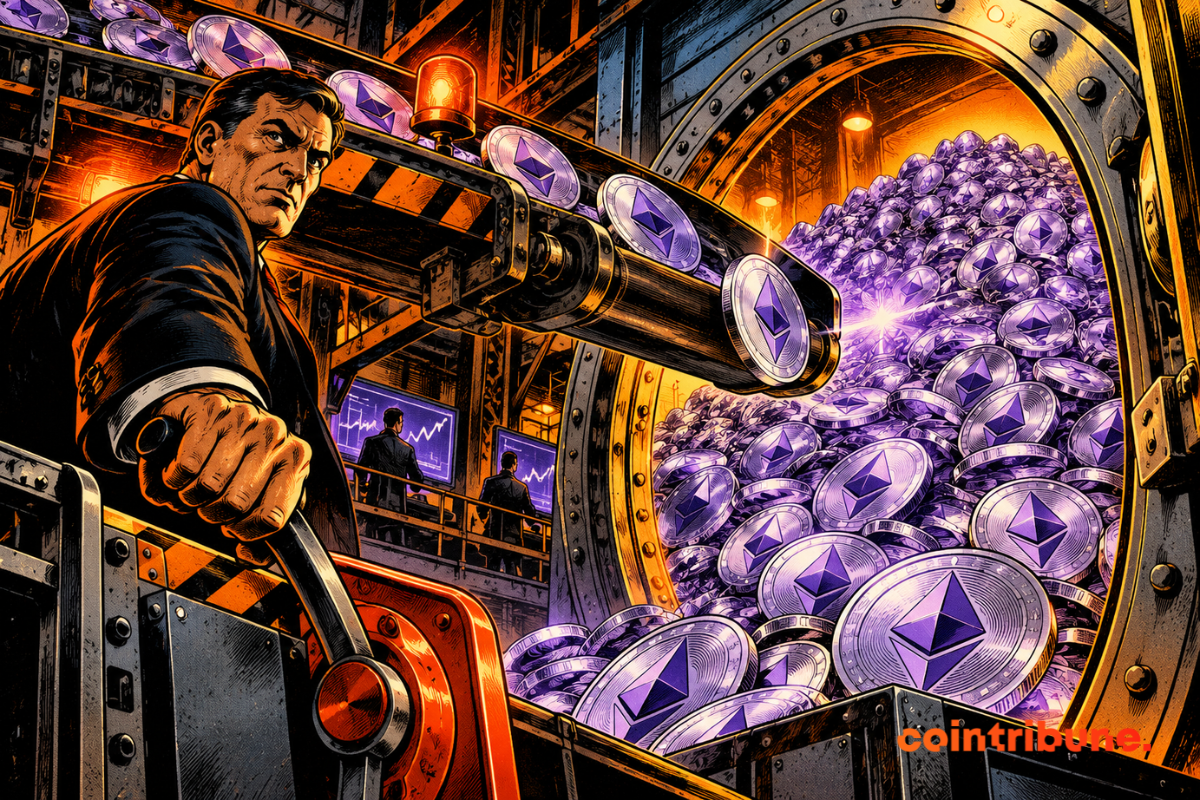
BitMine is approaching the end of one of the largest crypto accumulation campaigns conducted by a company. Tom Lee states that the company will stop buying Ethereum when it reaches 5% of the ETH supply. BitMine already holds 6,041,481 ETH, or about 4.9% of the 122.1 million ETH used as reference. At a constant supply, about 63,500 ETH still separate it from its cap.
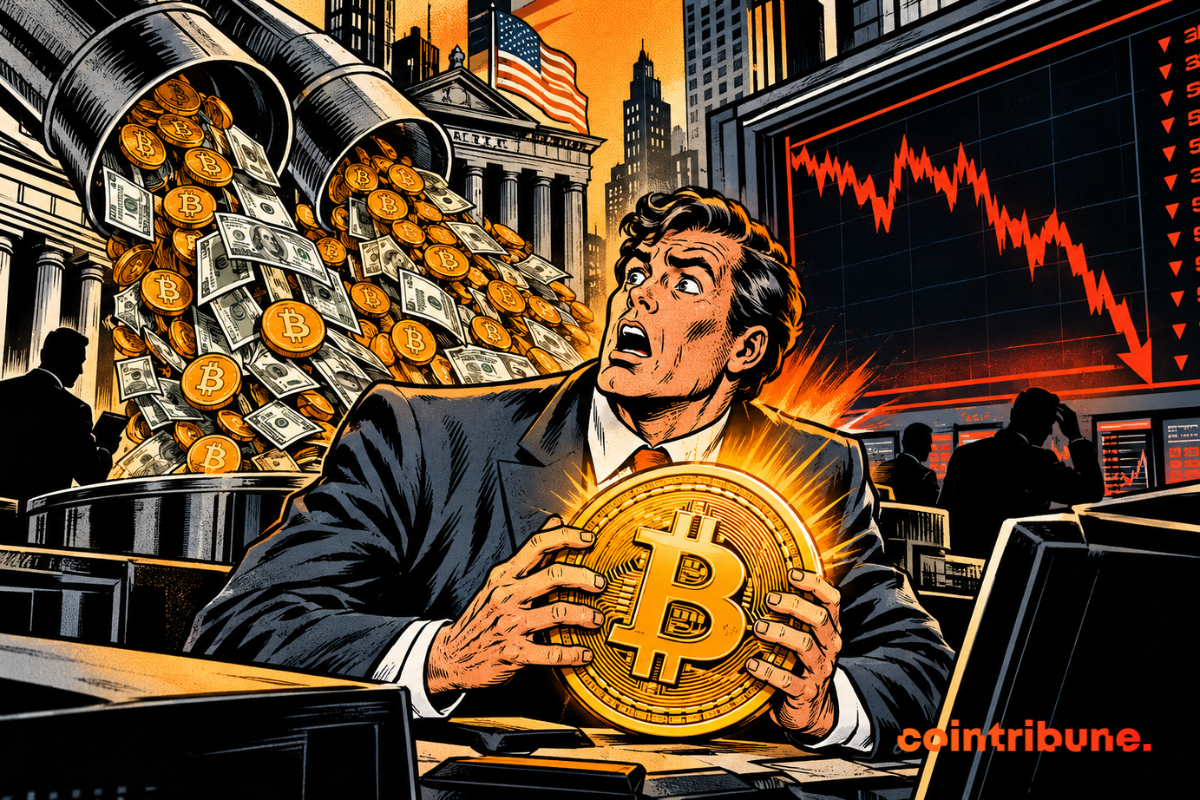
Spot Bitcoin ETFs in the US find buyers after several weeks of capital outflows. In three sessions, they attracted 1.07 billion dollars, thereby erasing losses recorded since early October. However, this investment recovery is not enough to support prices. The market remains under pressure as investors watch the upcoming Federal Reserve moves. This discrepancy raises questions about the strength of the current rebound.
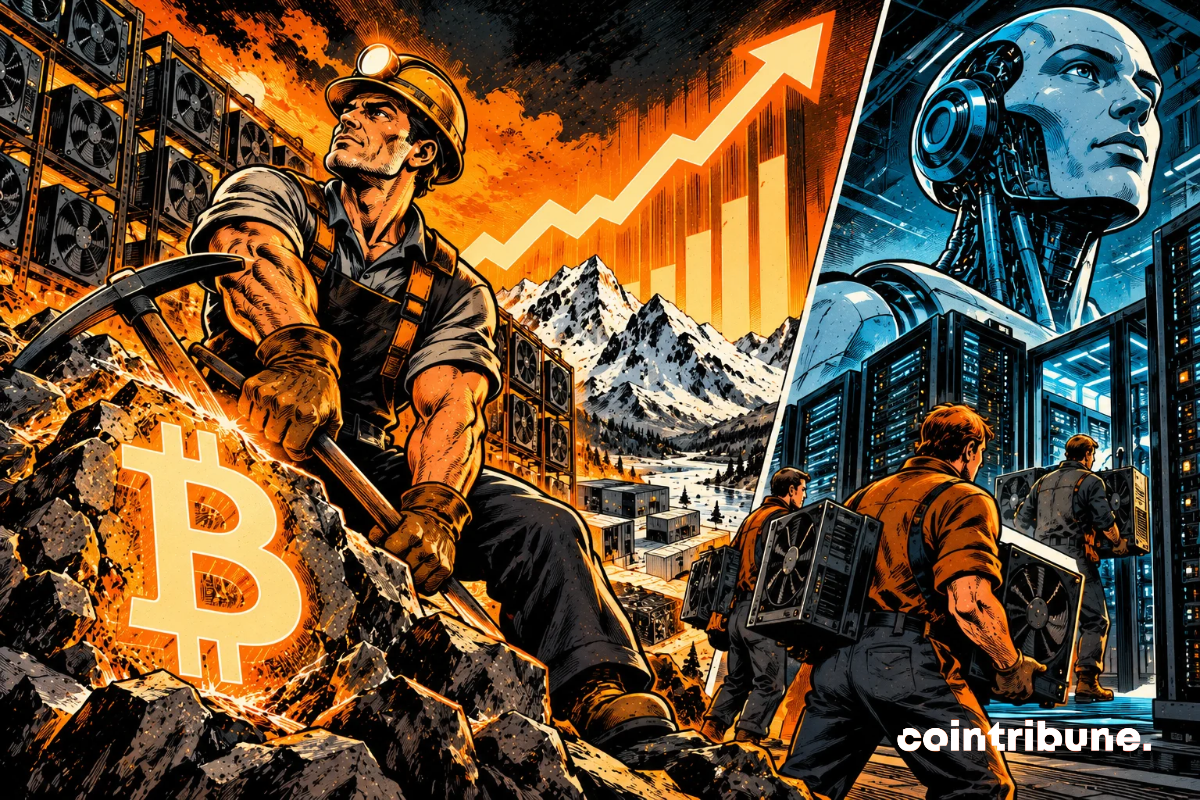
The computing power of the Bitcoin network has reached the threshold of 1 zettahash per second, its highest level in nearly seven months. This rebound strengthens the protocol's security, but it also signals a new increase in difficulty that could reduce the revenues of less competitive mining companies.
Arf will provide RLUSD to payment companies on the XRP Ledger, with repayments in one to five days. The native XRPL lending is not yet activated.
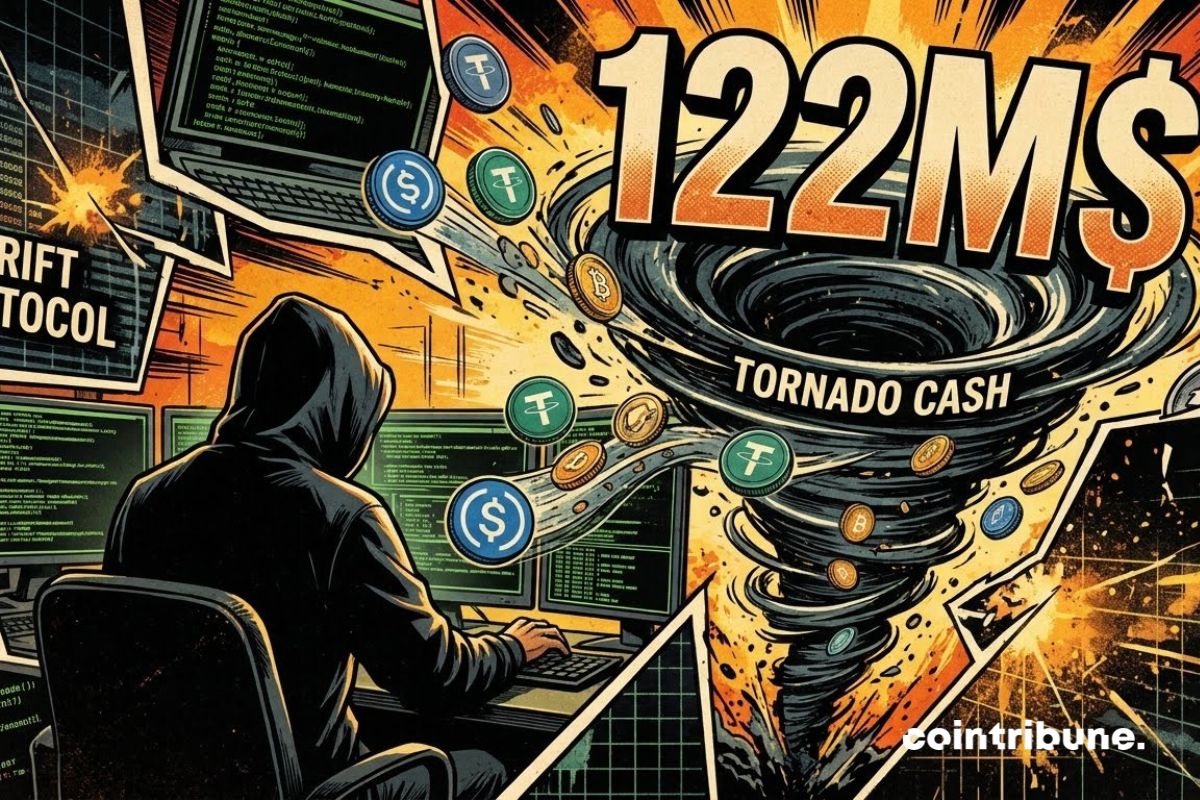
The hacker behind the massive Drift Protocol breach has just injected over $122 million in ETH into Tornado Cash. While Arkham traces this unprecedented scale laundering, Binance founder Changpeng Zhao (CZ) reminds a brutal reality: 100% security does not exist in the crypto world.
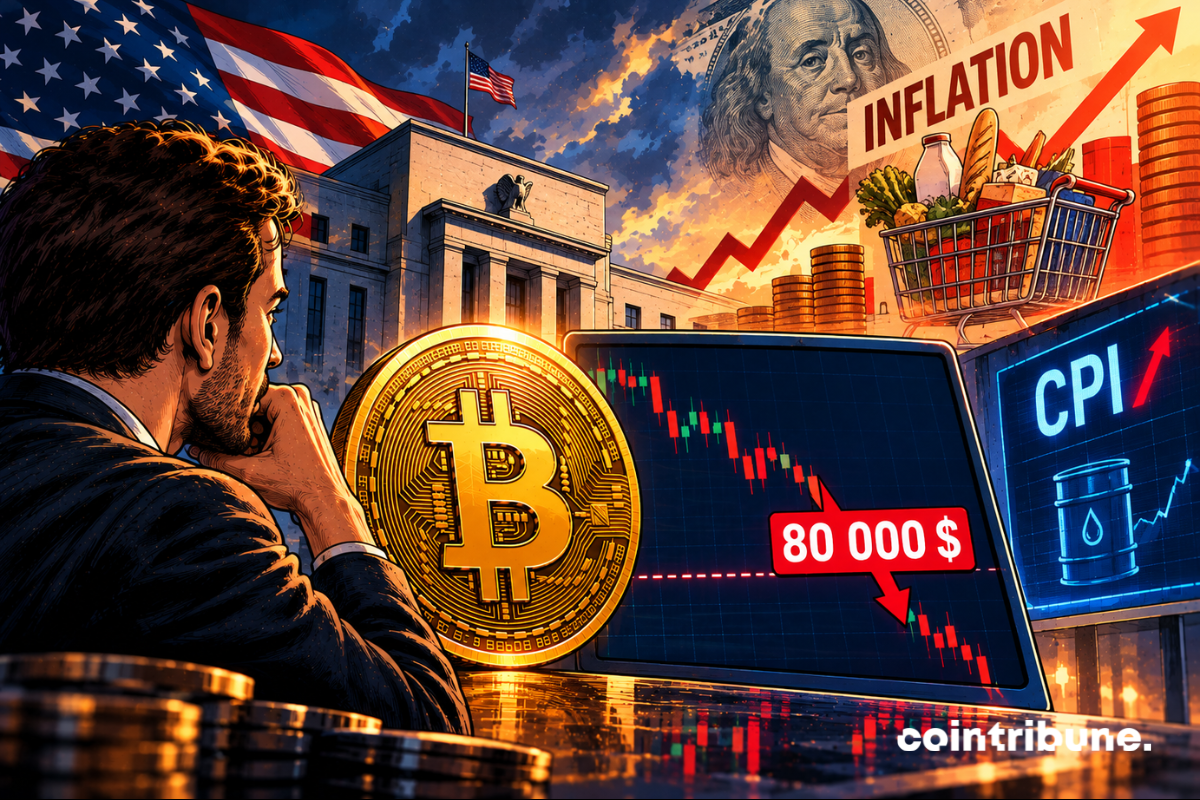
Bitcoin approaches a decisive threshold as markets await new American inflation indicators. After several positive sessions, inflows into spot ETFs have sharply slowed, reducing support for prices. On Friday, PMI indices and household inflation forecasts could change investor expectations before the next Federal Reserve meeting. Maintaining the 80,000 dollar level will therefore also depend on these economic signals.
A study published by the Bank for International Settlements estimates that Bitcoin does not have the necessary architecture to become an everyday currency. Michael Saylor reaches a similar conclusion but advocates a different solution: keep BTC as capital and build credit products on top of this asset.
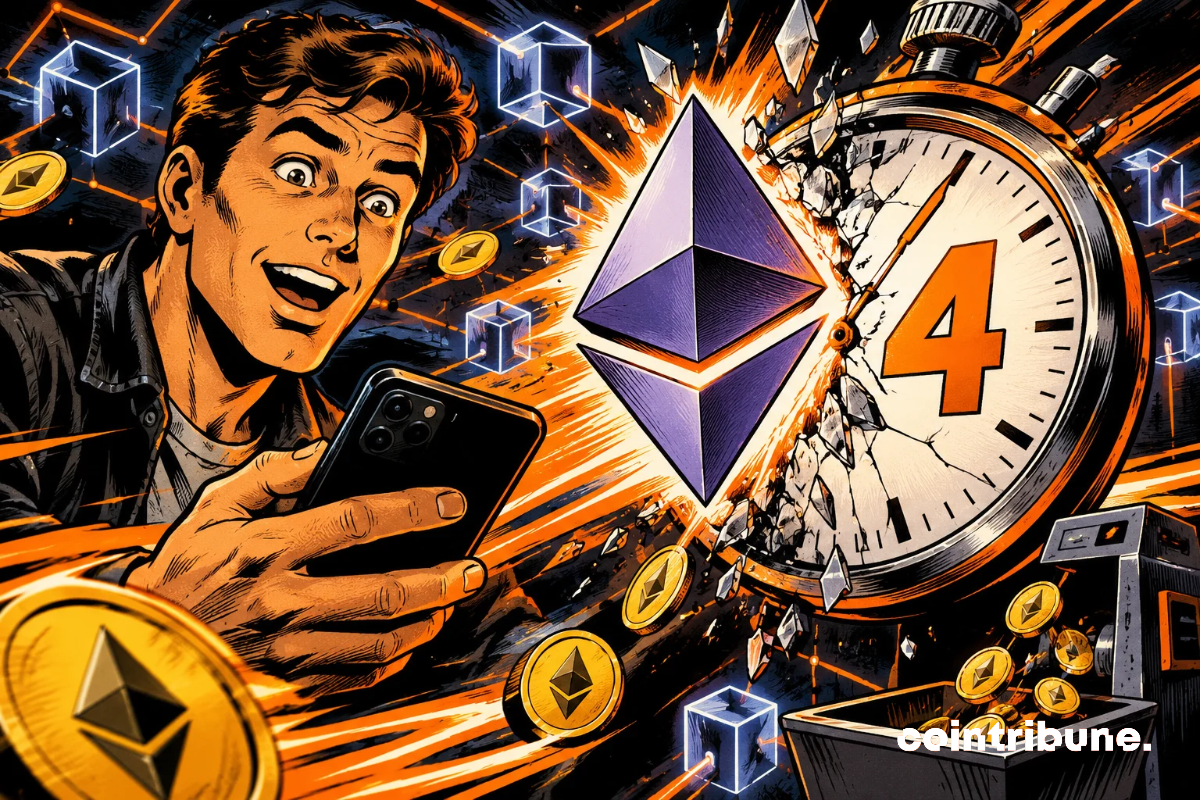
Ethereum researchers want to reduce the finality time of transactions from 16 to 4 minutes. Behind this technical improvement is a concrete economic issue: to allow transfer services to mobilize less capital while waiting for the final confirmation of operations. For now, the project is still under study and does not plan any deployment date.
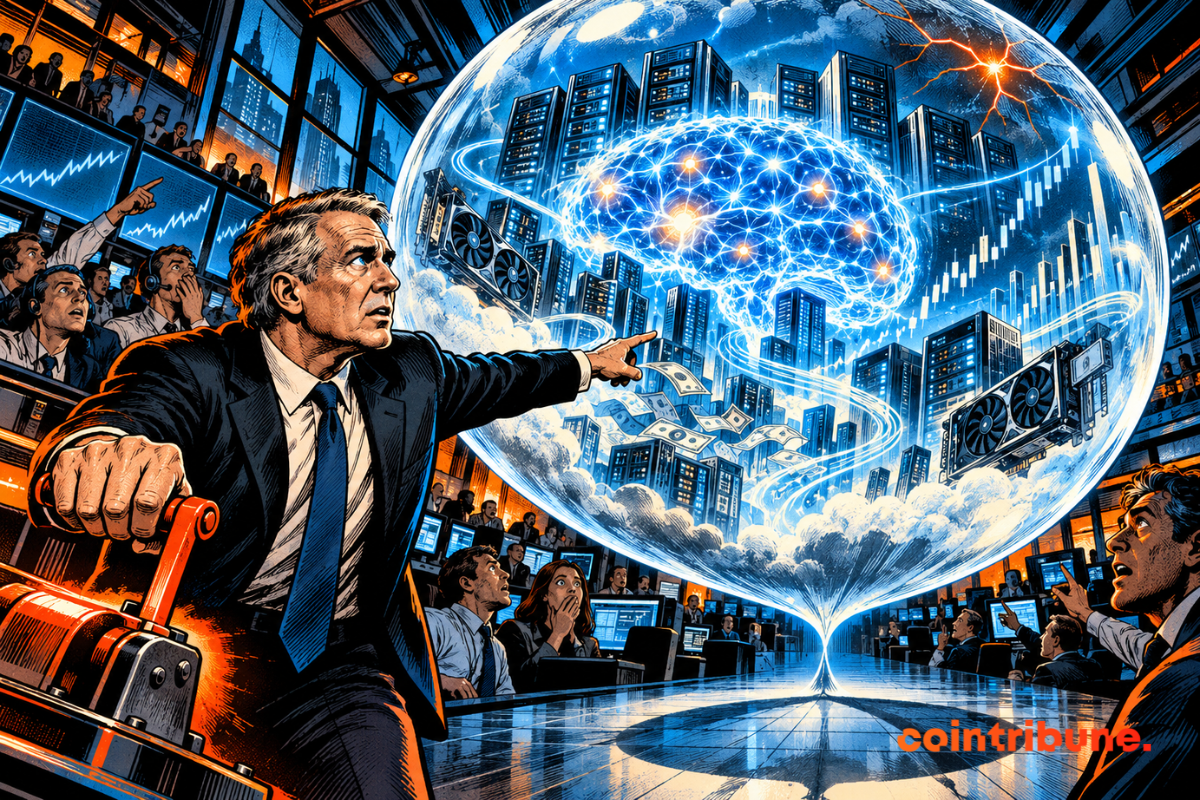
Ken Griffin believes investors are "almost certainly" in an AI-related bubble. The founder of Citadel does not, however, question the technology itself. His concern is mainly about the amounts invested, the cost of GPUs, and the difficulty many companies have in turning their expenses into productivity gains. For him, a correction could eliminate many players while allowing the future giants of the sector to emerge.
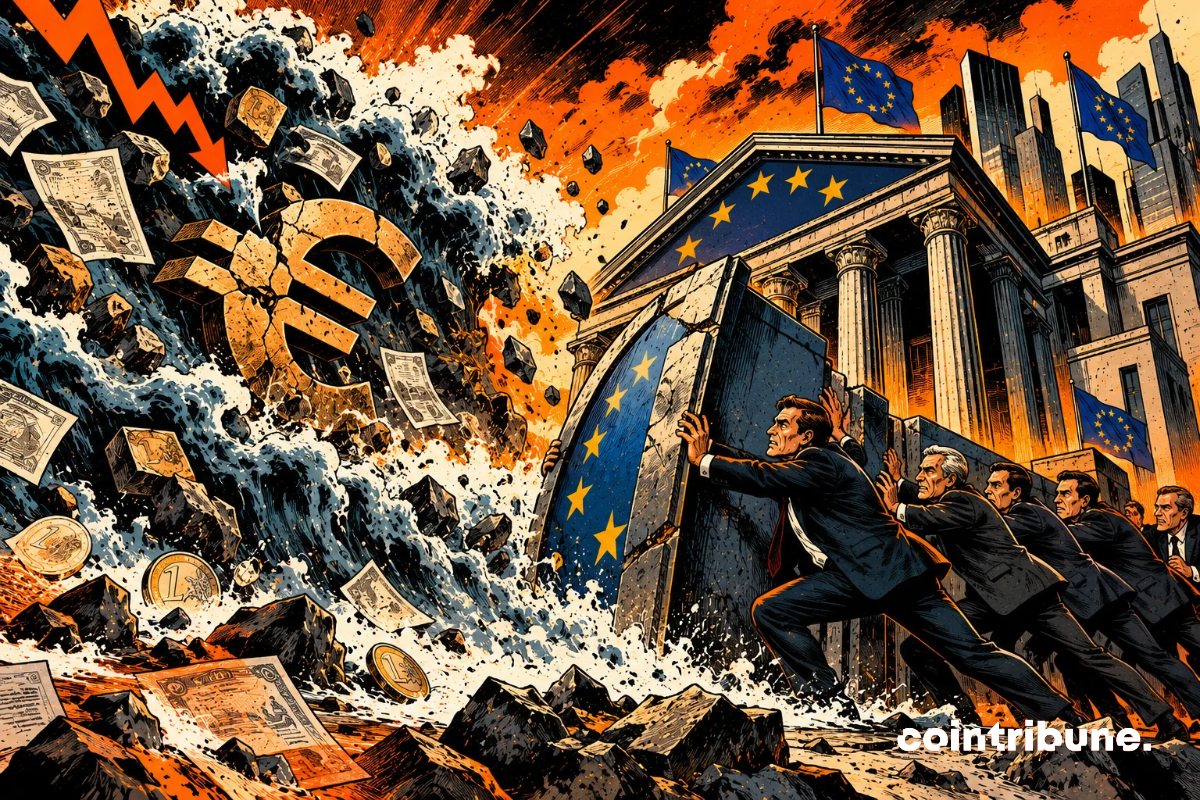
The rise in bond yields in the euro area revives the debate on the "vicious circle" linking the health of banks to that of states. European institutions hold 4,300 billion euros in sovereign debt, but their capital reserves are stronger than during the crisis of the 2010s.
TUM Blockchain Conference in Munich, October 29-31: 113 speakers, Digital Assets Day, hackathon. The CTO of Qubic keynote on the 29th.
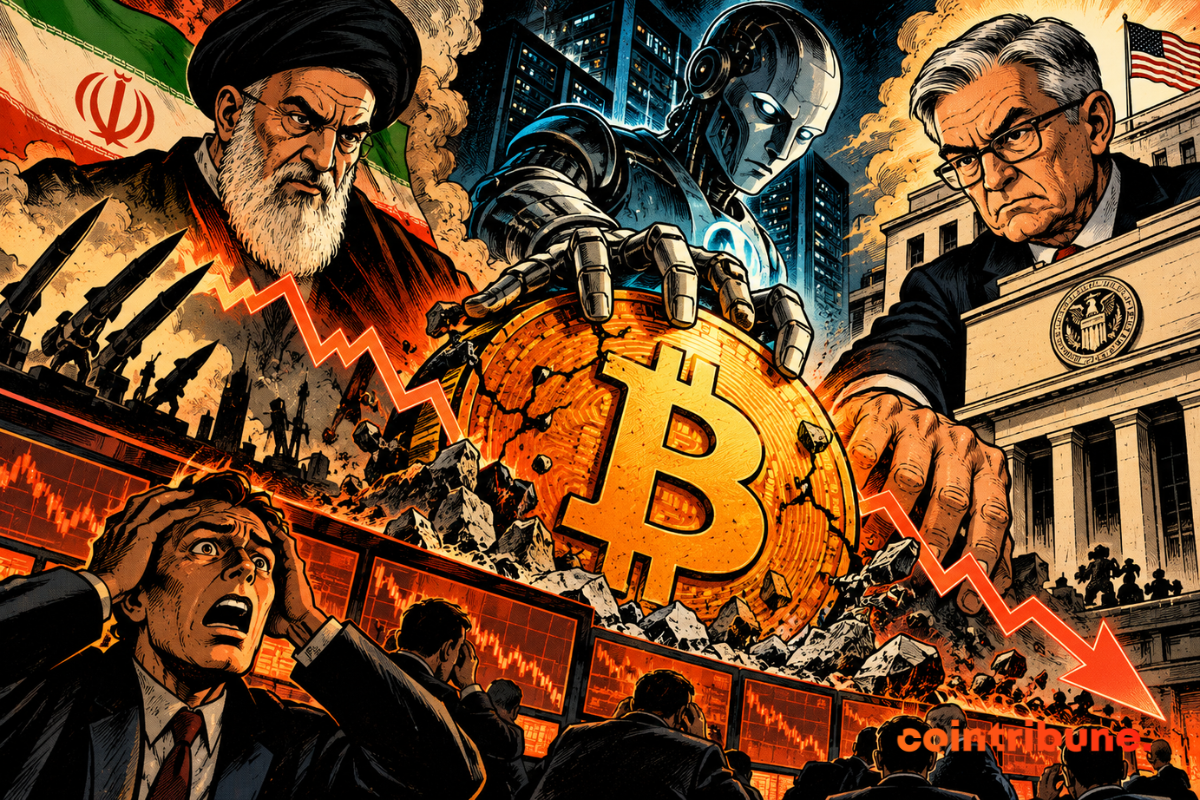
Bitcoin briefly approached 84,800 dollars on Wednesday before erasing almost all of its gains. BTC was trading around 82,800 dollars on Thursday, just above the closely watched 82,500 dollar support. The reversal is not only due to concerns about artificial intelligence. The war with Iran keeps oil at high levels, while US inflation remains at 3.7% and the Fed meets on October 28. Meanwhile, Bitcoin ETFs have nevertheless attracted more than one billion dollars in three sessions.
Dogecoin Labs wants to give a new dimension to DOGE. Created with the Dogecoin Foundation, the company brings together the MyDoge wallet, the DogeOS platform, and Such App, dedicated to merchant payments. At its head, Jordan Jefferson intends to create a true ecosystem of applications around cryptocurrency. But between the stated ambitions and concrete uses, there is still a way to go.
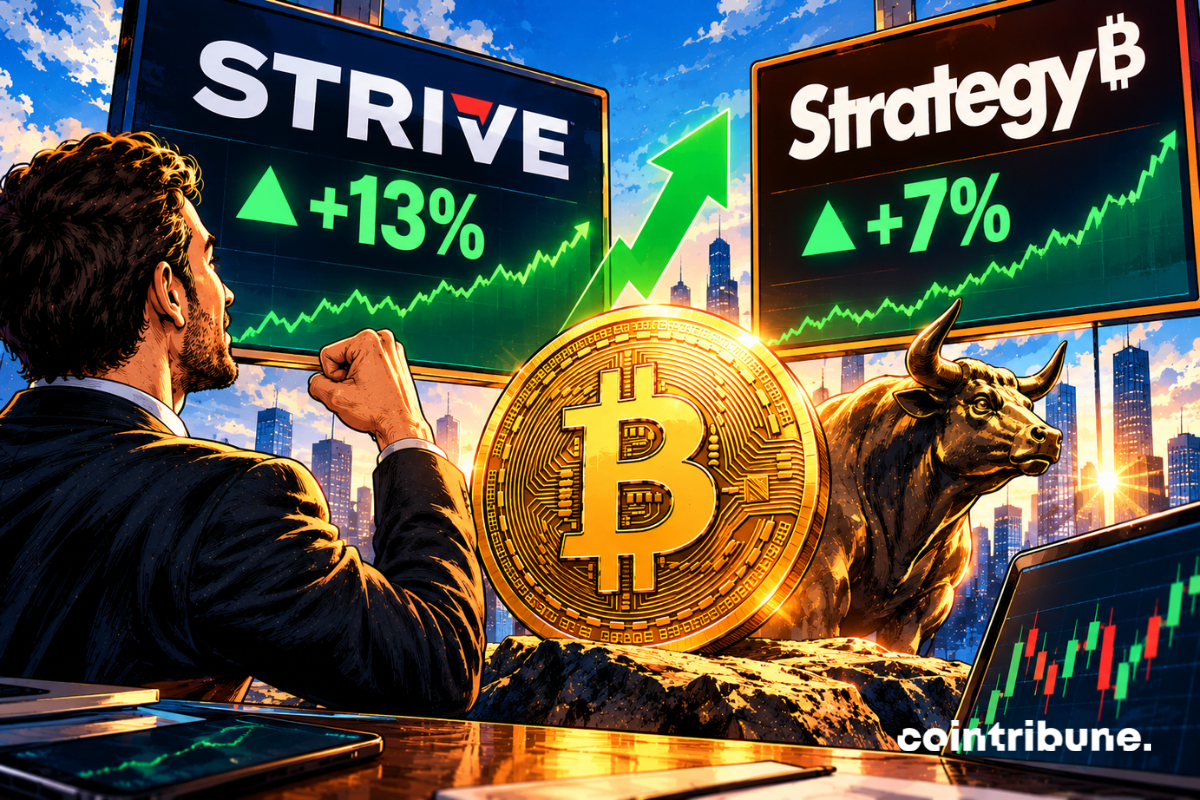
The cryptocurrency market is recovering after several difficult sessions. On Wednesday, Bitcoin reached a two-week high, triggering a strong rise in Strive and Strategy stocks. Both companies, which hold significant cryptocurrency reserves, directly benefit from this recovery. However, their performances also depend on their financing choices, recent purchases, and uncertainties related to stock indices. This dynamic occurs in a context still marked by several risks.
The PHP project asks administrators to update their servers after the discovery of two vulnerabilities that can lead to remote code execution. The alert concerns a language very present on the Web, but the 70% figure mentioned in the press does not correspond to the number of sites actually vulnerable.
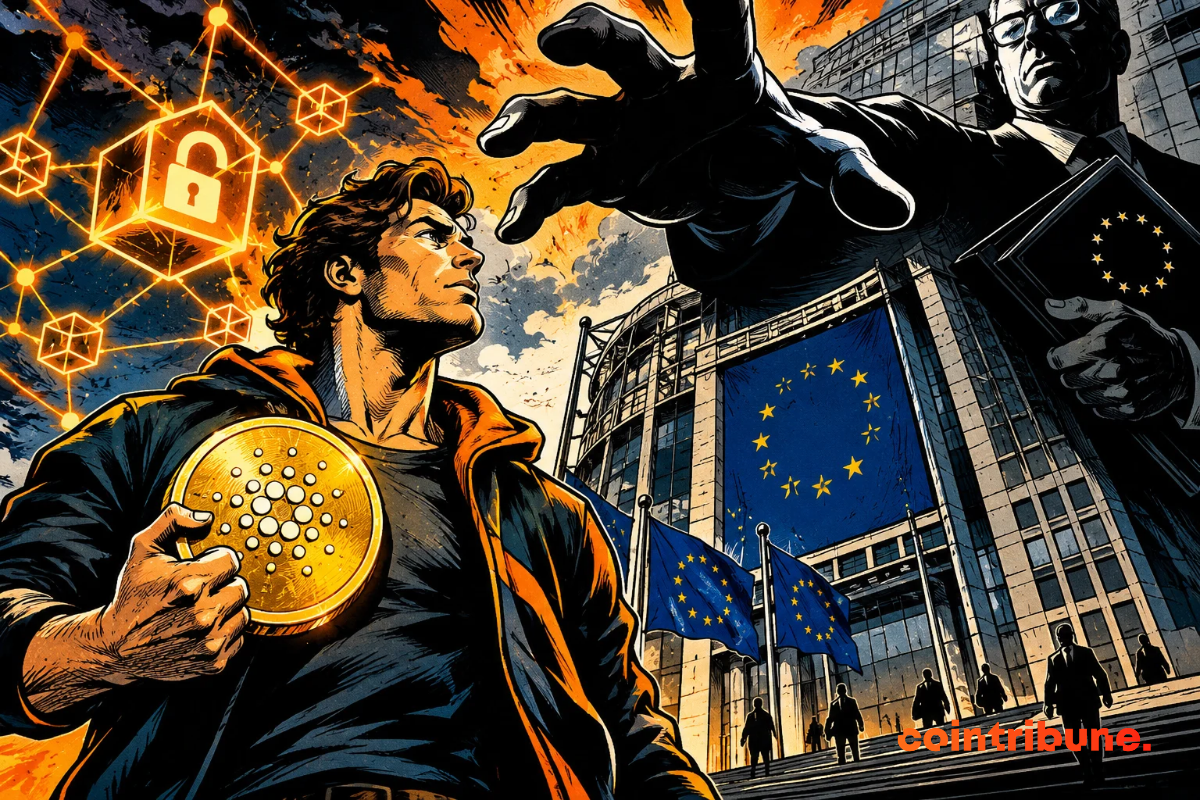
The Cardano Foundation opposes a MiCA crypto regime dedicated to DeFi and staking. Its position partly aligns with that of ESMA, but not on intermediated services.
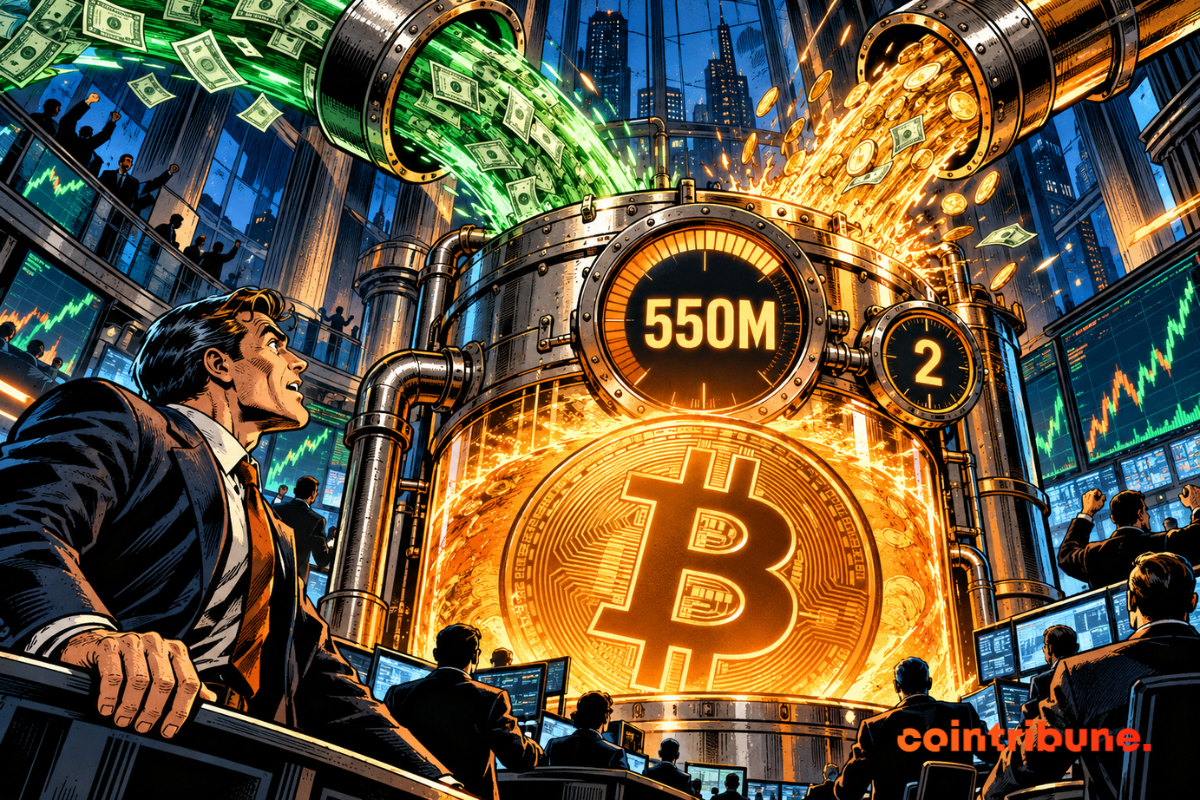
US spot Bitcoin ETFs have just attracted nearly 550 million dollars in two sessions. After 526.6 million dollars on Monday, the funds added 23.16 million on Tuesday. The turnaround is quick: they had lost about 228.6 million the previous week. Meanwhile, Ether ETFs remain in the red with 129.41 million dollars of outflows since Monday.
The cryptocurrency market faces a significant obstacle, as several groups of investors seek to recover their purchase price. According to Glassnode, this situation is currently slowing Bitcoin's progress to around $87,700. Holders who entered the market recently exert selling pressure when prices reach their breakeven threshold. Meanwhile, on-chain data reveal several support levels likely to influence the market's next movement.
A crypto authorization granted to a contract remains active after the transaction. From May 5, 2026, attackers exploited this to withdraw 1.42 million dollars from Ekubo users.
Solana replaced TowerBFT with Alpenglow on its mainnet on October 21, in its most significant consensus change since launch. The new protocol targets a finality close to 150 milliseconds, compared to about 12.8 seconds previously, but part of the planned architecture is still to be deployed.
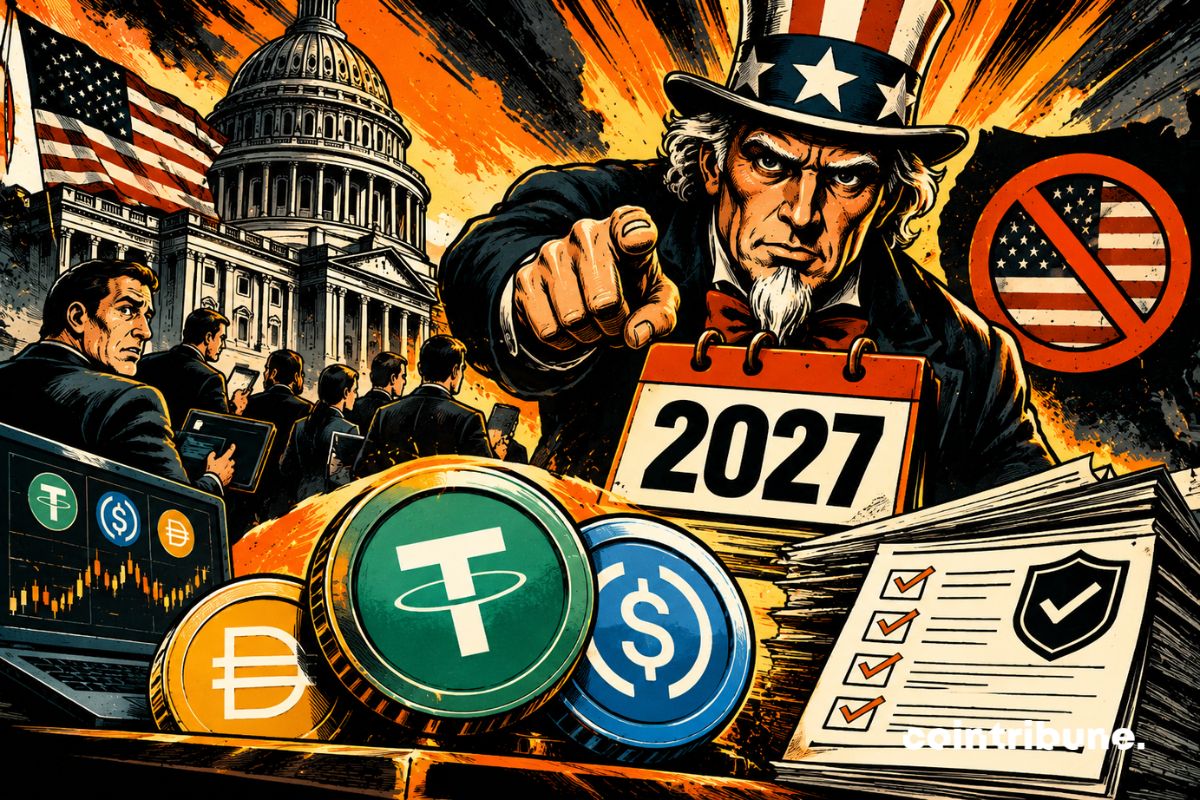
The OCC has just published the final rule implementing the GENIUS Act. By January 18, 2027, stablecoin issuers must strictly comply with US banking standards and fully back their crypto tokens, under penalty of a total ban on operations in the United States.
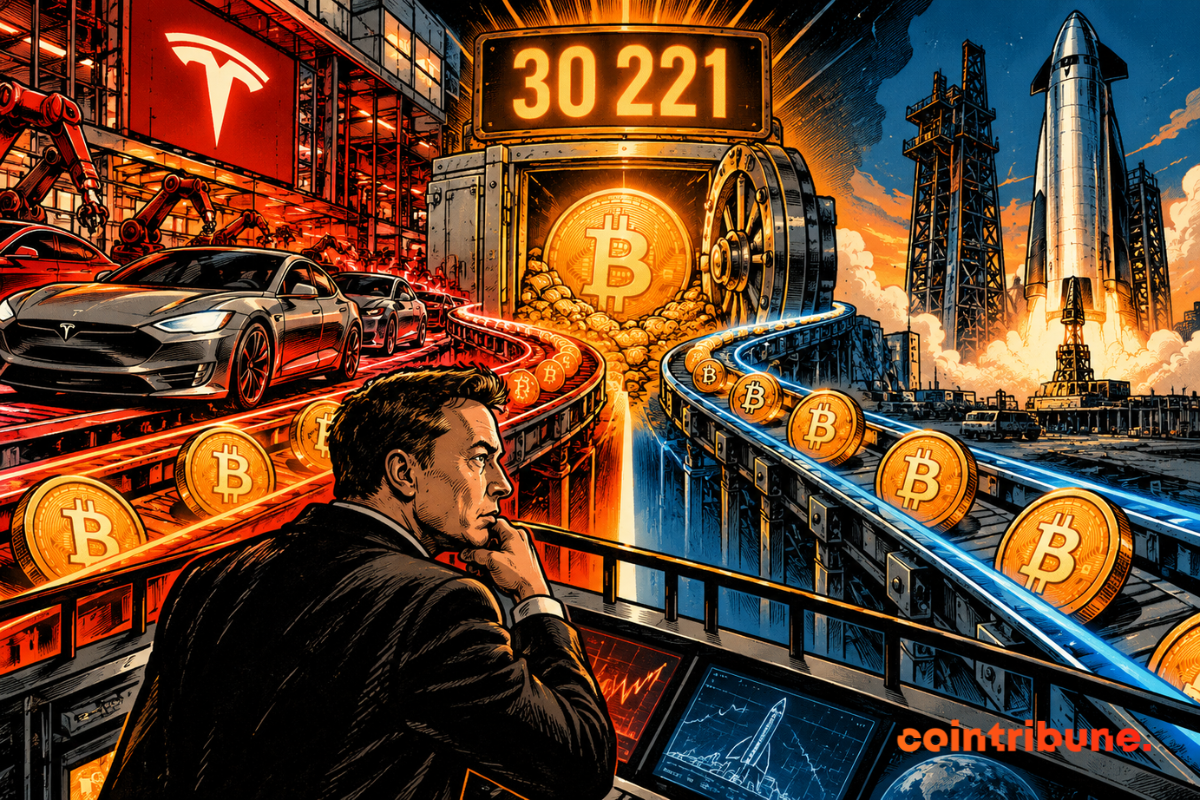
Tesla and SpaceX are officially studying a possible merger. Elon Musk confirmed that the two companies have formed special committees of independent directors to examine the operation. No deal has been finalized yet. For Bitcoin, the merger would have an immediate paper effect: the two groups together hold 30,221 BTC, with 18,712 bitcoins at SpaceX and 11,509 at Tesla.
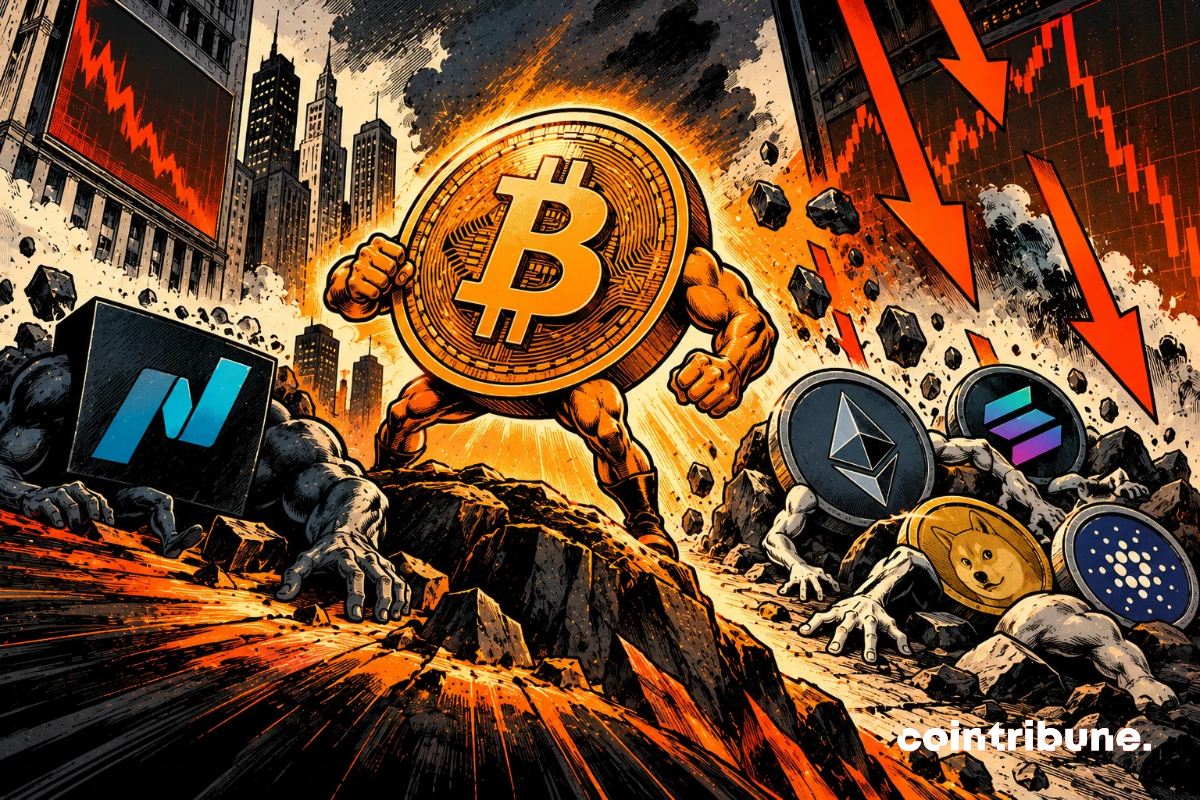
Wintermute considers bitcoin as the main defensive asset of the crypto market in the face of altcoin decline and macroeconomic nervousness. However, this qualification remains relative: BTC has also fallen and is not a risk-free investment.
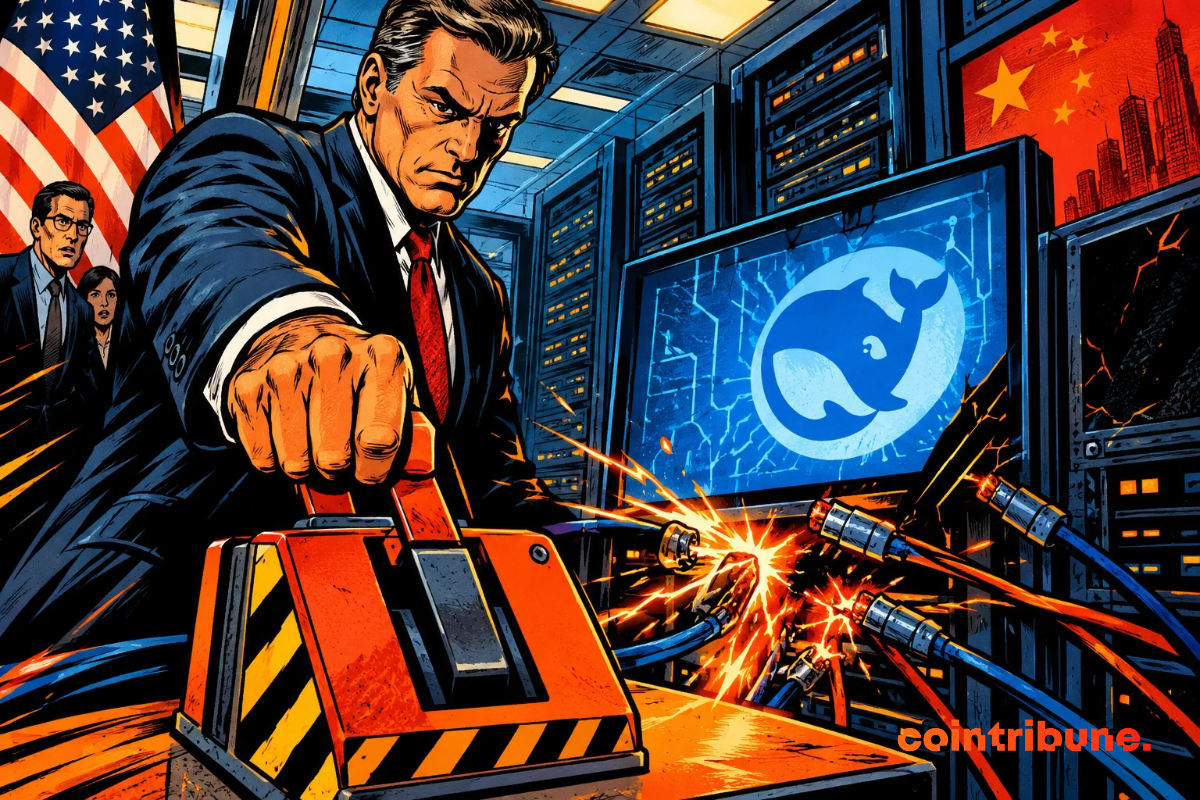
The US Department of Homeland Security demands the removal of DeepSeek from the computer systems of federal civil agencies. Beijing denounces a discriminatory decision and threatens to retaliate. At the same time, Washington sanctions five Chinese entities accused of stealing secrets related to artificial intelligence (AI).
For more than ten years, 6,000 bitcoins linked to an Irish drug dealer seemed partly lost forever. Yet, on October 20, a new transaction reignited attention around this forgotten fortune. A wallet associated with Clifton Collins transferred 500 BTC, about 41.52 million dollars, to Coinbase Prime. This operation is part of a series of movements that raise questions about the fate of the funds and the missing private keys.
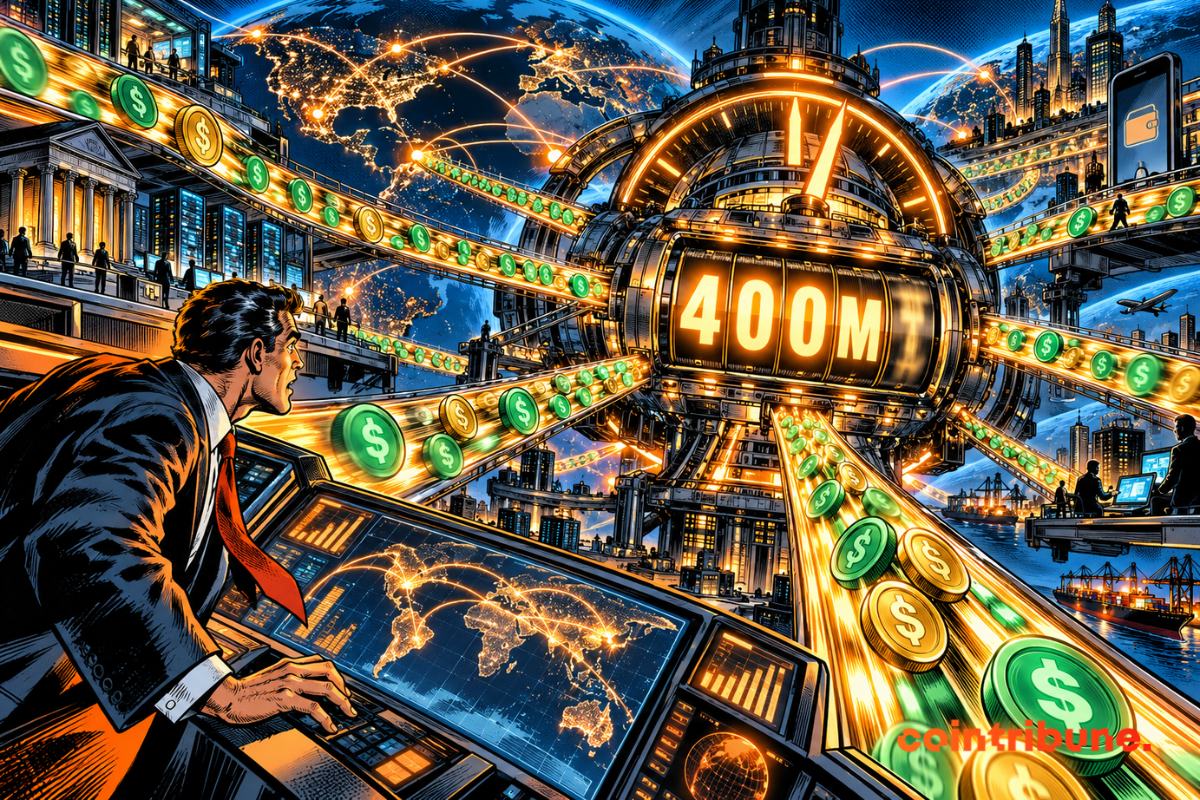
Stablecoins mainly move when US banks are closed. A study by Coinbase and The Block Pro Research shows that 73% of the analyzed volume circulated outside US banking hours over the twelve months ending July 31. In Q3 2026, adjusted transfers reached $891 billion, or over $400 million per hour on average.