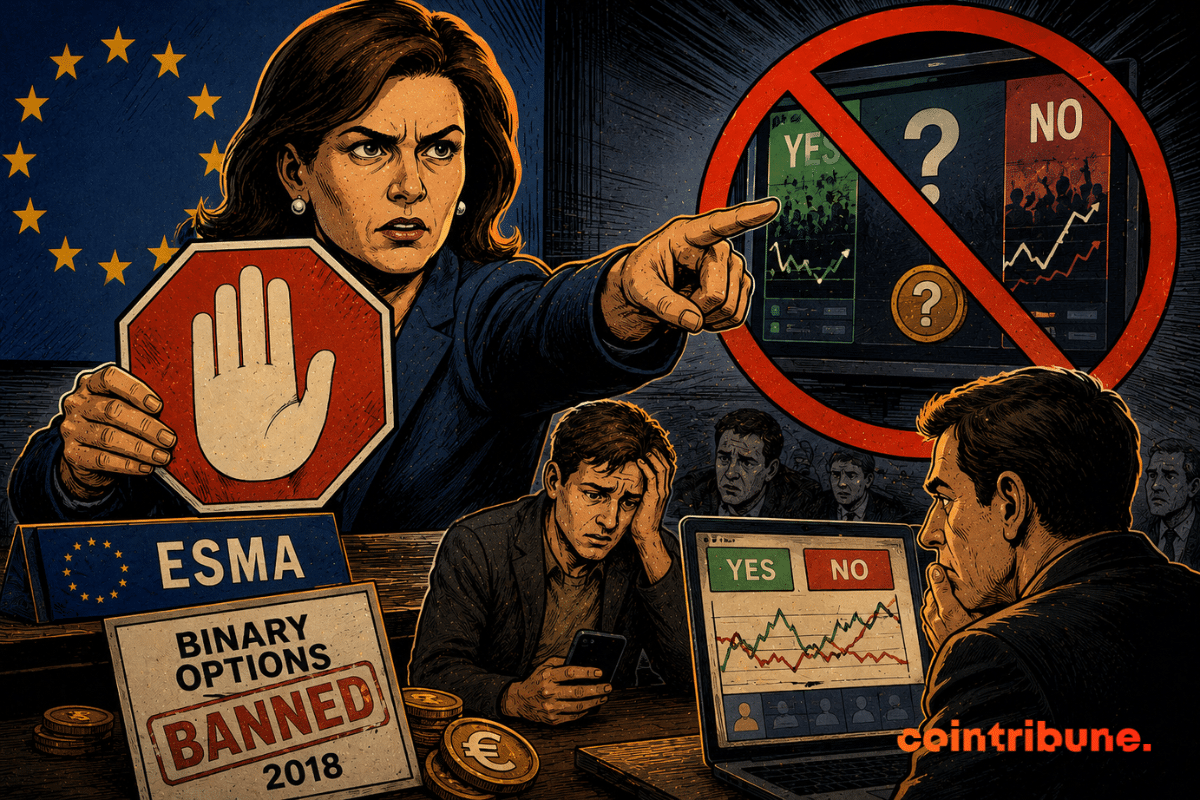
You can't bet on the stock market in Europe without being labelled a nasty speculator. ESMA is dusting off its old 2018 rulebook. Prediction platforms have been put on notice.
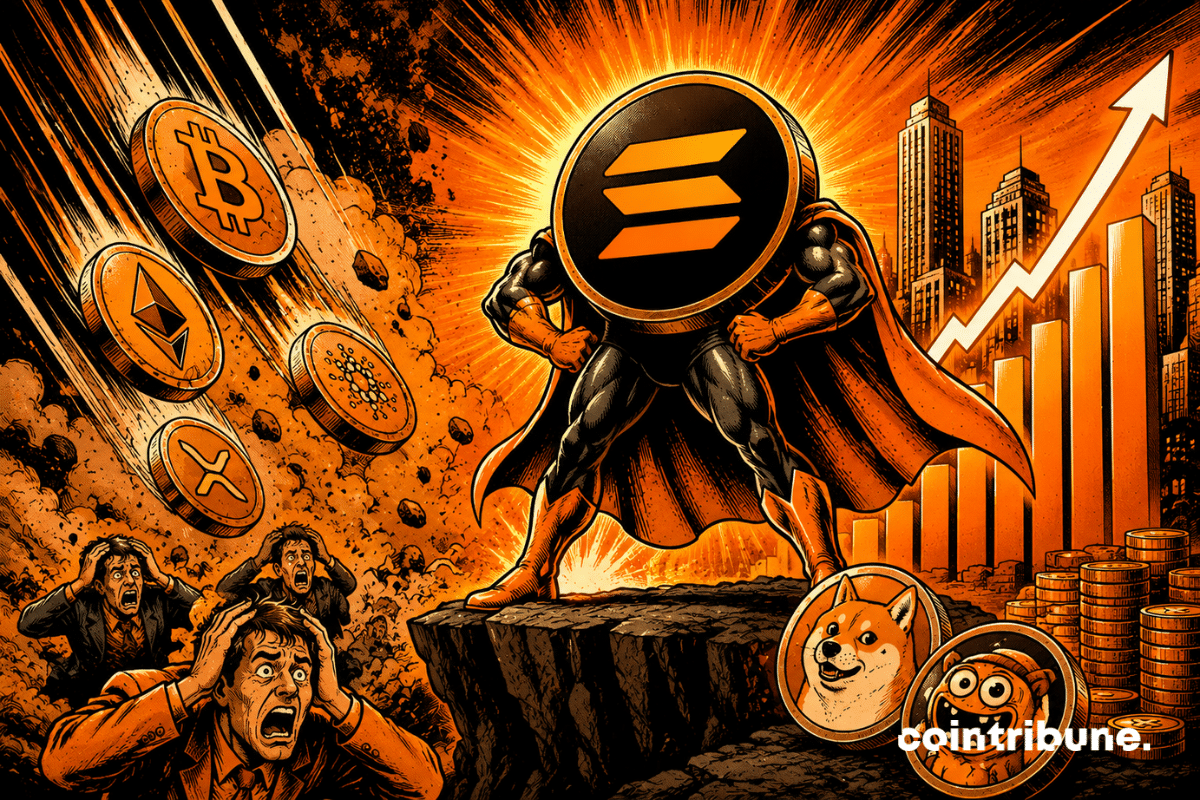

While most altcoins plunge and see their market capitalization fall to its lowest level since December 2023, Solana follows a radically different trajectory. Contrary to a pressured market, the network attracts capital at a steady pace and fuels renewed interest around its SOL token. This decoupling, rare in the crypto ecosystem, intrigues both investors and analysts alike. Behind this resistance are two distinct drivers: a fundamental dynamic carried by the network and a speculative momentum that further enhances its attractiveness.
Visa, M-Pesa and Onafriq test stablecoins in DRC to settle cross-border mobile transactions. The project aims to make transfers faster, cheaper and smoother, without necessarily changing the visible user experience. Payments continue to go through mobile money, but settlement is done in the background thanks to digital dollars.
2026 World Cup: Kraken offers up to 1 Bitcoin
280 crypto companies have been approved under MiCA, marking a regulatory shift in Europe. However, is this regulation truly effective in combating USDT and player exodus?
Solana has lost 68% of its validators in three years, dropping from around 2,500 to about 800 after a purge launched in 2025. Joseph Chalom, co-CEO of Sharplink and former BlackRock executive, contrasts this decline with Ethereum's over 900,000 validators. This battle of figures reignites the debate on the true decentralization of major blockchains. Will institutional investors decide in favor of robustness over speed?
Is Tim Draper selling his bitcoins? This simple hypothesis was enough to sow doubt in the crypto market. On Friday, July 3, a massive transfer of BTC to Coinbase Prime, attributed by several on-chain analysis tools to the famous billionaire, triggered a wave of speculation. Between fear of an imminent sale and questions about the reliability of blockchain tracing, the case recalls a reality: in a market dominated by large fortunes, a few transactions can shake investor sentiment.
"Some are leaving Europe. We are staying." OKX's message fits in one sentence, and it comes at the right time. Because on July 1st, everything changes: MiCA applies for real, and unlicensed exchanges will have to bow out on the continent. OKX, however, has its paperwork in order, MiCA, MiFID, payment institution. So to bring back all those who will have to move their cryptos, it pulls out the big guns: the "Time to Switch" campaign. Up to €400 in BTC for newcomers, 8% bonus on deposits, a VIP pass offered. From June 29 to July 31.
The cryptocurrency market continues to adapt to the new regulatory requirements that are gradually being implemented. In this context, Revolut informed some of its customers that it would remove USDT from its offering during the summer of 2026. This decision comes with a precise schedule that outlines several steps before the permanent removal of the stablecoin. It also illustrates how financial service platforms are gradually adjusting their cryptoasset offerings in response to the evolving regulatory framework.
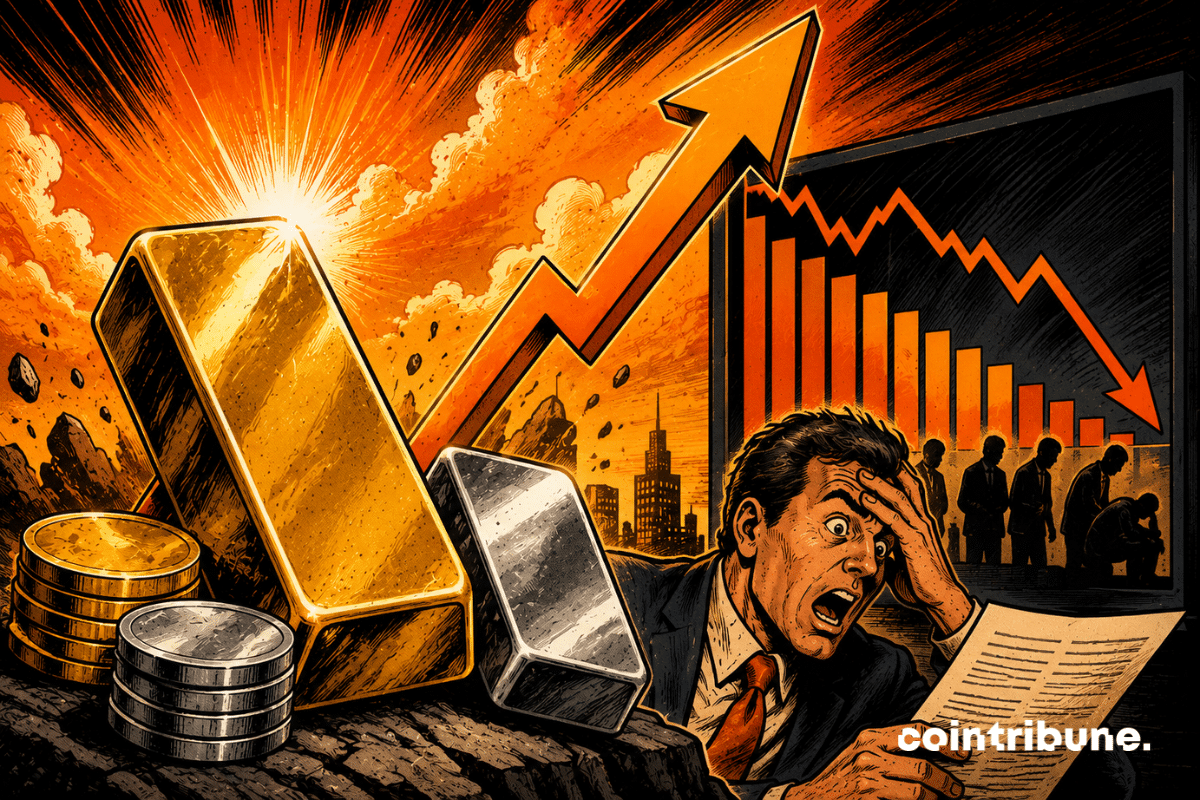
Markets did not wait long to react. Faced with weaker US economic indicators, investors immediately strengthened their positions on gold, reigniting the rise of the precious metal. Behind this movement is a major shift in perspective: expectations around the Federal Reserve’s upcoming decisions are evolving, weakening the dollar and reshuffling the deck for all financial assets. From precious metals to cryptos, this new reading of the American economic landscape could redefine investors’ strategies in the weeks ahead.