
Tue 01 Sep 2026 ▪
5 min read
▪
by
In my previous analysis, I was quite clear: Bitcoin was not bullish yet unless it was able to reclaim and decisively break above the $67,000 area.
In my previous analysis, I was quite clear: Bitcoin was not bullish yet unless it was able to reclaim and decisively break above the $67,000 area.

A nostalgic tweet, a power transfer worth 4,600 billion dollars, and a silence that says a lot about crypto. John Ternus officially takes the helm of Apple this Tuesday. Between a keynote within eight days, the OpenAI lawsuit, and a complete lack of position on bitcoin, the new boss has no time to catch his breath.
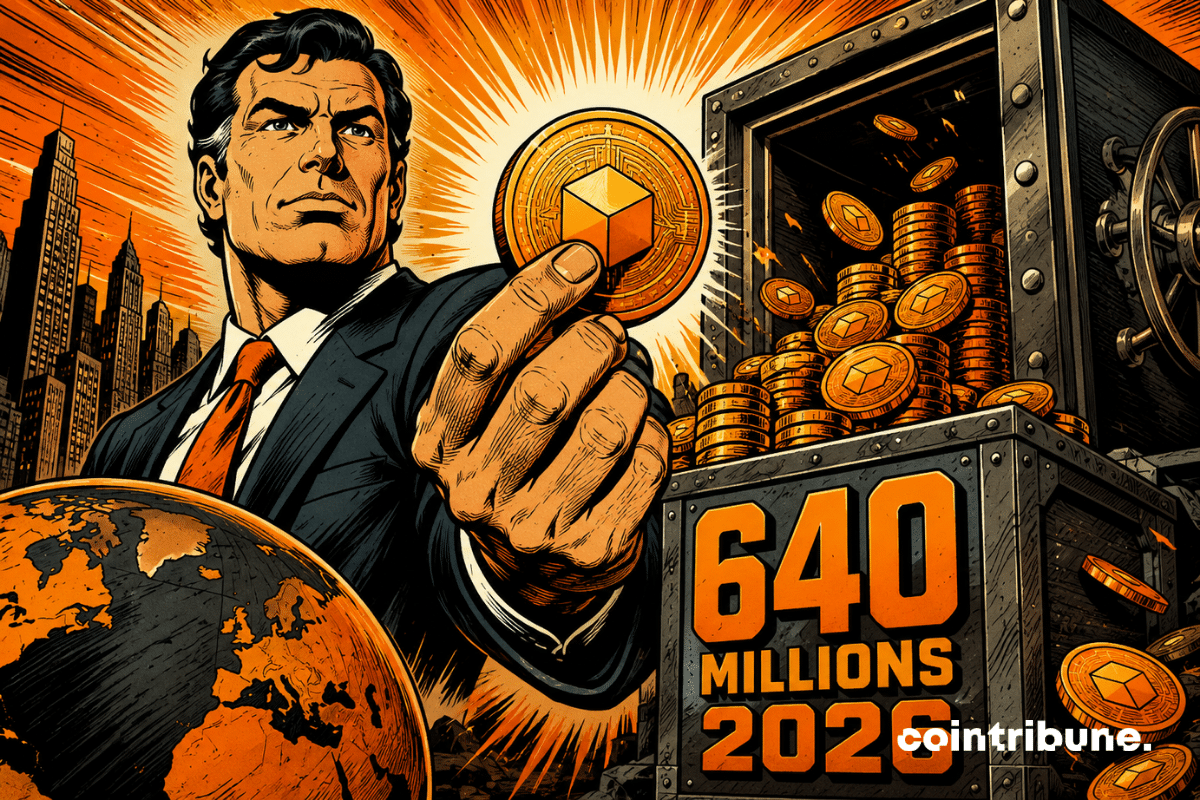
The digital assets market is seeing an emerging strategy linked to stocks: token buybacks. Since January, crypto groups have dedicated nearly $640 million to their own assets, according to Allium Labs data. Hyperliquid and pump.fun account for nearly 90% of the recorded amounts. For the projects involved, these operations aim to reduce the available supply and strengthen the connection between activity, revenue, and token value.

Hacking, phishing, or just a bug? X investigates an unprecedented wave targeting the platform's most followed crypto accounts. The details.

Bitcoin started September below 78000 dollars after a 25% rise in August, its best monthly performance since November 2024. Indeed, this entry into the month called "Rektember" revives an unfavorable seasonality. Bitcoin loses on average about 3% in September since 2013. In 2026, the main risk however does not come from the calendar but from the Federal Reserve. Markets now anticipate a possible rate increase starting September 16.

Privacy-focused cryptos widely outperformed the market in August. Zcash (ZEC) climbed 82%, driven by the launch of Grayscale's spot ZCSH ETF on NYSE Arca. Monero (XMR), on the other hand, rose 40%, thanks to the arrival of native swaps on THORChain v3.20. And the momentum does not stop there: several more discreet privacy coins are also benefiting, even though regulatory pressure remains strong.

Net inflows have been recorded in US XRP ETFs for eleven consecutive sessions. This streak, starting on August 18, brought them nearly 170 million dollars and raised their cumulative flows to 1.68 billion since their launch. Meanwhile, Q2 publications position Goldman Sachs as the leading known institutional investor. However, these two statistics do not cover the same period and do not allow linking recent flows to the American bank.

Hut 8 is transforming its Bitcoin-based infrastructures into machines for AI. Its Beacon Point campus in Texas now shows 704 MW of leased capacity for a base contract value of 19.6 billion dollars. Behind the setup are two giants: Nvidia would hold the site lease, while Anthropic has just signed a 35 billion contract with Lambda to use part of this power.

Bitcoin falls below $77,000 as U.S. strikes on Iran send oil soaring to $93. A surprising decoupling with gold emerges, revealing BTC's fragility to geopolitical shocks.

The GPU shortage succeeded where no manifesto had. It turned "decentralized AI", until recently just a slogan, into a real market. High-end accelerators have been out of stock for months, with lead times stretching past a year, and that scarcity pushed developers toward networks that pool idle hardware from around the world. Except the label "decentralized AI platform" now covers very different realities, and confusing them is the surest way to pick the wrong one. Renting a GPU is not the same as training a model. Scoring machine-learning outputs is not hosting an unrestricted LLM. This guide sorts the main players of 2026 by what they actually do, weighs the strengths and blind spots of each, and sets an outsider, Qubic, against the rest: the only network on this list where mining itself trains neural networks. No investment advice follows, only a map of the landscape.